
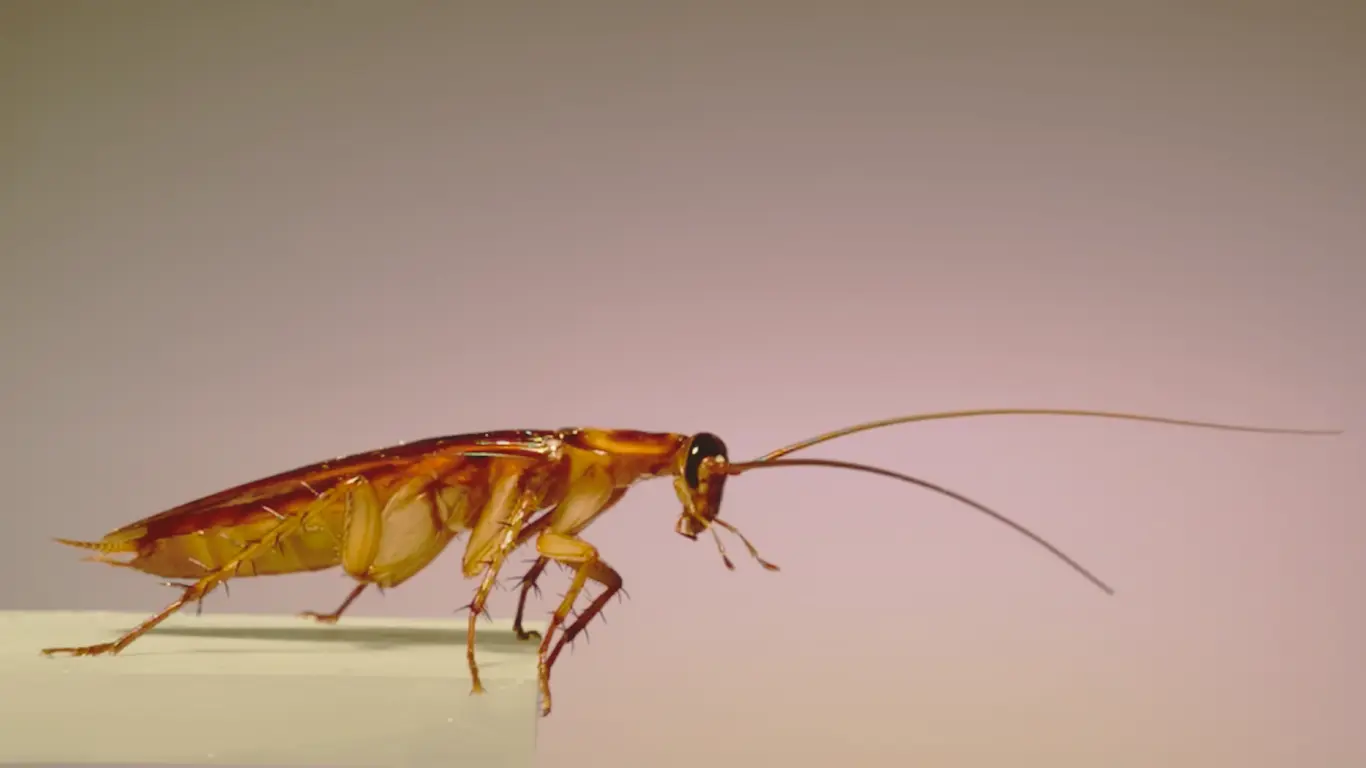
German cockroaches are one of the most common and most stubborn pests found in homes, especially in kitchens and bathrooms. They are small, fast, and reproduce quickly. If you see even one, there’s a good chance more are hiding nearby. Identifying them early is the key to stopping a serious infestation. In this article, I’ll show you how to recognize a German cockroach, where to find them, and what signs to look for—before they spread too far.
What Does a German Cockroach Look Like?
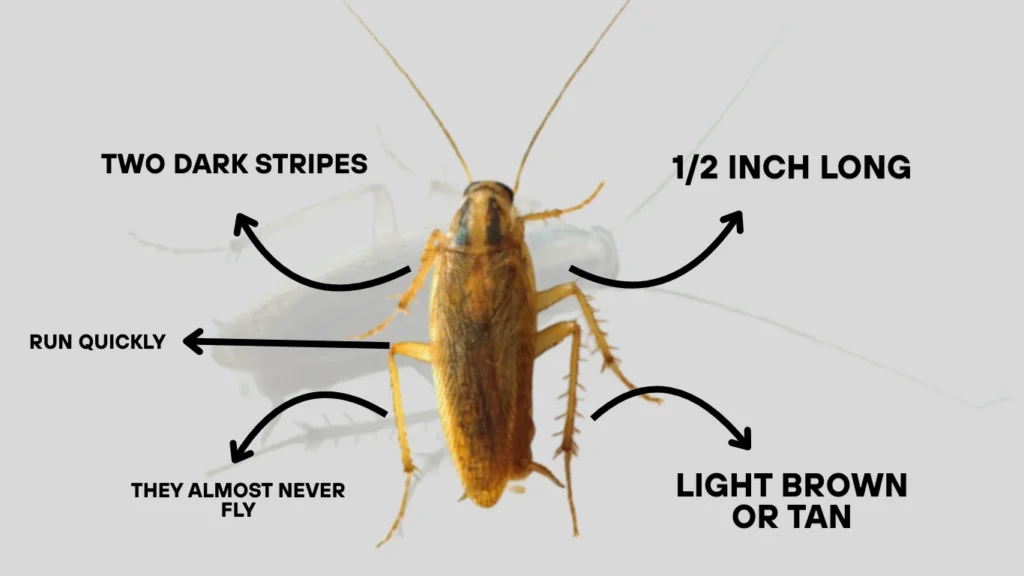
German cockroaches are small insects, usually about 1/2 inch long. Their body is flat and oval-shaped. They are light brown or tan, and the most noticeable feature is the two dark stripes that run from the back of their head down their wings. These lines are a clear sign you’re looking at a German cockroach.
They have wings, but don’t worry—they almost never fly. They use their wings more for gliding than real flight. They prefer to run quickly, which makes them harder to catch.
Male and female German cockroaches look very similar, but females are usually a little bit wider and carry a small brown case (ootheca) if they are about to lay eggs.
Baby German Cockroach Identification (Nymph Stage)

Baby German cockroaches are called nymphs. They are much smaller than adults and don’t have wings yet. At first, they appear dark brown or almost black, and as they grow, they become lighter.
These young cockroaches grow by shedding their skin, and with every stage (called instars), they get closer to their adult look. Seeing baby roaches in your home is a strong sign of an active infestation, as it means breeding is happening nearby.
You’ll often find baby roaches hiding in tight, warm spaces—under stoves, inside cabinet cracks, or around dishwashers.
German Cockroach Egg Case (Ootheca)
The egg case of a German cockroach is called an ootheca. It is a small, brown, bean-shaped case about 1/4 inch long. A female carries the case at the end of her body until the eggs are almost ready to hatch.
Each ootheca can hold 30 to 40 eggs. When they hatch, tiny nymphs come out and start looking for food and shelter. If you find one of these cases near your kitchen or bathroom, it’s a clear warning sign—you’re dealing with German cockroaches.
They often leave egg cases in hidden spots, like behind a refrigerator, under sinks, or inside drawer joints.
Signs of German Cockroach Activity
Even if you don’t see the cockroach itself, there are other signs they leave behind:
- Droppings: These look like tiny black pepper flakes or coffee grounds. You may see them along cabinet edges or in drawers.
- Smell: A musty or oily smell can build up when many roaches are present.
- Shed skins: As they grow, nymphs shed their old skin. These may be found in dark corners or near food.
- Live roaches at night: German cockroaches are most active when it’s dark. If you flip on the light and see one scatter, you’re not alone—they usually hide in groups.
Common Hiding Places in the Home

German cockroaches like warm, dark, and damp places. You’ll usually find them close to food and water sources. Here are some of their favorite hiding spots:
- Behind or under the refrigerator and stove
- Inside kitchen or bathroom cabinets
- Around plumbing under sinks
- In cracks, corners, or wall gaps
- Inside small appliances like toasters or microwaves
They don’t like cold air or open spaces, so they usually stay hidden until night.
German Cockroach vs Other Roaches

It’s easy to confuse German cockroaches with other types, especially baby American cockroaches. Here’s a quick comparison:
| Feature | German Cockroach | American Cockroach |
|---|---|---|
| Size | Small (1/2 inch) | Large (1.5 inches) |
| Color | Light brown, 2 dark stripes | Reddish-brown, yellow mark |
| Wings | Has wings, rarely flies | Has wings, can glide/fly |
| Hiding Places | Indoors (kitchens, bathrooms) | Basements, sewers, drains |
| Reproduction | Very fast | Slower |
Knowing which one you have helps you choose the best treatment method.
Why Early Identification Matters
German cockroaches reproduce fast. One female can produce thousands of roaches in just a few months. If you wait too long, it becomes much harder and more expensive to get rid of them.
They can also spread bacteria, contaminate food, and trigger allergies—especially in children and older adults. That’s why spotting them early and acting quickly is very important.
What to Do If You Spot One
If you think you’ve seen a German cockroach, don’t wait. Here are the first steps:
- Clean up crumbs, spills, and food waste right away.
- Seal cracks and gaps where they might be hiding.
- Use gel baits or sticky traps to check how many are around.
- Vacuum behind appliances and remove clutter.
- Call pest control if the problem is large or keeps coming back.
Even seeing one roach in daylight could mean there are many more hiding nearby.
Conclusion
German cockroaches are small, fast, and sneaky—but with the right knowledge, you can spot them early. Look for their shape, stripes, droppings, and hiding places. If you catch the signs early enough, you can stop them before they turn into a serious problem. Don’t ignore even one roach—where there’s one, there are usually more. The sooner you act, the easier it is to take back your home.
