
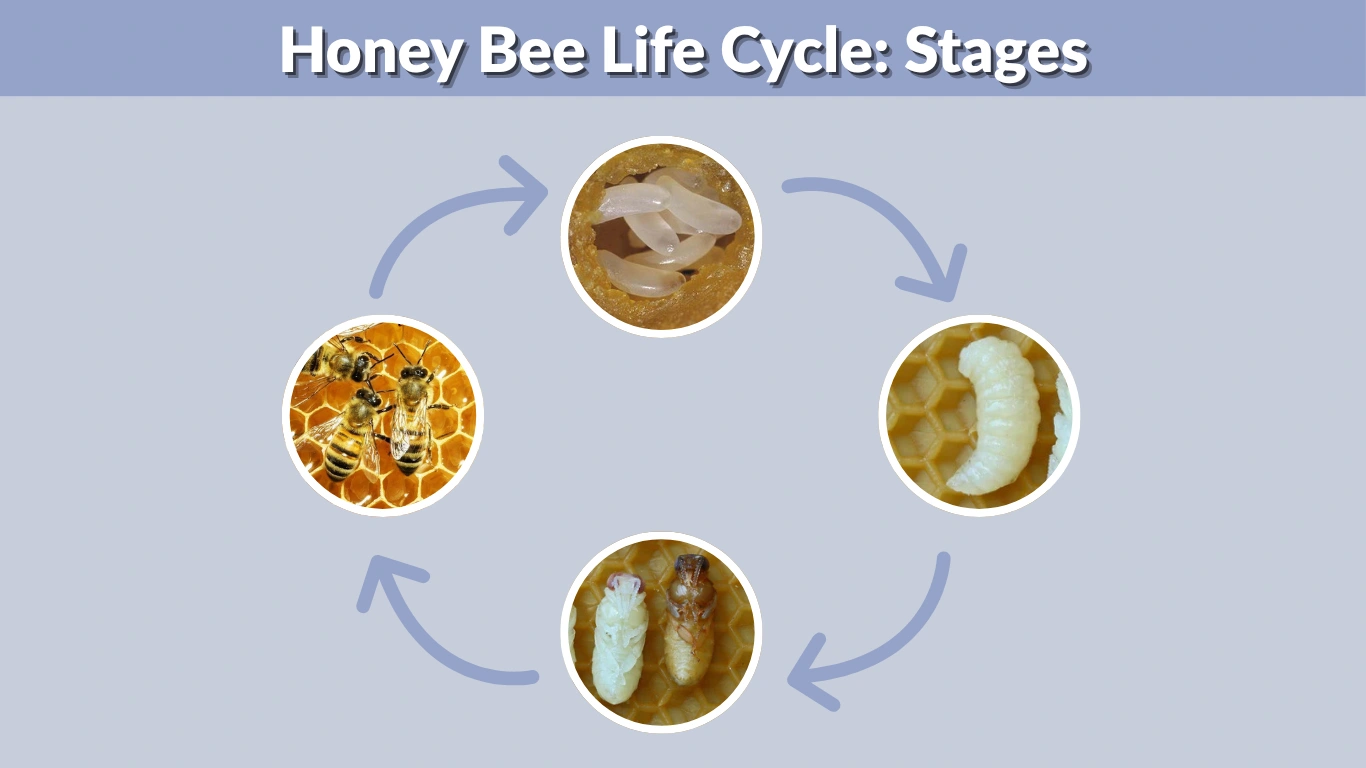
The honey bee life cycle is a fascinating process that shows how these tiny insects grow, develop, and contribute to their colony. Like many insects, honey bees undergo complete metamorphosis, meaning they pass through four distinct stages before becoming adults.
Understanding the life cycle of a honey bee is important because it helps explain how a colony survives, grows, and functions efficiently. Each stage plays a crucial role in shaping the future of the hive, whether it produces a worker, drone, or queen bee.
From a tiny egg to a fully developed adult, the transformation of a honey bee is both complex and highly organized. This process ensures that every bee in the colony has a specific role to perform.
Overview of Honey Bee Life Cycle Stages
The honey bee life cycle consists of four main stages:
- Egg – The beginning stage laid by the queen
- Larva – A feeding and growth stage
- Pupa – Transformation into an adult
- Adult – Fully developed bee with specific roles
Each stage is essential and occurs within the honeycomb cells inside the hive. The duration of each stage varies depending on whether the bee becomes a queen, worker, or drone.
Stage 1 – Egg Stage
Egg Laying by the Queen
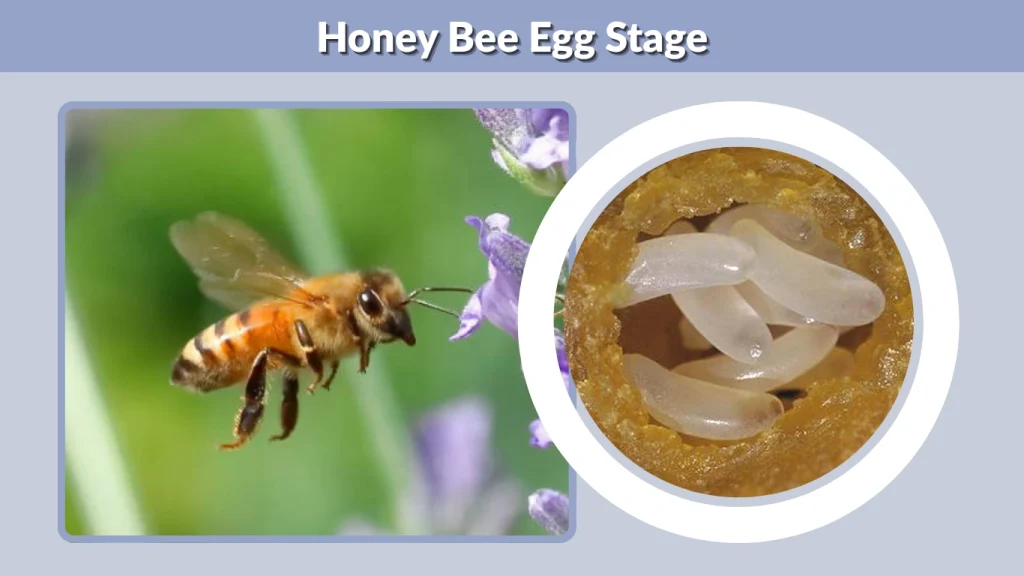
The life cycle begins when the queen bee lays eggs inside specially prepared cells in the honeycomb. The queen is the only fertile female in the colony and can lay up to 1,500–2,000 eggs per day under optimal conditions.
Each egg is placed carefully in a cell and sticks to the base. The type of cell determines whether the egg will develop into a worker, drone, or queen bee.
Duration of Egg Stage
The egg stage lasts for about 3 days. During this time, the egg begins to develop internally before hatching into a larva.
Cell Types
There are three types of cells in which eggs are laid:
- Worker cells: Smaller cells for worker bees
- Drone cells: Larger cells for male bees
- Queen cells: Special vertical cells for future queens
These differences play a key role in determining the bee’s future role.
Stage 2 – Larva Stage
Hatching Process
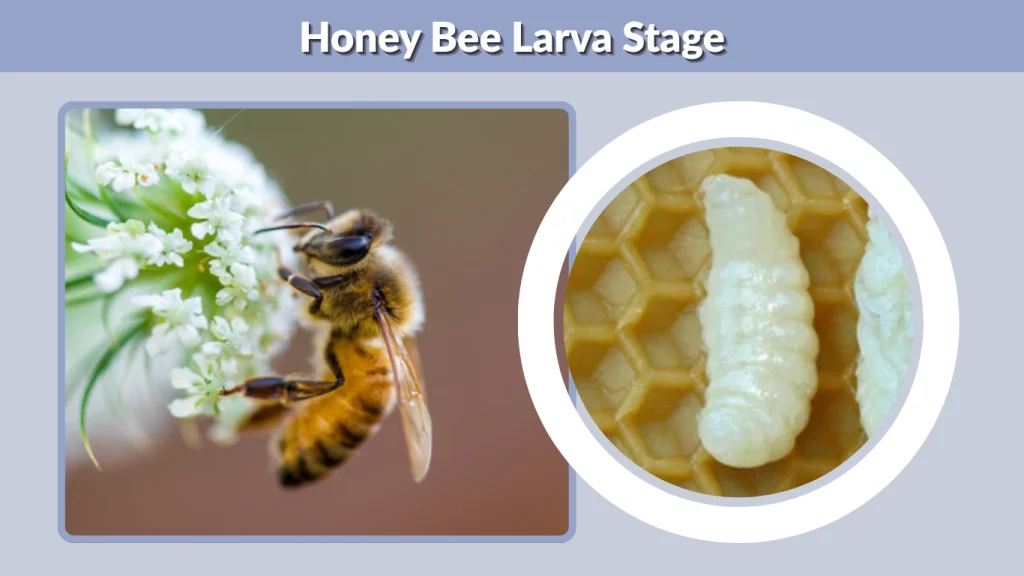
After about three days, the egg hatches into a tiny, worm-like larva. At this stage, the larva has no legs or eyes and depends entirely on worker bees for food.
Feeding of Larvae
Worker bees feed the larvae with nutrient-rich substances:
- Royal jelly: Fed to all larvae initially, but exclusively to queen larvae
- Worker jelly (bee bread): A mixture of pollen and nectar for worker and drone larvae
The type of food given determines whether the larva will become a queen or a worker.
Growth and Development
The larva grows rapidly during this stage, shedding its skin several times in a process called molting. It can increase in size dramatically within just a few days.
During this period, the larva’s main function is to eat and grow as much as possible.
Duration of Larval Stage
The larval stage lasts approximately 5–6 days. After this, the cell is sealed with wax by worker bees, and the larva begins its transformation.
Stage 3 – Pupa Stage
Sealing of the Cell
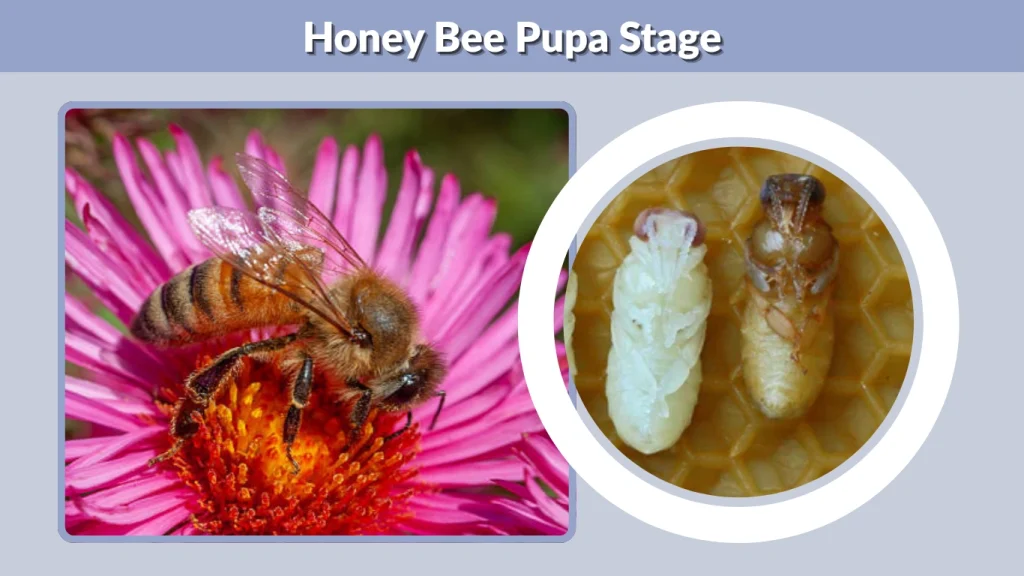
Once the larva has fully grown, worker bees seal the cell with a wax cap. Inside this sealed environment, the larva enters the pupal stage.
Transformation Process
During the pupal stage, the bee undergoes a remarkable transformation:
- Development of wings
- Formation of legs and eyes
- Growth of antennae and body structure
This stage is when the larva transforms into a fully formed bee through metamorphosis.
Duration of Pupa Stage
The duration of the pupal stage depends on the type of bee:
- Queen bee: About 7–8 days
- Worker bee: About 12 days
- Drone bee: About 14 days
This variation explains why queens develop faster than other bees.
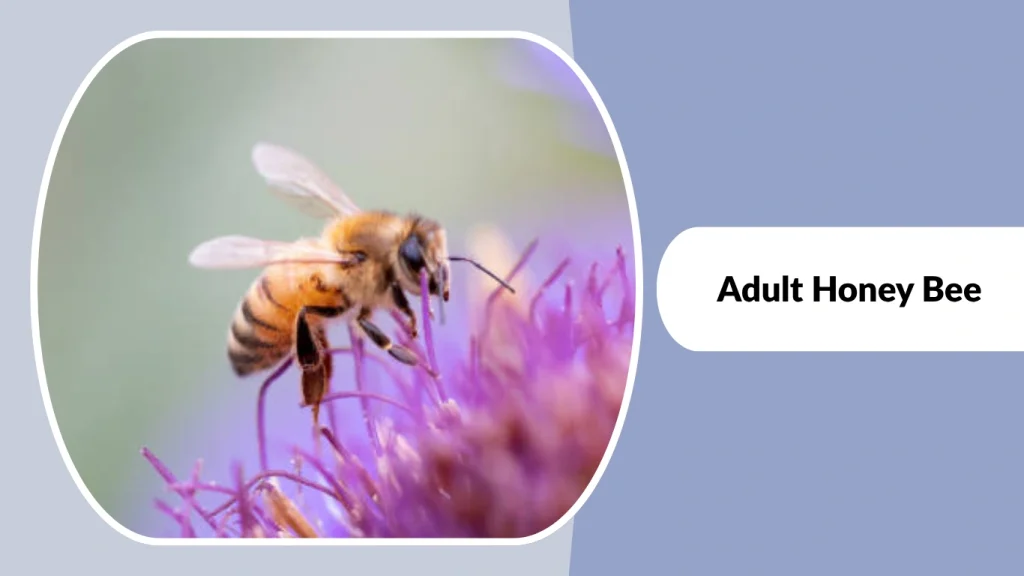
Stage 4 – Adult Honey Bee
Emergence from Cell
At the end of the pupal stage, the fully developed adult bee chews its way out of the sealed cell. This marks the final stage of the life cycle.
The new bee is now ready to take on its role in the colony.
Roles Based on Type
Once emerged, the bee’s role depends on its type:
- Queen bee: Responsible for reproduction
- Worker bees: Perform tasks such as cleaning, feeding larvae, guarding, and foraging
- Drone bees: Focus on mating with the queen
Each bee contributes to the overall functioning of the hive.
Life Cycle Differences (Queen vs Worker vs Drone)
Development Time Comparison
The development time of honey bees varies depending on their role in the colony:
- Queen bee: ~16 days
- Worker bee: ~21 days
- Drone bee: ~24 days
Queens develop the fastest, while drones take the longest to mature.
Reasons for Differences
Several factors influence these differences:
- Diet: Queen larvae are fed only royal jelly, which accelerates development
- Cell size: Larger cells allow more growth space
- Genetics: Determines whether the bee becomes male or female
These factors ensure the colony maintains balance and efficiency.
Honey Bee Metamorphosis Explained
Honey bees undergo complete metamorphosis, meaning they transform entirely from one stage to another.
- The egg stage begins life
- The larva focuses on feeding and growth
- The pupa transforms into a structured body
- The adult emerges fully developed
This process allows honey bees to adapt and specialize in different roles within the hive.
Factors Affecting Honey Bee Life Cycle
Temperature
Temperature plays a critical role in development. The hive must maintain a stable temperature (around 34–35°C) for proper growth.
Nutrition
The quality and quantity of food affect how well larvae develop. Poor nutrition can lead to weaker bees.
Hive Conditions
A clean, well-maintained hive supports healthy development, while overcrowding or disease can disrupt the life cycle.
Season
Bee development may slow down during colder months and become more active in spring and summer.
Importance of the Honey Bee Life Cycle
The life cycle of honey bees is essential for the survival of the colony and the environment:
- Ensures continuous population growth
- Maintains proper division of labor
- Supports pollination, which is crucial for plants and crops
Without this well-organized cycle, honey bee colonies would not survive.
Interesting Facts About Honey Bee Life Cycle
- Queen bees develop faster than all other bees
- Worker bees change jobs as they age
- The type of food a larva receives determines its future role
- A queen can lay thousands of eggs in a single day
- Bees spend most of their early life inside the hive before foraging
FAQs
How many eggs can a queen bee lay in a day?
A queen bee can lay around 1,500 to 2,000 eggs per day, depending on the season and colony conditions.
What determines whether a bee becomes a queen or a worker?
The main factor is diet. Larvae fed only royal jelly develop into queens, while others become workers.
Do all honey bees go through the same life stages?
Yes, all honey bees pass through the same four stages: egg, larva, pupa, and adult, but the duration differs.
Where does the honey bee life cycle take place?
The entire life cycle occurs inside the honeycomb cells within the hive.
Can the honey bee life cycle be affected by humans?
Yes, human activities like pesticide use, habitat destruction, and poor hive management can negatively impact bee development.
Conclusion
The honey bee life cycle is a remarkable process that highlights the complexity and efficiency of these tiny insects. From egg to adult, each stage plays a vital role in maintaining the colony and ensuring its survival.
Understanding this life cycle not only helps us appreciate honey bees but also emphasizes their importance in agriculture and ecosystems. By protecting bees and their habitats, we support the continuation of this essential natural process.
