

Worried you might have bed bugs? These tiny, blood-sucking insects are masters at hiding—nestling into mattress seams, furniture cracks, and even behind electrical outlets. But the earlier you catch them, the easier they are to eliminate. Whether you’re at home or traveling, knowing where and how to look is key. In this guide, you’ll discover 13 highly effective ways to check for bed bugs before they take over your space.
Certainly! Here’s a more detailed and expanded version of the first three methods:
1. Inspect Mattress Seams and Tufts
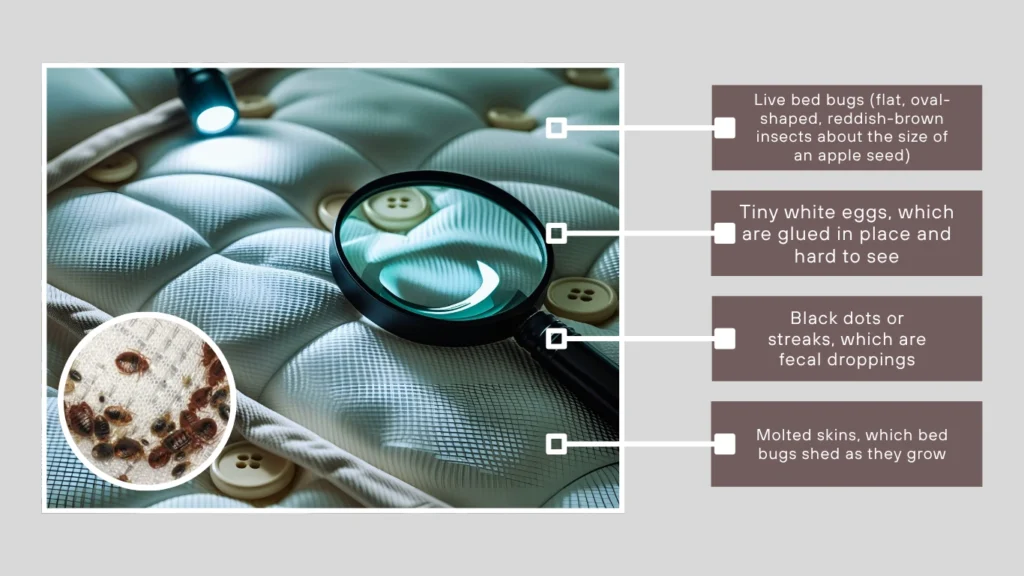
The mattress is often ground zero for a bed bug infestation. These pests prefer to stay close to their food source—you. Mattress seams, tags, buttons, and tufts provide the perfect shelter. Use a flashlight and a magnifying glass if possible.
Carefully run your hand and flashlight along all edges and corners of the mattress, lifting folds and checking deeply within seams. You’re looking for:
- Live bed bugs (flat, oval-shaped, reddish-brown insects about the size of an apple seed)
- Tiny white eggs, which are glued in place and hard to see
- Black dots or streaks, which are fecal droppings
- Molted skins, which bed bugs shed as they grow
Tip: Use a stiff credit card to slide along seams—it may dislodge hidden bugs or eggs.
2. Check Box Spring and Bed Frame Cracks
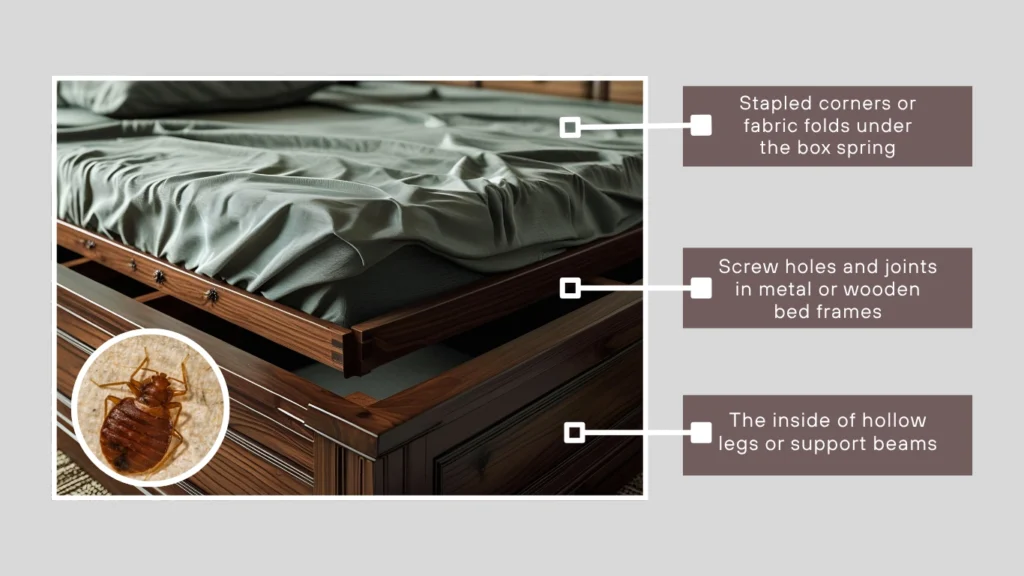
After inspecting the mattress, remove it to reveal the box spring and bed frame. Bed bugs often hide in the wooden structure, corners, and fabric covering of box springs. They can squeeze into tiny cracks and holes you might not even notice at first glance.
Pay special attention to:
- Stapled corners or fabric folds under the box spring
- Screw holes and joints in metal or wooden bed frames
- The inside of hollow legs or support beams
Use a flashlight and, if possible, an inspection mirror to check underneath. Tapping lightly on the frame may also flush out bugs from tight spaces. This area is often overlooked—yet it’s one of their favorite places to hide and breed.
3. Look Behind Headboards
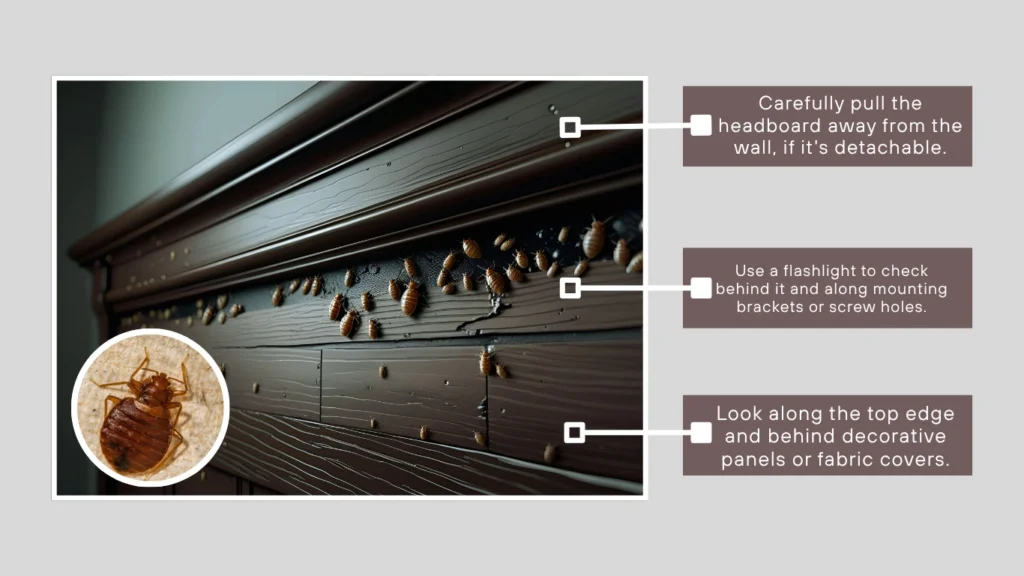
Headboards are prime real estate for bed bugs, especially in hotels where they are frequently mounted to the wall. These spots are dark, warm, and rarely disturbed—exactly the conditions bed bugs love.
To inspect:
- Carefully pull the headboard away from the wall, if it’s detachable.
- Use a flashlight to check behind it and along mounting brackets or screw holes.
- Look along the top edge and behind decorative panels or fabric covers.
Even if the mattress appears clean, the headboard may reveal an active infestation in hiding. Hotels, dorm rooms, and guest bedrooms are especially vulnerable, so check here first if you’re traveling or staying somewhere temporarily.
4. Search Under the Bed and Bed Legs
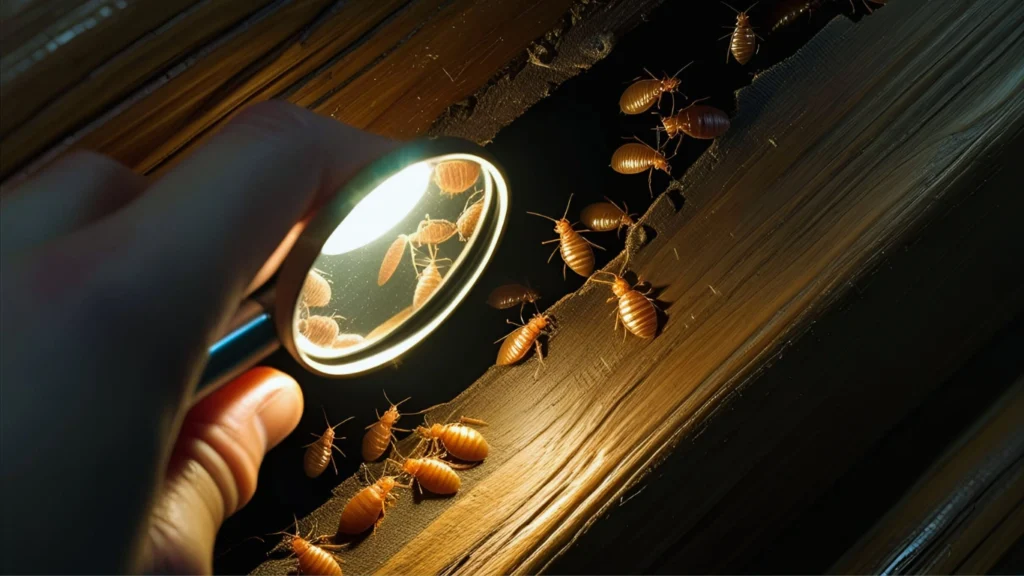
Bed bugs don’t just stay on the mattress—they often hide under the bed frame or inside hollow bed legs. Use a flashlight and a mirror to check underneath the bed, especially in corners, joints, or cracks. Pay attention to the underside of the slats, as bugs may cluster there to stay close to their food source. Look for black dots (feces), small shed skins, or tiny reddish bugs.
5. Examine Pillowcases and Sheets
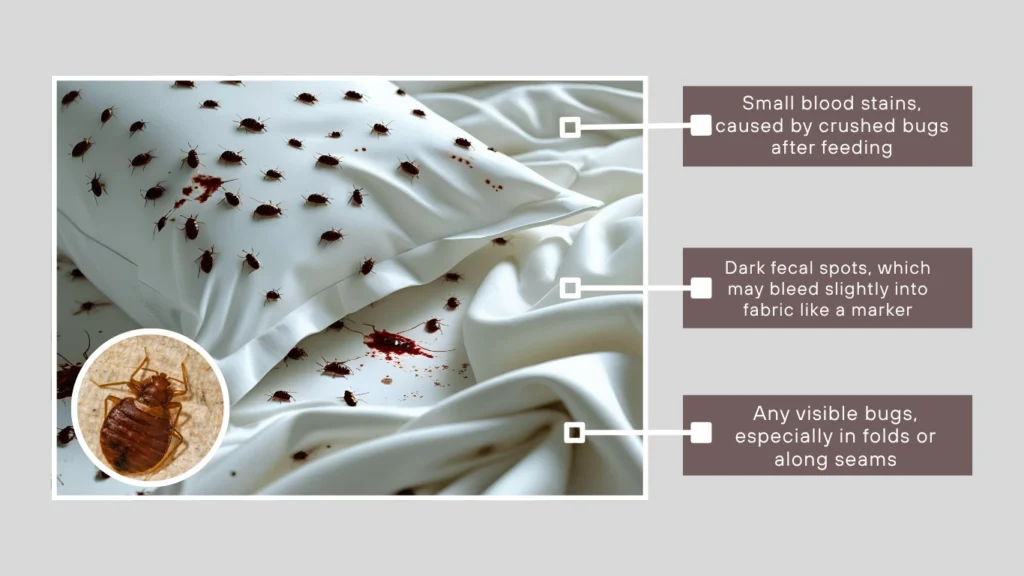
Your bedding can reveal some of the earliest and most visible signs of bed bugs. Carefully inspect pillowcases, sheets, and blankets for:
- Small blood stains, caused by crushed bugs after feeding
- Dark fecal spots, which may bleed slightly into fabric like a marker
- Any visible bugs, especially in folds or along seams
Washing your bedding regularly on high heat can help detect and kill bed bugs early before they spread.
6. Look at Upholstered Furniture
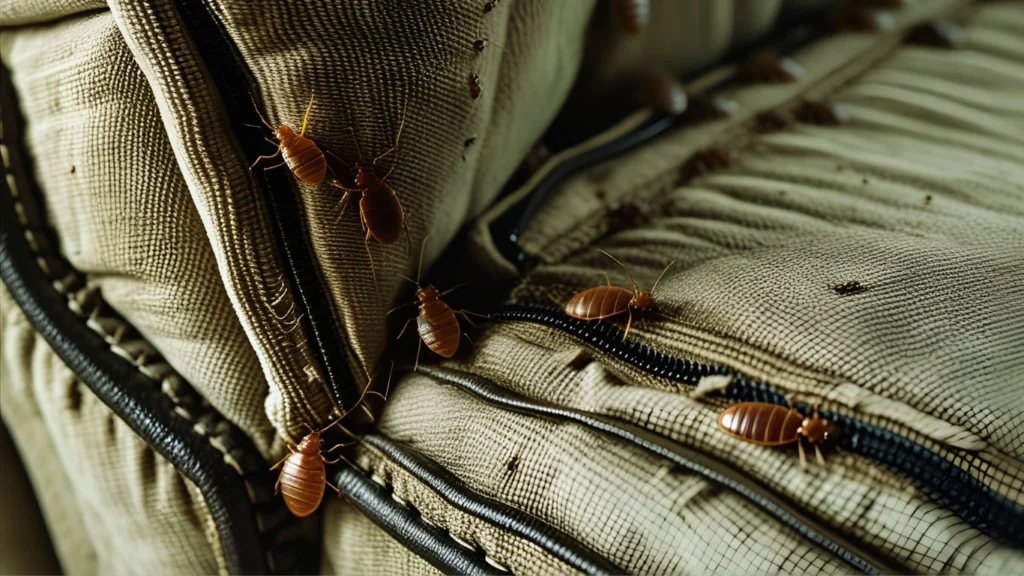
Bed bugs don’t just infest beds—they’re equally at home in couches, armchairs, and recliners. Focus on the seams, folds, and creases of cushions, as well as the frame underneath. Remove seat cushions and look along the stitching and inside any gaps or zippers. Be especially cautious with secondhand furniture, as even a few hidden bugs can lead to a full-blown infestation later.
7. Use a Bed Bug Interceptor Trap

Interceptor traps are simple yet effective tools for detecting bed bugs. Place them under each leg of your bed or furniture. These devices are designed so bugs can climb in but not escape. Over time, they can catch live bed bugs trying to reach you at night. Check the traps every few days—captured bugs are a clear sign of activity.
8. Inspect Curtains and Window Frames
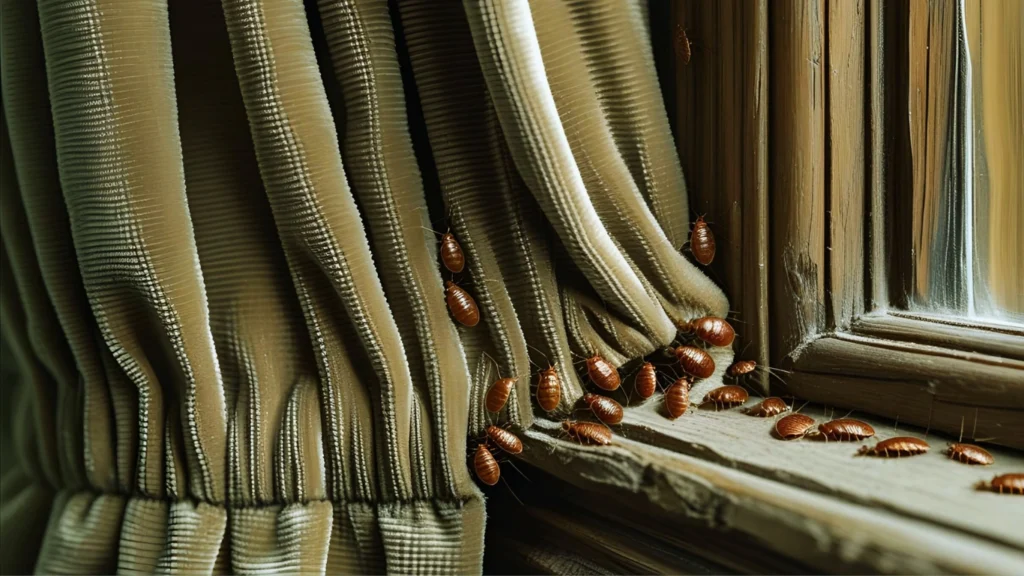
Bed bugs can crawl vertically and may hide in the folds of curtains or in the cracks around window trim. Carefully pull back curtains and inspect the pleats, hems, and fabric near the bottom and top. Also, check inside the window frame and along any cracks in the sill or wall. Dark fecal spots, molted skins, or small live bugs may be present.
9. Check Electrical Outlets and Wall Cracks

In more advanced infestations, bed bugs may retreat behind walls and into electrical outlets to escape treatments. Unscrew outlet covers and use a flashlight to look inside. Be cautious and ensure the power is off to avoid electrical shock. Also, examine nearby wall cracks, especially along baseboards or behind picture frames. Bed bugs often hide here to stay close to sleeping areas.
10. Examine Baseboards and Carpet Edges

Bed bugs often crawl along baseboards and settle into cracks between the wall and floor. Use a flashlight to inspect the entire perimeter of the room, especially in the corners. Look for dark specks (fecal spots), eggs, or tiny shed skins. Where carpet meets the baseboard, gently lift the edge to check underneath—bugs often hide along the tack strip or under loose areas.
11. Inspect Closets and Clothing

Though less common, bed bugs can crawl into closets and hide in clothing, shoes, or bags—especially if these items are near your sleeping area. Shake out clothes, check inside shoes, and look along seams, pockets, and folds. Bed bugs may also lay eggs in the corners of drawers or hangers.
12. Use a Credit Card and Flashlight Trick
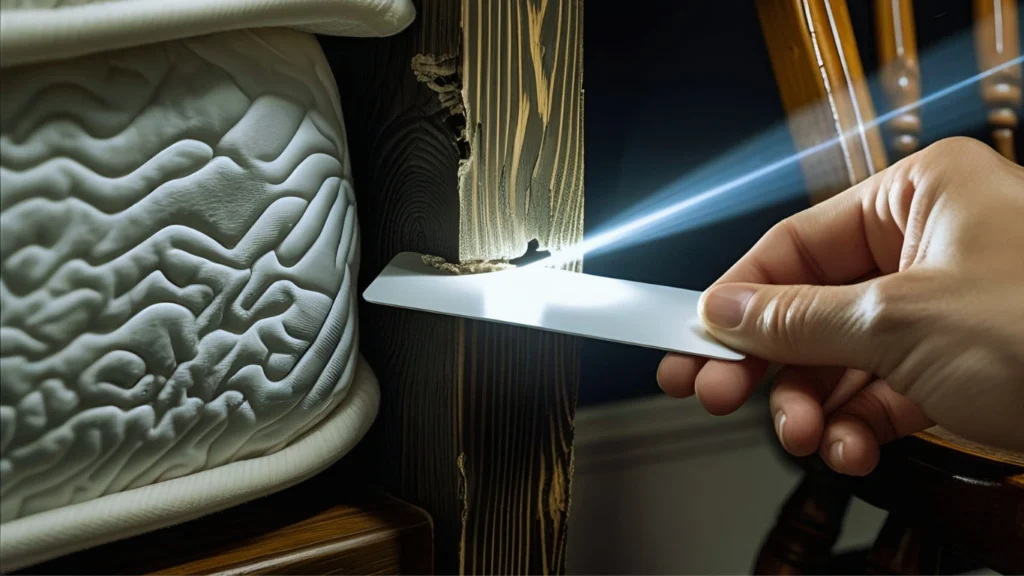
Slide a stiff card (like a credit or ID card) along mattress seams, behind baseboards, or into cracks in furniture while shining a flashlight. This technique helps dislodge hidden bed bugs or eggs. It’s especially useful in narrow spaces where bugs wedge themselves tightly. The flashlight can catch their glossy bodies or movements as they’re disturbed.
13. Sniff for a Musty Odor

In more severe infestations, bed bugs release pheromones that produce a sweet, musty, or slightly almond-like odor. This scent may be faint at first but becomes noticeable as the population grows. If you detect a strange, unpleasant smell near your bed or upholstered furniture—especially one that doesn’t go away with cleaning—it could be a sign of a hidden bed bug colony. Professional pest control experts often use trained dogs to detect this scent more accurately.
What to Do If You Find Signs of Bed Bugs
Discovering signs of bed bugs can be unsettling—but quick action is your best defense. Here’s what you should do next:
1. Isolate the Infested Area
Avoid moving furniture or personal items to other rooms, as this can spread the infestation. If possible, seal items in plastic bags until they can be treated.
2. Wash and Heat-Treat Everything
Immediately wash bedding, clothing, and curtains in hot water and dry them on the highest heat setting. Bed bugs and their eggs die at temperatures above 120°F.
3. Vacuum Thoroughly
Use a high-suction vacuum with a crevice tool to clean mattress seams, baseboards, bed frames, and upholstery. Dispose of the vacuum bag or canister contents in a sealed plastic bag outdoors.
4. Use Insecticide or Contact a Professional
You can try EPA-approved bed bug sprays or desiccant powders (like diatomaceous earth). However, for widespread or recurring infestations, calling a licensed exterminator is highly recommended.
5. Monitor Regularly
Even after treatment, continue inspecting your bed and furniture regularly using interceptor traps or visual checks to ensure all bed bugs have been eliminated.
FAQs
1. Can you see bed bugs with the naked eye?
Yes, adult bed bugs are visible to the naked eye. They’re about the size of an apple seed—flat, oval-shaped, and reddish-brown. Nymphs (young bed bugs) are smaller and lighter in color, while eggs are tiny and white, often requiring a magnifying glass to spot.
2. What’s the first sign of bed bugs?
Common early signs include itchy, red bites on your skin (often in a line or cluster), small blood stains on sheets, and black dots (fecal spots) on mattresses or bedding. In some cases, you may also notice molted skins or a musty odor.
3. Do bed bugs only live in beds?
No. While they prefer to stay close to their host, bed bugs can hide in couches, chairs, baseboards, curtains, electrical outlets, and even luggage. Any dark, tight, and undisturbed area near where people sleep is fair game.
4. Can bed bugs live in clean homes?
Yes. Cleanliness has nothing to do with bed bug infestations. They feed on blood, not dirt, so even the cleanest homes can get bed bugs—especially if they hitch a ride in luggage, used furniture, or clothing.
5. When are bed bugs most active?
Bed bugs are nocturnal and most active between 1 AM and 5 AM. They hide during the day and come out at night to feed on sleeping hosts. However, in heavy infestations or when starved, they may also bite during daylight hours.
