
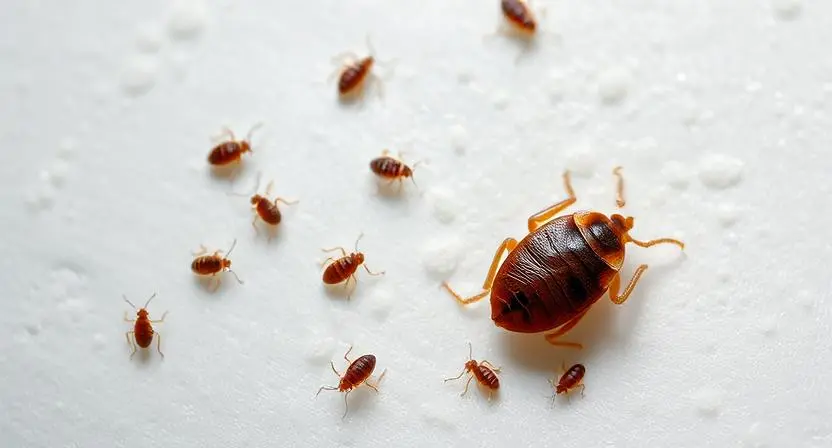
Bed bugs are persistent household pests that can quickly become a nightmare. They hide in small cracks, multiply fast, and are difficult to eliminate. If you’ve noticed bites, blood stains on sheets, or tiny brownish bugs around your bed, it’s time to take action. This guide walks you through the best ways to eliminate bed bugs effectively.
Step 1: Identifying a Bed Bug Infestation

Before starting treatment, confirm the presence of bed bugs. They are small, reddish-brown insects about the size of an apple seed. Common signs of infestation include:
- Tiny black or brown spots on bedding (fecal matter).
- Blood stains from crushed bugs.
- Shed exoskeletons and tiny white eggs in furniture cracks.
- Red, itchy bites on exposed skin, often in clusters or straight lines.
Check mattresses, bed frames, furniture joints, baseboards, and even electrical outlets, as bed bugs love to hide in tiny spaces.
Step 2: Preparing for Bed Bug Treatment
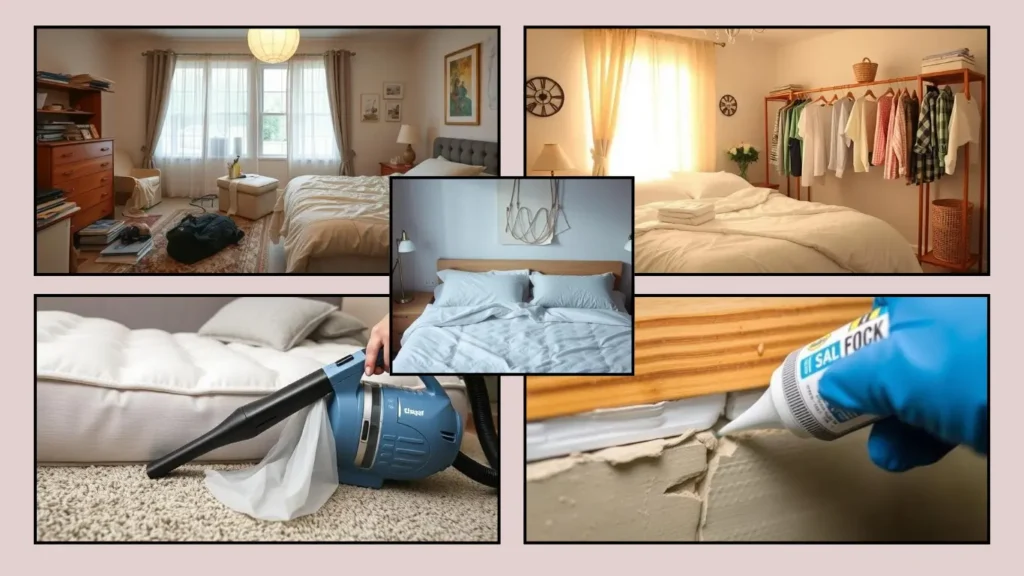
Eliminating bed bugs requires thorough preparation. Follow these steps before treatment:
- Declutter the affected areas to remove hiding spots.
- Wash all bedding, clothes, and curtains in hot water and dry on high heat.
- Vacuum mattresses, furniture, carpets, and cracks to remove bugs and eggs. Dispose of the vacuum bag immediately.
- Seal cracks and crevices with caulk to limit hiding places.
- Move your bed away from walls and encase the mattress and pillows in bed bug-proof covers.
Once your home is prepared, you can proceed with treatment.
Step 3: Choosing the Best Treatment Method
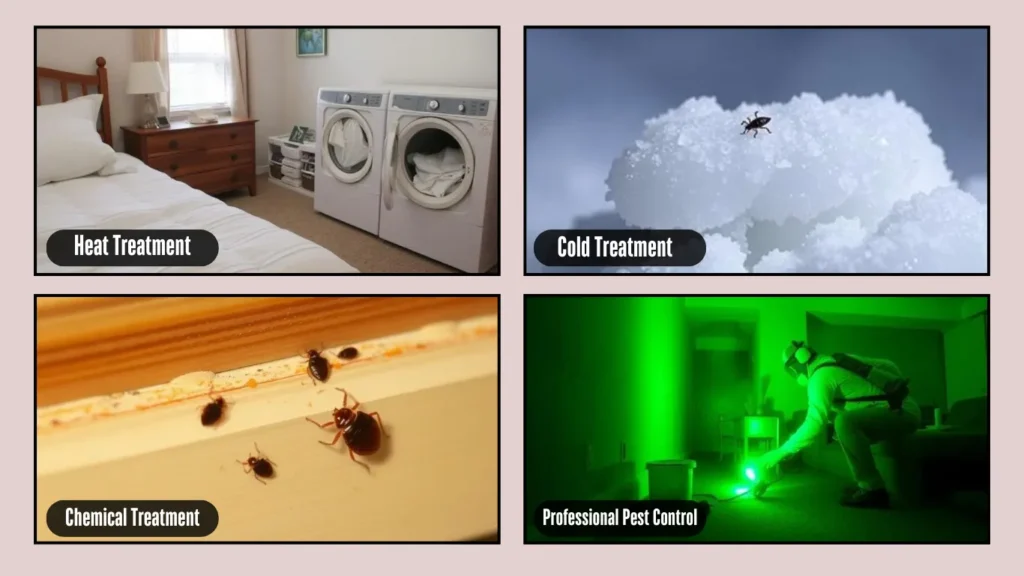
There are several ways to eliminate bed bugs. The best method depends on the severity of the infestation.
A. Heat Treatment
Bed bugs cannot survive extreme heat. Use a steam cleaner to treat mattresses, carpets, and furniture. Set dryers to the highest heat setting for infested clothing and linens.
B. Cold Treatment
For small items, freezing at 0°F (-18°C) for at least four days can kill bed bugs and eggs.
C. Chemical Treatment
For more severe infestations, insecticides can help. Use EPA-approved sprays, bed bug powders, or residual insecticides. Focus on crevices, baseboards, and furniture joints. Always follow safety instructions when using chemicals.
D. Professional Pest Control
If DIY methods fail, hiring a professional exterminator may be necessary. Experts use specialized treatments such as heat chambers or fumigation to ensure complete eradication.
Step 4: Preventing Reinfestation
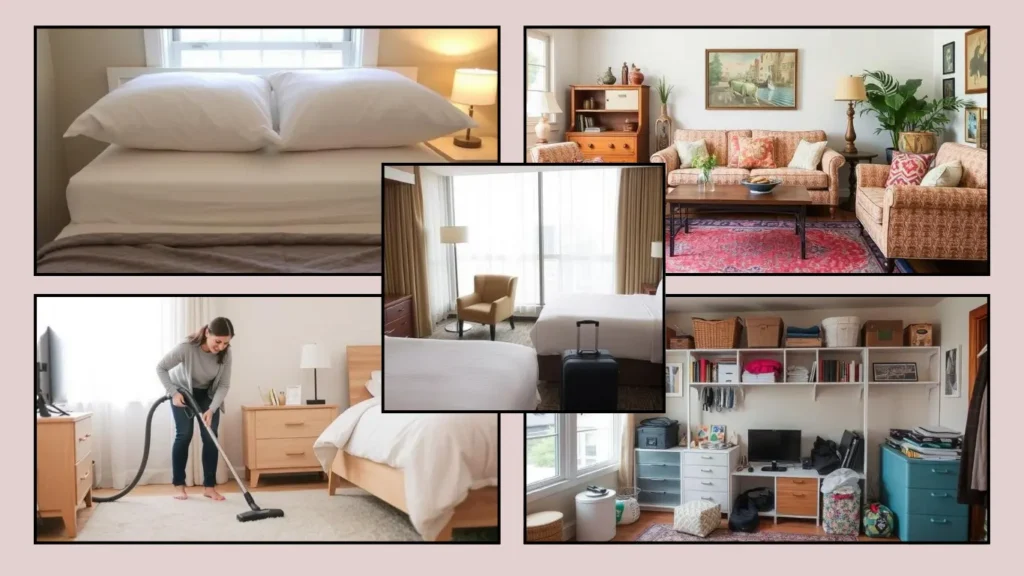
Once the bed bugs are gone, take preventive measures to keep them from returning:
- Use mattress and pillow encasements to block hiding spots.
- Vacuum frequently, especially around sleeping areas.
- Reduce clutter to minimize potential hiding places.
- Be cautious with secondhand furniture—inspect items before bringing them home.
- Check hotel rooms when traveling to avoid bringing bed bugs home in luggage.
Conclusion
Eliminating bed bugs requires a combination of thorough cleaning, heat or chemical treatments, and preventive measures. Whether you use DIY solutions or hire professionals, consistency is key. By following these steps, you can regain control of your home and enjoy a pest-free environment once again.
