
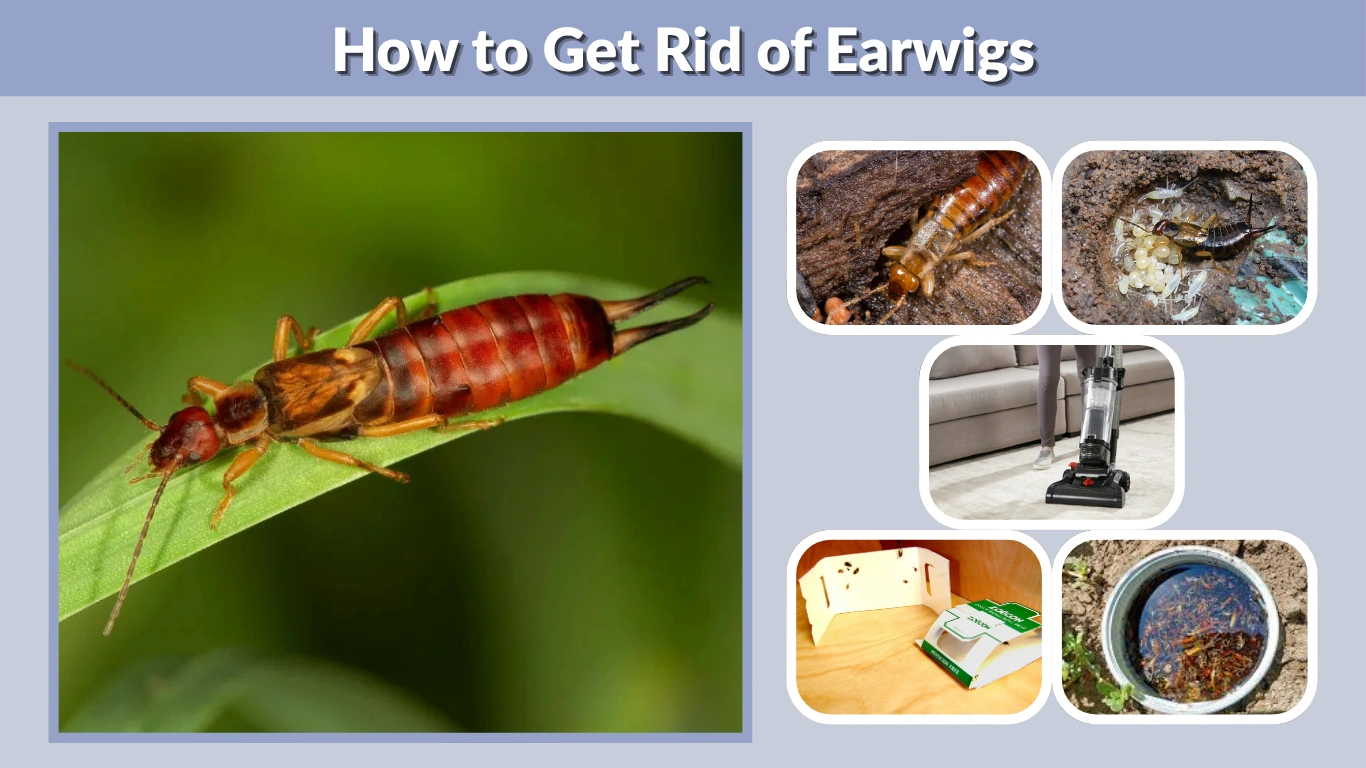
Earwigs are common household and garden pests that thrive in moist, dark environments. While they look intimidating with their pincers, they are generally harmless to humans. Still, they can become a nuisance when they invade basements, bathrooms, kitchens, or garden beds. Understanding why earwigs appear and knowing how to remove them effectively helps you protect your home and plants. This guide covers indoor, outdoor, and natural solutions to eliminate earwigs and prevent future infestations.
Understanding Earwigs and Why They Invade

What Earwigs Are and How They Behave
Earwigs are nocturnal insects that prefer damp, shaded environments, making them active after sunset. They hide during the day under mulch, stones, firewood, and plant debris. Indoors, they slip into cracks, drains, and bathrooms in search of moisture. Although their pincers look threatening, they rarely pinch humans and do not spread disease. Their behavior is driven primarily by climate, shelter, and access to food such as decaying organic matter or small insects.
Why Earwigs Come Inside Homes
Earwigs typically enter homes during periods of heat, drought, or excessive rain. When outdoor conditions become inhospitable, they seek cooler or more stable indoor environments. Bathrooms and kitchens attract them because of moisture from sinks and drains. Basements, utility rooms, and laundry rooms also appeal to earwigs due to humidity and hidden crevices. If your home has leaks, damp corners, or clutter, it may become a temporary refuge for them.
Signs You Have an Earwig Problem
The most obvious sign of an earwig issue is spotting them repeatedly inside your home or around the perimeter. Indoors, earwigs often appear at night when lights are turned on. You might also find them near drains, under potted plants, or in moist storage areas. Outdoors, earwig damage appears as ragged edges on young plant leaves, especially in vegetable gardens and flower beds. An increasing number of these signs usually points to an emerging infestation.
How to Get Rid of Earwigs Inside the House

Immediate Indoor Removal Methods
When dealing with a sudden earwig appearance, quick manual removal is effective. Vacuuming is one of the simplest ways to eliminate visible earwigs immediately. Sticky traps placed behind toilets, under sinks, or near baseboards can capture wandering insects. You can also create simple container traps using oil and soy sauce; earwigs are drawn to the scent, fall in, and cannot escape. These fast methods help reduce numbers quickly while you address the root cause.
Eliminating Earwigs in Specific Rooms
Bathrooms are among the most common places to see earwigs indoors. Reducing humidity by running a fan, sealing cracks around pipes, and drying wet towels discourages them. In kitchens, earwigs may hide under appliances or in damp cabinet corners. Keeping these areas dry and clean helps prevent repeat visits. Bedrooms and living rooms may harbor earwigs if potted plants are present or if windows and doors are poorly sealed. Basements present a larger challenge because they naturally retain moisture; dehumidifiers and proper ventilation are essential for long-term control.
How to Get Rid of Earwigs Fast Indoors
If you need rapid results, combining moisture reduction with targeted insecticides offers the quickest relief. Indoor-safe residual sprays applied along baseboards, thresholds, and cracks help kill earwigs as they move. Fast-setting traps near entry points work well, especially at night when earwigs are most active. Removing clutter and repairing leaks accelerates the process. These aggressive methods can significantly reduce an infestation within 24–48 hours when applied correctly.
Natural Ways to Get Rid of Earwigs Indoors
Effective Natural Remedies
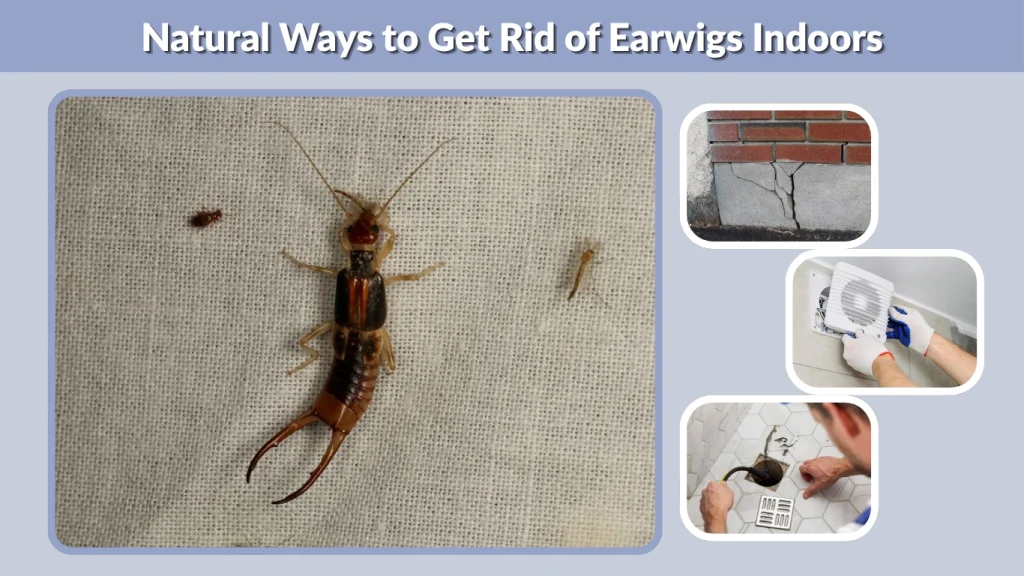
For homeowners who prefer chemical-free approaches, several natural methods work well against earwigs. Diatomaceous earth is one of the safest and most reliable options. Sprinkled along baseboards, behind sinks, and around entry points, it dehydrates earwigs upon contact. A simple solution of water and dish soap can also kill earwigs when sprayed directly. Rubbing alcohol mixtures are effective, breaking down the insects’ protective coating. Essential oils — particularly lavender, eucalyptus, and tea tree — can repel earwigs when applied around windows, doors, and corners.
Natural Barrier and Repellent Methods
Preventing earwigs from entering is just as important as eliminating them. Sealing cracks around foundation walls, doors, and windows blocks easy entry points. Reducing indoor humidity using dehumidifiers or improved ventilation discourages earwig activity. Regularly drying out floor mats, wiping spills, and keeping drains clean are simple ways to make your home less appealing. These natural preventive steps reduce the likelihood of recurring earwig problems inside your home.
How to Get Rid of Earwigs in the Garden

Why Earwigs Infest Gardens
Earwigs thrive in gardens because the environment naturally provides moisture, shelter, and abundant plant material. Mulch, decaying leaves, and shaded soil offer ideal hiding places during the day. At night, earwigs feed on young seedlings, flower petals, and soft fruits. While they also eat garden pests such as aphids, their feeding habits quickly become destructive when populations grow. Recognizing their preferred hiding spots helps target problem areas more effectively.
Removing Earwigs from Flower Beds and Soil
Managing earwigs in garden beds often involves reducing the moisture and shelter they rely on. Thinning mulch layers, clearing debris, and avoiding overwatering make gardens less inviting. Turning soil regularly exposes earwigs to predators such as birds. Simple traps — like rolled newspaper, cardboard tubes, or damp burlap placed near plants — attract earwigs seeking daytime shelter. Disposing of these traps each morning helps reduce local populations without chemicals.
Earwig Control on Plants
Many gardeners notice earwig damage on delicate plants like dahlias, roses, and young vegetable seedlings. To protect these plants, place oil-based traps at their base, wrap stems with sticky tape, or use diatomaceous earth around pots and flower beds. For houseplants or potted plants, inspect the soil for moisture buildup, remove dead leaves, and allow the top layer of soil to dry between waterings. These steps discourage earwigs from hiding among the roots and stems.
Natural Garden Remedies for Earwigs
Organic Traps and Solutions
Earwigs are easily attracted to oil-based traps made from a combination of soy sauce and vegetable oil. Burying small containers level with the soil creates an effective lure, drawing earwigs inside where they become trapped. Rolled newspaper or cardboard tubes moistened slightly also make excellent hiding spots; collect and discard them each morning. These organic methods reduce earwig populations without harming beneficial insects.
Plant-Safe Natural Sprays
Several natural sprays offer safe and effective ways to deter earwigs from plants. Neem oil works as an insect repellent while protecting leaves from fungal issues. A mild soap-and-water mixture sprayed directly onto foliage helps remove earwigs and other small pests. Vinegar solutions can deter earwigs from high-traffic garden areas, though they should not be sprayed directly on sensitive plants. These plant-friendly methods allow gardeners to control pests without chemicals.
How to Get Rid of Earwigs in the Yard
Outdoor Moisture Reduction
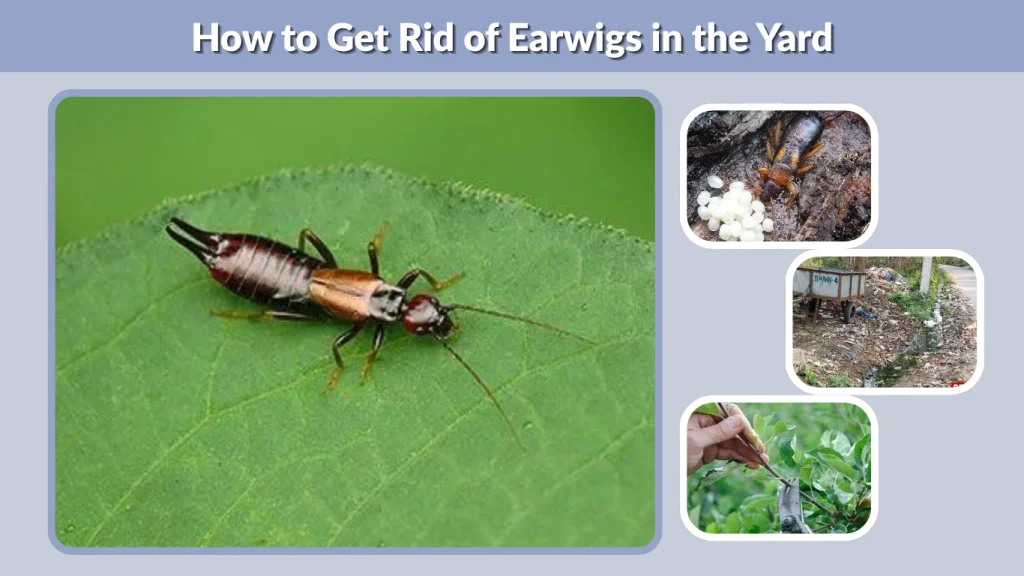
Yards with overwatering, poor drainage, or excessive shade often attract large numbers of earwigs. Adjusting sprinkler schedules, fixing drainage issues, and removing soggy leaves can significantly reduce their habitat. Clearing clogged gutters and trimming back vegetation also helps eliminate damp hiding places. Earwigs depend heavily on moisture, so improving yard dryness naturally lowers the likelihood of infestation.
Yard Maintenance That Prevents Earwigs
Routine yard maintenance is one of the most effective long-term solutions. Keeping grass trimmed, reducing heavy mulch, and storing firewood away from the home lowers earwig activity. Cleaning up leaf piles, garden debris, and old boards removes their favorite shelters. By making the yard less cluttered and more open, you create an environment where earwigs struggle to hide and reproduce.
How to Get Rid of an Earwig Infestation
Indoor Infestation Treatment
When earwigs appear in large numbers indoors, a more thorough approach is necessary. Identify high-traffic areas such as basements, laundry rooms, and bathrooms, then set multiple traps along walls and corners. Inspect for water leaks, damp storage areas, and unsealed gaps around pipes. Indoor-safe pesticides or perimeter sprays may be needed if earwigs continue to appear despite natural methods. Severe or persistent infestations may require professional pest control intervention.
Outdoor/Garden Infestation Treatment
Outdoor infestations typically originate in dense mulch beds, wood piles, or poorly drained soil. Begin by thinning mulch, removing debris, and drying out the top layer of soil. Place numerous traps in shaded garden areas and check them daily. If the infestation is severe, using a garden-safe insecticide or applying diatomaceous earth throughout the soil may be necessary. Treating the outdoor source prevents repeated indoor migration.
Multi-Pest Situations
Earwigs and Ants
Earwigs and ants often appear together because both are attracted to moisture and decaying organic matter. Addressing shared conditions such as wet soil, leaks, and food crumbs helps reduce both pests. Using moisture control and perimeter barriers can eliminate the environment that supports them. In gardens, reducing mulch and improving drainage tackles both issues effectively.
Earwigs and Silverfish or Centipedes
Silverfish and centipedes thrive in the same environments as earwigs — damp basements, bathrooms, and laundry rooms. Dehumidifiers and proper ventilation reduce moisture levels and make these areas less appealing. Applying natural repellents or diatomaceous earth around baseboards helps control all three pests at once. Eliminating clutter also removes shared hiding spaces.
Preventing Earwigs from Coming Back
Long-Term Indoor Prevention
Keeping your home dry is the most effective way to prevent earwigs from returning. Repair plumbing leaks, run exhaust fans in bathrooms, and improve airflow in damp rooms. Seal cracks around windows, baseboards, and foundations to block entry points. Regular cleaning and reducing clutter also reduce hiding spots, lowering the chances of repeat infestations.
Outdoor Prevention
Outdoor prevention focuses on limiting moisture and shelter around the home’s foundation. Maintain a dry perimeter by adjusting irrigation and keeping mulch at least six inches away from exterior walls. Trim bushes and plants so they do not touch the house, and store firewood several feet from the structure. These simple steps discourage earwigs from migrating indoors.
Seasonal Prevention Strategy
Earwig activity changes with the seasons, so maintenance routines should adjust accordingly. In spring, focus on cleaning garden beds, removing old mulch, and preparing soil. Summer requires monitoring moisture levels and watching for plant damage. In fall, removing leaf piles and trimming vegetation prevents earwigs from finding winter shelter. Seasonal consistency is key to long-term control.
FAQs
How can I tell if earwigs are infesting my home?
Earwig infestations usually become noticeable when you frequently see them at night or in damp areas such as bathrooms, kitchens, and basements. You may find them near drains, under sinks, behind appliances, or around indoor plants. Increased sightings, especially after rain or hot weather, indicate that moisture and shelter are drawing them inside.
What is the fastest way to get rid of earwigs inside the house?
The quickest method combines moisture reduction with traps. Use a dehumidifier, fix leaks, and dry wet areas. Place oil traps or sticky traps along walls, baseboards, and corners to capture active earwigs. Applying an indoor-safe perimeter spray around entry points also helps eliminate them rapidly, especially during heavy activity.
Do natural remedies work for getting rid of earwigs?
Yes. Natural options like diatomaceous earth, essential oils, soapy water sprays, and homemade oil traps are effective. These solutions work best when combined with good moisture control and sealed entry points. While slower than chemical treatments, natural methods are safer for homes with pets, kids, or sensitive plants and can still produce strong results.
How do I stop earwigs from damaging my garden plants?
Reduce moisture around plants, thin heavy mulch, and remove debris where earwigs hide. Place traps such as rolled newspaper or oil-filled containers near affected plants. Surround stems or pots with diatomaceous earth or sticky barriers. Ensuring soil dries between waterings also discourages earwigs from feeding on flowers and vegetables.
What prevents earwigs from returning after removal?
Long-term prevention focuses on dryness and access control. Fix leaks, use dehumidifiers, improve ventilation, and seal cracks around windows and foundations. Outdoors, maintain a dry perimeter by reducing mulch and keeping plants trimmed away from the house. Consistent seasonal yard cleanup prevents earwigs from finding new hiding spots and re-establishing populations.
