
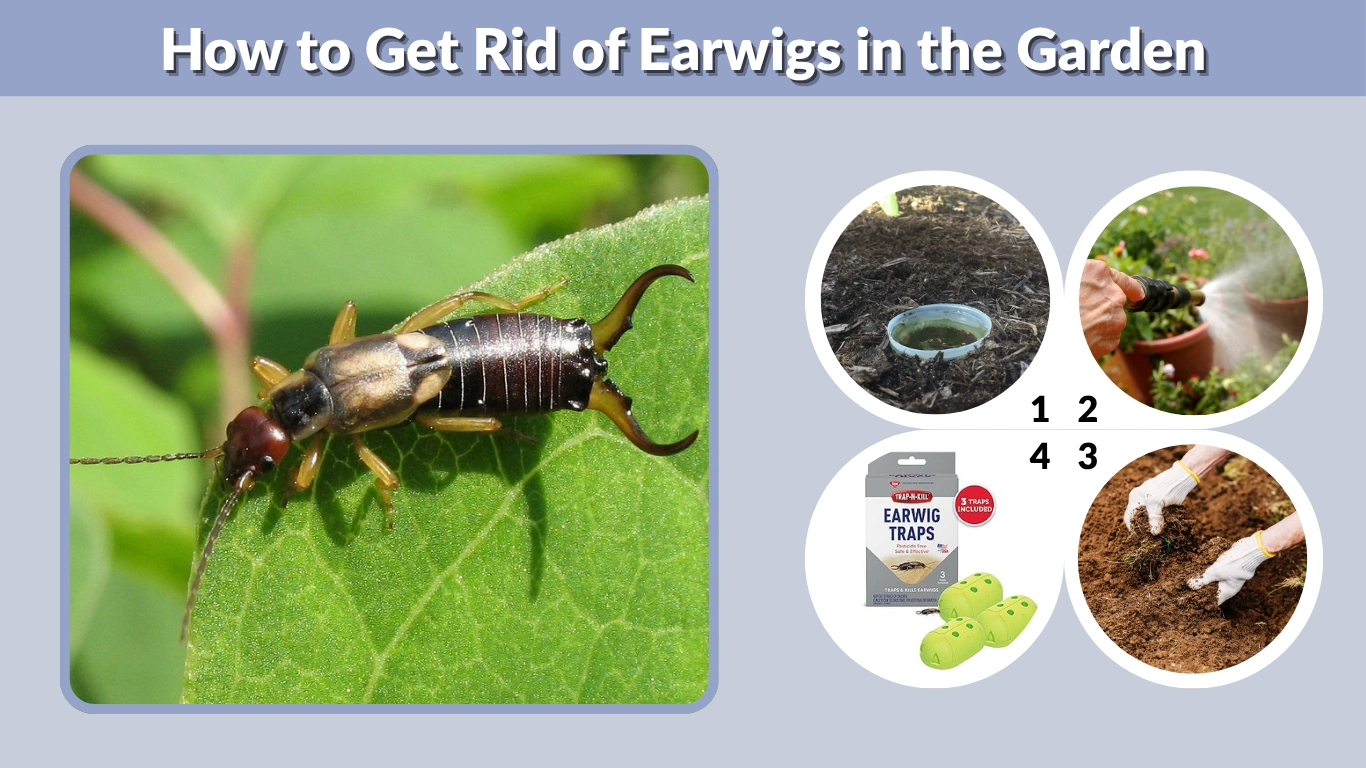
Earwigs are common garden insects that thrive in damp, shaded areas. Although they are often misunderstood, they can become destructive when their population grows. In small numbers, earwigs help manage pests like aphids and contribute to healthy soil. But when they multiply, they feed on young seedlings, fruits, flowers, and vegetables. Understanding why they appear, how to remove them, and how to prevent them from returning is essential for keeping your garden healthy.
What Are Earwigs?

Earwigs are nocturnal insects that hide during the day in cool, damp environments such as mulch, leaf piles, plant containers, and soil cracks. They come out at night to feed and are drawn to moisture, decaying plant matter, and tender new growth. Their presence becomes more noticeable during wet seasons or in gardens with heavy watering.
Signs of an Earwig Infestation
- Ragged holes in leaves, especially on young plants
- Damaged petals and chewed flowers
- Earwigs hiding under pots, boards, rocks, or mulch
- Large numbers emerging at night
- Presence of small, fast-moving insects with forceps-like pincers
Are Earwigs Good or Bad for the Garden?
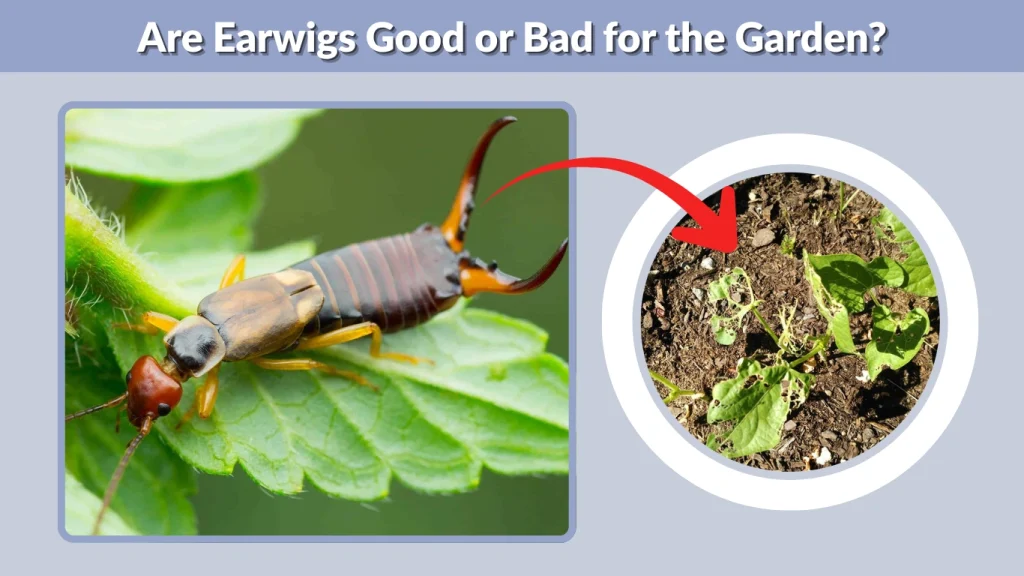
Earwigs have a mixed reputation, and for good reason. They provide some benefits, but they can also quickly turn into destructive pests.
Benefits of Earwigs
Earwigs eat several harmful insects, including aphids, mites, and small larvae. In compost piles or areas of decaying organic matter, they help break down plant materials and improve soil health. In small populations, they are part of a balanced garden ecosystem.
When Earwigs Become a Problem
Issues arise when earwig numbers increase. They begin feeding on seedlings, lettuce, herbs, dahlias, strawberries, soft fruits, and vegetable leaves. In vegetable gardens, they can ruin tender crops overnight, creating ragged holes or hollowing out produce. If you regularly see earwigs inside plants, under pots, or near irrigation areas, their population likely needs control.
What Earwigs Eat in the Garden

Earwigs are opportunistic feeders. Their diet depends on moisture levels and the availability of other food sources.
They often consume:
- Tender seedlings and sprouts
- Leafy greens such as lettuce and spinach
- Soft fruits like strawberries and peaches
- Dahlias, marigolds, zinnias, and other ornamentals
- Decaying plant matter
- Small insects, including aphids
A garden with thick mulch, dense plantings, or constant moisture provides the perfect habitat and food supply for earwigs to thrive.
How to Get Rid of Earwigs in the Garden
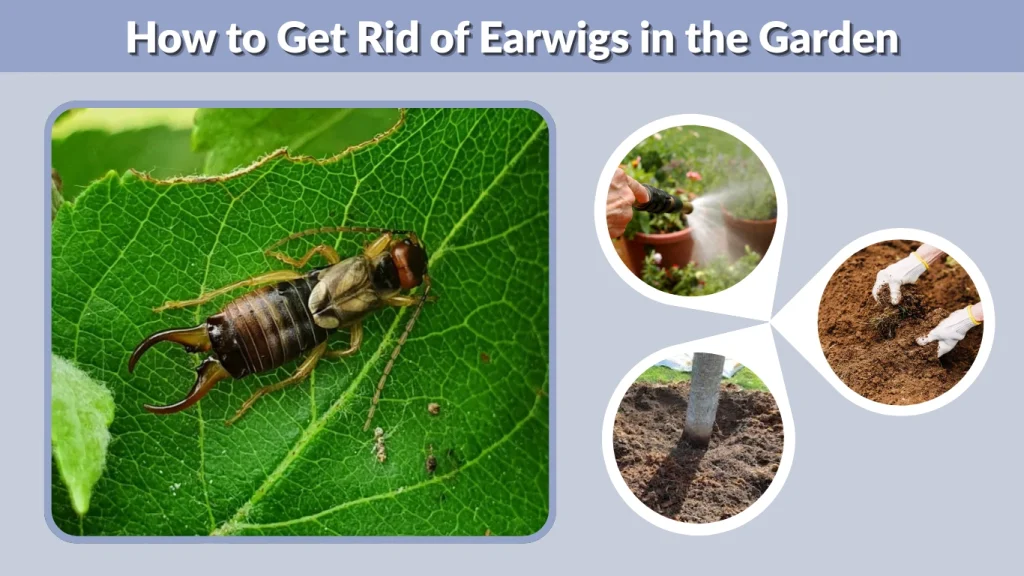
Managing earwigs effectively requires addressing both their population and their environment. The following methods help control them naturally and long-term.
Remove Moisture and Shelter
Earwigs seek damp, hidden areas during the day, so eliminating these spaces is one of the most important steps.
Reduce moisture by:
- Avoiding overwatering
- Watering early in the morning instead of evening
- Allowing soil to dry slightly between watering cycles
Remove hiding places by:
- Pulling back thick mulch
- Cleaning up plant debris
- Removing boards, stones, and other objects where earwigs hide
- Lifting pots off the ground so air can circulate underneath
These simple changes can significantly reduce their daytime shelter and force them to relocate.
Natural Earwig Control Methods
Several natural control options work well without harming your plants or beneficial insects.
Oil traps are one of the most effective methods. Mix equal parts vegetable oil and soy sauce in a small container, bury it so the rim is level with the soil, and leave it overnight. Earwigs are attracted to the smell, fall in, and drown.
You can also use rolled-up newspaper or cardboard tubes stuffed with straw. Place them in shaded spots in the evening. In the morning, shake out the collected earwigs into a bucket of soapy water.
DIY Earwig Traps for Effective Control
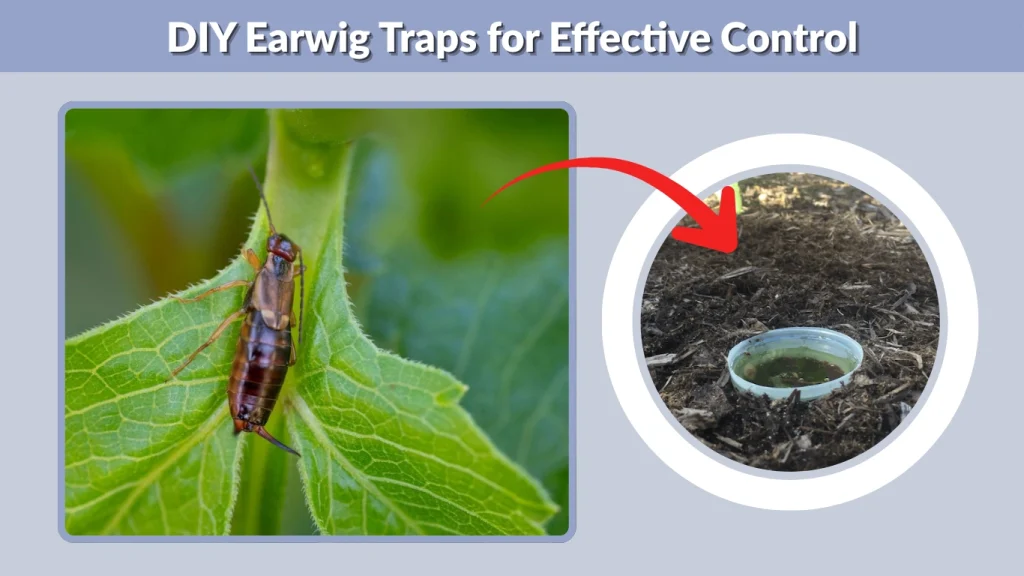
Simple homemade traps can reduce earwig populations quickly. Newspaper rolls, cardboard tubes, and small containers filled with oil-based bait work well. Place traps near plants that show fresh damage, along garden edges, or in shaded corners. Check them early each morning when earwigs are least active. Replace or refresh the traps every one to two days until activity decreases.
Another effective trap uses bamboo pieces or short lengths of garden hose. Earwigs crawl inside these tight, cool spaces overnight. Shake them out into soapy water each morning. Positioning multiple small traps around the garden increases your chances of catching large numbers.
Natural Earwig Deterrents
Diatomaceous earth is one of the most reliable natural repellents. Sprinkle it in a thin, dry line around plant bases, garden beds, or along foundation edges. It works by damaging the insect’s outer layer, causing dehydration. Reapply after rain or heavy watering.
Neem oil also helps deter earwigs while protecting plants from other pests. Spray it on leaves in the evening, focusing on areas with visible feeding damage. Some gardeners also use essential oils such as eucalyptus, clove, or peppermint, though these work best as mild repellents rather than complete solutions.
Physical barriers like copper tape, crushed eggshells, or rough gravel around susceptible plants create discomfort for earwigs and discourage them from crossing.
Encouraging Natural Predators
Supporting natural predators helps maintain long-term earwig balance. Birds, toads, ground beetles, and certain beneficial insects feed on earwigs. Creating habitat for these predators strengthens your overall garden ecosystem.
You can install bird feeders or bird baths to attract insect-feeding birds. Adding small water dishes, rocks, or shady spots encourages toads. Avoid using broad-spectrum pesticides, as they often kill earwig predators and lead to greater pest problems.
How to Kill Earwigs in the Garden
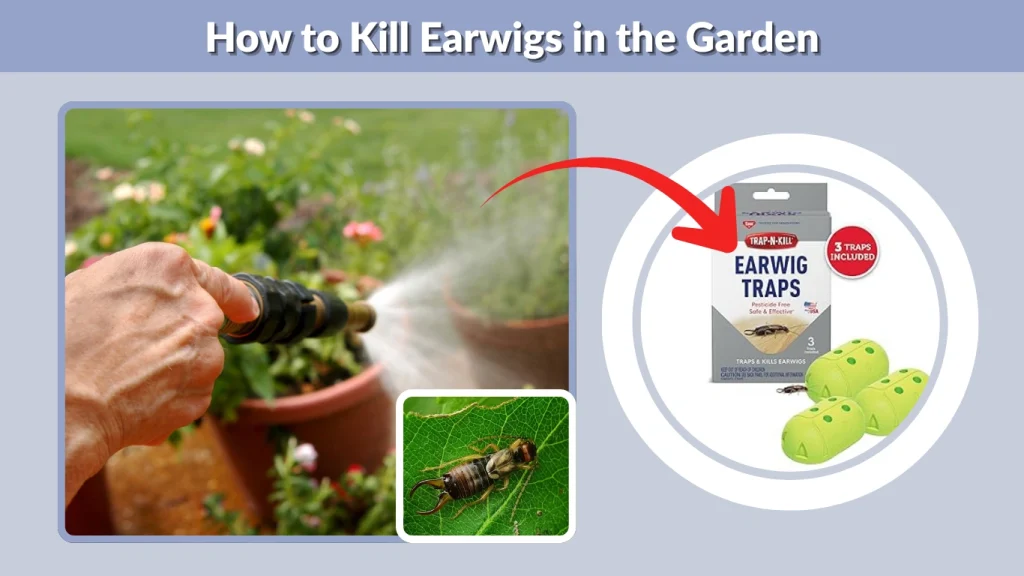
Some situations require killing earwigs when traps and deterrents are not enough. Organic pesticides are usually the best first choice. Insecticidal soap works when sprayed directly on earwigs. It is safe for most plants and breaks down quickly.
Boric acid can be used around the base of raised beds or along foundations, though it should be kept away from pets and young children. Diatomaceous earth can also be used as a killing agent when applied in thicker layers.
Chemical pesticides should only be used as a last resort. Products containing pyrethrin or spinosad can be effective but may also harm beneficial insects if misused. Apply them carefully and follow label instructions closely.
Earwig Control in Vegetable Gardens
Vegetable gardens require extra care because earwigs can destroy tender crops quickly. Protect young seedlings with floating row covers. These covers allow air and sunlight in while keeping insects out. Copper barriers can also be wrapped around raised beds to deter earwigs.
Keeping the soil surface drier helps discourage them. Use drip irrigation rather than overhead watering to minimize moisture on leaves and the soil surface. Regularly inspect your garden in the evening, when earwigs are most active, to catch early signs of damage.
Long-Term Prevention Strategies
Long-term earwig prevention focuses on reducing habitat and improving garden conditions. Avoid heavy mulching near the base of delicate plants, and keep mulch layers thin. Prune plants to increase airflow and reduce shaded hiding spots.
Remove decaying leaves, fallen fruit, and plant debris weekly. Adjust watering habits to prevent overly wet soil. Consider planting trap crops such as lettuce or marigolds along garden edges to draw earwigs away from more valuable plants.
Routine monitoring is essential. Check traps, inspect plant stems, and look under pots or stones regularly. Combining prevention with occasional trapping can keep earwig populations at manageable levels year after year.
FAQs
1. Are earwigs harmful to vegetable gardens?
Earwigs become harmful when their population grows large enough to target tender crops. They often chew irregular holes in lettuce, spinach, beans, corn silks, and young seedlings. While small numbers are manageable, repeated nighttime damage or clusters of earwigs hiding under mulch usually indicate an infestation that requires control.
2. What naturally gets rid of earwigs in the garden?
Natural control begins with reducing moisture and removing hiding places such as mulch piles, boards, and plant debris. Oil traps made with soy sauce and vegetable oil are extremely effective. Diatomaceous earth, neem oil, essential oils, and encouraging predators like birds and toads also help reduce earwig activity without chemicals.
3. Why are there so many earwigs in my garden soil?
Earwigs thrive in damp, shaded soil rich in organic matter. Overwatering, heavy mulch, dense plantings, and shaded containers create ideal daytime shelters. If the environment stays moist throughout the day, earwigs will nest in these areas and emerge at night to feed on plants or decaying material.
4. What kills earwigs quickly?
Oil traps and insecticidal soap are fast and effective. Diatomaceous earth applied as a dry barrier can kill earwigs within hours by dehydrating them. Spinosad and pyrethrin-based garden pesticides also kill earwigs quickly, but they should be used only after natural methods fail to avoid harming beneficial insects.
5. How can I keep earwigs away from my garden long-term?
Long-term prevention focuses on reducing moisture, thinning mulch layers, and eliminating hiding spots. Water early in the day, increase airflow around plants, and clean up fallen leaves or debris. Use traps periodically, apply deterrents like diatomaceous earth, and encourage natural predators to maintain a balanced garden ecosystem.
