
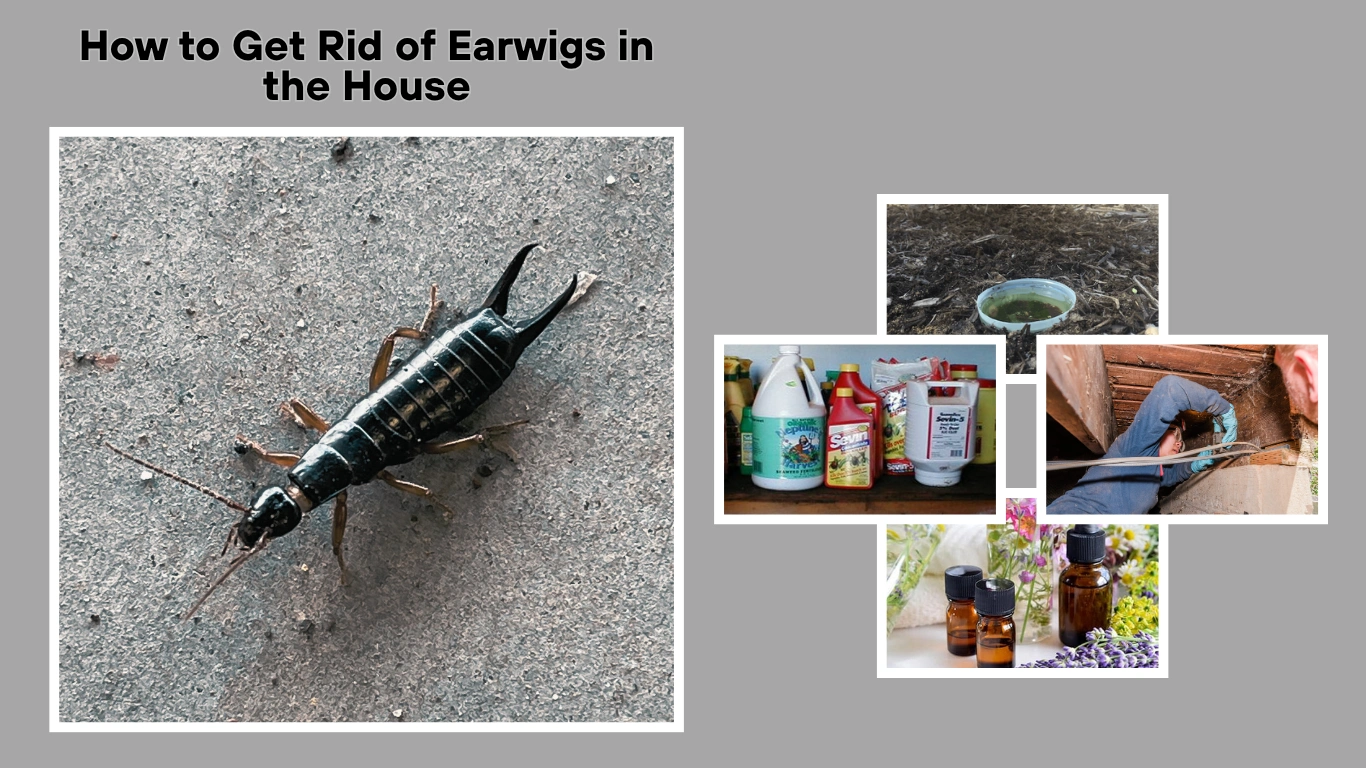
Finding earwigs crawling across your floor, hiding in bathrooms, or appearing near drains can be unsettling. These long-bodied insects with pincers often enter homes in search of moisture, shelter, or food, especially during wet or cold seasons. While earwigs aren’t dangerous, a sudden infestation can be annoying and hard to control if ignored.
In this article, you’ll learn exactly why earwigs are in your house, how to get rid of them fast using natural and chemical methods, and how to keep them from coming back. Whether you’re dealing with a few bugs or a full-blown invasion, this guide covers everything you need.
What Are Earwigs and Why Are They in Your House?

Earwigs are small, elongated insects known for their forcep-like pincers at the end of their abdomen. They typically measure between 0.5 to 1 inch long and are reddish-brown or dark brown in color. While they look intimidating, earwigs are not harmful to humans or pets.
These insects prefer dark, moist environments and are usually found outside under rocks, mulch, or woodpiles. However, when the weather is too dry, wet, or cold, they may wander indoors seeking better shelter. Bathrooms, basements, laundry areas, and kitchens are common spots for them inside the home.
How Earwigs Enter Homes
- Through small cracks in foundations or baseboards
- Gaps around windows, doors, or pipes
- Open vents or poorly sealed entryways
- Carried inside with potted plants or laundry from outdoors
Signs of an Earwig Infestation
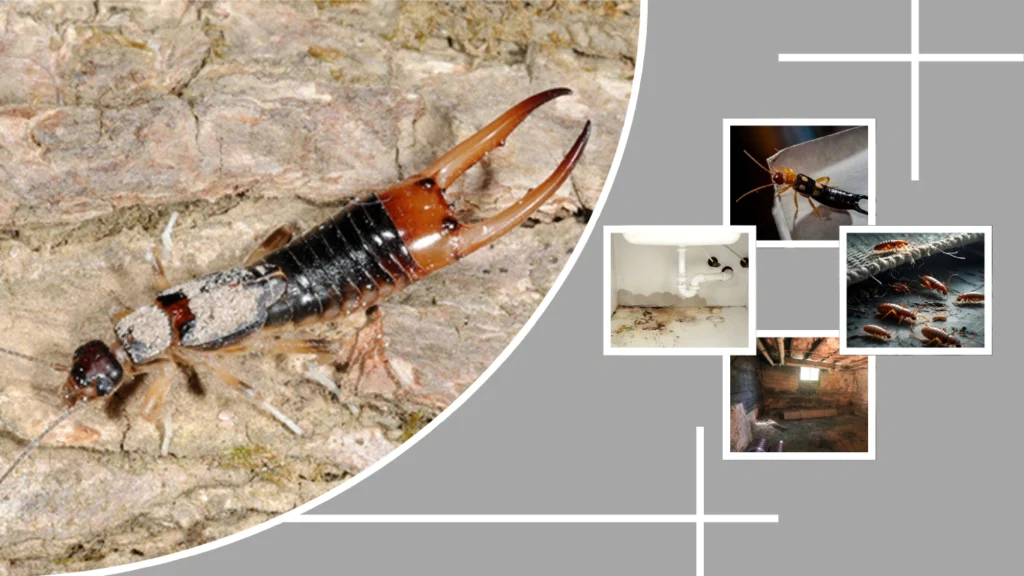
It’s important to know if you’re dealing with a few stray insects or a growing infestation. Look for the following indicators:
Visible Sightings
- Earwigs crawling on floors, walls, or sinks—especially at night
- Multiple bugs found in damp corners, under mats, or near drains
Unusual Smell
- Musty or slightly foul odor in places like basements or crawl spaces, often caused by accumulated dampness and hidden bugs
Moisture Problems
- Leaks or water damage in walls, floors, or under sinks create perfect breeding grounds for earwigs
If you notice more than a few earwigs over several days, it likely means they’ve found a favorable environment inside your home and immediate action is needed.
Why Do I Have Earwigs in My House?

If earwigs have made their way indoors, it’s usually due to one main reason: moisture. These insects thrive in damp, dark environments and will seek out areas in your home that offer similar conditions to the outdoors.
Common Reasons Earwigs Invade Homes
- Excess Moisture: Leaky pipes, dripping faucets, wet laundry, or humid basements attract earwigs.
- Shelter from Weather: During heavy rains, heatwaves, or cold snaps, earwigs may enter homes to escape extreme outdoor conditions.
- Outdoor Conditions: Mulch, leaf litter, and decaying plant matter near foundations provide shelter, and once disturbed, earwigs may migrate inside.
- Attracted to Lights: Earwigs are drawn to light and may crawl toward doorways, windows, or poorly sealed light fixtures at night.
- Indoor Plants or Firewood: Bringing in firewood, potted plants, or damp items from outside may accidentally carry earwigs indoors.
Are Earwigs Harmful Inside the House?
Though they look intimidating, earwigs pose no real danger to humans or pets. They do not bite in the traditional sense, and their pincers rarely cause harm.
What You Should Know
- No Disease Transmission: Earwigs don’t spread bacteria or viruses and are not known to carry any diseases.
- No Structural Damage: They don’t chew on wood, furniture, or wiring like termites or rodents.
- Mostly a Nuisance: Their presence may be alarming, especially in bathrooms or kitchens, but they are not aggressive or destructive.
- Pinching Risk: If handled, an earwig might use its pincers defensively. This can cause a light pinch but won’t break the skin or inject venom.
In summary, earwigs are more of a creepy nuisance than a real threat—though you still don’t want them settling in your home.
How to Get Rid of Earwigs in the House (Best Methods)

Eliminating earwigs from your home requires a combination of moisture control, proper sealing, sanitation, and targeted removal. Here are the most effective and proven ways to get rid of earwigs indoors:
1. Dry Out Damp Areas
Earwigs love moisture. Reducing humidity and eliminating damp spots is the most important step.
- Use a dehumidifier in basements, laundry rooms, or bathrooms
- Repair any leaking pipes or faucets
- Ensure good ventilation in damp rooms
- Wipe up excess water under sinks and around tubs regularly
2. Seal Entry Points
Prevent more earwigs from entering your home by closing off common access routes.
- Caulk cracks and crevices in baseboards, foundations, and walls
- Install door sweeps and weather stripping on exterior doors
- Repair or replace torn window screens and vents
- Use mesh covers for vents and drains where necessary
3. Declutter and Clean
A clean home is less attractive to earwigs looking for hiding spots.
- Remove stacks of paper, cardboard, laundry, or clutter near floors and walls
- Clean under appliances, sinks, and storage areas
- Vacuum corners, baseboards, and behind furniture regularly
By combining these methods, you’ll begin disrupting their environment and limiting their ability to thrive indoors. Ready for the next removal techniques?
How to Get Rid of Earwigs Fast (Urgent Method)

If you’re seeing multiple earwigs daily and want to act quickly, combine several aggressive methods at once to eliminate them fast:
1. Set DIY Traps Overnight
- Roll up damp newspapers or cardboard tubes, place them in dark corners overnight.
- In the morning, shake them into a bucket of soapy water to dispose of trapped earwigs.
2. Use Oil and Soy Sauce Traps
- Mix equal parts soy sauce and vegetable oil in a shallow container.
- Cover with plastic wrap and poke small holes. The scent attracts earwigs and the oil traps them.
3. Vacuum at Night
- Since earwigs are nocturnal, vacuuming at night can help catch the active ones.
- Immediately empty the vacuum contents outside in a sealed bag.
4. Apply Indoor Insecticide (Only If Necessary)
- Use insecticides labeled for indoor use and target baseboards, cracks, and known hotspots.
- Choose products with pyrethrins or bifenthrin and follow safety instructions carefully.
- Avoid spraying near food, pets, or children’s play areas.
5. Eliminate Moisture Immediately
- Wipe all surfaces dry.
- Turn on fans or dehumidifiers to make the environment less inviting.
By using multiple methods together, you can significantly reduce an earwig problem within 24 to 48 hours.
How to Prevent Earwigs from Coming Back
Once you’ve removed earwigs from your home, the next step is making sure they don’t return. Prevention starts with maintaining a dry, clean, and sealed living environment that’s unappealing to pests. Focus on fixing any plumbing leaks and keeping basements or laundry rooms well-ventilated. Outdoor moisture sources like mulch or damp soil near your foundation should be moved or thinned out to create distance from entry points.
Outdoor Barriers Matter
Earwigs often come indoors from garden beds, mulch, or leaf piles. Keeping these materials at least a foot away from your home’s base can reduce the chances of them entering. Also, consider replacing regular outdoor lights with yellow bug lights, which are less attractive to nocturnal insects like earwigs.
Consistent Monitoring and Maintenance
Check for gaps around doors and windows every few months, especially before seasonal changes. Clean your drains regularly, keep laundry off damp floors, and avoid overwatering indoor plants. With consistent maintenance, your home can remain earwig-free year-round.
When to Call a Professional
If you’ve tried all the prevention and removal methods but are still finding earwigs regularly, it may be time to call a pest control expert. A professional can assess the severity of the infestation, identify hidden nesting spots, and apply stronger, targeted treatments that are safe for indoor use. This is especially important if the infestation is affecting multiple areas of your home or if you’re dealing with excess moisture issues that keep attracting pests. In some cases, ongoing pest management services may be recommended to prevent recurring problems throughout the year.
FAQs About Earwigs in the House
1. Why do I suddenly have earwigs in my house?
Sudden appearances are often linked to changes in weather, especially after heavy rain or dry heat. Earwigs move indoors to find shelter and moisture.
2. Do earwigs live in walls or ceilings?
Earwigs don’t nest inside walls long-term, but they may hide in small cracks, baseboards, or gaps near plumbing if the area is damp.
3. Will earwigs go away on their own?
If your home dries out and they can’t find food or shelter, they may leave. However, infestations usually require active removal and sealing.
4. Can earwigs infest potted plants indoors?
Yes. Moist soil and drainage trays can attract earwigs. Regularly inspect and keep the area dry to prevent hiding spots.
5. Are ultrasonic repellents effective against earwigs?
Most studies show ultrasonic repellents have little to no effect on earwigs. Physical prevention and moisture control are far more effective.
