

Moths may seem harmless at first, but once they invade your home, they can cause serious damage to clothes, food, and furniture. Whether it’s the pantry moths contaminating your grains or clothes moths chewing holes in your favorite sweater, getting rid of them quickly is essential. In this guide, I’ll share 5 practical and proven methods to eliminate moths from your house and keep them from coming back.
1. Clean Infested Areas Thoroughly
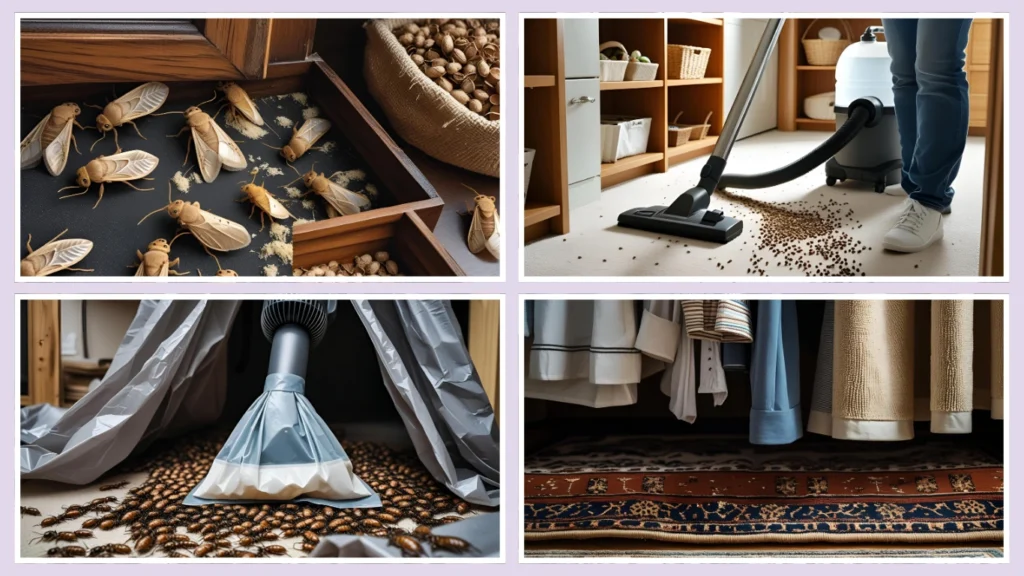
Moths often lay their eggs in dark, undisturbed areas like closets, under furniture, and in pantry corners. Cleaning these areas properly is the first and most important step to stop an infestation from spreading.
Vacuum and Wipe Down Surfaces
Start by vacuuming carpets, baseboards, closet floors, and around pantry shelves. Focus on cracks, corners, and any hidden spots where larvae or eggs might hide. After vacuuming, wipe all surfaces with a solution of equal parts white vinegar and water. Vinegar helps remove eggs and repels future moths.
Dispose of Vacuum Contents Immediately
Always empty your vacuum outside the house and seal the vacuum bag in a trash bag. This prevents any eggs or larvae from crawling back out and restarting the infestation.
Check Hidden and Overlooked Areas
Inspect under beds, behind curtains, in the folds of clothes, and around the edges of rugs. These are often missed during regular cleaning and can be prime hiding spots for moths.
2. Use Moth Traps
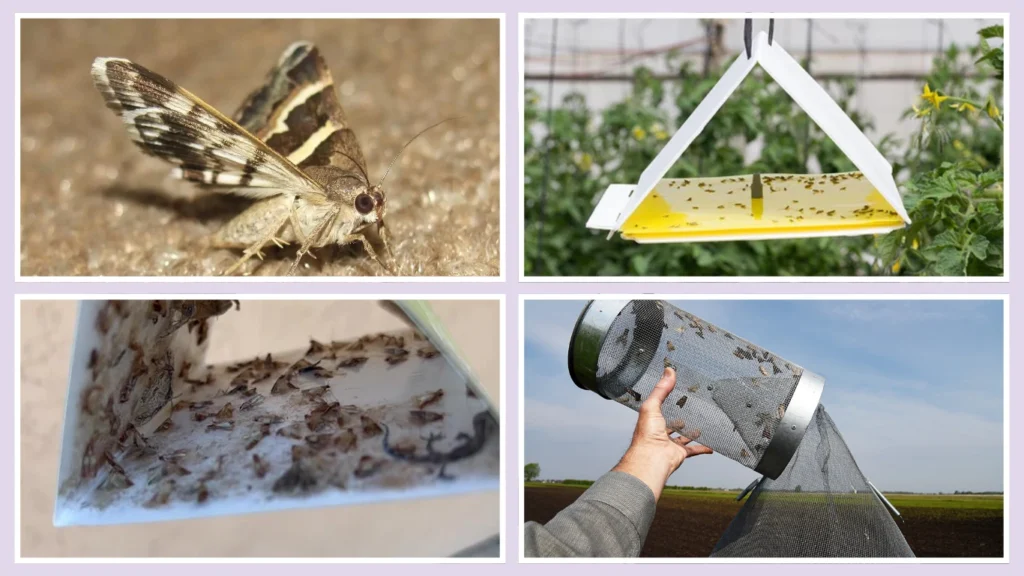
Once you’ve cleaned the infested areas, the next step is to catch any adult moths still flying around. Moth traps are a simple and effective way to interrupt their breeding cycle.
Set Up Pheromone Traps
Pheromone traps are specially designed to attract male moths using a scent that mimics female pheromones. Once inside, the moths get stuck to a sticky surface and can’t escape. This reduces their ability to reproduce and helps you monitor the level of infestation.
Place Traps Strategically
For pantry moths, place traps near food storage or inside cabinets. For clothes moths, place them in wardrobes, near baseboards, and under furniture. Avoid placing traps too close together—they work better when spaced out across affected areas.
Check and Replace Regularly
Inspect the traps every few days. If they become full or lose their stickiness, replace them with new ones. Most traps are effective for up to 3 months but may need changing sooner in severe infestations.
3. Store Clothes and Food Properly
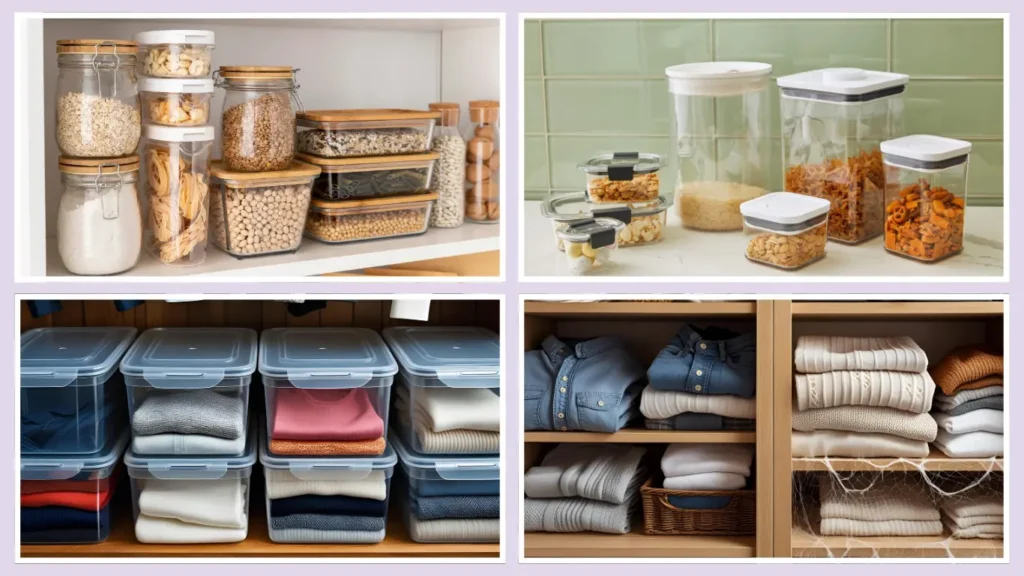
Improper storage gives moths easy access to the items they love most—natural fibers and dry foods. Securing your storage is key to preventing future infestations.
Use Airtight Containers for Food
Store grains, cereals, flour, nuts, and pet food in airtight glass, plastic, or metal containers. Thin plastic bags or cardboard boxes can be easily chewed through by larvae. Label containers with purchase dates to keep track of freshness.
Seal and Protect Clothing
Keep off-season clothes in vacuum-sealed bags or plastic containers with tight-fitting lids. Use garment bags for wool, silk, and cashmere. Make sure all clothes are clean before storing—moths are drawn to sweat, food stains, and body oils.
Rotate and Inspect Regularly
Move stored clothes and pantry items around every few weeks. This disturbs any eggs or larvae that may be present and helps you catch early signs of infestation. Look for webbing, small holes, or powdery residue as warning signs.
4. Use Natural Repellents

If you prefer a chemical-free approach, natural repellents can help keep moths away from your home. These options are safe, easy to use, and smell great too.
Place Herbal Sachets in Storage Areas
Lavender, cedar, bay leaves, rosemary, and cloves are all known to repel moths. Place small sachets of dried herbs in closets, drawers, storage bins, and pantry corners. You can also hang bundles of dried lavender or cedar blocks in wardrobes.
Refresh Scents Regularly
Natural repellents lose their strength over time. Refresh dried herbs every few months or add a few drops of essential oil (like lavender or cedarwood) to extend their potency.
DIY Moth-Repellent Spray
Mix water with a few drops of essential oil (lavender, eucalyptus, or peppermint) in a spray bottle. Lightly mist closet interiors, drawer linings, and under furniture. Avoid spraying directly on clothes unless tested first, especially delicate fabrics.
5. Freeze or Heat-Process Items
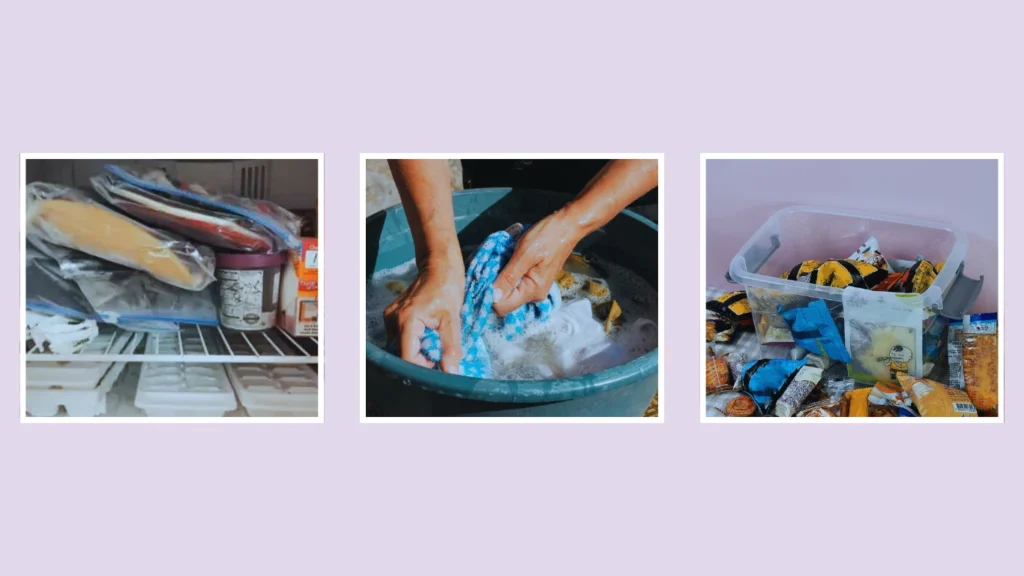
Extreme temperatures can kill moth eggs and larvae hidden in fabrics or food items. This method is especially useful for delicate clothes or stored goods that may already show signs of infestation.
Freeze Infested Items
Place small fabric items, dried food products, or even books in a sealed plastic bag and store them in the freezer for at least 48 hours. This will kill any eggs or larvae present. After freezing, allow items to return to room temperature before unsealing to avoid moisture buildup.
Use High Heat for Clothing
For items that can handle it, wash clothes in hot water and dry them on the highest setting for at least 30 minutes. High heat is very effective at destroying all life stages of moths.
Isolate Before Re-Storing
After freezing or heating, isolate the treated items in a clean container or bag until you’re sure no other moths remain in the storage area. This prevents re-contamination.
FAQs
What causes moths to come into the house?
Moths are often attracted by food (grains, flour, pet food) or natural fabrics (wool, silk). They usually enter through open doors, windows, or even in packaged goods or secondhand clothes.
Are moths harmful to humans?
Moths don’t bite or sting, but their larvae can damage clothes, contaminate food, and trigger allergies in some people due to their shed skins and droppings.
How long does it take to get rid of moths completely?
With consistent cleaning and prevention, most infestations can be controlled within 2 to 4 weeks. Severe cases may take longer and might require professional help.
Can I use mothballs instead of natural repellents?
Mothballs work but contain toxic chemicals that can be harmful, especially to children and pets. Natural options like lavender or cedar are safer and often just as effective.
Do moth traps work for all types of moths?
No, traps are often species-specific. Make sure you’re using the right kind—pantry moth traps for kitchen infestations and clothes moth traps for wardrobes.
