
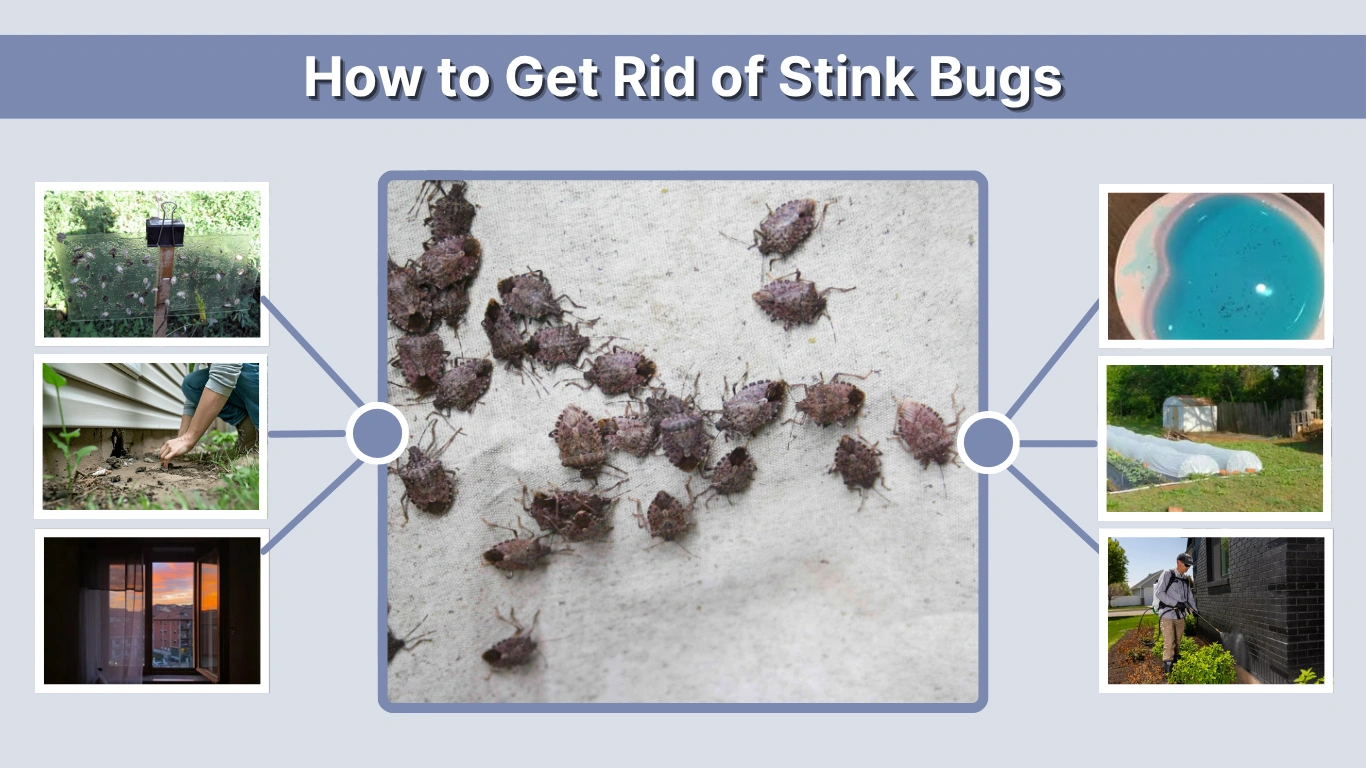
Stink bugs are notorious pests that release a foul odor when crushed or disturbed. They invade homes during cooler months, damage gardens in summer, and cluster around outdoor spaces in large numbers. Their smell is strong and unpleasant, and infestations can become overwhelming if left untreated. Thankfully, there are many effective strategies to eliminate stink bugs indoors, outdoors, and in gardens—ranging from DIY remedies to long-term prevention.
General Ways to Get Rid of Stink Bugs

The first step is learning the safest ways to remove stink bugs without triggering their strong odor. Unlike other insects, stink bugs defend themselves by releasing chemicals that linger. To control them effectively:
- Vacuum carefully: Use a vacuum with a bag that can be discarded immediately.
- Catch and release outside: Use a jar with soapy water to trap them.
- Avoid crushing: Crushing them spreads the smell further.
- Use sticky traps: Place near windows and doors to catch stray bugs.
These methods work for small-scale problems. For larger infestations, more advanced strategies are necessary.
How to Get Rid of Stink Bugs in the House

Stink bugs frequently enter homes during fall and winter, seeking warmth. They often gather in attics, basements, and near windows.
Dealing with Indoor Infestation
- Seal entry points: Caulk cracks, fix torn screens, and close gaps around doors.
- Reduce attraction: Keep lights off at night near open windows.
- Set indoor traps: Place dish soap and water in shallow pans near windowsills. Bugs are drawn in and drown.
- Control humidity: They thrive in damp areas—use dehumidifiers where possible.
Vacuuming remains the fastest method indoors, but disposing of the bag immediately is essential to avoid odor spreading.
How to Get Rid of Stink Bugs in the Garden

Gardeners often face severe damage from stink bugs, especially to fruits and vegetables. Tomatoes, beans, and peppers are frequent targets.
Protecting Plants from Stink Bugs
- Inspect plants regularly for clusters of bugs.
- Handpick and drop them into soapy water.
- Cover sensitive crops with row covers during peak bug activity.
- Encourage natural predators like birds and beneficial insects.
- Use neem oil or pyrethrin sprays for heavy infestations.
By staying proactive, you can prevent stink bugs from destroying your harvest before the damage spreads.
How to Get Rid of Stink Bugs Outside the House

Most infestations begin outside, where stink bugs gather on siding, decks, and garden walls before sneaking indoors. Treating the exterior reduces indoor problems.
- Install outdoor traps: UV light traps attract and kill stink bugs at night.
- Spray perimeters: Use safe insecticides or natural sprays around windows, vents, and foundations.
- Clear hiding places: Remove weeds, mulch piles, and leaf litter where bugs gather.
- Block re-entry: After outdoor treatment, check and seal all cracks in exterior walls.
Controlling them outdoors reduces the chance of seeing swarms inside during colder months.
How to Get Rid of Stink Bug Smell
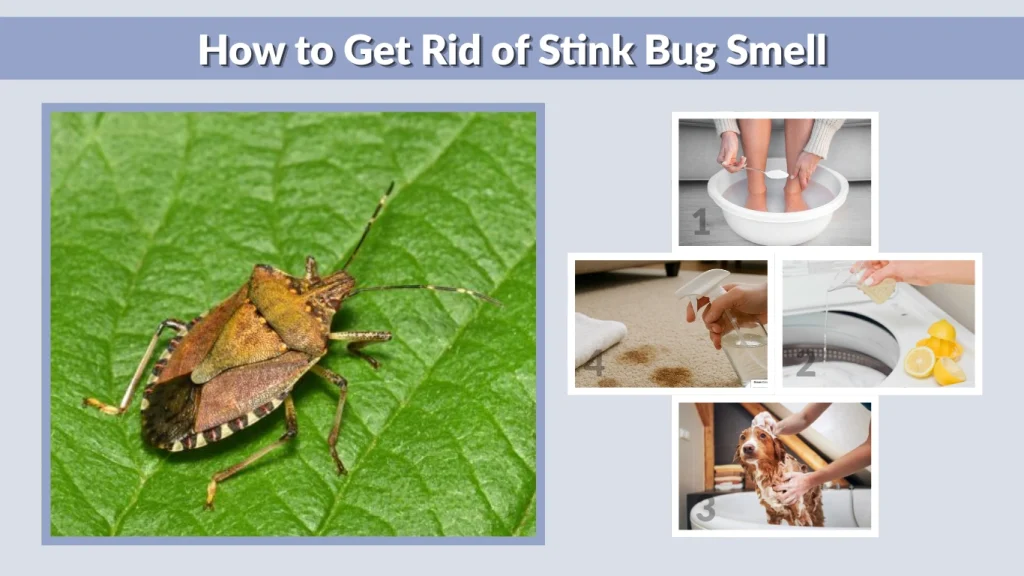
The odor released by stink bugs is one of the biggest challenges. It can cling to skin, pets, fabrics, and even furniture. Fortunately, several remedies neutralize it quickly.
Neutralizing Odor from Stink Bugs
- On skin or hands: Wash with a mix of baking soda and warm water.
- On clothes: Use vinegar or lemon juice in the wash cycle.
- On pets: Bathe with mild pet shampoo and rinse thoroughly.
- On furniture or carpets: Spray with a mix of vinegar and water, then air out the room.
Avoid harsh chemicals indoors—natural cleaners work best for removing lingering odors without adding toxic fumes.
Natural and DIY Remedies for Stink Bugs
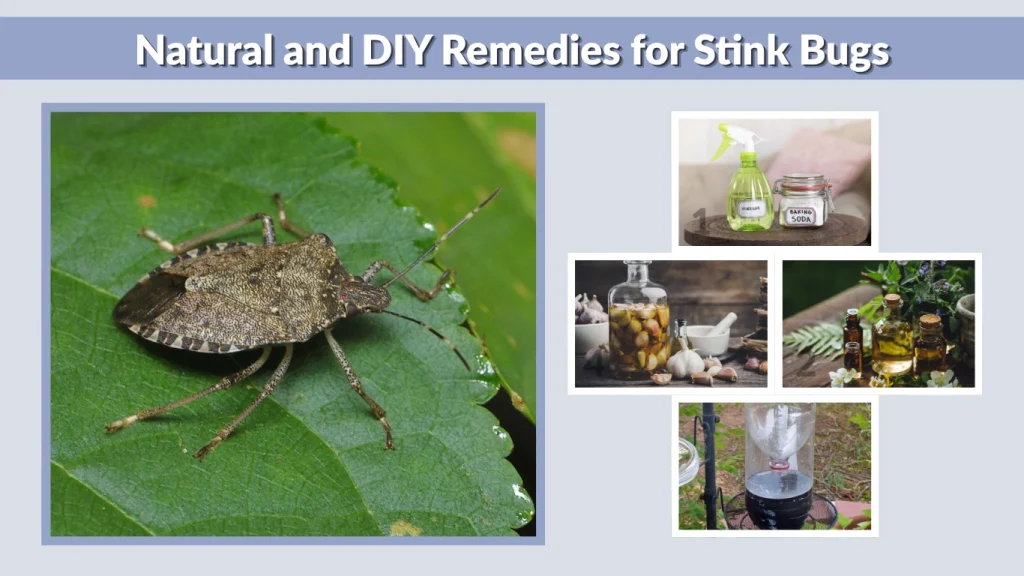
For those who prefer eco-friendly solutions, several home remedies help repel or kill stink bugs without relying on chemical insecticides.
- Vinegar spray: Mix vinegar, water, and a few drops of dish soap in a spray bottle. Spray directly on stink bugs.
- Essential oils: Peppermint, clove, and neem oil repel them naturally when diluted and sprayed.
- Homemade traps: Place a bowl of soapy water under a light source. Bugs fly toward the light and drown.
- Garlic spray: Diluted garlic works as a natural repellent for garden use.
These remedies are safe for families, pets, and plants while keeping stink bugs away effectively.
How to Permanently Get Rid of Stink Bugs

Long-term control requires more than just quick fixes. Preventive strategies ensure stink bugs don’t return each season.
- Seal all entry points: Inspect siding, roofs, vents, and chimneys.
- Maintain yard cleanliness: Trim bushes, reduce mulch buildup, and keep firewood stored away from the house.
- Change outdoor lighting: Stink bugs are drawn to bright lights. Use yellow or sodium-vapor bulbs instead.
- Hire professionals: If infestations persist, pest control services provide chemical treatments that prevent recurrence.
Permanent solutions focus on exclusion and prevention rather than repeated removal.
How to Get Rid of Different Types of Stink Bugs

While the brown marmorated stink bug is the most common in many regions, several other species also cause problems. Their removal methods are similar, but identification helps in targeted control.
Brown Marmorated Stink Bug & Others
- Brown marmorated: Most invasive, often clusters indoors in winter.
- Green stink bugs: Frequently damage crops in gardens.
- Asian and Japanese stink bugs: Spread quickly and damage fruit trees.
- Black and red species: Found in warmer climates, usually around outdoor structures.
- Regional species: Such as Michigan, North Carolina, or orange stink bugs, require similar treatments but may appear seasonally.
Recognizing the species ensures you know whether you’re dealing with agricultural pests or household invaders.
How to Get Rid of Stink Bug Infestations
When stink bugs multiply, they can overwhelm entire homes or gardens. Infestations are harder to manage because single bugs quickly attract others, especially in warm, protected spaces.
- Identify infestation signs: Large numbers on walls, buzzing sounds, or clusters around windows.
- Set multiple traps: Soapy water bowls, sticky strips, or light traps in every room.
- Use vacuuming daily: Dispose of bags immediately outside.
- Professional treatments: Pest control companies use safe, targeted pesticides for large-scale problems.
Infestations require persistence. Consistent action for several days often clears them out completely.
How to Get Rid of Stink Bug Eggs and Nymphs
Stink bug populations grow when eggs and young insects go unnoticed. Eggs are tiny and usually appear on the undersides of leaves.
Steps for Egg and Nymph Removal
- Inspect garden plants weekly. Look closely at leaves of tomatoes, peppers, and beans.
- Remove eggs manually. Scrape them off with tape or gently crush them.
- Drop nymphs into soapy water. Young bugs drown quickly.
- Introduce predators. Parasitic wasps naturally attack stink bug eggs.
By breaking their reproductive cycle, you reduce the chance of future infestations.
How to Get Rid of Stink Bugs and Ladybugs Together
Stink bugs often appear alongside ladybugs, especially during seasonal changes. Both insects seek shelter indoors when temperatures drop.
- Seal entry points. Prevent both species from clustering near windows and attics.
- Use vacuum cleaners. Safely capture both bugs without leaving stains.
- Set joint traps. Light traps and sticky pads catch both insects effectively.
- Outdoor treatments. Spray perimeters to discourage entry in the fall.
Although ladybugs are beneficial in gardens, they become a nuisance indoors just like stink bugs.
Other Situations & Locations
Stink bugs can appear in unusual places beyond typical homes and gardens. Knowing how to manage them in these settings keeps infestations under control.
Common Scenarios
- Campers and RVs: Use portable traps and seal tiny entry holes. Stink bugs often hide in cushions and vents.
- Winter hiding spots: Basements, attics, and wall voids are prime nesting areas during colder months.
- Online DIY hacks: Some Reddit users recommend unique tricks, like vacuum seal bags or citrus sprays, but results vary.
Each environment requires tailored control, but the same principles—sealing, trapping, and cleaning—apply everywhere.
Fast & Emergency Stink Bug Removal
Sometimes, you just need a quick fix when a stink bug appears unexpectedly. Fast action helps avoid smell and panic.
- Use tissue or a jar. Gently trap the bug and release outside.
- Soapy water dunk. Drop bugs in soapy water for instant results.
- Light + bowl trap. Works overnight for sudden indoor swarms.
- Avoid crushing. Quick removal prevents triggering their odor.
For emergencies, these methods provide instant relief until you can use long-term prevention strategies.
FAQs
How do you get rid of stink bugs quickly?
The fastest way is to trap them in a jar of soapy water or vacuum them up and immediately discard the bag. Avoid crushing them since it releases odor. For single bugs, a tissue or cup works well, while for multiple bugs, a light trap gives faster results overnight.
What kills stink bugs instantly indoors?
A mixture of dish soap and water kills stink bugs immediately when sprayed directly. Some homeowners use commercial insecticides, but soap solutions are safer and equally effective. Vacuuming is also instant, though odor can linger unless the bag is removed quickly.
How do you get rid of stink bug smell on clothes and skin?
On skin, wash with baking soda and warm water to neutralize odor. For clothes, add vinegar or lemon juice to the wash cycle. If odor persists, soak garments in a mix of vinegar and water before washing again. Avoid strong chemicals, as they may damage fabric or irritate skin.
What plants repel stink bugs naturally?
Certain plants like garlic, catnip, radishes, and chrysanthemums repel stink bugs. Growing these near gardens or around the home discourages infestations. Essential oils made from peppermint or clove also act as natural repellents when sprayed on outdoor plants and window areas.
How can I prevent stink bugs from coming back?
Prevention focuses on sealing cracks, repairing window screens, and treating the outdoor perimeter. Reducing exterior lighting, keeping yards clear of debris, and storing firewood away from the home also help. For lasting control, professionals can apply preventive treatments around walls and foundations.
