

Water bugs are unwelcome guests in many homes, pools, and yards. These moisture-loving insects can be mistaken for cockroaches, but they thrive in damp environments like drains, basements, and bathrooms. Getting rid of them requires a mix of proper cleaning, moisture control, and targeted treatments. This guide explains how to identify water bugs, eliminate them effectively, and prevent them from coming back using both natural and professional solutions.
Understanding Water Bugs
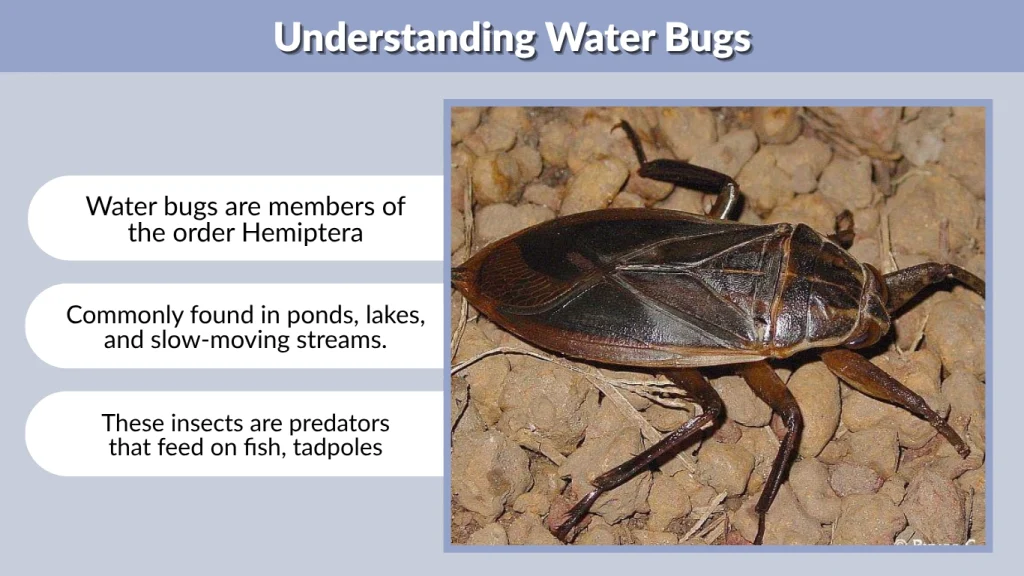
What Are Water Bugs?
Water bugs are large, flat insects that belong to the order Hemiptera. They are often called “giant water bugs” and can grow up to two inches long. Unlike cockroaches, true water bugs live in or near water and feed on other insects or small aquatic life. Indoors, the term is sometimes misused for cockroach species like the American or oriental cockroach, which prefer damp spaces.
Why They Invade Homes
Water bugs enter homes in search of moisture, food, and shelter. Leaky pipes, humid bathrooms, and leftover crumbs are perfect attractions. During hot or rainy seasons, they may also wander indoors from nearby drains or yards. If your home has constant dampness or organic matter buildup, it becomes a prime breeding ground for these pests.
Identifying Water Bugs vs. Roaches

Key Differences
Many homeowners confuse water bugs with cockroaches, leading to ineffective treatments.
Here’s a quick comparison:
| Feature | Water Bug | Cockroach |
| Color | Dark brown or black | Reddish-brown |
| Size | Up to 2 inches | 1–1.5 inches |
| Habitat | Water, drains, ponds | Indoors, humid spots |
| Behavior | Bites if handled | Scurries away quickly |
| Diet | Predatory (other insects) | Feeds on crumbs and waste |
Why Misidentification Matters
If you treat a cockroach problem as a water bug issue, the methods won’t work. Cockroaches require sanitation and bait traps, while true water bugs are controlled by reducing standing water and outdoor breeding sources. Understanding the difference ensures you use the right solution from the start.
Getting Rid of Water Bugs Indoors
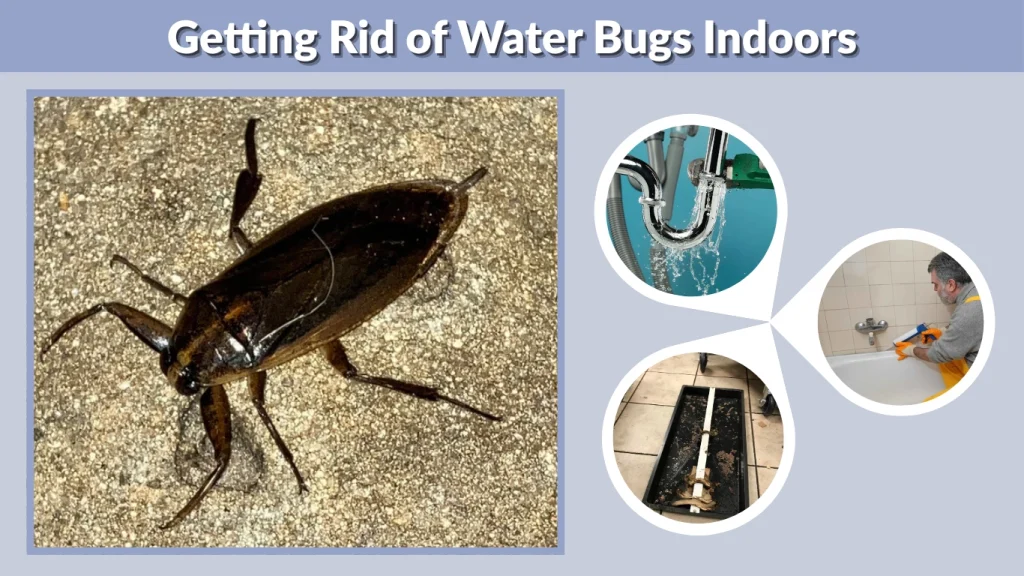
In the Kitchen and Bathroom
Kitchens and bathrooms are hotspots for water bug activity because of moisture and food. Start by fixing leaky faucets and sealing cracks around sinks and bathtubs. Clean behind appliances where crumbs accumulate. Use a mixture of vinegar and water to wipe surfaces and apply diatomaceous earth near drains and under cabinets to kill bugs naturally.
In Basements, Garages, and Apartments
Basements and garages attract water bugs due to their dampness and clutter. Use a dehumidifier to reduce humidity levels and keep these areas well-ventilated. Seal foundation cracks and window gaps to block entry. In multi-unit apartments, it’s important to coordinate pest control, as bugs can travel between units through shared plumbing and vents.
Eliminating Water Bugs in Pools and Ponds
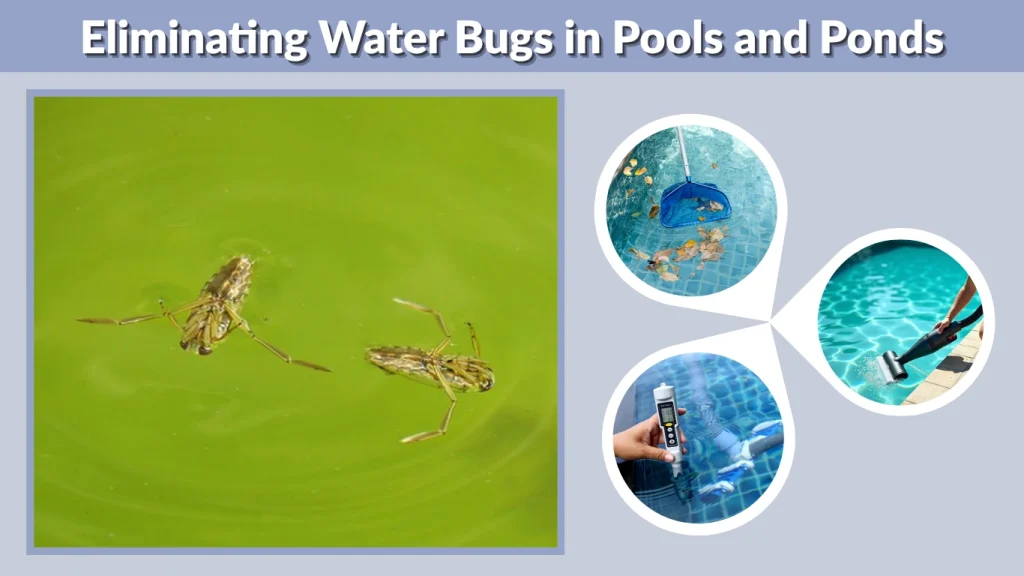
Removing Water Boatmen and Backswimmers
Pools and ponds are perfect breeding areas for aquatic insects like water boatmen and backswimmers. While they are harmless to humans, they indicate algae buildup and stagnant water. To remove them, regularly skim debris, brush pool walls, and shock the water to balance chlorine levels.
Steps to Clean Pool Water
- Skim the surface daily to remove insects.
- Vacuum and brush the pool floor to eliminate algae.
- Maintain chlorine levels between 1–3 ppm.
- Run the filtration system for at least 8 hours daily.
- Use a pool cover when not in use to prevent egg-laying.
Safe Pond Treatments
Ponds require a different approach since you may have fish or plants. Introduce mosquito fish or frogs to eat water bugs naturally. Reduce algae by limiting sunlight exposure and cleaning filters regularly. Avoid chemical insecticides that can harm aquatic life — instead, use eco-friendly larvicides or bacterial treatments.
Outdoor Control Methods
In Yards, Porches, and Backyards
Water bugs thrive in outdoor areas with moisture and decaying matter. Keep your yard clean by trimming grass, removing leaf piles, and ensuring proper drainage. Empty containers or buckets that collect rainwater. You can sprinkle boric acid or diatomaceous earth near foundations to deter them from entering the home.
Preventing Reinfestation
After eliminating water bugs, prevention is key. Replace outdoor lighting with yellow bug lights that don’t attract insects. Seal gaps around doors and windows. Regularly inspect outdoor faucets and gutters for leaks. By maintaining a dry environment and consistent yard care, you’ll drastically reduce the chance of reinfestation.
Home Remedies and Natural Solutions
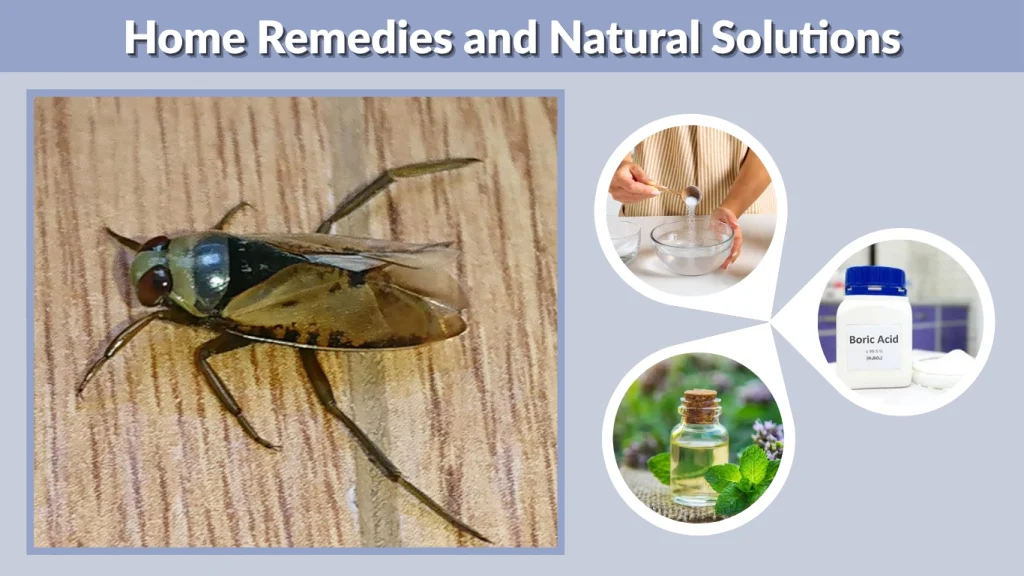
DIY Sprays and Cleaners
Homemade remedies can be effective for mild infestations. Mix equal parts vinegar and water to clean infested areas — the acidity repels bugs and removes odor trails. Boric acid powder can be sprinkled in corners, while a few drops of dish soap in water can trap and suffocate water bugs on contact.
Preventive Natural Deterrents
Essential oils like peppermint, eucalyptus, and tea tree oil act as natural repellents. Combine 10 drops with water in a spray bottle and apply around sinks, drains, and windows. You can also use cucumber peels or bay leaves — their scent deters roaches and water bugs without using harsh chemicals.
Chemical and Professional Treatments
When to Use Insecticides
If home remedies don’t eliminate the infestation, chemical insecticides may be necessary. Choose a residual spray labeled for cockroaches or water bugs and apply it along baseboards, drains, and entry points. Always follow label instructions, wear gloves, and ventilate the area. For outdoor use, perimeter sprays help prevent re-entry. Avoid overusing chemicals indoors, especially around pets or food areas.
Hiring Pest Control Services
Severe infestations often require professional help. Exterminators can identify nesting spots and apply stronger insecticides safely. They also use bait stations and insect growth regulators (IGRs) to disrupt the bugs’ life cycle. Professionals can seal hidden entry points and offer long-term maintenance plans to prevent future outbreaks. Hiring experts saves time and ensures lasting results.
Regional Water Bug Problems
Warm and Humid States
In states like Florida, Texas, and Southern California, water bugs thrive due to warm, moist climates. Regular rainfall and high humidity provide perfect breeding conditions. To manage infestations in these areas, homeowners should focus on dehumidification, frequent cleaning, and maintaining sealed window and door frames. Regular pest inspections are also crucial in such environments.
Urban Settings
Cities like New York City face unique challenges. Water bugs often invade apartment buildings through old drainage systems and shared plumbing. Residents should install drain covers, fix leaks promptly, and coordinate extermination with landlords or neighbors. Consistent cleanliness and reduced humidity play key roles in controlling infestations in crowded urban environments.
Different Types of Water Bugs

Big, Black, and Giant Species
The term “water bug” covers several species. The American cockroach, often called the “palmetto bug,” is reddish-brown and can glide short distances. The oriental cockroach appears shiny black and prefers dark, damp basements. True giant water bugs, on the other hand, live outdoors in ponds and streams. Recognizing which species you’re dealing with ensures targeted treatment.
Small or Baby Water Bugs
Baby or nymph water bugs resemble miniature adults and indicate a growing infestation. They often hide in cracks, drains, and under appliances. Vacuuming regularly, using boric acid powder, and sealing crevices are essential steps to stop them from reaching maturity and multiplying further.
Fast and Permanent Removal Strategies
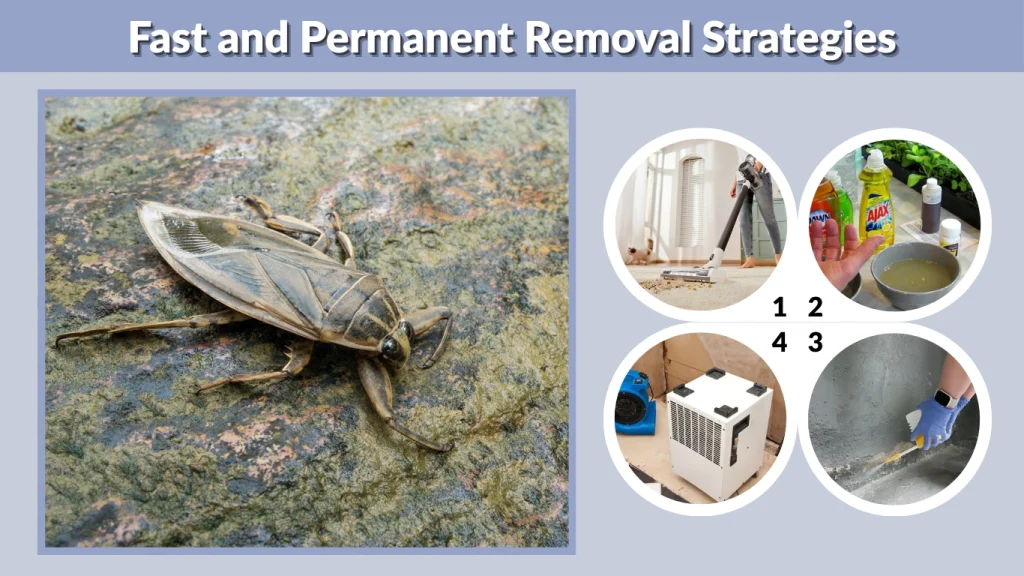
Immediate Cleanup Techniques
When facing a sudden infestation, quick action is vital.
- Vacuum visible insects and discard the bag outdoors.
- Use a soapy water spray to kill them on contact.
- Apply diatomaceous earth along corners and wall edges.
- Run fans or dehumidifiers to dry out damp spots.
- Seal drains with stoppers at night to block entry from plumbing.
These immediate measures reduce active bugs while you work on long-term prevention.
Long-Term Prevention
To ensure water bugs don’t return, focus on maintaining cleanliness and dryness. Keep all food sealed in containers and promptly clean up spills. Regularly check under sinks for leaks. Seal foundation cracks, window gaps, and entry holes for pipes. Outdoor lighting should use yellow or LED bulbs, which attract fewer insects. Consistent cleaning and moisture control are the most reliable ways to prevent reinfestation.
Special Situations
Water Bugs in Showers and Drains
If you notice water bugs crawling out of drains, they’re likely breeding in standing water or organic buildup. Pour boiling water or a mix of baking soda and vinegar down drains weekly. Use a drain cover or stopper when not in use. Keeping the area dry discourages these pests from returning.
Water Bugs in Swimming Pools
For chlorinated pools, maintain a proper pH (7.2–7.8) and chlorine balance to deter aquatic insects. For saltwater pools, ensure consistent salinity and circulation. Skim insects daily and use a pool brush to prevent algae, which attracts them. During off-season months, cover the pool tightly to block breeding.
Pet-Safe Solutions
If you have pets, avoid chemical sprays. Instead, use diatomaceous earth, vinegar solutions, or essential oils (peppermint, lemon, or eucalyptus). Keep food bowls elevated and dry to avoid attracting pests. For persistent infestations, consult a pet-friendly pest control service to ensure your animals’ safety.
FAQs
What causes water bugs to appear in my home?
Water bugs enter homes in search of moisture and food. Leaky pipes, damp bathrooms, and leftover crumbs attract them. They may also wander in from nearby drains or yards, especially during humid weather. Reducing moisture and sealing entry points helps prevent them from entering your home.
Are water bugs and cockroaches the same thing?
No, but they are often confused. True water bugs are aquatic insects that live near ponds or drains, while cockroaches live indoors and feed on crumbs or waste. However, both prefer moisture, so similar prevention methods—like sealing cracks and reducing humidity—can control both.
What home remedies can kill water bugs instantly?
A mixture of dish soap and water is effective for instant results. The soap breaks the insect’s outer layer, suffocating it. You can also sprinkle diatomaceous earth in corners or use a vinegar spray to repel them naturally without harsh chemicals.
How can I keep water bugs out of my pool permanently?
Maintain proper chlorine and pH levels, clean filters regularly, and skim the pool daily. Reduce algae growth and cover the pool when not in use. Eliminating breeding spots around the pool—like puddles or leaf piles—also keeps them from returning.
When should I call a professional exterminator?
If water bugs keep reappearing despite cleaning and DIY treatments, it’s time to call a professional. Persistent infestations may indicate hidden breeding sites in drains, walls, or basements. An exterminator can apply advanced treatments and seal entry points to ensure complete elimination.
