

At first glance, you might think a tiny hummingbird just zipped past your flowers—but take a closer look. That buzzing blur with a long tongue and rapid wings is actually a hummingbird moth. Known for their uncanny resemblance to birds, these moths are fast, clever, and full of surprises. In this article, we’ll discuss 17 incredible facts that reveal what makes the hummingbird moth so special, from its migration patterns to its underground transformation. Whether you’re a gardener or a curious nature lover, this is one insect you’ll want to know better.
1. Moth That Looks Like a Bird
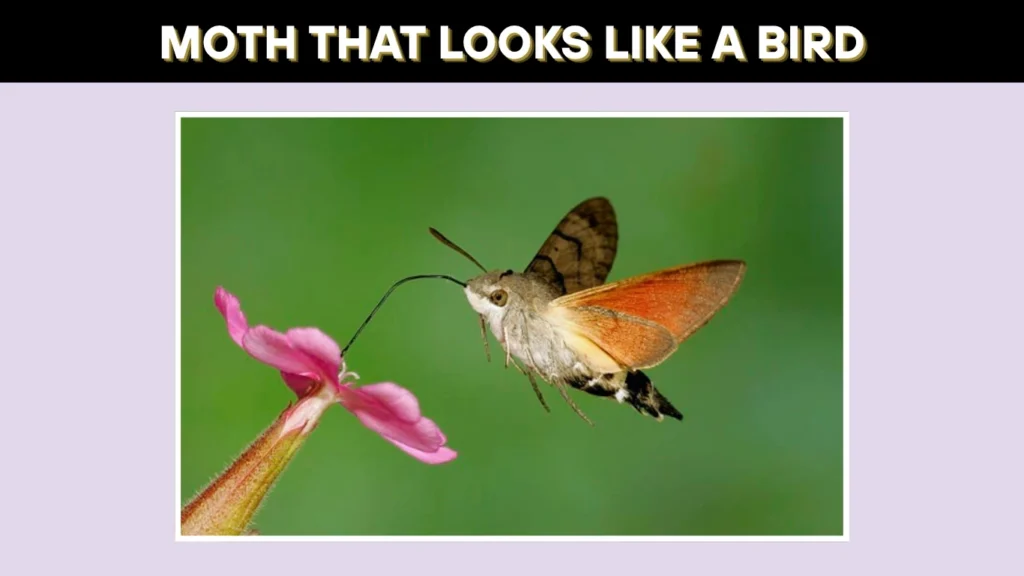
The hummingbird moth is often mistaken for a tiny bird. With its fast-beating wings, hovering flight, and the way it sips nectar from flowers, many people assume it’s a hummingbird. But a closer look reveals its antennae and furry body, identifying it as a moth—specifically, a day-flying member of the Sphingidae family.
2. Member of the Sphingidae Family
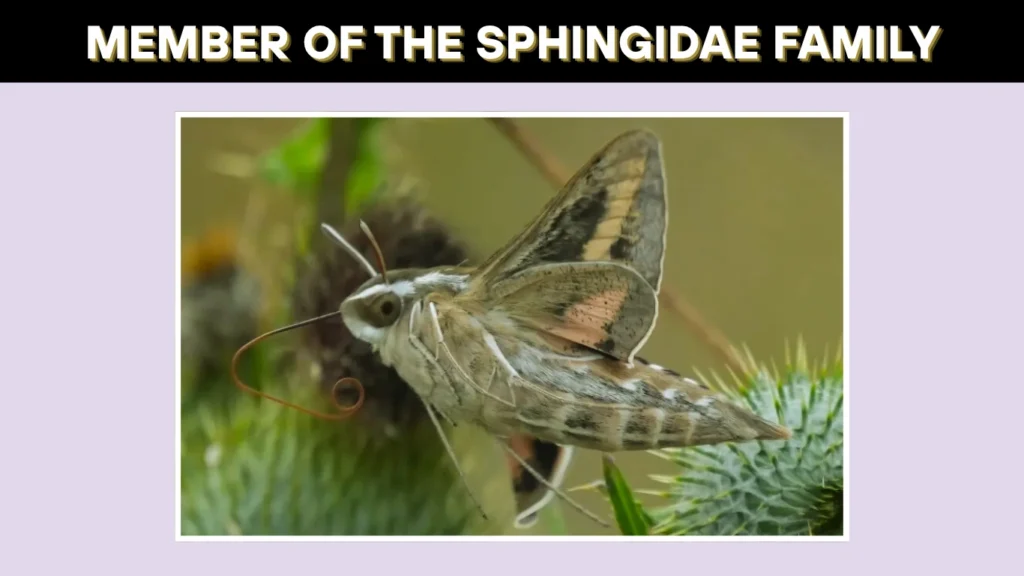
Hummingbird moths belong to the Sphingidae family, also known as hawk moths. These moths are known for their speed and strength in flight. Unlike many other moths, species in this family have long, narrow wings and thick bodies, making them powerful fliers and perfectly suited for hovering like birds.
3. Long Proboscis for Nectar Feeding

One of the most unique features of the hummingbird moth is its long proboscis. This straw-like tongue can uncoil to reach deep into flowers for nectar. Even while hovering, it can feed with amazing accuracy and speed—just like a hummingbird, but with a tongue longer than its own body.
4. Known as Hummingbird Hawk-Moth
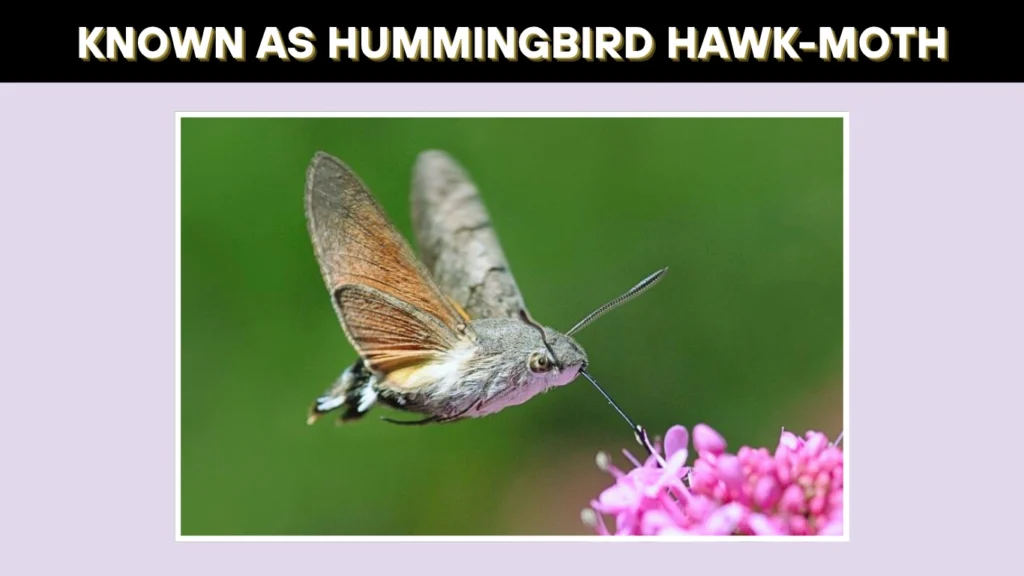
The most famous species of hummingbird moth is called the Hummingbird Hawk-Moth (Macroglossum stellatarum). Commonly seen in Europe, Asia, and North Africa, this species is instantly recognizable by its orange hindwings, black-and-white tail tufts, and fast, darting movement between flowers during the daytime.
5. A Rare Daytime Moth
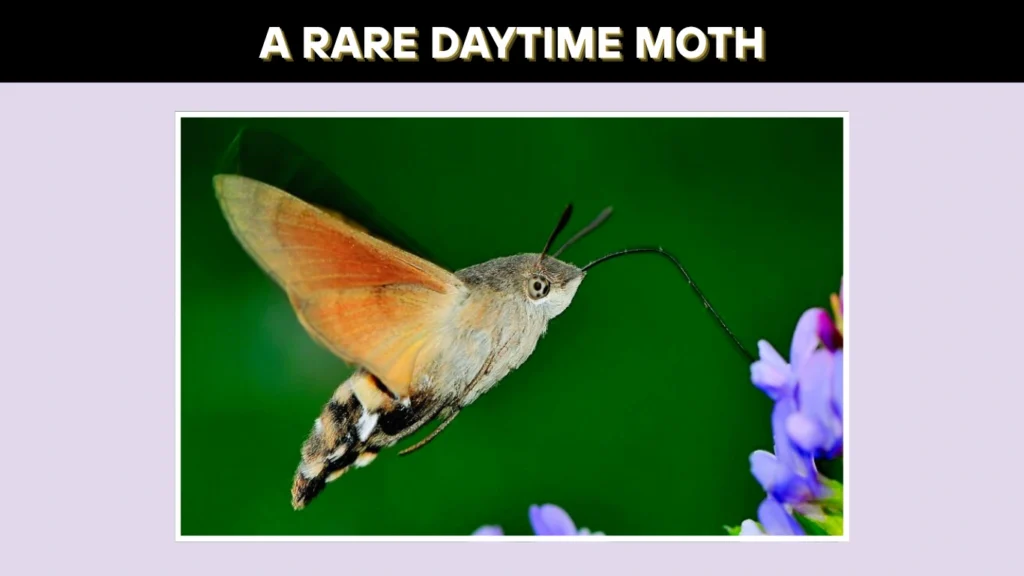
Most moths are active at night, but the hummingbird moth breaks the mold. It is diurnal—meaning it flies during the day. This makes it easier to observe in gardens, especially during sunny, warm weather when it feeds from flowers just like butterflies and bees do.
6. Wings Beat Rapidly Like Hummingbirds
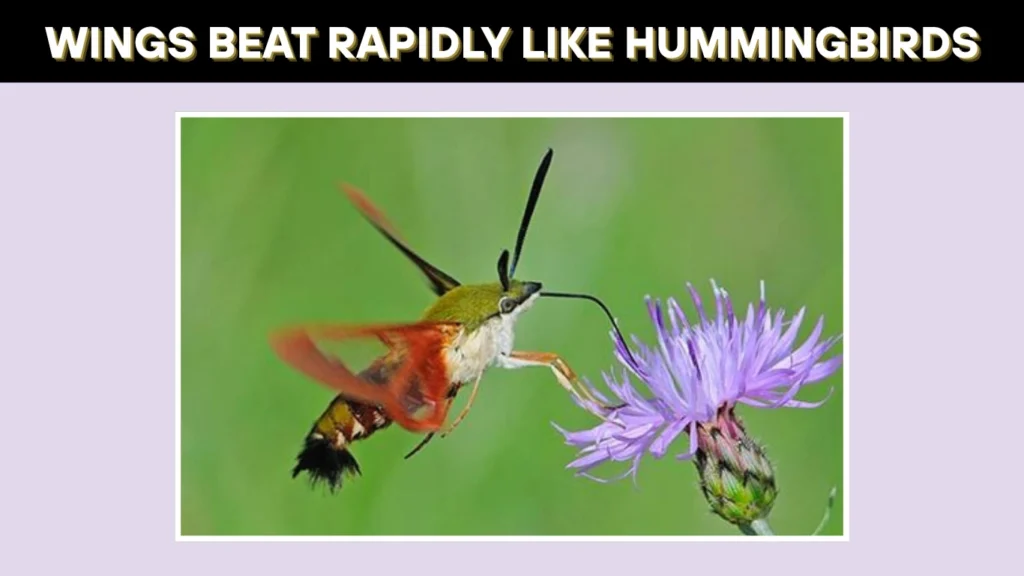
The wings of a hummingbird moth beat incredibly fast—around 70 to 80 times per second. This rapid flapping creates a humming sound, further mimicking real hummingbirds. The blur of their wings can be seen as they hover in place while feeding on flower nectar.
7. They Hum While Flying

Just like their bird counterparts, hummingbird moths produce a humming or buzzing sound in flight. The sound comes from their rapid wingbeats. This audio cue is one more reason why casual observers often confuse them with birds. It’s especially noticeable in quiet gardens during the day.
8. Moths with Good Memory

Hummingbird moths are known for their surprising intelligence. Studies show they can remember flower locations and return to the same nectar sources. This ability to recall and revisit feeding spots demonstrates spatial memory—something not commonly associated with insects, making them unique even among pollinators.
9. Found Across Continents

Hummingbird moths are not limited to one region. They are found in North America, Europe, Asia, and parts of Africa. Their wide distribution is due to their ability to adapt to various climates and migrate long distances to follow seasonal blooms and warmer temperatures.
10. They Migrate Like Birds

Many species of hummingbird moths migrate seasonally. In Europe, for example, the Hummingbird Hawk-Moth travels from southern to northern regions as temperatures rise. Just like birds, they follow the warmth and blooming flowers, showing an impressive capacity for long-distance travel despite their small size.
11. Horned Caterpillars
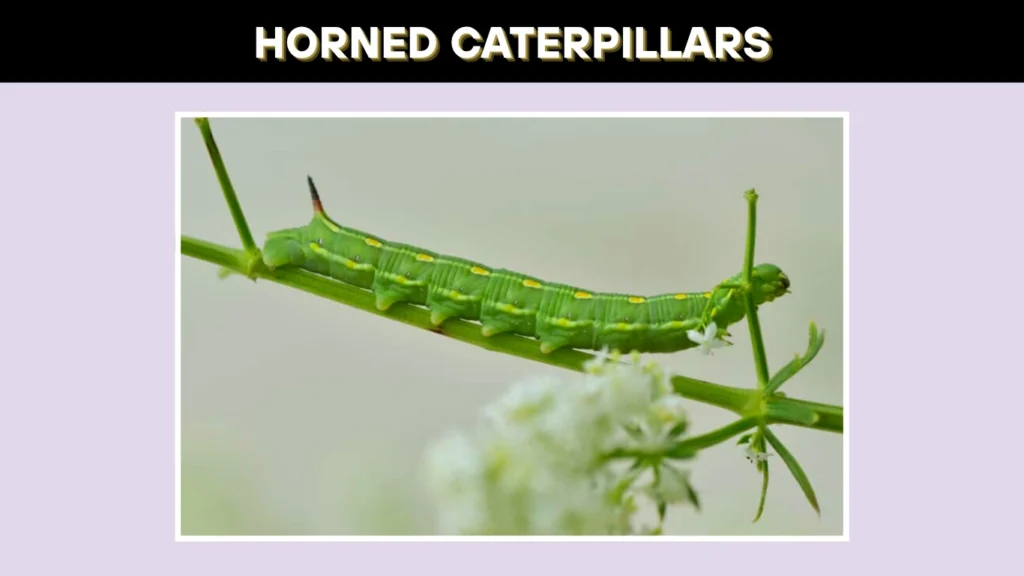
The caterpillars of hummingbird moths are large and green, often featuring a horn-like tail. They resemble tomato hornworms and can be found feeding on host plants like bedstraw, honeysuckle, and wild madder. Despite their size and appearance, these larvae are harmless and eventually burrow into the soil to pupate.
12. Excellent Color Vision

Hummingbird moths have strong visual senses and are particularly attracted to brightly colored flowers—especially red, pink, orange, and purple. Their color vision helps them locate nectar-rich blooms efficiently. This trait is shared with butterflies and hummingbirds, making them key daytime pollinators in vibrant garden settings.
13. Favorite Flowers for Feeding
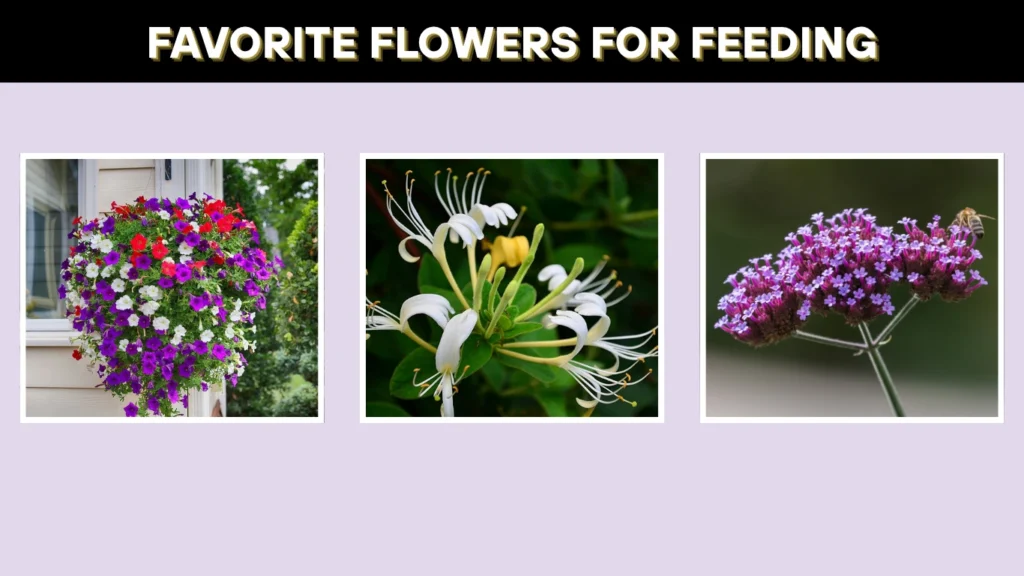
Some of their preferred nectar sources include petunias, honeysuckles, verbena, bee balm, and butterfly bushes. These flowers are tubular and rich in nectar, matching the moth’s long proboscis. Gardeners who grow these flowers are more likely to attract hummingbird moths during the warmer months.
14. Speedy Flyers
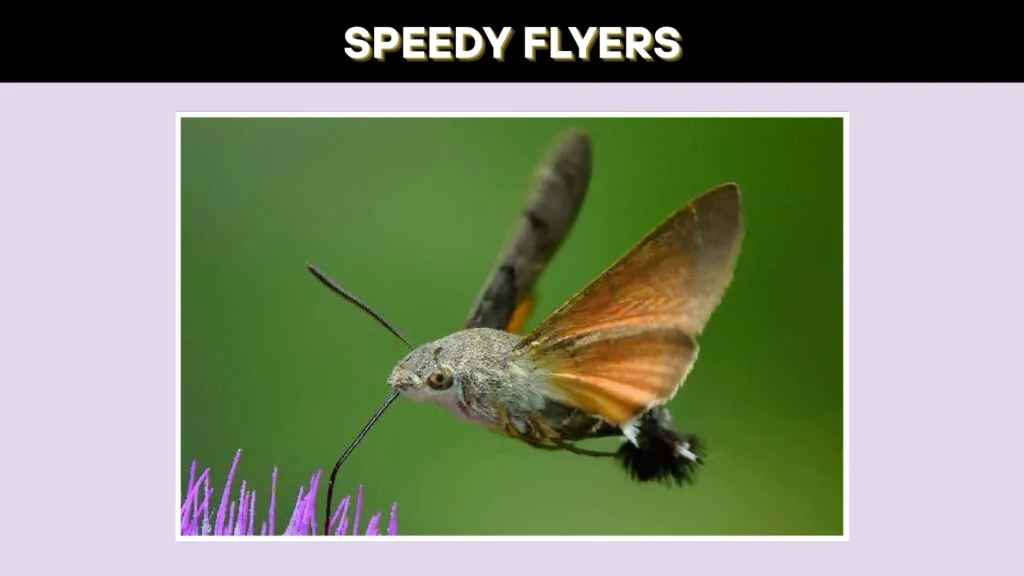
Hummingbird moths are incredibly fast. Some species can fly up to 12 miles per hour, which is quite impressive for an insect. Their speed, combined with agile hovering, darting movements, and the ability to change direction quickly, helps them feed efficiently and escape predators in open environments.
15. Short but Active Lifespan
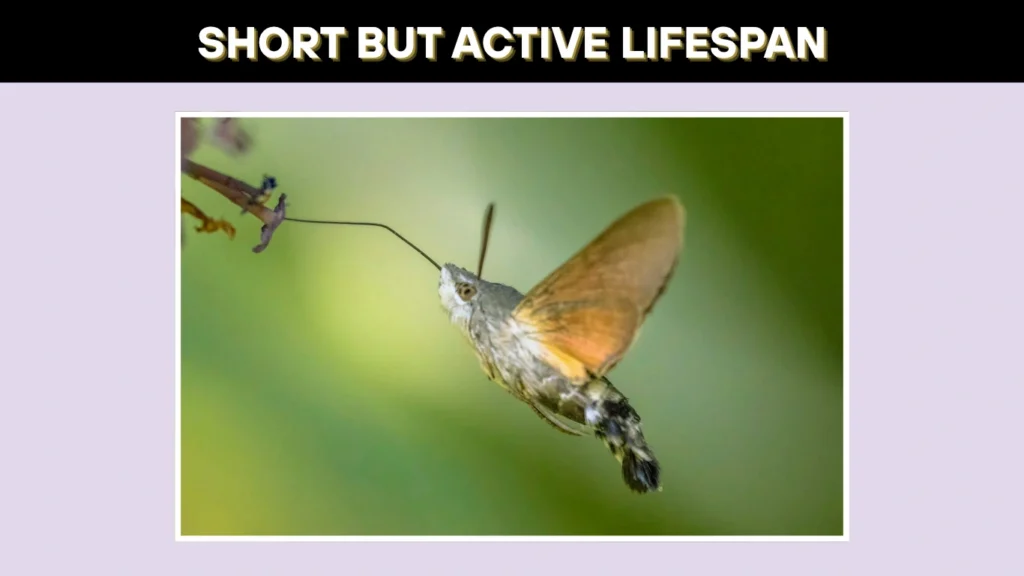
The adult hummingbird moth only lives for about 7 to 14 days. During this time, it spends most of its energy feeding, mating, and laying eggs. Although their adult life is short, they are highly active and visible during daylight hours in the right season.
16. Pollinators of Twilight and Day
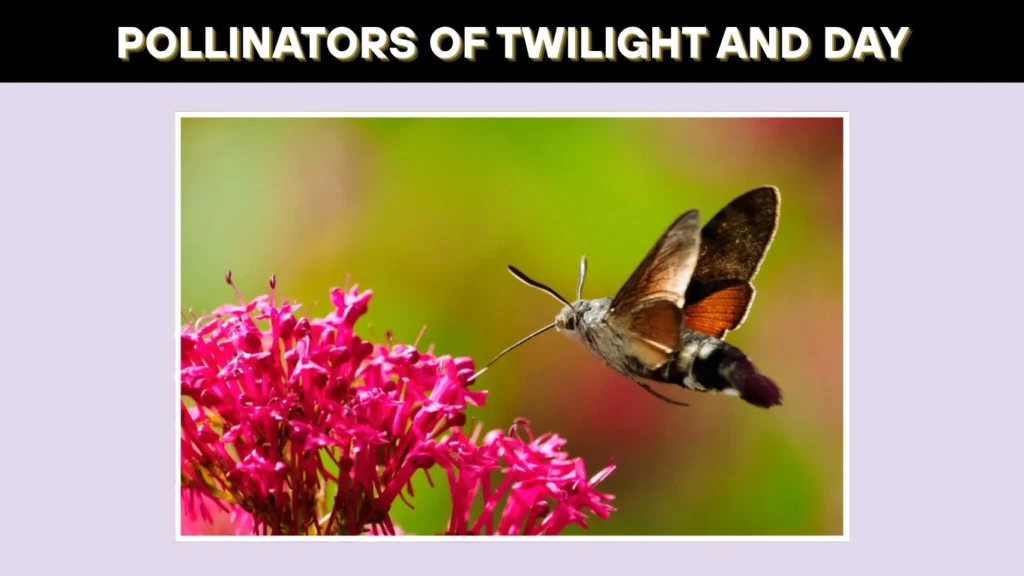
While they’re most active during the day, some species of hummingbird moths also feed during twilight hours. Their ability to hover and access deep flowers makes them important pollinators, especially for certain plants that bloom in late afternoon or early evening when bees have stopped foraging.
17. Underground Pupation

After the larval stage, the caterpillars form a pupa underground. This stage allows them to transform into adults safely. In colder regions, the pupae can overwinter beneath the soil, emerging as adult moths when temperatures rise. This behavior helps the species survive harsh weather and ensures seasonal activity.
Summary
Hummingbird moths are among nature’s most captivating mimics, often mistaken for real hummingbirds. This article reveals 17 detailed facts about their behavior, appearance, and life cycle. From their rapid wingbeats to their underground pupation, you’ll discover why these day-flying moths are both beautiful and biologically unique.
