
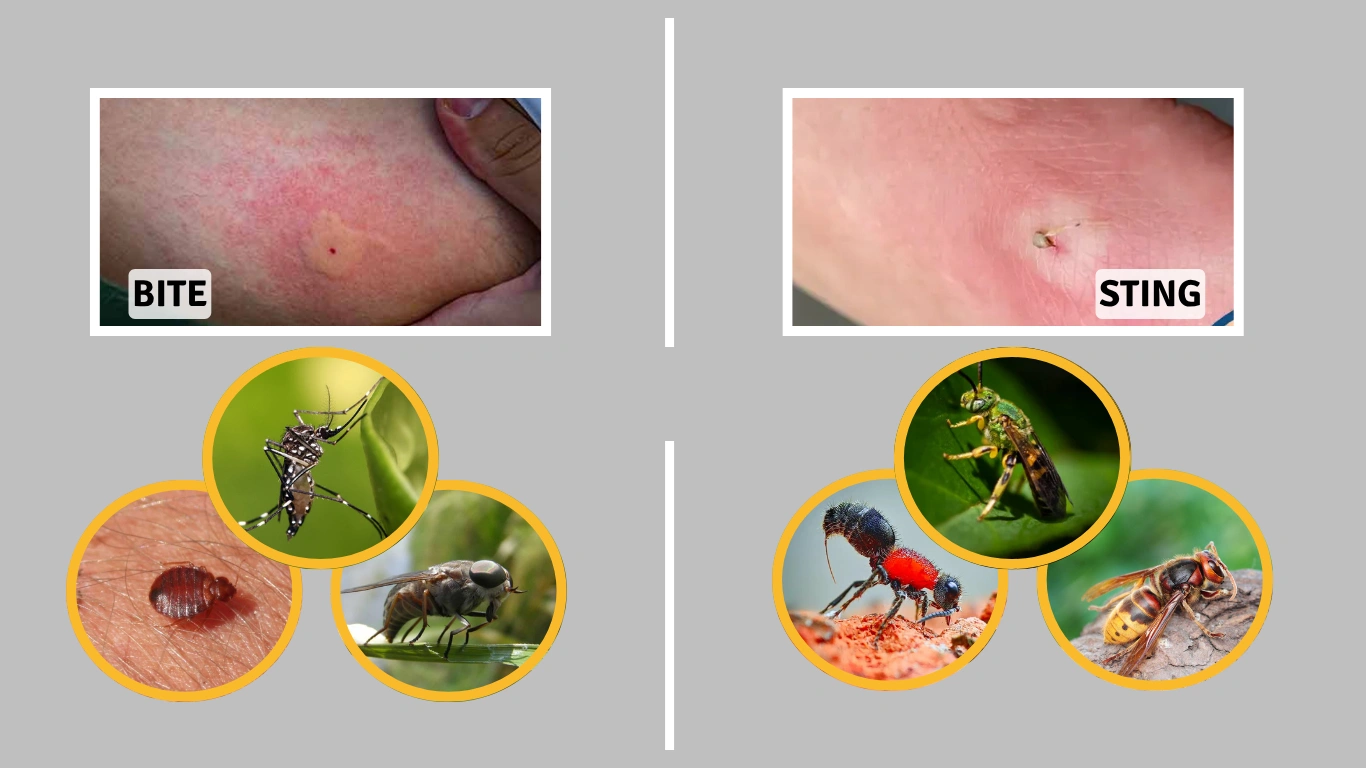
While most insects either bite or sting, some do both, making them a greater nuisance—or even a health concern. These dual-threat insects use their mouthparts to bite and their stingers to inject venom, depending on the situation. Biting is often for feeding, while stinging is for defence. From aggressive ants to parasitic bugs, knowing which insects are capable of both actions can help you stay safe and treat reactions properly. Here are 20 insects that are known to bite and sting under the right conditions.
Bite vs. Sting: Key Differences

| Feature | Bite | Sting |
| Purpose | To feed on blood | To defend or attack |
| Used By | Mosquitoes, fleas, bed bugs, ticks, etc. | Bees, wasps, hornets, fire ants, etc. |
| Body Part Involved | Mouthparts (piercing/sucking) | Stinger (modified ovipositor) |
| Sensation | Often painless at first, then itchy | Usually sharp, immediate pain |
| Venom Involved | Usually no venom | Venom injected through the stinger |
| Symptoms | Red bump, itching, mild swelling | Pain, swelling, possible burning or allergy |
| Disease Risk | May transmit diseases (e.g., malaria) | Rarely causes disease, but can cause allergic reactions |
| Repeat Action | Can bite multiple times | Some insects sting once (bees) or multiple times (wasps) |
| Common Insects | Mosquito, flea, bed bug, tick | Bee, wasp, hornet, fire ant |
Insects that bite: Mosquito, Bed Bug, Flea, Black Fly, Horsefly, Tick, Louse, Kissing Bug, Deer Fly, Sand Fly.
Insects that sting: Fire Ant, Honey Bee, Paper Wasp, Yellow Jacket, Bumblebee, Hornet, Velvet Ant, Bullet Ant, Cicada Killer Wasp, Sweat Bee.
1. Mosquito
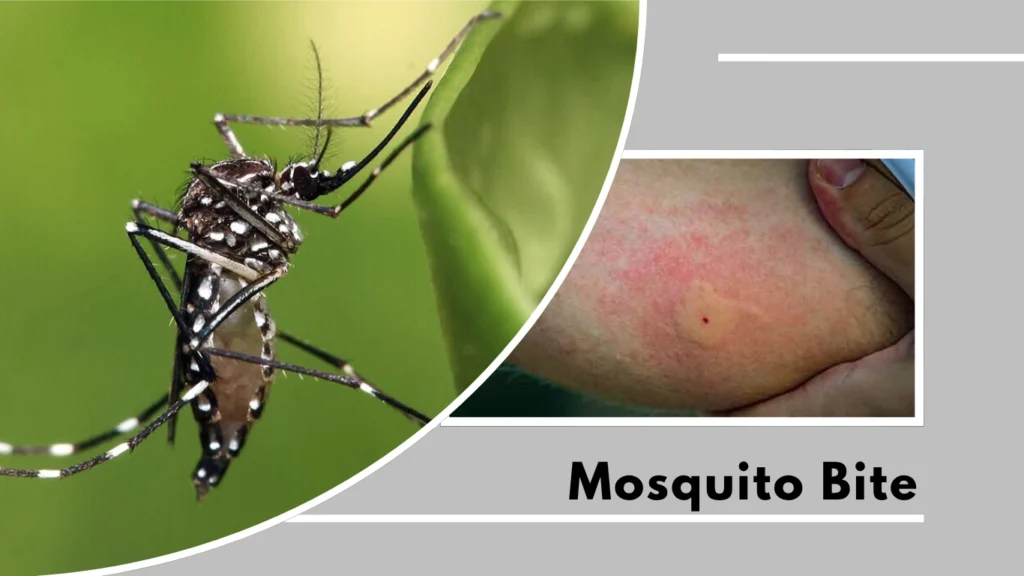
Mosquitoes are one of the most widespread and annoying biting insects found worldwide. Only female mosquitoes bite, as they require blood for egg development. They use a sharp, needle-like mouthpart called a proboscis to pierce the skin and draw blood. These bites are not just itchy—they can also be dangerous in areas where mosquitoes transmit diseases.
Why Mosquitoes Bite
Female mosquitoes are attracted to body heat, carbon dioxide, sweat, and body odor. Once they land on your skin, they insert their proboscis to access blood vessels. Males, on the other hand, feed only on nectar and plant juices.
Symptoms of a Mosquito Bite
- Small, red, raised bump
- Itching that can become intense
- Mild swelling around the bite site
- Warmth and irritation in the affected area
Possible Risks and Complications
Some mosquito species can transmit serious diseases such as:
- Dengue fever
- Malaria
- Zika virus
- West Nile virus
- Chikungunya
Bite Treatment
Clean the area gently with soap and water. Apply a cold compress to reduce swelling and use anti-itch creams like calamine lotion or hydrocortisone. Avoid scratching to prevent secondary infection.
2. Bed Bug
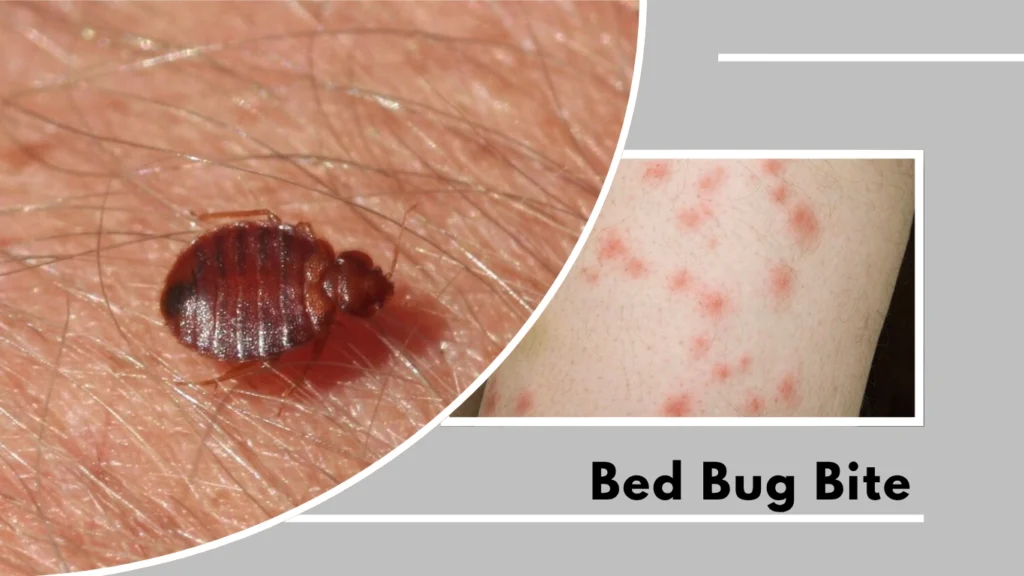
Bed bugs are tiny, flat, reddish-brown insects that feed exclusively on blood, usually at night while people are asleep. They are not known to spread disease, but their bites can cause discomfort and sleepless nights. Bed bugs hide in mattresses, furniture, cracks, and seams, and can multiply quickly in indoor environments.
How Bed Bugs Bite
They pierce the skin with two hollow tubes: one injects saliva with anticoagulants and anesthetics, the other draws blood. This allows them to feed without being noticed immediately.
Symptoms of a Bed Bug Bite
- Small, red bumps often arranged in a line or cluster
- Itching or burning sensation
- Swelling or inflammation at the bite site
- Delayed reaction—symptoms may appear hours to days later
Bite Risks and Issues
- Allergic reactions in some individuals, causing larger welts or hives
- Secondary infections from scratching
- Anxiety or sleep disturbances due to infestation
Bite Management
Gently wash the area and apply an anti-itch cream. Avoid scratching to reduce risk of infection. Persistent or severe symptoms may require antihistamines or a visit to a healthcare provider.
3. Flea
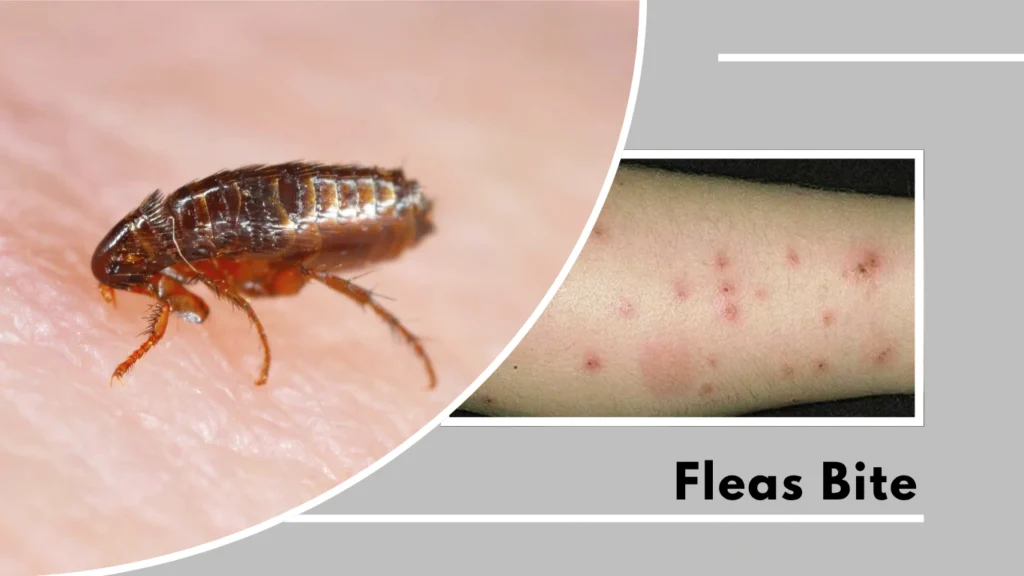
Fleas are tiny, wingless parasites that live off the blood of mammals and birds. Commonly found on pets like dogs and cats, they can also bite humans, especially around the ankles and legs. Flea infestations can spread rapidly in homes.
How Fleas Bite
Fleas use strong back legs to jump onto a host. Once there, they bite through the skin with specialized mouthparts to extract blood. Fleas may bite multiple times while searching for a blood vessel.
Symptoms of a Flea Bite
- Small, itchy red spots with a central puncture mark
- Bites often appear in clusters or lines
- Swelling or a rash may occur
- Increased itching after repeated exposure
Bite-Related Concerns
Fleas can transmit:
- Murine typhus
- Cat scratch fever
- Tapeworms (if ingested)
- Intense itching or allergic dermatitis
Treatment Tips
Wash the bite area and apply antiseptic or anti-itch cream. Use antihistamines if swelling or itching becomes severe. Eradicating fleas from your home and pets is essential to prevent future bites.
Let me know when you want the next two.
4. Black Fly

Black flies are small, dark-colored insects commonly found near rivers, streams, or other running water sources. Unlike mosquitoes, they tear the skin with their mouthparts to feed on blood, which can make their bites especially painful.
How Black Flies Bite
They don’t pierce like mosquitoes—instead, they use cutting mouthparts to make a small wound and then lap up the blood. They’re active mostly during the day and are especially aggressive in large swarms.
Symptoms of a Black Fly Bite
- Painful, red swollen bump at the site
- Bleeding or oozing at the bite mark
- Severe itching or burning sensation
- Possible headache, fever, or swollen lymph nodes in sensitive individuals
Risks and Reactions
- Black fly fever: a reaction that includes fever, nausea, and swollen lymph nodes
- Allergic response: hives or large red patches
- Rarely, black flies can transmit parasitic diseases in certain countries
Treatment Advice
Clean the bite with soap and water, apply ice to reduce swelling, and use over-the-counter anti-itch cream. Avoid scratching to prevent further skin damage.
5. Horsefly

Horseflies are large, fast-flying insects with powerful bites. Found in rural areas, near farms, and around water bodies, they are known for attacking both animals and humans during daylight hours.
How Horseflies Bite
Female horseflies use blade-like mouthparts to slice the skin and feed on blood, often leaving a noticeable wound. Their bites are deep, painful, and hard to ignore.
Symptoms of a Horsefly Bite
- Immediate, sharp pain
- Large red bump with swelling and inflammation
- Possible bruising or skin tearing
- Persistent itching and soreness
Potential Dangers
- Secondary infection from open wounds
- Allergic reactions like excessive swelling or rash
- Can transmit tularemia or anthrax (rare in humans)
Care for the Bite
Clean thoroughly with antiseptic, apply cold compresses, and use antihistamines for itching. If swelling worsens or infection occurs, seek medical advice.
6. Tick

Ticks are blood-feeding arachnids, not true insects, but they are commonly included in bite-related discussions due to their serious health risks. They latch onto skin and feed slowly over several hours or even days. Ticks are often found in grassy, wooded, or brush-filled areas.
How Ticks Bite
Ticks insert their barbed mouthparts into the skin and anchor themselves while feeding. They inject saliva that contains anesthetics and anticoagulants, which makes the bite painless and allows prolonged feeding without detection.
Symptoms of a Tick Bite
- Small red bump at the site
- May develop a bullseye rash in case of Lyme disease
- Swelling and irritation if allergic
- Bite site may feel hard or itchy
Bite Dangers
- Ticks are known carriers of serious diseases such as:
- Lyme disease
- Rocky Mountain spotted fever
- Anaplasmosis
- Ehrlichiosis
- Lyme disease
- Prolonged attachment increases disease risk
- Some ticks can cause tick paralysis through their saliva
Treatment and Removal
Remove the tick promptly using fine-tipped tweezers. Grasp close to the skin and pull straight out—do not twist. Clean the bite area, apply antiseptic, and monitor for symptoms over the next few weeks. Seek medical help if rash, fever, or fatigue develops.
7. Louse (Head Lice)

Head lice are tiny, wingless insects that live on the scalp and feed on blood several times a day. They are especially common among children and spread through close contact or sharing personal items like combs and hats.
How Lice Bite
They use piercing-sucking mouthparts to bite the scalp and feed on small amounts of blood. Their bites can irritate the skin and trigger intense itching.
Symptoms of Head Lice Bites
- Itchy scalp, especially behind ears or at the nape
- Red dots or tiny sores from bites and scratching
- Feeling of something moving in the hair
- Secondary infection from persistent scratching
Risks and Transmission
- Highly contagious in close-contact environments like schools
- No serious diseases transmitted, but severe itching can lead to infection
- Can impact sleep and concentration due to constant irritation
How to Treat
Use over-the-counter lice treatments (shampoos with permethrin or pyrethrin). Comb out nits daily with a fine-tooth lice comb. Wash bedding and personal items in hot water and dry on high heat.
8. Kissing Bug (Triatomine Bug)
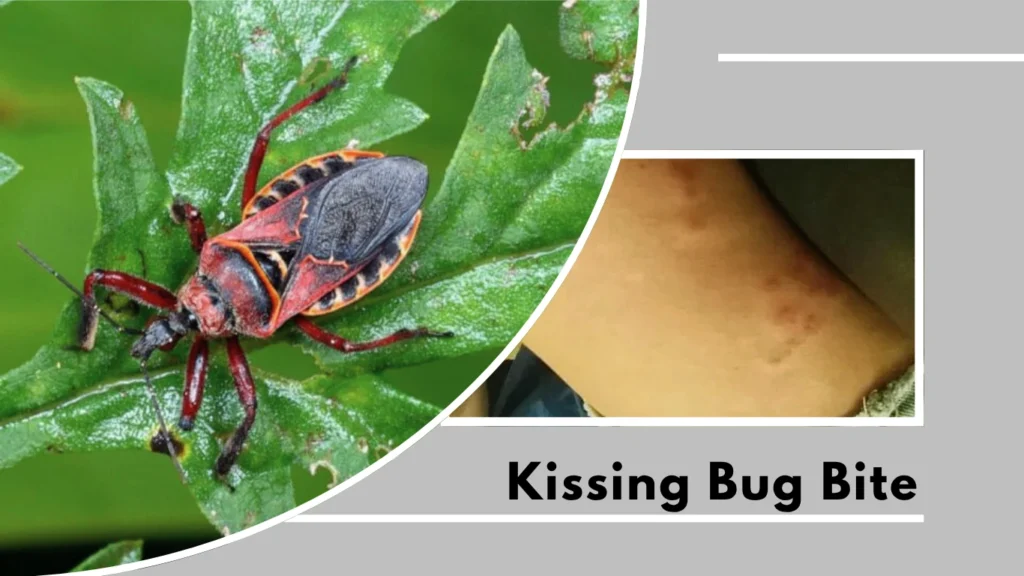
Kissing bugs are blood-sucking insects found mainly in the Americas. They’re named for their tendency to bite humans around the mouth and eyes while sleeping. Though their bites are usually painless, they can pose a serious health risk due to their ability to transmit Chagas disease.
How Kissing Bugs Bite
They bite using a piercing-sucking mouthpart to draw blood, typically at night. After feeding, they often defecate near the bite site, and the parasite responsible for Chagas disease can enter the body if the person scratches or rubs the area.
Symptoms of a Kissing Bug Bite
- Painless bite, often unnoticed
- Swelling or redness around the bite
- Romaña’s sign: puffiness around one eye (if infected)
- Itching or mild irritation
Bite-Related Health Risks
- Can transmit Trypanosoma cruzi, the parasite causing Chagas disease
- Initial symptoms of infection may include fever, fatigue, and swollen glands
- Chronic infection can lead to heart and digestive system damage if untreated
Treatment Measures
Wash the area thoroughly and avoid scratching. Seek medical attention if you suspect exposure to Chagas disease or experience systemic symptoms after the bite.
9. Deer Fly

Deer flies are medium-sized flies with patterned wings and brightly colored eyes. They are commonly found near wetlands, woods, and rural areas during warm months. Their bites are quite painful and can cause allergic reactions.
How Deer Flies Bite
Only females bite, using scissor-like mouthparts to slice the skin and lap up blood. They are aggressive daytime feeders and tend to bite on exposed areas like arms, legs, and neck.
Symptoms of a Deer Fly Bite
- Immediate sharp, stinging pain
- Red welt or small cut at the site
- Localized swelling and itching
- Possible rash or allergic reaction
Risks from the Bite
- May transmit tularemia (rabbit fever) in some regions
- Bites can become infected if scratched
- Multiple bites may lead to discomfort or hypersensitivity reactions
Bite Care and Prevention
Clean the area, apply a cold compress to reduce swelling, and use antihistamines or anti-itch creams. Wearing protective clothing and using insect repellent can help prevent bites when in deer fly-prone areas.
10. Sand Fly
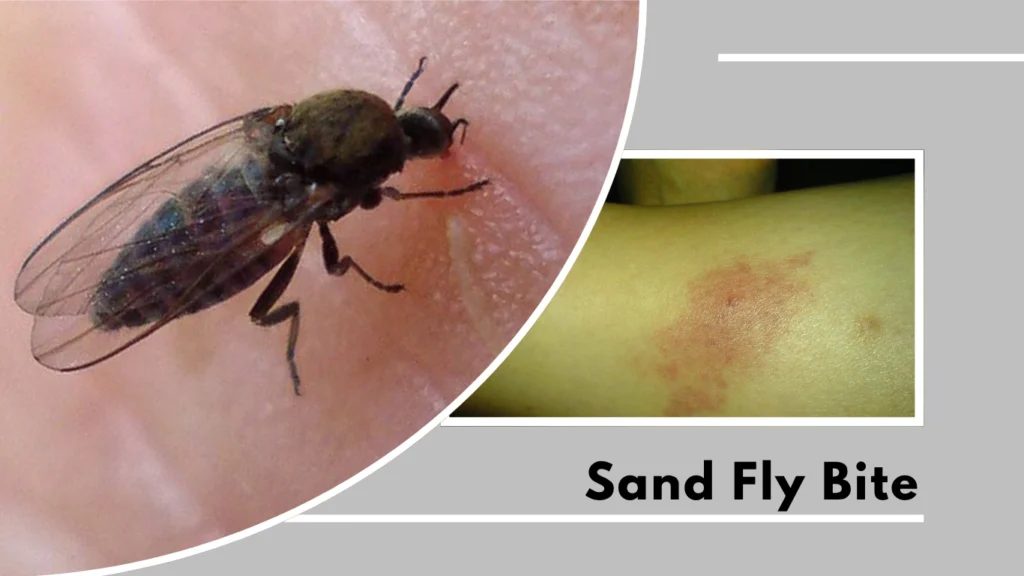
Sand flies are tiny, hairy insects often found in tropical, subtropical, and arid environments. Though small, their bite can cause significant discomfort and even lead to serious disease in some regions.
How Sand Flies Bite
Female sand flies bite using cutting and sucking mouthparts. They slice the skin to create a small wound and then feed on the blood. They are most active during dusk and dawn and often bite on exposed areas like arms, legs, and face.
Symptoms of a Sand Fly Bite
- Small red bump or raised spot
- Severe itching and irritation
- Skin may appear inflamed or swollen
- Bites are usually grouped together in clusters
Health Risks from Bites
- In certain regions, sand flies can transmit Leishmaniasis, a parasitic disease
- Allergic reactions or rashes in sensitive individuals
- Scratching the bite can lead to infection or scarring
Treatment Tips
Clean the area with soap and water. Apply anti-itch cream or calamine lotion. If severe symptoms or fever appear after travel to tropical areas, seek medical evaluation for possible infection.
11. Fire Ant (First Stinging Insect)

Fire ants are aggressive, reddish-brown ants known for their painful stings, not bites—though they do use their jaws to grip before stinging. They are commonly found in the southern United States and other warm climates.
How Fire Ants Sting
Fire ants latch on with their mandibles and inject venom through a stinger, often multiple times in quick succession. They typically attack in groups when their mound is disturbed.
Symptoms of a Fire Ant Sting
- Burning, stinging sensation at the site
- Formation of a white pustule or blister within 24 hours
- Redness and swelling in the affected area
- Intense itching or soreness for several days
Potential Complications
- Severe allergic reactions, including anaphylaxis in some individuals
- Secondary infection if the blister is scratched open
- Multiple stings may cause nausea, sweating, or chest tightness
Sting Treatment
Wash the area, apply cold compresses, and use antihistamines or hydrocortisone to manage itching and swelling. Seek emergency help if there are signs of an allergic reaction like trouble breathing or swelling of the face and throat.
12. Honey Bee
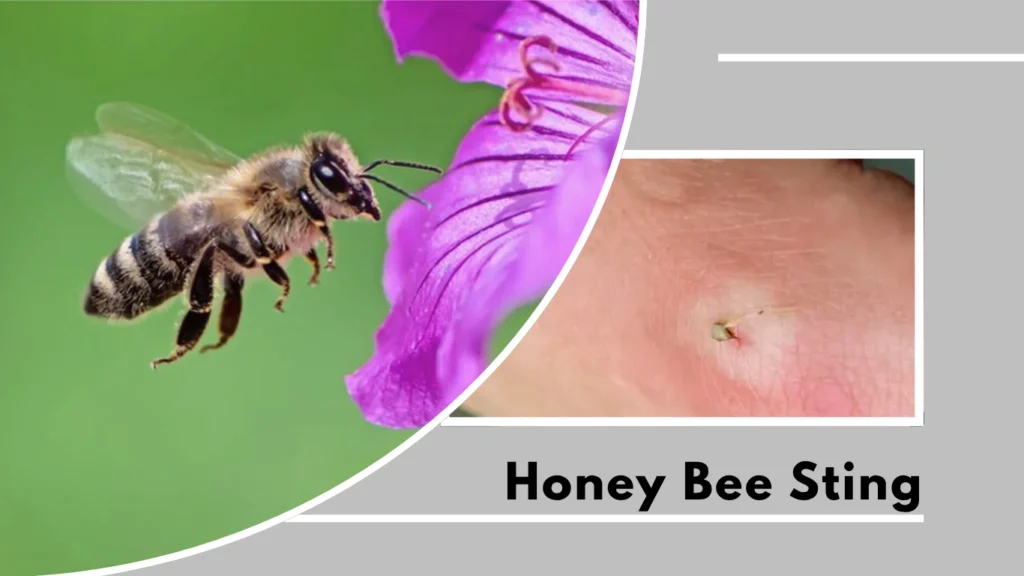
Honey bees are generally non-aggressive and sting only when threatened. They play a crucial role in pollination but are also known for their barbed sting, which remains in the skin after the sting and continues to release venom for a short period.
How Honey Bees Sting
When a honey bee stings, it leaves its stinger and venom sac embedded in the skin. This action kills the bee shortly afterward. The sting injects venom containing proteins that affect skin cells and trigger pain and swelling.
Symptoms of a Honey Bee Sting
- Immediate sharp pain at the sting site
- Redness and swelling around the area
- Formation of a small white spot where the stinger entered
- Itching and warmth may develop later
Sting Risks and Reactions
- Localized pain and swelling are common and usually mild
- In sensitive individuals, stings may cause large local reactions or systemic allergic responses
- Anaphylaxis is rare but life-threatening
Sting First Aid
Remove the stinger quickly by scraping with a flat object (avoid squeezing). Clean the area with soap and water, apply a cold pack, and use hydrocortisone cream or antihistamines for itching. Seek emergency care if signs of an allergic reaction occur.
13. Paper Wasp

Paper wasps are named for their umbrella-shaped nests made from chewed plant fibers. Unlike bees, paper wasps can sting multiple times. They are less aggressive than yellow jackets but will defend their nests when disturbed.
How Paper Wasps Sting
Paper wasps sting by injecting venom through a smooth stinger. Unlike honey bees, they don’t lose their stinger and can sting repeatedly. The venom causes pain, swelling, and can affect immune response in sensitive individuals.
Symptoms of a Paper Wasp Sting
- Burning pain at the site
- Rapid redness and swelling
- Itching or throbbing may develop afterward
- In some cases, the area becomes warm and firm to the touch
Sting-Related Dangers
- Severe local swelling that may last several days
- Allergic reactions, such as hives, nausea, or difficulty breathing
- Risk increases with multiple stings
Treatment Recommendations
Clean the sting site, apply ice, and use an antihistamine or hydrocortisone cream to reduce symptoms. Monitor closely for allergic symptoms, especially if stung near the face or neck.
Let me know when you’re ready for the next two.
14. Yellow Jacket
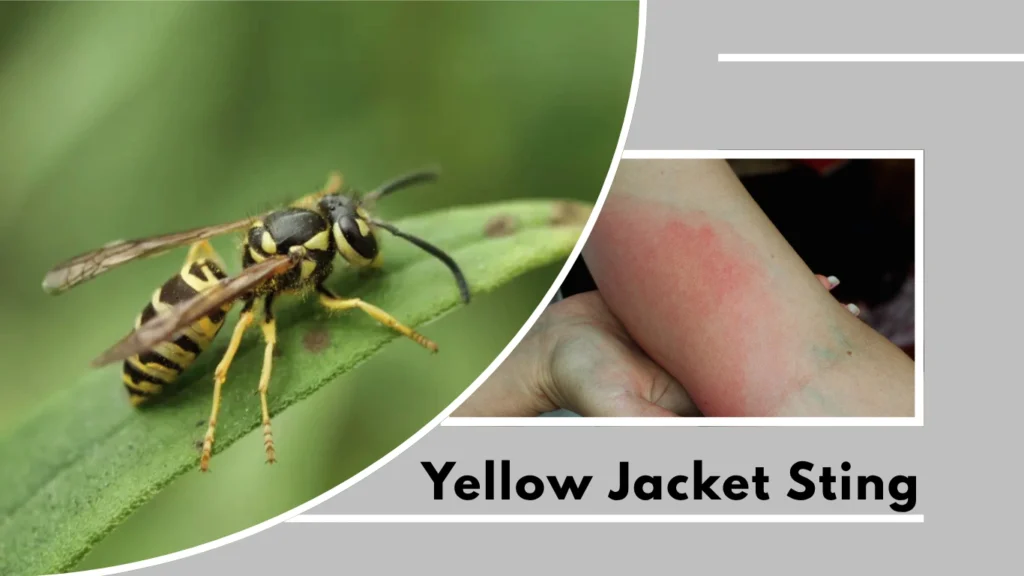
Yellow jackets are aggressive wasps often mistaken for bees due to their black and yellow coloration. They’re commonly found in gardens, parks, and near food during late summer and early fall. Unlike bees, yellow jackets can sting repeatedly and often do so without much provocation.
How Yellow Jackets Sting
They use a smooth stinger to inject venom, which contains proteins that affect skin cells and the immune system. Yellow jackets tend to sting in defense of their nests or when disturbed during feeding, especially around sweet drinks or meat.
Symptoms of a Yellow Jacket Sting
- Immediate burning or stinging pain
- Rapid swelling and redness
- Itching or warmth around the sting site
- Sometimes a small welt or hard lump forms
Health Risks from Stings
- Multiple stings may lead to systemic symptoms like vomiting or headache
- Can trigger anaphylactic shock in people with severe allergies
- Infections can result from scratching or delayed wound care
Sting Management
Clean the site thoroughly, apply a cold compress, and use antihistamines to relieve itching and swelling. Medical help is needed if symptoms worsen or allergic signs appear.
15. Bumblebee

Bumblebees are large, fuzzy bees known for their gentle behavior and vital role in pollination. While they can sting, they usually only do so if handled or threatened. Unlike honey bees, bumblebees do not die after stinging and can sting multiple times.
How Bumblebees Sting
Their sting delivers venom through a smooth stinger. They typically sting in defense of their nest or when pressed against skin. They’re less likely to sting when away from their hive.
Symptoms of a Bumblebee Sting
- Sharp pain at the time of sting
- Swelling, redness, and warmth at the sting site
- Possible itchiness or soreness for a few hours or days
- In some cases, a large local reaction may develop
Risks and Reactions
- Generally mild unless allergic
- In rare cases, may cause breathing difficulty, dizziness, or hives
- Multiple stings can cause systemic effects in sensitive individuals
What to Do
Wash with soap and water, apply cold packs, and use over-the-counter pain relievers or antihistamines. Monitor for allergic reactions and seek help if symptoms spread or worsen.
16. Hornet

Hornets are a type of large wasp, known for their powerful stings and aggressive defense of their nests. They’re typically more dangerous than other wasps due to the high venom content in each sting and their tendency to sting multiple times. European hornets and Asian giant hornets are among the most recognized species.
How Hornets Sting
Hornets use a smooth, retractable stinger to inject venom deeply into the skin. They can sting repeatedly and often release pheromones to signal other hornets to join the attack when their nest is threatened.
Symptoms of a Hornet Sting
- Intense, burning pain immediately after the sting
- Significant swelling and redness, sometimes spreading across a large area
- Warmth and itchiness around the sting
- May cause dizziness, headache, or nausea if stung multiple times
Sting Risks
- Anaphylaxis is a major risk in allergic individuals
- Multiple stings may lead to systemic toxicity (especially from giant hornets)
- Delayed allergic responses like serum sickness may occur days later
Treatment Tips
Clean the site, apply ice, elevate the area if swollen, and use antihistamines or hydrocortisone. For multiple stings or any signs of allergic reaction (difficulty breathing, swelling of lips/tongue), seek emergency care immediately.
17. Velvet Ant (Cow Killer)

Despite its name, the velvet ant is actually a type of wingless wasp, not an ant. Females are covered in bright red or orange velvet-like hairs and are infamous for having one of the most painful stings of any insect in North America—earning the nickname “cow killer.”
How Velvet Ants Sting
Only females sting. When disturbed, they drive their long, smooth stinger into the skin and inject venom. Males do not sting but can be confused with females due to similar coloring.
Symptoms of a Velvet Ant Sting
- Sudden, excruciating pain described as a burning sensation
- Redness and swelling at the sting site
- The area may feel sore or bruised for hours or even a day
- Typically no itching, but lingering discomfort is common
Sting Concerns
- The sting is not medically dangerous but can be extremely painful
- Usually does not cause allergic reactions, but individuals with sensitivity should still monitor
- Rarely requires professional treatment unless allergic symptoms arise
Sting Relief
Apply a cold compress, take oral pain relievers (ibuprofen or acetaminophen), and monitor the area. Avoid scratching or irritating the sting site.
18. Bullet Ant
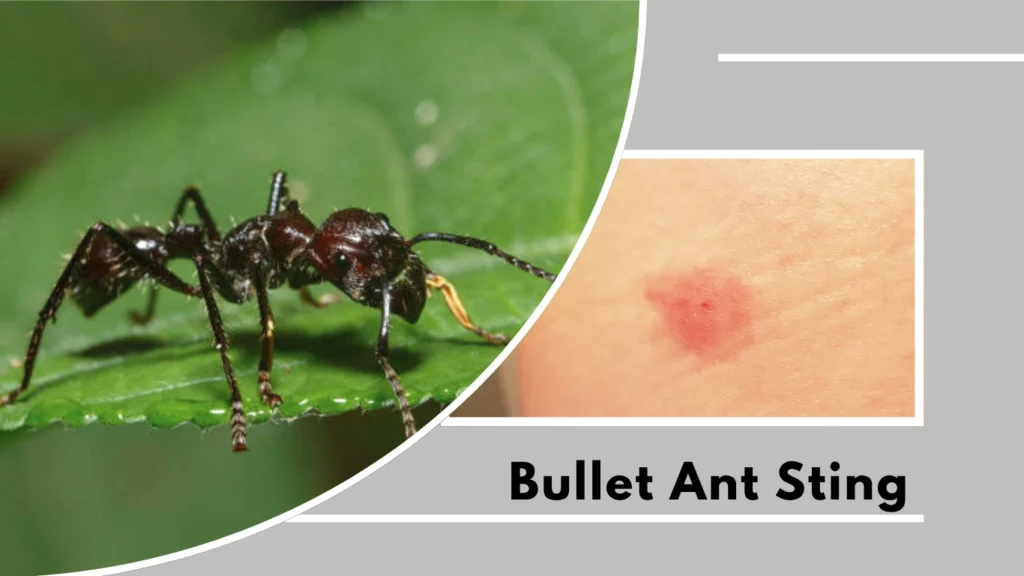
The bullet ant is native to Central and South America and is often considered to have the most painful sting of any insect in the world. Its sting has been compared to the feeling of being shot—hence the name “bullet ant.” They are large, reddish-black ants that live in trees and forest floors.
How Bullet Ants Sting
Bullet ants use a smooth, retractable stinger to inject potent venom known as poneratoxin. This neurotoxic venom affects nerve signals, causing extreme pain and muscle paralysis in the immediate area.
Symptoms of a Bullet Ant Sting
- Excruciating pain that can last up to 24 hours
- Throbbing, burning sensation radiating from the sting site
- Swelling, redness, and numbness around the area
- May be accompanied by shaking, sweating, or temporary immobility
Health Impacts
- Not usually fatal but extremely debilitating
- Some people may experience allergic reactions or systemic symptoms
- Used in tribal initiation rituals due to its intense pain
Treatment Options
Clean the area, apply a cold compress, and use strong pain relievers if needed. Seek medical attention if swelling spreads or symptoms become systemic.
19. Cicada Killer Wasp
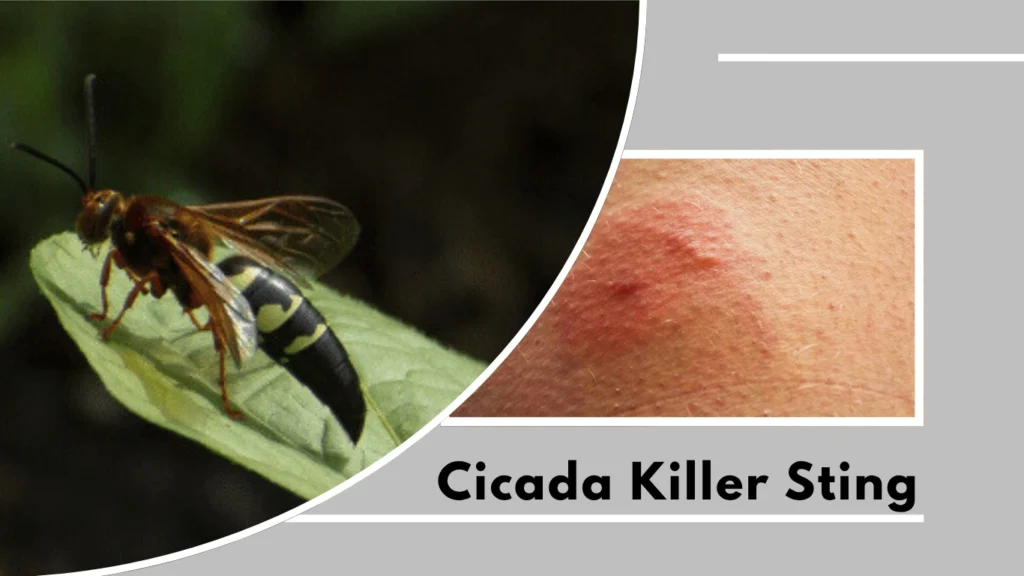
Cicada killer wasps are large, solitary wasps found in North America. Despite their size and intimidating appearance, they are not aggressive toward humans and usually sting only when handled or provoked. Their sting is far less painful than their looks suggest.
How Cicada Killers Sting
Females sting cicadas to paralyze them for food, but they rarely sting humans. If they do, the sting is mild and short-lived. Males don’t sting but may fly aggressively to defend territory.
Symptoms of a Cicada Killer Sting
- Mild pain or stinging at the injection site
- Slight swelling or redness
- Itchiness or tenderness may occur, but usually resolves quickly
- No systemic symptoms unless allergic
Risk Factors
- Very low aggression level toward humans
- Stings are uncommon and usually happen when the insect is trapped or pressed
- Allergic reactions are possible but rare
Treatment Suggestions
Apply a cold compress, clean the area, and use an antihistamine if itching occurs. Most stings heal without any complications.
20. Sweat Bee
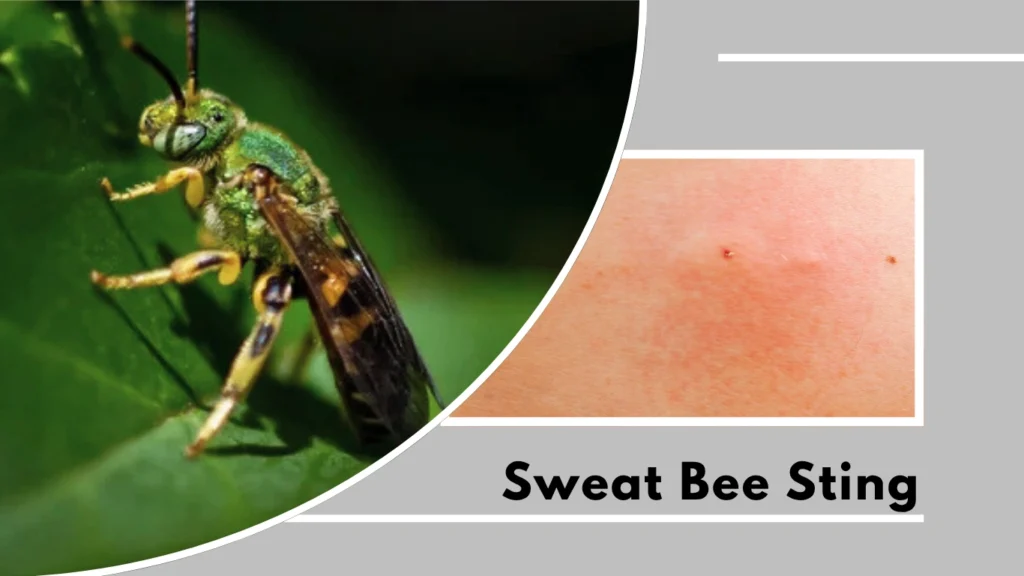
Sweat bees are small, often metallic-colored bees that are attracted to human sweat for its salt content. Despite their name and appearance, they are generally gentle and only sting when provoked—usually when brushed away or trapped against the skin.
How Sweat Bees Sting
Sweat bees use a small, smooth stinger to inject venom. Their sting is relatively mild compared to other stinging insects and often goes unnoticed at first. Only females can sting.
Symptoms of a Sweat Bee Sting
- Mild pain or prickling sensation
- Small red bump or localized swelling
- Light itchiness that may last a few hours
- Rarely, a slight burning feeling may occur
Risks and Allergic Reactions
- Stings are typically harmless
- Allergic reactions are rare but can include hives, swelling, or in extreme cases, anaphylaxis
- Multiple stings are uncommon, as sweat bees are solitary
Treatment Instructions
Clean the area with soap and water. Apply an ice pack to reduce swelling and use antihistamines if needed for itching. No major medical treatment is usually necessary unless allergic symptoms appear.
