
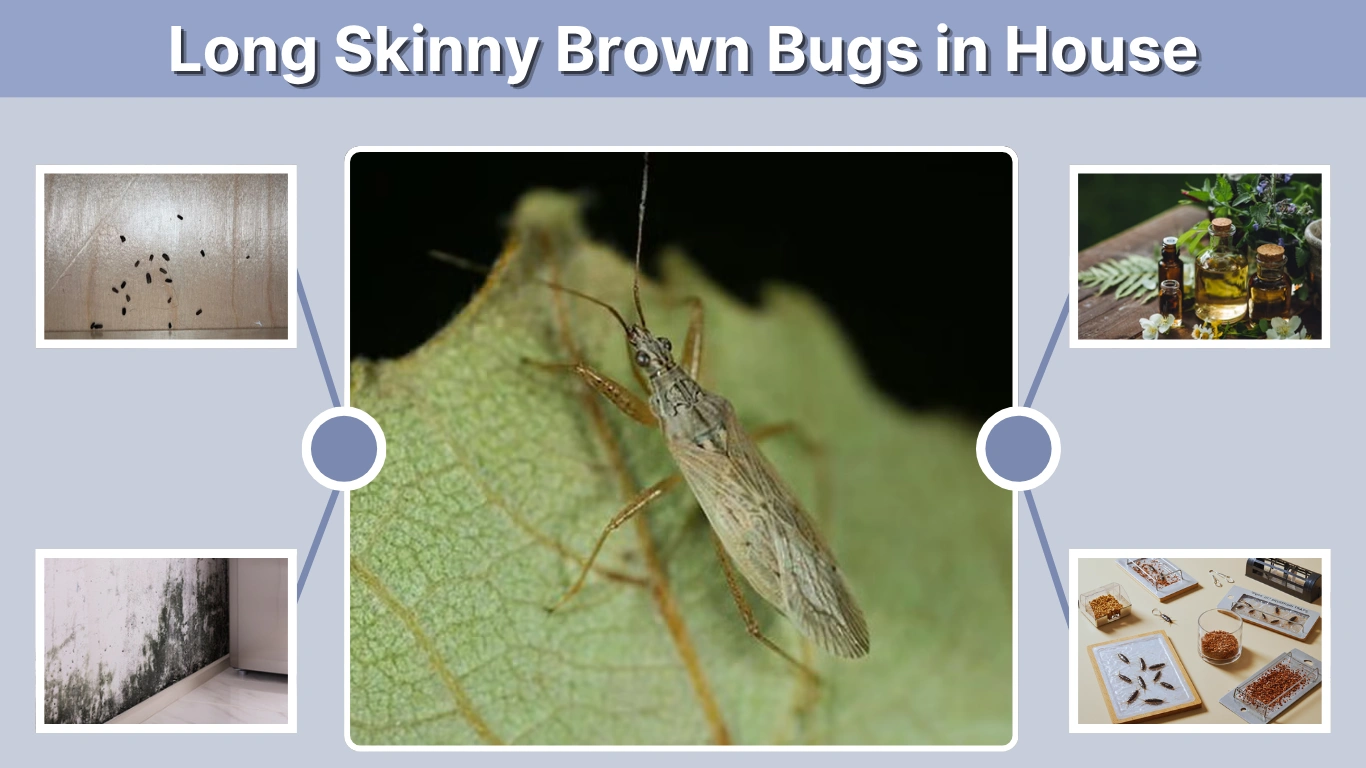
Finding a long skinny brown bug in your house can be unsettling. These pests vary in appearance—some have wings, some are wingless, while others may appear with a hard shell or even stripes. Understanding what type of bug you’re dealing with is the key to controlling them. While some are harmless, others can indicate a serious infestation. This guide will help you identify, understand, and manage these unwanted houseguests effectively.
What Are Long Skinny Brown Bugs in Houses?
Long skinny brown bugs are a broad category of insects that sneak indoors in search of food, shelter, or moisture. They may appear in kitchens, bathrooms, basements, or anywhere dark and humid. Some of them are completely harmless, while others, such as cockroaches, are notorious for spreading germs and multiplying quickly. Identifying which bug you’re dealing with is the first step in deciding whether simple cleaning or pest control is necessary.
Common Types of Long Skinny Brown Bugs
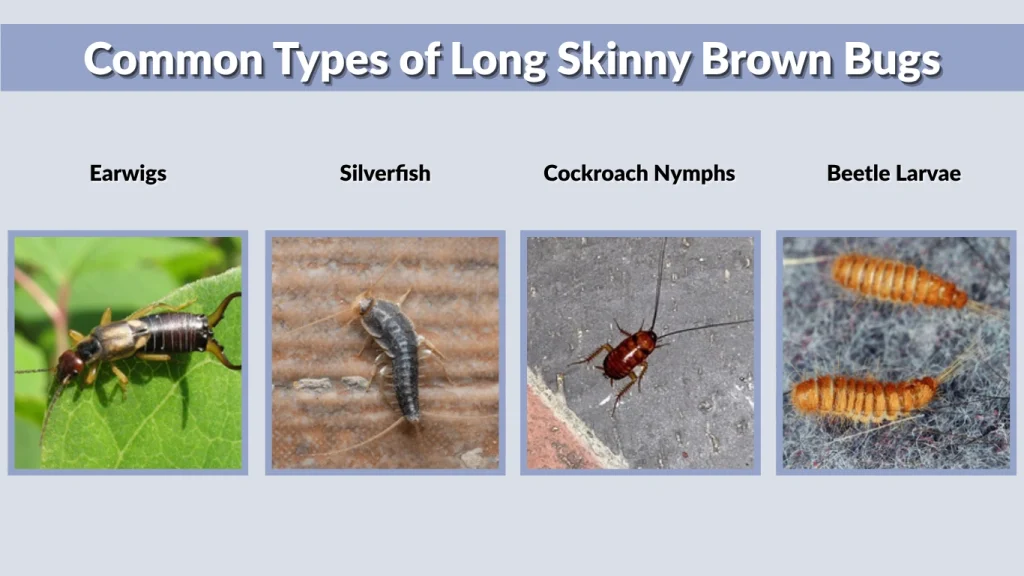
1. Earwigs
Easily recognized by their pincers, earwigs are long, brown, and slender. They are usually harmless but can look intimidating.
2. Silverfish
These fast-moving, wingless insects are thin, shiny, and love damp environments. They often feed on paper, glue, and fabric.
3. Cockroach Nymphs
Young cockroaches appear long, narrow, and brown. Without fully developed wings, they can be mistaken for other bugs but grow into adult infestations quickly.
4. Beetle Larvae
Certain beetle larvae are slim, brown, and elongated. While many are harmless, some can damage stored goods.
5. Centipedes
Although technically not insects, their skinny bodies and fast movement often cause alarm. They are predators, feeding on other small pests.
Identifying Long Skinny Brown Bugs
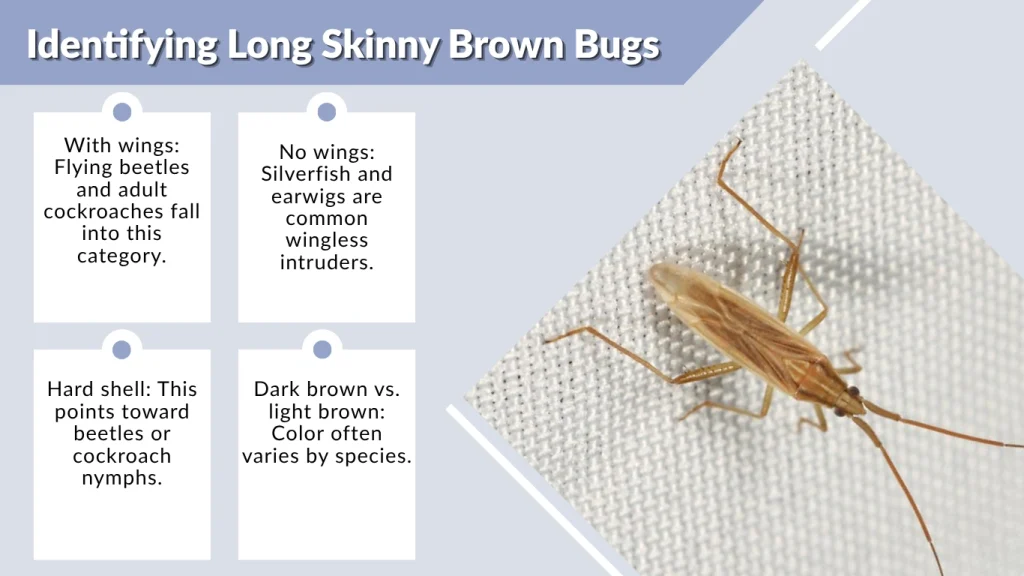
Different features make it easier to pinpoint which bug is inside your home:
- With wings: Flying beetles and adult cockroaches fall into this category. They are usually active at night and drawn to light.
- No wings: Silverfish and earwigs are common wingless intruders, often hiding in dark and damp corners.
- Hard shell: This points toward beetles or cockroach nymphs. A closer look is needed to separate the two.
- Dark brown vs. light brown: Color often varies by species, with darker tones seen in cockroaches and lighter tones in beetles.
- With black stripe: Some cockroach varieties, especially juvenile stages, feature distinctive markings that help with recognition.
Correctly identifying the bug helps you determine whether it is harmless or requires professional attention.
Why Do These Bugs Enter Homes?
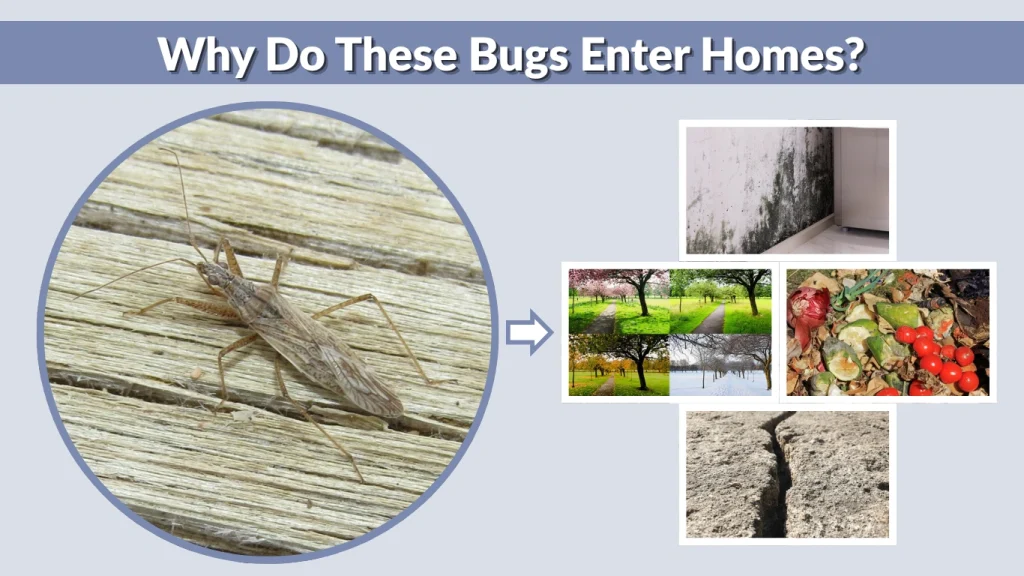
Long skinny brown bugs don’t just appear randomly—they come inside for specific reasons:
- Moisture and humidity: Bathrooms, basements, and kitchens attract silverfish, centipedes, and roaches.
- Food crumbs and organic debris: Even tiny scraps can invite roaches and beetles.
- Shelter in cracks and crevices: Gaps in flooring, windows, or walls offer hiding spots.
- Seasonal shifts: Bugs often move indoors when outdoor conditions become too hot, cold, or wet.
This makes prevention heavily tied to controlling indoor conditions.
Are They Harmful or Harmless?
Some of these bugs are little more than a nuisance, while others pose bigger risks.
- Harmless: Silverfish and beetle larvae don’t spread disease, but they can cause minor damage to books, fabrics, or wallpaper.
- Potentially harmful: Cockroaches contaminate food, spread bacteria, and can trigger allergies. Earwigs may pinch, though they don’t carry diseases.
- Health risks: A heavy cockroach infestation is particularly dangerous due to the allergens in their droppings and the diseases they can transmit.
Knowing which bug is present helps determine whether the situation is tolerable or requires urgent pest management.
Signs of Infestation to Watch For

Identifying early signs helps you act before the problem worsens. Watch for:
- Droppings and shed skins: Cockroaches and silverfish leave behind small droppings or scales.
- Egg cases: Found in dark corners, furniture, or behind appliances.
- Night activity: Many of these bugs are nocturnal, becoming visible after sunset.
- Damage to items: Silverfish chew on books, wallpaper, and clothing, while beetles may infest stored goods.
How to Get Rid of Long Skinny Brown Bugs
Natural Methods
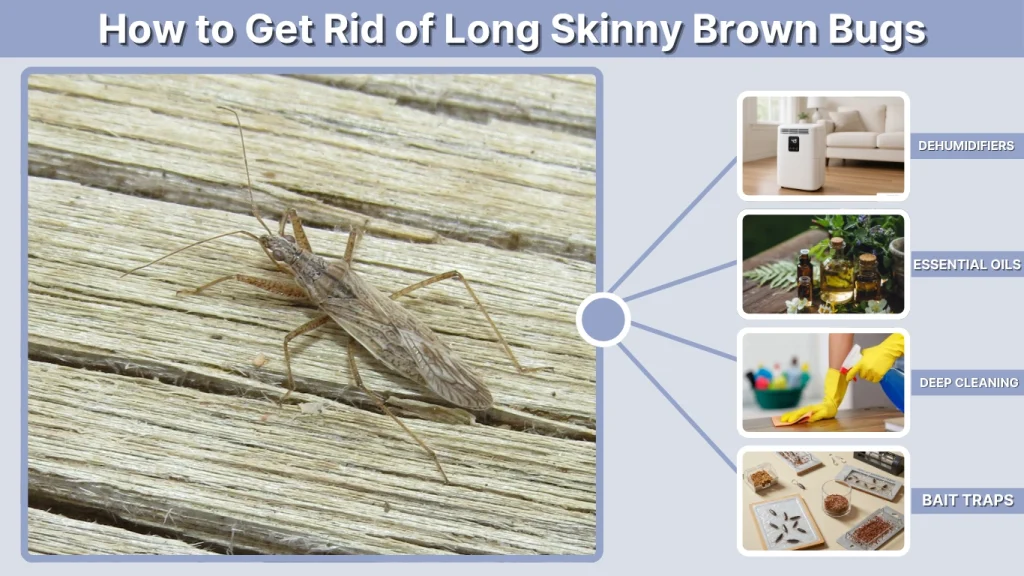
- Use dehumidifiers: Lowering moisture levels makes the environment less inviting.
- Essential oils: Peppermint and cedarwood oils repel many insects naturally.
- Deep cleaning: Vacuuming, sealing cracks, and removing clutter reduce hiding places.
Chemical Methods
- Insecticide sprays: Useful for cockroach or beetle infestations.
- Bait traps: Effective in kitchens or basements where bugs forage.
- Professional pest control: Necessary for severe infestations or recurring problems.
Preventing Future Infestations
Prevention is the most effective long-term solution. Steps include:
- Maintain regular cleaning to remove crumbs and debris.
- Reduce indoor humidity using ventilation fans or dehumidifiers.
- Seal cracks and gaps around doors, windows, and foundations.
- Store food properly in airtight containers.
- Inspect damp areas regularly to stop infestations before they spread.
FAQs
What are long skinny brown bugs with wings in the house?
Flying beetles or adult cockroaches are the most common winged intruders. These insects are usually active at night and may gather around lights. Beetles are often harmless, but cockroaches require prompt control since they spread bacteria and multiply quickly if left untreated.
Are long skinny brown bugs without wings dangerous?
Wingless bugs like silverfish and earwigs are not dangerous to humans, but they can cause inconvenience. Silverfish damage paper and clothing, while earwigs may pinch if threatened. While they don’t spread disease, controlling them early prevents larger infestations.
What does a hard-shelled long skinny brown bug indicate?
A hard shell usually suggests a beetle or cockroach nymph. Beetles often feed on organic matter and pose little risk, while cockroach nymphs grow into full infestations. Careful inspection is needed to identify which pest is present and whether pest control is necessary.
Why do I see skinny brown bugs more at night?
Many long skinny brown bugs are nocturnal. Cockroaches, silverfish, and centipedes hide in cracks during the day and emerge at night for food and moisture. Their nighttime activity makes infestations more visible after dark, especially in kitchens and bathrooms.
How can I prevent skinny brown bugs from returning?
Prevention includes regular cleaning, sealing entry points, and reducing moisture levels with dehumidifiers. Food should be stored in sealed containers, and clutter must be minimized. Periodic inspections of basements, bathrooms, and attics ensure early detection and help maintain a bug-free home.
