

Oriental cockroaches, often called water bugs or black beetles, are common household pests that thrive in dark, damp places. Known for their shiny black appearance and slow movement, they can quickly become a nuisance if left unchecked. These cockroaches not only contaminate food and surfaces but also carry harmful bacteria. In this guide, you’ll learn how to identify, understand, and effectively get rid of Oriental cockroaches from your home.
What Is an Oriental Cockroach?
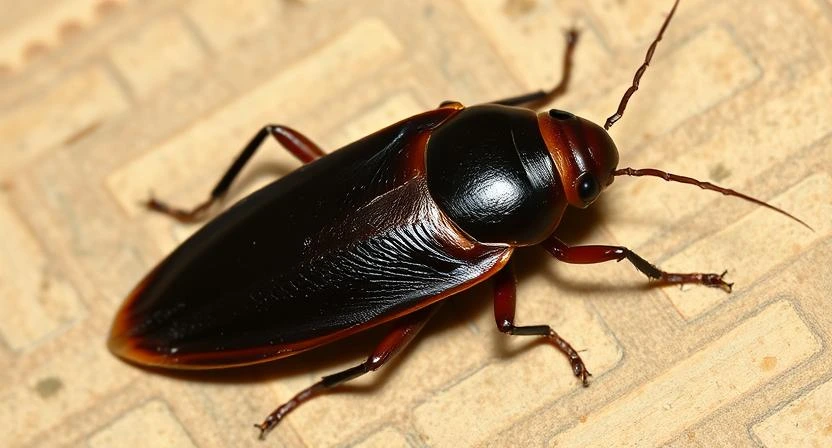
The Oriental cockroach is a large, dark-colored roach often found in homes. Its scientific name is Blatta orientalis. People also call it the water bug or black beetle because of its shiny black or dark brown body.
This cockroach likes to live in cool, damp places like basements, drains, and under sinks. It moves slower than other cockroaches and is often seen at night.
Oriental cockroaches can spread germs and cause bad smells. They do not bite, but they can make your home dirty and unhealthy. That’s why it’s important to spot them early and take steps to control them.
Oriental Cockroach Appearance
Oriental cockroaches have a shiny black or dark brown color that makes them easy to notice. Their bodies look glossy and smooth, unlike other roaches that may have stripes or dull colors.
They have a wide, flat body shape. Males have wings that cover part of their back, while females have very short wings. However, neither can fly.
Compared to other household cockroaches, Oriental cockroaches are darker and move more slowly. They also prefer cooler places, while most others like warm spots. These differences help you tell them apart from other common roaches in the house.
Oriental Cockroach Identification
Oriental cockroaches can be confused with other common house roaches, but they have some clear signs that help you tell them apart. By checking their color, shape, and behavior, you can easily identify them in your home.
Identification Tips:
- Shiny black or dark brown color
- Glossy, smooth body surface
- About 1 inch long (females are slightly larger)
- Males have long wings; females have tiny wing pads
- Cannot fly
- Moves slower than other roaches
- Prefers cool, damp areas like basements and drains
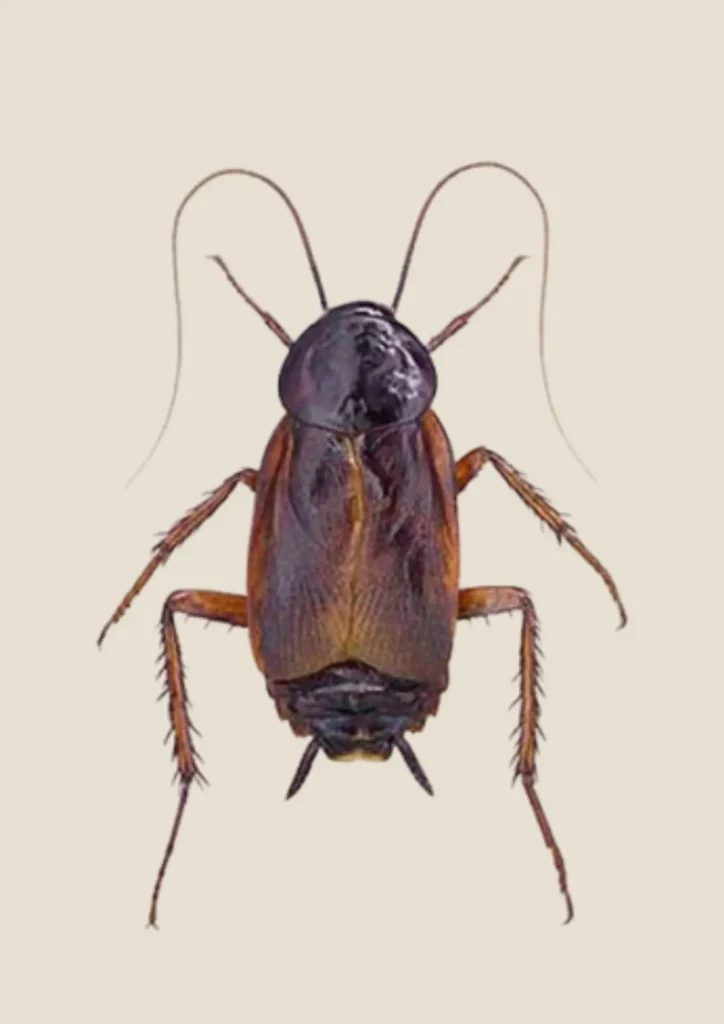
Oriental Cockroach Size

Oriental cockroaches are medium to large-sized roaches commonly found in homes. Their size can help you quickly recognize them compared to smaller species like German cockroaches.
Adult Oriental cockroaches usually grow between 18 to 29 millimeters (about ¾ to 1.2 inches) in length. Females are typically larger and heavier than males.
Males look slimmer because of their longer wings, while females appear broader with short wing pads. Despite their wings, neither male nor female can fly. Their size and build often make them look more beetle-like than other roaches.
Would you like to proceed to the next section: Oriental Cockroach Life Cycle?
Oriental Cockroach Life Cycle
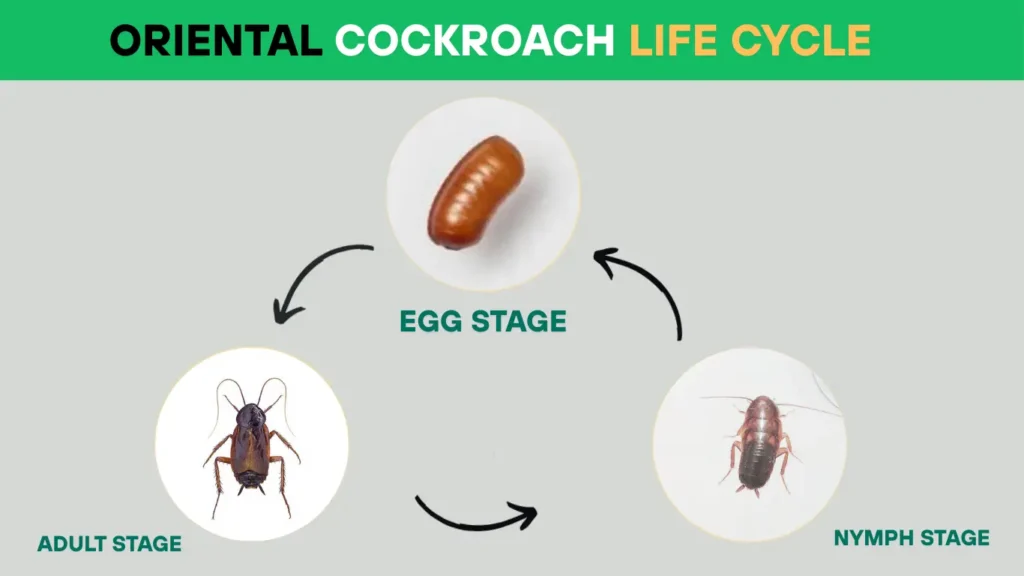
The life cycle of an Oriental cockroach has three main stages: egg, nymph, and adult. Understanding each stage helps you find and control them before they multiply.
1. Egg Stage
The female lays eggs in a small brown case called an ootheca. Each case holds about 16 eggs and is usually dropped in warm, hidden places. The eggs take about 1 to 2 months to hatch, depending on the temperature and humidity.
2. Nymph Stage
Once hatched, the baby cockroaches are called nymphs. They are smaller, wingless, and lighter brown at first. As they grow, they molt (shed skin) several times, turning darker with each stage. This phase can last 6 months to 1 year, depending on conditions.
3. Adult Stage
After their final molt, they become adults. Males grow wings that reach most of the way down their back. Females stay wingless with a wide body. Adults usually live up to 6 months and can produce several egg cases during this time, allowing infestations to grow quickly.
Oriental Cockroach Female vs Male
Male and female Oriental cockroaches look different, and these differences help you tell them apart easily. While both are dark and glossy, their body shape, wings, and size are not the same.
| Feature | Male Oriental Cockroach | Female Oriental Cockroach |
| Size | Smaller and slimmer | Larger and heavier |
| Wings | Long wings covering most of body | Short wing pads, no full wings |
| Flight Ability | Cannot fly | Cannot fly |
| Body Shape | Narrow and flat | Broad and rounded |
| Role in Reproduction | Does not lay eggs | Produces egg cases (oothecae) |
Oriental Cockroach Habitat
Oriental cockroaches prefer cool, damp, and dark places. They are often found in areas with high moisture, making them different from other cockroach species that like warm spots.
Inside the house, they hide in basements, bathrooms, under sinks, around drains, and near leaky pipes. They come out mostly at night to search for food and water.
Outdoors, you may find them under mulch, stones, leaf piles, and in moist soil. They can easily enter homes through gaps, drains, or open doors when looking for shelter.
Oriental Cockroach vs American Cockroach
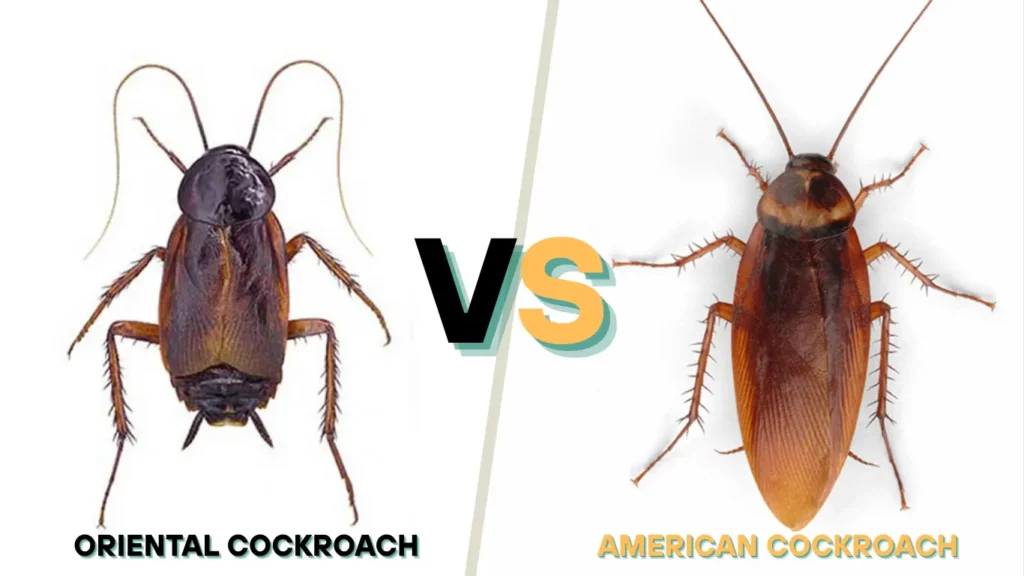
Oriental and American cockroaches are two common types found in homes, but they have clear differences in appearance, behavior, and preferred environments. The table below highlights the key differences between them:
| Feature | Oriental Cockroach | American Cockroach |
| Color | Shiny black or dark brown | Reddish-brown with a yellow band on the back |
| Size | 18–29 mm (¾ to 1.2 inches) | 30–50 mm (1.2 to 2 inches) |
| Wings | Males have short wings, females have tiny wing pads | Both males and females have full wings |
| Flight Ability | Cannot fly | Can glide short distances |
| Speed | Moves slowly | Moves fast |
| Preferred Environment | Cool, damp places (basements, drains) | Warm, moist areas (kitchens, sewers) |
| Odor | Strong, musty odor | Less noticeable odor |
How to Get Rid of Oriental Cockroaches
Getting rid of Oriental cockroaches takes a mix of cleaning, sealing, and using pest control methods. Follow these simple steps to remove them from your home and keep them from coming back.
Step 1: Clean Up Moisture Areas
Fix leaky pipes, wipe wet surfaces, and keep bathrooms and basements dry. Oriental cockroaches love damp spots.
Step 2: Seal Entry Points
Block cracks in walls, gaps around windows, and holes near pipes. This keeps cockroaches from sneaking in.
Step 3: Remove Food Sources
Keep food in sealed containers, sweep up crumbs, and take out the trash daily. Roaches won’t stay without food.
Step 4: Use Baits and Traps
Place gel baits or bait stations in dark, moist corners. These attract and poison the roaches.
Step 5: Apply Insecticide Safely
Spray around drains, baseboards, and under appliances. Use products labeled for indoor cockroach control.
Step 6: Call Pest Control If Needed
If the infestation is large or keeps coming back, contact a professional pest control service.
FAQ
Here are answers to the most common questions about Oriental cockroaches to help you understand their behavior and risks.
Are Oriental Cockroaches Dangerous?
Yes, they can be dangerous in large numbers. They spread bacteria, contaminate food, and trigger allergies or asthma in sensitive people.
Are Oriental Cockroaches Harmful?
They don’t bite or sting, but they are harmful because they crawl through dirty areas like drains and garbage, spreading germs across surfaces.
Can Oriental Cockroaches Fly?
No, Oriental cockroaches cannot fly. Males have wings but don’t use them to fly. Females have only small wing pads.
Do Oriental Cockroaches Bite?
It’s very rare. They do not bite humans unless food is extremely limited, which almost never happens indoors.
Do Oriental Cockroaches Infest Homes?
Yes, especially in damp areas like basements, bathrooms, and laundry rooms. They often enter through drains or gaps in walls.
Final Thoughts
Oriental cockroaches are stubborn pests that love dark and damp areas of your home. They don’t fly or bite, but they spread germs and cause bad smells. Knowing how to spot them and where they hide makes it easier to remove them early.
