
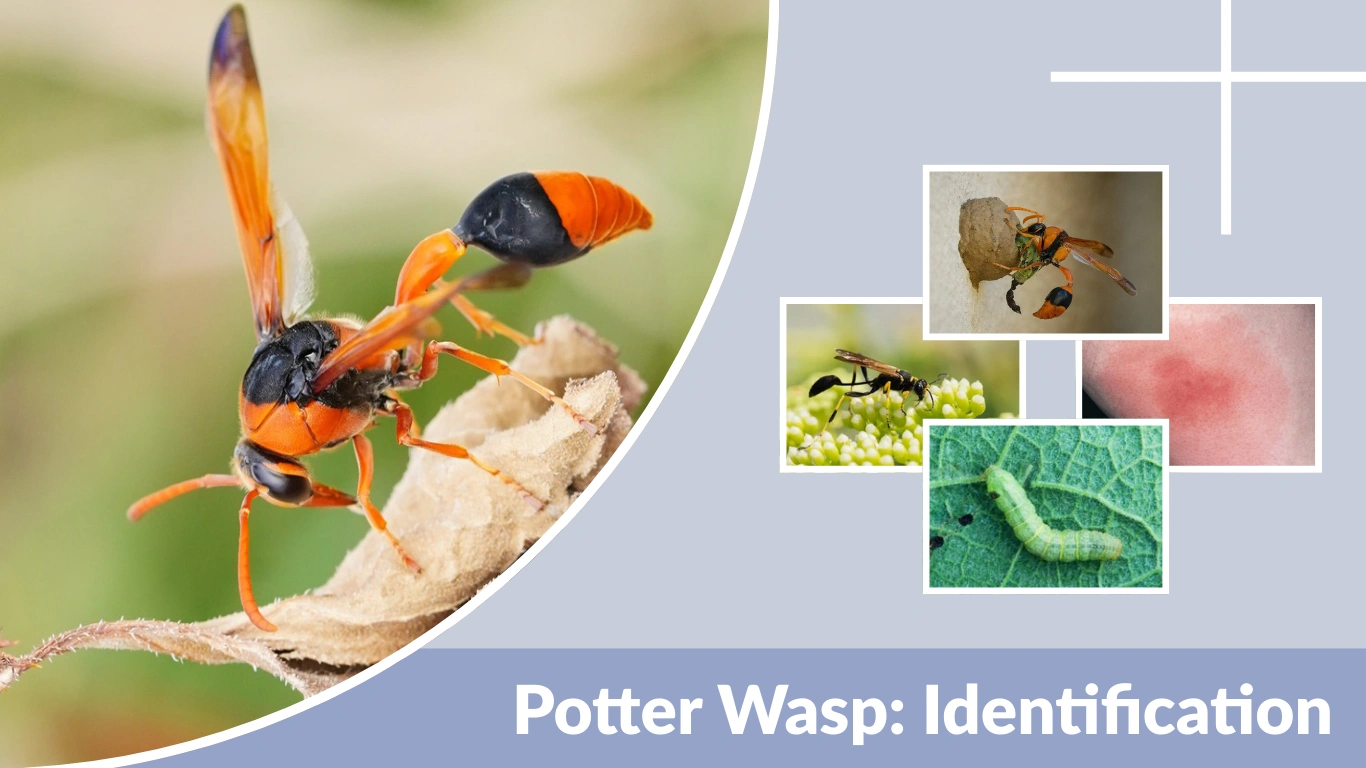
Potter wasps are often noticed because of their unusual mud nests or their calm but striking appearance. When people encounter one around a home, the first questions are usually about danger: Do potter wasps sting? Are they aggressive? Should the nest be removed? Despite being wasps, potter wasps are very different from the social, defensive species most people fear. They are solitary insects with a low risk to humans and an important role in controlling garden pests. This article explains what potter wasps are, how to identify them, and how their nests work, so you can decide whether to leave them alone or take action.
What Is a Potter Wasp?
A potter wasp is a type of solitary wasp belonging to the subfamily Eumeninae. They get their name from the small, pot-shaped nests they build out of mud, which resemble tiny clay jars attached to walls, rocks, or buildings.
Unlike paper wasps or hornets, potter wasps do not live in colonies and do not defend a shared nest. Each female builds and provisions her own nest, which greatly reduces aggressive behavior. Most encounters with humans are brief and non-confrontational.
Potter Wasp vs Other Wasps (Quick Overview)
The biggest difference between potter wasps and more familiar wasps is behavior. Social wasps protect their nests aggressively because hundreds or thousands of individuals are involved. Potter wasps, on the other hand, work alone and have little reason to attack unless physically handled or trapped.
Potter Wasp Identification
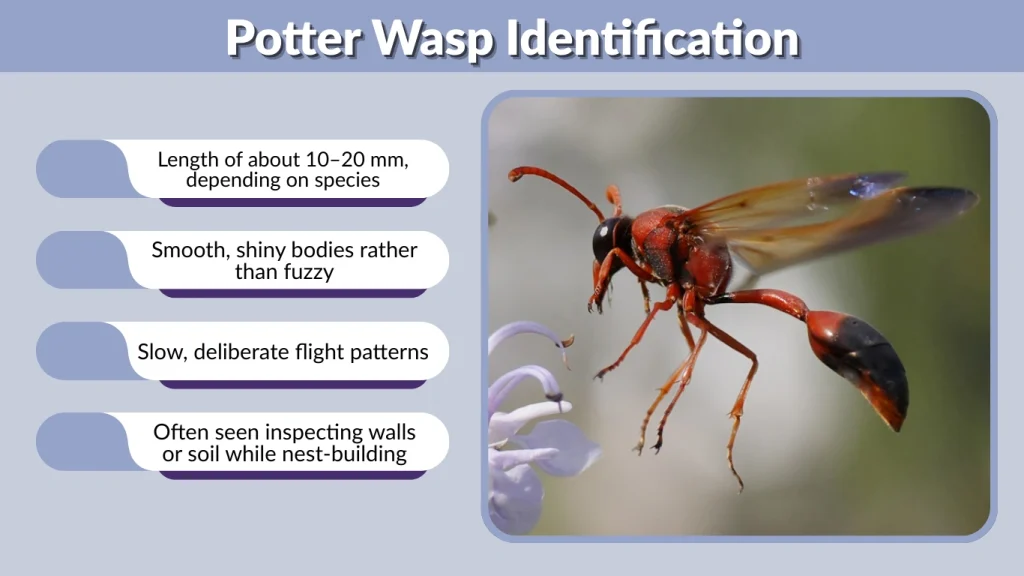
Potter wasps are usually medium-sized, slender wasps with a narrow waist and folded wings at rest. Their bodies often look more compact and sculpted than paper wasps.
Common identification traits include:
- Length of about 10–20 mm, depending on species
- Smooth, shiny bodies rather than fuzzy
- Slow, deliberate flight patterns
- Often seen inspecting walls or soil while nest-building
Common Types of Potter Wasps
There are many species worldwide, but some commonly recognized forms include:
- Black potter wasp – entirely black or nearly black, often mistaken for more dangerous species
- Black and white potter wasp – bold banding that makes it visually distinctive
- Orange or red potter wasp – bright coloration, common in warmer climates
- White-banded potter wasp – narrow pale bands on the abdomen
Color varies by region, so appearance alone is not a sign of aggression or danger.
Male vs Female Potter Wasp
Only female potter wasps can sting. Males lack a stinger and are harmless. Females use their sting mainly to paralyze prey, not to defend themselves. Even females rarely sting humans unless directly threatened.
Potter Wasp Nest Explained
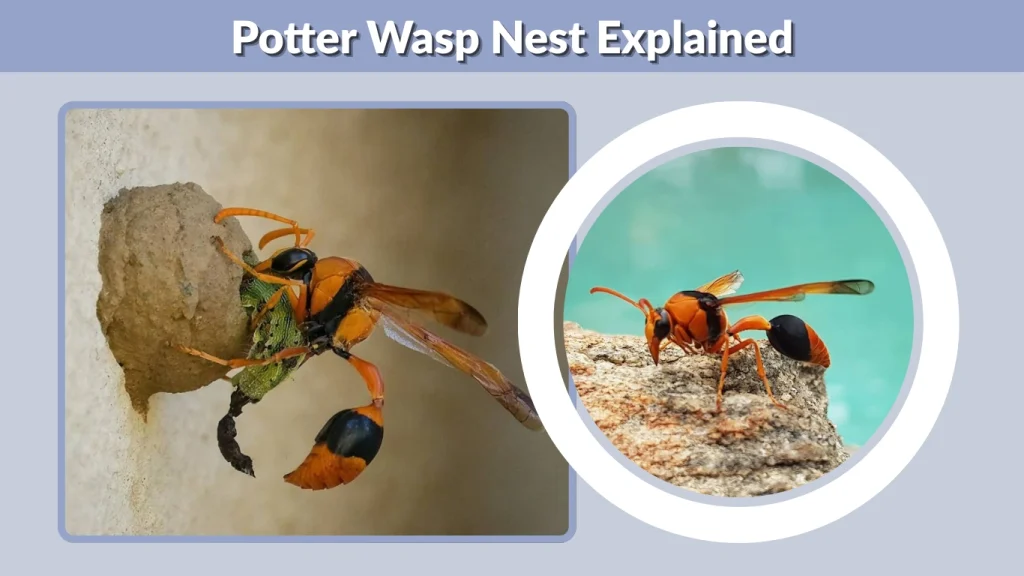
The nest is often the first thing people notice. Potter wasp nests are small, rounded structures made of mud and shaped like miniature pots or jars.
Nests are commonly attached to:
- Exterior walls
- Under roof eaves
- Fence posts
- Inside garages or sheds
Each nest usually contains one chamber, although some species build several small pots side by side.
Inside a Potter Wasp Nest
Inside the nest, the female lays a single egg and stocks the chamber with paralyzed caterpillars or other soft-bodied insects. These are not dead; they are immobilized so they stay fresh as food.
When the egg hatches:
- The larva feeds on the stored prey
- It grows safely sealed inside the mud pot
- After feeding, it pupates and later emerges as an adult wasp
Once the adult leaves, the nest is abandoned and never reused.
Potter Wasp Life Cycle
The potter wasp life cycle has four stages:
- Egg – laid inside the mud nest
- Larva – feeds on paralyzed prey
- Pupa – transformation stage inside the sealed nest
- Adult – emerges to mate and repeat the cycle
The full cycle can take several weeks to a few months, depending on temperature and species.
Do Potter Wasps Sting?
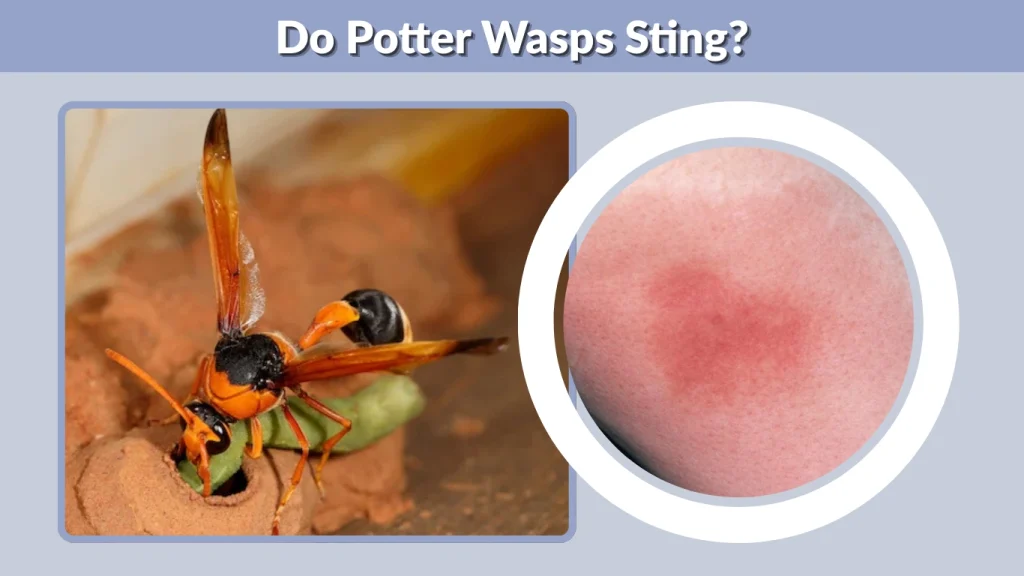
Yes, potter wasps can sting—but stings are uncommon. Only female potter wasps have a stinger, and they primarily use it to paralyze prey such as caterpillars. They do not patrol or defend their nests the way social wasps do, so accidental stings usually happen only if a wasp is grabbed, trapped in clothing, or pressed against the skin.
For most people, simply observing a potter wasp or walking past a nest does not provoke a reaction.
Potter Wasp Sting Pain
A potter wasp sting is generally described as mild to moderate, far less painful than stings from yellowjackets or hornets. Typical symptoms include:
- A sharp pinch or brief burning sensation
- Localized redness
- Mild swelling that subsides within a few hours
Systemic reactions are rare. People with known insect sting allergies should still exercise caution.
Potter Wasp Sting Treatment
Basic first aid is usually sufficient:
- Wash the area with soap and water
- Apply a cold compress to reduce swelling
- Use an antihistamine or hydrocortisone cream if itching occurs
Seek medical help if symptoms such as difficulty breathing, facial swelling, or dizziness appear.
Are Potter Wasps Dangerous or Aggressive?
Potter wasps are considered low-risk and non-aggressive. They do not swarm, chase, or defend territory. Their solitary lifestyle means there is no colony to protect, which dramatically lowers the chance of stinging incidents.
Most fear surrounding potter wasps comes from misunderstanding or confusion with more aggressive species. In reality, they are among the least dangerous wasps commonly found around homes.
Is the Black Potter Wasp Dangerous?
Black potter wasps often look intimidating due to their solid dark color, which leads to frequent concern. Despite appearances, black potter wasps behave just like other potter wasps—calm, solitary, and unlikely to sting unless handled. Their coloration does not indicate higher venom potency or aggression.
What Do Potter Wasps Eat?
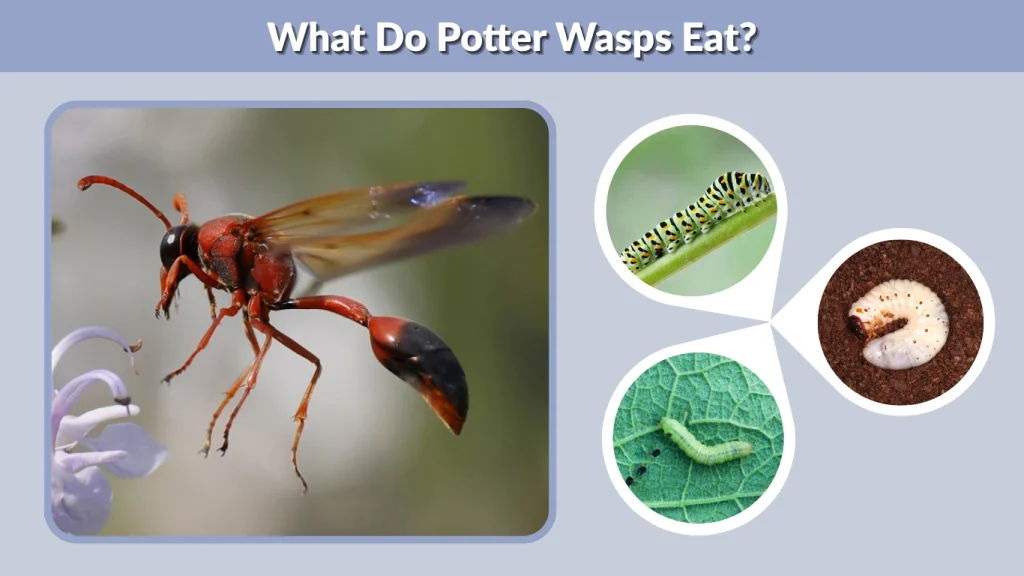
Adult potter wasps feed mainly on nectar, making them occasional pollinators. Their larvae, however, rely on protein.
Female potter wasps hunt:
- Caterpillars
- Beetle larvae
- Other soft-bodied garden pests
These insects are paralyzed and stored inside the nest to feed developing larvae.
Are Potter Wasps Beneficial?
Yes, potter wasps are beneficial insects. By controlling caterpillar populations, they help protect plants and gardens naturally. Because they are non-aggressive and solitary, many gardeners choose to leave them undisturbed.
Benefits include:
- Natural pest control
- Minimal risk to humans
- No damage to structures beyond small mud nests
Potter Wasp vs Mud Dauber
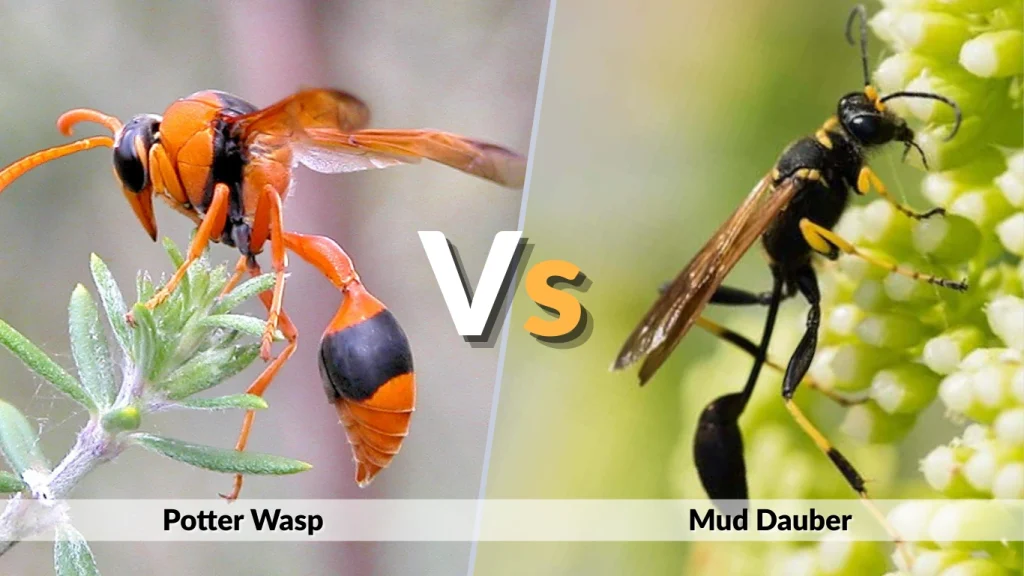
Potter wasps are often confused with mud daubers because both use mud to build nests, but they are different insects.
Key differences:
- Nest shape: Potter wasp nests look like small pots; mud dauber nests are long and tube-like
- Behavior: Both are solitary and non-aggressive
- Sting risk: Both rarely sting humans
- Diet: Potter wasps hunt caterpillars; mud daubers primarily hunt spiders
Neither species is considered dangerous, and both are usually safe to coexist with.
Potter Wasp Nest Removal
In many cases, removal is not necessary. Since potter wasps abandon nests after the adult emerges, old nests are inactive and harmless.
Removal may be reasonable if:
- Nests are inside the home
- Someone in the household has a severe insect allergy
- Nests are being built in high-traffic areas
How to Remove a Potter Wasp Nest Safely
If removal is needed:
- Wait until the wasp is no longer active (early morning or after emergence)
- Gently scrape the nest off with a putty knife
- Wear gloves and long sleeves
- Wash the area to remove mud residue
Chemical insecticides are usually unnecessary and discouraged.
Potter Wasp in the House
Occasionally, a potter wasp may wander indoors by accident. This is not a sign of infestation.
If this happens:
- Open windows or doors
- Turn off indoor lights and allow natural light outside to guide it out
- Avoid swatting, which increases sting risk
To prevent entry:
- Seal cracks and gaps
- Use screens on windows and vents
FAQs
Are potter wasps dangerous to humans?
Potter wasps are not considered dangerous to humans. They are solitary insects and do not defend nests aggressively. Stings are rare and usually occur only if a wasp is handled or trapped against the skin.
Do potter wasps sting more than once?
Yes, a female potter wasp can sting more than once because it does not lose its stinger. However, they almost never sting unless directly provoked, so repeat stings are extremely unlikely.
Should I remove a potter wasp nest?
In most cases, removal is unnecessary. Potter wasp nests are small, inactive after use, and do not house colonies. Removal may be reasonable if the nest is indoors or in a high-traffic area.
How painful is a potter wasp sting compared to other wasps?
A potter wasp sting is usually mild compared to yellowjackets or hornets. Most people experience brief pain, minor swelling, and redness that fades within a few hours.
Will potter wasps come back if I remove the nest?
Removing an old nest does not usually cause potter wasps to return. Each nest is used only once, and females typically build new nests in different locations rather than reusing old ones.
