
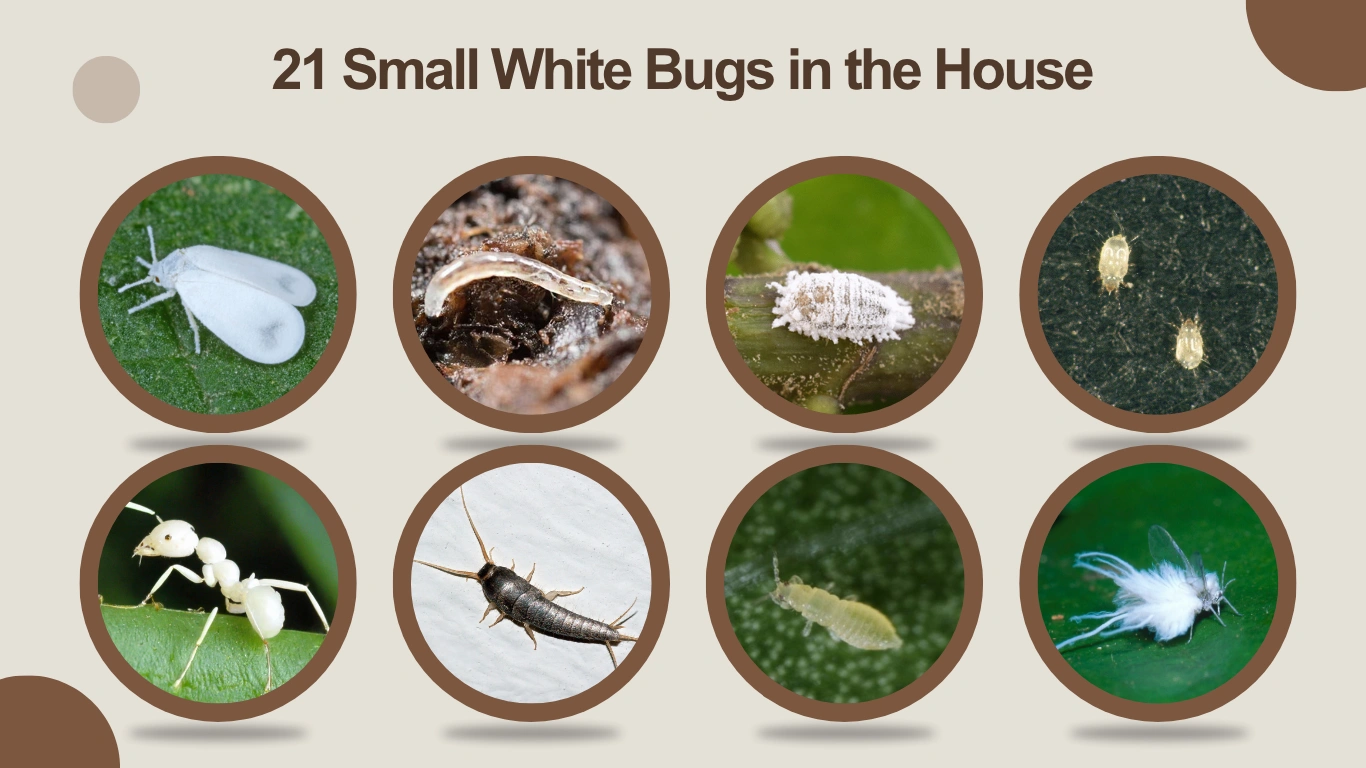
Have you noticed tiny white bugs in your home that resemble specks of dust or lint? These small intruders are often easy to overlook until they start appearing in larger numbers on your plants, floors, or furniture. Many of them are harmless, but some can damage your plants, contaminate food, or trigger allergies.
In this guide, you’ll discover 21 small white bugs commonly found in houses, how they appear, where they hide, and what makes each one unique. Whether they’re crawling on your window sills, lurking in your pantry, or hiding in plant soil—knowing what you’re dealing with is the first step to taking control.
1. White Mites

White mites are microscopic arachnids that often go unnoticed due to their tiny size and pale color, making them resemble specks of white dust. These bugs are especially common in humid environments and can sometimes be seen crawling on windowsills, houseplants, or dusty surfaces.
Identification
- Color: White or translucent
- Size: About 0.2 to 0.5 mm
- Shape: Oval body with eight legs
- Movement: Slow-moving, often unnoticed without close inspection
- Appearance: Resembles fine dust or powder on surfaces
Where They Are Found
White mites are usually found in:
- Damp corners of the house
- Window sills and cracks
- Indoor potted plant soil
- Surfaces covered in dust or mold
Behavior and Infestation Signs
These mites thrive in warm, moist, and dusty conditions, feeding on mold, mildew, or decaying organic matter. While not harmful to humans, their presence may indicate a moisture issue or mold buildup in the home.
Are They Harmful?
White mites are not harmful to humans or pets, but they can become a nuisance in large numbers and may cause damage to houseplants if left untreated.
2. Dust Mites

Dust mites are microscopic white bugs commonly found in household dust. Although invisible to the naked eye, they are a major source of allergens and thrive in warm, humid environments like bedding and upholstery.
Identification
- Color: Creamy white or pale gray
- Size: 0.2 to 0.3 mm
- Shape: Round, soft-bodied with eight legs
- Movement: Not visible individually
- Signs: Allergy symptoms like sneezing or watery eyes
Where They Are Found
They are often found in:
- Mattresses, pillows, and blankets
- Carpets and upholstered furniture
- Curtains and soft toys
- Dusty corners and ventilation systems
Behavior and Infestation Signs
Dust mites feed on dead skin cells shed by humans and pets. Their droppings and body parts can trigger allergic reactions, especially in sensitive individuals.
Are They Harmful?
Yes—while they don’t bite or sting, they are a common cause of indoor allergies and asthma, especially in humid homes.
3. Grain Mites

Grain mites are tiny white bugs that infest stored food such as flour, grains, and cereals. They often appear as a moving layer of white dust inside infested containers or on shelves.
Identification
- Color: White to translucent
- Size: 0.3 to 0.5 mm
- Shape: Round body, short legs, and fine hairs
- Appearance: Looks like dusty movement or powder
- Odor: Infested food may smell musty or minty
Where They Are Found
Common locations include:
- Flour, cereal, oats, and rice
- Dried fruits, pet food, and spices
- Kitchen cabinets and pantries
- Bulk food bins and grain storage
Behavior and Infestation Signs
They multiply rapidly in warm, humid conditions and often leave behind a powdery residue. Heavy infestations may include crawling bugs on shelves and containers.
Are They Harmful?
Yes—they can contaminate food and may cause skin irritation (known as grocer’s itch). Infested items should be discarded immediately.
4. Mealybugs
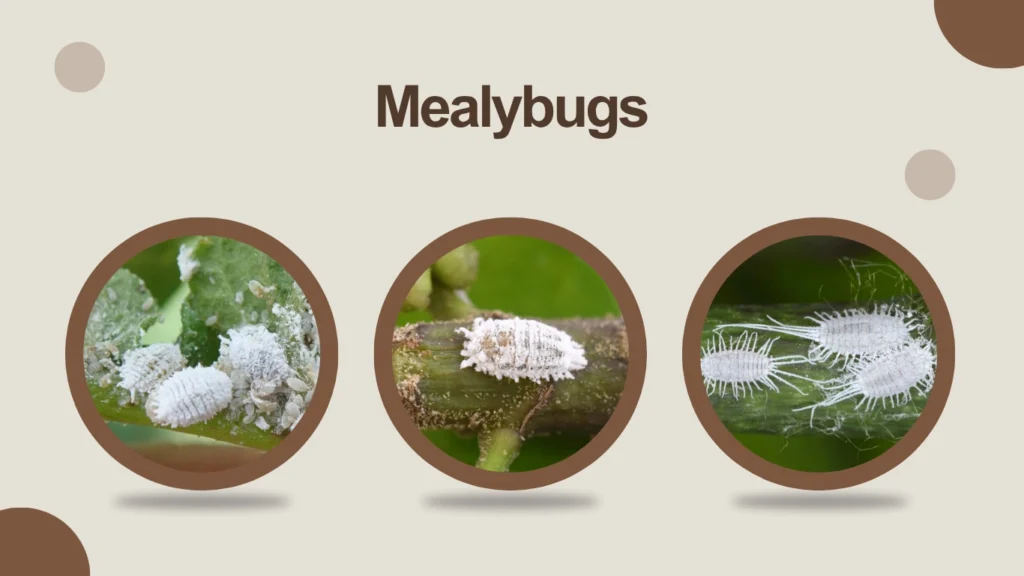
Mealybugs are small, soft-bodied white insects that appear as cotton-like clusters on plants. They are often mistaken for dust or lint due to their waxy, powdery coating and tiny size.
Identification
- Color: White, waxy or cottony
- Size: 1 to 4 mm
- Shape: Oval, segmented body with short legs
- Texture: Covered in a white, powder-like wax
- Location: Found on stems, leaves, and leaf joints
Where They Are Found
They typically inhabit:
- Indoor houseplants
- Outdoor garden plants
- Leaf undersides and stem joints
- Root areas (in some species)
Behavior and Infestation Signs
Mealybugs feed on plant sap, causing yellowing, leaf drop, and stunted growth. They excrete honeydew, attracting ants and promoting mold growth.
Are They Harmful?
Yes—mealybugs can weaken or kill plants if left untreated, especially in greenhouses or indoor gardens.
5. Booklice (Psocids)

Booklice are tiny, pale white or translucent insects that thrive in moist, moldy areas. Although not true lice, they resemble white specks of dust crawling near books, cardboard, or wallpaper.
Identification
- Color: Pale white to translucent
- Size: 0.5 to 1 mm
- Shape: Soft-bodied with long antennae
- Wings: Wingless or with short wings
- Speed: Slow-moving, scatter when disturbed
Where They Are Found
They are usually found:
- Inside books and paper stacks
- On wallpaper, cardboard, and glue
- In damp kitchen cabinets or food containers
- Near window sills and baseboards
Behavior and Infestation Signs
Booklice feed on mold, fungi, and starches. Their presence may indicate high humidity or mold problems, and they can sometimes be seen crawling near paper items or packaging.
Are They Harmful?
No—they don’t bite or sting, but they can contaminate food and cause mild damage to books or packaging materials.
6. Clover Mites (Larval Stage)
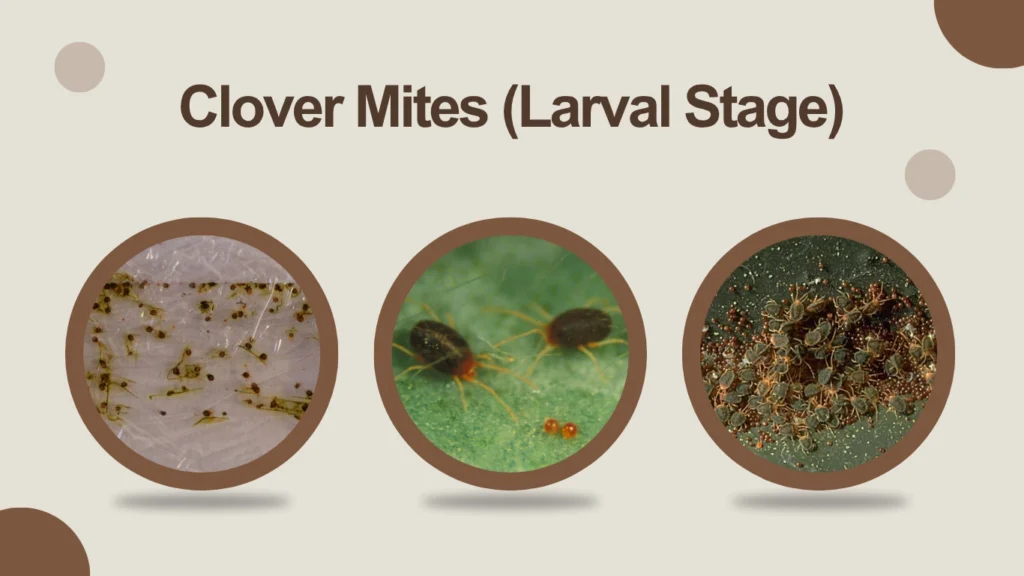
Clover mites, in their larval stage, can appear very small and pale, sometimes almost white. Indoors, they resemble moving white or reddish dust particles and are often seen near sunny windows or walls.
Identification
- Color: Pale white to light red (larval stage)
- Size: Less than 0.3 mm
- Shape: Oval with very long front legs
- Movement: Slow crawlers, often mistaken for dust specks
- Crush Mark: Leave reddish or rusty stains when squished
Where They Are Found
Common places include:
- Window sills and wall edges
- Cracks in foundations
- Potted plants and soil
- Sunny indoor surfaces
Behavior and Infestation Signs
They feed on plant sap and usually enter homes in large numbers during seasonal changes. Though not damaging indoors, their presence can be overwhelming.
Are They Harmful?
No—clover mites do not bite or damage property, but they are considered a nuisance pest due to their large indoor gatherings.
7. Springtails (White Species)

Springtails are tiny insects that can appear white, gray, or translucent, depending on the species. Some white varieties can look like floating dust on surfaces, especially in damp or moldy areas.
Identification
- Color: White to translucent
- Size: 0.25 to 1 mm
- Shape: Slender body with antennae
- Movement: Jumping or hopping motion
- Visibility: Often mistaken for mold spores or dust specks
Where They Are Found
They are typically seen:
- In soil of potted plants
- Around sinks, bathtubs, and drains
- On damp windowsills or tiles
- In basements or crawl spaces
Behavior and Infestation Signs
Springtails feed on fungus, mold, and decaying material, and thrive in moist environments. When disturbed, they jump away suddenly, unlike true dust mites.
Are They Harmful?
No—springtails are harmless to humans and pets, but their presence may signal moisture problems or fungal growth.
8. White Aphids

White aphids are soft-bodied insects that feed on plant sap and often appear as tiny white bugs resembling dust or lint. They gather in clusters, typically on the undersides of leaves or around new plant growth.
Identification
- Color: White or pale gray
- Size: 1 to 3 mm
- Shape: Pear-shaped with long legs and antennae
- Wings: May be wingless or winged depending on the life stage
- Clustering: Found in groups, often near plant tips
Where They Are Found
They are commonly found:
- On indoor houseplants and garden plants
- On the underside of leaves and flower buds
- In greenhouses and plant nurseries
- Around new plant shoots and soft stems
Behavior and Infestation Signs
White aphids suck sap from plants, causing leaf curling, yellowing, and stunted growth. Their honeydew attracts ants and promotes mold growth.
Are They Harmful?
Yes—white aphids can weaken or kill plants, especially if infestations are not treated early.
9. Root Aphids (White Variety)

Root aphids are subterranean pests that feed on plant roots. Some species appear white or waxy, especially in early stages, and may resemble dust particles clinging to roots or soil surfaces.
Identification
- Color: White to translucent
- Size: 1 to 2 mm
- Shape: Pear-shaped with short legs
- Coating: Covered with a waxy or powdery substance
- Location: Found on roots or near the base of plants
Where They Are Found
Root aphids are typically found:
- In the soil of potted plants
- Around root crowns and base stems
- In hydroponic systems or moist containers
- Near plant drainage holes
Behavior and Infestation Signs
They feed on plant sap below the soil, leading to wilting, yellowing leaves, and stunted growth. Ants may also be seen nearby, attracted by honeydew.
Are They Harmful?
Yes—root aphids are highly destructive, especially to container and greenhouse plants, and are difficult to detect until damage becomes visible.
10. White Spider Mites

White spider mites are a pale-colored variety of spider mites that often appear as tiny white dust specks on plant leaves. Though small, they can cause major damage to indoor and outdoor plants if not detected early.
Identification
- Color: White or translucent
- Size: Around 0.3 to 0.5 mm
- Shape: Oval with eight legs
- Webbing: Fine silk webs on leaves and stems
- Visibility: Seen in clusters or with magnification
Where They Are Found
They typically appear:
- On the undersides of plant leaves
- In dry indoor environments
- On ornamental plants and flowers
- In greenhouses or sunrooms
Behavior and Infestation Signs
White spider mites pierce leaf tissue to suck out plant juices, leading to yellow spotting, curling leaves, and webbing across the foliage.
Are They Harmful?
Yes—they can severely weaken or kill plants, especially if left untreated in warm, dry environments.
11. Woolly Aphids (Early Stage)
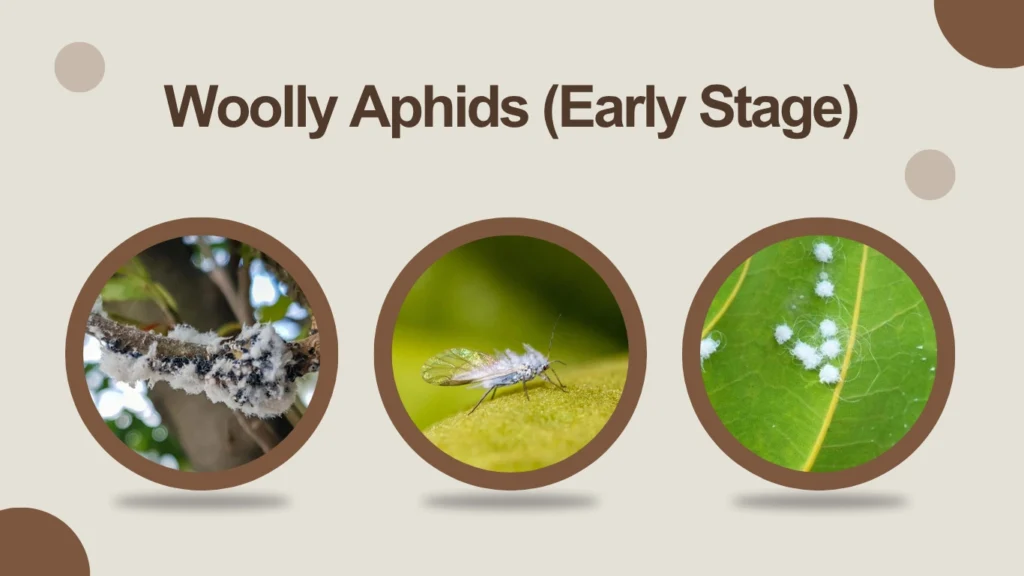
Woolly aphids, in their early stage, often look like floating cotton or white dust particles. They cover themselves with waxy filaments that give a fluffy, white appearance and are commonly found on trees and woody plants.
Identification
- Color: White or light bluish
- Size: 1 to 3 mm
- Shape: Oval, hidden beneath waxy threads
- Appearance: Fuzzy, cotton-like texture
- Wings: Wingless in early stages
Where They Are Found
They’re commonly seen:
- On tree trunks and branches
- Around leaf joints and bark crevices
- On ornamental shrubs and fruit trees
- In garden landscapes with woody plants
Behavior and Infestation Signs
They suck sap from plants and excrete honeydew, which may lead to sooty mold and ant activity. Infested areas often look fluffy or moldy.
Are They Harmful?
Yes—they can weaken trees and shrubs, and their presence can lead to fungal issues and further pest infestations.
12. Thrips (White Nymphs)
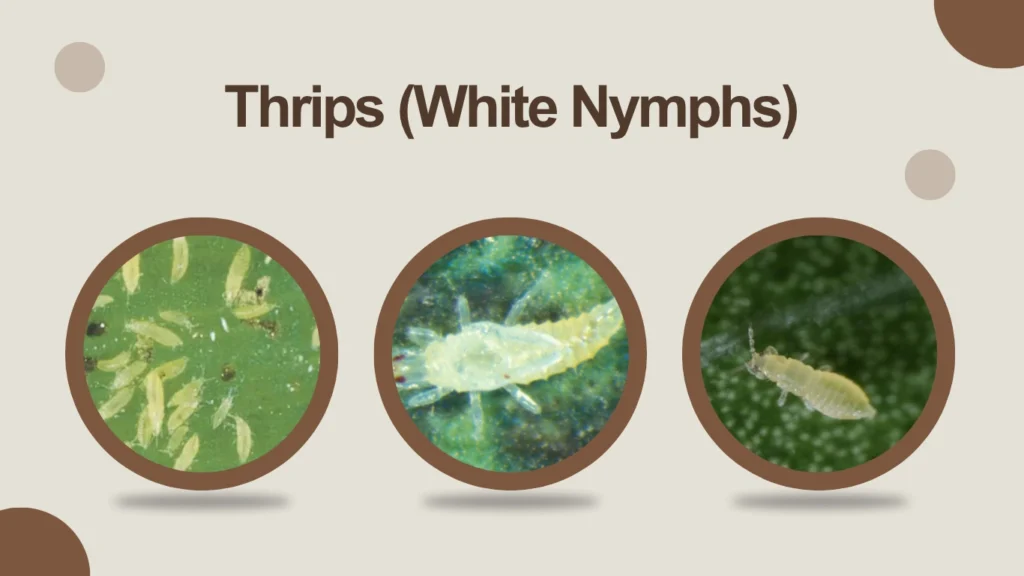
In their early stage, thrips nymphs often appear white or pale yellow and are so small they resemble tiny moving dust particles. They’re highly active and feed on plant tissue, causing visible damage to leaves and flowers.
Identification
- Color: White to light yellow (nymph stage)
- Size: 0.5 to 1 mm
- Shape: Slender, elongated body with short legs
- Movement: Quick and active crawlers
- Adult Appearance: Darker color with fringed wings
Where They Are Found
Thrips nymphs are commonly found:
- On flowers and tender leaves
- Inside greenhouses and near windows
- On vegetables and ornamental plants
- In gardens and indoor plant setups
Behavior and Infestation Signs
They scrape plant surfaces and suck out the juices, causing silver streaks, discoloration, and deformed leaves.
Are They Harmful?
Yes—thrips can damage plants and spread plant viruses, making early control essential.
13. Whiteflies
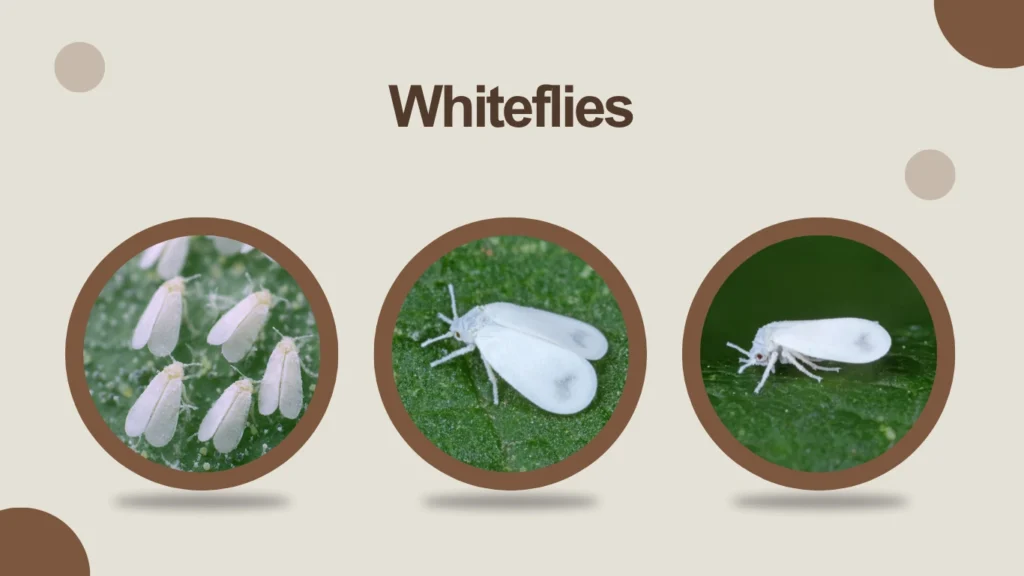
Whiteflies are small, moth-like insects that look like tiny white bugs fluttering around plants. When disturbed, they rise in clouds and are often mistaken for dust or powder due to their pale wings and small size.
Identification
- Color: Bright white
- Size: 1 to 2 mm
- Shape: Triangle-shaped body with powdery wings
- Movement: Fly up when disturbed
- Visibility: Easily seen on leaf undersides in clusters
Where They Are Found
They commonly appear:
- On houseplants and greenhouse plants
- On the undersides of leaves
- In vegetable gardens and ornamental beds
- In warm, humid environments
Behavior and Infestation Signs
Whiteflies feed on plant sap, causing wilting, yellowing, and leaf drop. Their honeydew can lead to black sooty mold.
Are They Harmful?
Yes—whiteflies weaken plants, attract ants, and carry plant diseases, making them a serious pest in homes and gardens.
14. Fungus Gnat Larvae
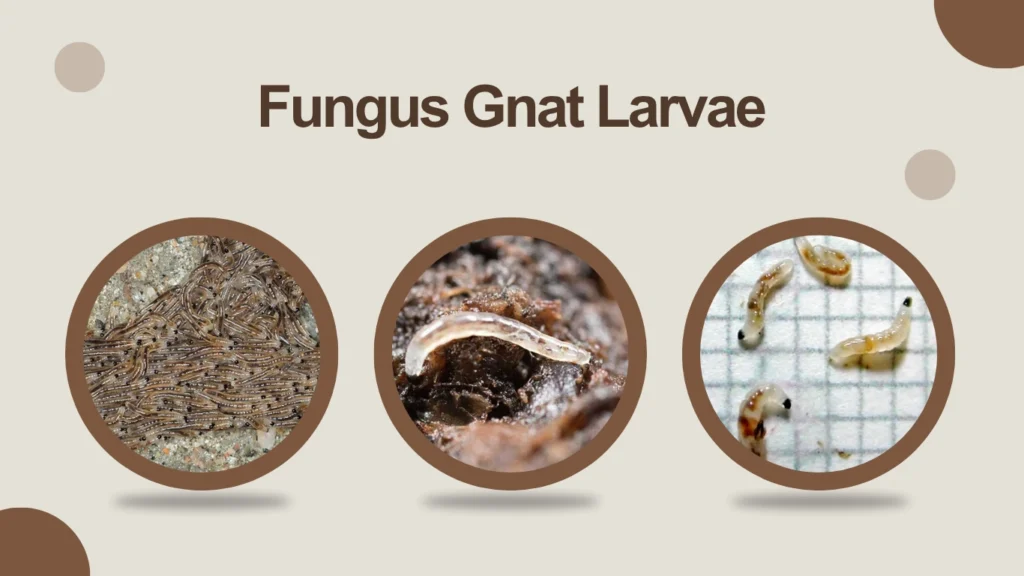
Fungus gnat larvae are tiny white worm-like bugs found in damp soil, often mistaken for specks of dust or mold due to their translucent bodies. They are the immature stage of fungus gnats and live below the soil surface.
Identification
- Color: White or clear with a black head
- Size: About 4 to 5 mm long
- Shape: Slender, worm-like body
- Movement: Slow wriggling motion
- Visibility: Found in soil, often unnoticed until disturbed
Where They Are Found
They are commonly found:
- In the soil of overwatered houseplants
- Around seedling trays and potted plants
- Near plant roots in greenhouses
- In areas with poor drainage or high organic content
Behavior and Infestation Signs
They feed on fungi and decaying organic matter, but in large numbers, they can chew on plant roots, causing stunted growth or root rot.
Are They Harmful?
Yes—severe infestations can damage seedlings and sensitive plants, making moisture control essential.
15. White Scale Insects
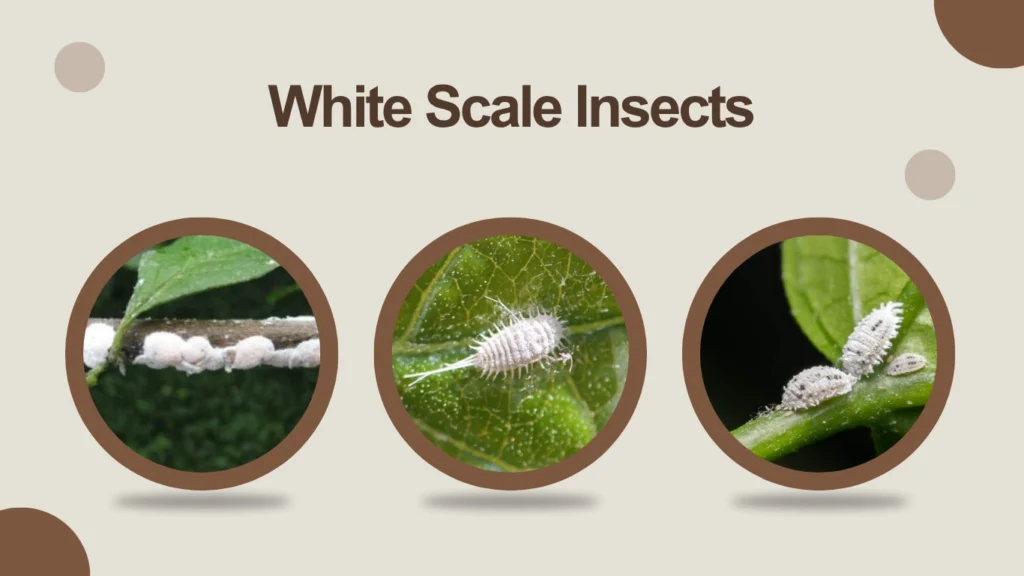
White scale insects are immobile, shell-covered pests that attach to stems, leaves, and branches. Their hard, white bodies resemble bits of dust or crusty residue and can blend into plant surfaces.
Identification
- Color: White or pale yellow
- Size: 1 to 3 mm
- Shape: Round or oval with a dome-like covering
- Texture: Hard, waxy surface that doesn’t move
- Clustering: Found in tight, dense patches
Where They Are Found
These bugs usually appear:
- On houseplant stems and leaves
- On fruit trees and woody shrubs
- Under leaf surfaces or branch joints
- In greenhouses and garden landscapes
Behavior and Infestation Signs
They feed on plant sap and leave behind sticky honeydew, often leading to mold and ant activity. Infestations may cause leaf yellowing, wilting, and branch dieback.
Are They Harmful?
Yes—they can cause significant damage to houseplants and garden plants if not removed.
16. Soil Mites
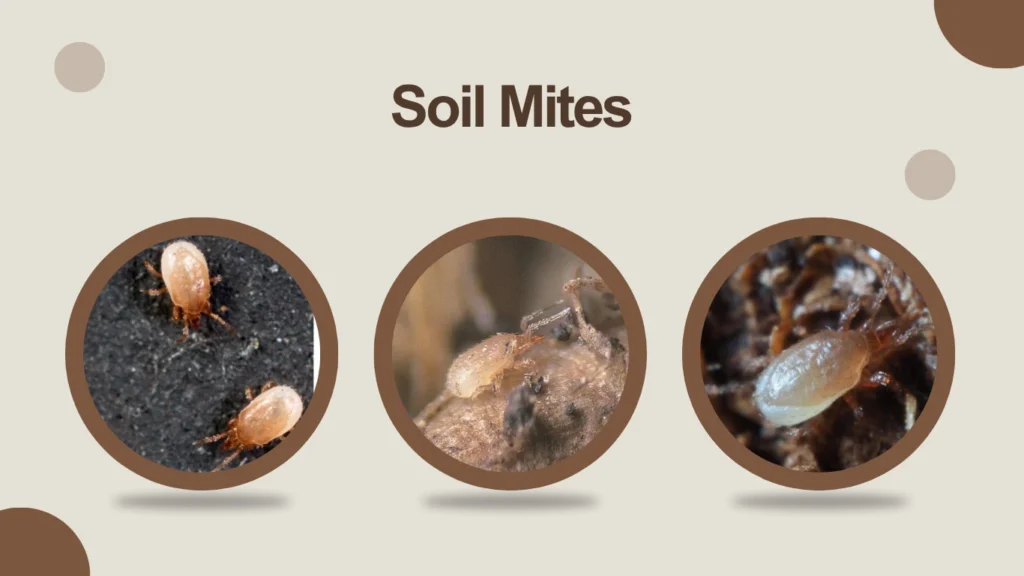
Soil mites are tiny white or translucent bugs found in potting soil or garden beds. Because of their size and color, they often look like dust or sand particles moving slowly across the soil surface.
Identification
- Color: White or clear
- Size: 0.2 to 0.5 mm
- Shape: Round or oval with eight legs
- Movement: Slow and barely noticeable
- Visibility: Often seen while repotting or watering plants
Where They Are Found
They commonly live:
- In potting soil and compost
- Around the base of houseplants
- In garden beds and mulch
- Near decaying organic matter
Behavior and Infestation Signs
Soil mites feed on fungi, algae, and organic debris, contributing to soil health. You may spot them in clusters after watering or disturbing the soil.
Are They Harmful?
No—they are beneficial for soil ecosystems and do not damage plants, though some people mistake them for pests.
17. Albino Ants (Rare)

Albino ants are rare white or pale-colored ants, typically young workers that haven’t developed full pigmentation. They may appear as tiny white crawling specks, especially in new colonies or freshly hatched broods.
Identification
- Color: Pale white or translucent
- Size: 1 to 2 mm
- Shape: Typical ant body with head, thorax, and abdomen
- Movement: Fast and organized crawling
- Rarity: Very uncommon in households
Where They Are Found
They may be seen:
- Near ant nests or entry points
- In wall voids or under baseboards
- Around newly formed colonies
- In humid, undisturbed corners
Behavior and Infestation Signs
These ants behave like regular ants, forming trails and foraging for food, but appear white due to their undeveloped exoskeleton.
Are They Harmful?
Not specifically—they are simply early-stage ants, and their appearance signals an active or newly forming ant colony.
18. Baby Silverfish (White Stage)
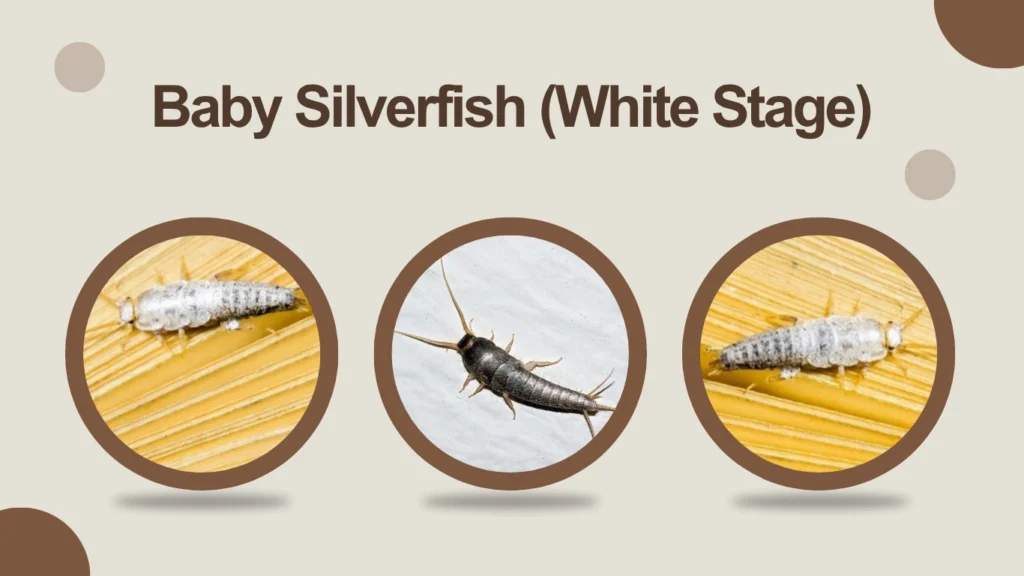
Baby silverfish, also called nymphs, are very small and pale versions of adult silverfish. In their early stage, they appear white or translucent, resembling tiny flakes of dust or dandruff on surfaces.
Identification
- Color: White to off-white (darkens with age)
- Size: 1 to 2 mm
- Shape: Teardrop-shaped body with long antennae and tail filaments
- Movement: Fast crawlers, especially in the dark
- Shedding: Frequently molt as they grow
Where They Are Found
You may spot them:
- In bathrooms and under sinks
- Inside bookcases or storage boxes
- Behind wallpaper and baseboards
- In damp, dark corners of the home
Behavior and Infestation Signs
They feed on starch, glue, paper, and fabrics, and hide in cracks during the day. Their presence may indicate a larger hidden infestation.
Are They Harmful?
Yes—they can damage books, wallpaper, clothing, and stored food, especially in large numbers.
19. Carpet Beetle Larvae (White Stage)
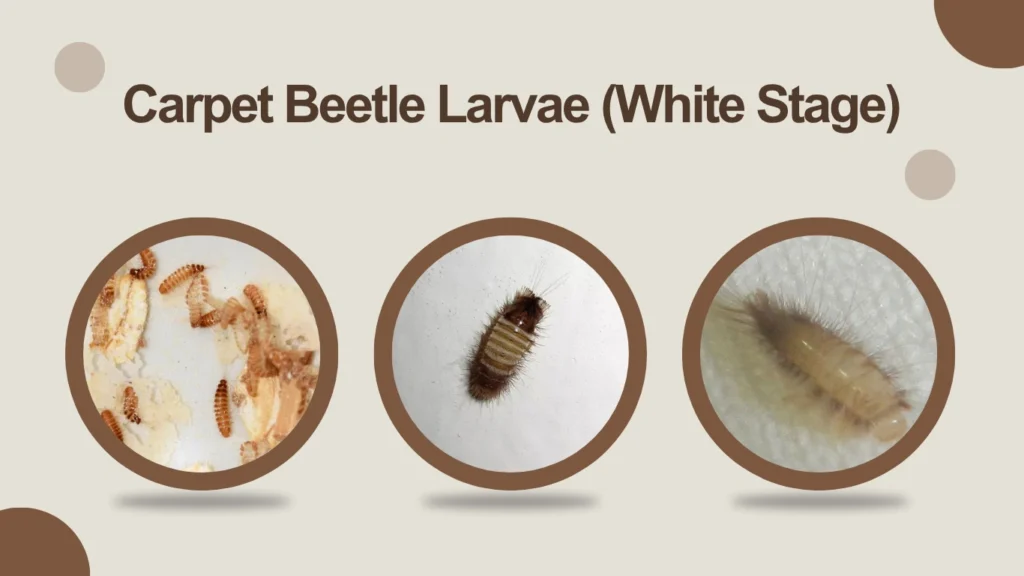
Carpet beetle larvae go through several color stages, and in early development, some may appear white or cream-colored, resembling tiny, slow-moving lint or dust balls.
Identification
- Color: White or pale cream (early stage)
- Size: 2 to 5 mm
- Shape: Elongated, hairy body with bristle-like tail
- Texture: Fuzzy or bristly appearance
- Shedding: Leave behind shed skins
Where They Are Found
Often found in:
- Carpets and rugs
- Behind furniture and baseboards
- Inside closets and fabric storage
- Air vents and attics
Behavior and Infestation Signs
They feed on natural fibers like wool, feathers, and silk. Signs include damaged fabrics, shed skins, and slow-moving larvae in hidden areas.
Are They Harmful?
Yes—they can ruin clothing, upholstery, and carpets, making early detection important.
20. Pantry Moth Larvae
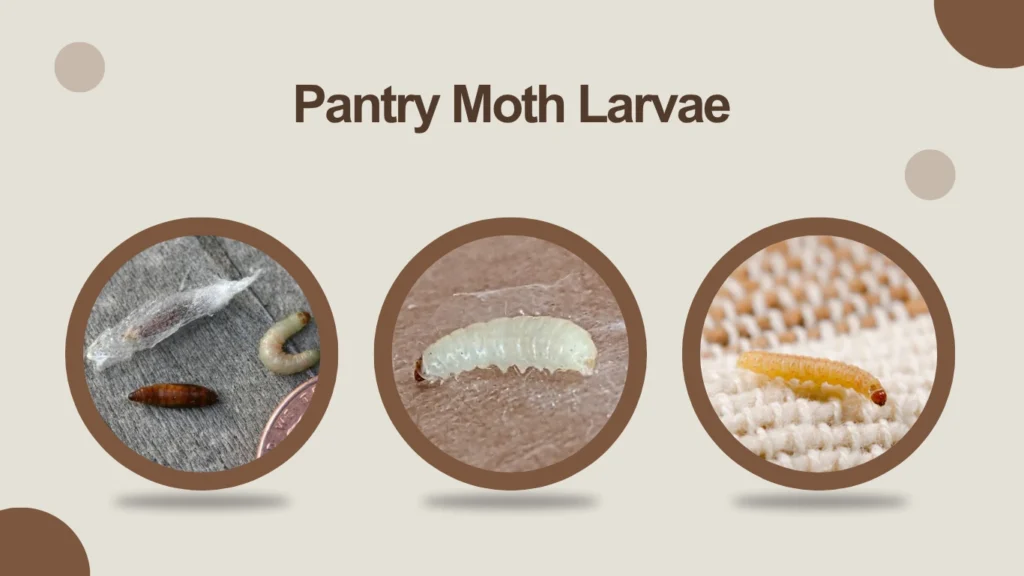
Pantry moth larvae are the immature stage of Indian meal moths and often appear as tiny white or cream-colored worms crawling in food or food storage areas. They’re commonly mistaken for rice grains or dust-like debris.
Identification
- Color: White to pale yellow with a dark head
- Size: 1 to 2 cm (fully grown)
- Shape: Cylindrical, segmented body
- Movement: Slow, wriggling motion
- Signs: Webbing or clumping in dry foods
Where They Are Found
Commonly found in:
- Flour, cereal, rice, and oats
- Dried fruits, nuts, and pet food
- Cracks in pantry shelves and containers
- Food packaging and cupboard corners
Behavior and Infestation Signs
They chew through food packaging and leave behind webbing, clumps, and droppings. Infestations often start from contaminated food items brought into the home.
Are They Harmful?
Yes—they contaminate food, making it unsafe to eat. Affected products must be discarded.
21. Flea Larvae (White Stage)
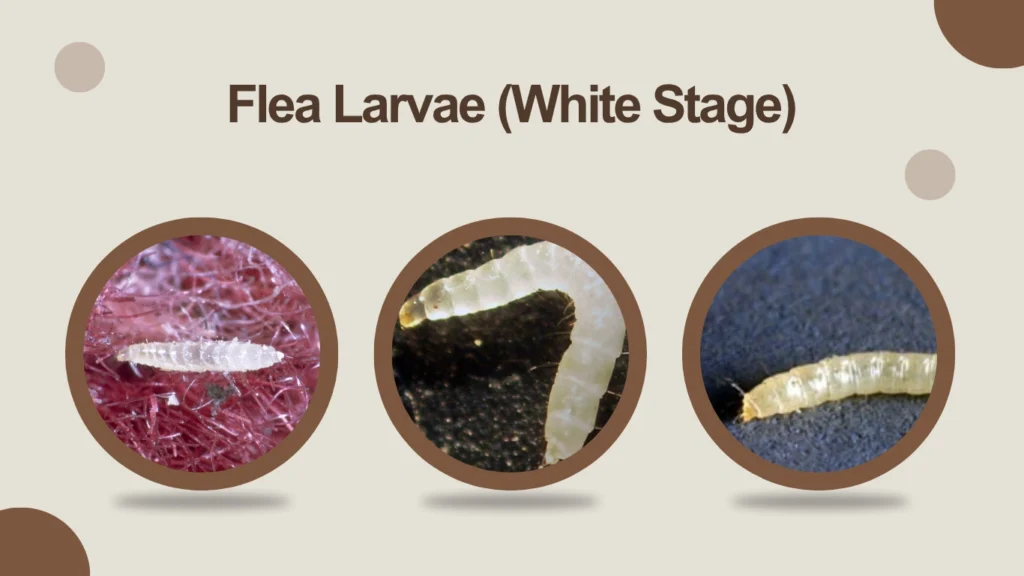
Flea larvae are tiny, white, worm-like creatures that hatch from flea eggs in carpets, pet bedding, and furniture. Because of their color and size, they often resemble moving threads or specks of dust.
Identification
- Color: White or translucent
- Size: 2 to 5 mm
- Shape: Slender, legless, worm-like
- Movement: Slow crawling, avoid light
- Texture: Slightly hairy appearance
Where They Are Found
They typically live:
- In pet bedding and carpets
- Under furniture and along floor cracks
- In upholstery or rugs
- Near pet resting areas
Behavior and Infestation Signs
They feed on organic debris, skin flakes, and adult flea feces, and stay hidden in dark, humid places until they pupate.
Are They Harmful?
Yes—while they don’t bite, their presence indicates a developing flea infestation, which can lead to bites and discomfort once adults emerge.
