

A paper wasp sting can be sudden, sharp, and extremely uncomfortable. These insects are usually non-aggressive, but when defending their nest, they sting to protect their colony. Knowing what to do right after being stung helps you minimize pain, swelling, and the risk of allergic reactions. Quick action can make the difference between mild irritation and a serious reaction.
Understanding Paper Wasp Stings
Paper wasps belong to the Polistes genus and are easily recognized by their slim bodies and umbrella-shaped nests. They aren’t naturally aggressive but will sting if they feel their nest or queen is threatened. Unlike honeybees, paper wasps have a smooth stinger, allowing them to sting multiple times without dying afterward.
Their venom contains toxins that trigger pain, redness, and localized swelling. The discomfort is usually temporary, but for individuals allergic to insect stings, it can lead to severe reactions requiring immediate medical care. The best way to stay safe is to stay calm, act quickly, and treat the sting properly.
Immediate Steps to Take After Being Stung

If you’ve just been stung by a paper wasp, here’s what you should do right away:
- Move away from the nest: Paper wasps release alarm pheromones when they sting, alerting others to attack. Leave the area calmly and avoid waving your arms.
- Wash the sting site: Use cool water and mild soap to remove venom residue and reduce infection risk.
- Apply an ice pack: Wrap ice in a towel and press it gently on the sting for 10–15 minutes to ease pain and swelling.
- Use a topical treatment: Hydrocortisone cream or an antihistamine lotion helps reduce redness and itching.
- Avoid scratching: Scratching increases irritation and can introduce bacteria to the wound.
Following these steps promptly reduces inflammation and helps you recover faster with minimal discomfort.
Common Symptoms After a Paper Wasp Sting

A paper wasp sting typically causes short-term pain and inflammation, but reactions vary based on your body’s sensitivity to venom.
Mild to Moderate Reactions
- Immediate sharp pain at the sting site
- Small red or raised bump
- Mild swelling and warmth
- Itching or tenderness
Severe or Allergic Reactions
In rare cases, allergic individuals may experience more intense symptoms:
- Swelling of the face, lips, or throat
- Difficulty breathing or swallowing
- Dizziness, nausea, or fainting
- Rapid heartbeat or widespread hives
If these symptoms occur, seek emergency medical help immediately. Anaphylaxis can be life-threatening and requires treatment with epinephrine and medical supervision.
Recognizing Allergic or Severe Reactions
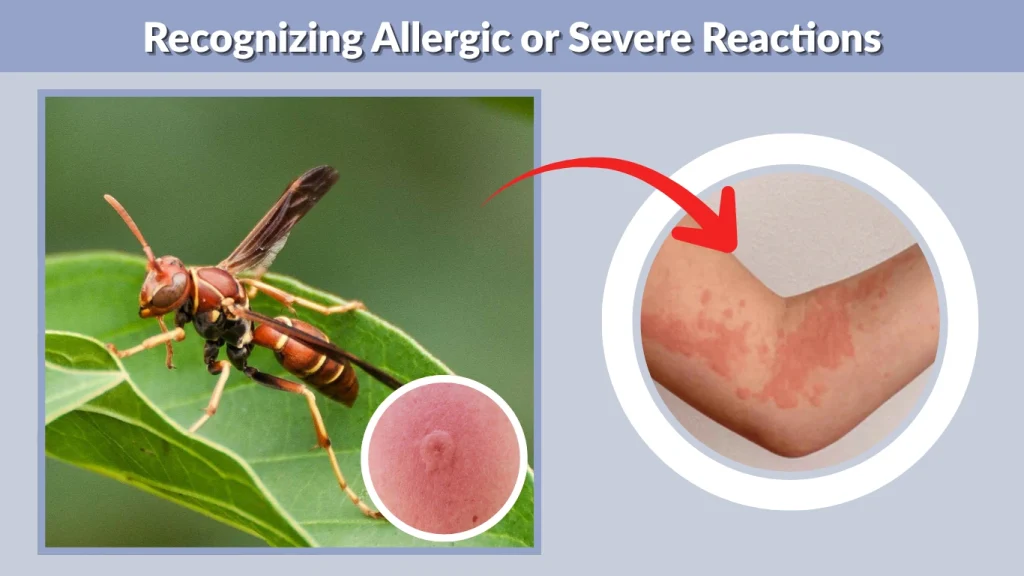
Even if you’re not known to be allergic, you should closely monitor your condition for 24 hours after a sting. Most reactions remain mild, but a small percentage of people experience worsening symptoms.
When It’s More Than Just a Sting
- Swelling spreads beyond the sting area (for example, from the arm to the shoulder).
- The skin becomes hot, hard, or painful after several hours.
- Difficulty breathing or tightness in the chest begins.
- Multiple stings occur, increasing venom exposure.
In these cases, go to an urgent care clinic or emergency room immediately. Early treatment prevents complications and ensures safe recovery.
Home Remedies That Help Relieve Pain
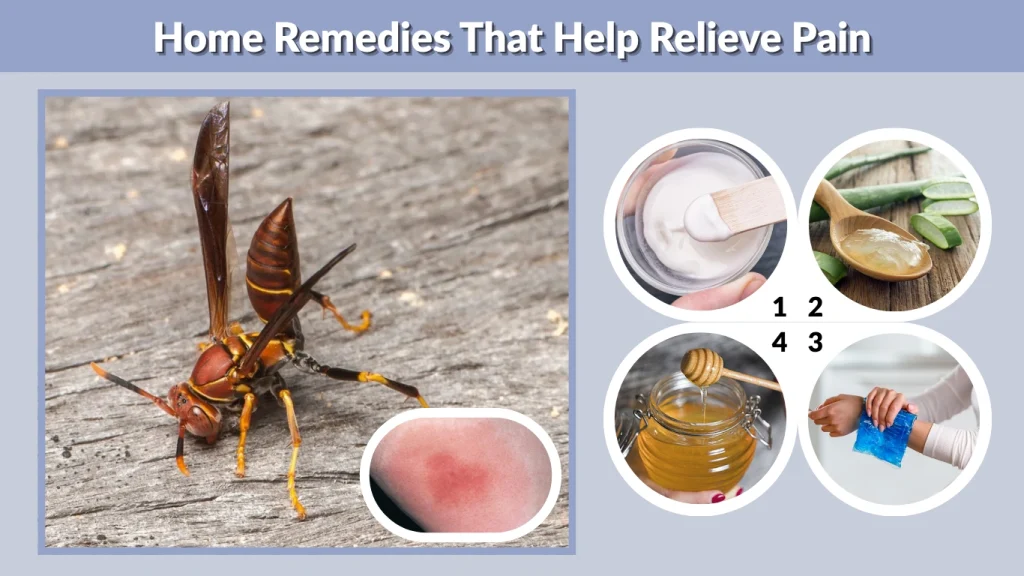
If your symptoms are mild, you can use several home remedies to relieve pain and speed up healing. These natural treatments can be applied safely after washing the area.
- Baking soda paste: Mix one tablespoon of baking soda with water and apply to the sting. It neutralizes the venom’s acidity and reduces itching.
- Apple cider vinegar: Dab gently using a cotton ball to relieve swelling and pain.
- Aloe vera gel: Naturally cools and moisturizes inflamed skin.
- Honey: Acts as an antibacterial and anti-inflammatory agent, soothing pain and preventing infection.
- Cold compress: Applying chilled water or an ice pack helps decrease redness and swelling.
Reapply these remedies every few hours if discomfort returns. Avoid using multiple topical products at once, as this can irritate the skin.
How Long Paper Wasp Sting Symptoms Last
The duration of a paper wasp sting reaction depends on the person’s sensitivity and how quickly treatment begins.
- Mild cases: Pain subsides within 30 minutes; swelling may last up to 24 hours.
- Moderate cases: Redness and itching can persist for one to two days.
- Severe cases: Allergic reactions may require several days to recover with medical care.
Most stings heal completely without scarring or lasting pain. Keeping the area clean and cool ensures faster recovery and prevents infection.
Red vs. European Paper Wasp Stings
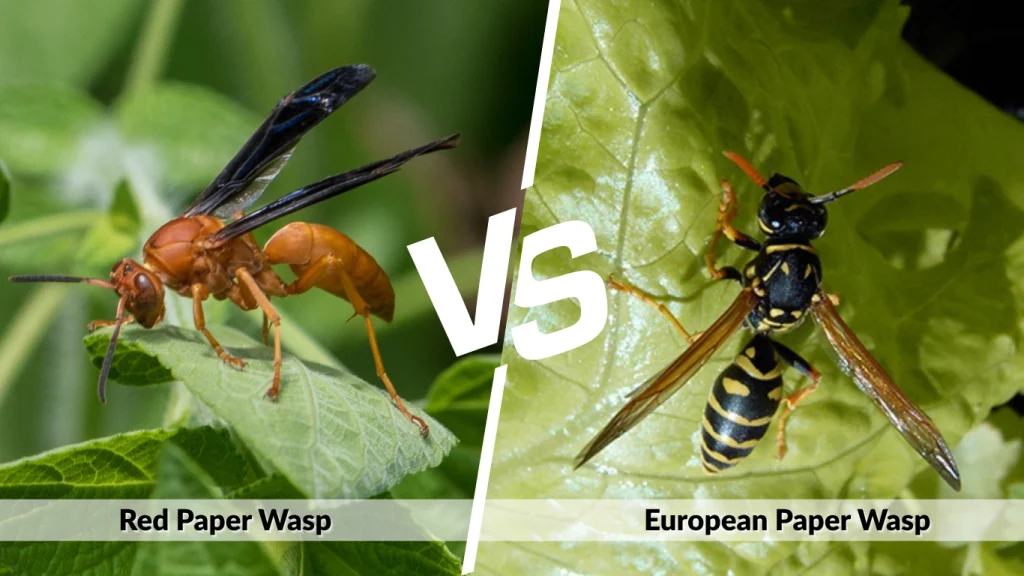
Different paper wasp species can cause varying pain levels due to differences in venom composition.
Red Paper Wasp
The red paper wasp (Polistes carolina) delivers a sharp, burning sting often rated high on the pain scale. It causes more localized swelling but typically fades within a few hours.
European Paper Wasp
The European paper wasp (Polistes dominula) produces quick, intense pain with rapid redness. Their close nesting near homes often leads to more frequent stings, though symptoms are usually short-lived.
Most Painful Places to Be Stung
Some body parts are naturally more sensitive due to thinner skin and more nerve endings. A sting in these areas can feel significantly worse and may swell faster.
- Face or neck: These areas react strongly because of soft tissue and blood vessels close to the surface.
- Hands or fingers: Limited space for swelling makes stings here particularly painful and stiff.
- Feet or ankles: Walking can worsen irritation and cause temporary discomfort.
- Joints or knuckles: Pain may radiate and cause mild stiffness or swelling.
If stung on the face, throat, or inside the mouth, seek medical attention immediately — even a small sting can interfere with breathing or swallowing.
What to Do if Your Pet Is Stung
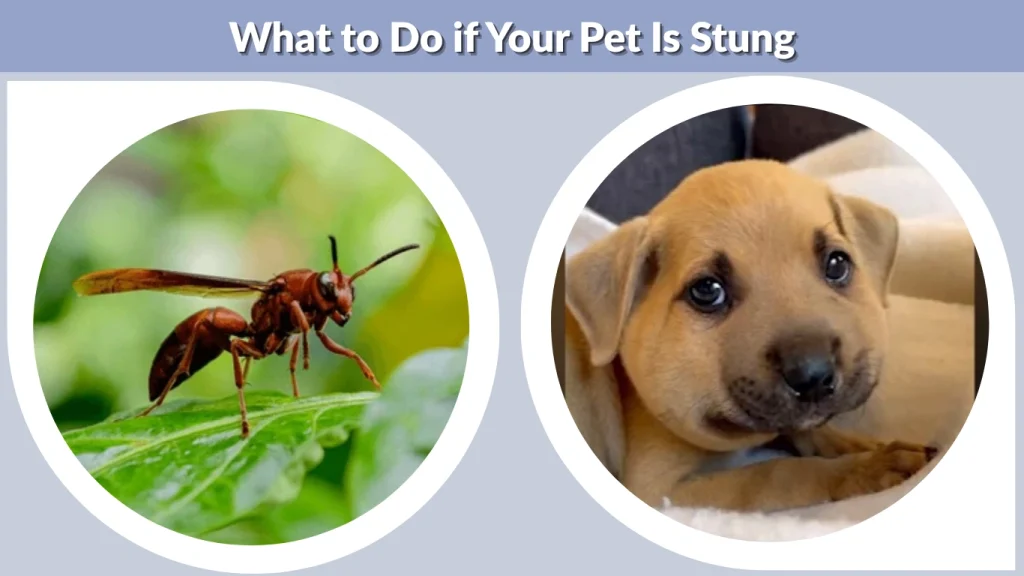
Pets are curious by nature and often end up chasing or pawing at wasps. While a paper wasp sting on a pet is rarely fatal, swelling or allergic reactions can occur.
For Dogs
- Look for paw, muzzle, or facial swelling.
- Apply a cold compress wrapped in a soft towel for 10–15 minutes.
- Keep your dog calm and discourage scratching or licking.
- If you notice breathing difficulty, vomiting, or extreme swelling, contact a veterinarian immediately.
For Cats
- Cats may meow loudly, paw at the sting site, or hide due to pain.
- Gently clean the area with mild soap and apply an ice pack for brief intervals.
- Avoid home medications — cats are sensitive to human pain relievers.
- Visit a vet if swelling spreads or your cat becomes lethargic.
When to Seek Medical Help
Most paper wasp stings are minor, but medical care is essential in certain cases. You should seek professional attention immediately if you experience:
- Swelling spreading beyond the sting site
- Trouble breathing, swallowing, or dizziness
- Stings inside the mouth or throat
- Multiple stings from defending wasps
- Any signs of anaphylaxis (hives, nausea, rapid pulse)
People with a known allergy to wasp or bee venom should always carry an EpiPen and use it at the first sign of a severe reaction before heading to the hospital.
Preventing Future Paper Wasp Stings
Avoiding another sting is mostly about awareness and prevention. These simple steps help reduce the risk of attracting or disturbing wasps near your home.
- Inspect outdoor areas regularly: Check eaves, sheds, and porch ceilings for early nests during spring.
- Avoid swatting: Sudden movements provoke defensive behavior.
- Seal entry points: Close cracks and crevices around walls and vents where queens may start nesting.
- Keep food covered: Wasps are attracted to sweet drinks and meat during outdoor meals.
- Use natural repellents: Peppermint oil, vinegar, and clove sprays deter nesting.
- Hang fake wasp nests: Paper decoys trick wasps into avoiding the area, thinking it’s already occupied.
Consistency is key — applying repellents and cleaning outdoor spaces weekly during warm seasons greatly reduces nest formation.
FAQs
What does a paper wasp sting feel like?
It feels like a sharp, burning pain that fades to a dull ache. Most people experience redness and mild swelling that subsides within a few hours.
Can paper wasps sting multiple times?
Yes. Their smooth stinger doesn’t detach, allowing them to sting several times if provoked. Moving away calmly after one sting prevents further attacks.
How long does a paper wasp sting last?
Pain usually disappears in 15–30 minutes. Swelling and redness may linger up to 24–48 hours but rarely longer unless infected or allergic.
What happens if a red paper wasp stings you?
A red paper wasp sting is especially sharp and hot, causing temporary swelling. Apply ice and take an antihistamine if itching develops.
Are paper wasp stings dangerous to pets?
Most stings cause minor discomfort, but allergic pets may show severe swelling or trouble breathing. Quick veterinary treatment ensures safety.
