
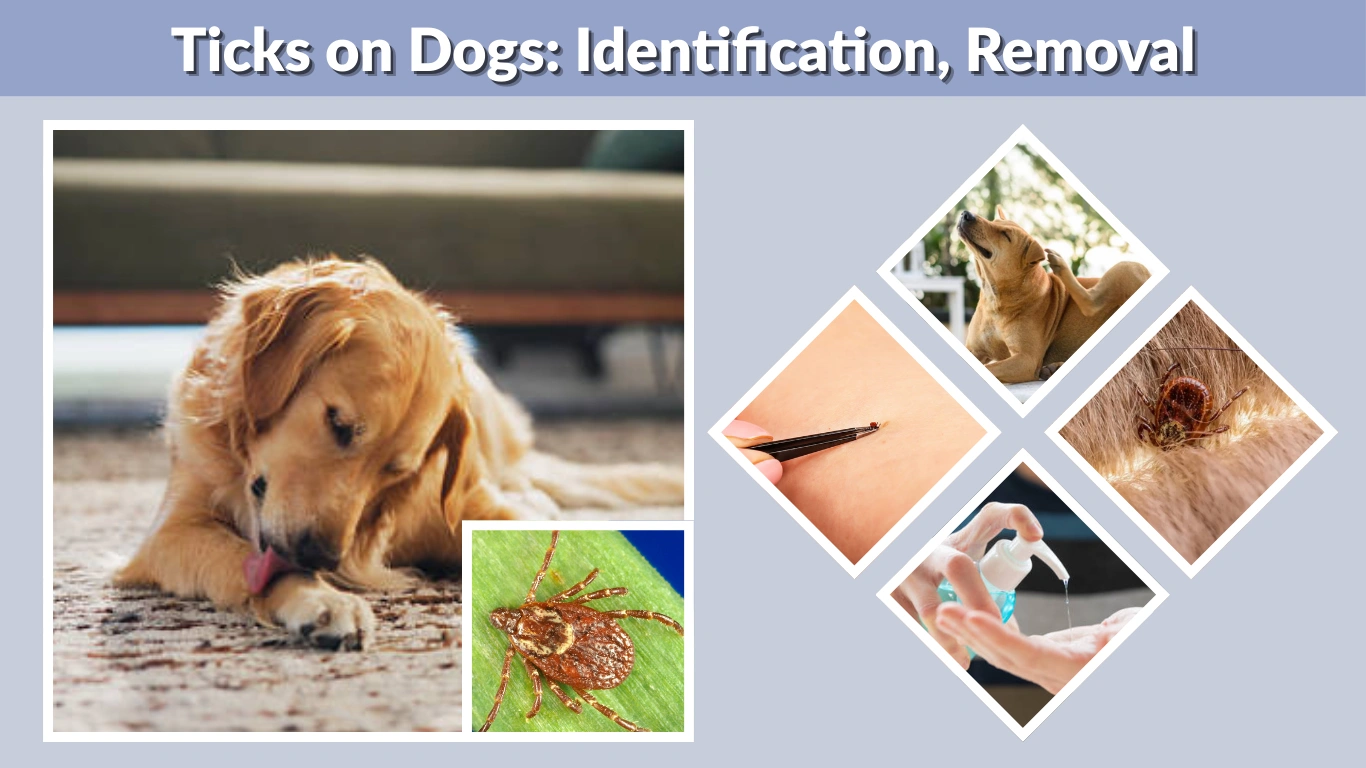
Ticks on dogs are a common problem, especially for pets that spend time outdoors. These tiny parasites attach to a dog’s skin and feed on blood, which can lead to irritation, infection, and sometimes serious diseases. Because ticks can hide easily in a dog’s fur, they may go unnoticed for days. Understanding how to identify ticks, remove them safely, and prevent infestations is essential for keeping your dog healthy and comfortable.
What Are Ticks on Dogs?
Definition of Dog Ticks
Ticks are small parasitic arachnids that feed on the blood of animals, including dogs. Unlike insects, ticks have eight legs and belong to the same group as spiders and mites. They survive by attaching to a host and feeding for several hours or even days.
Ticks vary in size depending on their life stage. Before feeding, a tick may appear as small as a poppy seed, but after feeding it can grow larger and rounder as it fills with blood.
Why Ticks Are Dangerous for Dogs
Ticks are not just irritating pests. They can also transmit dangerous diseases to dogs while feeding. These diseases may affect a dog’s immune system, joints, or organs.
Common risks associated with ticks include:
- Skin irritation and inflammation
- Blood loss in severe infestations
- Transmission of tick-borne diseases
- Allergic reactions in some dogs
Because ticks can remain attached for several days, they have enough time to spread harmful bacteria into a dog’s bloodstream.
How Dogs Get Ticks
Dogs usually pick up ticks when they walk or play in areas where ticks live. These parasites typically wait on grass or plants and attach themselves to passing animals.
Common places where dogs get ticks include:
- Tall grass
- Forests and wooded trails
- Parks and fields
- Gardens or yards with wildlife
Once a tick gets onto a dog’s fur, it will crawl around until it finds a suitable place on the skin to attach and begin feeding.
What Do Ticks Look Like on Dogs?
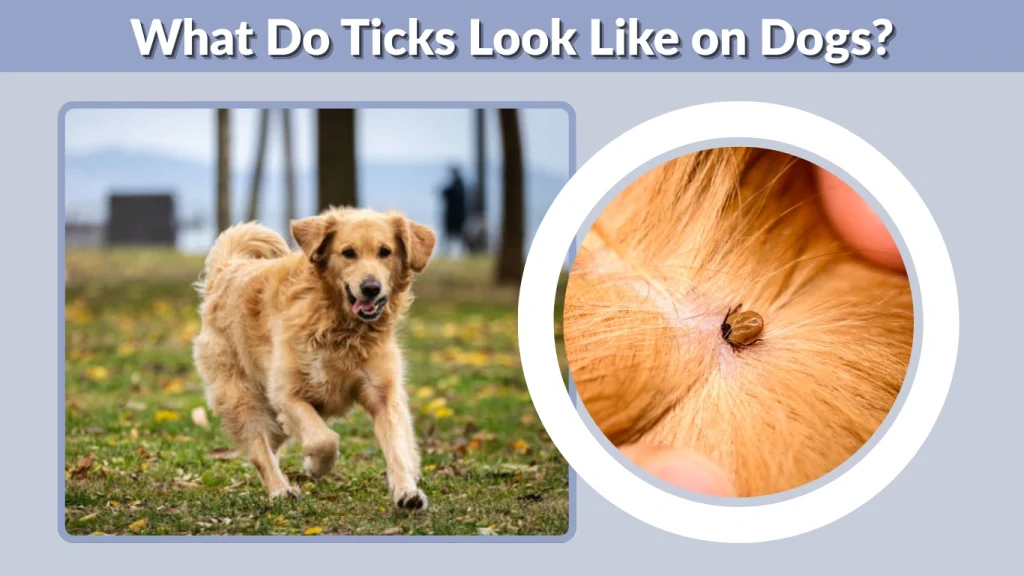
Recognizing what ticks look like is important for early detection and removal.
Appearance of Ticks Before Feeding
Before feeding, ticks are very small and flat. They may appear as tiny dark or brown dots on the dog’s skin. Because they are so small, they can easily be mistaken for dirt or small skin bumps.
Appearance of Ticks After Feeding
After feeding, ticks become larger and more noticeable. Their bodies expand as they fill with blood, making them appear round and swollen.
A fully fed tick may look like a small gray or brown lump attached to the skin.
Common Places Ticks Hide on Dogs
Ticks often attach to areas where the skin is thinner or where they are less likely to be noticed.
Common hiding spots include:
- Inside and around the ears
- Around the neck
- Under the collar
- Between the toes
- Under the legs and belly
- Around the tail area
Checking these areas regularly can help detect ticks early.
Types of Ticks That Affect Dogs
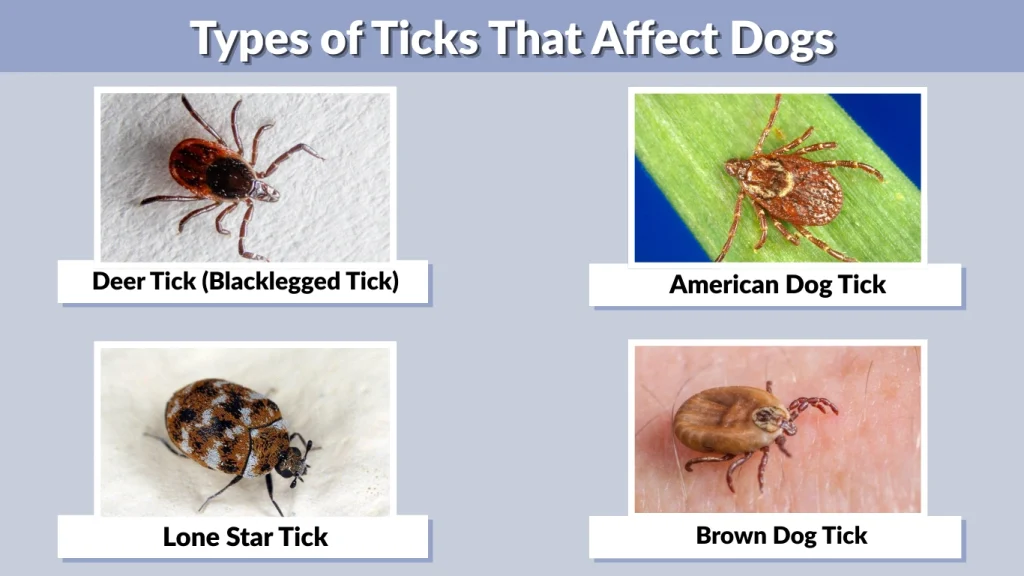
Several tick species commonly feed on dogs. Each species may carry different diseases.
American Dog Tick
The American dog tick is one of the most common ticks found on dogs. It has a brown body with white or gray markings on its back.
This species is often found in grassy areas and open fields and is known to transmit diseases such as Rocky Mountain spotted fever.
Brown Dog Tick
The brown dog tick mainly feeds on dogs and is one of the few tick species that can live indoors.
Key characteristics include:
- Reddish-brown color
- Ability to survive in homes or kennels
- Preference for dogs as hosts
Because they can reproduce indoors, brown dog ticks can cause infestations if not controlled.
Deer Tick (Blacklegged Tick)
The deer tick, also called the blacklegged tick, is smaller than many other tick species. It is known for spreading Lyme disease.
These ticks are usually found in wooded areas and areas with wildlife.
Lone Star Tick
The lone star tick is easily recognized by the white spot on the back of adult females. It is common in warmer regions and is known for its aggressive feeding behavior.
This tick can transmit several diseases that affect both humans and dogs.
Differences Between Tick Species
Different tick species vary in several ways, including:
- Size and appearance
- Preferred environments
- Types of diseases they transmit
- Preferred animal hosts
Understanding these differences can help pet owners identify potential risks.
Signs and Symptoms of Ticks on Dogs
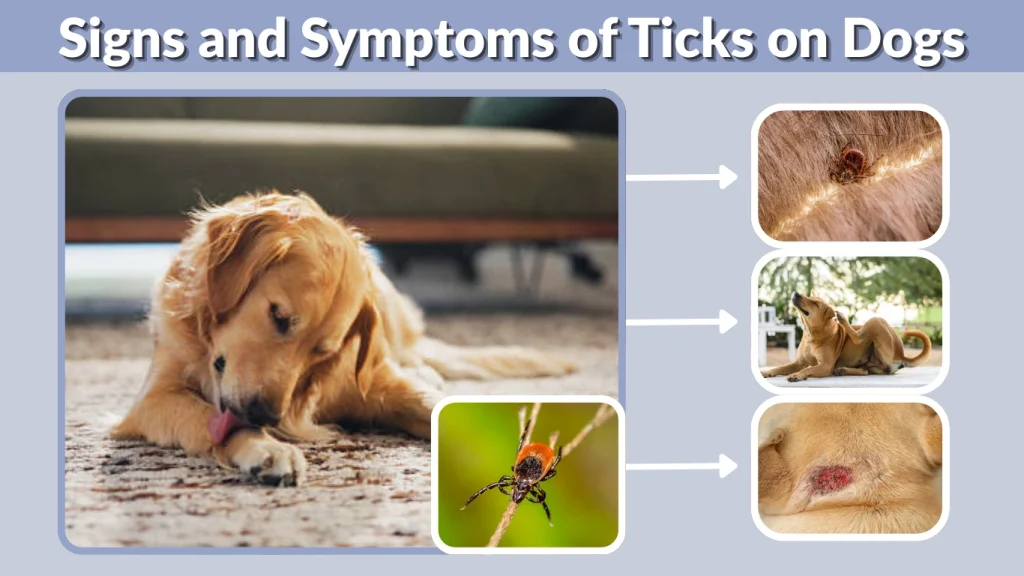
Sometimes ticks are visible on the dog’s skin, but in other cases the signs may be less obvious.
Visible Ticks on the Skin
The most obvious sign is seeing a tick attached to the dog’s skin. They may appear as small dark bumps or swollen lumps if they have already fed.
Excessive Scratching or Biting
Dogs may scratch, lick, or bite areas where ticks are attached because the bites can cause irritation.
Skin Irritation and Redness
Tick bites may cause redness, swelling, or small bumps on the skin. In some cases, the area may become infected if the dog scratches excessively.
Fever or Lethargy in Dogs
If a tick transmits disease, a dog may show symptoms such as:
- Fever
- Lack of energy
- Loss of appetite
- Joint pain
These symptoms may appear days or weeks after a tick bite.
Signs of Tick-Borne Illness
In more serious cases, tick-borne diseases can cause:
- Difficulty walking
- Swollen joints
- Pale gums
- Unusual bleeding
If these symptoms occur, a veterinarian should be consulted as soon as possible.
Diseases Caused by Ticks in Dogs
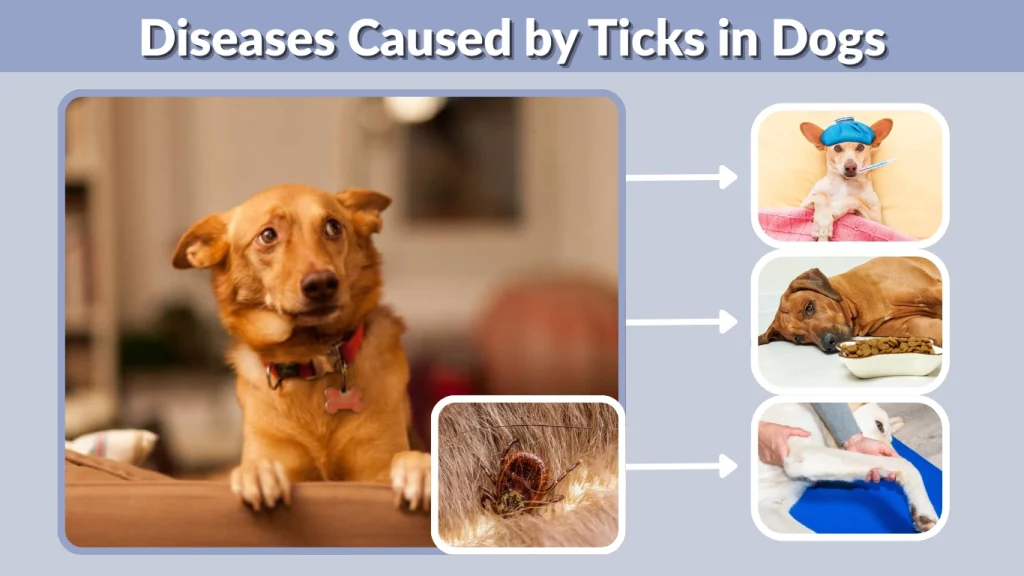
Ticks can transmit several tick-borne diseases that may affect a dog’s health. These illnesses occur when infected ticks pass bacteria or parasites into the dog’s bloodstream during feeding. While not every tick carries disease, it is important for pet owners to be aware of the risks.
Lyme Disease in Dogs
Lyme disease is one of the most common tick-borne illnesses in dogs. It is transmitted primarily by blacklegged ticks (deer ticks).
Symptoms of Lyme disease in dogs may include:
- Fever
- Loss of appetite
- Swollen or painful joints
- Lethargy
- Difficulty walking
In some cases, Lyme disease can also affect the kidneys if left untreated.
Ehrlichiosis
Ehrlichiosis is a bacterial disease transmitted mainly by the brown dog tick. It can affect a dog’s immune system and blood cells.
Common symptoms include:
- Fever
- Weakness
- Weight loss
- Bleeding problems
- Swollen lymph nodes
Early treatment with medication usually helps dogs recover.
Anaplasmosis
Anaplasmosis is another disease spread by ticks. It affects a dog’s blood cells and immune system.
Possible symptoms include:
- Fever
- Joint pain
- Lack of energy
- Vomiting or diarrhea
Some dogs may show mild symptoms, while others may become seriously ill.
Rocky Mountain Spotted Fever
This disease is transmitted by the American dog tick and can cause severe illness if not treated quickly.
Symptoms may include:
- High fever
- Loss of appetite
- Muscle pain
- Swelling in the limbs
Prompt veterinary treatment is important for recovery.
Tick Paralysis
In rare cases, certain ticks can cause tick paralysis, a condition caused by toxins released in the tick’s saliva.
Signs may include:
- Weakness in the legs
- Difficulty walking
- Trouble breathing in severe cases
Removing the tick quickly usually stops the progression of paralysis.
How to Remove Ticks From Dogs Safely
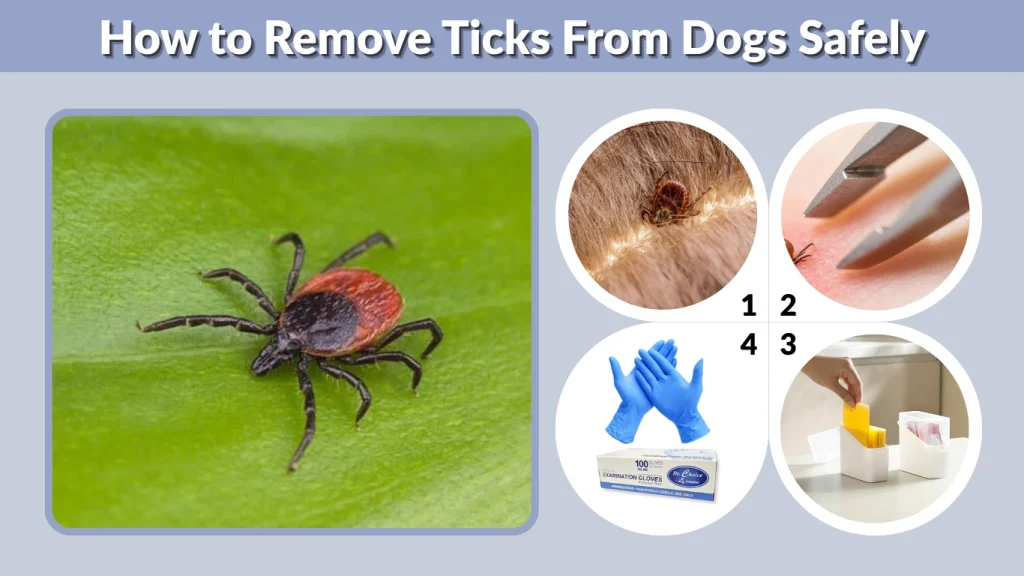
Removing ticks properly is essential to prevent infection and reduce irritation for your dog.
Tools Needed for Tick Removal
To safely remove a tick from a dog, you will need:
- Fine-tipped tweezers or a tick removal tool
- Disposable gloves
- Antiseptic or rubbing alcohol
- A small container or sealed bag
These items help ensure safe removal and proper cleaning of the bite area.
Step-by-Step Tick Removal Guide
Follow these steps to remove a tick from your dog:
- Part your dog’s fur to clearly see the tick.
- Use tweezers to grasp the tick as close to the skin as possible.
- Pull the tick out slowly and steadily without twisting.
- After removing the tick, clean the area with antiseptic or soap and water.
- Dispose of the tick by placing it in alcohol or sealing it in a bag.
Proper removal helps ensure the tick’s mouthparts do not remain in the skin.
What Not to Do When Removing Ticks
Avoid using unsafe methods when removing ticks. Do not:
- Burn the tick with a match
- Apply petroleum jelly or chemicals
- Twist or crush the tick while it is attached
These methods may cause the tick to release more bacteria into the bite.
Cleaning the Bite Area
After removing the tick, clean the bite site and monitor it for several days. Mild redness is normal, but swelling or infection should be checked by a veterinarian.
Home Remedies for Ticks on Dogs
Some pet owners use natural remedies to help repel or reduce ticks. However, these methods should be used carefully and should not replace veterinary treatment.
Apple Cider Vinegar
Apple cider vinegar is sometimes used in diluted form as a natural repellent. Some owners add a small amount to water sprays for a dog’s coat.
Coconut Oil
Coconut oil may help soothe irritated skin and has mild antimicrobial properties. It can be gently applied to the dog’s coat or skin.
Neem Oil
Neem oil is another natural product believed to repel insects and parasites. It should always be diluted before applying to a dog’s skin.
Limitations of Natural Remedies
Natural remedies may help with mild prevention, but they are not always effective against serious tick infestations. Veterinary-approved products usually provide stronger and more reliable protection.
Veterinary Treatment for Tick Infestations
If a dog has many ticks or shows symptoms of illness, veterinary care may be necessary.
Tick Medications for Dogs
Veterinarians often prescribe medications that kill ticks quickly. These may include oral or topical treatments designed specifically for dogs.
Tick Prevention Tablets
Some modern medications come in chewable tablets that protect dogs from ticks for several weeks or months.
Tick Collars
Tick prevention collars release chemicals that repel and kill ticks. They can provide long-term protection when used correctly.
Topical Tick Treatments
Topical treatments are liquids applied to a dog’s skin, usually between the shoulder blades. These products spread across the skin and help kill ticks before they bite.
How to Prevent Ticks on Dogs
Preventing ticks is one of the best ways to protect your dog from tick-borne diseases.
Regular Tick Checks
Check your dog for ticks after outdoor activities, especially if they have been in grassy or wooded areas.
Grooming and Bathing
Regular grooming helps detect ticks early and keeps a dog’s coat healthy.
Tick Prevention Products
Using veterinarian-approved tick prevention products is one of the most effective ways to protect dogs.
Protecting Dogs During Outdoor Activities
When walking or hiking with your dog:
- Avoid tall grass and dense vegetation
- Stay on clear paths
- Check your dog immediately after returning home
How to Check Your Dog for Ticks
Regular inspection helps detect ticks before they cause problems.
Best Time to Check Dogs for Ticks
The best time to check for ticks is after outdoor walks, hikes, or playtime in grassy areas.
Step-by-Step Dog Tick Inspection
To check your dog for ticks:
- Run your hands slowly over your dog’s body.
- Feel for small bumps or unusual lumps.
- Part the fur to inspect the skin closely.
Areas Most Likely to Have Ticks
Ticks often hide in warm or hidden areas such as:
- Inside the ears
- Under the collar
- Between the toes
- Around the neck
- Under the legs and belly
When to Visit a Veterinarian
Although many tick bites are harmless, some situations require professional care.
Signs of Infection After Tick Bite
Seek veterinary care if the bite area shows:
- Severe swelling
- Pus or discharge
- Persistent redness
Symptoms of Tick-Borne Diseases
Dogs showing symptoms such as fever, joint pain, weakness, or loss of appetite should be examined by a veterinarian.
Emergency Symptoms
Immediate veterinary attention is needed if a dog experiences:
- Difficulty breathing
- Paralysis
- Severe weakness
FAQs
Can ticks kill dogs?
In severe cases, tick-borne diseases or heavy infestations can cause serious health problems, but early treatment greatly reduces risks.
How long do ticks stay on dogs?
Ticks may stay attached for several hours to several days while feeding.
Do ticks fall off dogs on their own?
Ticks usually detach after feeding, but they may remain attached long enough to transmit diseases.
Can dogs bring ticks into the house?
Yes. Dogs can carry ticks indoors, which may then attach to humans or other pets.
Conclusion
Ticks on dogs are a common issue that can lead to irritation and serious health risks if not addressed quickly. Regular tick checks, proper removal techniques, and preventive treatments are essential for protecting your pet. By staying aware of the signs of tick infestations and using effective prevention methods, pet owners can keep their dogs safe, healthy, and comfortable.
