
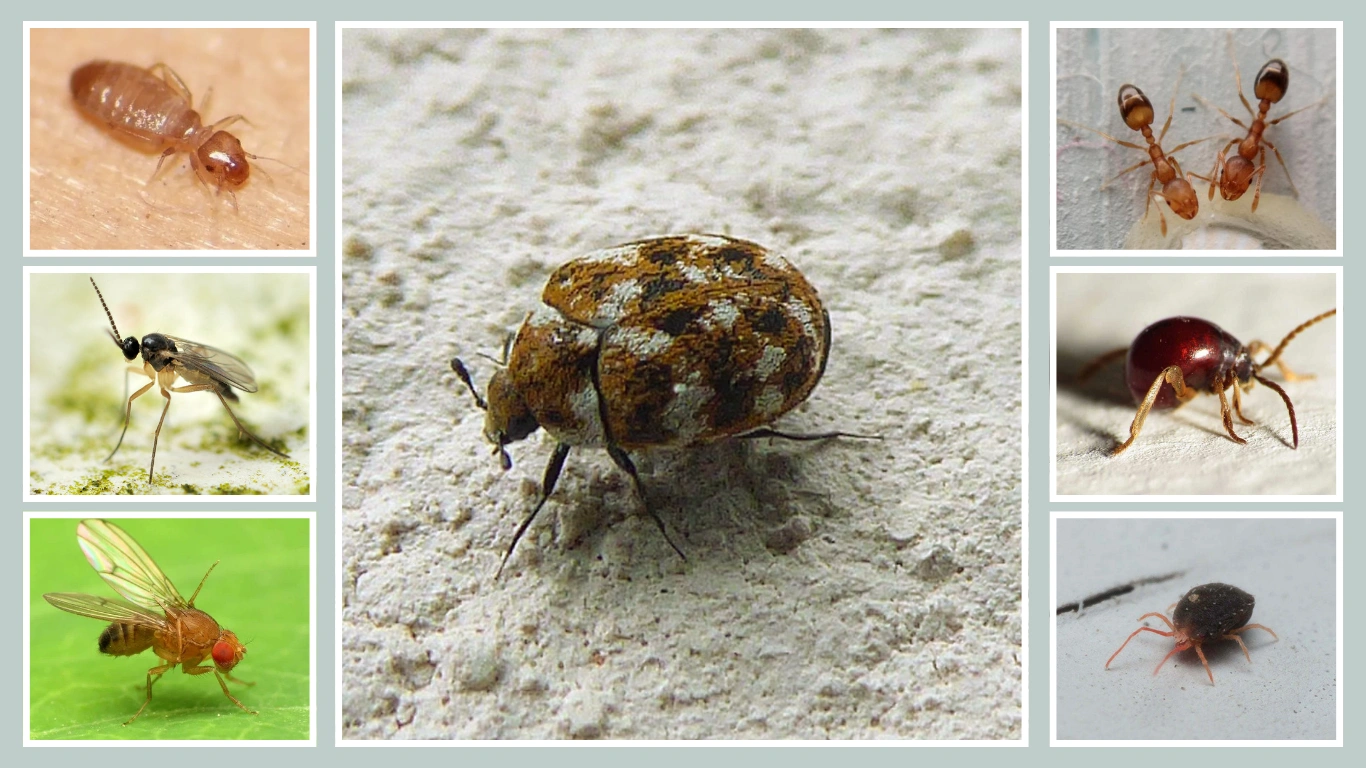
Have you noticed tiny black insects crawling or flying around your house and wondered what they are? These minuscule pests can be anything from harmless fungus gnats to fabric-destroying carpet beetles. Some are more of a nuisance than a danger, while others may signal underlying issues like moisture, mold, or food contamination. In this guide, you’ll discover 15 common tiny black bugs found indoors—along with their habits, appearance, and where you’re most likely to find them.
1. Carpet Beetles
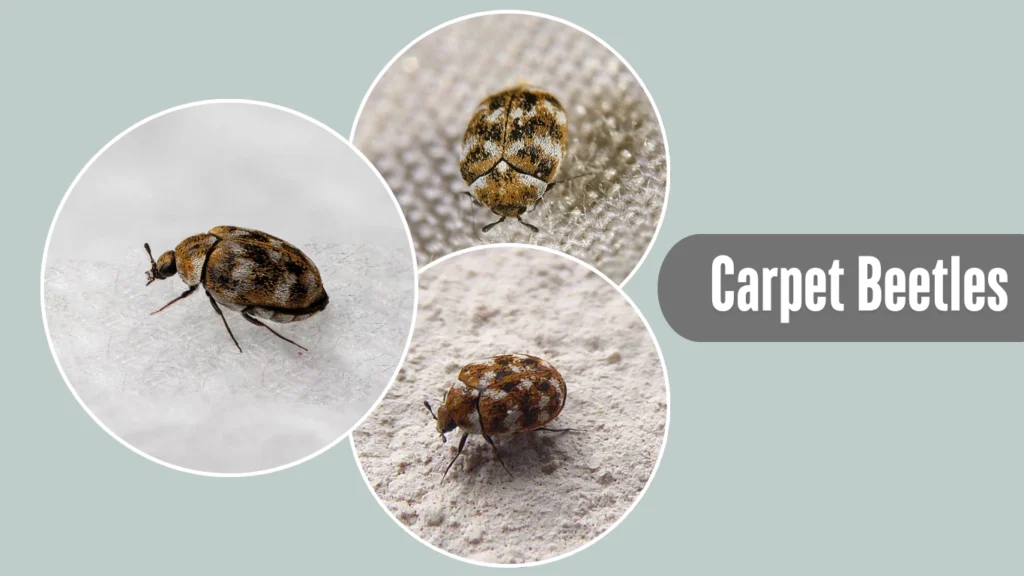
Carpet beetles are one of the most common tiny black insects found in houses, especially in areas with natural fibers like wool, silk, and leather. Though adults are often seen near windows, it’s the larvae that cause the most damage by feeding on household fabrics and stored items.
Identification
- Small, oval-shaped body
- Adults measure around 2–4 mm in length
- Usually black with white, brown, or yellow speckled patterns
- Larvae are fuzzy, brownish, and carrot-shaped
- Found near baseboards, carpets, furniture, or inside closets
Habitat and Behavior
Carpet beetles thrive in undisturbed areas like storage rooms, under rugs, and in air vents. They feed on natural materials including pet hair, wool clothing, and even dried food items. Adults are attracted to sunlight and are often seen crawling near windows.
Color Pattern
Adult carpet beetles are typically dark brown to black, sometimes with specks of lighter scales. The larvae are darker brown with bristles, making them easier to identify during infestations.
2. Booklice
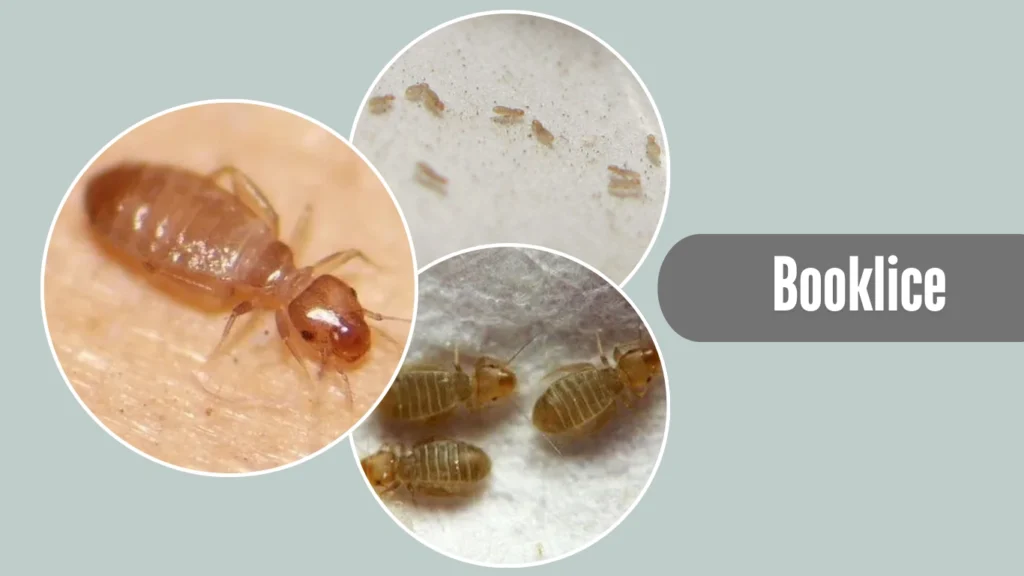
Booklice are tiny black or grayish insects that commonly appear in damp areas of the home, especially where mold or mildew is present. Despite their name, they aren’t true lice and do not bite humans.
Identification
- Very small, soft-bodied insects (1–2 mm long)
- Usually gray, black, or pale cream in color
- Wingless or with very short wings
- Found near books, wallpaper, window sills, or bathroom corners
Habitat and Behavior
Booklice thrive in warm, humid environments. They feed on mold, mildew, book bindings, and even stored food. You’ll often find them near leaky pipes, damp cardboard, or around windows with condensation.
Color Pattern
Most booklice appear light gray to black and may be hard to spot due to their size and quick movement in cracks or along surfaces.
3. Fungus Gnats
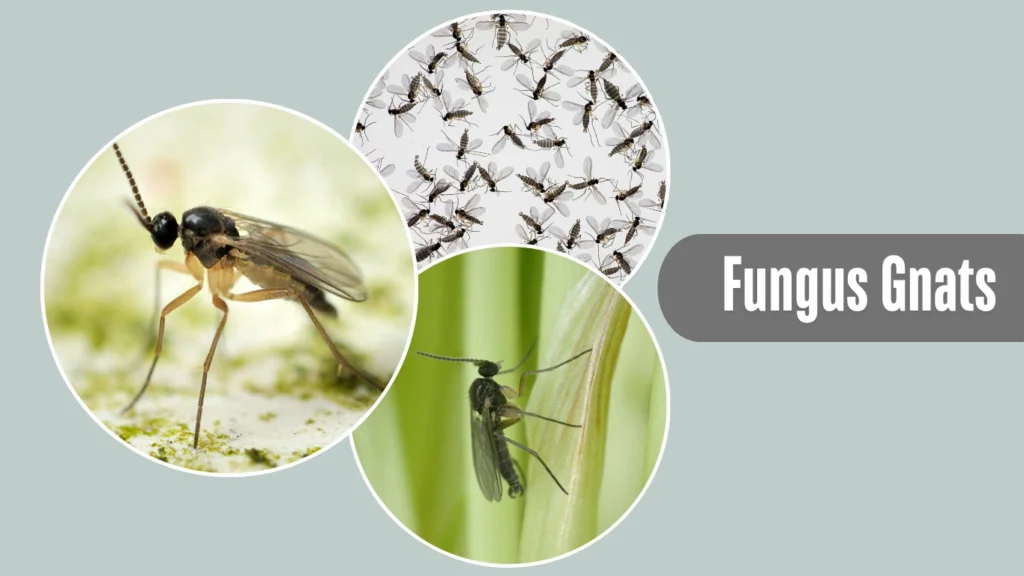
Fungus gnats are tiny black flying insects that often infest indoor potted plants. They are harmless to humans but can be a nuisance and may damage plant roots in their larval stage.
Identification
- Slender, mosquito-like body
- Adults are about 2–4 mm long
- Long legs and antennae
- Found flying around houseplants or near moist soil
Habitat and Behavior
Fungus gnats lay eggs in damp soil. The larvae feed on fungus, algae, and decaying organic matter. Overwatering is the most common reason for indoor infestations.
Color Pattern
Fungus gnats are typically black or dark gray, with transparent wings that can reflect light. Their delicate appearance makes them easy to distinguish from fruit flies.
4. Fruit Flies
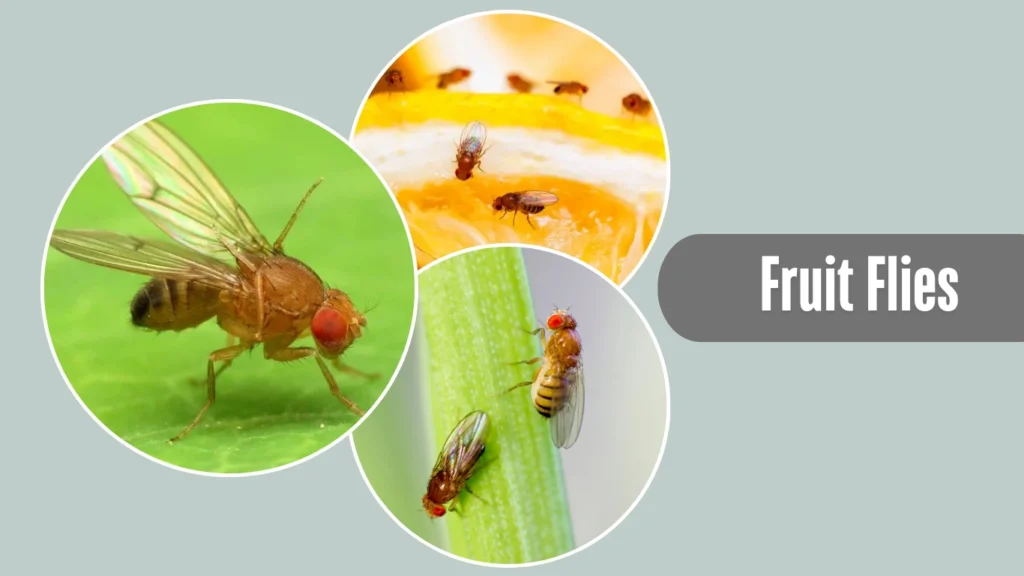
Fruit flies are tiny black or dark brown insects often seen flying around overripe fruits, garbage disposals, or drains. Though more commonly tan with red eyes, some appear quite dark and are mistaken for black flies indoors.
Identification
- Small, round-bodied fly (2–4 mm long)
- Dark-colored body with lighter thorax
- Red or dark eyes
- Found near fruits, vegetables, trash bins, or sink drains
Habitat and Behavior
Fruit flies breed in fermenting or rotting organic matter. They lay eggs on moist, sugary surfaces and can multiply rapidly. Common in kitchens, especially in summer or where hygiene is poor.
Color Pattern
While some fruit flies are tan, others can appear dark brown to almost black, especially in low light or when wet, giving them a black appearance during infestations.
5. Ants (Sugar Ants / Pharaoh Ants)
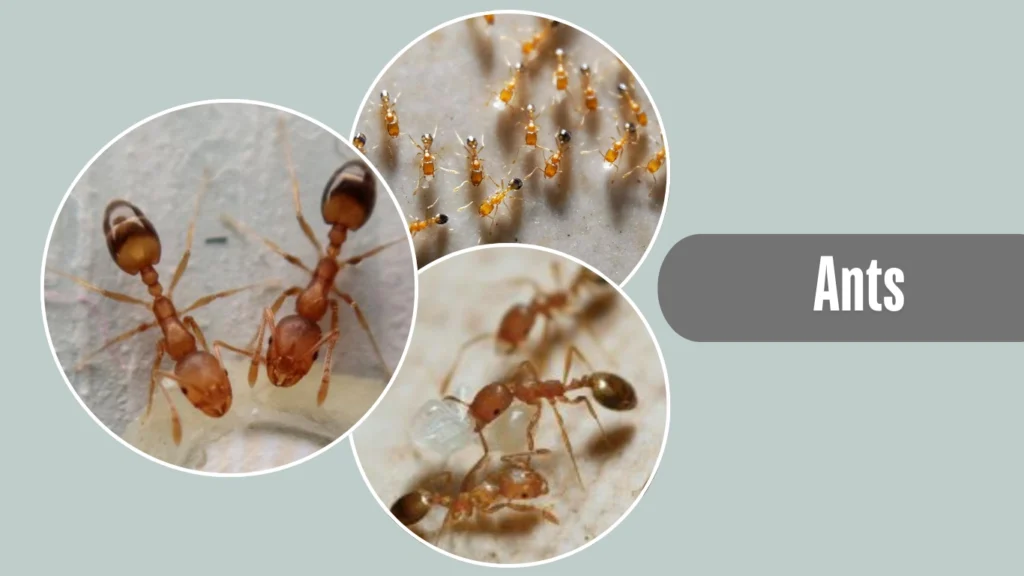
Ants are one of the most common tiny black insects found in homes, especially in kitchens and bathrooms. Sugar ants and pharaoh ants are particularly small and may be black, dark brown, or reddish.
Identification
- Very small body (1–3 mm depending on species)
- Segmented body with elbowed antennae
- Found in lines along walls, counters, or pantry shelves
- Common near food and moisture sources
Habitat and Behavior
These ants search for sugary or greasy foods and often build nests in walls, under tiles, or inside electrical outlets. They are social insects and can infest homes in large numbers quickly.
Color Pattern
Most home-invading ants appear glossy black or dark brown, moving in trails toward food. Their small size makes them look like tiny black dots on floors and countertops.
6. Spider Beetles
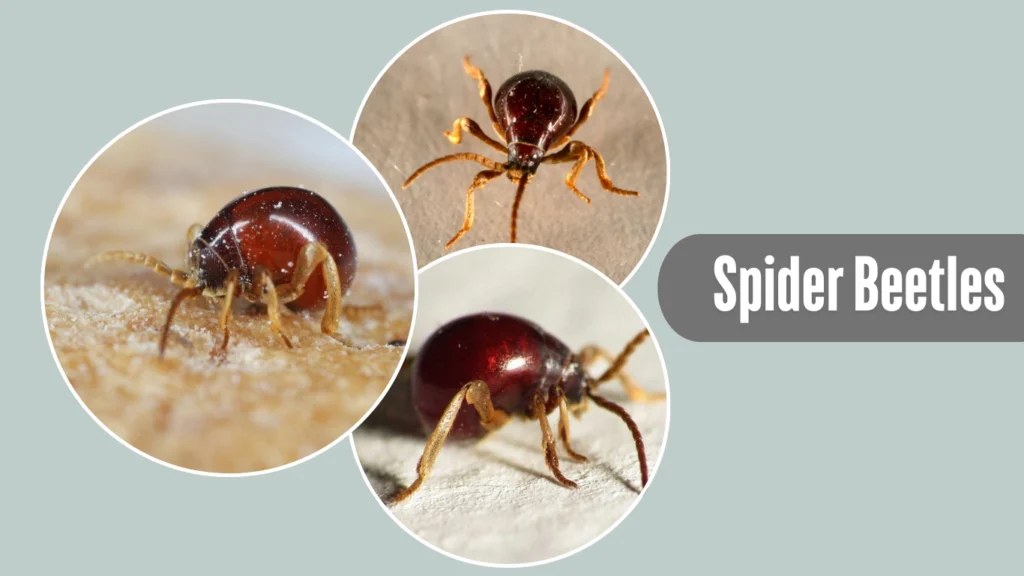
Spider beetles are tiny black or reddish-brown insects that resemble spiders due to their round body and long legs. They are scavengers and often found in dark, undisturbed areas of the home.
Identification
- Small, rounded body (1.5–3.5 mm long)
- Glossy black or dark brown color
- Long legs and antennae, giving a spider-like appearance
- Often found in pantries, attics, or cracks in wood
Habitat and Behavior
Spider beetles feed on a wide range of dry organic material, including flour, grains, wool, and even rodent droppings. They prefer dark, quiet spaces like cupboards, storage boxes, and basements.
Color Pattern
Most spider beetles have a shiny black or dark reddish-brown body, with a spherical shape and thin legs that make them resemble tiny spiders at a glance.
7. Clover Mites
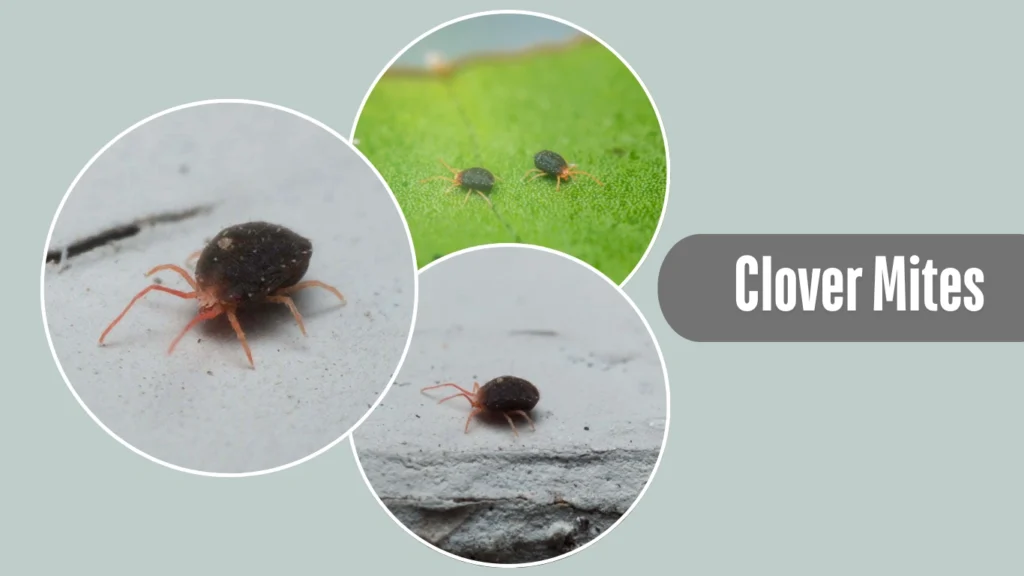
Clover mites are tiny reddish-black or dark-colored insects that sometimes appear as moving specks near sunny windows or walls. They are plant feeders and don’t cause harm to people or pets.
Identification
- Extremely small (about 0.75 mm long)
- Oval body with long front legs that look like antennae
- Often appear as tiny moving dots on walls or windowsills
- Can smear red when crushed
Habitat and Behavior
Clover mites live outdoors on grasses and plants but may enter homes through cracks during seasonal changes. They’re often seen in large numbers near windows or foundations on sunny days.
Color Pattern
Though they may appear black to the naked eye, clover mites are usually dark red or reddish-black, especially when observed closely or under good lighting.
8. Springtails
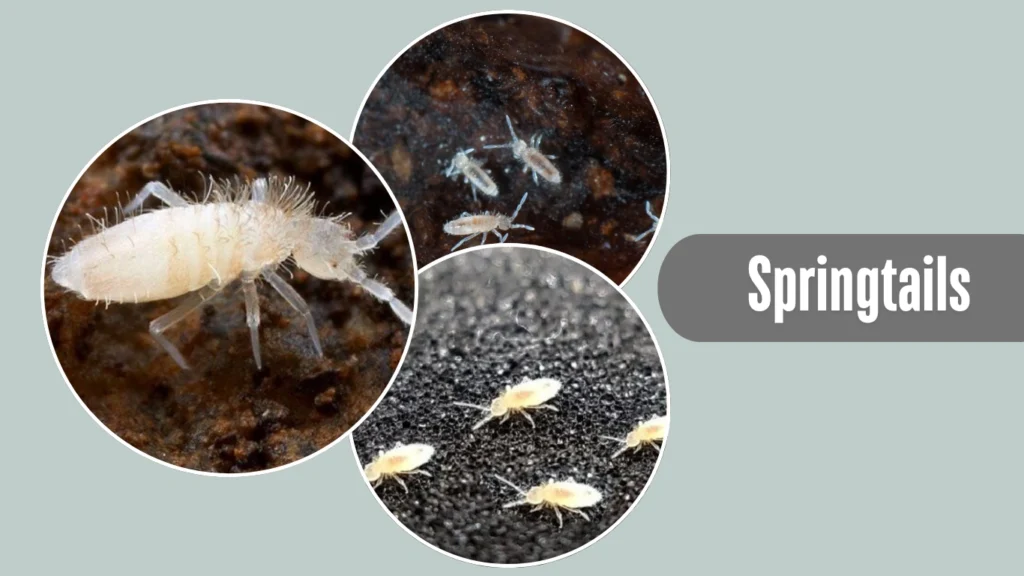
Springtails are tiny black or gray insects often found in damp indoor areas like bathrooms, basements, and under sinks. They get their name from a tail-like structure (furcula) that helps them jump when disturbed.
Identification
- Very small (0.5–2 mm long)
- Soft-bodied, usually dark gray, black, or white
- Can jump short distances when disturbed
- Common around sinks, drains, and potted plants
Habitat and Behavior
Springtails thrive in moist environments and feed on mold, fungi, and decaying organic matter. They’re harmless to humans and pets but can appear in large numbers, especially after heavy rain or in humid homes.
Color Pattern
Most springtails are dark gray to black, though some may be lighter. Their tiny size and hopping behavior often make them look like specks of moving dirt or pepper.
9. Drain Flies
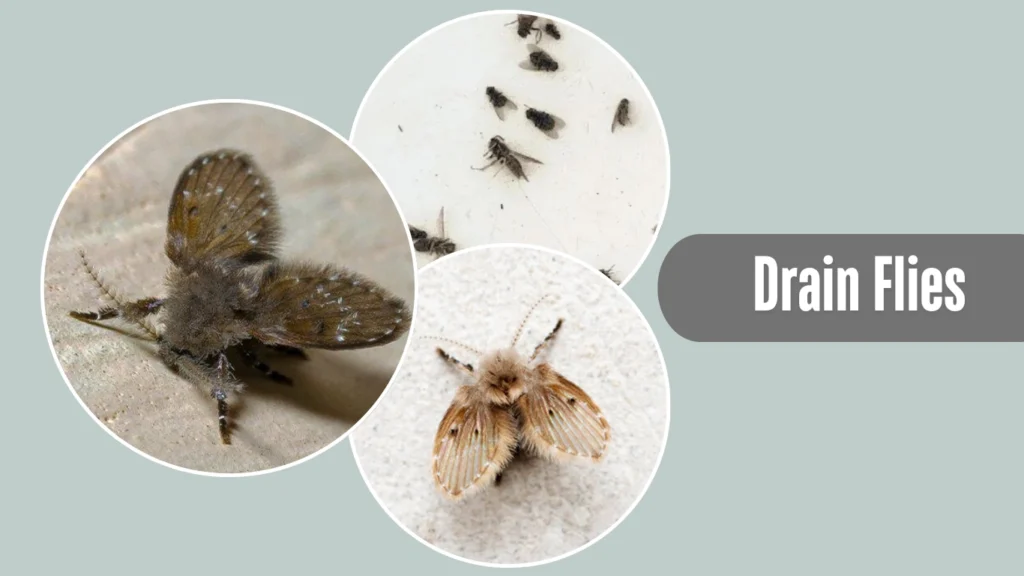
Drain flies, also known as moth flies, are tiny black or dark gray insects commonly found around sinks, showers, and floor drains. They are fuzzy-looking and harmless but can become a nuisance when breeding indoors.
Identification
- Small, moth-like body (1.5–5 mm long)
- Fuzzy wings and body covered in fine hairs
- Short antennae and slow, hovering flight
- Often found near bathroom or kitchen drains
Habitat and Behavior
Drain flies lay eggs in the slimy film inside drains and pipes. The larvae feed on organic matter, and adults emerge to rest on nearby walls and surfaces. Infestations can grow rapidly if drains are not cleaned regularly.
Color Pattern
These flies are typically dark gray to black, with fuzzy wings that make them look like tiny moths rather than traditional flies.
10. Pantry Beetles (e.g., Cigarette Beetles, Drugstore Beetles)
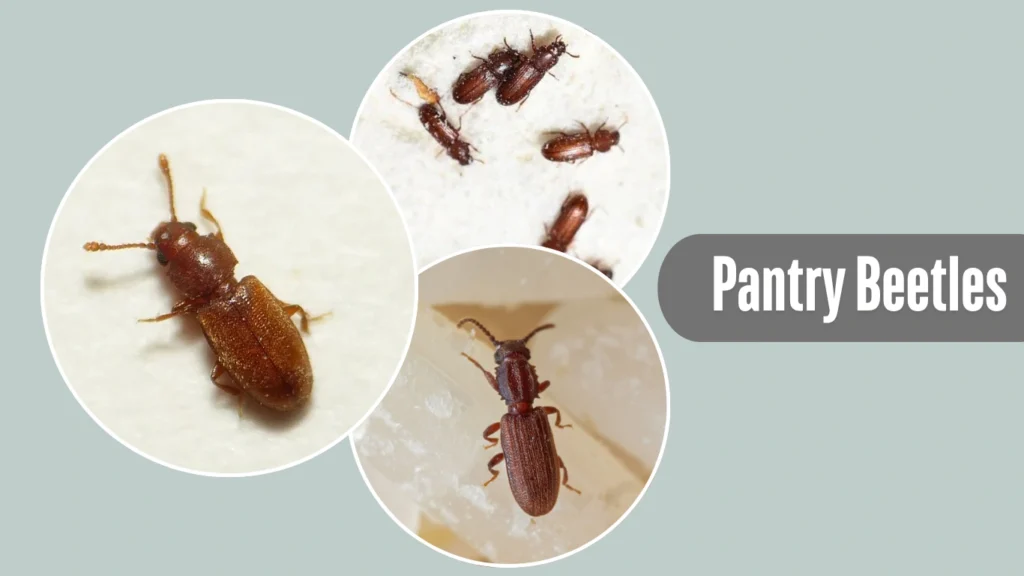
Pantry beetles are tiny black or brown beetles often found in stored food products. They infest pantries, feeding on dry goods like flour, cereal, spices, and pet food.
Identification
- Small, oval or cylindrical body (2–4 mm long)
- Brown to dark brown in color, sometimes appearing nearly black
- Smooth or slightly hairy appearance depending on species
- Often found inside food containers or crawling near pantry shelves
Habitat and Behavior
These beetles are common kitchen pests. They enter through infested food packages and multiply rapidly in dry food products. Infestations often go unnoticed until adults are seen flying or crawling inside cabinets.
Color Pattern
Pantry beetles range from light to dark brown, sometimes looking almost black, especially in shadowy areas. Their smooth or ridged bodies can vary slightly by species.
11. Cockroach Nymphs

Cockroach nymphs are the tiny, immature form of cockroaches, often seen in dark corners of kitchens and bathrooms. In early stages, they can be mistaken for small black bugs due to their size and color.
Identification
- Tiny, oval, wingless body
- Dark brown to nearly black when newly hatched
- Grow larger and lighter as they molt
- Found near sinks, behind appliances, or in wall cracks
Habitat and Behavior
Nymphs hide in moist, dark areas during the day and come out at night to feed. They grow quickly and can signal the early stages of a cockroach infestation.
Color Pattern
Early-stage cockroach nymphs are typically shiny dark brown or black, blending in easily with dark surfaces and hiding spots.
12. Grain Weevils
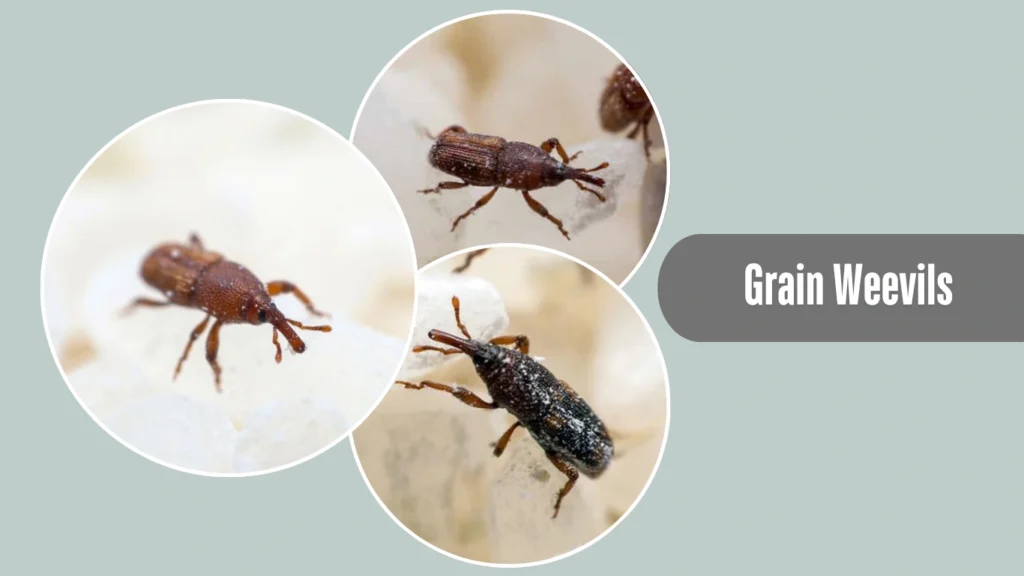
Grain weevils are tiny black or dark brown insects commonly found in stored grains like rice, wheat, corn, and oats. They are known for boring into whole grains to lay eggs inside.
Identification
- Slender, cylindrical body (2–4 mm long)
- Dark brown to black coloration
- Distinctive snout (elongated mouthpart)
- Often found inside grain containers or on pantry shelves
Habitat and Behavior
Grain weevils infest whole grains by chewing into kernels and laying eggs inside. The larvae develop within the grain, making infestations hard to detect until adults emerge. They spread quickly and often go unnoticed until food damage becomes obvious.
Color Pattern
Grain weevils are uniformly dark brown to black, with a hard, shiny body and a noticeable snout. Their small size and color make them easy to miss in food containers.
13. Minute Pirate Bugs
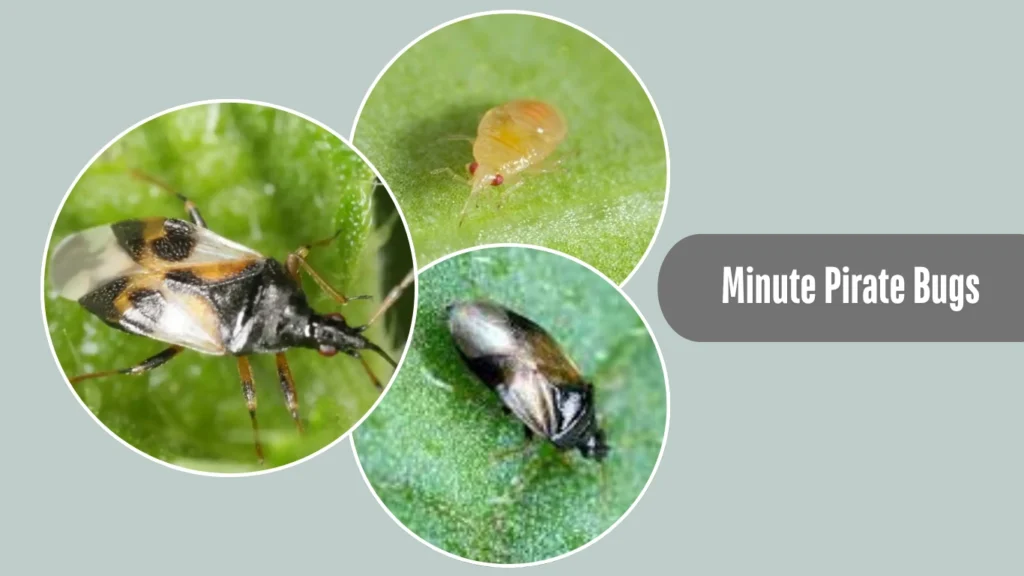
Minute pirate bugs are tiny black insects often seen on window sills or houseplants. Though they’re beneficial predators of plant pests, they can occasionally bite humans, causing mild irritation.
Identification
- Very small (2–3 mm long)
- Oval, flat body
- Usually black with white wing patches
- Can fly and are quick-moving
Habitat and Behavior
These bugs are natural predators of aphids, thrips, and mites, often found on indoor plants or entering homes accidentally. Though helpful in gardens, they sometimes bite exposed skin, especially in the fall.
Color Pattern
Minute pirate bugs have a mostly black body with silvery or white patches on their wings, giving them a two-toned appearance under close inspection.
14. Mold Mites
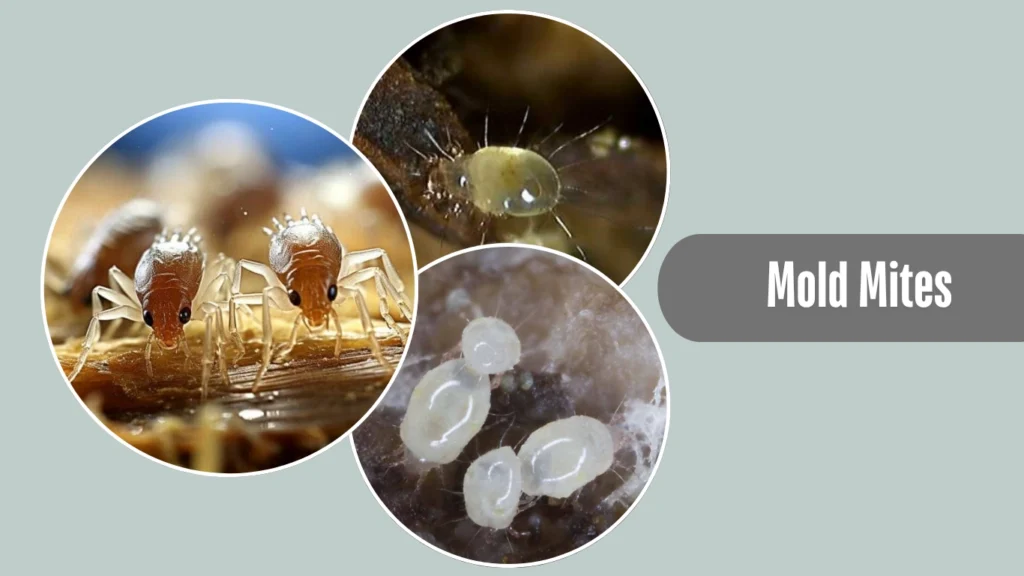
Mold mites are tiny, nearly invisible black or white insects that thrive in damp areas where mold is present. Though often overlooked due to their size, heavy infestations may appear as dust-like clusters on surfaces.
Identification
- Extremely small (less than 0.5 mm)
- Oval-shaped, soft-bodied
- Color ranges from white to light brown, sometimes appearing dark under shadows
- May be seen as a fine moving dust layer on surfaces
Habitat and Behavior
These mites are commonly found in humid areas like bathrooms, basements, or anywhere mold is growing—such as behind wallpaper, inside walls, or near leaky pipes. They feed on mold and fungi and do not bite or harm humans directly.
Color Pattern
While mold mites are typically pale or translucent, they may appear gray or black in low light or large groups, especially when gathered in large numbers on dark moldy surfaces.
15. Bed Bug Nymphs
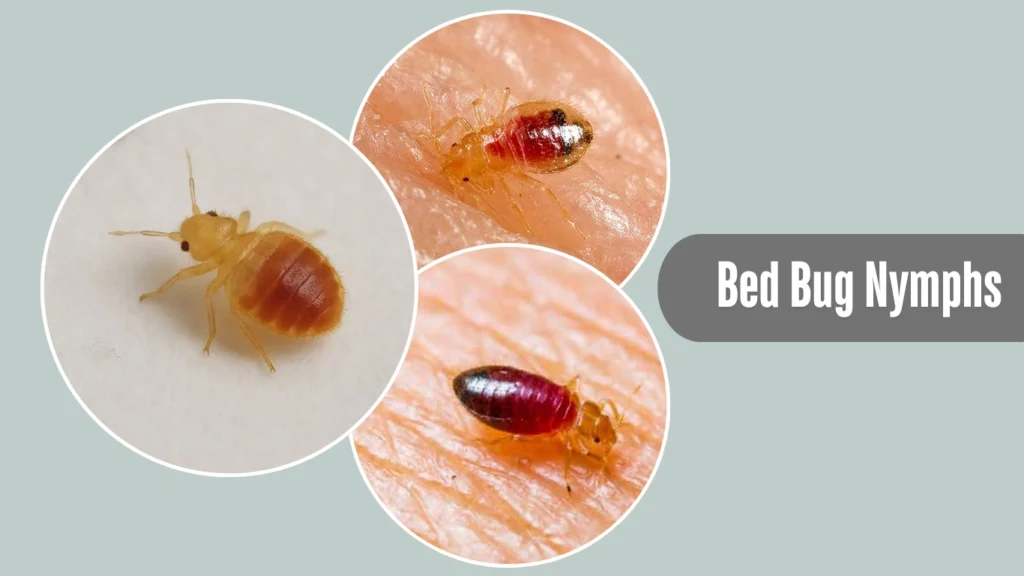
Bed bug nymphs are the immature stage of bed bugs, often tiny and black or translucent depending on their age and feeding status. Early instars can look like black specks to the naked eye.
Identification
- Very small (1–4 mm as they grow)
- Flat, oval-shaped body
- Translucent when unfed, but dark brown to black after feeding
- Usually found in mattress seams, bed frames, and furniture cracks
Habitat and Behavior
Bed bug nymphs hide in tight crevices and feed on blood at night. They go through five growth stages before becoming adults. Infestations are usually detected through bites, fecal spots, or visible nymphs and adults.
Color Pattern
Newly hatched nymphs are translucent or whitish, but after feeding, they appear reddish-brown to almost black, making them easier to spot against light-colored bedding.
