
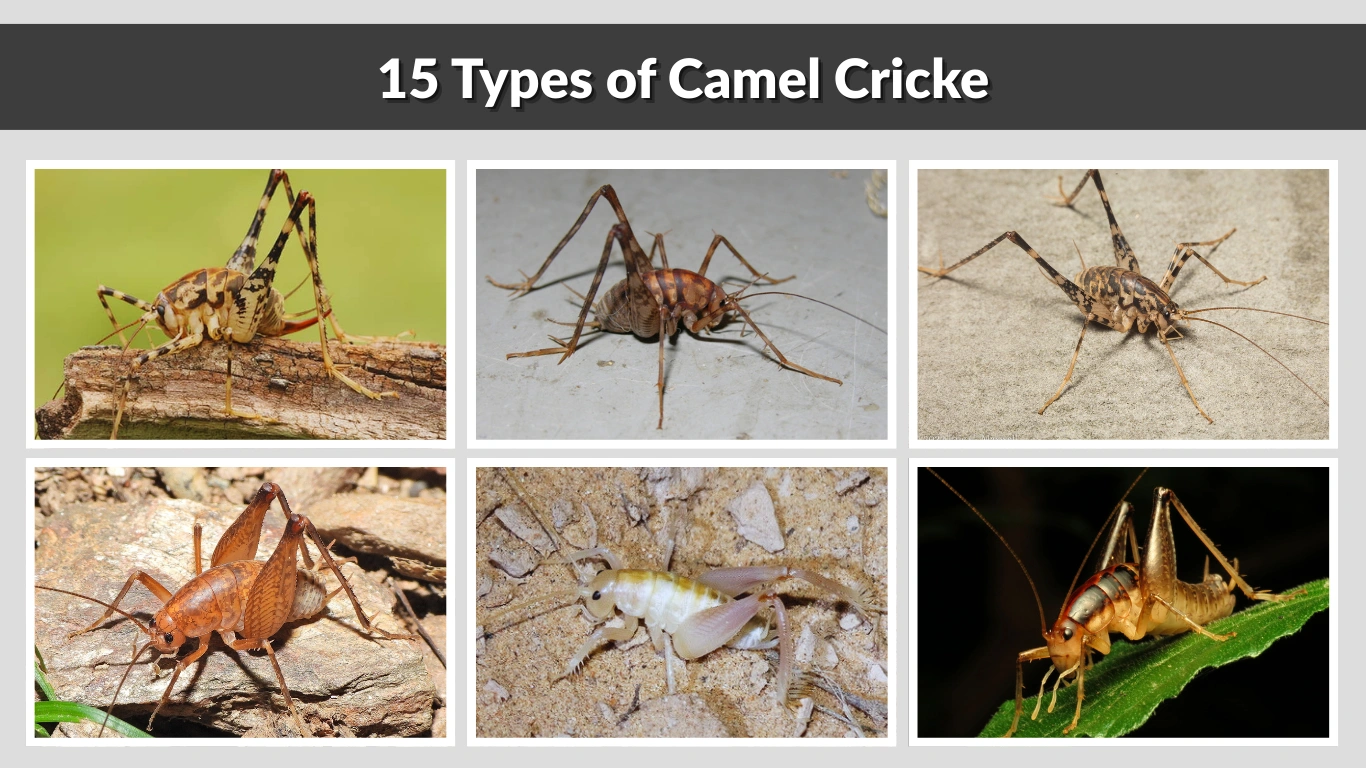
Camel crickets are fascinating insects recognized for their humpbacked bodies, long antennae, and strong hind legs built for jumping. Unlike true crickets, they are silent and wingless, preferring dark and damp habitats such as caves, basements, and under logs. With numerous species found across different regions, each has its own unique traits and behaviors. Below, we explore 15 types of camel crickets, covering their identification, habitat, and ecological importance.
1. Spotted Camel Cricket
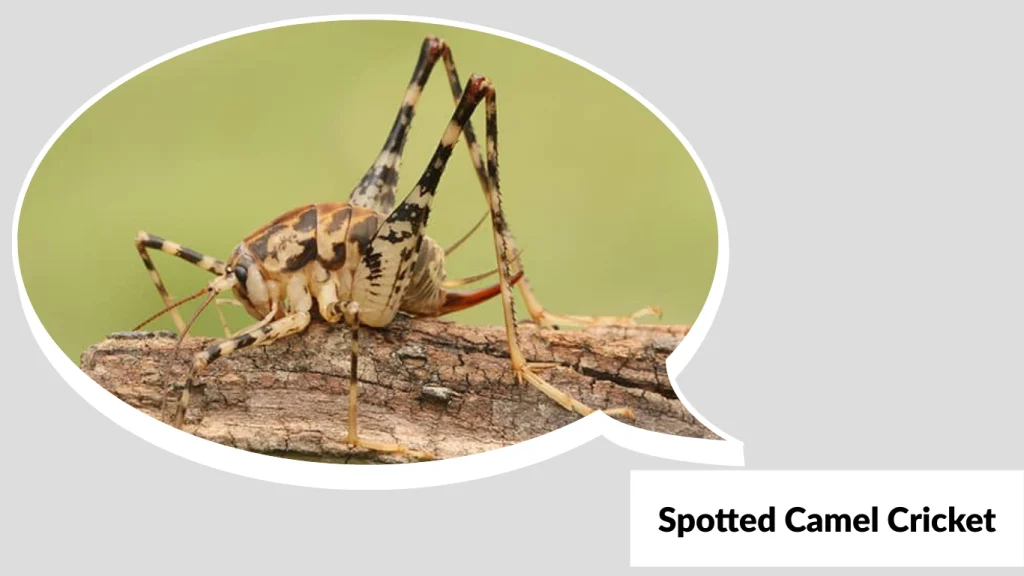
The Spotted Camel Cricket is one of the most commonly encountered species in basements, crawl spaces, and damp environments. Known for their distinctive humpbacked body and spotted patterns on the legs, these crickets are nocturnal and prefer dark, moist areas. Unlike true crickets, they do not chirp, but their appearance can be startling when they jump suddenly.
Identification
- Humpbacked body with arched shape
- Long, slender antennae often longer than the body
- Brownish color with darker spots on the legs
- Large hind legs adapted for jumping
- Wingless, unlike house crickets
Habitat
Spotted Camel Crickets thrive in damp and dark places such as basements, under logs, leaf litter, and crawl spaces. They are also often found near decaying organic matter where humidity is high.
Behavior
They are nocturnal and feed on fungi, decaying plant material, and even fabrics when indoors. They avoid light and are quick to leap away when disturbed.
Importance
Although harmless to humans, their presence indoors can be a nuisance. They do not bite, but in large numbers, they may damage stored fabrics, paper, or plants.
2. Greenhouse Camel Cricket

The Greenhouse Camel Cricket is a species often found in warm, humid, and sheltered environments. As the name suggests, they are commonly associated with greenhouses, but they can also invade basements and other damp indoor areas. Their body structure is similar to other camel crickets, with a humpbacked appearance and strong hind legs for jumping.
Identification
- Medium to large body size with arched back
- Light to dark brown coloration
- Long, thin antennae extending beyond body length
- Strong hind legs designed for leaping
- Wingless, unlike true field or house crickets
Habitat
They are frequently seen in greenhouses, gardens, and damp basements. The warmth and humidity of these environments provide ideal conditions for survival.
Behavior
Greenhouse Camel Crickets are nocturnal and avoid bright light. They feed on organic debris, fungi, and decaying plants, making them important recyclers in their ecosystems. Indoors, they may chew on fabrics, cardboard, or paper.
Importance
While not dangerous, they can become pests when they enter homes in large numbers. Their tendency to jump suddenly can startle people, though they pose no physical harm.
3. Japanese Camel Cricket

The Japanese Camel Cricket is a widespread species native to Asia but also introduced in some other regions. Recognized for its slightly larger size and smoother body surface compared to other camel crickets, it thrives in moist outdoor habitats but occasionally ventures indoors. Its long antennae and powerful legs make it highly adapted for sensing danger and leaping away quickly.
Identification
- Larger humpbacked body compared to many species
- Smooth, glossy brown to dark brown coloration
- Exceptionally long antennae, often several times body length
- Strong hind legs for powerful jumps
- No wings or sound-producing structures
Habitat
Japanese Camel Crickets prefer shaded, damp outdoor areas such as under stones, logs, and dense vegetation. They are also found in gardens and occasionally in basements or crawl spaces.
Behavior
They are nocturnal scavengers, feeding on fungi, decaying organic matter, and sometimes small insects. Their quick leaping ability is a defensive mechanism against predators.
Importance
While harmless, their presence indoors can be a nuisance. In natural habitats, they contribute to decomposition by feeding on organic debris, helping recycle nutrients into the soil.
4. Ceuthophilus maculatus

Ceuthophilus maculatus is a species of camel cricket known for its distinctive spotted body and legs. This species is often encountered in moist, shaded environments and is recognized for its humpbacked body and long jumping legs. It is one of the more easily identified members of the Ceuthophilus genus due to its spotted markings.
Identification
- Medium-sized humpbacked body
- Brown to dark brown color with distinct dark spots
- Long, thin antennae extending far beyond body length
- Large, muscular hind legs designed for leaping
- Wingless, with no chirping ability
Habitat
They are typically found in caves, under logs, in leaf litter, and sometimes in damp basements or crawl spaces. Their preference for dark, humid areas makes them common in shaded woodland habitats.
Behavior
Ceuthophilus maculatus is nocturnal, avoiding light and becoming active at night to feed on fungi, moss, decaying plants, and other organic matter. They may also leap great distances when disturbed.
Importance
While they may seem alarming due to their sudden movements, they are harmless to humans. Outdoors, they play an important role in breaking down decaying plant matter and maintaining ecosystem balance.
5. Ceuthophilus latens

Ceuthophilus latens is a lesser-known species of camel cricket that inhabits dark, moist environments. Like other members of its genus, it features a distinct arched back and long legs suited for jumping. This species is often found in hidden places, hence the name latens, which relates to its secretive nature.
Identification
- Humpbacked body with curved thorax
- Light to dark brown coloration with subtle markings
- Extremely long, thin antennae for navigation in darkness
- Hind legs adapted for sudden, strong jumps
- Wingless, with no chirping organs
Habitat
Ceuthophilus latens is generally found in caves, beneath rocks, in decaying logs, and in other secluded, damp habitats. Occasionally, they may enter human dwellings such as basements or crawl spaces.
Behavior
They are nocturnal scavengers, feeding on organic debris, fungi, and decaying vegetation. Their secretive lifestyle makes them less frequently observed compared to more common camel cricket species.
Importance
Though harmless, their sudden leaps can be startling. Ecologically, they are beneficial decomposers, aiding in the recycling of organic material within their environment.
6. Ceuthophilus brevipes

Ceuthophilus brevipes is a camel cricket species recognized for its relatively shorter legs compared to other members of the genus. Despite its name meaning “short-footed,” it still has strong hind legs that allow it to jump effectively. It thrives in shaded, damp habitats and is often overlooked due to its more modest appearance.
Identification
- Medium-sized humpbacked body with arched back
- Brown to dark brown coloration, sometimes with faint markings
- Shorter hind legs relative to other Ceuthophilus species
- Long, fine antennae used for navigating dark areas
- Wingless, incapable of chirping
Habitat
This species inhabits damp environments such as caves, under decaying logs, and in soil crevices. Occasionally, it can be found in human structures like basements or crawl spaces where moisture is present.
Behavior
Ceuthophilus brevipes is nocturnal, avoiding daylight and becoming active at night. It feeds on decaying organic matter, fungi, and small plant debris. Its shorter legs make its jump slightly less dramatic than other camel crickets, though it remains an agile leaper.
Importance
This species plays a role in decomposition by breaking down organic debris. It is harmless to humans, although its sudden movements may cause alarm when encountered indoors.
7. Ceuthophilus latibulus

Ceuthophilus latibulus is another member of the camel cricket family, known for its preference for dark and secluded places. Like others in its genus, it is wingless and characterized by its arched back and strong hind legs. Its name latibulus is derived from Latin, meaning “hiding place,” which reflects its secretive habits.
Identification
- Distinct humpbacked body with arched thorax
- Brown to dark brown coloration with faint mottled patterns
- Long, threadlike antennae extending beyond body length
- Strong hind legs adapted for leaping quickly
- No wings or sound-producing structures
Habitat
This species is typically found in caves, under leaf litter, in hollow logs, and other shaded, damp habitats. Indoors, it may occasionally be seen in basements or storage areas with high humidity.
Behavior
Ceuthophilus latibulus is nocturnal and highly secretive. It feeds primarily on decaying vegetation, fungi, and other organic debris. When disturbed, it relies on sudden jumps to escape threats.
Importance
Although harmless, its presence in homes can be unsettling. Ecologically, it is an important decomposer, helping recycle organic matter back into the soil.
8. Ceuthophilus gracilipes

Ceuthophilus gracilipes is a slender-legged species of camel cricket. Its name gracilipes translates to “slender-footed,” highlighting its more delicate leg structure compared to some of its relatives. Despite its finer build, it is still capable of powerful leaps and thrives in humid, shaded environments.
Identification
- Humpbacked body with narrower frame than other species
- Light to medium brown coloration, sometimes mottled
- Long, slender legs and antennae
- Strong hind legs, though thinner than other camel crickets
- Wingless, with no chirping sound
Habitat
This species is usually found in caves, moist woodlands, under logs, and near leaf litter. Indoors, it may occasionally appear in basements or crawl spaces that provide suitable moisture and darkness.
Behavior
Ceuthophilus gracilipes is nocturnal and shy. It scavenges fungi, decaying leaves, and organic debris. Its thinner legs make it appear more fragile, yet it remains an agile jumper when disturbed.
Importance
Like other camel crickets, this species plays a vital role in decomposition by consuming decaying organic matter. It poses no threat to humans but may cause mild nuisance if it enters homes.
9. Ceuthophilus pallescens
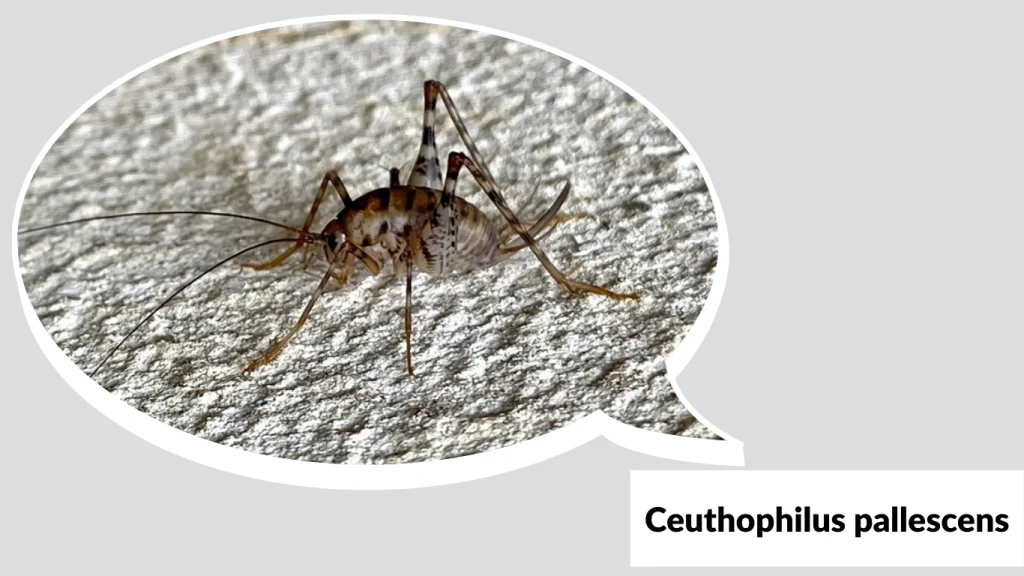
Ceuthophilus pallescens is a camel cricket species noted for its lighter body coloration compared to many others in the genus. Its name pallescens refers to its pale or faded appearance, which helps it blend into leaf litter and cave walls. This species is adapted to shaded, moist environments and demonstrates the same distinctive arched back typical of camel crickets.
Identification
- Pale brown to tan body, sometimes with faint mottling
- Distinct arched thorax and humpbacked posture
- Long, threadlike antennae often exceeding body length
- Hind legs strong for leaping, though paler than the body
- Wingless, producing no chirping
Habitat
Ceuthophilus pallescens is frequently found in caves, under bark, or in moist soil crevices. It also inhabits shaded woodlands and may occasionally be seen in basements or damp crawl spaces.
Behavior
This species is nocturnal and avoids direct light. It feeds on fungi, decomposing organic matter, and plant debris. Its pale body serves as camouflage in its natural habitats, making it less conspicuous.
Importance
Harmless to humans, Ceuthophilus pallescens contributes to nutrient recycling by breaking down decaying material. Its role as a decomposer supports healthy ecosystems.
10. Ceuthophilus utahensis

Ceuthophilus utahensis is a camel cricket species native to the western United States, particularly Utah and surrounding regions. It is adapted to arid environments but still prefers shaded and moist microhabitats, such as under rocks or within caves. Like other camel crickets, it has a distinctive humpbacked body and long antennae.
Identification
- Medium-sized body with arched back
- Brown to dark brown coloration, sometimes with faint banding
- Very long, thin antennae for navigation in darkness
- Strong hind legs for quick, high jumps
- Wingless, with no sound-producing organs
Habitat
This species occurs in rocky areas, caves, and under logs in drier climates. It favors locations where moisture is retained, providing shelter from heat and dryness. Indoors, it may occasionally wander into basements or storage areas.
Behavior
Ceuthophilus utahensis is nocturnal and secretive. It scavenges fungi, decaying vegetation, and organic debris. It relies on jumping to escape threats and avoids light whenever possible.
Importance
Although harmless to humans, this species plays a valuable ecological role by recycling organic matter. In arid regions, its presence indicates small pockets of moisture within the habitat.
11. Ceuthophilus stygius (Cave Camel Cricket)

Ceuthophilus stygius, commonly known as the Cave Camel Cricket, is a species strongly associated with dark, underground environments. It is one of the larger species in its genus and is well adapted to cave ecosystems, where light is minimal, and humidity remains high. Its name stygius references the River Styx of Greek mythology, reflecting its hidden, shadowy habitat.
Identification
- Large humpbacked body with a pronounced arch
- Dark brown to nearly black coloration
- Very long, threadlike antennae suited for navigating total darkness
- Robust hind legs designed for strong leaps
- Wingless and silent, producing no sound
Habitat
As its common name suggests, the Cave Camel Cricket lives primarily in caves, underground tunnels, and moist, shaded areas. It thrives in consistently dark, humid conditions and is less often found in human dwellings compared to other species.
Behavior
Nocturnal and highly adapted to low-light conditions, Ceuthophilus stygius relies on its long antennae to sense surroundings. It feeds on fungi, bat guano, and decomposing organic matter within cave systems.
Importance
This species plays an essential role in cave ecosystems, helping recycle nutrients from decaying materials. While harmless to humans, its large size and sudden jumps can be startling when encountered.
12. Ceuthophilus latimerius

Ceuthophilus latimerius is a lesser-known species of camel cricket that inhabits damp and concealed habitats. Like other members of its genus, it displays the familiar humpbacked shape and long antennae, which help it navigate in dark conditions. Its name latimerius reflects its elusive nature, as it is not as frequently encountered as more common species.
Identification
- Medium-sized humpbacked body
- Brown to dark brown coloration, often with faint mottling
- Long, slender antennae extending well beyond body length
- Strong hind legs used for jumping away from threats
- Wingless, with no ability to chirp
Habitat
Ceuthophilus latimerius prefers secluded and moist habitats such as under rotting logs, within caves, or beneath dense leaf litter. It can sometimes be found in basements and crawl spaces if conditions are dark and damp.
Behavior
This species is nocturnal and remains hidden during the day. It feeds on fungi, decaying vegetation, and other organic debris. Its elusive behavior makes it less commonly observed compared to more widespread species.
Importance
Harmless to humans, Ceuthophilus latimerius contributes to natural decomposition processes. It plays a small but valuable role in recycling organic matter and maintaining soil health.
13. Ceuthophilus navajo

Ceuthophilus navajo is a species of camel cricket native to the southwestern United States, particularly regions associated with the Navajo lands. It is adapted to rocky and semi-arid environments, yet still seeks out moist, shaded microhabitats for survival. Its body design and behavior are similar to other camel crickets, but its distribution makes it unique.
Identification
- Medium-sized, humpbacked body with arched thorax
- Brown to reddish-brown coloration, often blending with rocky soil
- Very long, threadlike antennae used for sensing surroundings
- Strong hind legs enabling long, sudden leaps
- Wingless, with no chirping sound
Habitat
Ceuthophilus navajo is commonly found in rocky crevices, under stones, in caves, and within shaded canyons. It seeks out humid spots in otherwise dry landscapes, making use of natural shelters.
Behavior
Nocturnal and reclusive, this species feeds on fungi, decaying vegetation, and organic debris. Its leaping ability helps it escape predators quickly. Due to its habitat, it is less likely to be encountered indoors than some other species.
Importance
This species is ecologically valuable as a decomposer in dry regions where nutrient recycling is slower. It is harmless to humans but plays a role in maintaining the balance of desert-edge ecosystems.
14. Ceuthophilus longipes

Ceuthophilus longipes is a camel cricket species recognized for its notably long legs, as reflected in its name longipes (“long-footed”). Its elongated limbs make it an especially agile jumper, capable of covering significant distances when startled. Like its relatives, it prefers dark, damp environments and avoids light.
Identification
- Humpbacked body with slender build
- Brown to dark brown coloration, sometimes with mottled patterns
- Exceptionally long legs, especially hind legs
- Antennae longer than the body, highly sensitive to touch and vibrations
- Wingless and silent, lacking sound-producing organs
Habitat
This species inhabits caves, forest floors, rotting logs, and moist soil crevices. Indoors, it may enter basements or crawl spaces where humidity remains high. Its preference for damp, shaded areas is consistent with other camel cricket species.
Behavior
Ceuthophilus longipes is nocturnal and secretive, active mostly at night. It scavenges fungi, decaying vegetation, and organic debris. When threatened, it uses its long legs to leap quickly and unpredictably, making capture difficult.
Importance
Though harmless to humans, it serves an ecological role as a decomposer. Its activity helps recycle nutrients back into the soil, supporting the health of surrounding ecosystems.
15. Ceuthophilus secretus
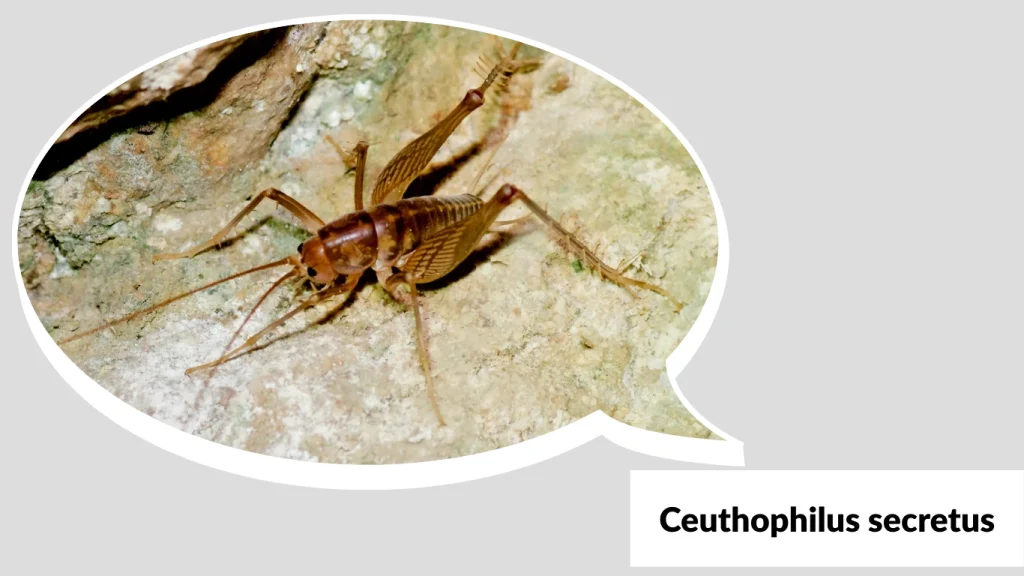
Ceuthophilus secretus is a camel cricket species named for its elusive, hidden lifestyle. Like many of its relatives, it is rarely seen in the open and spends most of its time in dark, humid environments. Its discreet habits, combined with its humpbacked body and long antennae, make it well suited to life in caves and other sheltered habitats.
Identification
- Medium-sized, arched humpbacked body
- Brown to dark brown coloration with faint mottling
- Very long, thin antennae extending beyond body length
- Hind legs strong and elongated for leaping
- Wingless and silent, with no chirping structures
Habitat
Ceuthophilus secretus prefers concealed habitats such as caves, rocky crevices, rotting logs, and moist soil. Indoors, it occasionally inhabits basements, crawl spaces, and cellars where humidity is high.
Behavior
This species is nocturnal, avoiding light and emerging at night to feed. It survives on fungi, decaying plant material, and organic debris. Its secretive nature makes it less frequently encountered than more common species of camel crickets.
Importance
While harmless to people, Ceuthophilus secretus is important in natural ecosystems as a decomposer, helping recycle nutrients from decaying material. Its discreet habits ensure it rarely becomes a household nuisance.
