

Cockroaches are among the most adaptable insects on Earth, thriving in various environments from deep forests to busy city streets. With thousands of species worldwide, a few have become especially well-known for their appearance, habits, and the places they live.
In this guide, I’ll introduce you to 16 types of cockroaches, covering their identification, habitat, behavior, and life cycle in simple and easy-to-understand words.
1. American Cockroach
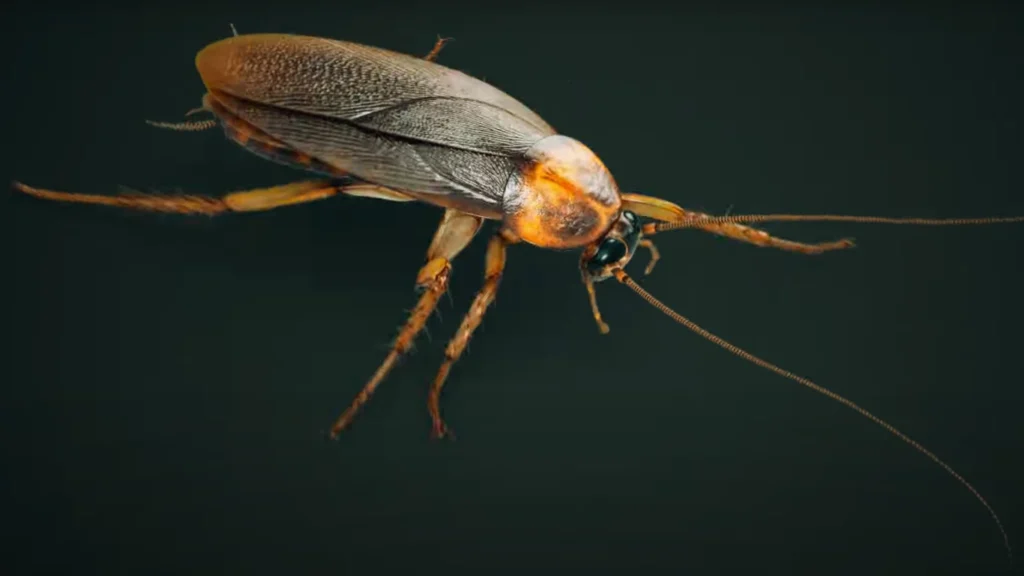
The American cockroach is one of the largest and most recognizable cockroach species. Even though its name says “American,” it originally came from Africa. These cockroaches are fast movers, love warm places, and are common pests in many homes and buildings.
Identification
- Size: 1.5 to 2 inches long
- Color: Reddish-brown body with a yellowish figure-8 pattern behind the head
- Wings: Fully developed wings in both males and females
- Antennae: Long and thin
- Shape: Oval body, flat on top
Habitat
American cockroaches prefer warm, damp places. They are usually found in basements, sewers, kitchens, and bathrooms. Outdoors, they hide under mulch, flower beds, and decaying leaves.
Behavior
These cockroaches are mostly active at night. They are very fast and can fly short distances when startled. They feed on crumbs, spilled food, decaying matter, and even paper products. If food is scarce, they can even nibble on soap or hair.
Lifespan and Lifecycle
The American cockroach can live up to 1 to 2 years. Females lay egg cases called oothecae, each containing about 16 eggs. It takes about 6 to 12 months for nymphs (young cockroaches) to become adults. They molt several times during this period, shedding their skin to grow.
2. German Cockroach
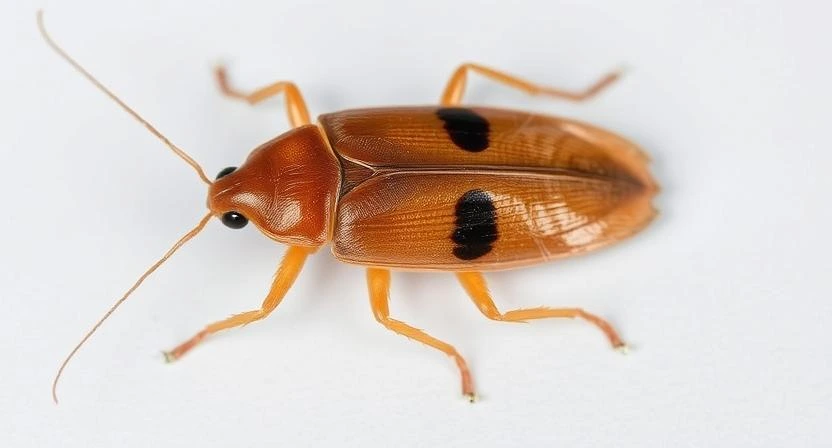
The German cockroach is a small but very common cockroach found indoors. They are known for their rapid breeding and strong survival skills. Once they invade a place, they are very hard to get rid of.
Identification
- Size: About 0.5 to 0.6 inches long
- Color: Light brown to tan with two dark parallel stripes on the back
- Wings: Present but rarely used for flying
- Antennae: Long and thread-like
- Shape: Slim and oval
Habitat
German cockroaches love warm, humid environments. They are often found in kitchens, bathrooms, and other areas where food and water are available.
Behavior
They are active at night and hide during the day. German cockroaches eat almost anything, including crumbs, grease, soap, and even toothpaste. They spread quickly because females carry their egg cases until the eggs are ready to hatch.
Lifespan and Lifecycle
Their lifespan is around 100 to 200 days. Females can produce up to 300-400 offspring in their lifetime. Nymphs hatch from egg cases and go through several molts before becoming adults.
3. Oriental Cockroach
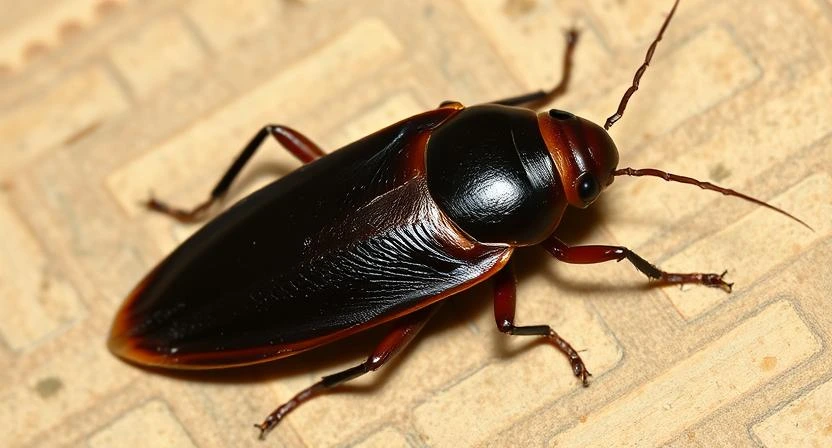
The Oriental cockroach is sometimes called the “water bug” because it likes damp places. It is slower than other cockroaches and cannot fly.
Identification
- Size: About 1 to 1.25 inches long
- Color: Shiny dark brown or almost black
- Wings: Shorter in females; males have longer wings but don’t fly
- Antennae: Long and thin
- Shape: Broad and heavy-looking body
Habitat
Oriental cockroaches prefer cool, moist areas like basements, drains, and sewers. Outside, they hide under stones, mulch, and wet leaves.
Behavior
They move more slowly than other cockroach types. Oriental cockroaches are scavengers and eat decaying organic matter. They usually come indoors during hot or dry weather in search of moisture.
Lifespan and Lifecycle
Oriental cockroaches live about 6 months to 2 years. Females produce egg cases containing around 16 eggs each. Nymphs take about a year to develop into adults, depending on temperature and food availability.
4. Brown-banded Cockroach
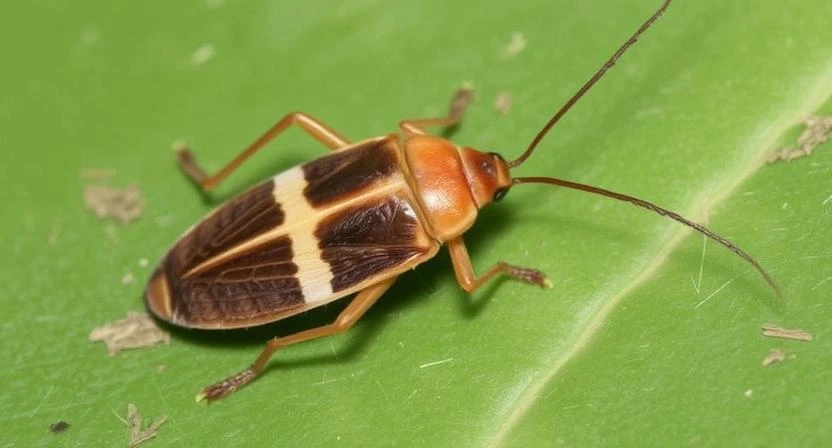
The Brown-banded cockroach is smaller and more colorful compared to other species. They get their name from the light bands that run across their wings and body.
Identification
- Size: About 0.5 inches long
- Color: Light brown with two lighter bands across the wings
- Wings: Present; males can fly, females usually do not
- Antennae: Long and slender
- Shape: Small and slim
Habitat
They prefer warm, dry environments and are often found in higher areas like ceilings, walls, behind picture frames, and inside furniture. Unlike other cockroaches, they don’t need as much moisture.
Behavior
Brown-banded cockroaches are very active and good at hiding. They mostly come out at night to feed. Their diet includes starchy materials like glue, wallpaper paste, and even book bindings.
Lifespan and Lifecycle
Their lifespan is around 5 to 6 months. Females produce egg cases containing about 10 to 18 eggs. The nymphs take about 3 to 6 months to grow into adults, depending on conditions.
5. Smokybrown Cockroach

The Smokybrown cockroach is known for its shiny, dark brown color. They are strong fliers and are usually found outdoors.
Identification
- Size: About 1 to 1.5 inches long
- Color: Uniform shiny dark brown
- Wings: Very large; they cover the entire body and enable flight
- Antennae: Long and sensitive
- Shape: Slim and oval
Habitat
They prefer warm, humid outdoor environments like gardens, greenhouses, and under mulch. Indoors, they are often found in attics or crawl spaces.
Behavior
These cockroaches are strong fliers and are attracted to lights at night. They feed on plant material, garbage, and any decaying organic matter.
Lifespan and Lifecycle
Smokybrown cockroaches live about 6 months to 1 year. Females produce egg cases with around 20 eggs each. It takes about 6 months for the nymphs to reach adulthood.
6. Australian Cockroach
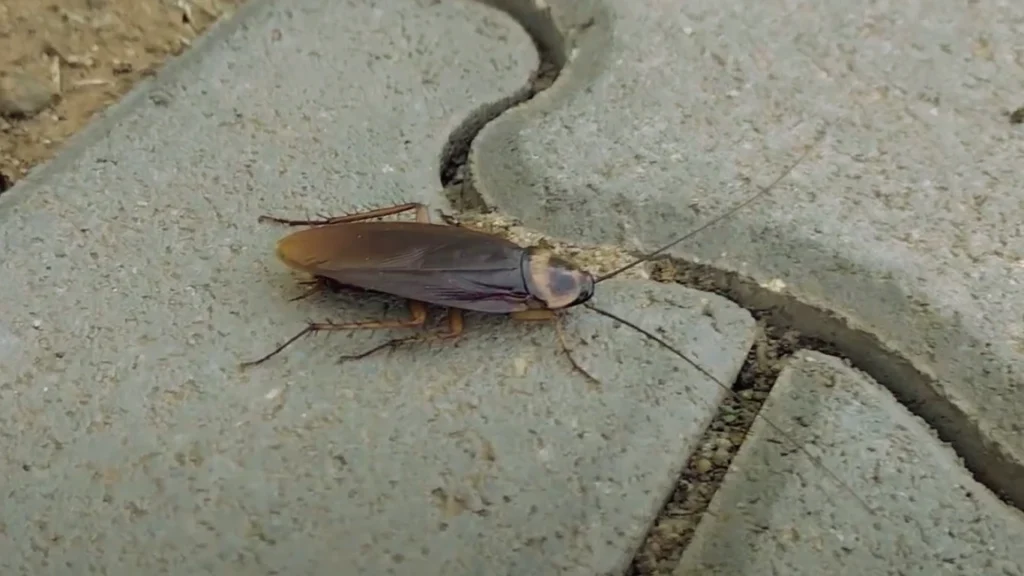
The Australian cockroach looks similar to the American cockroach but has distinctive yellow markings. Despite the name, it is found in many parts of the world.
Identification
- Size: About 1.2 to 1.5 inches long
- Color: Reddish-brown with yellow margins on the thorax and yellow streaks on the wings
- Wings: Fully developed and good for flying
- Antennae: Long and thin
- Shape: Oval and flat
Habitat
Australian cockroaches prefer warm, moist environments. They are often found in greenhouses, gardens, and inside homes, especially in kitchens and bathrooms.
Behavior
They are fast runners and can fly short distances. Australian cockroaches feed on a variety of plant and organic materials and are mostly active at night.
Lifespan and Lifecycle
Their lifespan is about 6 months to over a year. Females lay egg cases containing around 24 eggs. Nymphs take several months to mature into adults, depending on environmental conditions.
7. Surinam Cockroach

The Surinam cockroach is known for being a burrower and is unique because almost all individuals are females that reproduce without mating.
Identification
- Size: About 0.75 to 1 inch long
- Color: Shiny dark brown to black with lighter margins
- Wings: Present and cover the body; rarely used for flying
- Antennae: Long and curved
- Shape: Broad and slightly flattened
Habitat
They prefer warm, moist soil and are often found in greenhouses, gardens, and potted plants. Indoors, they can be found in damp basements or crawl spaces.
Behavior
Surinam cockroaches are burrowers and live underground or under debris. They feed on decaying plant material and are rarely seen unless disturbed.
Lifespan and Lifecycle
Their lifespan is about 1 year. Females give birth to live young instead of laying eggs. Each female can produce dozens of offspring during her life.
8. Madagascar Hissing Cockroach
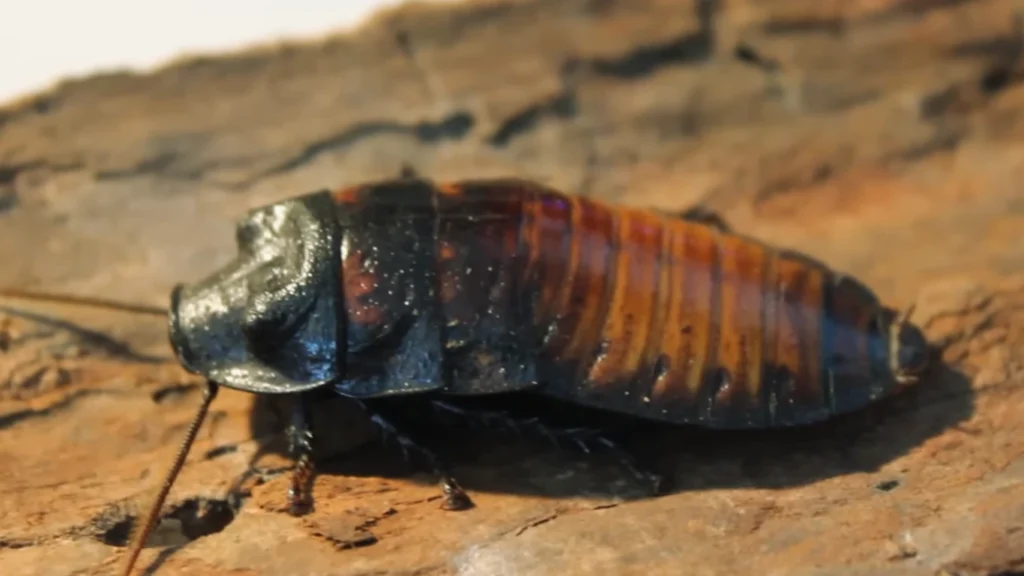
The Madagascar hissing cockroach is famous for the loud hissing noise it makes. It is one of the largest cockroach species and is often kept as a pet.
Identification
- Size: About 2 to 4 inches long
- Color: Dark brown to black
- Wings: Absent in both males and females
- Antennae: Long and thick
- Shape: Wide and oval
Habitat
They are native to the forests of Madagascar. They live under logs, leaf litter, and in other hidden, moist places on the forest floor.
Behavior
These cockroaches hiss by forcing air through tiny holes on their bodies. They use hissing to scare predators, attract mates, or fight with rivals. They feed on fallen fruit and decaying plants.
Lifespan and Lifecycle
Their lifespan is about 2 to 5 years. Females carry the eggs inside their bodies until they hatch. Young nymphs molt several times before becoming adults.
9. Florida Woods Cockroach

The Florida woods cockroach is also called the “stinking cockroach” because of the strong odor it releases when threatened.
Identification
- Size: About 1.2 to 1.6 inches long
- Color: Dark reddish-brown to black
- Wings: Very short and non-functional
- Antennae: Long and slightly curved
- Shape: Broad and flat
Habitat
They are found outdoors in Florida and nearby southern states. They prefer moist, shaded areas like under logs, in mulch, or under piles of leaves.
Behavior
Florida woods cockroaches are slow movers. They release a strong, foul-smelling chemical to protect themselves from predators. They feed on decaying organic matter.
Lifespan and Lifecycle
Their lifespan is around 1 year. Females produce egg cases that they hide in moist places. It takes several months for nymphs to mature into adults.
10. Turkestan Cockroach
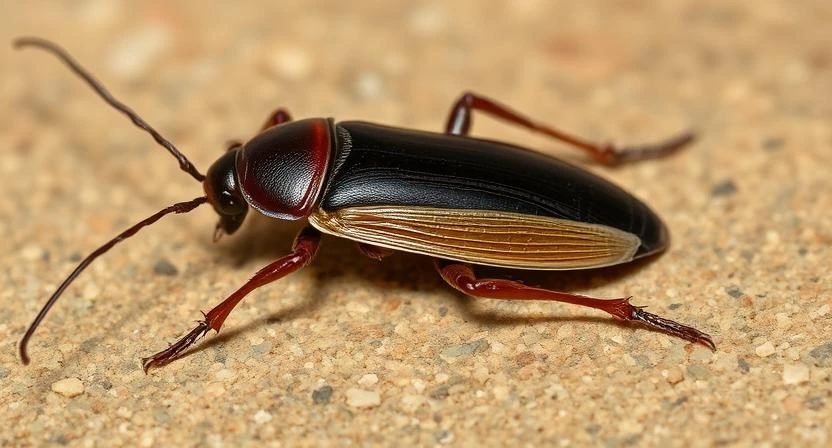
The Turkestan cockroach is a fast-growing species that has become common in many urban areas. They are often found outdoors but sometimes move inside buildings.
Identification
- Size: About 0.8 to 1.2 inches long
- Color: Males are light brown with yellowish wings; females are dark brown to black with short wings
- Wings: Males have long wings and can fly; females have short, non-functional wings
- Antennae: Long and thin
- Shape: Slim in males, broader in females
Habitat
Turkestan cockroaches prefer warm, dry areas like gardens, yards, cracks in sidewalks, and building foundations. They are also common in sewer systems.
Behavior
They are nocturnal and move quickly when disturbed. Males are strong fliers, especially attracted to lights at night. They feed on organic matter, including food scraps and decaying plants.
Lifespan and Lifecycle
Their lifespan is about 6 months to 1 year. Females lay egg cases with around 18 to 24 eggs each. Nymphs grow into adults within several months, depending on the temperature and food supply.
11. Asian Cockroach

The Asian cockroach looks very similar to the German cockroach but has some different habits. They are good fliers and are often found outdoors.
Identification
- Size: About 0.5 inches long
- Color: Light brown with two dark stripes behind the head
- Wings: Long and used for flying
- Antennae: Long and slender
- Shape: Slim and oval
Habitat
Asian cockroaches prefer outdoor areas like lawns, gardens, and under leaves. They often come indoors when attracted by lights.
Behavior
They are active at dusk and can fly towards lights. They feed on plant material, crumbs, and food waste. Unlike German cockroaches, they do not usually infest kitchens or bathrooms.
Lifespan and Lifecycle
Their lifespan is about 100 to 200 days. Females produce egg cases containing about 30 to 40 eggs. Nymphs develop into adults within a few months.
12. Cuban Cockroach

The Cuban cockroach is a green, flying cockroach often found in warm climates. It is sometimes called the “green banana cockroach.”
Identification
- Size: About 0.5 to 1 inch long
- Color: Bright green
- Wings: Fully developed and used for flying
- Antennae: Long and straight
- Shape: Slim and flat
Habitat
They live outdoors in warm, humid environments like trees, gardens, and shrubs. They are also attracted to lights at night.
Behavior
Cuban cockroaches are good fliers and are mostly active during the night. They feed on plant material, fruits, and decaying matter. They rarely invade homes.
Lifespan and Lifecycle
Their lifespan is around 4 to 6 months. Females lay egg cases in moist soil or leaf litter. Nymphs develop into adults after several molts.
13. Sand Cockroach
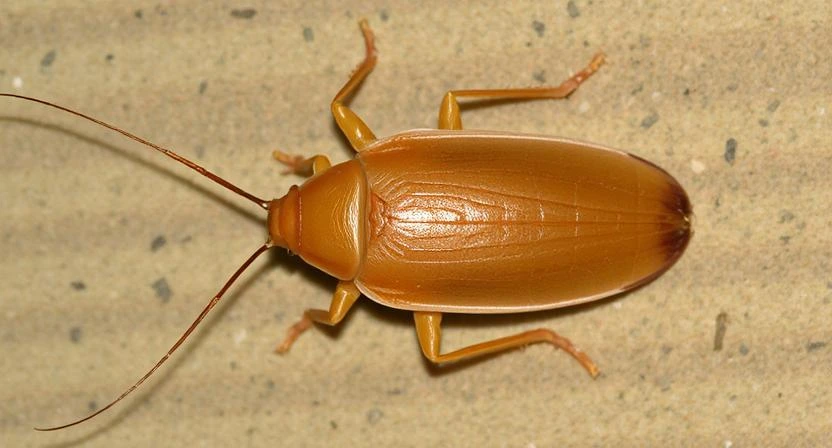
The Sand cockroach is a burrowing species that lives mostly in sandy soils. They are not usually considered household pests.
Identification
- Size: About 0.5 to 1 inch long
- Color: Light tan to brown
- Wings: Short or absent; not used for flying
- Antennae: Shorter compared to other cockroaches
- Shape: Round and thick body
Habitat
Sand cockroaches live in dry, sandy areas like deserts and sandy fields. They burrow underground to stay cool and safe.
Behavior
They are slow-moving and rarely seen above ground during the day. They feed on decaying plant materials and organic matter found in the soil.
Lifespan and Lifecycle
Their lifespan is about 6 months to 1 year. Females lay egg cases underground. Nymphs develop slowly and remain hidden in the sand for most of their life.
14. Death’s Head Cockroach

The Death’s Head cockroach gets its name from the skull-like marking on its thorax. It is large and has a heavy body.
Identification
- Size: About 2 to 3 inches long
- Color: Dark brown to black with a cream-colored skull-like pattern
- Wings: Fully developed; can glide short distances
- Antennae: Long and straight
- Shape: Wide and flattened
Habitat
They prefer warm, humid environments and are often found under logs, leaf litter, and inside decaying wood.
Behavior
These cockroaches are mostly nocturnal and feed on a wide variety of organic material. They are not aggressive and move slowly compared to other cockroaches.
Lifespan and Lifecycle
Their lifespan is about 1 to 2 years. Females carry their egg cases for a while before dropping them in moist, protected places. Nymphs take several molts to become adults.
15. Green Banana Cockroach

The Green Banana cockroach is known for its bright green color and strong flying ability. It is often mistaken for a leaf because of its color and shape.
Identification
- Size: About 0.5 to 1 inch long
- Color: Bright green
- Wings: Fully developed for flying
- Antennae: Long and thin
- Shape: Slim and leaf-like
Habitat
They live outdoors in tropical and subtropical areas. They are commonly found in gardens, trees, and shrubs, especially near banana plants.
Behavior
Green Banana cockroaches are active at night and are attracted to lights. They feed mainly on plant material and decaying organic matter. They are not considered indoor pests.
Lifespan and Lifecycle
Their lifespan is about 4 to 6 months. Females lay egg cases in moist soil or hidden areas. Nymphs develop into adults through several molts.
16. Giant Burrowing Cockroach

The Giant Burrowing cockroach, also called the “Queensland Giant Cockroach,” is the heaviest cockroach in the world.
Identification
- Size: Up to 3.3 inches long and weighing over 30 grams
- Color: Brown to dark brown
- Wings: Absent
- Antennae: Thick and long
- Shape: Broad and heavy-bodied
Habitat
They are native to Australia and live underground, burrowing deep into sandy soil. They prefer dry forests and grasslands.
Behavior
They are strong diggers and create complex burrow systems. They feed mainly on dry leaves and organic debris. Unlike many other cockroaches, they are clean and do not carry diseases.
Lifespan and Lifecycle
Their lifespan is very long for a cockroach—up to 10 years. Females give birth to live young, and the nymphs stay with the mother for a few months before becoming in
