
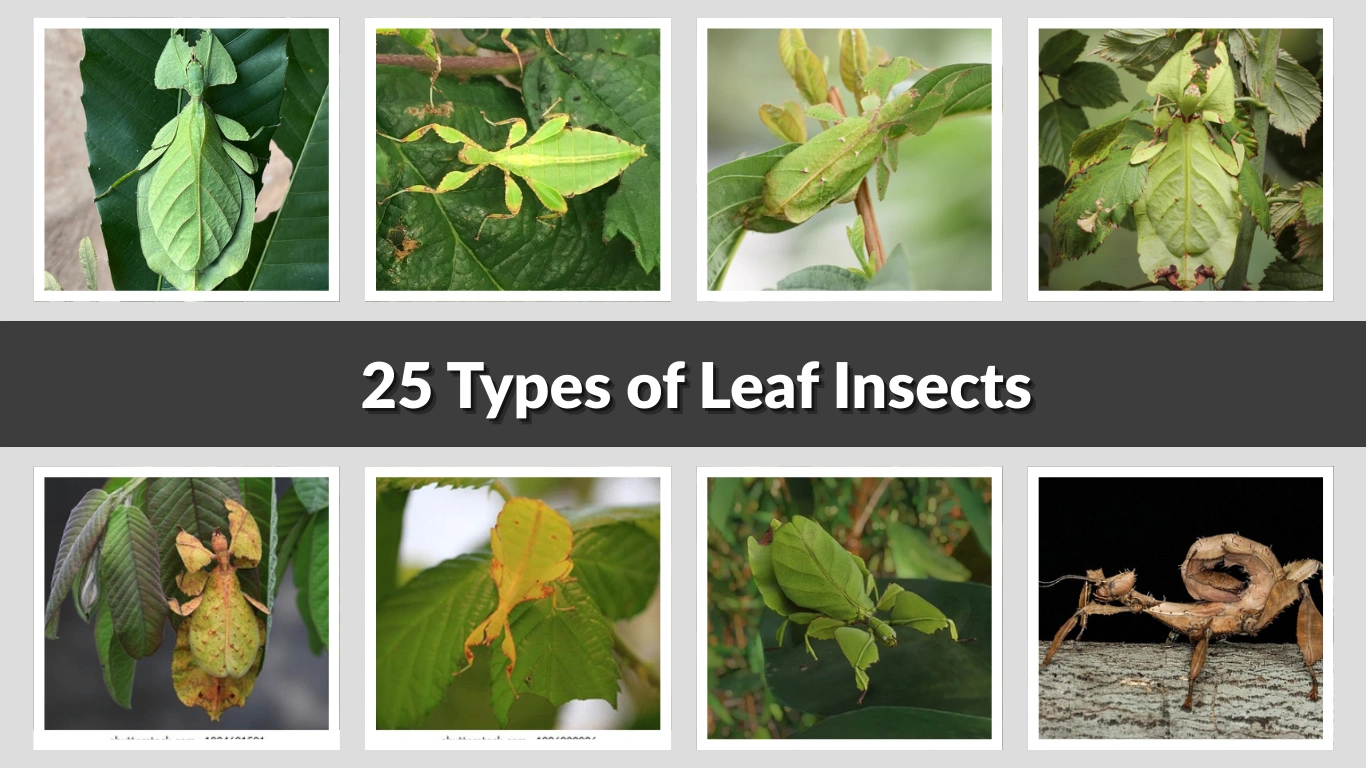
Leaf insects are some of nature’s most fascinating masters of disguise. Perfectly mimicking real leaves with their shapes, colors, and vein-like markings, these insects are almost invisible in their natural habitats. Found mainly in Southeast Asia, their incredible camouflage protects them from predators while showcasing the wonders of evolution. In this article, we explore 25 types of leaf insects, each with its own unique adaptations and natural beauty.
1. Giant Leaf Insect
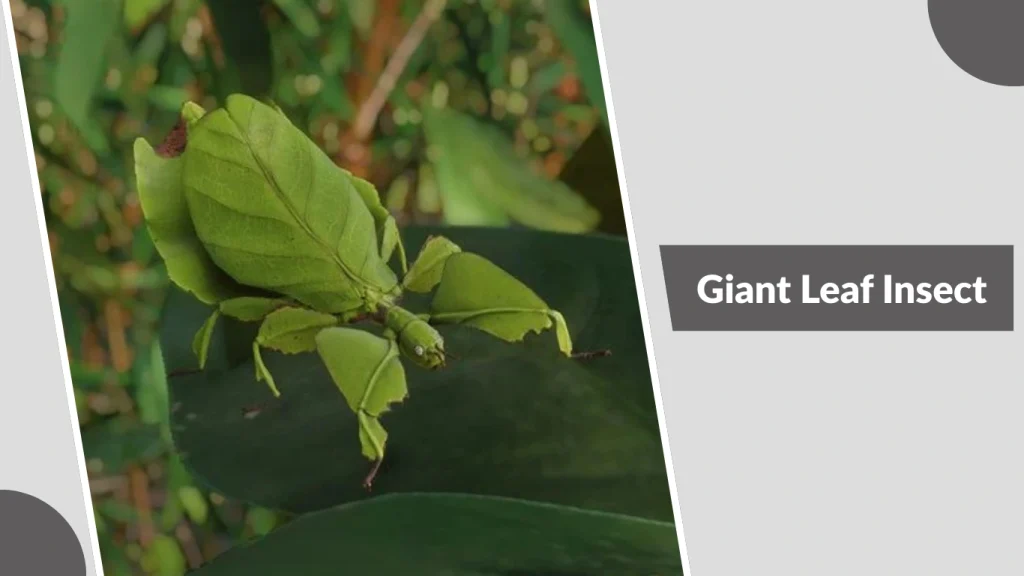
The Giant Leaf Insect (Phyllium giganteum) is the largest known species of leaf insect, capable of reaching impressive sizes that make it look almost identical to a real leaf. Native to Malaysia, this insect is a master of camouflage, blending perfectly into its environment to avoid predators.
Identification
- Largest species of leaf insect, up to 10–12 cm (4–5 in) long
- Flat, leaf-shaped body with green coloration
- Prominent leaf-like veins across the wings and body
- Females are larger and broader than males
- Males are slimmer, with fully developed wings for flight
Behavior
The Giant Leaf Insect relies heavily on mimicry, swaying like a leaf in the wind to avoid detection. They are mostly nocturnal feeders, nibbling on leaves during the night while remaining still in the daytime.
Habitat
They are found in the tropical forests of Malaysia, usually in areas with dense foliage where their camouflage is most effective.
Importance
This insect is a fascinating example of natural evolution and adaptation. It serves as an educational species to showcase the wonders of camouflage and is also popular in insect collections and ecological studies.
2. Malayan Leaf Insect
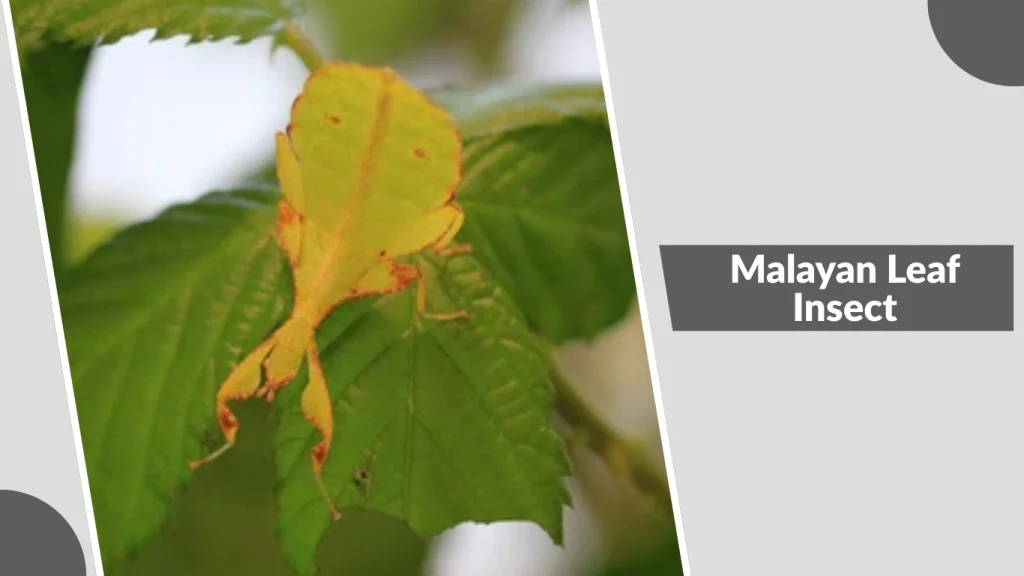
The Malayan Leaf Insect (Phyllium bioculatum) is one of the most widespread and well-known species of leaf insects. It is particularly famous for its unique variations in coloration and the eye-like spots on its wings, which add to its mimicry and defense mechanisms.
Identification
- Medium-sized leaf insect, about 6–10 cm (2.5–4 in) long
- Broad, flat body resembling a fresh green leaf
- Distinctive eye-like spots on the hind wings (especially in males)
- Females are larger, heavier, and less capable of flight
- Males are slimmer, fully winged, and more active
Behavior
The Malayan Leaf Insect spends most of its time motionless, blending with surrounding leaves. When disturbed, it may sway gently, imitating the movement of leaves in the wind. Males are more mobile and seek out females for mating, while females remain relatively sedentary.
Habitat
This species is native to Malaysia and other parts of Southeast Asia, inhabiting tropical forests with dense foliage. They are often found on shrubs and trees, perfectly camouflaged among the leaves.
Importance
The Malayan Leaf Insect is often used in research and education to demonstrate insect camouflage and sexual dimorphism. It is also popular among insect enthusiasts for captive rearing due to its stunning appearance.
3. Javan Leaf Insect

The Javan Leaf Insect (Phyllium jacobsoni) is a rare and beautiful species found on the island of Java, Indonesia. Its remarkable camouflage allows it to look like a living leaf, complete with detailed venation, making it almost impossible to spot in its natural environment.
Identification
- Medium-sized leaf insect, about 7–9 cm (2.8–3.5 in) long
- Bright green body with intricate leaf-like vein patterns
- Flattened body and wings resembling fresh foliage
- Females are larger, with broader abdomens and reduced flight ability
- Males are slimmer, with longer wings and the ability to fly
Behavior
Javan Leaf Insects are masters of disguise, often remaining still during the day to avoid predators. They sway gently when they move, mimicking the motion of leaves in the breeze. They feed mainly on guava and mango leaves in the wild.
Habitat
Endemic to Java, they inhabit tropical forests and gardens where dense vegetation provides excellent camouflage.
Importance
This species highlights the incredible diversity of leaf insects across Southeast Asia. It is of interest to entomologists and insect keepers, showcasing the perfection of leaf mimicry in nature.
4. Pulchriphyllium Leaf Insect
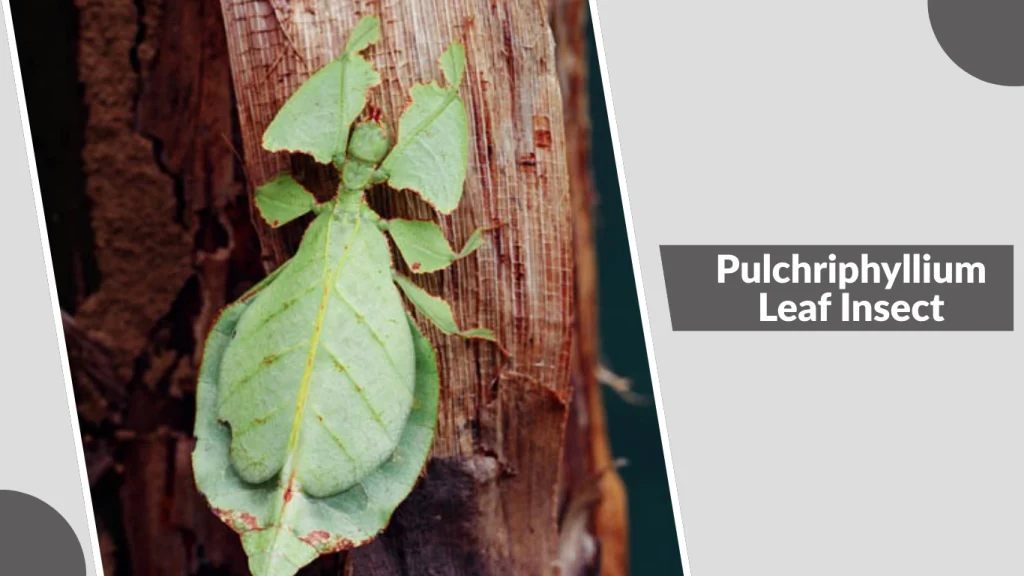
The Pulchriphyllium Leaf Insect (Pulchriphyllium pulchrifolium) is a stunning member of the leaf insect family, well known for its broad, rounded leaf-like body and vibrant green coloration. Its name “pulchrifolium” literally means “beautiful leaf,” perfectly describing its appearance.
Identification
- Medium-sized insect, around 8–10 cm (3–4 in) long
- Wide, rounded body with clear leaf-like venation
- Bright green coloration, sometimes with yellowish edges resembling leaf damage
- Females are broader and heavier, rarely flying
- Males are slimmer, fully winged, and capable of flight
Behavior
This insect relies on stillness and mimicry to escape predators. When moving, it sways back and forth, imitating leaves in the breeze. They are primarily nocturnal feeders, consuming guava, mango, and other tropical leaves.
Habitat
Native to Southeast Asia, particularly the Philippines and surrounding islands, this species thrives in tropical forests with dense greenery.
Importance
The Pulchriphyllium Leaf Insect is a favorite among insect enthusiasts and breeders because of its striking beauty. It also serves as an important species for studies on camouflage and adaptation.
5. Philippine Leaf Insect

The Philippine Leaf Insect (Phyllium philippinicum) is a striking species found in the lush tropical forests of the Philippines. Known for its exceptional leaf mimicry, it is often mistaken for a real leaf due to its shape, veins, and natural green coloring.
Identification
- Medium-sized insect, about 6–9 cm (2.5–3.5 in) long
- Flat, oval-shaped body resembling a green leaf
- Prominent leaf-like veins across the wings and body
- Females are larger, broader, and flightless
- Males are smaller, slimmer, and fully winged for flight
Behavior
Philippine Leaf Insects are mostly nocturnal, feeding on leaves during the night. By day, they remain motionless, blending into foliage to avoid predators. They often sway gently to mimic leaves moving in the wind.
Habitat
This species is native to the Philippines, inhabiting rainforests and areas with dense vegetation where camouflage is most effective.
Importance
They are important examples of natural mimicry and adaptation, making them popular in scientific research and among insect breeders. Their presence also highlights the biodiversity of the Philippines’ tropical ecosystems.
6. Sabah Leaf Insect
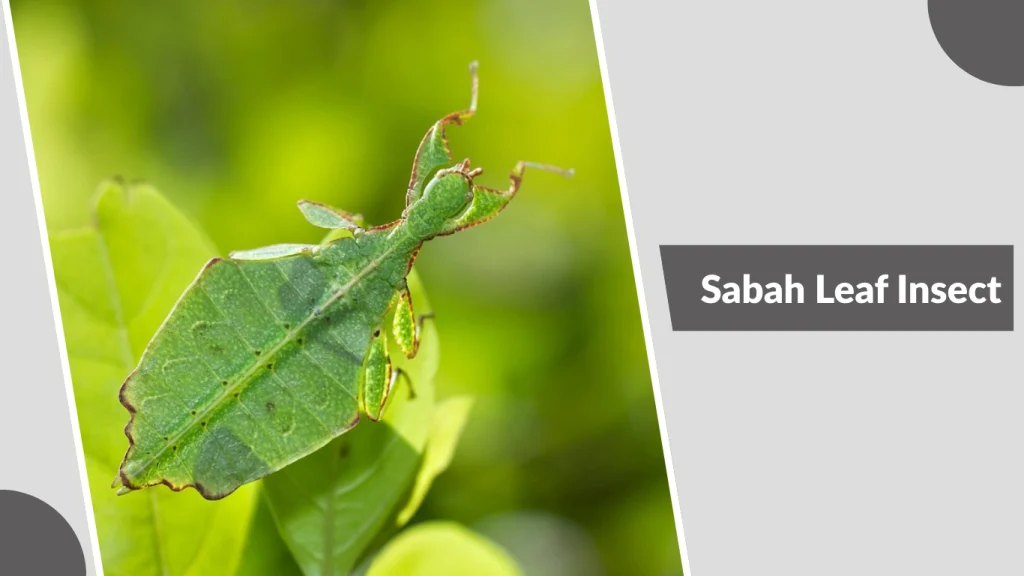
The Sabah Leaf Insect (Phyllium sabahense) is a remarkable species native to the forests of Sabah in Borneo. Known for its near-perfect resemblance to fresh green leaves, it remains one of the most fascinating leaf insects due to its size and intricate vein-like patterns.
Identification
- Medium to large-sized insect, about 7–10 cm (3–4 in) long
- Bright green, flat body shaped like a leaf
- Detailed vein patterns across the wings and abdomen
- Females are larger, heavier, and flightless
- Males are slimmer, fully winged, and capable of short flights
Behavior
Sabah Leaf Insects are experts in camouflage, remaining still for long periods to avoid predators. When they do move, they mimic the natural swaying of leaves in the breeze. They are mostly nocturnal, feeding on leaves such as guava and mango.
Habitat
Endemic to the rainforests of Sabah, Borneo, this species thrives in dense tropical vegetation where their mimicry is highly effective.
Importance
This species is valued in entomology and insect keeping for its unique beauty and camouflage skills. It also highlights the rich biodiversity of Borneo, one of the most important ecological hotspots in the world.
7. Celebes Leaf Insect
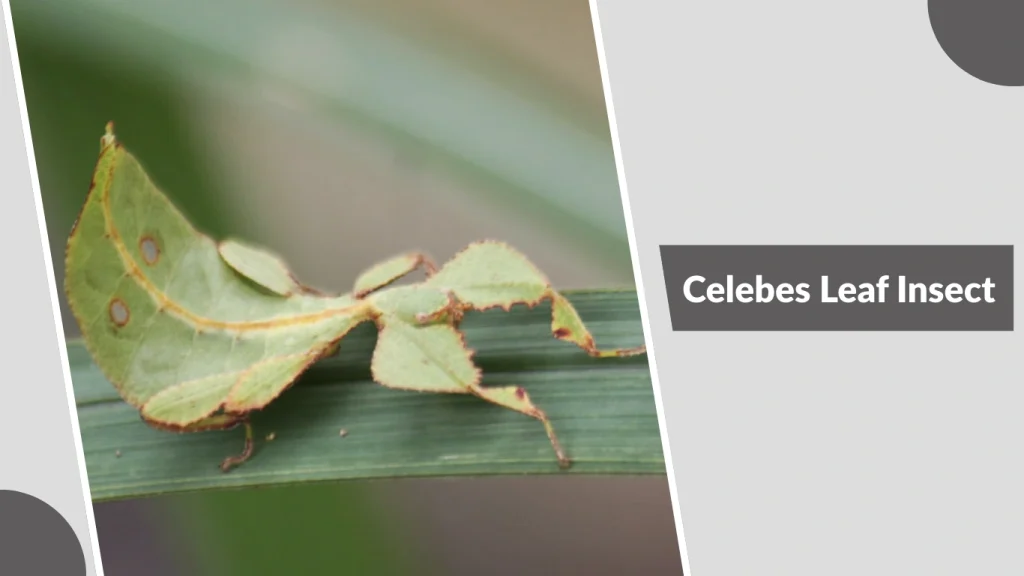
The Celebes Leaf Insect (Phyllium celebicum) is an impressive species native to Sulawesi (formerly known as Celebes), Indonesia. Its leaf-like body and delicate vein markings make it nearly indistinguishable from real foliage, offering it excellent protection against predators.
Identification
- Medium-sized insect, measuring about 7–9 cm (2.8–3.5 in) long
- Flat, broad body closely resembling a green leaf
- Prominent vein-like patterns on wings and body
- Females are wider, heavier, and flightless
- Males are slimmer with functional wings, capable of short flights
Behavior
Celebes Leaf Insects rely on mimicry to survive, staying motionless during the day and feeding at night. They sway gently as they move, perfectly imitating leaves in the wind. Their diet mainly consists of guava, mango, and other tropical leaves.
Habitat
This species inhabits the tropical rainforests of Sulawesi, where dense vegetation provides both food and camouflage.
Importance
The Celebes Leaf Insect is a vital example of adaptive evolution, showcasing how insects develop extraordinary camouflage. It is also significant for insect collectors and researchers studying mimicry and biodiversity in Indonesian ecosystems.
8. Pulchriphyllium Leaf Insect (Pulchriphyllium sinense)
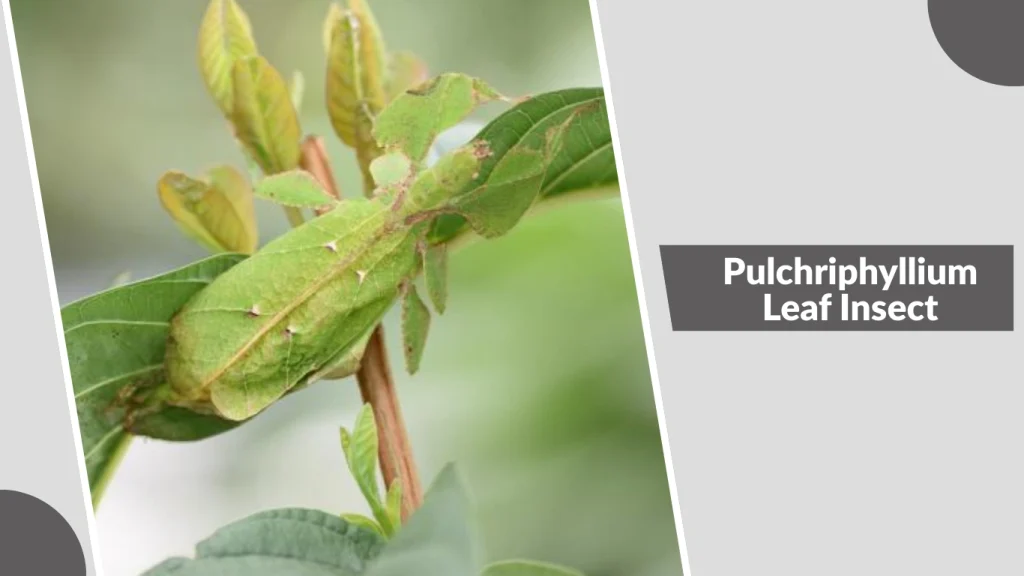
The Pulchriphyllium Leaf Insect (Pulchriphyllium sinense) is a captivating species known for its beautifully rounded leaf-like body. Native to parts of Southeast Asia, it is admired for its flawless mimicry, which allows it to blend seamlessly with surrounding foliage.
Identification
- Medium-sized insect, about 7–9 cm (2.8–3.5 in) long
- Rounded, broad body resembling a fresh green leaf
- Clear vein-like markings across the wings and abdomen
- Females are wider, heavier, and unable to fly
- Males are slimmer, fully winged, and capable of flight
Behavior
This insect uses stillness and mimicry as its main defense, spending much of the day immobile among leaves. When moving, it sways gently, imitating leaf movement in the wind. It is primarily nocturnal, feeding on guava, mango, and other tropical plants.
Habitat
The species thrives in tropical forests of Southeast Asia, where its mimicry is most effective against predators.
Importance
The Pulchriphyllium Leaf Insect is a prized species among insect enthusiasts and researchers, often studied for its evolutionary adaptations and incredible camouflage abilities.
9. Andaman Leaf Insect

The Andaman Leaf Insect (Phyllium andamicum) is a rare species native to the Andaman Islands of India. It is highly valued for its remarkable mimicry, blending flawlessly into tropical vegetation where it remains almost invisible to predators.
Identification
- Medium-sized insect, around 7–9 cm (2.8–3.5 in) long
- Flat, leaf-shaped body with prominent vein-like patterns
- Bright green coloration, sometimes with brownish edges imitating leaf damage
- Females are broader, heavier, and flightless
- Males are smaller, slimmer, and equipped with functional wings for flight
Behavior
The Andaman Leaf Insect is a master of camouflage, spending much of the day still among leaves. When it moves, it sways gently to mimic leaf motion in the wind. It feeds mainly at night on guava, mango, and other foliage.
Habitat
Endemic to the Andaman Islands, this species thrives in dense tropical forests with rich vegetation.
Importance
This insect is a unique representative of the Andaman biodiversity. It draws attention from entomologists and insect enthusiasts for its rarity, beauty, and extraordinary camouflage strategies.
10. Sumatra Leaf Insect
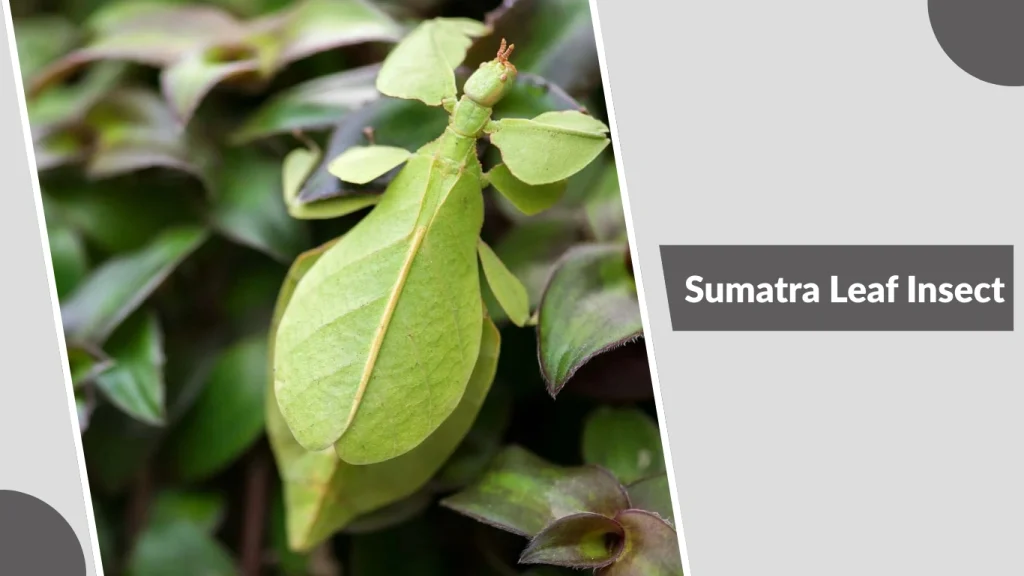
The Sumatra Leaf Insect (Phyllium sumatranum) is a beautifully camouflaged species found in the tropical forests of Sumatra, Indonesia. Its body closely resembles a living leaf, making it nearly impossible to spot when resting among foliage.
Identification
- Medium to large-sized insect, about 8–10 cm (3–4 in) long
- Flat, elongated body with clear leaf-like venation
- Bright green coloration, sometimes with brown patches resembling leaf decay
- Females are broader, heavier, and unable to fly
- Males are slimmer, fully winged, and capable of short flights
Behavior
The Sumatra Leaf Insect relies on mimicry for protection. It remains motionless during the day and becomes more active at night, feeding on guava, mango, and other tropical leaves. Its gentle swaying motion perfectly imitates leaves moving in the wind.
Habitat
Endemic to Sumatra, this species thrives in dense rainforests where its camouflage offers the best protection against predators.
Importance
This insect highlights the evolutionary brilliance of camouflage and adaptation. It also holds ecological value by contributing to the balance of tropical forest ecosystems and is admired by insect collectors worldwide.
11. Kalimantan Leaf Insect
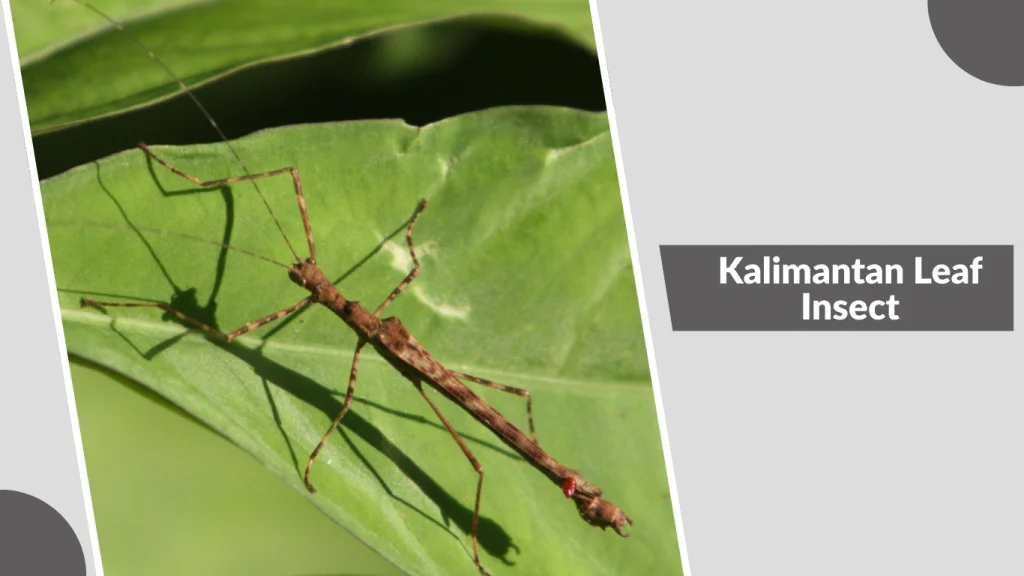
The Kalimantan Leaf Insect (Phyllium kalimantanense) is a fascinating species native to the dense rainforests of Borneo’s Kalimantan region. Its body is almost indistinguishable from surrounding leaves, showcasing nature’s perfect camouflage.
Identification
- Medium-sized insect, about 7–9 cm (2.8–3.5 in) long
- Broad, flat body shaped like a leaf
- Prominent leaf-like venation across the wings and abdomen
- Bright green coloration, sometimes with brown-tinted edges mimicking leaf damage
- Females are larger and heavier, flightless
- Males are slimmer, with wings that allow short flights
Behavior
The Kalimantan Leaf Insect remains still during the day, blending into foliage to avoid predators. At night, it feeds on guava, mango, and other tropical plants. When walking, it sways gently, enhancing its leaf-like disguise.
Habitat
This species inhabits the tropical rainforests of Kalimantan, Borneo, where thick vegetation provides ideal conditions for camouflage.
Importance
The Kalimantan Leaf Insect is significant for both ecological balance and scientific study, serving as a prime example of evolutionary adaptation. It also attracts insect collectors and researchers due to its rarity and beauty.
12. Pulchriphyllium Leaf Insect (Pulchriphyllium crurifolium)
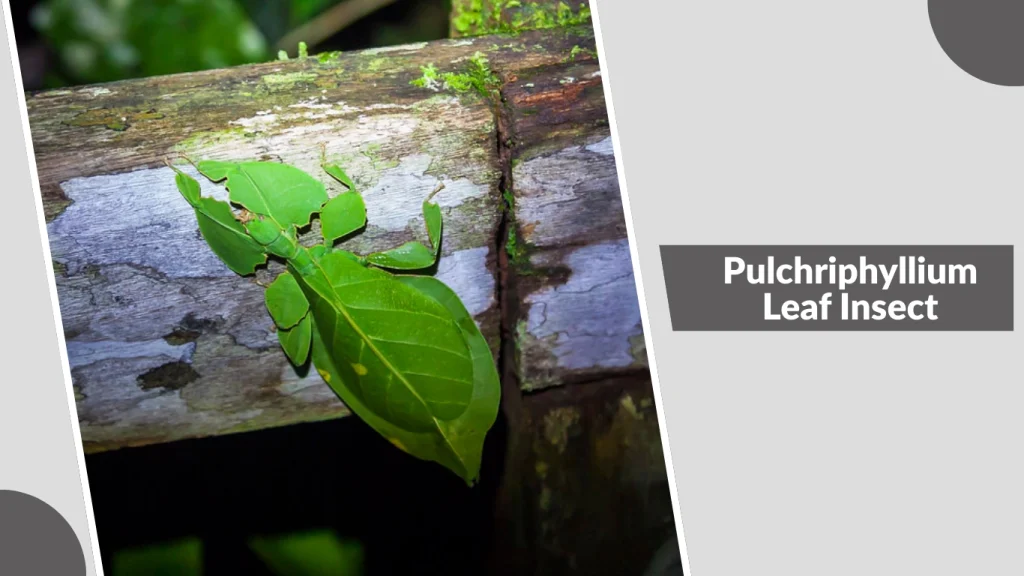
The Pulchriphyllium Leaf Insect (Pulchriphyllium crurifolium) is a striking species recognized for its rounded, leaf-like body. With intricate vein patterns and a lifelike appearance, it is among the most admired leaf insects kept by enthusiasts worldwide.
Identification
- Medium-sized insect, about 7–9 cm (2.8–3.5 in) long
- Rounded, broad body resembling a fresh green leaf
- Prominent vein-like structures across wings and abdomen
- Females are larger, heavy-bodied, and unable to fly
- Males are slimmer, fully winged, and capable of flight
Behavior
This species relies on stillness and mimicry, remaining motionless during the day to avoid predators. At night, it becomes active, feeding on leaves such as guava and mango. When disturbed, it may sway slightly to imitate a leaf moving in the wind.
Habitat
Native to Southeast Asia, this species inhabits tropical forests where dense vegetation enhances its camouflage.
Importance
The Pulchriphyllium Leaf Insect is a valuable species for scientific studies on mimicry and adaptation. It is also popular among insect breeders and collectors, thanks to its exceptional beauty and natural leaf-like form.
13. Java Winged Leaf Insect
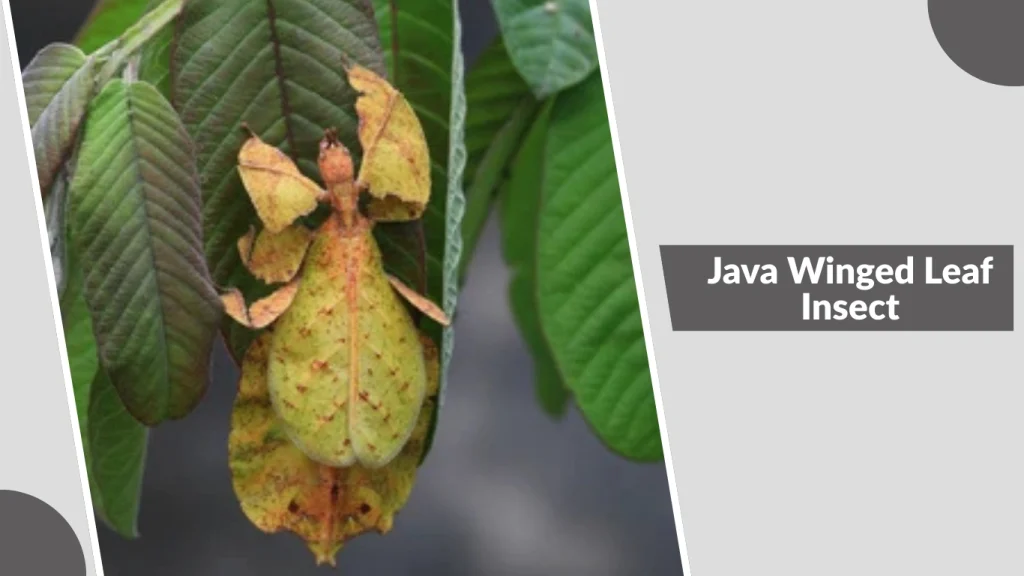
The Java Winged Leaf Insect (Phyllium siccifolium) is one of the most iconic species of leaf insects and is often referred to as the “true leaf insect.” It is well known for its excellent mimicry and its ability to look like both fresh and decaying leaves.
Identification
- Medium-sized insect, around 7–9 cm (2.8–3.5 in) long
- Broad, flat body shaped like a leaf with visible vein-like patterns
- Green coloration, sometimes with yellow or brown patches mimicking leaf decay
- Females are larger, heavier, and unable to fly
- Males are slimmer, fully winged, and capable of flight
Behavior
The Java Winged Leaf Insect relies on its incredible camouflage to survive. During the day, it remains motionless among foliage, while at night it feeds on tropical leaves such as guava and mango. Its gentle swaying enhances its disguise by imitating natural leaf movement.
Habitat
This species is native to Java, Indonesia, and surrounding regions, thriving in tropical forests with abundant greenery.
Importance
As one of the most studied leaf insects, it has great significance in scientific research on camouflage and evolution. It is also popular in insect breeding and collections due to its striking natural appearance.
14. Luzon Leaf Insect
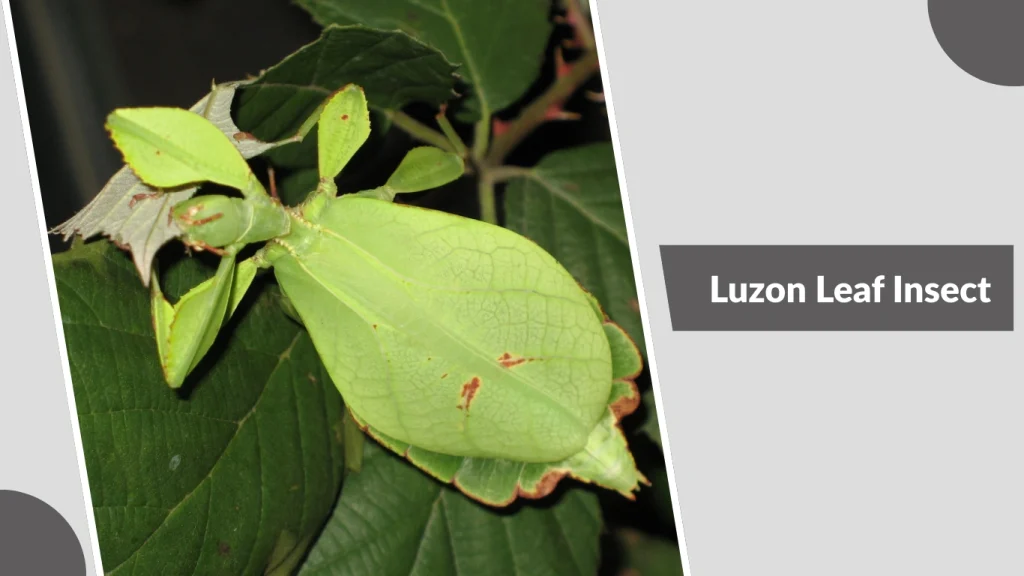
The Luzon Leaf Insect (Phyllium luzonicum) is a fascinating species native to the island of Luzon in the Philippines. It is particularly admired for its exceptional camouflage, which makes it nearly indistinguishable from the leaves it inhabits.
Identification
- Medium-sized insect, about 7–8 cm (2.8–3.1 in) long
- Flat, leaf-shaped body with detailed vein-like markings
- Bright green coloration, sometimes with yellow or brown edges imitating leaf damage
- Females are larger, heavier, and unable to fly
- Males are slimmer, with wings that allow them to fly short distances
Behavior
Luzon Leaf Insects spend most of their day motionless among foliage, relying on mimicry for protection. At night, they become active and feed on a variety of leaves such as guava and mango. They also sway gently when moving, resembling leaves in the breeze.
Habitat
Endemic to Luzon, this species inhabits tropical forests and areas with dense vegetation, where its camouflage is most effective.
Importance
This species is significant for studies on mimicry and is also popular among insect breeders. Its presence emphasizes the rich biodiversity of the Philippines’ forests.
15. Sarawak Leaf Insect
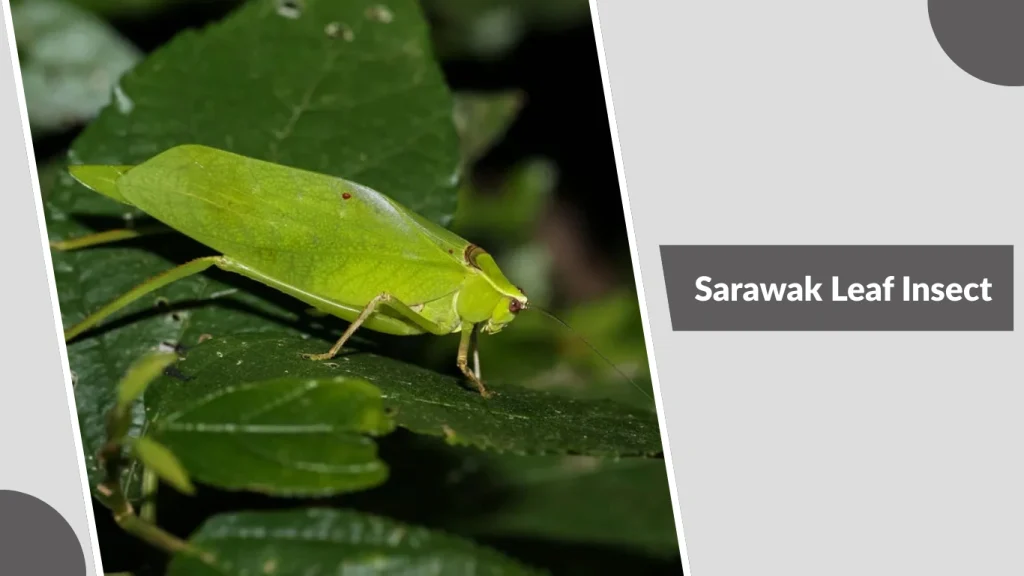
The Sarawak Leaf Insect (Phyllium hausleithneri) is a rare and beautiful species found in the rainforests of Sarawak, Malaysia. Its flawless mimicry allows it to disappear among the foliage, making it a perfect example of evolutionary camouflage.
Identification
- Medium to large-sized insect, about 8–10 cm (3–4 in) long
- Broad, flat body shaped like a green leaf with visible veins
- Green coloration, sometimes edged with brown to imitate leaf damage
- Females are larger, heavier, and flightless
- Males are slimmer, fully winged, and capable of short flights
Behavior
The Sarawak Leaf Insect remains motionless during the day, blending with leaves, and becomes more active at night to feed. It uses leaf-mimicking swaying movements when walking to enhance its disguise.
Habitat
This species is native to Sarawak on the island of Borneo, thriving in humid tropical rainforests with dense greenery.
Importance
As a rare species, it is highly valued by entomologists and collectors. It also plays a role in showcasing the rich biodiversity of Borneo and is a remarkable example of natural adaptation through mimicry.
16. Bhutan Leaf Insect

The Bhutan Leaf Insect (Phyllium bhutanense) is a unique and rare species native to the Himalayan forests of Bhutan. Its remarkable leaf-like appearance provides superb camouflage, making it nearly invisible when resting among green foliage.
Identification
- Medium-sized insect, about 7–9 cm (2.8–3.5 in) long
- Flat, oval body with intricate vein-like patterns resembling a real leaf
- Bright green coloration, sometimes with brownish patches imitating leaf decay
- Females are larger, broader, and flightless
- Males are slimmer, fully winged, and capable of short flights
Behavior
The Bhutan Leaf Insect remains still during the day to avoid predators and becomes active at night, feeding on tropical leaves such as guava and mango. When it moves, it sways slightly, imitating leaves blowing in the wind.
Habitat
This species is found in the humid tropical and subtropical forests of Bhutan, where dense vegetation enhances its camouflage.
Importance
Due to its rarity, the Bhutan Leaf Insect is valuable for scientific study and insect collections. It also highlights the biodiversity of the Himalayan ecosystem and serves as an example of evolutionary mimicry.
17. Borneo Leaf Insect
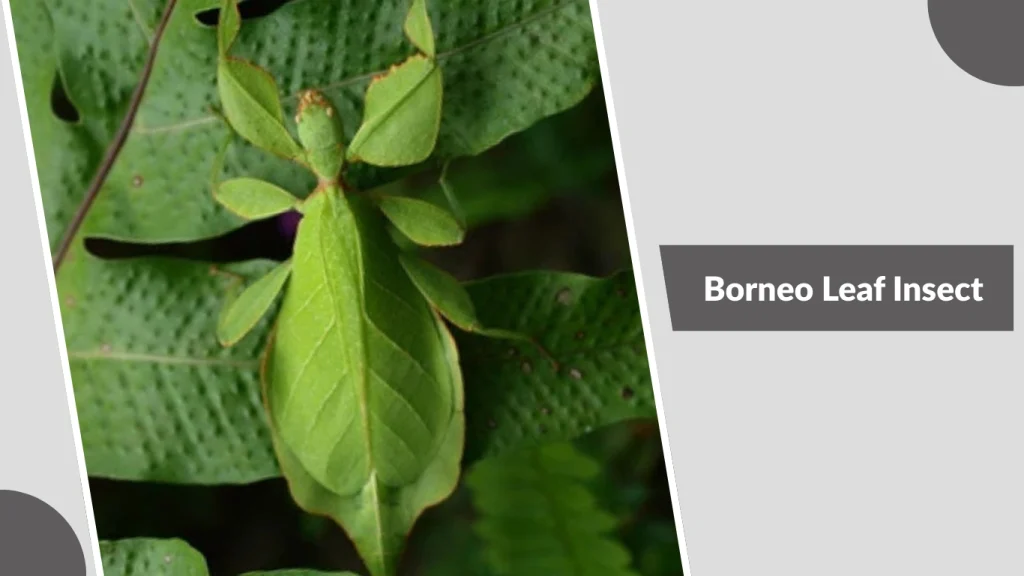
The Borneo Leaf Insect (Phyllium borneoense) is a beautifully camouflaged species found in the dense rainforests of Borneo. With its leaf-like shape and detailed vein patterns, it is almost indistinguishable from the surrounding foliage.
Identification
- Medium-sized insect, about 7–9 cm (2.8–3.5 in) long
- Flat, broad body closely resembling a green leaf
- Prominent vein-like structures across wings and abdomen
- Females are larger, heavier, and flightless
- Males are slimmer, fully winged, and capable of flight
Behavior
The Borneo Leaf Insect remains still during the day, relying on camouflage to avoid predators. At night, it feeds on tropical leaves such as guava and mango. When walking, it sways gently, imitating the natural movement of leaves in the wind.
Habitat
Native to the rainforests of Borneo, this species thrives in humid, leafy environments where its disguise is most effective.
Importance
The Borneo Leaf Insect is a vital example of natural mimicry and biodiversity. It is valued by entomologists, breeders, and collectors for its beauty and adaptation.
18. Long-tailed Leaf Insect

The Long-tailed Leaf Insect (Phyllium longicaule) is a fascinating species recognized for its unusually elongated abdomen, giving it the appearance of a stretched leaf. This unique adaptation makes it stand out among other leaf insects while still maintaining excellent camouflage.
Identification
- Medium to large-sized insect, about 8–10 cm (3–4 in) long
- Distinct elongated abdomen resembling a long leaf
- Bright green coloration with vein-like patterns across the body
- Females are larger, with broader abdomens and flightless
- Males are slimmer, fully winged, and capable of short flights
Behavior
The Long-tailed Leaf Insect depends on mimicry for survival, staying motionless during the day and feeding at night. Its long abdomen enhances its leaf-like appearance, and when walking, it sways gently to resemble leaves moving in the breeze.
Habitat
This species inhabits tropical forests in Southeast Asia, where dense foliage provides effective cover for its camouflage.
Importance
The Long-tailed Leaf Insect demonstrates the incredible diversity within the leaf insect family. Its unique form makes it of great interest to entomologists, collectors, and insect enthusiasts worldwide.
19. Westwood’s Leaf Insect
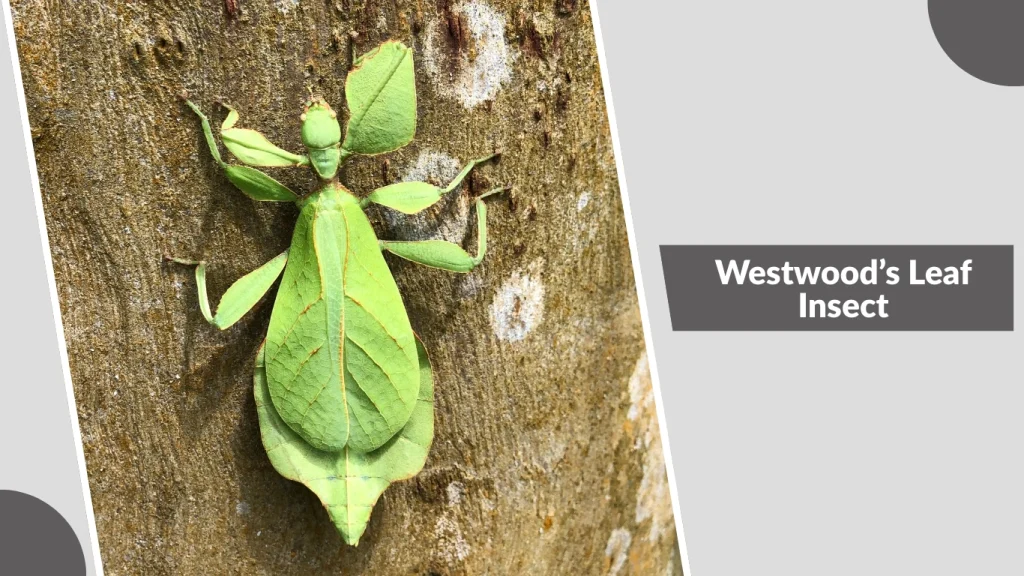
Westwood’s Leaf Insect (Phyllium westwoodii) is a well-known species named after the British entomologist John Obadiah Westwood. It is admired for its broad leaf-like body and striking resemblance to living foliage, making it a classic example of natural mimicry.
Identification
- Medium-sized insect, about 7–9 cm (2.8–3.5 in) long
- Flat, wide body with prominent leaf-like venation
- Bright green coloration, sometimes with brown patches imitating leaf decay
- Females are larger, heavier, and incapable of flight
- Males are slimmer, fully winged, and capable of short flights
Behavior
Westwood’s Leaf Insects remain motionless during the day, blending seamlessly with leaves. At night, they become active and feed on plants such as guava and mango. Their swaying movements while walking enhance their camouflage, making them appear like real leaves in motion.
Habitat
This species is native to Southeast Asia, particularly found in tropical forests with dense greenery that complements its camouflage.
Importance
Westwood’s Leaf Insect is a favorite among insect breeders and collectors due to its impressive mimicry. It also serves as a prime subject for entomological studies on camouflage and adaptation.
20. Pulchriphyllium Leaf Insect (Pulchriphyllium mantonenense)
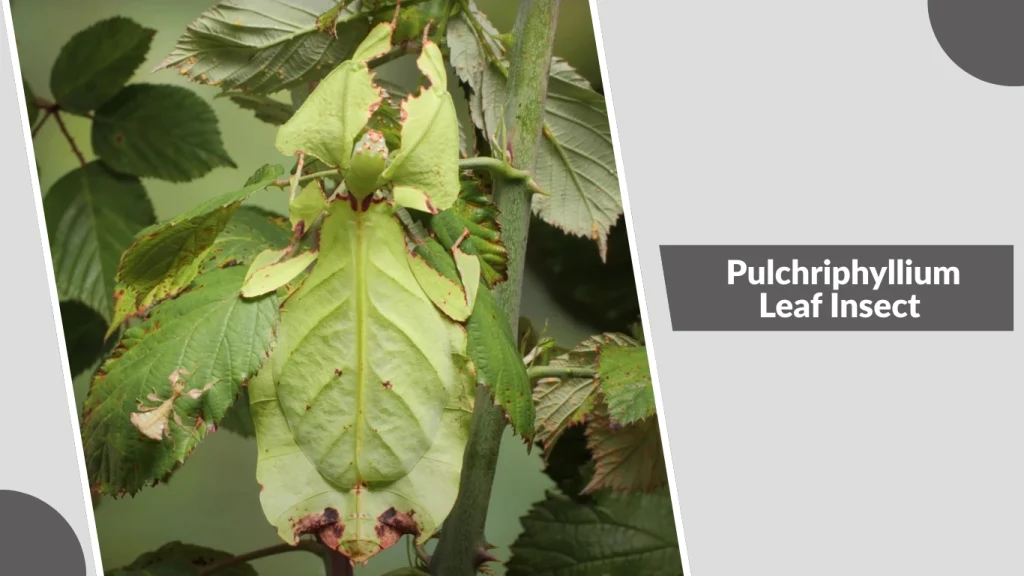
The Pulchriphyllium Leaf Insect (Pulchriphyllium mantonenense) is a stunning species recognized for its beautifully rounded body and intricate vein-like markings. Its name reflects its elegance, as it is considered one of the most “perfect leaf” mimics among insects.
Identification
- Medium-sized insect, about 7–9 cm (2.8–3.5 in) long
- Broad, rounded body shaped like a green leaf
- Prominent leaf-like venation across the wings and abdomen
- Females are larger, heavy-bodied, and unable to fly
- Males are slimmer, fully winged, and capable of short flights
Behavior
This species relies on camouflage and stillness for survival, blending seamlessly into its leafy surroundings. During the day, it remains motionless, while at night it feeds on tropical leaves such as guava and mango. Its slow, swaying movements resemble a leaf stirred by the wind.
Habitat
Native to Southeast Asia, particularly found in tropical rainforests with dense foliage, this species thrives in humid environments where its mimicry is most effective.
Importance
The Pulchriphyllium Leaf Insect is popular among collectors and insect breeders due to its flawless appearance. It also holds ecological and scientific value, showcasing the evolutionary marvel of natural camouflage.
21. Australasian Leaf Insect

The Australasian Leaf Insect (Phyllium australiense) is a rare species native to parts of Australia and nearby regions. Known for its realistic leaf-like appearance, it is one of the few leaf insects found outside Southeast Asia, making it especially unique.
Identification
- Medium-sized insect, about 7–9 cm (2.8–3.5 in) long
- Flat, oval body with detailed leaf-like venation
- Bright green coloration, sometimes with yellow or brown patches imitating leaf damage
- Females are larger, broad-bodied, and flightless
- Males are slimmer, with fully developed wings that allow flight
Behavior
The Australasian Leaf Insect spends most of the day still among leaves, perfectly camouflaged against predators. At night, it feeds on a variety of host plants. Its swaying walk closely mimics leaves moving in the breeze.
Habitat
Native to Australia and surrounding areas, this species thrives in forests and woodlands with dense vegetation, where its camouflage works effectively.
Importance
This insect is a fascinating example of mimicry outside the typical Southeast Asian distribution of leaf insects. It is of interest to researchers and insect collectors for its rarity and evolutionary adaptations.
22. Timor Leaf Insect

The Timor Leaf Insect (Phyllium timorense) is a lesser-known but remarkable species native to Timor and surrounding regions. Its camouflage is so convincing that it can easily be mistaken for a living leaf, complete with natural-looking veins and edges.
Identification
- Medium-sized insect, about 7–8 cm (2.8–3.1 in) long
- Flat, oval body resembling a green leaf
- Prominent vein-like markings across wings and abdomen
- Females are larger, broad-bodied, and unable to fly
- Males are slimmer, with fully developed wings for short-distance flights
Behavior
The Timor Leaf Insect spends much of the day motionless, blending seamlessly into foliage. At night, it becomes active, feeding on guava, mango, and other tropical leaves. When moving, it sways gently, imitating a leaf stirred by the wind.
Habitat
This species is found in the forests of Timor, thriving in areas with dense vegetation and high humidity where its mimicry is most effective.
Importance
As a relatively rare species, the Timor Leaf Insect holds value for both entomologists and insect breeders. It is a living example of natural mimicry and adaptation, contributing to the biodiversity of its island habitat.
23. Pulchriphyllium Leaf Insect (Pulchriphyllium anangoense)
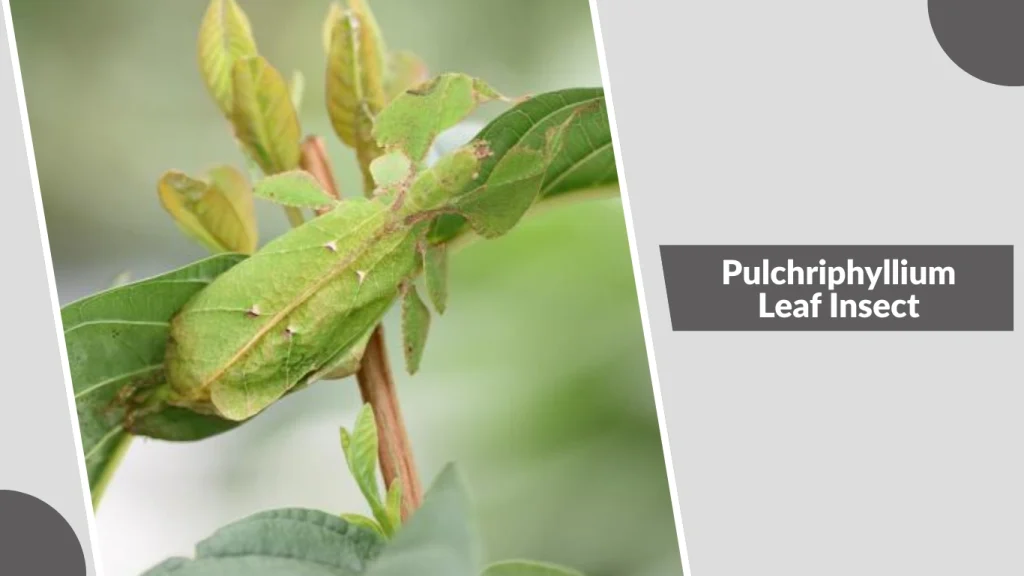
The Pulchriphyllium Leaf Insect (Pulchriphyllium anangoense) is a striking species with a broad, rounded body that looks almost identical to a real leaf. Its detailed venation and leaf-like edges make it one of the most remarkable mimics in the insect world.
Identification
- Medium-sized insect, about 7–9 cm (2.8–3.5 in) long
- Wide, flat body with strong vein-like patterns across wings and abdomen
- Bright green coloration, often with brownish edges resembling leaf damage
- Females are larger, heavier, and flightless
- Males are slimmer, fully winged, and capable of flight
Behavior
This species remains motionless during the day, camouflaged against predators, and feeds at night on tropical foliage. It uses a gentle swaying motion while walking, enhancing its resemblance to leaves moving in the wind.
Habitat
Native to Southeast Asia, this insect thrives in tropical forests where dense greenery provides excellent cover and food sources.
Importance
The Pulchriphyllium Leaf Insect is admired by entomologists and insect keepers for its beauty and flawless mimicry. It is also significant in studies of camouflage and adaptation within rainforest ecosystems.
24. Palawan Leaf Insect

The Palawan Leaf Insect (Phyllium palawanense) is a fascinating species native to Palawan Island in the Philippines. Known for its near-perfect resemblance to leaves, it is one of the most iconic examples of camouflage in the insect world.
Identification
- Medium to large-sized insect, about 8–10 cm (3–4 in) long
- Broad, flat body with highly detailed leaf-like venation
- Green coloration, sometimes with brown patches to mimic leaf decay
- Females are larger, heavier, and unable to fly
- Males are slimmer, fully winged, and capable of short flights
Behavior
The Palawan Leaf Insect remains still during the day, blending flawlessly into its surroundings, and becomes active at night to feed. Its slow, swaying movement further enhances its disguise as a real leaf moving in the wind.
Habitat
Endemic to Palawan’s tropical rainforests, this species thrives in areas with dense foliage where its camouflage is most effective.
Importance
This insect is a prized species for insect enthusiasts and researchers due to its rarity and beauty. It also represents the rich biodiversity of the Philippines and the extraordinary power of natural mimicry.
25. Leaf Insect (Phyllium ericoriai)

The Leaf Insect (Phyllium ericoriai) is a rare species native to the Philippines. It is celebrated for its incredible mimicry, appearing almost indistinguishable from real leaves, complete with detailed venation and natural imperfections that enhance its disguise.
Identification
- Medium-sized insect, about 7–9 cm (2.8–3.5 in) long
- Flat, oval-shaped body with visible vein-like markings
- Bright green coloration, often with brown or yellow tinges that mimic leaf damage
- Females are broader, heavier, and unable to fly
- Males are slimmer, fully winged, and capable of short flights
Behavior
The Leaf Insect stays still during the day, blending seamlessly into foliage, and becomes active at night to feed on guava, mango, and other tropical plants. When it moves, it sways gently, imitating a leaf in the breeze.
Habitat
This species is endemic to the Philippines, inhabiting tropical forests where dense greenery provides ideal cover for its camouflage.
Importance
Phyllium ericoriai is a remarkable representation of natural adaptation and is prized by entomologists and insect collectors alike. It highlights the incredible biodiversity of the Philippines and the evolutionary power of mimicry.
