
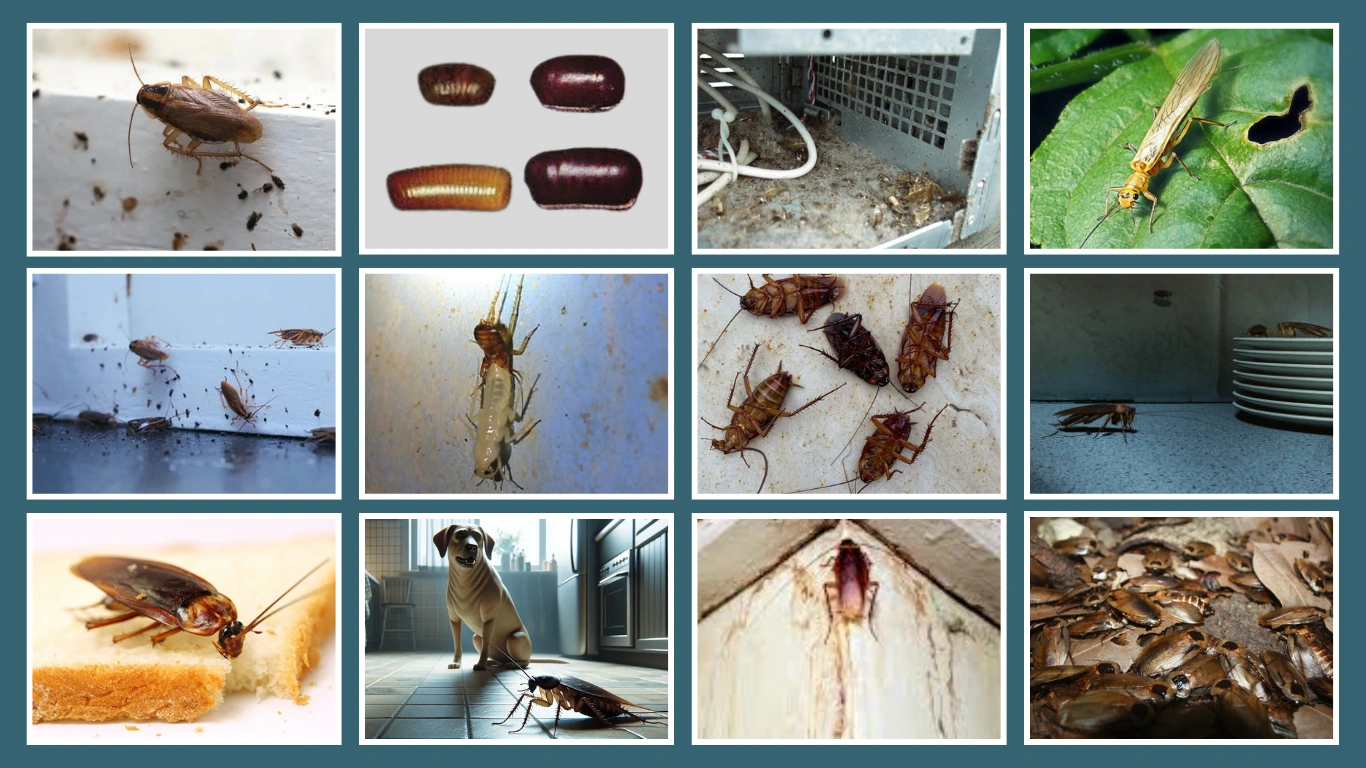
Cockroaches are sneaky, fast breeders, and experts at hiding. But even if you don’t see them directly, they leave behind telltale clues. Ignoring those early signs can lead to a full-blown infestation, causing health risks and damage to your home. In this article, you’ll learn 12 of the most common warning signs of a cockroach problem—so you can take action before things get worse.
Why It’s Important to Recognize Early Signs
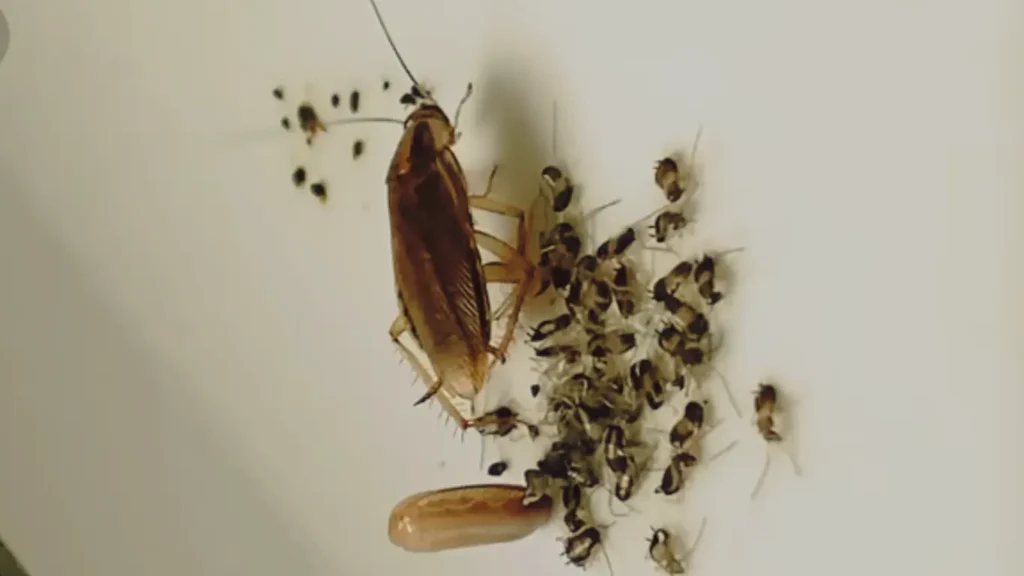
Catching a cockroach infestation early can save you from major headaches later. These pests reproduce quickly, hide in hard-to-reach places, and spread harmful bacteria. If left unchecked, they can contaminate food, trigger asthma, and even damage paper, fabrics, and electronics.
The earlier you spot the signs, the easier (and cheaper) it is to eliminate them—whether you choose DIY methods or hire a pest control professional. Let’s look at the top 12 signs to watch for.
1. Cockroach Droppings

What Do They Look Like?
Cockroach droppings are one of the clearest signs of an infestation. Depending on the species, the droppings may look like tiny black pepper flakes, coffee grounds, or cylindrical pellets with blunt ends. German cockroach droppings are fine and grainy, while larger species like American cockroaches leave bigger, more noticeable feces.
Where Are They Found?
- Along baseboards
- Inside kitchen cabinets and drawers
- Around sinks and appliances
- Behind furniture
- In pantries or near food storage
These droppings accumulate in areas where cockroaches are most active. If you spot them in multiple locations, it suggests a growing infestation.
Why Are They a Problem?
Cockroach feces contain allergens and bacteria that can spread to surfaces and food. Over time, exposure may lead to respiratory problems, especially in children or people with asthma.
What to Do
- Clean affected areas using disinfectants
- Avoid sweeping (this can stir allergens into the air); use a vacuum with a HEPA filter
- Seal off entry points and monitor for more droppings
- Consider placing bait traps nearby
2. Egg Cases (Oothecae)

What Do They Look Like?
Cockroach egg cases, known as oothecae, are small, brown, capsule-shaped structures. Each one can contain anywhere from 10 to 50 eggs, depending on the species. They’re typically about 5–10 mm long and may be glued to surfaces or hidden in cracks.
Where Are They Found?
- Behind furniture
- Under appliances
- Inside cabinets or drawers
- In dark, hidden corners
Some species drop the egg cases shortly before hatching, while others carry them until the young emerge. Finding even one is a serious sign of infestation.
Why Are They a Problem?
An egg case means more cockroaches are on the way. One female can produce many oothecae during her lifetime, leading to a rapid population increase.
What to Do
- Carefully remove and dispose of egg cases using gloves
- Clean surrounding areas with disinfectant
- Use gel bait or insect growth regulators to stop new roaches from hatching
- Inspect and seal cracks and entry points
3. Unpleasant, Musty Odor

What Does It Smell Like?
Cockroaches release pheromones that create a musty, oily smell. The odor is often described as slightly sour or damp. It becomes stronger as the infestation grows and is most noticeable in enclosed or poorly ventilated areas.
Where Is It Strongest?
- Pantries
- Under sinks
- Behind appliances
- In drawers or wall cavities
This smell comes from live cockroaches, their droppings, and dead bodies. It can cling to surfaces and fabrics over time.
Why Is It a Problem?
Aside from being unpleasant, the smell can contaminate food and fabric. It also indicates active cockroach communication and colony growth.
What to Do
- Deep clean the affected areas
- Use odor neutralizers along with pest control treatments
- Ventilate the space
- Set traps to monitor ongoing activity
4. Smear Marks

What Do They Look Like?
In damp or high-humidity areas, cockroaches may leave behind irregular, dark smear marks as they crawl. These marks are oily and may appear as thin lines or blotches, especially along horizontal surfaces or wall-floor junctions.
Where Are They Found?
- Along baseboards and walls
- On countertops near water sources
- Around sinks, bathtubs, and drains
- In kitchen and bathroom corners
Smear marks often indicate regular cockroach traffic, especially in areas where they’re emerging at night.
Why Is It a Problem?
These marks are unsanitary and can spread bacteria. They also indicate the cockroach population is active and well-established in your home.
What to Do
- Wipe the marks with disinfectant
- Identify and eliminate moisture sources nearby
- Set up monitoring traps
- Treat the area with targeted pest control methods
5. Shed Skins
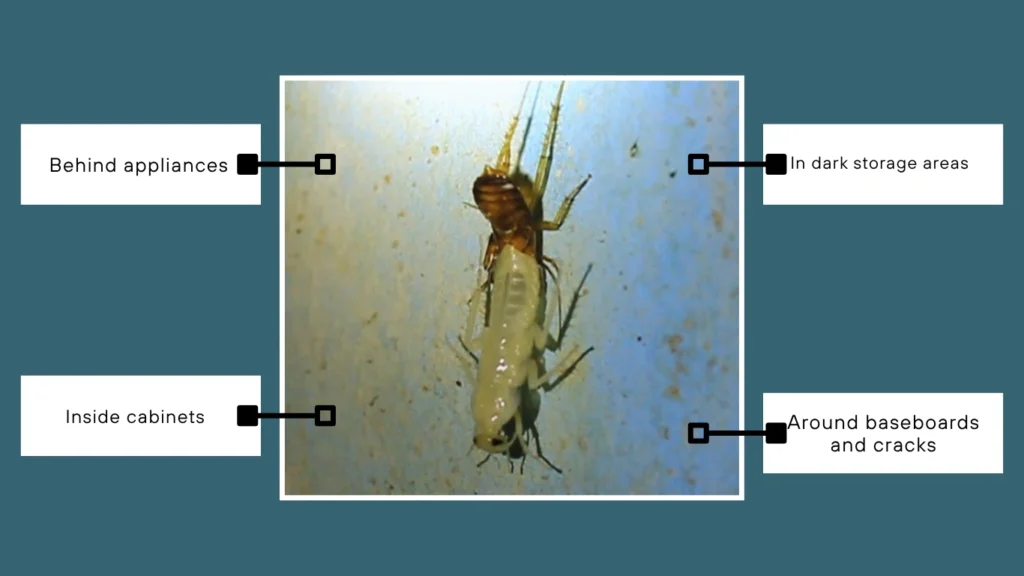
What Do They Look Like?
As cockroaches grow, they shed their outer skin (exoskeleton) multiple times—up to 8 times in their life. These shed skins are light brown, dry, and translucent, often resembling a cockroach-shaped shell.
Where Are They Found?
- Behind appliances
- In dark storage areas
- Inside cabinets
- Around baseboards and cracks
Shedding occurs near nesting areas, so finding several skins usually means cockroaches are living close by.
Why Is It a Problem?
The presence of shed skins confirms ongoing development and breeding. These skins can also contribute to indoor allergens and respiratory issues.
What to Do
- Remove skins using gloves and a vacuum with HEPA filter
- Inspect the nearby area for live insects or egg cases
- Increase sanitation in the area
- Consider gel baits or professional help if multiple skins are present
6. Dead Cockroaches
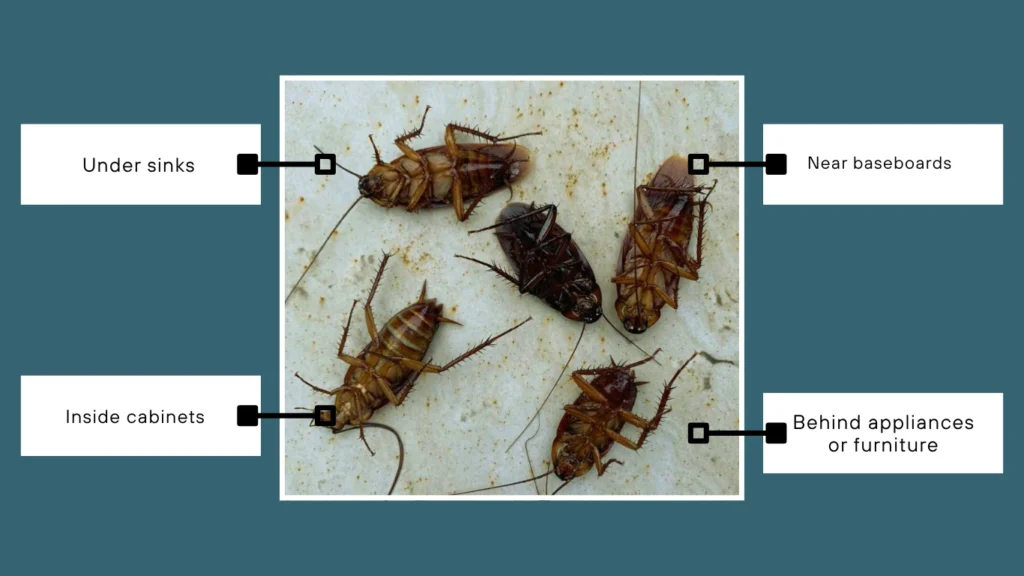
What Do They Look Like?
Dead cockroaches are usually found lying on their backs with legs curled upward. They may appear dried out or crushed. You might find full bodies or only parts like legs or wings.
Where Are They Found?
- Under sinks
- Near baseboards
- Inside cabinets
- Behind appliances or furniture
Finding dead roaches often means there are live ones hiding nearby—especially if they appear repeatedly.
Why Is It a Problem?
Even dead cockroaches can carry bacteria and allergens. Their presence suggests a hidden infestation or a recent pesticide application that didn’t eliminate all pests.
What to Do
- Safely dispose of dead insects using tissue or gloves
- Vacuum the area and disinfect thoroughly
- Investigate nearby hiding spots
- Use traps to check for live activity
7. Live Cockroaches at Night

What Does It Mean?
Cockroaches are nocturnal, meaning they’re most active after dark. If you switch on a light at night and see one scurry away, that’s a major red flag.
Where Might You Spot Them?
- Running along walls or floors
- Inside kitchen drawers or cabinets
- Around trash bins
- Near food or water sources
Even seeing one cockroach suggests there may be dozens more hidden in nearby cracks and crevices.
Why Is It a Problem?
Live sightings at night show the infestation is active and well established. If you see more than one, it’s likely a significant population is hiding nearby.
What to Do
- Set up bait traps and sticky monitors
- Clean all food and water sources
- Close up entry points and hiding areas
- Consider calling pest control if sightings are frequent
8. Cockroaches Seen During the Day
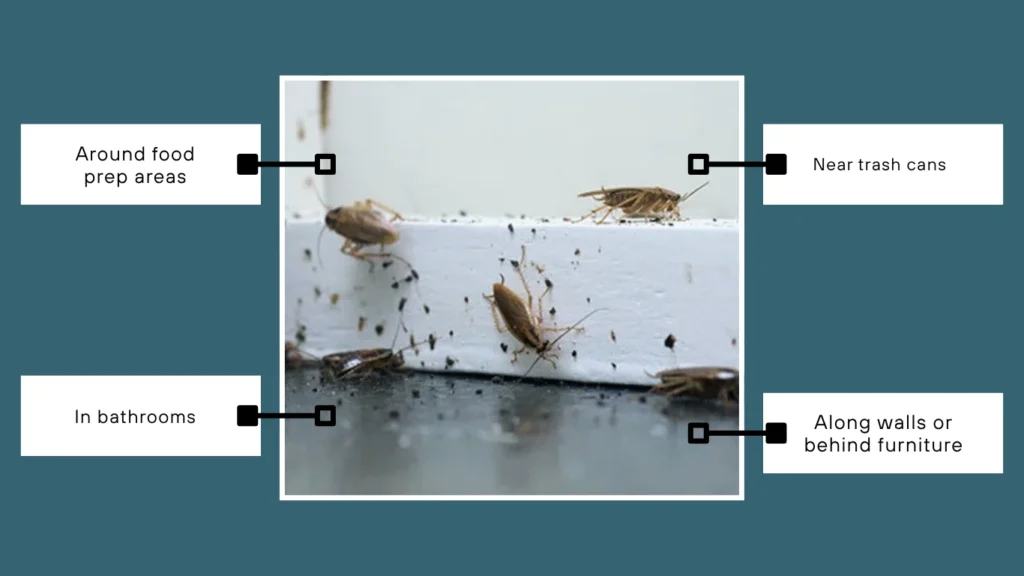
What Does It Mean?
Seeing cockroaches during the day is a strong sign of a severe infestation. Since they’re nocturnal, they usually avoid light and human activity. Daytime sightings often mean their hiding places are overcrowded, forcing some out into the open.
Where Might You See Them?
- Around food prep areas
- Near trash cans
- In bathrooms
- Along walls or behind furniture
Multiple sightings during daylight hours should not be ignored.
Why Is It a Problem?
This indicates that the infestation has grown beyond control. It usually means there are limited hiding spots and not enough food to support the population.
What to Do
- Deep clean the area
- Use gel bait, dusts, or insect growth regulators
- Monitor activity with traps
- Seek professional help if sightings continue
9. Damage to Food or Packaging
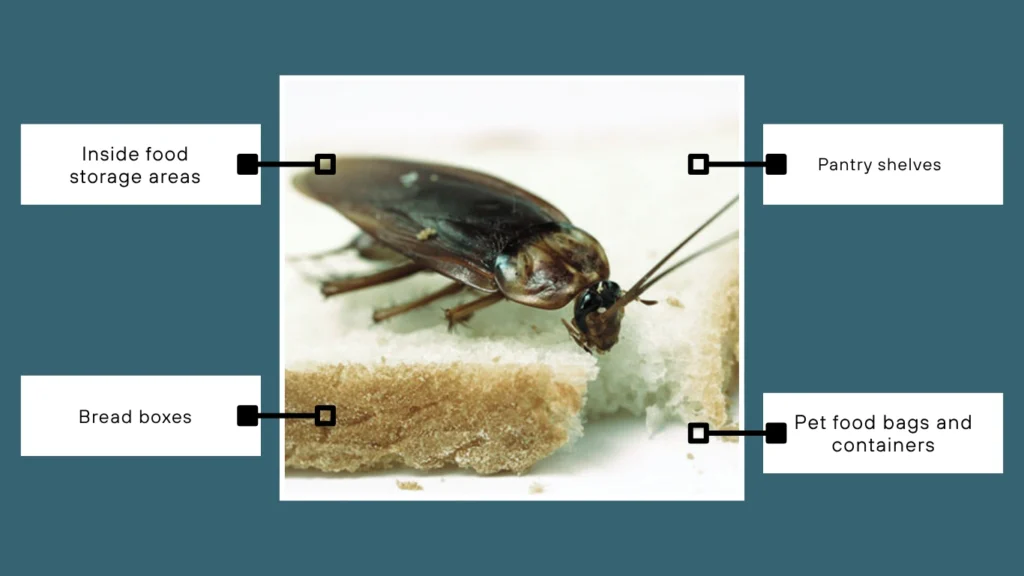
What Does It Look Like?
Cockroaches will chew through cardboard, paper, plastic, and even thin food packaging. Signs include bite marks, holes in packaging, or spilled food in cabinets and pantries.
Where Does This Happen?
- Inside food storage areas
- Pantry shelves
- Bread boxes
- Pet food bags and containers
They leave behind contamination like droppings, smear marks, and foul odor.
Why Is It a Problem?
This poses a serious health risk. Any contaminated food should be discarded to avoid exposure to bacteria such as E. coli or Salmonella.
What to Do
- Throw out affected food
- Store new food in airtight containers
- Sanitize shelves and storage areas
- Apply bait stations or traps nearby
10. Unusual Pet Behavior

What Does It Look Like?
Pets often sense cockroach activity before humans do. If your dog or cat is sniffing, barking, scratching, or staring at walls, under furniture, or kitchen appliances more than usual, they might be reacting to hidden cockroaches.
Where It Happens Most
- Behind cabinets
- Under stoves or fridges
- Around baseboards or drains
- In basements or laundry rooms
Animals have sharper senses and can detect movement and scent from insects hiding in tight spaces.
Why Is It a Problem?
Your pet’s behavior could be the first clue of a hidden infestation. Ignoring it might delay detection and allow the problem to spread further.
What to Do
- Investigate areas where your pet is acting unusual
- Use traps or flashlight inspections
- Keep pet food sealed and clean feeding areas
- Monitor changes in your pet’s behavior over time
11. Oval-Shaped Brown Stains

What Do They Look Like?
These stains are left by cockroach secretions. They may appear as oval or irregular smudges on walls, fabrics, floors, or inside drawers. The color is usually light to dark brown and may feel oily.
Where Are They Found?
- On wallpaper, curtains, or clothes
- Behind picture frames
- Inside cabinets or drawers
- Around food or water sources
These marks are common in areas of high cockroach activity and often accompany droppings or smear marks.
Why Is It a Problem?
Stains indicate roaches are feeding and nesting in the area. Over time, these spots can build up and cause discoloration or damage to surfaces.
What to Do
- Clean stained areas using a disinfectant
- Reduce moisture and food availability
- Place gel bait or traps near stain sites
- Reinspect the area regularly
12. Visible Nesting Areas

What Do They Look Like?
Cockroach nests aren’t like bird nests—they’re clusters of cockroaches hiding in tight, dark, warm spaces. These areas are usually filled with droppings, egg cases, shed skins, and sometimes dead cockroaches. The space may also have a strong, musty odor.
Common Nesting Locations
- Behind refrigerators and stoves
- Under sinks and cabinets
- Inside wall cracks or electrical outlets
- In cluttered storage boxes or basements
Nests are often hidden but can be revealed when furniture or appliances are moved.
Why Is It a Problem?
A visible nest means the infestation is well-established. Cockroaches reproduce rapidly, and a nest can lead to hundreds of new roaches in just a few weeks.
What to Do
- Immediately clean and disinfect the nesting area
- Use bait traps, insect growth regulators, or boric acid
- Seal cracks and eliminate clutter
- Consult pest control for thorough treatment if multiple nests are found
What to Do If You Spot These Signs
Discovering signs of a cockroach infestation can be unsettling—but acting quickly makes a big difference. Here’s what you should do to regain control and protect your space:
1. Deep Clean the Affected Areas
Remove food crumbs, grease, and water sources. Pay special attention to kitchens, bathrooms, and hidden corners. Cockroaches thrive in unsanitary conditions.
2. Seal Entry Points
Use caulk or sealant to close cracks in walls, baseboards, and around plumbing. This helps block their hiding places and entry routes.
3. Remove Clutter
Boxes, newspapers, and unused items offer hiding spots. Declutter to make your home less attractive to cockroaches.
4. Use Bait and Traps
Set up gel baits, sticky traps, or bait stations near problem areas. These attract and kill cockroaches over time. Avoid using sprays near baits, as it may drive roaches away instead of killing them.
5. Fix Leaks and Moisture Issues
Cockroaches need moisture to survive. Repair leaky faucets, drains, and pipes. Also use dehumidifiers if necessary.
6. Consider Professional Pest Control
If the infestation is large or ongoing, professional exterminators can provide targeted treatments that eliminate nests and eggs effectively.
FAQs
What attracts cockroaches to homes?
Cockroaches are drawn to food, moisture, and shelter. Crumbs, grease, uncovered trash, pet food, leaky pipes, and cluttered storage areas all attract them. Warm and humid environments make ideal breeding grounds.
Are cockroach droppings dangerous?
Yes. Their droppings can carry bacteria like E. coli and Salmonella, and trigger allergies or asthma—especially in children and sensitive individuals. Cleaning up with proper protection is essential.
Can I get rid of roaches without an exterminator?
It’s possible for small infestations. Using baits, sealing entry points, maintaining strict cleanliness, and monitoring progress can help. But for large or persistent infestations, professional pest control is often necessary.
How fast do cockroaches reproduce?
Very fast. A single female German cockroach can produce hundreds of offspring in one year. This is why early detection and control are so important.
Are all cockroach species harmful?
Not all, but many household species (like German, American, and Oriental cockroaches) pose health risks and are considered pests. Even non-dangerous ones can contaminate food and surfaces if they invade your home.
