
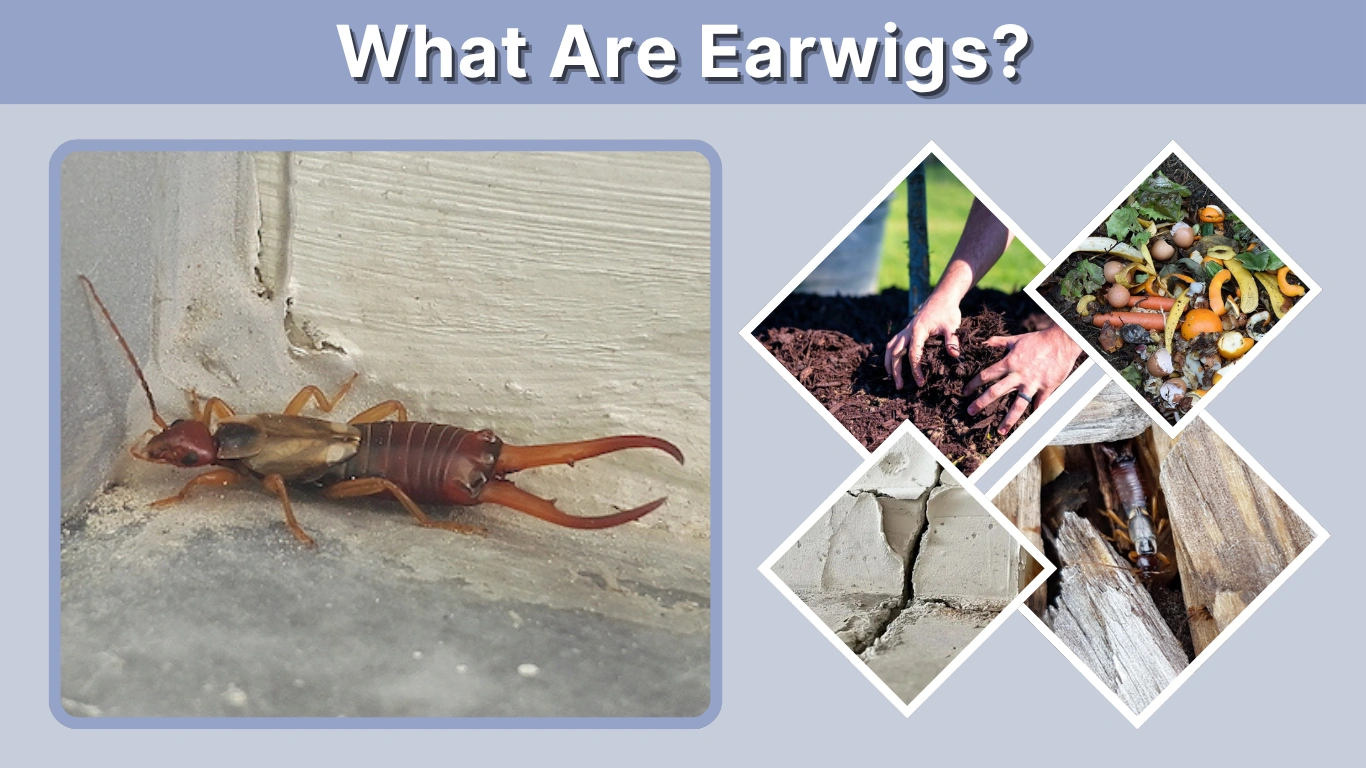
Earwigs are one of the most misunderstood insects found in homes and gardens. Their long bodies, fast movements, and especially their rear pincers give them an intimidating appearance that often leads to fear and confusion. Many people assume they bite, sting, or even crawl into human ears, but these beliefs are rooted in myths rather than science. In reality, earwigs are far less dangerous—and far more interesting—than their reputation suggests.
This article explores what earwigs truly are, why they appear around homes, what attracts them, and what purpose they serve in nature. With a better understanding of their behavior and role in the ecosystem, earwigs become much less frightening and a lot more fascinating.
What Exactly Are Earwigs?
Scientific Classification
Earwigs belong to the order Dermaptera, a group characterized by elongated bodies, chewing mouthparts, and distinctive forceps-like pincers at the end of their abdomen. They are not related to roaches or silverfish, although they share the habit of hiding in dark, damp environments. Instead, earwigs are more closely related to other insects with similar body segmentation, such as rove beetles.
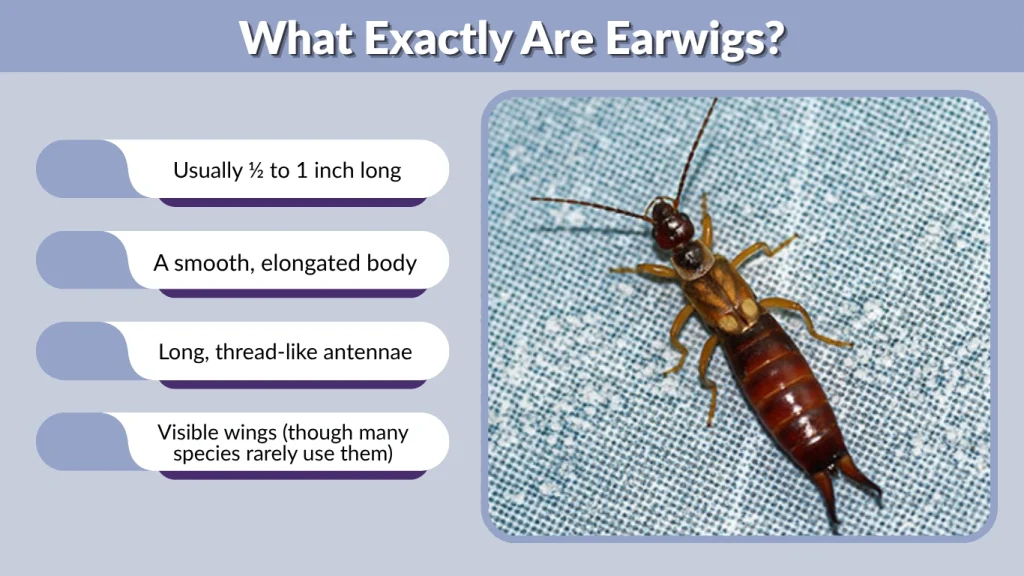
Most commonly found earwigs belong to the family Forficulidae, which includes species like the European earwig. These insects are relatively small—usually ½ to 1 inch long—and come in various shades of brown or black depending on species and habitat.
Earwig Appearance & Main Characteristics
Earwigs have a few signature traits that make them easy to identify:
- A smooth, elongated body
- Long, thread-like antennae
- Visible wings (though many species rarely use them)
- Curved pincers on their rear, called cerci
Male earwigs have more curved and pronounced pincers, while females have shorter, straighter ones. Young earwigs, called nymphs, resemble smaller, wingless versions of adults. Occasionally, people encounter pale or white earwigs—often newly molted individuals that have not yet regained their natural coloration.
Why Are They Called “Earwigs”?
The name “earwig” comes from Old English: ēare (ear) and wicga (beetle or insect). At one time, people believed earwigs crawled into human ears, burrowed into the brain, or caused nightmares. These ideas were born from superstition rather than science. In truth, earwigs do not seek out ears and have no interest in entering them. Their wings, when unfolded, resemble the shape of human ears—likely the real reason behind the name.
What Are Earwig Pincers and What Are They For?

Anatomy of the Pincers
One of the most distinctive traits of earwigs is their pincers—or cerci—located at the tip of the abdomen. These forceps differ between males and females:
- Males: Larger and more curved, almost claw-like
- Females: Smaller, straighter, and less dramatic
Despite their intimidating look, these pincers are not dangerous to humans.
Uses of Earwig Pincers
Earwig pincers have several important purposes:
- Defense:
When threatened, earwigs lift their abdomen and display their pincers to scare predators. If grabbed or squeezed, they may pinch defensively, though it rarely breaks skin. - Mating Rituals:
Males use their pincers to compete with other males and to position themselves during mating. - Wing Folding:
Because earwig wings fold into intricate patterns, they use their pincers to help tuck them into place. - Capturing Prey:
Larger species sometimes use their pincers to help grasp insects or food items.
The pincers are multifunctional tools, not weapons meant for humans.
What Are Earwigs Attracted To?
Outdoor Attractants
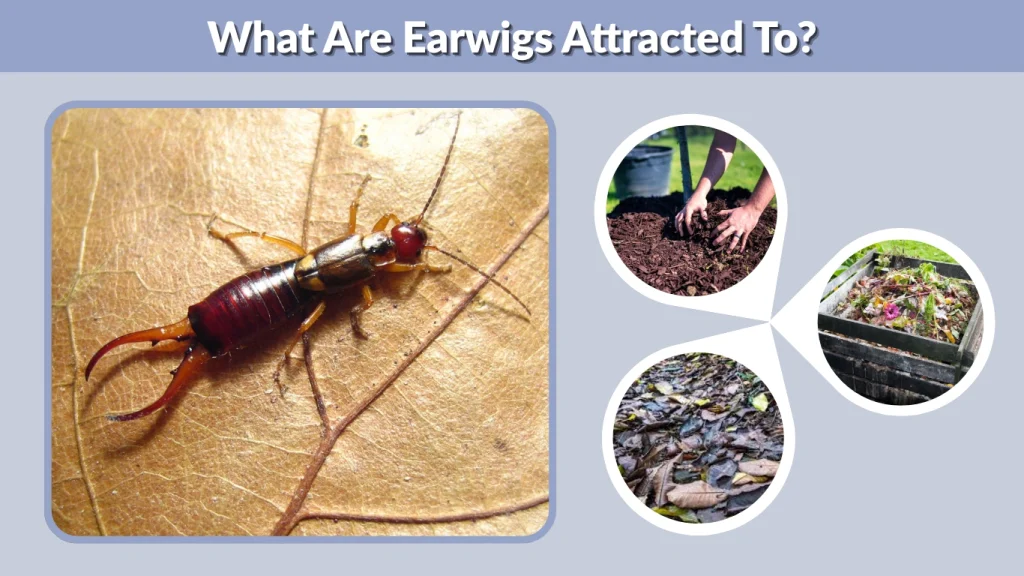
Earwigs thrive in dark, damp, and sheltered environments. Outdoors, they gather in:
- Mulch
- Compost piles
- Leaf litter
- Under stones and logs
- Moist garden soil
They are attracted to gardens with plenty of organic debris and humidity. Plants with soft, tender foliage—such as basil, dahlias, and lettuce—invite earwigs, especially at night when they feed.
Indoor Attractants
Earwigs enter houses accidentally or due to environmental changes such as heavy rain or drought. Inside, they seek moisture and shelter, not food. Common indoor attractants include:
- Damp basements
- Bathrooms
- Laundry rooms
- Under sinks
- Wet cardboard or paper piles
Earwigs are not drawn to light like moths or to food like ants. Their priority is humidity and darkness, which explains why they appear in bathrooms more than kitchens.
What Are Earwigs a Sign Of?

In the House
Finding earwigs inside often indicates one thing: moisture. Their presence suggests:
- A leak under a sink
- Wet basements or crawl spaces
- Cracks near foundations allowing moisture and insects inside
- Damp storage boxes or cardboard
They do not indicate dirty homes or infestations like cockroaches would, but rather that the environment is humid enough to attract them.
In the Garden
Earwigs in gardens typically signal:
- Thick mulch layers
- Overwatering
- Decaying plant matter
- Too much shade or moisture retention
These conditions create perfect hiding spots.
Spiritually or Symbolically
Across cultures, earwigs have sometimes been viewed as omens or symbolic messengers. Though these beliefs hold no scientific basis, they appear in folklore and spiritual traditions:
- General symbolism: Transformation, survival, adaptability
- Spiritual meaning: A reminder to cleanse your environment or life of “clutter”
- Christian interpretations: Sometimes interpreted as symbols of temptation or minor annoyances
- Warning signs: In symbolic contexts, they may represent a need to address hidden issues or unclean spaces
These meanings are metaphorical, not literal. They reflect cultural storytelling rather than anything earwigs actually do.
What Are Earwigs Good For?
Ecological Benefits
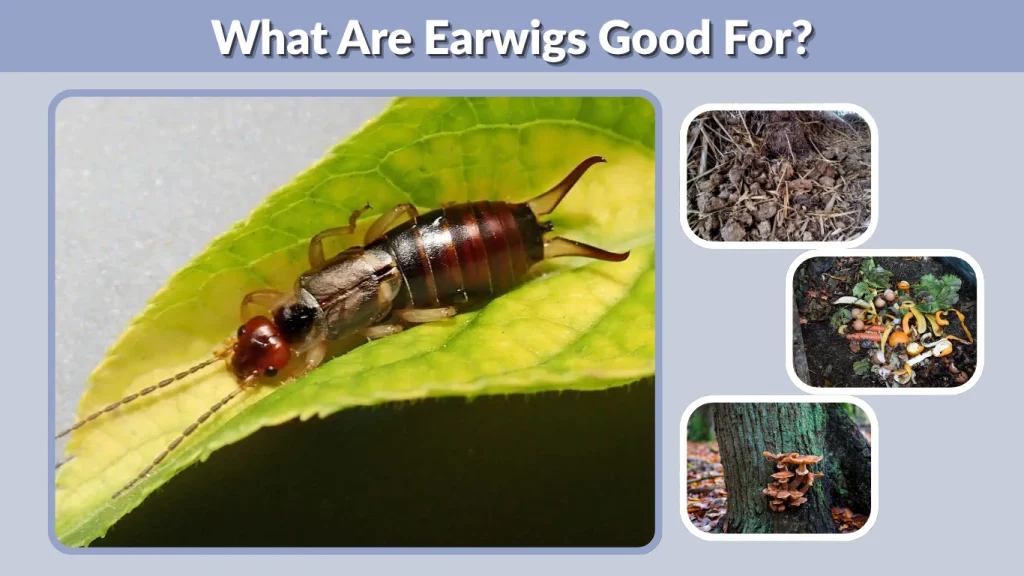
Earwigs play a surprisingly helpful role in natural ecosystems. They assist in:
- Breaking down decaying organic matter
- Recycling nutrients back into the soil
- Supporting decomposition in compost piles
- Keeping fungal growth under control
Their presence helps maintain healthy soil structure and biological balance, especially in gardens.
Benefits in the Garden
Although earwigs can sometimes nibble on young plants or petals, they also feed on many pests that damage gardens. Earwigs commonly eat:
- Aphids
- Mites
- Fly larvae
- Small caterpillars
- Decayed leaves
- Fungus and mold
In moderate numbers, they act as beneficial predators, helping reduce harmful insect populations without the need for chemical pesticides.
Are Earwigs Good in the House?
Indoors, earwigs offer fewer benefits, but they still aren’t harmful. In some cases, they may eat:
- Dead insects
- Mold on damp surfaces
- Organic debris in corners
They do not damage furniture, chew wires, or infest food supplies. Their presence indoors is temporary and usually accidental.
Earwig Behavior and Activity

Where Earwigs Come From
Earwigs originate from regions worldwide and adapt easily to new environments. They typically live:
- In soil
- Beneath rocks or wood
- Inside mulch
- In garden beds
- Around foundations or cracks in structures
They only enter homes when outdoor environments shift—during dry spells, storms, or seasonal changes.
When Earwigs Are Most Active
Earwig activity peaks during warm, humid months, particularly in:
- Late spring
- Summer
- Early fall
They avoid winter cold by hiding in soil crevices, mulch, or sheltered debris. Nighttime is when they are most active because they are nocturnal, preferring to forage in the dark and stay hidden during the day.
Earwig Predators
Earwigs have plenty of natural enemies that keep their populations balanced. Predators include:
- Birds
- Frogs and toads
- Spiders
- Centipedes
- Lizards
- Ground beetles
- Chickens (for backyard farmers)
Because of these predators, earwig infestations rarely grow out of control unless conditions are ideal.
Are Earwigs Dangerous to Humans?

Do Earwigs Bite?
Earwigs do not bite humans. Their jaws are too small and weak to break human skin. When people think they’ve been bitten, it’s typically a pinch from their cerci. A pinch may feel like brief pressure or a mild sting but rarely causes any harm.
Symptoms of an earwig pinch may include:
- Slight redness
- Mild irritation
- A tiny scratch-like mark
These symptoms fade quickly and require little to no treatment.
Are They Harmful to Pets?
Earwigs pose no significant threat to pets. A curious dog or cat might provoke an earwig into pinching, but the effect is minimal. Earwigs are not poisonous, venomous, or capable of causing serious harm to animals or humans.
They do not infest pet bedding, transmit diseases, or feed on pets like fleas or mites do.
Earwigs vs Other Household Bugs

Earwigs vs Cockroaches
Earwigs are often mistaken for cockroaches, but they are quite different:
- Appearance: Earwigs have pincers; cockroaches do not.
- Behavior: Earwigs are not social insects.
- Diet: Cockroaches target food; earwigs target moisture.
- Risk: Roaches spread germs; earwigs do not.
Earwigs do not indicate poor sanitation the way cockroaches might.
Earwigs vs Silverfish
Earwigs and silverfish share a preference for humidity but differ significantly:
- Silverfish damage books, fabrics, and papers—earwigs do not.
- Earwigs have visible pincers, while silverfish have long, bristle-like appendages.
- Silverfish cause more indoor damage; earwigs are mostly harmless.
Recognizing the differences helps determine the right control method.
How to Prevent and Control Earwigs
Outdoor Prevention
Managing outdoor moisture is the key to reducing earwig populations:
- Remove heavy mulch buildup
- Avoid overwatering plants
- Clear away leaf piles and rotting wood
- Keep garden beds well-drained
- Lift pots and outdoor items occasionally to reduce hiding spots
Creating a drier environment makes your garden less attractive to earwigs.
Indoor Prevention
To keep earwigs out of your house:
- Fix leaks under sinks and around pipes
- Use dehumidifiers in damp basements
- Seal foundation cracks and door gaps
- Reduce clutter in storage areas
- Keep cardboard boxes off the floor
Earwigs enter homes through small openings, so sealing entry points is essential.
When to Call Pest Control
If you see earwigs frequently inside your home, or if garden damage becomes severe, professional treatment may be necessary. Pest control technicians can:
- Identify moisture issues
- Apply safe barrier treatments
- Target nesting sites outside your home
Most homeowners only need professional help in case of recurring, large populations.
FAQ
Are earwigs dangerous to humans?
No, earwigs are not dangerous. They do not bite humans, and their pincers rarely cause more than a mild pinch. They are not venomous or poisonous, and they do not spread disease.
Why do earwigs come into my house?
Earwigs enter homes mainly searching for moisture, shelter, or cooler temperatures. Bathrooms, basements, laundry rooms, and areas with leaks or dampness are especially attractive to them.
What do earwigs use their pincers for?
Earwig pincers are used for defense, mating behavior, folding their wings, and handling prey. While they look intimidating, they are not dangerous to people.
What time of year are earwigs most active?
Earwigs are most active during late spring, summer, and early fall, especially in warm, humid weather. They tend to hide during the day and come out at night to feed.
Are earwigs good for the environment?
Yes. Earwigs help control pests like aphids and mites and contribute to decomposition by breaking down dead plant material. In gardens, they play an important ecological role, even though they may occasionally nibble on plants.
