

Earwigs are one of the most misunderstood insects, known for their intimidating pincers and the myths surrounding their behavior. While they look like miniature predators, earwigs are surprisingly versatile feeders. They can be both helpful and harmful depending on where they’re found. In the garden, they may eat damaging pests like aphids, but they might also nibble on tender plant leaves or flowers. Indoors, they are usually accidental visitors, searching for moisture rather than food.
Understanding what earwigs eat—both inside the home and outdoors—can help you manage their presence, protect your plants, and appreciate their complex role in natural ecosystems. This guide explores their diet in detail, explains how they forage, and covers the plants they prefer and avoid.
Understanding Earwigs

Basic Earwig Biology
Earwigs belong to the insect order Dermaptera and are characterized by elongated bodies, antennae, and distinctive curved pincers called cerci. Despite their fierce appearance, earwigs are not aggressive toward humans. Their feeding habits are shaped by their biology: they are nocturnal, opportunistic, and drawn to environments rich in moisture and decaying material. Because they are active at night and hide during the day, much of their feeding goes unnoticed.
Types of Earwigs Around the World
Different regions have different dominant species of earwigs. The European earwig is the most commonly encountered species in households, while the ring-legged earwig and several native species are more common in gardens and forests. In Australia, New Zealand, and the UK, earwig species vary slightly in appearance but share very similar diets. Black earwigs, often found in damp outdoor areas, also fit the same general feeding profile.
What Do Earwigs Eat? (General Diet Overview)

Earwigs as Omnivores
Earwigs are true omnivores, meaning they eat almost anything they can access. In natural environments, they feed on a mix of plant and animal matter. They may consume living or decaying vegetation, other insects, fungi, algae, and organic debris. Their flexible diet helps them survive in a wide range of habitats and climates.
They are particularly drawn to:
- Soft, decaying plant matter
- Moldy leaves and wood
- Dead insects
- Newly sprouted seedlings
- Moisture-rich organic materials
Because they are scavengers, they often help break down organic waste, contributing to soil health and nutrient recycling.
What Earwigs Drink
Earwigs rely heavily on moisture to survive. They do not drink from open water sources the way mammals do; instead, they absorb moisture from damp soil, condensation, or wet organic matter. This is why they are often found in bathrooms, basements, under mulch, or in wet garden beds.
Without sufficient moisture, earwigs dry out quickly and die. This dependency greatly influences where they live and what they eat.
What Earwigs Eat in the House
Why Earwigs Come Indoors
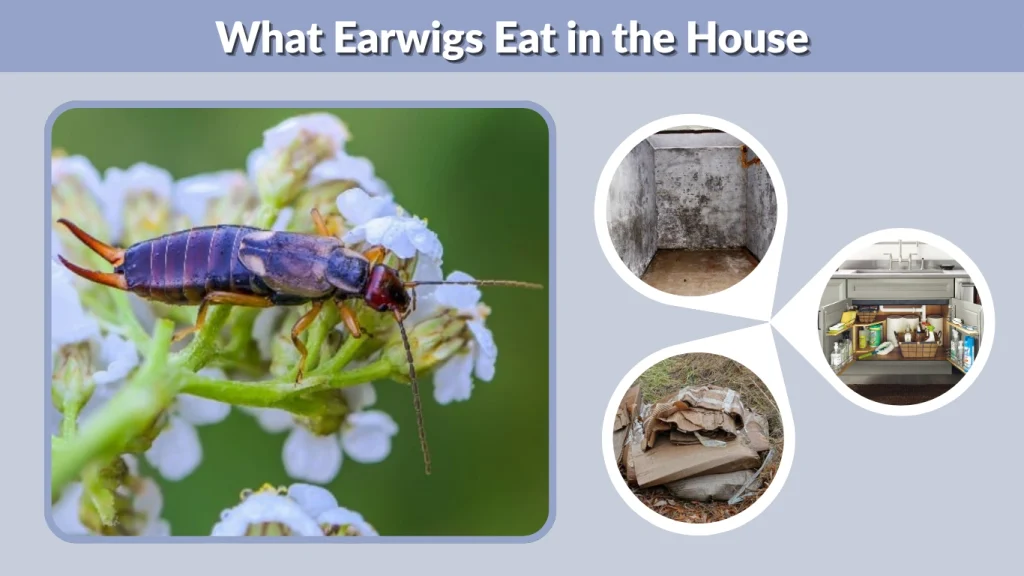
Earwigs rarely enter homes for food. Instead, they come inside because they are attracted to:
- Damp basements
- Bathrooms
- Laundry rooms
- Under-sink cabinets
- Wet cardboard or paper
Homes provide shelter and moisture, not meals. Most indoor encounters happen after heavy rain or when outdoor conditions become too dry.
Foods Earwigs Consume Indoors
Although earwigs are capable of eating a wide variety of materials, their indoor diet is limited. Inside the home, earwigs may feed on:
- Small crumbs or soft food remnants
- Dead insects already in the home
- Damp paper or cardboard
- Mold or mildew growing in moist corners
They do not typically chew through food packaging or infest pantries, unlike ants or cockroaches. Earwigs may wander across surfaces, but they rarely cause any significant indoor food damage.
What Earwigs Eat in the Garden

Earwigs as Garden Predators
In the garden, earwigs act as natural pest controllers. They frequently eat:
- Aphids
- Spider mites
- Soft-bodied larvae
- Small caterpillars
- Young slugs
- Fly eggs and dead insects
This makes them helpful allies when pest populations get out of control. Gardeners often see healthier plants in areas where earwigs are balancing out pest species.
Plants Earwigs Commonly Eat
Earwigs are not strict herbivores, but they will feed on plants—especially soft or tender vegetation. Gardens with lush, moist leaves attract them most. Earwigs may feed on:
- Lettuce
- Basil
- Corn silk
- Strawberries
- Dahlias
- Marigolds
- Zinnias
- Newly sprouted seedlings
Their feeding leaves irregular holes in leaves and petals, often mistaken for slug damage.
Plants Earwigs Do NOT Eat
Fortunately, there are many plants that earwigs avoid. They tend to dislike:
- Strongly aromatic herbs (rosemary, lavender, thyme)
- Plants with thick or waxy leaves
- Woody shrubs
- Most mature vegetable plants
Gardeners can use these plants strategically as natural deterrents.
When Earwigs Attack Plants
Although earwigs provide natural pest control, they can become problematic when their population grows large or when food sources become scarce. During dry periods or when insect prey is limited, earwigs may turn to tender plants as an easy food source. They prefer to feed at night, which can make it difficult to spot the culprit. By morning, you may notice:
- Ragged or irregular holes in leaves
- Damaged petals on flowers
- Nibbled seedlings
- Scratches or scrapes on soft stems
Because slugs and snails cause similar damage, the only reliable way to confirm earwigs is nighttime inspection or placing traps to monitor activity.
What Bugs and Insects Earwigs Eat
Carnivorous Behavior
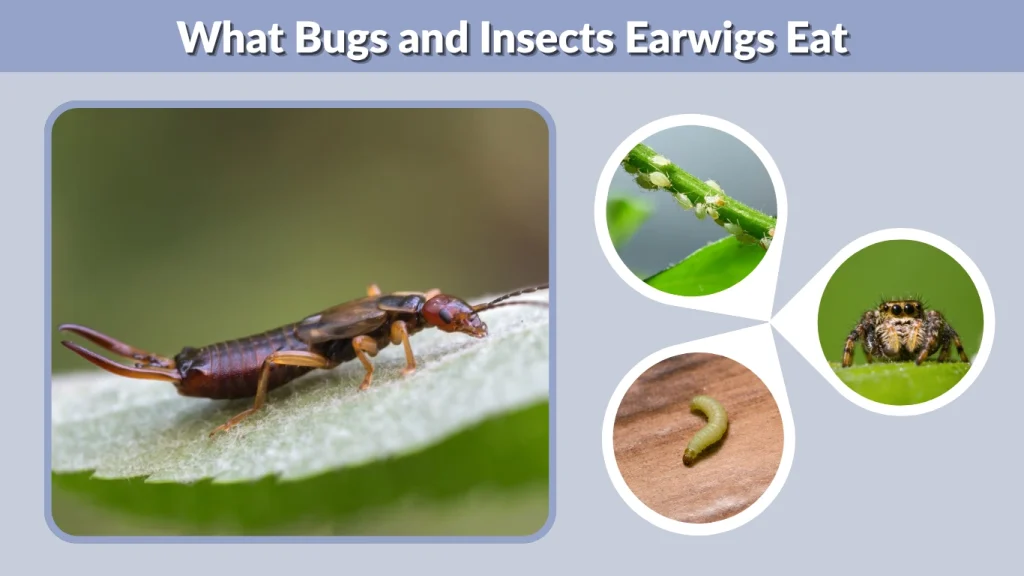
Earwigs are opportunistic hunters, especially at night. They will eat:
- Aphids clustered on stems
- Small spiders
- Moth larvae
- Fruit flies and gnats
- Beetle larvae
- Dead or injured insects
They are not fast predators like wolf spiders, but they are persistent scavengers. When insect populations rise—especially aphids—earwigs help control outbreaks naturally. This makes them valuable allies in the garden when populations remain balanced.
Earwigs as Natural Pest Control
In compost piles, mulch beds, and garden soil, earwigs help break down waste and keep insect pests in check. They feed on decaying plant matter and organisms that thrive in moisture, aiding in soil enrichment. Many gardeners prefer to manage earwigs rather than eliminate them entirely because their presence supports a healthier ecosystem.
What Baby Earwigs and Larvae Eat

Maternal Feeding Behavior
One of the most fascinating aspects of earwig biology is their maternal care—rare among insects. Female earwigs guard their eggs and clean them to prevent mold. Once the eggs hatch, the mother continues caring for her young by:
- Bringing food to the nest
- Guiding the young to safe feeding areas
- Protecting them from predators
This nurturing behavior helps young earwigs survive their earliest stages.
Diet of Nymphs
Baby earwigs, called nymphs, eat many of the same foods as adults, but in softer or smaller form. Their diet typically consists of:
- Soft decaying vegetation
- Small insect eggs
- Micro-organisms in damp soil
- Tiny fruit scraps
- Mold or algae
As they molt and grow, their diet expands to include tougher plant material and larger prey.
Do Earwigs Eat Earwax? (Myth-Busting Section)
The Origin of the Myth
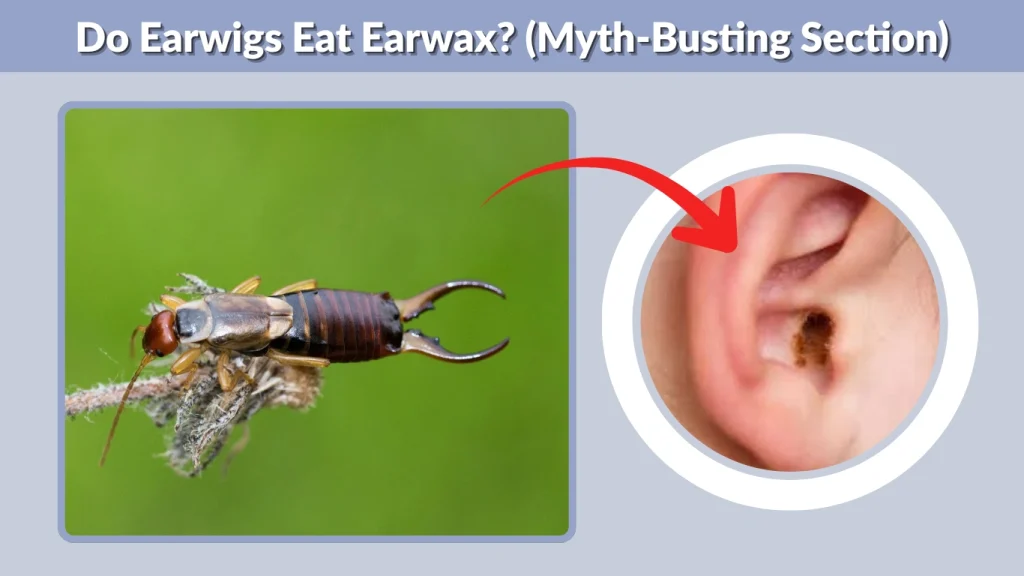
The myth that earwigs enter people’s ears and eat earwax is centuries old. The name “earwig” itself comes from Old English words meaning “ear creature,” likely because their folded wings resemble the shape of human ears—not because they seek out ear canals.
Why Earwigs Do NOT Eat Earwax
There is no scientific evidence that earwigs are attracted to human ears or earwax. Earwax is not part of their diet, and they do not seek out warm, dry environments like ears. Their preferred foods include decaying plants, soft fruit, and small insects—not human biological material.
Although any insect might accidentally enter an ear, earwigs do not seek out this behavior and certainly don’t feed inside ears.
Regional Diet Differences
What Earwigs Eat in Australia
Australian earwig species commonly feed on:
- Native plant debris
- Citrus leaves and soft fruit skins
- Small insects in the garden
They may also gather under mulch and compost piles, where decaying matter provides abundant food.
What Earwigs Eat in the UK
UK earwigs largely consume:
- Garden seedlings
- Soft flowers like dahlias
- Insect larvae
- Mossy or decaying vegetation
The cooler climate makes them more dependent on sheltered, damp feeding spots.
What Earwigs Eat in New Zealand
In New Zealand, earwigs feed on:
- Rotting wood
- Fern debris
- Vegetable garden leaves
- Mites and small insects
Their diet resembles that of earwigs in the UK, though with more native plants available.
How to Stop Earwigs From Eating Plants
Prevention Methods
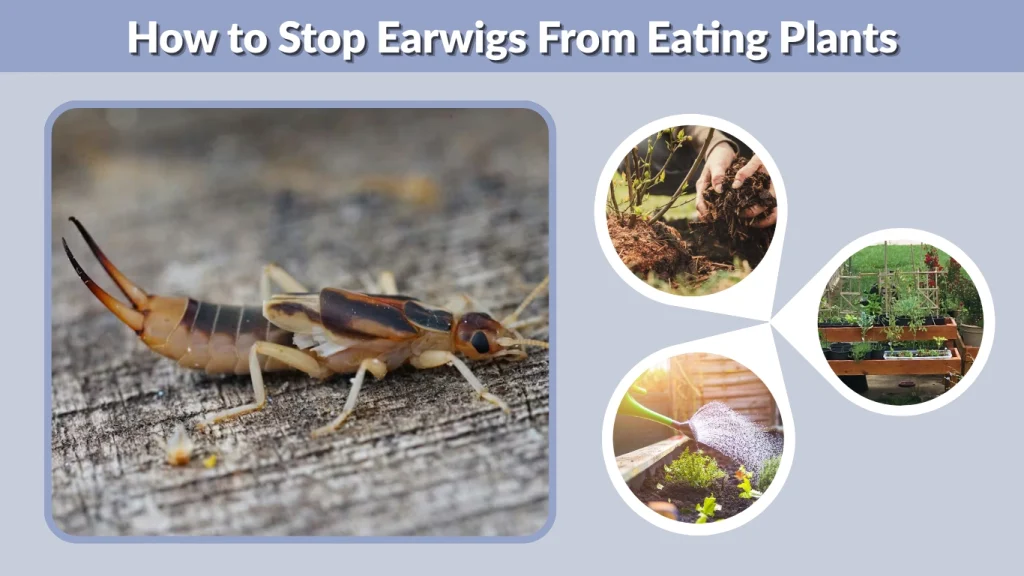
Managing moisture is the key to controlling earwigs. They thrive in damp conditions, so:
- Reduce heavy mulch around plant bases
- Elevate planters and pots
- Improve drainage in garden beds
- Remove wet leaves and decaying material
Keeping the garden tidy reduces the likelihood of large earwig populations.
Natural Deterrents
Several natural methods can discourage earwig feeding without harming beneficial insects:
- Diatomaceous earth: Creates a dry barrier earwigs avoid.
- Oil traps: Small containers with oil and soy sauce attract and trap earwigs.
- Essential oils: Scents like lavender, citrus, and peppermint repel them.
- Copper tape: An effective barrier around planters and small beds.
These methods help protect sensitive plants such as seedlings and soft-leaf flowers.
When the Problem Becomes an Infestation
A normal garden may contain dozens or even hundreds of earwigs—but only becomes problematic when earwigs begin feeding heavily on plants. Signs of infestation include:
- Extensive nighttime leaf damage
- Holes in flowers and fruit
- Clusters of earwigs under pots or mulch
- Reduced seedlings or stripped leaves
If natural methods are ineffective, contacting a pest control professional may be the best option.
FAQ
What do earwigs eat the most?
Earwigs eat a mix of plant material, decaying organic matter, and small insects. Their favorite foods are soft plants, fungi, dead insects, and anything moist and easy to chew.
Are earwigs harmful to garden plants?
Earwigs can damage young seedlings, soft leaves, and tender flowers, especially during the night. However, they also eat pests like aphids and small larvae, so they can be both beneficial and harmful depending on their population size.
What attracts earwigs to my house?
Earwigs enter homes looking for moisture, shelter, and darkness—not food. Damp bathrooms, basements, and areas with wet cardboard or mold are particularly appealing to them.
Do earwigs eat other insects?
Yes. Earwigs are opportunistic predators and will eat aphids, mites, insect eggs, fruit flies, and small larvae. This makes them helpful for natural pest control in gardens.
How can I stop earwigs from eating my plants?
To prevent plant damage, reduce moisture around plant bases, remove wet mulch, set oil traps, sprinkle diatomaceous earth, or plant strongly scented herbs like lavender and rosemary as natural repellents. For severe infestations, consider professional pest control.
