

Paper wasps are slender, long-legged insects commonly seen hovering around gardens, eaves, and flowers. Though they may seem intimidating, these insects play an important ecological role. Understanding what paper wasps eat reveals why they’re valuable pollinators and natural pest controllers. Their diet varies throughout their life cycle — from protein-heavy meals during the larval stage to sugary substances as adults.
What Do Paper Wasps Eat?
Paper wasps are both carnivorous and nectar-feeding insects. Their diet includes a mix of protein from other insects and carbohydrates from sugary plant sources. This balance of nutrition helps maintain their energy levels and supports colony growth throughout the warm months.
During spring and early summer, paper wasps mainly hunt insects to feed developing larvae. As the season progresses, adults shift to sweeter foods such as nectar, fruit juices, and tree sap. This dietary change ensures the colony has both protein for the young and energy for the workers and queen.
Common foods in a paper wasp’s diet include:
- Nectar and floral honeydew
- Soft-bodied insects like caterpillars, flies, and beetle larvae
- Ripe or damaged fruits
- Tree sap and sugary plant secretions
Their varied diet makes them essential in maintaining ecological balance, as they help pollinate plants while keeping pest populations under control.
What Do Paper Wasp Larvae Eat?
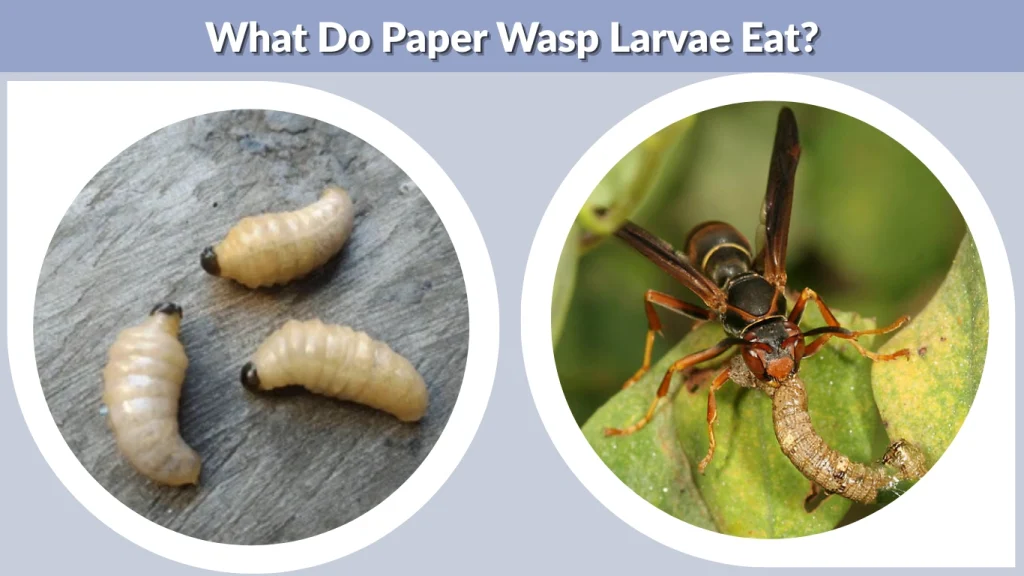
The diet of paper wasp larvae is very different from that of adults. Larvae rely entirely on protein-rich food provided by the worker wasps. Adults capture and chew soft-bodied insects, turning them into a paste-like substance that is fed directly to the larvae inside the nest’s hexagonal cells.
This protein is crucial for the larvae’s growth, as it supports rapid development into pupae and later adult wasps. The larvae, in turn, secrete a sugary liquid that adult wasps consume — creating a mutual feeding relationship within the colony. This cycle keeps both larvae and adults nourished and active.
What Do Adult Paper Wasps Eat and Drink?
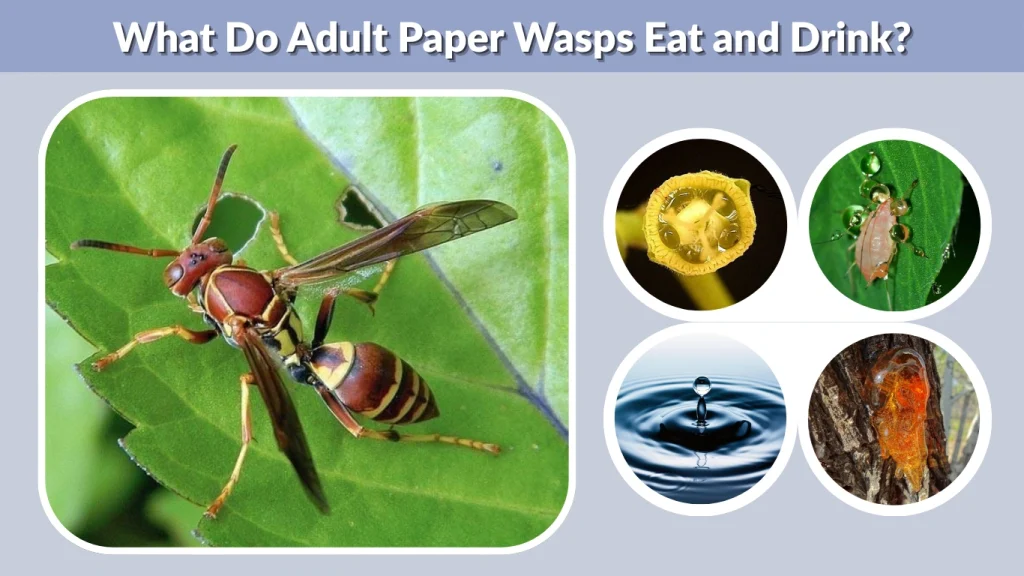
Adult paper wasps primarily consume sugary substances to fuel their energy needs. They are frequently seen hovering over flowers, sipping nectar, or feeding on ripe fruits. In residential areas, they’re also drawn to sweet drinks, soda cans, and food scraps, especially during summer.
Adult wasps commonly feed on:
- Nectar and floral juices
- Honeydew from aphids
- Fruit juices and tree sap
- Water, which they use for hydration and nest maintenance
These sugar sources help adults maintain strength for building nests, caring for larvae, and defending their colony. While hunting, adults sometimes consume small amounts of insect fluids, but their primary diet remains carbohydrate-based.
What Insects Do Paper Wasps Eat?
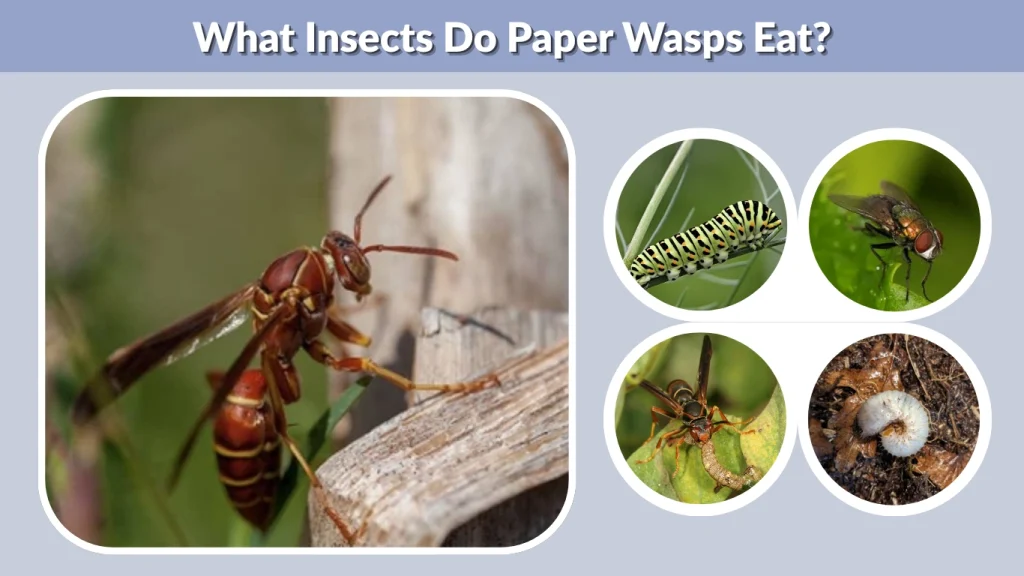
Paper wasps are efficient predators that help control common garden pests. They primarily hunt soft-bodied insects such as caterpillars, flies, and beetle larvae. These prey are chewed into pulp to feed larvae but also occasionally eaten by adults in small quantities.
Their hunting behavior is beneficial for natural pest management. By preying on destructive caterpillars and larvae, paper wasps reduce crop and plant damage — making them helpful allies for gardeners and farmers.
Regional Diet Variations
Paper wasps live on every continent except Antarctica, and their diet varies slightly depending on the species and local environment. While all paper wasps rely on insects and nectar, their hunting preferences and feeding habits can differ.
Red Paper Wasps
Red paper wasps, commonly found in warmer regions like the southern United States and Australia, are active hunters of caterpillars and moth larvae. They require a high-protein diet in the spring to support larval growth. During late summer, they switch to sugary foods such as fruit nectar and tree sap to sustain adult energy levels.
European Paper Wasps
European paper wasps (Polistes dominula) are more adaptable in their feeding habits. They consume a wider variety of insects, including flies, spiders, and beetle larvae. In urban environments, they scavenge for sweet residues or leftover food from human activity, showing remarkable flexibility in diet.
Asian and Australian Paper Wasps
In Asia and Australia, paper wasps often feed on small garden pests like aphids, leaf miners, and fruit fly larvae. During dry seasons, they rely heavily on floral nectar and fruit juices due to reduced insect availability. Australian species also consume more native caterpillars, playing a significant role in natural pest control for local vegetation.
Northern and Black Paper Wasps
Northern species such as Polistes fuscatus focus primarily on caterpillars and soft-bodied larvae. Black paper wasps exhibit similar feeding behavior but are more active during the cooler parts of the day, often feeding on tree sap, ripe fruit, and nectar.
What Do Baby and Larval Paper Wasps Eat?
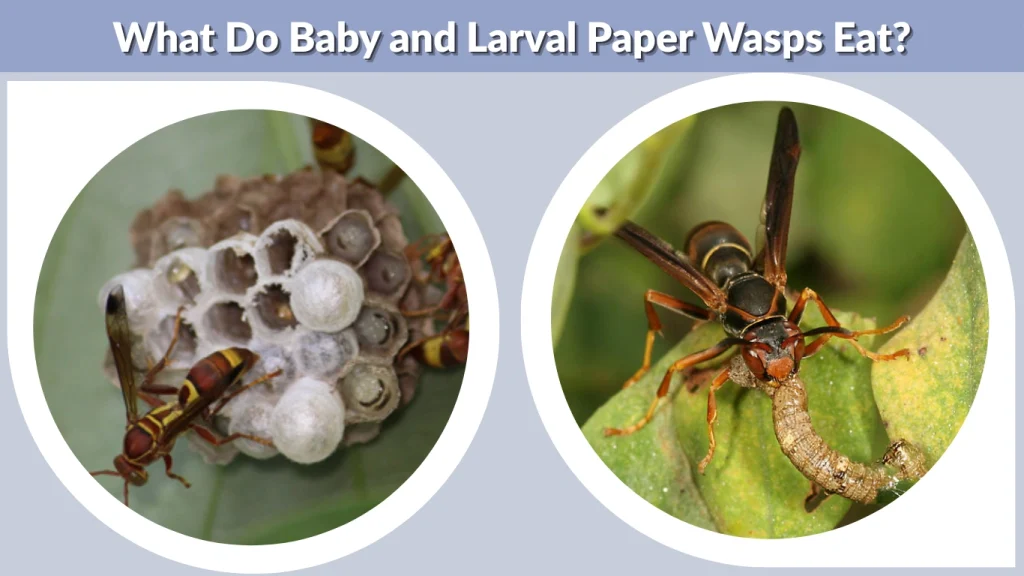
Paper wasp larvae depend entirely on protein provided by adult wasps. Workers hunt, paralyze, and chew their prey into a soft pulp, feeding it directly to the larvae. The young wasps digest this protein to grow quickly and develop into pupae.
Inside the nest, communication between adults and larvae is fascinating. The larvae make soft vibrations or movements when hungry, prompting adults to deliver food. Once the larvae reach maturity, they give back to the colony by producing a sweet secretion that adult wasps consume — a perfect example of cooperation in insect colonies.
Protein consumption by larvae ensures healthy adult wasps with strong wings, durable exoskeletons, and efficient flight capability, vital for foraging and nest defense.
What Do Paper Wasps Eat and Drink in Different Seasons?
Paper wasps change their diet based on seasonal needs. Their feeding habits align with their colony’s life cycle and environmental food sources.
- Spring: Queens and new workers prioritize hunting for insects to feed developing larvae. Protein is crucial during this stage.
- Summer: As colonies expand, adults start consuming more nectar and sweet liquids for quick energy.
- Autumn: Food sources become scarce, and wasps turn to ripe fruits, tree sap, and sugary human foods.
- Winter: Most paper wasps die off except for fertilized queens. Before hibernating, these queens feed lightly on nectar or stored sugars to survive the cold months.
This natural dietary rhythm ensures each generation of wasps gets the right nutrients at the right time of year.
Do Paper Wasps Eat Human Food?
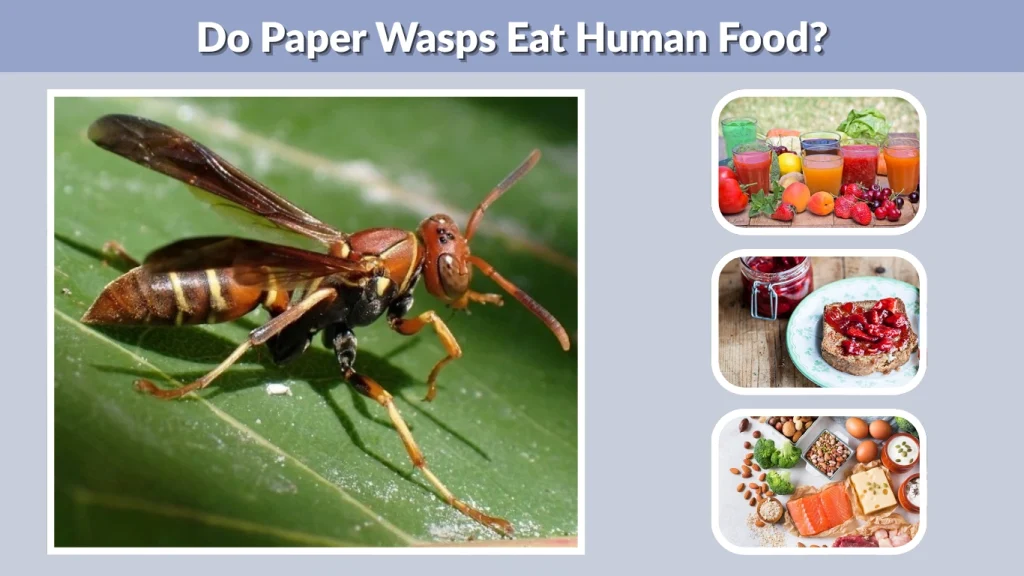
Yes, paper wasps are frequently attracted to human food, especially during late summer and autumn. Their craving for sugar leads them to hover around soda cans, fruit bowls, or picnic tables. They are particularly drawn to:
- Sweet drinks and fruit juices
- Sticky residues from soda or jam
- Small pieces of meat or seafood (as a protein source)
Although this can be annoying, it’s important to remember that they’re not trying to attack — they’re simply searching for easy energy sources. Keeping food covered and cleaning up spills helps prevent unwanted wasp attention.
How Diet Differs from Mud Daubers and Hornets
While paper wasps, hornets, and mud daubers are all wasps, their diets differ significantly.
- Paper Wasps: Eat both insects (for larvae) and nectar (for adults).
- Hornets: More aggressive predators that feed mostly on live insects.
- Mud Daubers: Specialize in capturing spiders, which they paralyze and store in mud cells for their young.
This variation explains why paper wasps are less aggressive — their diet and lifestyle rely more on balance between hunting and pollination than pure predation.
FAQs
What do paper wasps like to eat most?
They enjoy nectar and sugary substances the most, but they also hunt soft-bodied insects like caterpillars to feed their larvae. Their diet shifts between protein and sugar depending on their role in the colony.
Do paper wasps eat other bugs?
Yes. Paper wasps eat caterpillars, flies, beetle larvae, and other small insects. This makes them valuable natural pest controllers in gardens and crop fields.
What do paper wasp larvae eat?
Larvae consume protein-rich food, mainly chewed-up insects provided by adults. The high protein content helps them develop into strong and healthy adult wasps.
Do paper wasps drink water?
Absolutely. Paper wasps drink water to stay hydrated and to mix with chewed wood fibers while building their nests. They also use it to regulate the temperature inside their colonies.
Do paper wasps eat during winter?
Only the queens survive through winter. Before hibernating, they feed lightly on nectar or fruit sugars to store energy, while the rest of the colony dies off in cold weather.
