

Stink bugs are well known for their unpleasant odor, but their feeding behavior is what truly makes them a concern for farmers and homeowners alike. These insects belong to the family Pentatomidae and use piercing-sucking mouthparts to draw fluids from plants. Depending on the species, some focus on fruits and crops, while others act as predators of smaller insects. Understanding what stink bugs eat helps explain why they invade homes, damage gardens, and even cause agricultural losses.
Stink Bug Diet Overview
Most stink bugs are herbivores that feed on plants, seeds, and fruits. They puncture plant tissues and suck out the juices, leaving behind scars, deformations, and sometimes total crop loss. However, not all stink bugs are the same. Some species, such as predatory stink bugs, rely on caterpillars, beetle larvae, and other insects. This mix of plant-feeding and predatory behavior makes their diet diverse and their role in ecosystems complex.
What Do Stink Bugs Eat Outdoors?
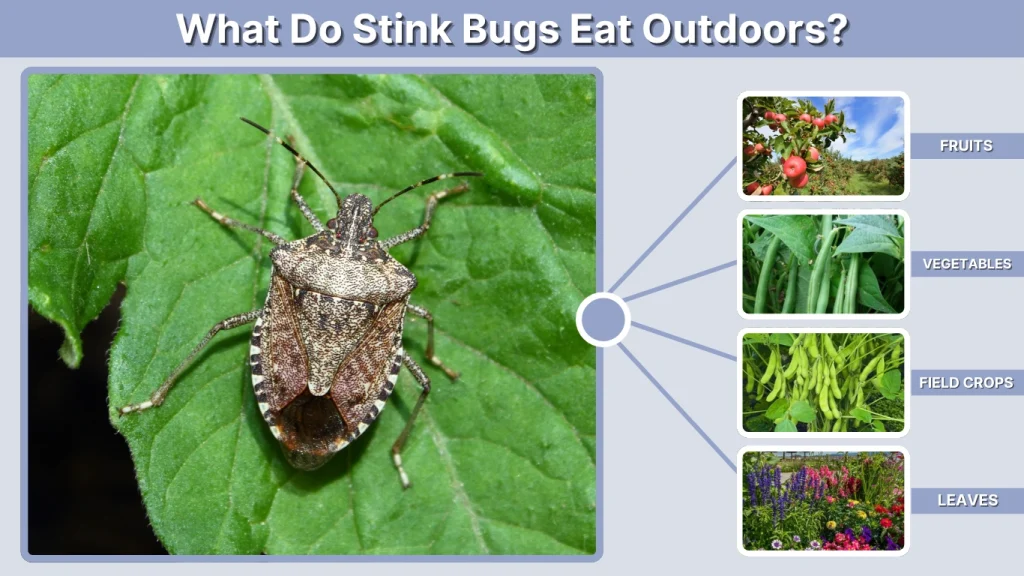
When outdoors, stink bugs primarily target agricultural fields, orchards, and gardens. Their appetite can cause significant damage, especially when populations rise in the summer and fall. The most common foods include:
- Fruits such as apples, peaches, citrus, and tomatoes.
- Vegetables including beans, peppers, and corn.
- Field crops like soybeans, rice, and wheat.
- Leaves and stems of ornamental plants in gardens.
Alongside these, certain predatory species like the Florida predatory stink bug feed on caterpillars, beetle grubs, and other soft-bodied insects. This makes them useful for natural pest control, though most stink bugs remain a problem for crops.
What Do Stink Bugs Eat Indoors?
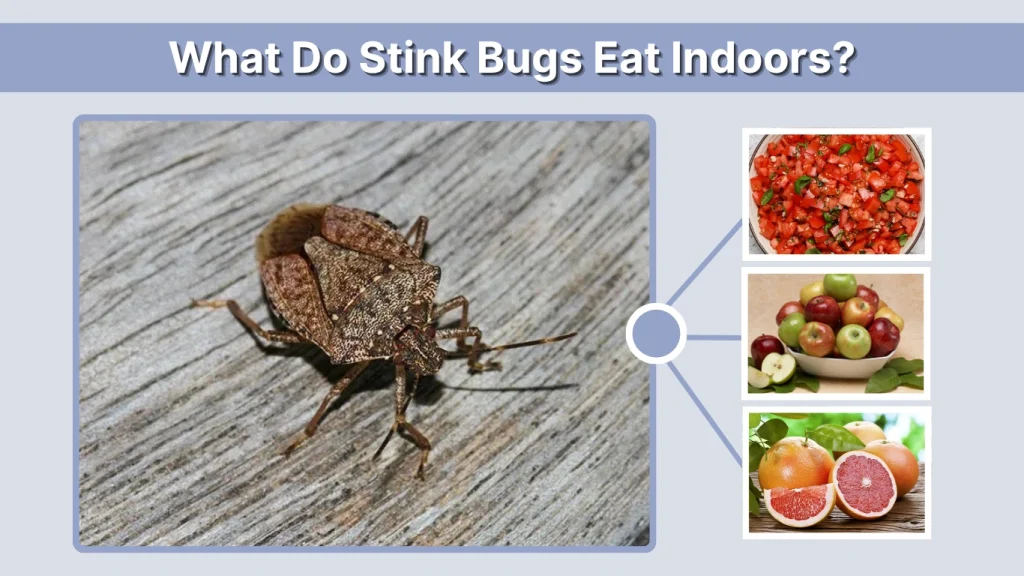
Inside the home, stink bugs are far less destructive than outdoors. Unlike pantry pests, they rarely infest stored grains or packaged foods. Instead, their interest is usually limited to potted houseplants and any fresh fruits left uncovered. A bowl of tomatoes, apples, or citrus on the counter may attract their attention, but overall, they do not survive long on household foods.
Many stink bugs that wander inside do not feed much at all. Their primary reason for entering homes is to seek shelter during the colder months. By finding cracks around windows, doors, and attics, they gain access to warm spaces where they remain mostly inactive. For this reason, their presence indoors is usually more of a nuisance than a threat to food supplies.
Brown Marmorated Stink Bug Diet
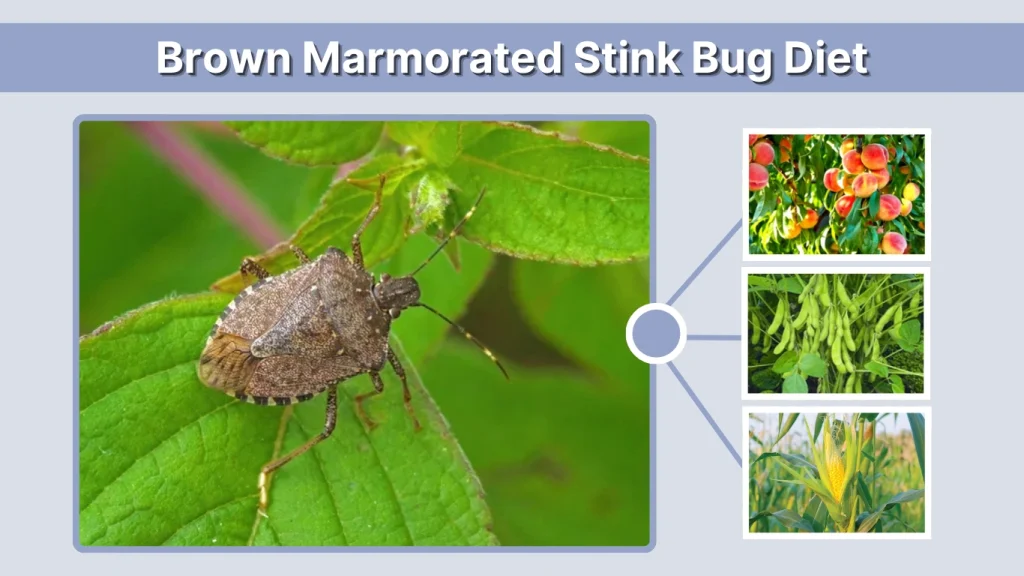
The brown marmorated stink bug is one of the most infamous species due to its invasive spread across North America. Unlike some stink bugs that specialize in a limited number of plants, this species feeds on more than 100 different plants and crops. Its diet often includes fruits, vegetables, ornamental plants, and seeds. Farmers have reported extensive damage to peaches, soybeans, apples, corn, and peppers because of their feeding.
This species is also known for its adaptability. It can thrive in orchards, gardens, and fields, making it difficult to control. Its broad diet makes it one of the most damaging agricultural pests among stink bugs, and it continues to spread into new regions where crops are at risk.
Green Stink Bug Diet
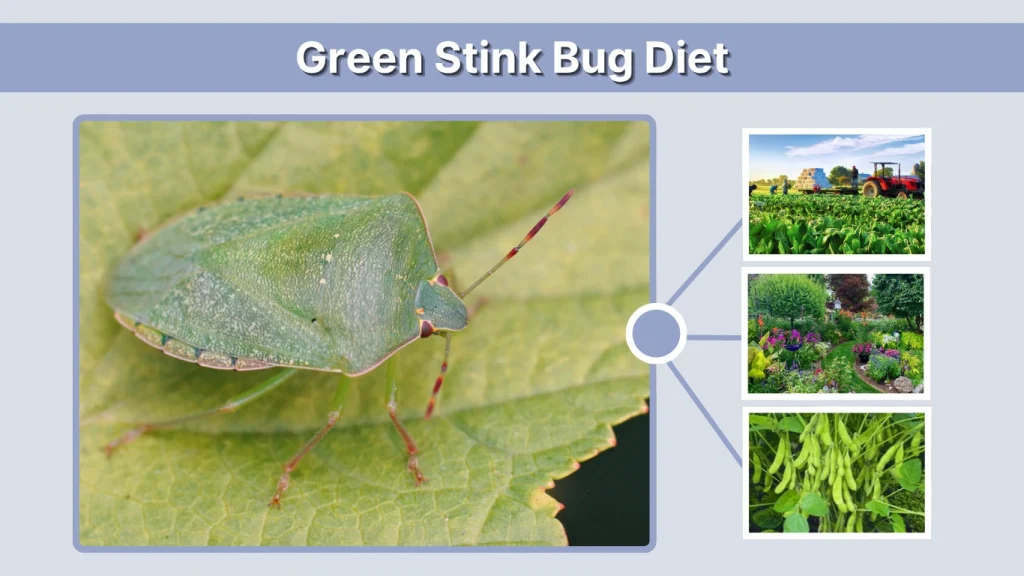
The green stink bug is another species frequently encountered in farms and gardens. It is especially common in the southern United States, where it feeds heavily on legumes such as soybeans and beans. Cotton and grain crops also attract these insects, and infestations can cause major agricultural challenges.
Unlike the brown marmorated stink bug, the green stink bug is not as invasive but is still highly destructive within its native range. Their preference for pods, seeds, and developing fruits means they often strike at critical stages of crop growth. This can result in shriveled seeds, spotted fruits, and a sharp drop in yield.
Seasonal Diet: What Do Stink Bugs Eat in Winter?
During the winter, stink bugs undergo a survival strategy rather than an active feeding stage. As temperatures drop, they enter a state known as diapause, which is similar to hibernation. In this dormant phase, they do not eat at all but instead survive on the fat reserves built up during the summer and fall.
This explains why they are often found clustering inside homes, barns, or sheds in cold weather. They do not invade houses to eat; they enter to escape the cold and conserve energy. Once spring returns, they emerge from hiding to resume feeding and reproduction.
Stink Bugs in the House: Feeding and Survival
When stink bugs end up in your home, their behavior changes compared to when they are outside. They are not typical household pests that infest pantry foods or stored grains. Instead, they may nibble on indoor plants or fruits left in open bowls. However, their survival indoors does not depend on continuous feeding.
Most stink bugs inside a house are simply waiting out the cold season. They cluster in wall voids, attics, and window frames, relying on stored body fat rather than consuming much food. This explains why many homeowners notice them appearing suddenly in the spring—they are emerging from months of hiding.
What Do Baby (Nymph) Stink Bugs Eat?

The feeding habits of young stink bugs, or nymphs, are very similar to adults. They have the same piercing-sucking mouthparts and feed on soft plant tissues. Because of their smaller size, they prefer tender parts such as:
- Young leaves and shoots
- Developing fruits
- Soft pods and seeds
These foods allow them to grow rapidly through several molts before becoming adults. Just like adults, nymphs of predatory species can also consume small insects and larvae, though the majority are plant feeders.
Regional Diets of Stink Bugs
Stink bug diets also vary depending on the region and species. In Asia, the brown marmorated stink bug attacks orchards and field crops, with rice and soybeans being key targets. In Australia, local stink bugs cause damage to citrus groves and native plants, making them a problem for fruit growers.
In Florida, the predatory stink bug plays a different role. Instead of harming plants, it hunts caterpillars and other agricultural pests. This makes it beneficial in some cases, though it is not as common as the plant-feeding types. The southern green stink bug, often found in warmer regions, favors soybeans, beans, and cotton, threatening large-scale agriculture in those areas.
Risks and Concerns for Pets
One common question among pet owners is what happens if a dog eats a stink bug. Fortunately, stink bugs are not poisonous. However, they release defensive chemicals that taste unpleasant and may irritate a dog’s digestive system. Reactions can include drooling, gagging, vomiting, or temporary loss of appetite.
Most dogs recover quickly with no need for medical treatment, though providing water helps wash away the taste. If symptoms persist, contacting a veterinarian is recommended, but in most cases the reaction is mild. Cats may also experience similar effects if they attempt to eat stink bugs, though they are generally less likely to do so.
What Do Stink Bugs Eat in the Garden?
In gardens, stink bugs can cause visible damage to fruits and vegetables. They feed on tomatoes, peppers, cucumbers, beans, and even ornamental flowers. Their feeding leaves behind small dark spots, deformed fruits, or yellow patches on leaves. Because they often feed in groups, the damage can spread quickly across multiple plants.
Gardeners often notice that late summer and early fall are the peak times for stink bug activity. This is when their populations rise and they seek food before winter. Crops that are ripening at this time, such as tomatoes or peppers, are especially vulnerable.
FAQs
What plants do stink bugs eat?
Stink bugs feed on a wide range of plants, including fruits, vegetables, legumes, and ornamental plants. They use piercing mouthparts to suck plant juices, which often causes scars, discoloration, or deformities. Some species are particularly destructive in farms and gardens, making crops like soybeans, tomatoes, corn, and apples highly vulnerable.
Do stink bugs eat other insects?
Most stink bugs are plant-feeding insects, but a few species are predators. Predatory stink bugs, such as the Florida predatory stink bug, hunt caterpillars, beetle larvae, and other soft-bodied insects. While plant-feeding species damage crops, predatory stink bugs can be beneficial by reducing harmful insect populations in certain ecosystems.
What do stink bugs eat in the house?
Inside homes, stink bugs feed very little. At most, they may target indoor plants or uncovered fruit bowls, but they rarely infest human food supplies. Their main reason for entering houses is to overwinter, not to eat. They remain inactive during the cold months and survive on fat reserves until spring.
What do stink bugs eat in winter?
In winter, stink bugs enter diapause, a dormant state similar to hibernation. During this period, they stop feeding completely and rely on stored nutrients for survival. This is why they cluster inside homes, barns, and sheds, where warmth helps them conserve energy until outdoor temperatures rise again in spring.
What happens if my dog eats a stink bug?
If a dog eats a stink bug, it usually experiences only mild side effects. These include drooling, vomiting, or gagging due to the bug’s foul-tasting defensive chemicals. While unpleasant, stink bugs are not toxic to dogs. Providing fresh water helps, and symptoms typically pass within a short time without treatment.
