

Termites are known for their wood-eating habits, but their diet extends far beyond wooden beams and tree trunks. These tiny pests have powerful jaws and digestive systems that allow them to break down cellulose in a variety of materials. In this guide, we’ll answer 55 frequently asked questions about what termites eat, from wood and paper to drywall and clothing—helping you understand and prevent their destructive appetite.
55 FAQs and Facts about Diets
1. What do termites eat?

Termites primarily eat cellulose, a plant-based fiber found in wood, paper, and plants. This includes furniture, dead trees, cardboard, and even certain fabrics. Their ability to digest cellulose makes them one of the most destructive pests when it comes to wood-based materials in homes and structures.
2. Do termites eat pressure-treated wood?
Termites generally avoid pressure-treated wood because it contains chemicals that deter them. However, if the wood becomes old, weathered, or cracked, termites may find their way inside, especially in moist environments.
3. Do termites eat drywall?
Yes, termites can and do eat drywall. They’re especially drawn to the paper lining on drywall, which contains cellulose. Over time, termite damage to drywall can cause bubbling, sagging, or hollow-sounding walls.
4. Do termites eat clothes?
While termites prefer wood and plant materials, they may chew through cotton or linen fabrics, especially if the material contains traces of starch or sugar. However, it’s not their primary food source.
5. Do termites eat trees?
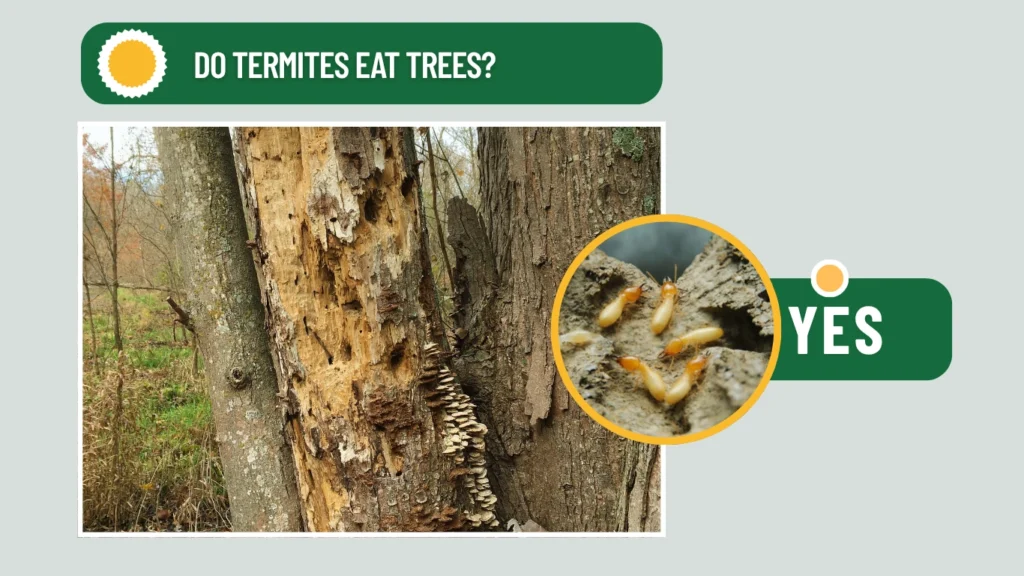
Yes, termites eat both dead and living trees. They usually target decaying or weakened wood, but in large infestations, even healthy trees can become vulnerable, especially at the root or base level.
6. Do termites eat cardboard?
Absolutely. Cardboard is rich in cellulose, making it a favorite snack for termites. Storing cardboard boxes in damp or dark areas can attract termite infestations.
7. Do termites eat cedar wood?
Cedar wood contains natural oils that are thought to repel termites, but it’s not immune. Some termite species may still chew on cedar if no other food sources are available or if the wood is old and weathered.
8. Do termites eat live trees?
Termites can eat live trees, particularly targeting the roots and lower trunks. They typically go after trees already weakened by disease or environmental stress, which makes them easier to invade.
9. Do termites eat bamboo?

Yes, bamboo contains cellulose and is attractive to termites. Though it’s technically a grass, many species of termites will feed on bamboo structures, flooring, and furniture.
10. Do termites eat mulch?
Yes, especially wood-based mulch. Termites are drawn to mulch because it is moist, soft, and easy to chew. It’s a common hiding and feeding ground if placed too close to a home’s foundation.
11. Do termites eat paper?
Yes, termites are highly attracted to paper because it’s made from processed wood pulp, rich in cellulose. Paper in storage, books, and even wallpaper can become food for termites if kept in humid or dark environments.
12. Do termites eat plywood?
Yes, termites can eat plywood. Although plywood is engineered from multiple wood layers, it still contains cellulose, making it a viable food source. Once termites find an entry point, they can tunnel through the layers easily.
13. Do termites eat plastic?

No, termites do not eat plastic. However, they may chew through plastic materials—like cable casings or plastic pipes—to reach food sources on the other side. So while they don’t digest plastic, they can still damage it.
14. Do termites eat live wood
Yes, termites can eat live wood, particularly if it’s moist or already weakened. Subterranean termites, in particular, are known to attack the roots and trunks of living trees and shrubs.
15. Do termites eat redwood?
Redwood is naturally resistant to termites due to its dense structure and oils, but it is not completely immune. Older, weathered redwood or wood in contact with moist soil may still be susceptible over time.
16. Do termites eat treated lumber?
Treated lumber is designed to resist termite attacks, but it’s not foolproof. If the chemical treatment wears off or the wood gets cracked and exposed, termites may still invade and start feeding.
17. Do termites eat seeds or grains?

No, termites do not eat seeds or grains. Their digestive systems are specifically adapted to break down cellulose, not starches or proteins commonly found in seeds and grains.
18. Do termites eat through concrete?
No, termites cannot digest or eat concrete. However, they are skilled at finding tiny cracks or gaps in concrete foundations to reach wooden structures beyond. This is why even homes with concrete bases are not safe.
19. Do termites eat books?
Yes, termites can eat books. The pages, covers, and binding of books often contain cellulose-rich materials. Books stored in damp or dark areas are particularly vulnerable to termite damage.
20. Do termites eat sheetrock?
Yes, especially the paper backing on sheetrock (drywall), which contains cellulose. Once inside, termites can damage walls, ceilings, and insulation layers, often going unnoticed until significant destruction occurs.
21. Do termites eat cardboard?
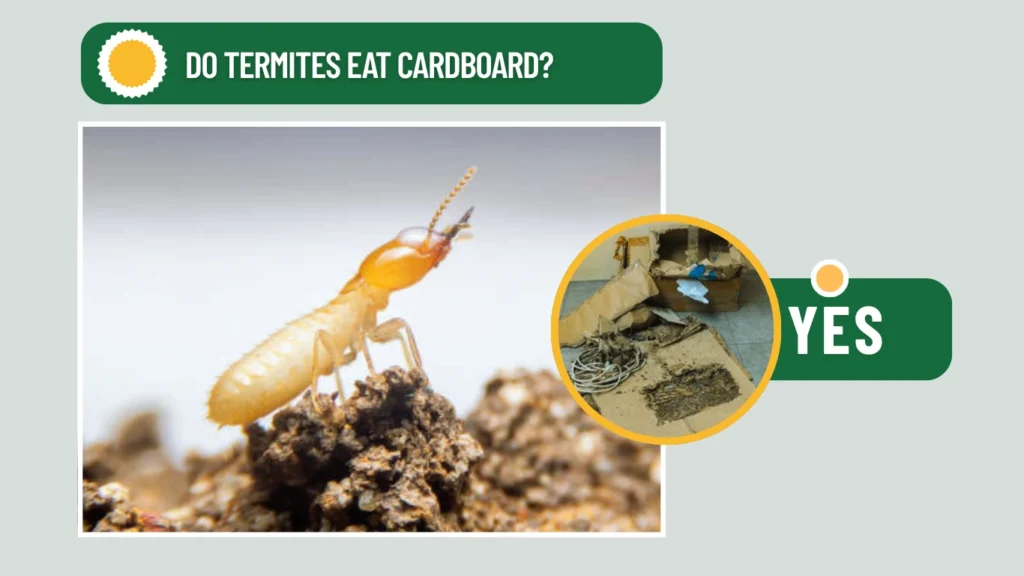
Yes, termites eat cardboard. It’s made from cellulose-rich wood pulp, which is a primary food source for them. Cardboard is soft, easy to chew, and often found in basements, garages, or storage areas—places that attract termites due to darkness and moisture.
22. Do termites eat mulch?
Yes, termites are often attracted to mulch, especially if it’s made from wood chips. While they may not actively infest mulch right away, it creates a moist, shaded environment close to your home’s foundation—perfect for termites to thrive and eventually reach your house.
23. Do termites eat drywall?
Termites don’t eat gypsum itself, but they consume the paper layers on both sides of drywall. These paper layers contain cellulose. Infestations often go unnoticed because termites tunnel through walls internally, causing severe damage before signs appear.
24. Do termites eat clothing?

Generally, no. However, if clothing is stored in wooden drawers or cardboard boxes, termites might cause incidental damage while seeking cellulose. Additionally, they could chew fabrics stained with food or body oils, though this is rare and indirect.
25. Do termites eat bamboo?
Yes, termites can eat bamboo, particularly if it is untreated and exposed to moisture. While bamboo is denser than many softwoods, it still contains cellulose, making it a suitable target for hungry termites—especially drywood species.
26. Do termites eat books and paper items?
Absolutely. Termites are notorious for destroying books, documents, and newspapers, especially when stored in dark, humid environments. They feed on the cellulose in paper, often hollowing out entire books without damaging the outer cover until it collapses.
27. Do termites eat live trees?
Yes, some termite species attack live trees, feeding on the moist inner wood or root systems. Subterranean termites are known to infest trees from underground. This weakens the tree over time and can cause structural instability or death.
28. Do termites eat cedar wood?

Cedar wood is naturally resistant to termites due to its oils and density, but it is not completely immune. Over time, especially if aged or damaged, cedar can become vulnerable, especially to persistent termite colonies in moist environments.
29. Do termites eat ants?
No, termites do not eat ants. In fact, ants are natural predators of termites. Many species of ants, like carpenter ants and fire ants, actively attack and feed on termites. Ant presence often discourages termite infestations.
30. Do termites eat trees?
Yes, termites can and do eat trees—both dead and living. Dead logs, stumps, and even standing trees with decay or excess moisture can become prime feeding grounds for termites, especially in forested or suburban areas.
31. Do termites eat plants?
While termites primarily consume dead plant matter like wood and leaves, they occasionally damage live plants. They may feed on roots, stems, or bark of young plants or saplings—especially if the plants are stressed or growing near termite-infested soil.
32. Do termites eat wood furniture?

Yes, termites are infamous for destroying wood furniture. Drywood termites, in particular, bore directly into furniture, often going undetected until visible damage appears. Signs include small holes, frass (termite droppings), and weakened wood joints or legs.
33. Do termites eat plywood?
Yes, termites eat plywood, as it’s composed of layers of wood glued together—each containing cellulose. Both subterranean and drywood termites can chew through it, especially if moisture is present or the glue is not termite-resistant.
34. Do termites eat trees in the wild?
Yes, in natural settings, termites help break down dead trees, branches, and fallen logs. They play a crucial role in the ecosystem by recycling plant material. However, they can also damage healthy trees if conditions allow.
35. Do termites eat through walls?
Yes, termites can tunnel through walls made of wood, drywall, or even thin layers of plaster. They often remain hidden within walls, feeding on structural supports and insulation paper, leading to severe interior damage before discovery.
36. Do termites eat painted wood?
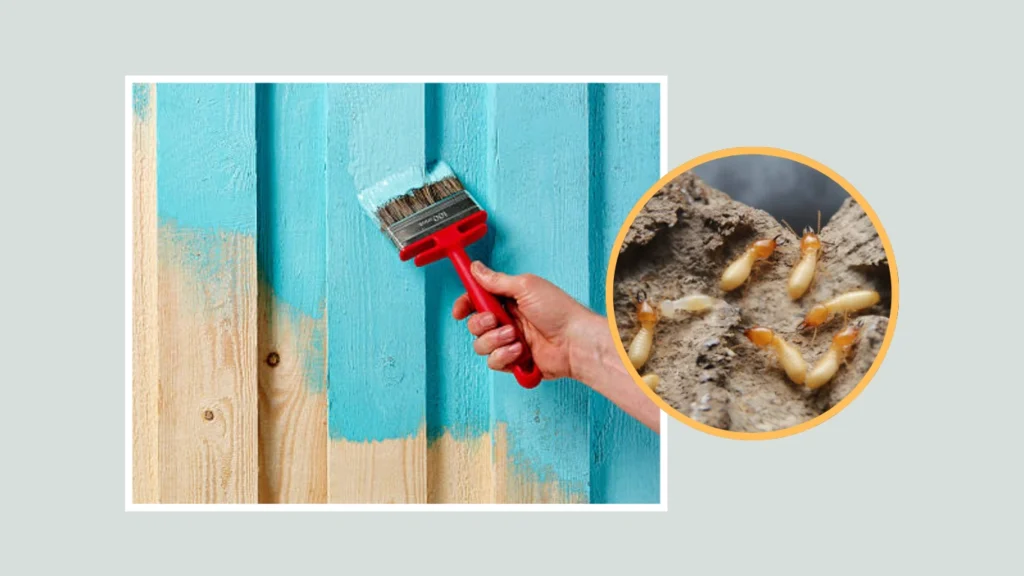
Painted wood may offer short-term protection, but it’s not termite-proof. If there are cracks, gaps, or peeling paint, termites can access the cellulose inside. Over time, painted surfaces alone will not stop a determined colony.
37. Do termites eat oak wood?
Yes, termites will eat oak wood, though it is denser and more resistant than softwoods. Subterranean termites may target oak if moisture is present. Drywood termites can also infest oak furniture or flooring over time.
38. Do termites eat maple or hardwoods?
Yes, hardwoods like maple are not immune to termites. While termites prefer softer woods for easier consumption, they will still chew into hardwoods if no better food source is available, especially in humid environments.
39. Do termites eat birch wood?
Yes, termites can consume birch wood. Although it’s moderately dense, birch still contains cellulose, making it a viable food source for termites. Moisture exposure increases the risk of birch becoming a target.
40. Do termites eat painted drywall?

Yes, if the paint on drywall is cracked or degraded, termites can penetrate it to reach the cellulose in the paper layer beneath
41. Do termites eat bark?
Yes, termites can eat bark, especially if it’s part of rotting wood or decaying tree stumps. While it’s not their top preference compared to inner wood layers rich in cellulose, bark can be an accessible food source in damp environments.
42. Do termites eat leaves?
Some termite species, particularly in tropical regions, consume dead leaves and organic debris as part of their natural role in decomposing plant material. However, in urban settings, they mostly focus on wood and wood-based materials.
43. Do termites eat dead roots?
Yes, termites often feed on decaying roots underground. This is common in garden beds or near old tree stumps. Subterranean termites are particularly drawn to the moisture and cellulose found in decomposing roots.
44. Do termites eat compost?

Termites may feed on organic materials in compost piles, especially if it contains woody or fibrous plant material. However, well-managed compost that’s hot and frequently turned is less attractive to termites due to heat and disturbance.
45. Do termites eat mulch?
Yes, mulch can attract termites, particularly wood-based types like pine bark, cypress, or eucalyptus. While termites don’t always infest mulch directly, it provides moisture and shelter, encouraging them to explore nearby structures.
46. Do termites eat firewood?
Absolutely. Firewood stored directly on the ground or near your home can be a buffet for termites. They burrow into the logs and may use it as a bridge to access wooden parts of your house if not properly stored.
47. Do termites eat fence posts?
Yes, especially untreated wooden fence posts. Subterranean termites often enter from the ground and eat the post from inside out. Using pressure-treated or metal posts and keeping the base dry can help prevent infestations.
48. Do termites eat tree branches?

Yes, dead or fallen branches are ideal food sources for termites. Even living branches with internal decay or moisture damage may be vulnerable, especially near the trunk or base of a tree.
49. Do termites eat structural beams?
Yes, structural beams—especially wooden ones—are common targets. Termites can compromise the integrity of a house by tunneling through support beams, often undetected until damage becomes severe.
50. Do termites eat pine wood?
Yes, termites readily eat pine wood. It’s soft and easy to chew, making it a preferred material for some species. Pressure-treated pine is more resistant but not entirely immune if conditions are favorable.
