
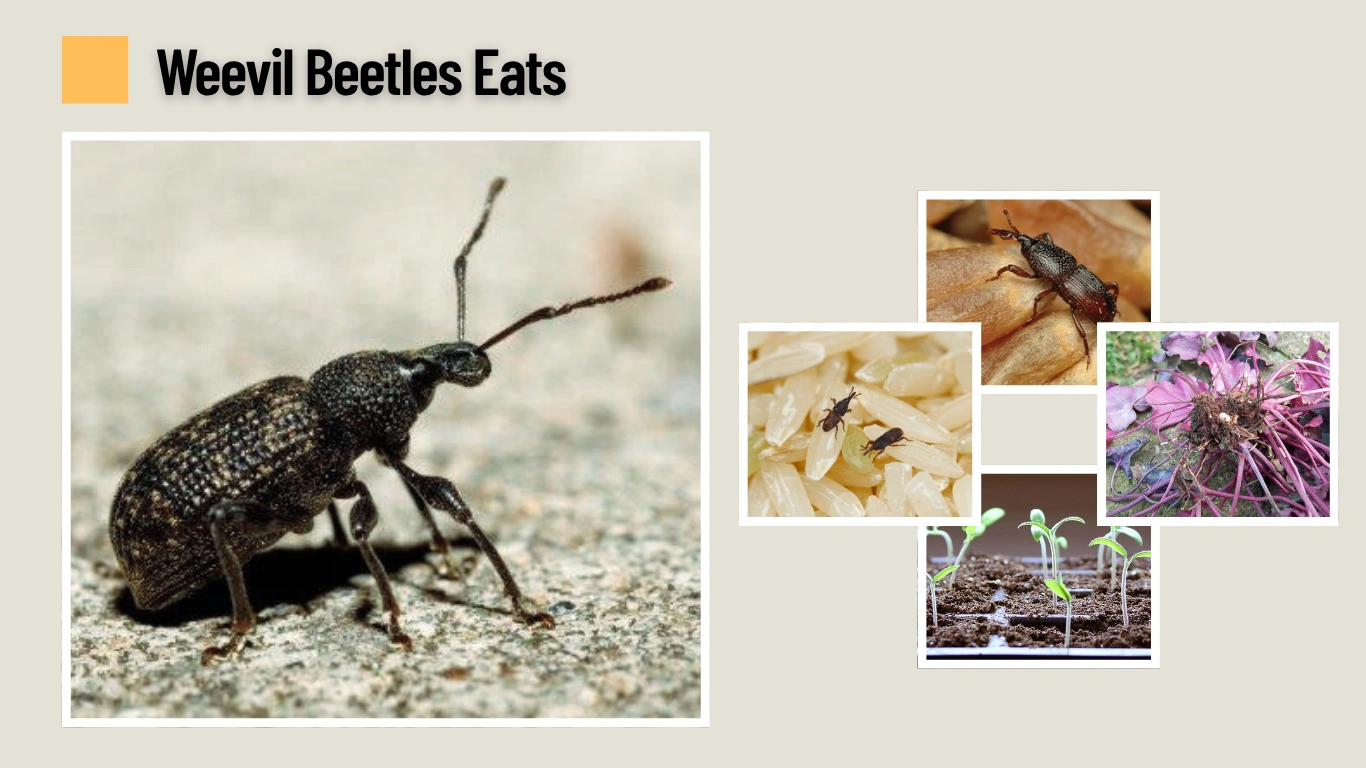
Weevil beetles are known for their sneaky feeding habits, often destroying food in our kitchens or damaging plants from the roots up. While some weevils infest dry pantry goods like rice and flour, others attack live plants, feeding on leaves, roots, and even seedlings in your garden or greenhouse.
Understanding what weevil beetles eat can help you identify infestations early and take proper steps to protect your food and plants. In this article, we’ll explore 20 of the most common foods that attract different types of weevils—from grain-loving pests to root-chewing garden invaders.
Pantry and Storage Foods
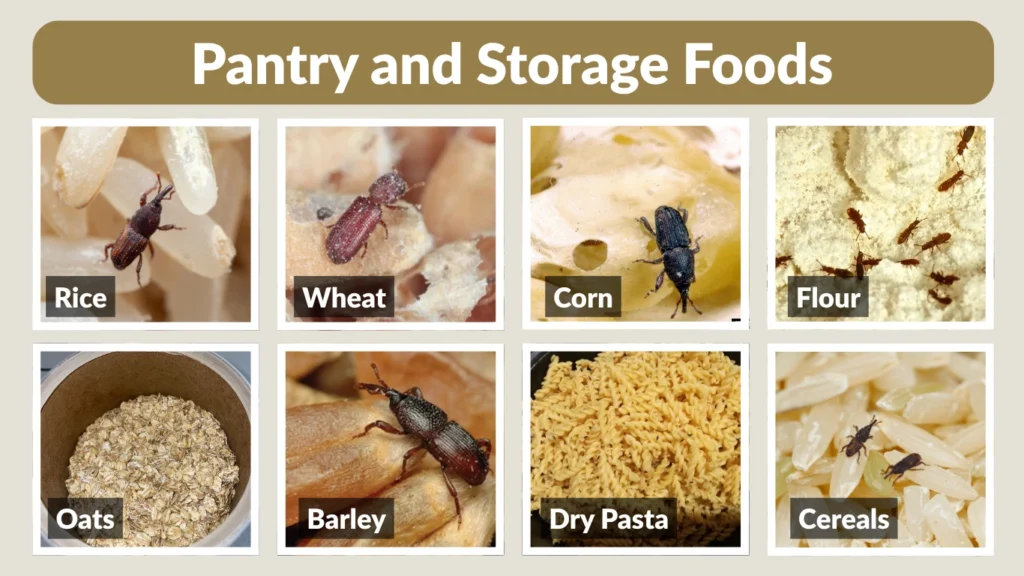
Storage weevils are among the most common pests found in household kitchens and commercial grain facilities. These weevils bore into dry, starchy foods and lay eggs inside, where larvae hatch and consume the product from within. Below are ten of their most commonly targeted foods:
1. Rice
Rice weevils are named for their preference for both white and brown rice. They lay eggs inside whole kernels, where the larvae consume the grain from the inside out.
2. Wheat
Whole wheat grains and wheat-based products are prime targets for granary weevils, which can destroy stored harvests quickly in bulk bins or silos.
3. Corn
Maize weevils specialize in corn, whether shelled or on the cob. Infestations can begin in the field or post-harvest during storage.
4. Flour
Though adult weevils prefer whole grains, larvae can sometimes infest processed flour, especially if it was milled from previously infested grain.
5. Oats
Oats are another cereal grain favored by storage weevils. They infest both rolled and whole oats if stored in warm, moist environments.
6. Barley
Weevils often infest barley in both animal feed and brewing ingredients. If not properly sealed, barley bags can quickly become breeding grounds.
7. Dry Pasta
Old or open boxes of pasta provide carbohydrates and shelter for rice and grain weevils, particularly in kitchen pantries.
8. Cereals
Breakfast cereals made from corn, wheat, or oats can attract weevils, especially once opened and stored improperly.
9. Dried Beans and Legumes
Weevils are known to target beans, lentils, and peas. Bean weevils are a distinct species that infest legume seeds directly.
10. Pet Food or Animal Feed
Dry pet food, birdseed, and livestock feed are frequently infested if stored in paper bags or thin plastic without airtight sealing. These protein-rich products can sustain weevil populations for months.
Garden and Plant-Based Foods

While some weevil species attack stored grains, others—like the vine weevil—are serious pests in the garden. These weevils feed on a wide range of live plant material, especially in potted plants and ornamental beds. Their larvae cause the most damage by feeding on plant roots, but adults also chew leaves and stems.
11. Plant Roots (Especially in Pots)
Weevil larvae thrive in potting soil, feeding on the roots of container-grown plants. This often leads to wilting, poor growth, or sudden plant collapse.
12. Strawberry Crowns and Roots
Strawberries are a favorite host plant for vine weevils. The grubs feed on the crown and root system, sometimes killing the plant entirely before symptoms are visible.
13. Heuchera Roots
Heucheras (coral bells) are frequently targeted by vine weevil larvae. These popular ornamentals often show signs of attack when their foliage suddenly collapses.
14. Begonia and Cyclamen Roots
These shade-loving, moisture-tolerant plants are especially attractive to vine weevils. Infested plants may rot from the base due to hidden grub activity.
15. Rhododendron Roots
Rhododendrons in outdoor beds and large pots are vulnerable to both adult feeding and root damage. Larvae can hollow out root systems in a matter of weeks.
16. Camellia Roots
Camellias in containers are another favorite target. Vine weevil grubs feed on the fleshy roots, weakening the plant over time and making it more susceptible to drought or disease.
17. Ornamental Shrubs
Various ornamental shrubs, such as azaleas, viburnums, and hydrangeas, can be attacked by root weevils in both nursery and home settings.
18. Young Seedlings
Tender seedlings with shallow roots are easy prey for weevil larvae. These plants may never establish properly and often die shortly after planting.
19. Leaf Edges of Host Plants
Adult vine weevils feed at night, chewing distinct U-shaped notches along the edges of leaves. This damage is cosmetic but indicates breeding activity nearby.
20. Decaying Organic Matter and Compost
Some weevil larvae feed on rotting vegetation in compost piles or rich organic soils. Though less destructive than root feeders, they can still pose a threat if they migrate to live plants.
Factors That Influence What They Eat
The diet of weevil beetles is shaped by a combination of environmental conditions, life stage, and species-specific preferences. Understanding these influences can help with both identifying infestations and choosing effective control strategies.
Moisture and Humidity
Weevils are more likely to infest food or plants in damp environments. Moist grains are easier for females to bore into and lay eggs, while moist soil is ideal for vine weevil larvae to thrive around plant roots.
Food Availability
Weevils are opportunistic. In pantries, they will infest any accessible dry food product—whether it’s rice, flour, or dog food. In gardens, their larvae will attack the most readily available roots, especially if plants are stressed or poorly maintained.
Plant Type and Root Structure
Vine weevils prefer broadleaf ornamentals with fleshy root systems like heuchera, begonias, or camellias. Plants with woody or fibrous roots are less attractive but not immune, especially if nearby soil is already infested.
Life Stage Behavior
Adults usually feed on external plant parts like leaves, while larvae feed from within—either inside grain kernels or below the soil line on plant roots. This makes their feeding habits destructive at every stage of their life cycle.
Seasonality
Feeding intensity can depend on the time of year. In spring and early summer, adults are most active above ground. In autumn and winter, larvae remain below the surface, feeding continuously until pupation in spring.
By tracking these factors, gardeners and homeowners can better time their weevil prevention and control methods for maximum impact.
Signs of Weevil Feeding
Detecting weevil feeding early can help limit the extent of the damage. However, because weevils often feed in hidden or protected areas—such as inside grains or underground around roots—the signs can be subtle at first. Below are some of the most common indicators of weevil activity based on their environment and feeding stage.
Holes in Grains or Pasta
In the pantry, small round holes in grains, beans, rice, or dry pasta are telltale signs of weevil larvae hatching and chewing their way out. These holes are often accompanied by fine grain dust or powder at the bottom of containers.
Hollowed or Lightweight Seeds
Infested grains and seeds may feel unusually light or crumble easily when crushed. This is due to larvae consuming the insides while leaving the outer shell intact.
Notched Leaf Edges
Adult vine weevils chew distinctive U-shaped notches along the edges of leaves. While this damage is usually cosmetic, it indicates that adults are present and likely laying eggs in the surrounding soil.
Wilting or Collapsing Plants
In container plants and garden beds, unexplained wilting—especially in well-watered plants—can signal root damage from weevil grubs. When roots are severely eaten, plants may suddenly collapse.
Poor Germination or Seedling Death
If stored seeds are infested with weevil larvae, germination rates may drop. Seedlings may also die shortly after emerging due to internal damage from hidden weevil feeding.
Grubs in Soil
While repotting or digging in garden beds, discovering white, C-shaped grubs with brown heads is a strong indication of vine weevil larvae feeding on roots underground.
Recognizing these signs early gives you a better chance to remove infested materials, treat the affected areas, and prevent further spread. Regular inspection of food storage and plant health is key to catching weevils before they cause serious damage.
How to Protect Your Food and Plants from Weevil Beetles
Preventing weevil beetles from infesting your home or garden starts with proper storage, regular monitoring, and targeted treatment when necessary. Since different types of weevils have different food sources, your strategy should match the environment—kitchen or garden.
In the Kitchen or Pantry
- Use Airtight Containers
Store all dry goods such as rice, flour, pasta, and cereals in thick, airtight containers made of glass, metal, or heavy-duty plastic. Thin plastic bags or paper boxes are easily penetrated by weevils. - Freeze New Grains
Place newly purchased dry goods in the freezer for 3–4 days before placing them in your pantry. This kills any hidden eggs or larvae and prevents infestations before they start. - Rotate and Inspect Stock Regularly
Use older food items first and avoid overstocking. Check dry foods monthly for signs of contamination—such as powdery residue, clumped grains, or small insects. - Vacuum and Sanitize Shelves
Keep pantry shelves clean and dry. Vacuum corners and cracks, and wipe down surfaces with white vinegar or mild disinfectant to remove food particles and scent trails.
In the Garden or Container Plants
- Inspect and Quarantine New Plants
Check new plants, especially those in containers, for signs of vine weevil damage before introducing them to your garden. Look for notched leaves or weak roots. - Use Vine Weevil Nematodes
Apply biological nematodes (e.g., Nemasys or Mightynem) to the soil in spring and autumn to kill weevil grubs before they damage plant roots. This is one of the most effective and natural treatments. - Encourage Natural Predators
Create a garden environment that attracts birds, frogs, and beetles that prey on weevils and their larvae. Avoid broad-spectrum insecticides that could harm these helpful species. - Remove and Replace Infested Soil
If you suspect a potted plant is infested with grubs, remove it from its container, wash the roots, and repot in fresh compost. Dispose of old soil far from healthy plants. - Use Traps and Sticky Barriers
For adult vine weevils, place sticky traps or barrier glues around pot rims and garden beds. These can intercept beetles before they lay eggs.
By staying alert to weevils’ feeding habits and knowing what they target, you can implement timely actions to protect your grains, seeds, and plants from costly damage. Regular maintenance, smart storage, and biological controls go a long way in keeping these persistent beetles at bay.
