
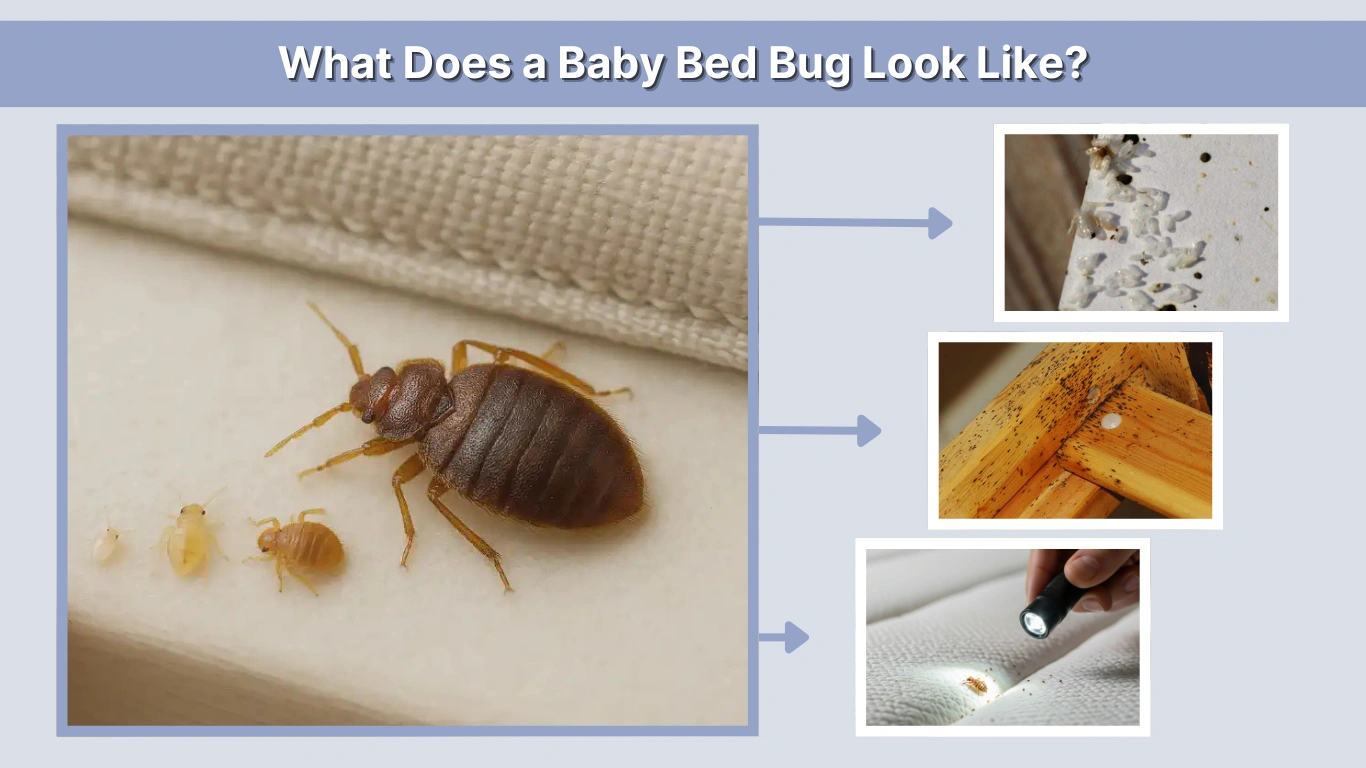
Spotting baby bed bugs can be challenging because they are extremely small and often transparent. These young pests, known as nymphs, look like miniature versions of adult bed bugs but with distinct size, color, and behavior differences. Recognizing them early is essential for preventing a larger infestation. Below is a detailed guide to help you identify baby bed bugs step by step.
Baby Bed Bug Basics
A baby bed bug is actually a nymph—the first stage after hatching from an egg. They are about 1–1.5 mm long at this point, nearly the size of a pinhead. Their bodies are translucent or whitish before feeding, making them hard to see on light-colored bedding. After a blood meal, their abdomen turns bright red, gradually darkening as digestion continues. Unlike many insects, they do not fly or jump; instead, they crawl slowly, searching for hosts.
Step-by-Step Identification Checklist
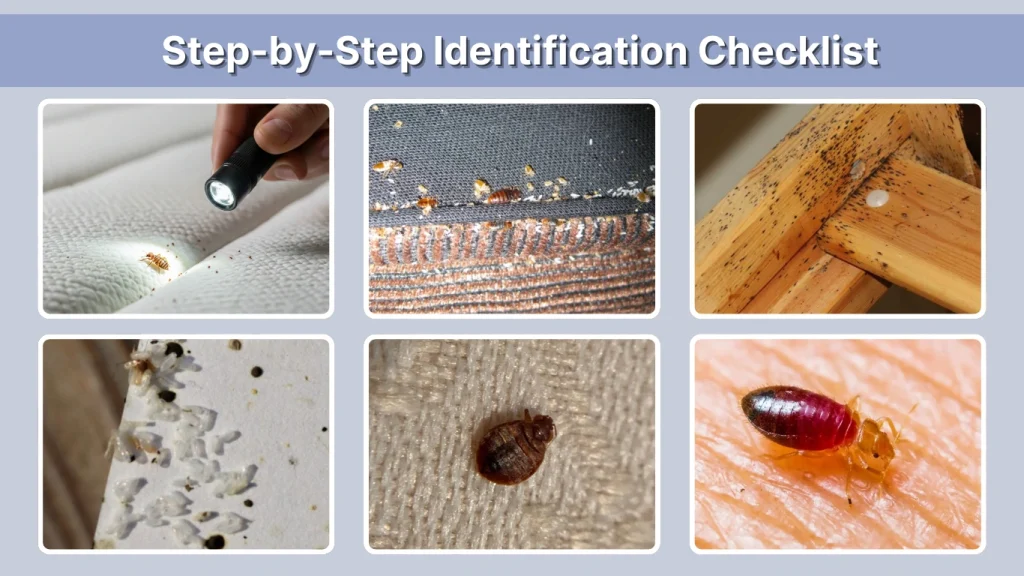
- Inspect bedding seams and tags with a flashlight, focusing on tiny moving shapes.
- Look for shed skins left behind as the bug grows through multiple stages.
- Spot fecal stains that resemble dark pepper-like dots on fabric or wood.
- Check for eggs, which are tiny, pearly white, and about 1 mm in length.
- Observe body shape: flat, oval, six legs, no wings, and slow movements.
- Notice color changes: pale before feeding, red right after feeding, tan to brown later.
Visual Cues in the Environment
Aside from the bugs themselves, environmental signs help confirm their presence. Shed skins—thin and papery outlines—accumulate where bed bugs hide. Small black fecal spots cluster on seams, wood, or paint, while eggs appear in hidden groups. In heavier infestations, a musty odor can also be detected, though it is not the most reliable sign.
Distinguishing Baby Bed Bugs from Lookalikes
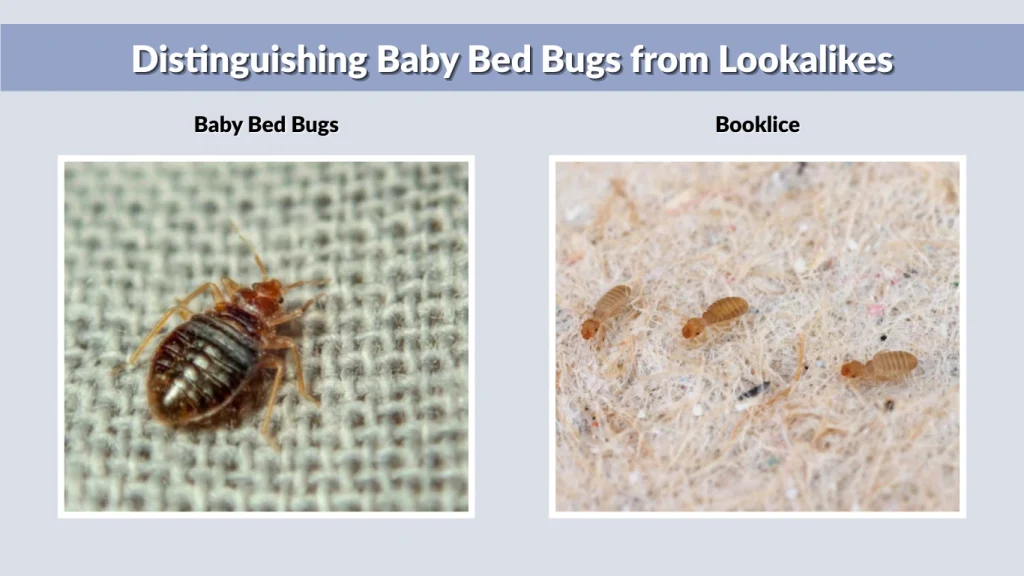
Many small household insects resemble bed bug nymphs. Booklice are elongated and thrive in damp, moldy areas, while carpet beetle larvae appear fuzzy and feed on fabrics rather than blood. Fleas are compressed sideways and capable of jumping, which bed bugs cannot do. Cockroach nymphs move faster and have a different thorax shape, often found in kitchens or bathrooms.
Simple Tools for Better Identification
Identifying baby bed bugs becomes easier with the right tools. A 10× hand lens or magnifying glass helps reveal their tiny, flat bodies. Using a bright LED flashlight highlights movement in seams and cracks. Place white index cards or sheets under bed legs to catch nymphs as they crawl. Clear tape or a small vial can be used to collect specimens for closer examination or professional confirmation.
How to Document Evidence
Accurate documentation ensures you don’t mistake bed bugs for other pests. Take close-up photos with a coin or ruler for scale, capturing multiple angles. Always label the location and date when samples are collected. Keep shed skins, eggs, or live specimens in sealed containers. These details are useful if you consult pest professionals or need proof of an infestation.
What to Do Next
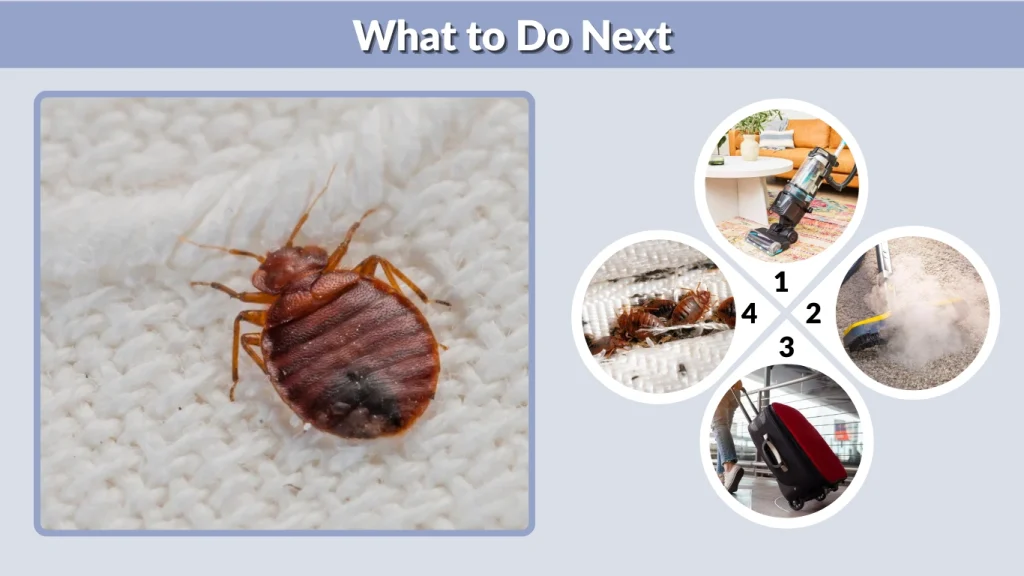
If you identify baby bed bugs, immediate action is critical. Start by isolating the bed, reducing clutter, and laundering bedding on high heat. Mattress and pillow encasements can trap hidden bugs. For larger infestations, professional pest control is the most effective solution, often combining heat treatments, steam applications, and targeted insecticides. Prevention includes inspecting second-hand items, monitoring luggage after travel, and installing bed interceptors.
FAQs
Do baby bed bugs bite and draw blood immediately after hatching?
Yes. Baby bed bugs, or nymphs, begin feeding soon after hatching. They require a blood meal to progress through each stage of development. Without feeding, they cannot molt into the next instar, making blood meals essential for survival and growth.
How big are baby bed bugs compared to a poppy seed or sesame seed?
A newly hatched bed bug nymph is about the size of a poppy seed—1 to 1.5 mm. As it grows through successive molts, it becomes closer in size to a sesame seed, reaching around 4 to 5 mm before adulthood.
Can baby bed bugs live without feeding, and for how long?
While adults may survive months without food, nymphs are more fragile. A baby bed bug can usually last only a few weeks without a blood meal. Warmer temperatures shorten survival time, while cooler environments may allow slightly longer persistence.
Are bite patterns reliable for identifying a bed bug problem?
Not always. Although bed bug bites often appear in clusters or lines, they vary from person to person. Some individuals show no reaction, while others develop itchy welts. Physical evidence such as live bugs, skins, or fecal spots is far more reliable.
What’s the fastest way to confirm a baby bed bug at home?
The quickest method is to capture a specimen using clear tape or a vial, then examine it under magnification. Look for a flat, oval, six-legged insect without wings. Pair this with signs like eggs, skins, and fecal spots to confirm your findings.
