
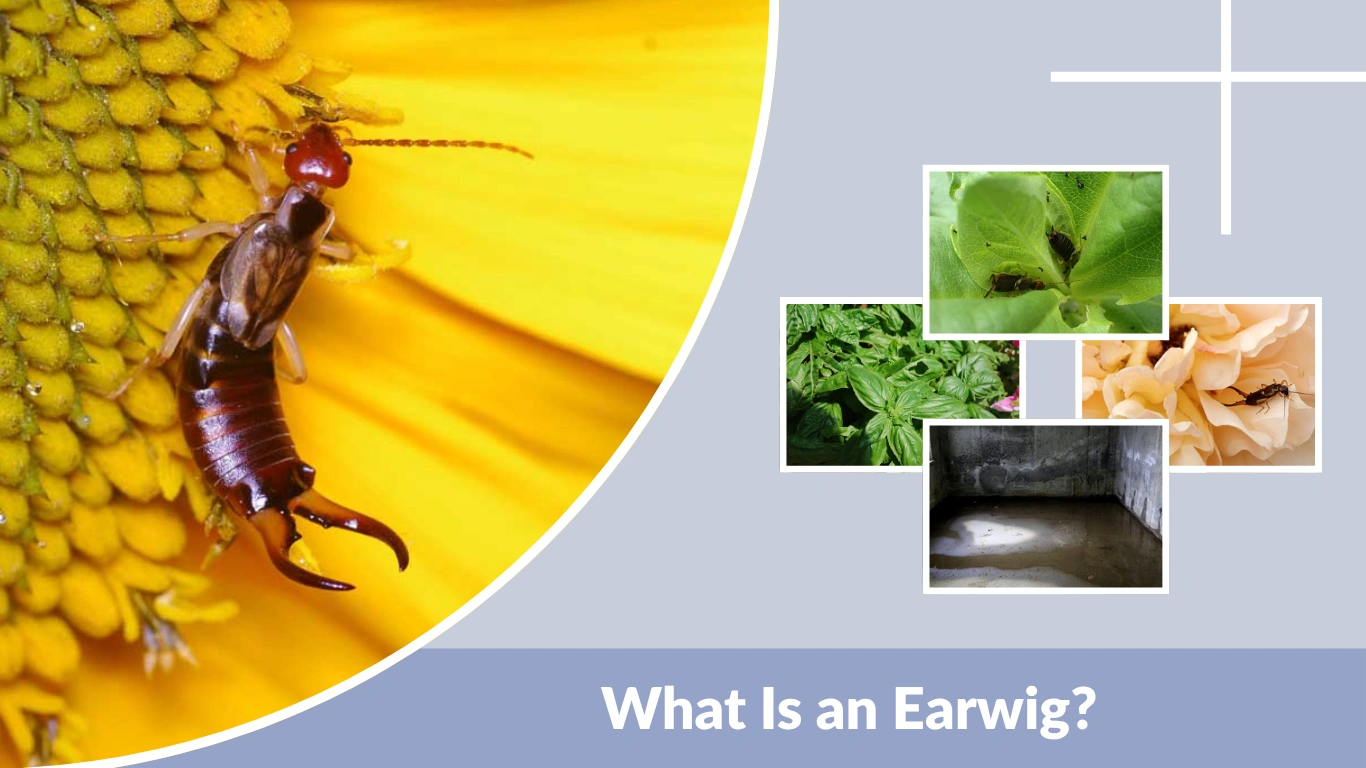
Earwigs are among the most recognizable insects thanks to their slender bodies and intimidating rear pincers. Despite their fear-inducing appearance, these small creatures are largely harmless and play important roles in the ecosystem. Yet, many people still wonder what an earwig actually is, what it does, and why it sometimes appears inside homes. This guide explains everything—from their biology and purpose to their symbolism and common myths.
What Exactly Is an Earwig?
Simple Definition
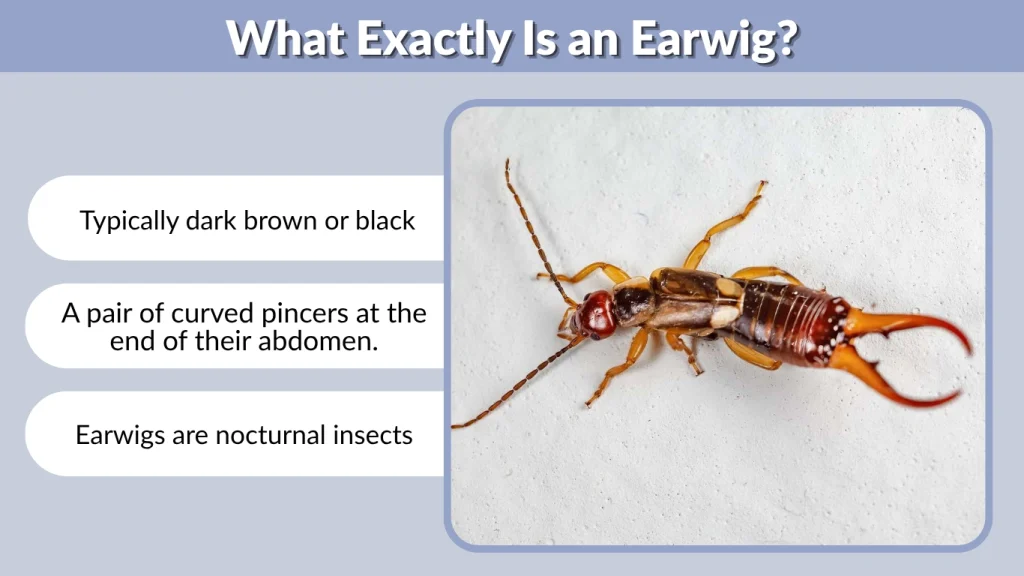
An earwig is a small, elongated insect belonging to the order Dermaptera. They are typically dark brown or black, with a pair of curved pincers at the end of their abdomen. These pincers, called cerci, are their most distinctive feature. Although they may look dangerous, earwigs rarely use them on humans and cannot cause serious harm.
What Type of Insect an Earwig Is
Earwigs are nocturnal insects, meaning they are most active at night. They prefer dark, moist environments and hide during the day under logs, stones, mulch, and debris. Biologically, they fall under the class Insecta and are considered omnivorous scavengers, feeding on both plant material and small insects.
Why Earwigs Are Commonly Misunderstood
Much of the fear surrounding earwigs comes from the myth that they crawl into people’s ears—something that almost never happens. Their fierce-looking pincers and unusual shape contribute to their negative reputation, even though they are far less harmful than many other household insects.
What Earwigs Look Like
Body Shape, Pincers, and Size
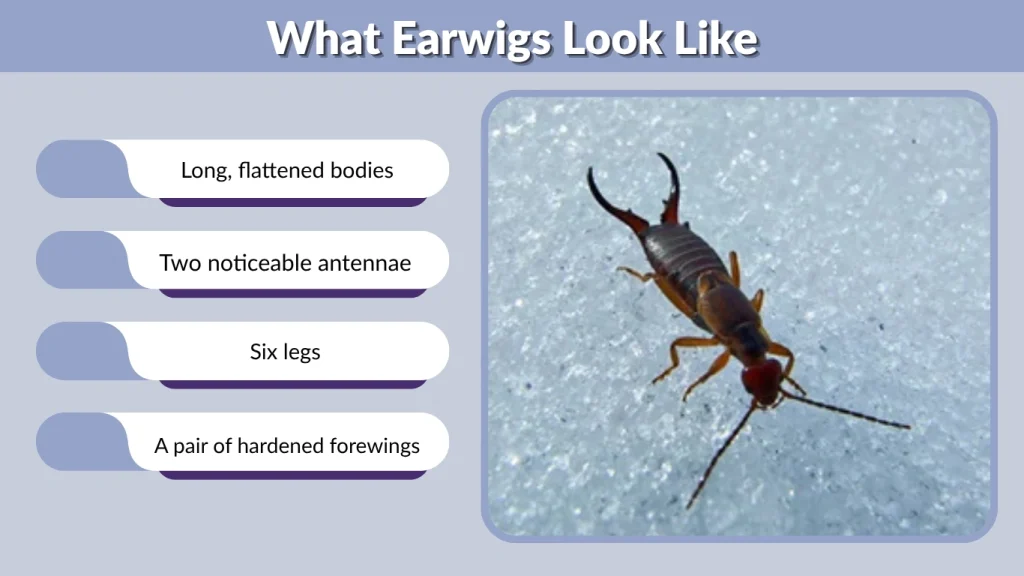
Most earwigs measure between ¼ inch and 1 inch long. They have:
- Long, flattened bodies
- Two noticeable antennae
- Six legs
- A pair of hardened forewings
- Rear pincers (cerci)
The pincers are used for defense and mating, not for attacking humans.
Wings and Why They Rarely Fly
Earwigs do have wings, though people rarely see them fly. Their hind wings are delicate and folded underneath short, leathery forewings. While some species can fly, they tend to avoid it and rely more on crawling.
Male vs Female Appearance
Males typically have more curved pincers, while females have straighter, shorter ones. These differences help scientists identify sexes during research.
Color Variations & Species
Earwigs are usually brown or black, though some species may have reddish or yellowish tones. The European earwig is the most common species in households and gardens.
Scientific Classification of Earwigs
Arthropod Classification
Earwigs fall under the broader classification of arthropods. Their taxonomy includes:
- Domain: Eukarya
- Kingdom: Animalia
- Phylum: Arthropoda
- Class: Insecta
- Order: Dermaptera
This classification places them among insects with segmented bodies and jointed legs.
Common Species and Scientific Names
Some well-known species include:
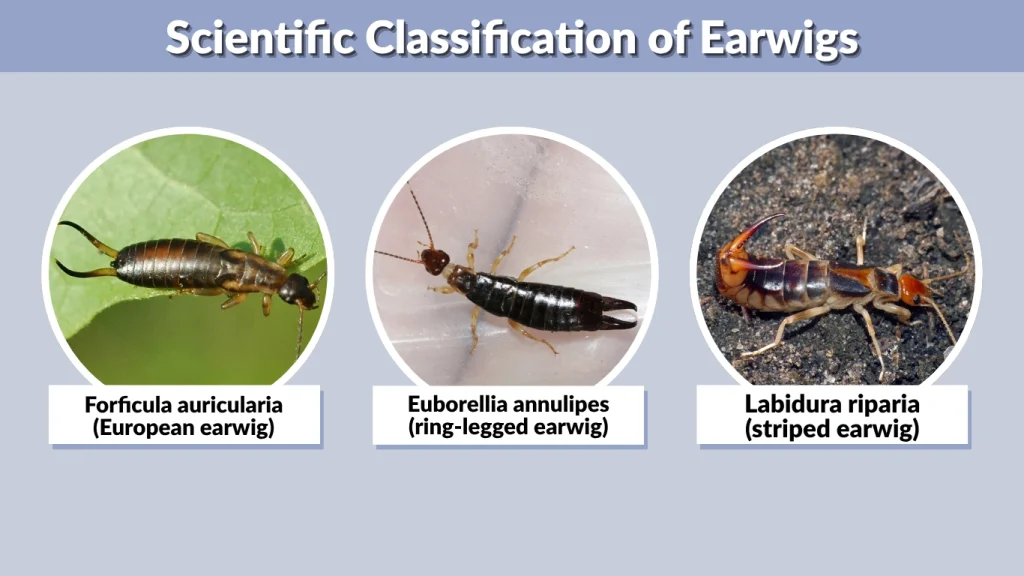
- Forficula auricularia (European earwig)
- Euborellia annulipes (ring-legged earwig)
- Labidura riparia (striped earwig)
Each species has slight differences in appearance and habitat preference.
How Earwigs Relate to Other Insects
Earwigs share characteristics with other insects like roaches and beetles, but they are their own distinct order. Their cerci and wing structure make them unique in the insect world.
Earwig Biology — Diet, Habitat & Life Cycle

What Earwigs Eat
Earwigs are opportunistic feeders that consume:
- Dead insects
- Aphids and other pests
- Decaying plant matter
- Soft fruits
- Seedlings and tender plant growth
This varied diet makes them both helpful and occasionally harmful in gardens.
Natural Habitats (Indoors & Outdoors)
Outdoors, earwigs prefer:
- Mulch
- Leaf piles
- Soil
- Woodpiles
- Compost
Indoors, they thrive in humid places like:
- Basements
- Bathrooms
- Laundry rooms
The Earwig Life Cycle
Earwigs go through three main developmental stages:
- Eggs — Laid in soil and guarded by the female
- Nymphs — Look like smaller, wingless adults
- Adults — Fully developed with wings and pincers
Uniquely, female earwigs care for their young, cleaning and protecting their eggs.
How Long Earwigs Live
Most earwigs live about one year, though some species can survive slightly longer depending on climate and habitat.
What Is the Purpose of an Earwig?
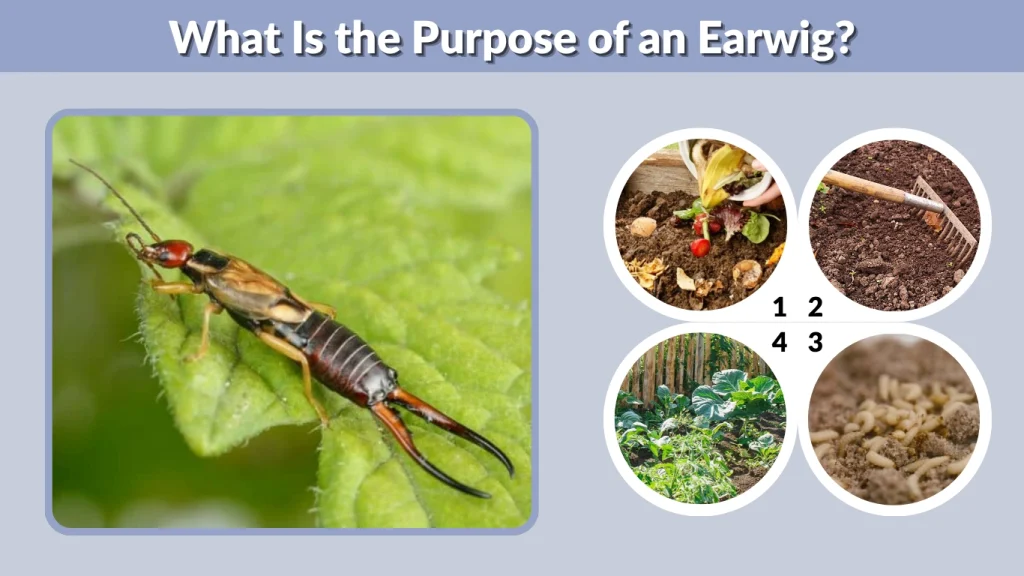
Their Ecological Role
Earwigs play a surprisingly beneficial role in the environment. They help break down decomposing plant material, contributing to soil health. They also feed on common garden pests, making them valuable to natural pest control systems.
Benefits Earwigs Provide to Gardens
Earwigs reduce populations of:
- Aphids
- Mites
- Small larvae
- Other damaging insects
While they may nibble on plants, moderate populations help maintain ecological balance.
Why They Matter in the Ecosystem
As decomposers and predators, earwigs help:
- Recycle organic waste
- Aerate soil
- Keep certain pests in check
- Support a healthy garden ecosystem
Their purpose is far more helpful than harmful.
Earwigs as Helpful vs Harmful Insects
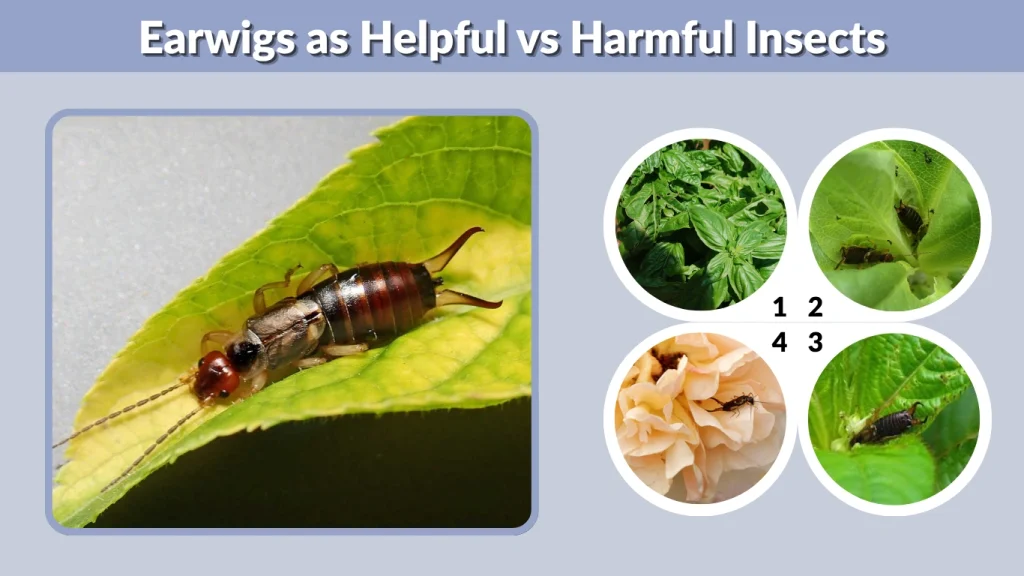
Earwigs often get labeled as pests, but their impact depends on their numbers and the environment. When populations are balanced, they support gardens and help control pests. Problems occur only when their numbers grow too large or when conditions drive them indoors.
When Earwigs Help Your Plants
Small earwig populations can be beneficial in gardens. They naturally reduce harmful insects such as aphids, mites, and soft-bodied larvae that often damage vegetables, fruit trees, and flowers. Their scavenging behavior also keeps gardens clean by breaking down organic matter.
When Earwigs Damage Gardens
Earwigs may become destructive when their population spikes. They can:
- Chew leaves
- Damage young seedlings
- Eat soft petals (especially roses and dahlias)
- Create rough, uneven holes in plants
Excess moisture, overwatering, and thick mulch often promote overpopulation, leading to visible plant damage.
Balancing the Population
Maintaining the right conditions—such as proper watering, regular cleanup, and reduced hiding spots—helps keep earwig numbers balanced without eliminating them entirely.
Earwigs in the Home — What Their Presence Means
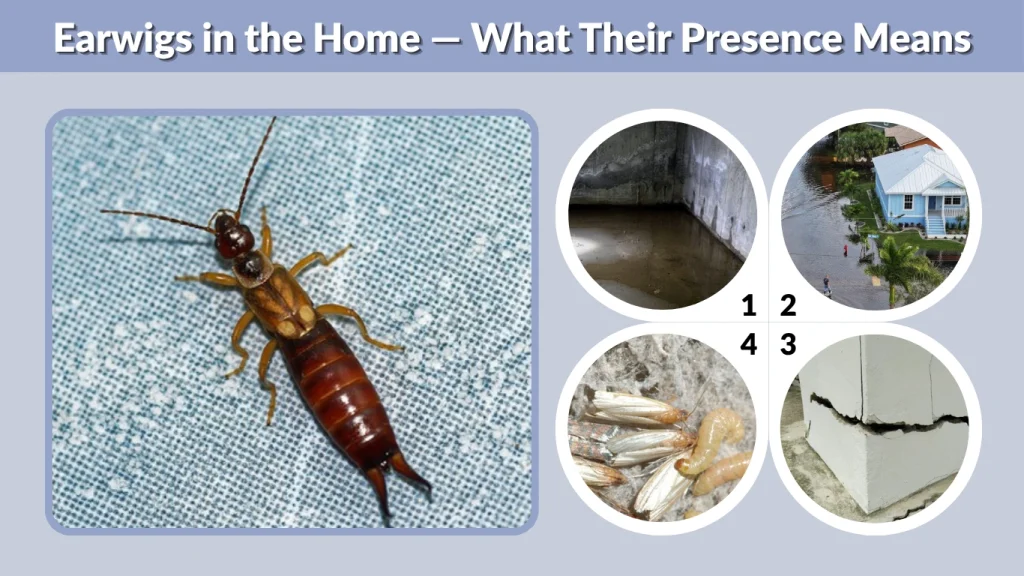
Earwigs do not seek out homes intentionally. When they appear indoors, it’s usually a sign of environmental changes or attractive indoor conditions.
Why Earwigs Enter Houses
Earwigs move inside for several reasons:
- Moisture — the most common cause, drawing them into kitchens, bathrooms, and basements.
- Shelter — especially during extreme weather.
- Food — such as other small insects.
- Accidental entry — slipping through cracks, vents, and door gaps.
They don’t breed indoors or live in large colonies like many pests.
What an Earwig Infestation Comes From
True earwig infestations begin outdoors, usually due to:
- Overwatered gardens
- Dense mulch touching the house
- Decaying leaves or debris
- Poor drainage
- Waterlogged soil
Once outdoor numbers grow, some earwigs naturally find their way indoors.
What Is Considered an Infestation
You may have a minor infestation if you see:
- Earwigs in bathrooms or basements daily
- Several earwigs near sinks or drains
- Earwigs appearing at night when you turn on lights
- Earwigs coming into multiple rooms
A few isolated sightings are normal; frequent sightings indicate larger outdoor populations or moisture problems.
Earwigs in Your Ear — Myth or Truth?
The myth that earwigs crawl into human ears dates back centuries. Although it is possible for any small insect to enter an ear, earwigs do not purposely seek out human ears. They avoid humans and prefer outdoor habitats. Cases of earwigs entering ears are extremely rare and always accidental.
Cultural, Spiritual & Symbolic Meaning of Earwigs
Throughout history, humans have attached symbolism to various insects, including earwigs. Their appearance may hold meaning depending on cultural or spiritual beliefs.
Pagan Interpretations
In many pagan traditions, earwigs symbolize:
- Hidden truths
- Transformation
- Protection from unseen threats
Their secretive nature and nocturnal habits reflect themes of shadow work, introspection, and uncovering what is hidden.
Modern Spiritual Symbolism
Spiritually, earwigs are often interpreted as signs of:
- Adaptability
- Resilience
- Clearing old energy
- The need for personal growth
- Facing fears or confronting discomfort
Seeing an earwig during a period of change can represent the need to let go of outdated habits.
Dream Meanings
Dreams involving earwigs may symbolize:
- Hidden worries or anxieties
- Feeling bothered by small issues
- A reminder to clean up emotional “clutter”
- Protection or alertness
Interpretation varies by the individual’s emotional state.
Earwig Translation (e.g., “Earwig” in French)
In French, an earwig is called “perce-oreille”, which translates to “ear-piercer,” reinforcing the old myth. Many languages have similar names that reflect folklore rather than scientific behavior.
FAQs
What exactly is an earwig?
An earwig is a small, nocturnal insect from the order Dermaptera, recognized by its long body and rear pincers. Despite their intimidating appearance, earwigs are generally harmless to humans. They feed on decaying matter, insects, and plants, and play an important role in natural decomposition and pest control.
What does an earwig look like?
Earwigs have slender, flattened bodies, two antennae, and a pair of forcep-like pincers at the end of their abdomen. They are usually brown or black and measure ¼–1 inch long. Some species have wings, though they rarely fly. Their pincers are their most recognizable feature.
What is the purpose of an earwig in nature?
Earwigs contribute to the ecosystem by breaking down decaying plant material and feeding on garden pests like aphids and larvae. This makes them valuable decomposers and natural pest controllers. Although they may occasionally nibble plants, balanced earwig populations benefit gardens more than they harm them.
Why do earwigs come into the house?
Earwigs enter homes mainly seeking moisture, shelter, or cooler temperatures. They slip in through foundation cracks, door gaps, windows, and pipes. Bathrooms, basements, and laundry rooms attract them the most. Their presence indoors usually signals humidity issues or strong outdoor populations—not an infestation inside.
Are earwigs dangerous or harmful to humans?
No. Earwigs look scary but are harmless to people. Their pincers are not strong enough to break skin, and they do not spread disease. The myth that they crawl into ears is extremely rare and accidental. They pose no medical risk and are mostly a minor nuisance indoors.
