

Every few summers, the sound of nature grows louder — a steady, buzzing hum that fills the trees and air. That unmistakable sound comes from cicadas, one of the most fascinating insects in North America. Known for their loud mating calls and synchronized emergencies, cicadas are often misunderstood.
The question most people ask each year is simple: “When do cicadas come out?” The answer depends on where you live, the species, and even the soil temperature beneath your feet. Some cicadas appear every summer, while others emerge only once every 13 or 17 years, in one of nature’s most extraordinary life cycles.
In this guide, we’ll break down when cicadas come out, how long they stay, and why some years see billions at once — including recent and upcoming events like the 2024 and 2025 cicada seasons.
Understanding the Cicada Life Cycle
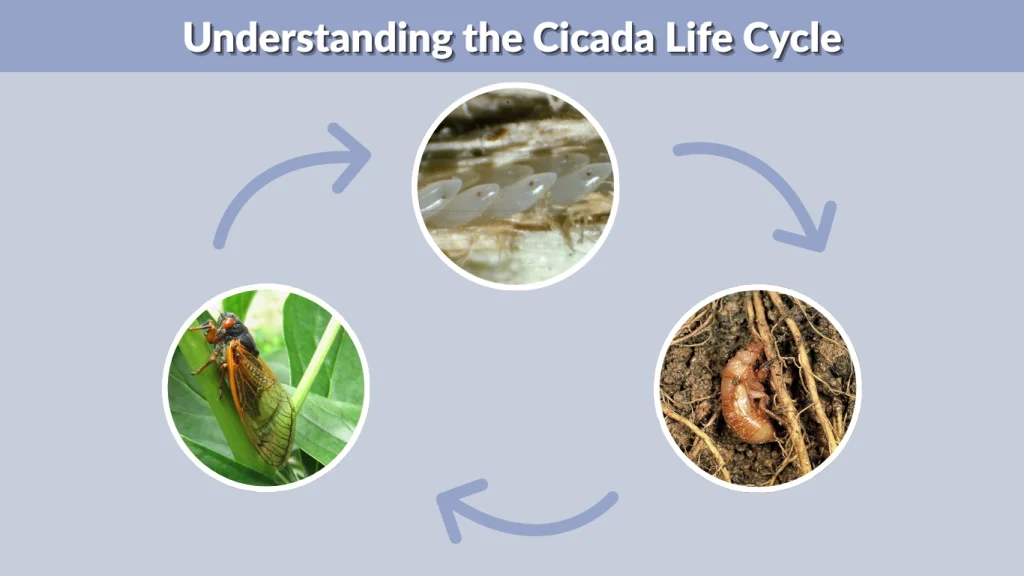
Cicadas spend most of their lives underground — unseen, unheard, and patiently waiting. Depending on the type, that wait can last anywhere from a year to nearly two decades.
Annual vs. Periodical Cicadas
There are two main types of cicadas: annual cicadas and periodical cicadas.
- Annual cicadas (also called Dog-Day cicadas) appear every summer, especially during the hottest months of July and August. You’ll hear them buzzing in trees across the U.S. each year.
- Periodical cicadas, on the other hand, live underground for 13 or 17 years before emerging in massive synchronized swarms. These events are so rare that they often make national news.
Each periodical group is called a brood, and scientists have tracked 15 major broods across the United States — each with its own calendar and region. When a brood’s time arrives, millions (sometimes billions) of cicadas crawl out of the soil, shed their shells, and fill the air with their iconic chorus.
How Do Cicadas Know When to Come Out?
It’s not luck or magic — cicadas use temperature cues to time their grand entrance.
When the soil about 8 inches underground reaches around 64°F (18°C), the nymphs know it’s time to emerge. This usually happens in late spring to early summer, often after a few warm rainy days.
Other environmental factors also play a role:
- Rainfall helps soften the soil for easier digging.
- Day length and warmth signal that summer is arriving.
- Geography affects timing — southern states see earlier emergencies, while northern states are a few weeks behind.
That’s why cicadas in Texas or Georgia might appear in late April, while those in Ohio or New York emerge closer to June.
When Do Cicadas Come Out Each Year

Cicadas don’t follow a calendar like humans do — instead, they respond to seasonal shifts and soil conditions. Still, patterns emerge over time, allowing scientists (and curious homeowners) to predict their appearance.
General Timing Across the U.S.
Most cicadas emerge between May and July. The earliest reports come from southern states in late April, while northern regions typically see them in late May or early June.
They come out during the day, often in the morning when the ground warms up. After surfacing, cicadas climb nearby plants, trees, or walls, where they shed their brown exoskeletons. Within hours, their wings expand, and they begin their short but eventful adult lives.
Quick facts:
- Time of Day: Morning to early afternoon (not at night).
- Typical Season: Late spring through midsummer.
- Ideal Conditions: Warm, humid weather after rainfall.
- Where They Emerge: Around tree roots, gardens, and wooded areas.
Major Cicada Emergence Years
While annual cicadas appear every summer, periodical broods follow specific long-term cycles.
In 2024, two major broods — Brood XIII (17-year cicadas) and Brood XIX (13-year cicadas) — emerged simultaneously for the first time in over 200 years. This rare overlap blanketed parts of the Midwest and South, including Illinois, Missouri, Iowa, and Tennessee, with billions of cicadas singing at once.
By 2025, the excitement will calm. Only annual cicadas are expected to emerge, bringing their familiar summer buzz without the historic numbers seen the previous year. The next big periodical event will occur in 2037, when another 17-year brood surfaces.
These cycles highlight how precise and patient cicadas truly are — spending almost their entire lives underground, only to live a few short weeks above ground to reproduce and restart the process.
Cicada Emergence by Region (Preview)

Cicada timing also depends heavily on location.
- Midwest states like Ohio, Illinois, and Indiana are known for huge 17-year brood events.
- Southern states such as Tennessee, Georgia, and Texas often get earlier waves due to warmer soil.
- Mid-Atlantic regions — Maryland, Virginia, and Pennsylvania — are hotspots for periodical emergencies, especially Brood X and Brood II.
We’ll explore more about state-by-state emergence patterns and timing in the second half of this article.
Cicada Emergence by Region
Cicadas are found almost everywhere in the United States, but the timing and scale of emergence vary widely by state. The local climate, soil temperature, and specific cicada broods determine when and how many will appear.
Midwest and Great Lakes Region
The Midwest is often considered cicada central, thanks to its rich soil and long history with periodical broods.
- Ohio: Cicadas typically emerge in late May to early June. Brood X and Brood XIII have both been recorded here.
- Illinois: Home to some of the largest 17-year emergencies, Illinois saw a massive wave in 2024. Expect smaller, annual appearances each summer.
- Indiana, Iowa, Missouri, and Michigan: These states experience both 13- and 17-year broods, often appearing in late May.
- Wisconsin and Minnesota: Cooler northern climates delay emergence until June or early July.
Warm, wet spring weather accelerates their appearance — so after a few rainy May days, Midwesterners know the buzzing won’t be far behind.
Mid-Atlantic and Northeast
This region experiences some of the most famous cicada events in the country.
- Pennsylvania and Maryland: These states are home to Brood X and Brood II, emerging every 17 years. The last major wave was in 2021.
- Virginia: Warm and humid, Virginia usually sees cicadas in late May through June. Northern Virginia, in particular, experiences dense emergences.
- New Jersey and New York: Cicadas appear every summer (annuals), but big periodic events happen about every 17 years — last seen in 2021.
- Massachusetts: Home to annual cicadas that emerge in mid-summer; periodic broods are less common here.
In this area, large numbers of cicadas can sometimes be heard in forests and parks before they’re even seen — a true symphony of summer.
Southern States
In the South, warm soil and early springs mean cicadas often emerge as early as April.
- Tennessee and Kentucky: Frequent 13-year broods, along with annual cicadas that appear every summer.
- Georgia and the Carolinas: Cicadas start emerging in late April and can last through June.
- Florida: Annual cicadas dominate; they are active from May to August.
- Texas: Cicadas come out in April or early May, sometimes earlier in South Texas where soil warms quickly.
- Arkansas, Alabama, and Oklahoma: Most emergencies occur from mid-May to June.
Southern cicadas are famous for their long, drawn-out calls and abundance — especially during hot summer nights when temperatures stay high.
: Western U.S. and Beyond
- California, Arizona, and New Mexico: These states have unique cicada species that thrive in desert and mountain ecosystems. They usually appear in June and July after monsoon rains begin.
- Colorado, Kansas, and Nebraska: Periodical broods are rare here; most cicadas are annual and emerge during July and August.
- Japan and Australia: Cicadas appear every summer in massive numbers. In Japan, they are cultural symbols of summer — emerging in July and singing until early September.
How Long Do Cicadas Live Once They Come Out?

Adult Lifespan
Once cicadas emerge from underground, their time above ground is short but spectacular.
- Lifespan: Around 4 to 6 weeks.
- Purpose: To mate, lay eggs, and die — completing their long life cycle.
- Activity Period: Most active during the day, especially in the heat of late morning and afternoon.
After mating, females lay eggs in small tree branches. When the eggs hatch, the young nymphs drop to the ground, burrow into the soil, and start their 13- or 17-year countdown again.
The Long Wait Underground
During their underground phase, cicadas feed on sap from tree roots, growing slowly over the years. They molt several times before finally surfacing as adults.
This patient rhythm — years underground, weeks above — makes their synchronized appearance one of nature’s most unique and predictable spectacles.
Cicada Killers and Natural Predators

When Do Cicada Killers Come Out?
Right after cicadas appear, so do their most famous predators — the cicada killer wasps.
These large, solitary wasps emerge in mid to late summer and rely on cicadas as food for their larvae. Despite their intimidating size, cicada killers are not aggressive toward humans and rarely sting unless provoked.
Other Cicada Predators
Birds, squirrels, and even household pets may take advantage of the sudden abundance of food. This natural feeding frenzy helps balance the population quickly, which is why cicadas never overrun ecosystems for long.
Cicadas Near You
If you’re wondering “When will cicadas come out near me?”, look for a few telltale signs:
- Small, round holes in the soil around trees or shrubs.
- Empty brown shells (exoskeletons) stuck to tree trunks or fences.
- The unmistakable buzzing chorus that grows louder each warm day.
You can even track upcoming broods using state maps from local universities or agricultural extensions — many provide detailed cicada calendars for your region.
Fun Facts About Cicadas
- Cicadas are harmless — they don’t bite or sting.
- Their collective noise can reach 90–100 decibels, as loud as a motorcycle!
- Cicadas are edible in some cultures and rich in protein.
- Their synchronized emergence overwhelms predators, ensuring enough survive to reproduce.
- The buzzing sound is made by male cicadas using vibrating membranes called tymbals.
FAQs
When do cicadas come out in 2025?
In 2025, only annual cicadas are expected to emerge, mostly from May through July, across most U.S. states.
How long do cicadas live after they come out?
Adult cicadas live 4–6 weeks, spending that time mating and laying eggs before dying naturally.
Do cicadas come out during the day or night?
Most emerge from the ground at night but are active and visible during the day, especially in the heat.
When will the next 17-year cicadas come out?
The next major 17-year brood is projected for 2037, following the massive 2024 event.
Do cicadas come out when it rains?
Light rain can actually encourage emergence, as moist soil makes it easier for nymphs to dig out.
