
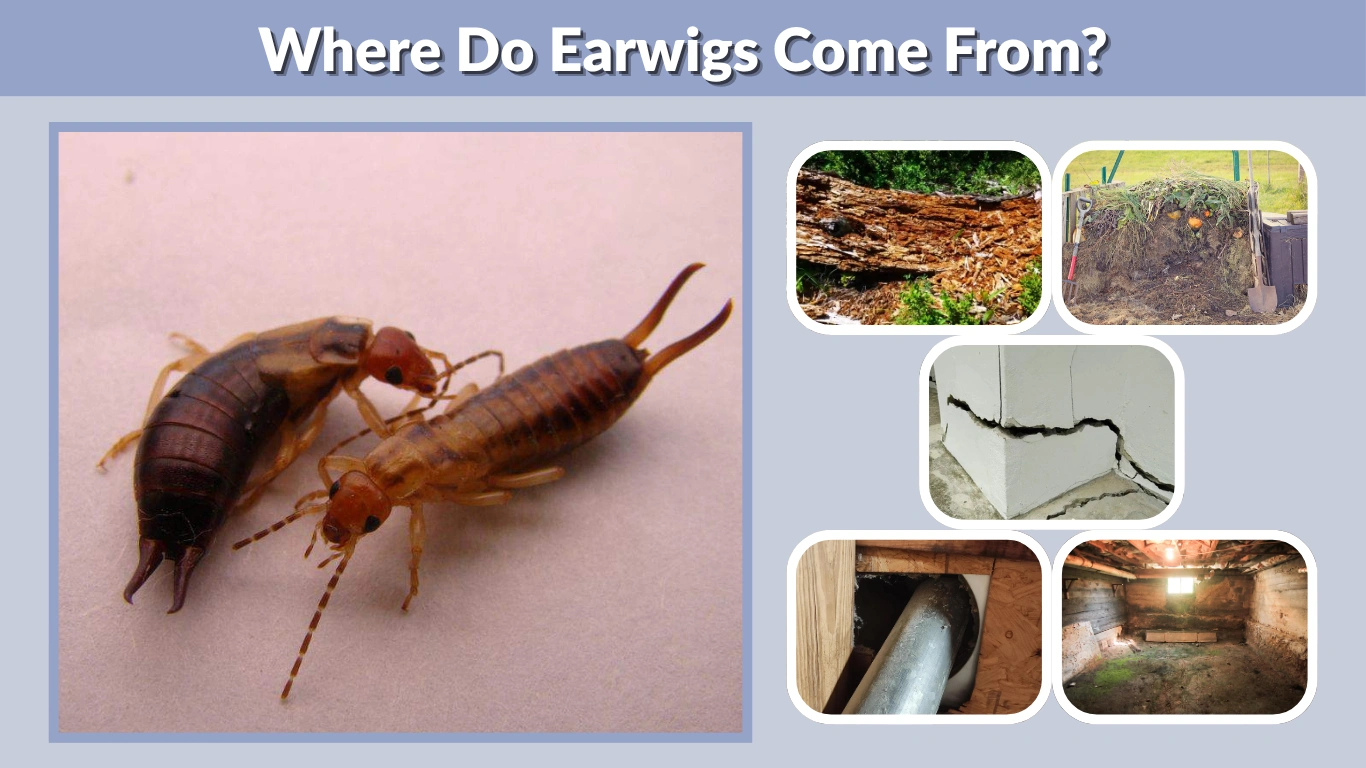
Earwigs are one of the most commonly misunderstood insects. Their long bodies and intimidating pincers often lead people to assume they are more dangerous than they truly are. In reality, earwigs are harmless to humans, but their sudden appearance—especially inside homes—can cause concern. Understanding where earwigs come from, how they enter houses, and what attracts them helps you manage or prevent infestations effectively. This guide explores their origins, habitats, and the environmental conditions that bring them indoors.
Understanding Earwigs

Before addressing where earwigs come from, it’s important to understand their basic biology and behavior. Their habits reveal why they appear in certain places at certain times.
What Earwigs Are
Earwigs are small, nocturnal insects belonging to the order Dermaptera. They are easily recognized by their forcep-like pincers, called cerci, located at the end of their abdomen. Despite their frightening appearance, these pincers are mainly used for defense, capturing prey, or mating behavior—not for attacking humans. Earwigs feed on decaying plant matter, young plants, small insects, and organic debris.
Why Earwigs Concern Homeowners
Earwigs become a concern when they appear indoors in noticeable numbers. They prefer damp, dark environments, which means that homes with moisture issues or cluttered areas may attract them. Although they don’t spread disease or cause structural harm, their presence often signals environmental conditions you should not ignore.
Where Earwigs Originally Come From

Although earwigs are now found worldwide, their origin and distribution offer clues to how they appear in modern homes and gardens.
Evolution and Natural History
Earwigs have existed for millions of years, with fossil evidence dating back to the Jurassic period. Their long evolutionary timeline shows they are highly adaptable insects that thrive in a variety of climates and environments. Their preference for moist habitats has remained consistent throughout history.
Geographic Distribution
Earwigs live on almost every continent except Antarctica. Some of the most common species include:
- European earwig (Forficula auricularia) — Found across Europe and North America
- Black earwig — Often found in damp, shaded outdoor areas
- Striped and ring-legged species — Typical in warmer climates
These species thrive in regions with cooler, moist conditions but can survive in dry environments if shelter is available.
Where Earwigs Come From in the UK and Other Regions
In the UK, earwigs are extremely common due to the moist climate and abundant outdoor hiding spots like stone walls, forests, and gardens. Similarly, in many regions of North America and Europe, they are widespread because outdoor environments naturally support their survival.
How Earwigs Spread Worldwide
Earwigs have spread through:
- International trade (wood, plants, soil)
- Travel and agriculture
- Their ability to survive in a variety of environments
Their adaptability allows them to hide in soil, plant material, and even packaging—leading to accidental transportation across continents.
Where Earwigs Come From in Your Yard

Most earwig problems begin outside. Understanding where they originate in the yard helps prevent them from making their way indoors.
Outdoor Environments That Attract Them
Earwigs thrive in:
- Soil rich with organic matter
- Mulch beds
- Compost piles
- Decaying wood or logs
- Dense vegetation
These environments provide the darkness, moisture, and food they depend on.
Moisture-Rich Conditions
Earwigs are strongly attracted to damp conditions. High-moisture areas like:
- Overwatered garden beds
- Poorly draining soil
- Areas around hoses or watering cans
- Shaded, soggy sections of the yard
…create perfect habitats for breeding and hiding during daylight hours.
Seasonal Population Increases
Earwig numbers often rise seasonally:
- Spring: Increased moisture encourages reproduction.
- Summer: Heat drives them to search for shade and water.
- Fall: Cooler temperatures trigger movement toward sheltered spaces.
These seasonal changes often explain why earwig sightings fluctuate throughout the year.
Where Earwigs Come From When They Enter Your House

Earwigs do not naturally want to live indoors. They typically enter homes by accident while seeking moisture, shelter, or temperature relief.
Common Entry Points
Earwigs often sneak inside through:
- Cracks or gaps in the foundation
- Spaces under exterior doors
- Misaligned or torn window screens
- Gaps around vents or pipes
- Openings in basement walls
Even very small openings can allow them to crawl through.
Indoor Conditions That Attract Them
Earwigs are drawn to dark, damp indoor locations such as:
- Bathrooms
- Basements
- Laundry rooms
- Under sinks
- Behind appliances
If your home has any persistent moisture issues, earwigs may take advantage of it.
Why Earwigs Suddenly Appear Indoors
Sudden indoor invasions usually happen during:
- Heatwaves (seeking cool moisture)
- Heavy rain or flooding (escaping waterlogged soil)
- Harsh cold snaps
- Disturbed outdoor habitats (mulch moved, garden cleaned, construction)
Their appearance often indicates changing conditions outside, not necessarily an indoor infestation.
Where Earwigs Hide Inside the Home
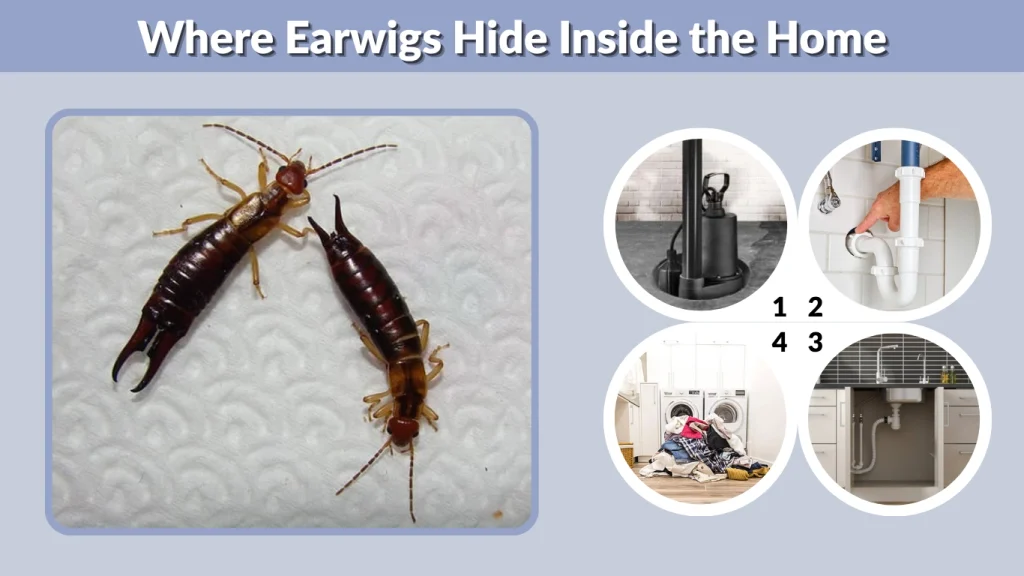
Once earwigs find their way indoors, they look for familiar conditions—darkness, moisture, and hidden spaces. These areas mimic their natural sheltering spots outdoors.
High-Moisture Spaces
Earwigs will almost always head toward damp rooms, including:
- Basements: Especially unfinished areas or corners near sump pumps.
- Bathrooms: Under sinks, behind toilets, inside shower crevices.
- Laundry rooms: Near washing machine drains or damp fabric piles.
- Kitchens: Under the sink or behind wet appliances.
These locations provide the humidity they naturally seek.
Hidden Hiding Spots
Earwigs also hide in unexpected places, such as:
- Cardboard boxes
- Paper bags
- Storage bins
- Drawers and cabinets
- Behind baseboards
- Under mats or rugs
Their flat bodies allow them to squeeze into tiny cracks and crevices, making them hard to spot until you disturb their hiding place.
What Earwigs Are a Sign Of
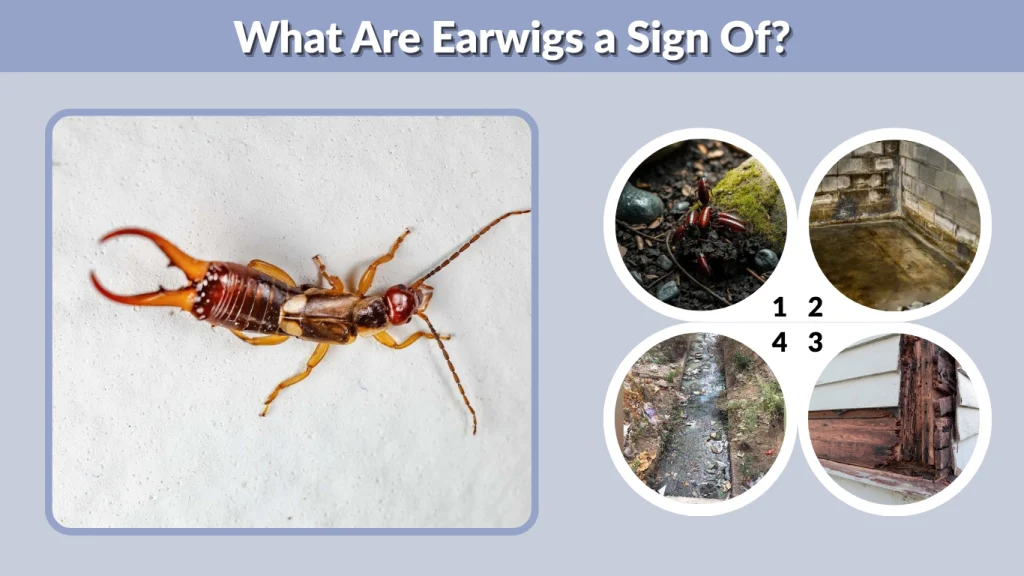
Most people who ask “Where do earwigs come from?” also want to know what their appearance means. Earwigs can be indicators of environmental conditions both inside and outside your home.
Moisture Problems
Earwigs inside the home are often a sign of:
- Leaky pipes
- Damp walls or flooring
- Poor ventilation
- Standing water
- High indoor humidity
If earwigs appear frequently, moisture is likely the main culprit—and should be addressed to prevent mold, pests, and structural issues.
Structural Entry Weaknesses
Finding earwigs indoors may indicate that your home has vulnerable points, such as:
- Foundation cracks
- Loose weatherstripping
- Gaps around door frames
- Poorly fitted window screens
These openings don’t just let earwigs in—they may allow other pests in as well.
Outdoor Overpopulation or Habitat Shift
If your garden or yard has:
- Thick mulch
- Excess moisture
- Overgrown vegetation
- Decaying plant matter
…then earwigs may become overabundant. When their outdoor habitats get disturbed, too crowded, or too wet, earwigs naturally seek new shelter—often leading them indoors.
How Earwigs Travel and Move Around
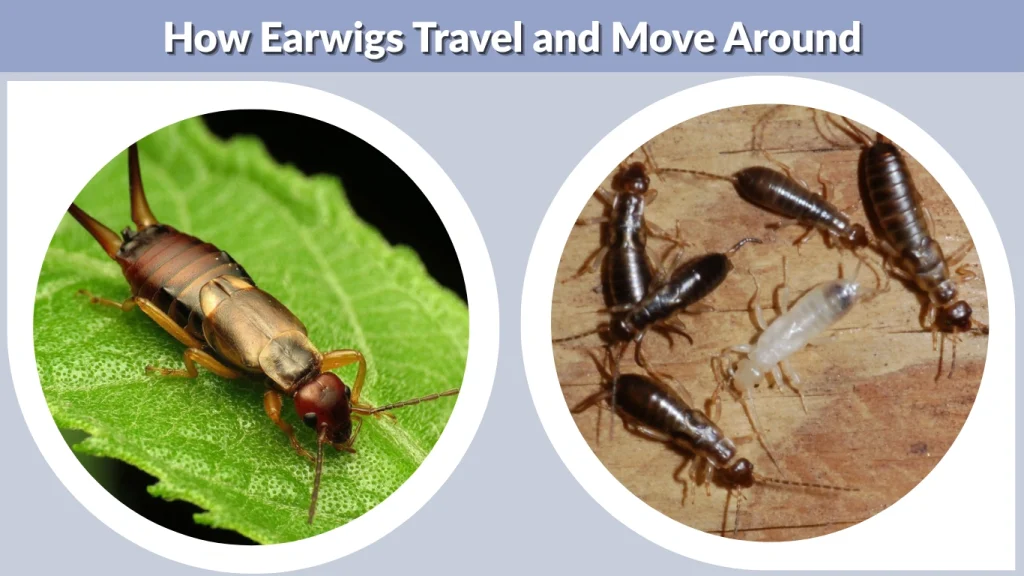
Earwigs often seem to appear “out of nowhere,” but their movement is simple and predictable once you understand their habits.
Do Earwigs Fly or Crawl Inside?
Earwigs technically have wings, but most species rarely fly. Instead, they:
- Crawl along foundations
- Climb walls and siding
- Slip through small gaps
- Follow moisture trails
Their main mode of transportation is crawling, which helps explain why they tend to appear near ground-level entry points.
How They Move Into Your Home From Outside
Typical routes include:
- Cracks along the foundation
- Gaps under exterior doors
- Vents connected to dryers or basements
- Plumbing or utility line openings
- Window frames, especially basement windows
Once inside, they stick to baseboards or dark corners until they find moisture.
Seasonal Patterns in Earwig Activity
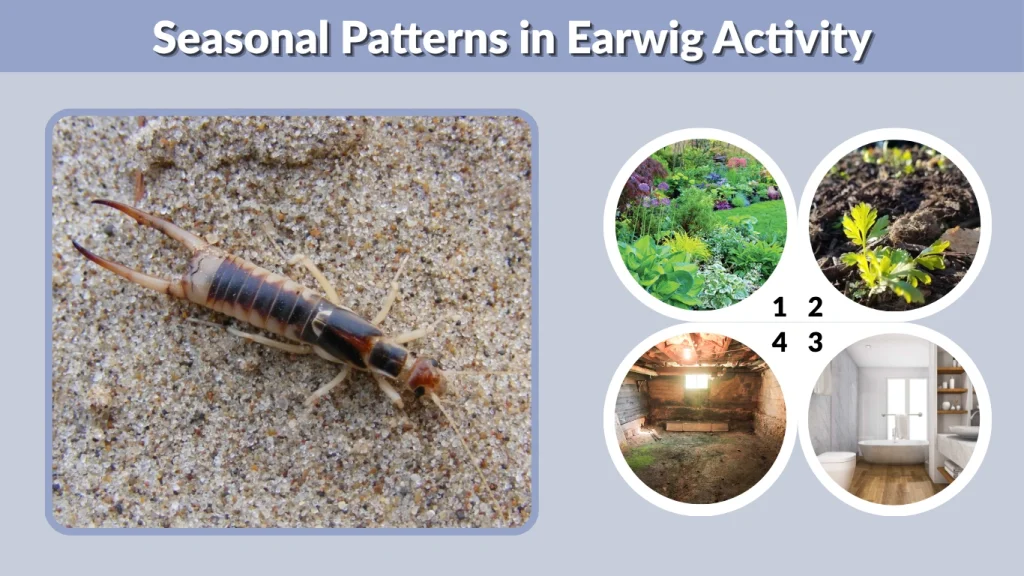
Earwig activity varies throughout the year, and understanding their seasonal behavior explains why sightings sometimes spike.
Spring Reproduction
Spring brings increased moisture and warmth, creating ideal breeding conditions. Female earwigs lay eggs in soil, which hatch as temperatures rise. This results in a noticeable increase in population.
Summer Moisture Searches
During hot, dry periods, earwigs migrate toward:
- Shaded garden beds
- Cool mulch
- Moist basements
- Bathroom floors
This is one of the most common times for earwigs to move indoors.
Fall Shelter Behavior
As temperatures drop, earwigs seek shelter in warm, protected areas. Home foundations, garages, and crawl spaces become attractive hiding places.
Winter Survival Techniques
Although some earwigs die during winter, many survive by burrowing deep into soil or hiding beneath debris. In warmer climates, they remain active year-round, continuing to seek moisture-rich spaces.
Preventing Earwigs From Entering
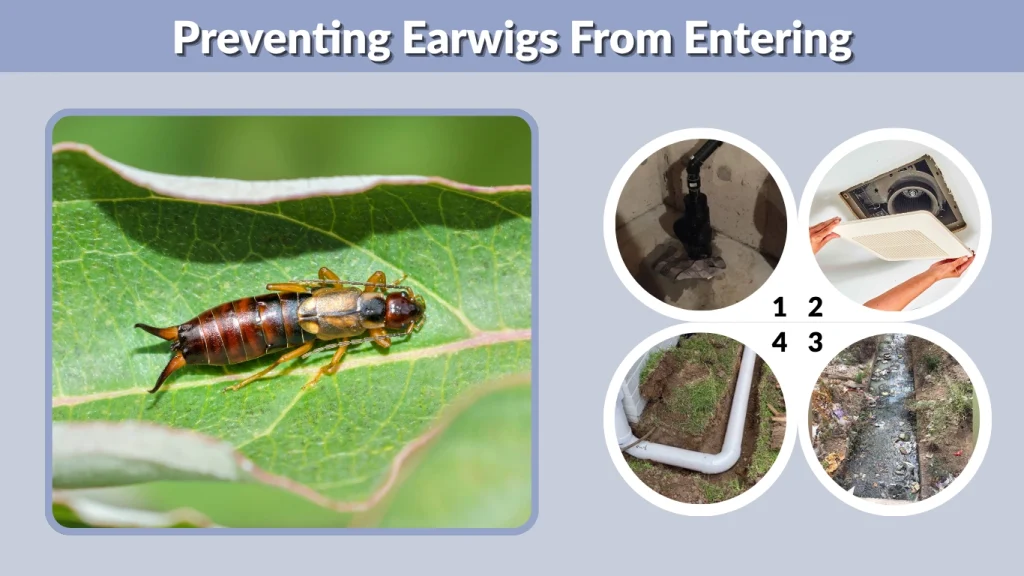
Once you understand where earwigs come from, prevention becomes much easier. The key is eliminating the conditions that attract them.
Moisture Reduction
To make your home less appealing:
- Repair leaks under sinks and in basements
- Install bathroom fans or dehumidifiers
- Ensure proper drainage around the foundation
- Fix gutter overflow issues
- Dry wet areas quickly
Even minor moisture control efforts can drastically reduce earwig sightings.
Outdoor Cleanup
Since most earwig problems start outside, maintaining your yard is essential:
- Keep mulch thin and away from the foundation
- Remove piles of leaves, grass, or wood
- Trim overgrown shrubs touching the house
- Improve drainage in soggy areas
- Store firewood off the ground
A tidy yard gives earwigs fewer places to hide.
Sealing Entry Points
Block indoor access by:
- Caulking cracks around windows and foundations
- Installing door sweeps
- Repairing damaged screens
- Sealing gaps around pipes and vents
A well-sealed home keeps out earwigs and many other pests.
When Earwigs Require Action
Earwigs are usually harmless, but sometimes intervention is necessary.
How to Tell If You Have Too Many
Signs of a larger problem include:
- Multiple earwigs found indoors daily
- Chewed leaves or damaged flowers outside
- Earwigs in bathrooms, sinks, or laundry rooms
- Consistent sightings in several rooms
This often means outdoor conditions are supporting a large population.
When to Use Traps or Treatments
If cleaning and sealing aren’t enough, consider:
- Oil traps
- Sticky traps
- Light traps
- Natural repellents like diatomaceous earth
These methods reduce numbers without heavy chemicals.
When to Call a Professional
Professional help is needed if:
- Earwigs enter your home daily
- Yard populations are overwhelming
- Moisture issues are structural
- DIY methods fail
A pest professional can identify entry points, treat outdoor populations, and advise on long-term prevention.
FAQs
Where do earwigs come from originally?
Earwigs originated millions of years ago and are found almost worldwide. Fossil evidence shows they existed during the Jurassic period. They naturally live in moist environments such as soil, mulch, and decaying wood. Their global spread mostly came from trade, climate adaptability, and their ability to hide in plant material.
Why do earwigs suddenly appear in my house?
Earwigs usually enter homes when outdoor conditions become too wet, dry, or hot. They’re drawn to moisture, cool hiding spots, and tiny entry gaps around doors, windows, and foundations. Sudden weather changes, heavy rain, or yard disturbances often push them indoors unintentionally.
Where are earwigs hiding inside my home?
Indoors, earwigs hide in dark, damp locations like bathrooms, basements, laundry rooms, and under sinks. They also squeeze into cardboard boxes, drawers, storage bins, and behind baseboards. Their flat bodies allow them to fit into small gaps, making them hard to notice until disturbed.
Where do earwigs come from in the garden or yard?
Earwigs commonly come from moist soil, mulch, compost piles, rotting wood, and dense vegetation. These areas offer shelter during the day and plenty of food at night. High moisture, overwatering, and heavy organic debris create ideal outdoor conditions for earwig populations to grow.
Are earwigs a sign of a bigger problem?
Yes. Frequent earwig sightings often signal moisture issues, foundation gaps, or a high outdoor population near your home. Earwigs are strongly attracted to damp environments, so their presence may indicate leaks, poor drainage, or overwatered plants. Addressing these underlying issues helps stop them from returning.
