

Termites are sneaky and persistent pests known for their wood-eating habits—but where do they actually live? Understanding termite habitats can help you detect and prevent infestations before they cause serious damage. From underground soil colonies to hidden spaces inside your home, these insects thrive in a variety of environments. In this guide, we’ll answer common questions about where termites live and how their living conditions affect their survival.
1. Where do termites live?
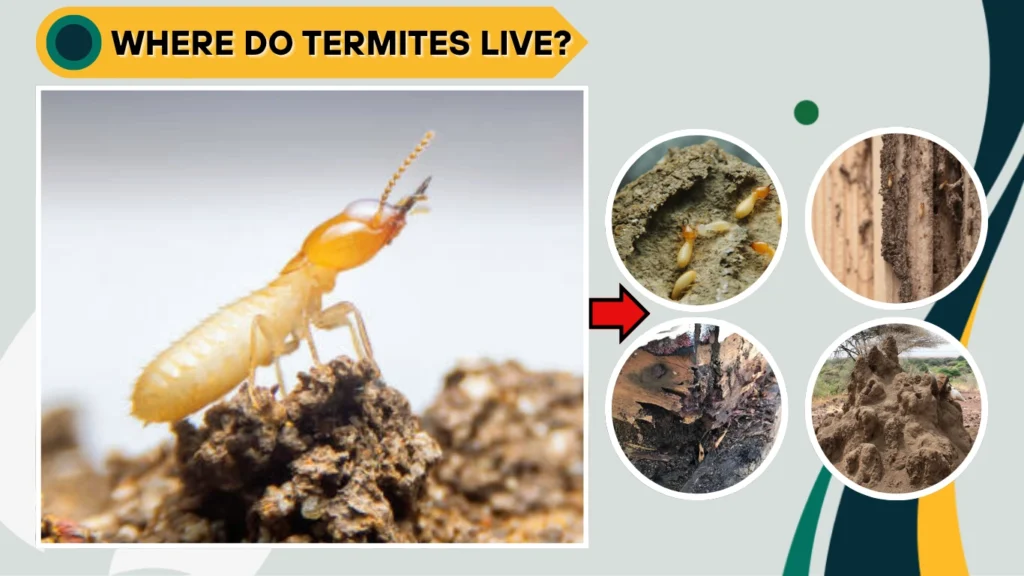
Termites live in a variety of environments, including underground soil, wooden structures, and damp areas inside homes. They build colonies in places with moisture, wood, and shelter. Subterranean termites prefer moist soil, while drywood termites live entirely in wood. Their nests can be found in foundations, trees, dead logs, walls, and even furniture.
2. Do termites live in the ground?
Yes, subterranean termites commonly live in the ground. They create elaborate tunnel systems underground that connect their nests to food sources such as wood structures or tree roots. These moist, dark environments help protect termites from predators and dehydration, making soil an ideal living condition for many termite species.
3. Can termites live in cold weather?
Termites can survive in cold weather, but their activity slows down. In colder climates, they often build nests deeper underground where temperatures are more stable. Subterranean termites remain active during winter by staying below the frost line. However, extreme cold without shelter can be fatal, so they rely on insulation from soil or buildings.
4. Can termites live in dirt?

Yes, many termite species, especially subterranean termites, thrive in dirt. They use moist dirt to build tunnels and nests while traveling between their colony and wood sources. The soil provides moisture and protection, which are essential for their survival. However, dry and loose soil may not support a stable colony structure.
5. Do termites live in soil?
Termites commonly live in soil, especially those from the subterranean species. They build mud tubes in soil to move safely and avoid exposure to open air. Soil helps regulate temperature and humidity, two critical factors for their survival. Without access to moist soil, many termites cannot maintain their colony health.
6. Do termites live in the winter?
Yes, termites can live during the winter. While their activity decreases significantly, they don’t die off with the cold. Subterranean termites retreat deeper underground to stay warm, while termites inside homes may remain active if the indoor temperature is warm enough. Winter slows them down, but it doesn’t eliminate them.
7. Do termites live in trees?
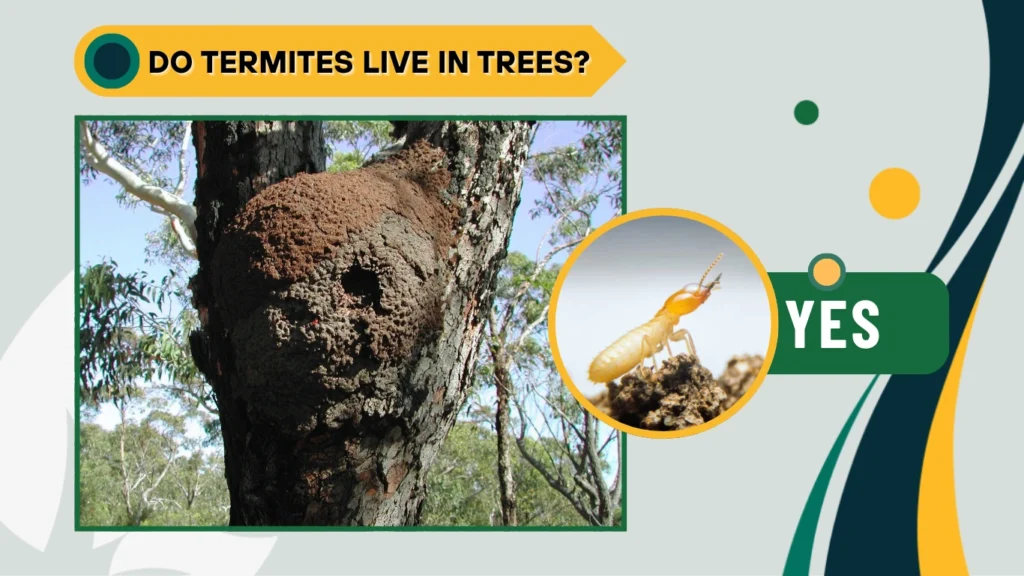
Yes, some termites live in trees, particularly in dead or decaying wood. Formosan and drywood termites can infest living trees, especially around weakened or damaged areas. They hollow out branches and trunks, which can eventually kill the tree. Tree-based colonies may also spread to nearby buildings and wooden structures.
8. Can termites live in mulch?
Yes, termites can live in mulch, especially if it retains moisture and is placed near the foundation of a building. While mulch itself is not a primary food source, it creates a humid environment that termites find attractive. It’s important to keep mulch layers thin and away from home walls.
9. Can termites live in the winter?
Yes, termites can live through the winter months. Subterranean termites stay active underground where temperatures are milder, while indoor colonies in heated spaces may show no seasonal slowdown. While they may not be visible, termites can continue to feed and damage wood even when it’s cold outside.
10. Can termites live in trees?
Yes, termites can infest trees, especially ones that are old, damaged, or weakened by disease. They enter through cracks or wounds in the bark and feed on the inner wood. Over time, their activity can compromise the tree’s structure, posing risks to surrounding areas if the tree becomes unstable.
11. Do termites live underground?

Yes, subterranean termites live underground in large colonies. They build mud tubes to safely travel from their nest to food sources, avoiding light and predators. These underground nests provide consistent moisture and protection. Termites can travel several feet below the surface and even enter homes through cracks in the foundation or utility pipes.
12. Where do termites live in house?
In a house, termites often live in hidden places like wall voids, beneath floors, behind baseboards, or inside wooden furniture. Subterranean termites enter from underground and feed on wooden beams, while drywood termites live entirely within the wood they consume. Moisture-damaged areas, crawl spaces, and basements are especially attractive to termites.
13. Where does a termite live?
A termite lives in colonies that can be found underground, in wood, or inside buildings. Depending on the species, termites may inhabit dead trees, moist soil, walls, or roofs. Each colony has castes like workers, soldiers, and reproductives that live together and perform different roles to maintain the colony’s survival and expansion.
14. Can termites live in water?
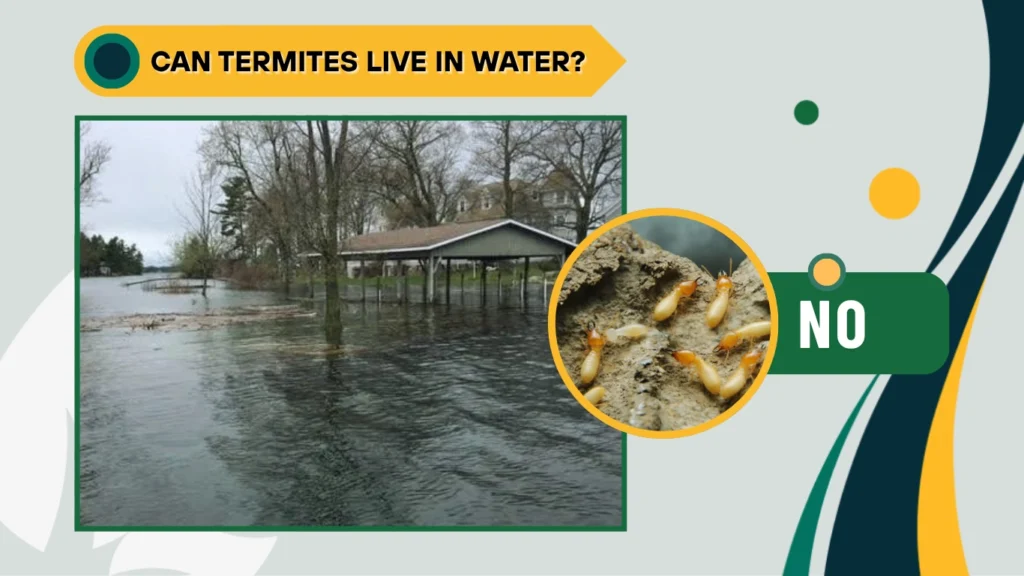
Termites cannot live in water for long. They require moisture but not full submersion. Being in standing water or flooded environments will drown them. However, they thrive in damp areas like leaky basements or wet wood. Moisture helps maintain their soft bodies and prevents dehydration, which is critical for their survival.
15. Do termites live in Colorado?
Yes, termites are found in Colorado, especially in the warmer southern and western parts of the state. Subterranean termites are the most common type found there. While colder winters may slow down activity, homes with wooden structures and sufficient moisture are still at risk of termite infestations year-round.
16. Do termites live in the dirt?
Yes, many termite species live in dirt. They build intricate tunnels and chambers in soil to nest and forage for food. Dirt provides a consistent moisture level and insulation, making it ideal for subterranean termites. These colonies stay hidden underground, only surfacing through mud tubes when seeking wood or moisture.
17. Do termites live under rocks?

Termites can live under rocks if the environment is moist and near a food source like wood or mulch. Rocks provide shade, protection from predators, and humidity—conditions termites need to thrive. While they don’t feed on rocks, the space beneath can serve as a hiding spot or tunnel pathway.
18. Where do subterranean termites live?
Subterranean termites live in moist soil beneath the ground. Their colonies are deep underground and often extend to nearby structures. They create mud tubes to access wood above ground while avoiding light and dry air. These termites are especially destructive and are responsible for most structural termite damage in buildings.
19. Can subterranean termites live above ground?
Yes, subterranean termites can live above ground if there is a constant source of moisture. They build above-ground nests in places like roof leaks, wall voids, or leaking pipes. While they prefer underground living, when moisture and wood are present, they can survive and establish satellite colonies above ground.
20. Can termites live in a hot attic?
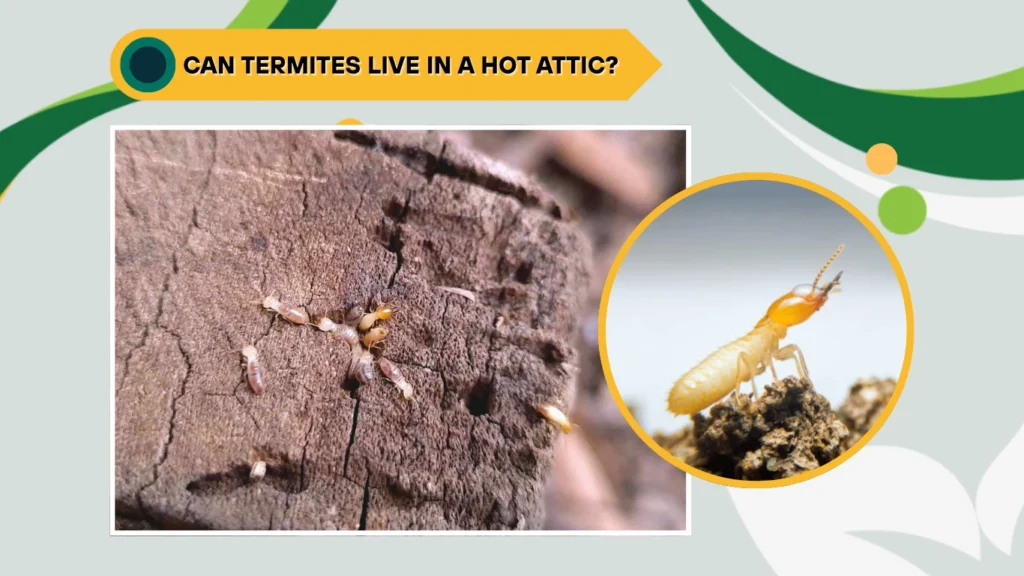
Termites can live in a hot attic if there’s enough moisture and food. Drywood termites, in particular, may infest attic rafters and wooden beams. However, extreme heat can be harmful, so most termites prefer shaded, slightly cooler areas within the attic where they can remain undisturbed and well hydrated.
21. Can termites live in cardboard boxes?
Yes, termites can infest cardboard boxes, especially if they’re stored in damp, dark areas like basements or garages. Cardboard contains cellulose, which termites eat just like wood. Once they find a food source, they can hollow out the box from within. It’s best to avoid stacking cardboard directly on concrete floors or near walls.
22. Can termites live in carpet?
While termites don’t eat carpet fibers, they can live underneath carpets if there’s access to wood or moisture beneath. Subterranean termites may travel through the flooring to infest wooden substructures. If the floor under the carpet has water damage or untreated wood, termites may thrive unnoticed for a long time.
23. Can termites live in clothes?

Termites don’t usually eat clothes, but they may be found among clothing if it’s stored in damp, wooden wardrobes or near infested furniture. Clothes stained with food or made from plant-based fibers like cotton may attract them slightly. However, termites are more focused on wood, paper, and cardboard than textiles.
24. Can termites live in concrete?
Termites cannot live inside solid concrete, but they can travel through small cracks or gaps in it. They often build mud tubes through concrete slabs to reach wood or cellulose sources. Homes with concrete foundations are still vulnerable to infestations if termites find even tiny openings to enter through.
25. Can termites live in concrete walls?
Termites don’t live inside concrete walls but can exploit cracks or joints to reach wood within or behind the walls. Subterranean termites may build mud tubes along concrete surfaces to travel safely. If wooden framing is embedded or adjacent to the wall, it becomes a potential nesting and feeding spot.
26. Can termites live in furniture?

Yes, drywood termites commonly infest wooden furniture, especially older or untreated pieces. They live and feed entirely within the wood, making them hard to detect until damage is advanced. Swarmers often enter through small cracks or joints, starting colonies deep inside. Furniture in humid environments is particularly at risk.
27. Can termites live in the human body?
No, termites cannot live in the human body. They do not have the ability or biological need to infest or feed on humans. Unlike parasites, termites feed exclusively on wood and cellulose materials. If contact occurs, it’s purely incidental, and termites will not bite or attempt to inhabit human tissue.
28. Can termites live in mattress?
Termites don’t typically live in mattresses unless the frame is wooden and infested. Foam and fabric aren’t food sources for them. However, if the mattress is on a wooden bed that’s infested or if the area is humid and dark, termites could be nearby. They may tunnel through nearby structures, not the mattress itself.
29. Can termites live in potted plants?

Yes, termites can live in the soil of potted plants, especially if the pots are placed directly on the ground. They may tunnel through moist soil and enter nearby wood or roots. Potted plants placed near walls or wooden structures can serve as stepping stones for termites to infest homes.
30. Can termites live in sand?
Termites can live in sand if moisture and food sources are nearby. While sand doesn’t retain moisture as well as soil, subterranean termites may still burrow through it to reach wood. Sand around homes, like in crawl spaces or under decks, can become a termite pathway if not properly treated or sealed.
31. Can termites live in soil?
Yes, most termites, especially subterranean species, live and thrive in moist soil. They build complex tunnel systems to move safely between their nests and food sources like wood. Soil provides insulation, moisture, and protection from predators and environmental extremes. Without access to damp soil, many termite colonies would not survive long.
32. Can termites live in the cold?
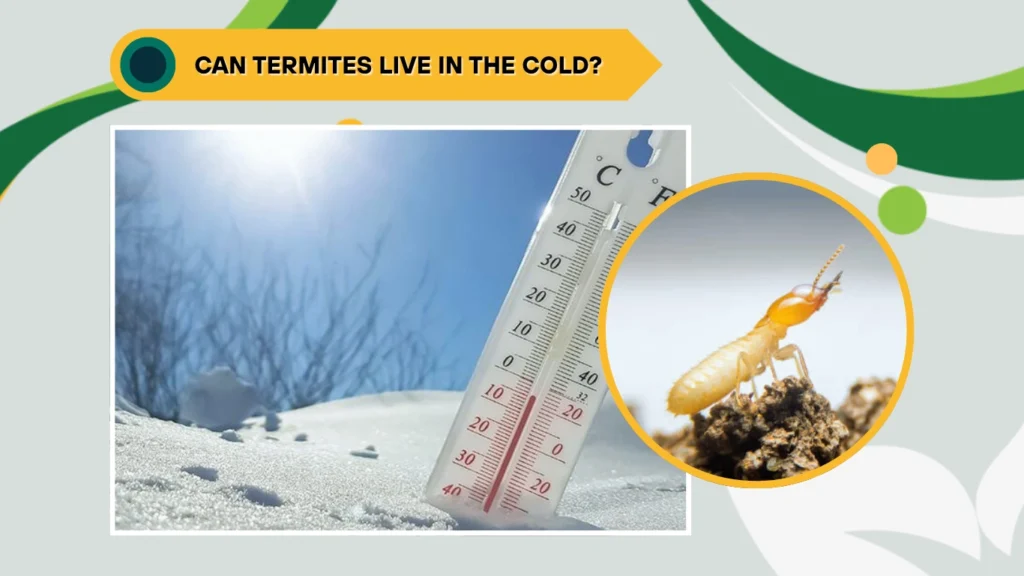
Termites can survive in cold climates by going deeper underground or sheltering inside heated buildings. While their activity slows in cold temperatures, they don’t die off entirely. Subterranean termites remain active below the frost line, and indoor infestations may continue year-round if warmth and moisture are available.
33. Can termites live in walls?
Yes, termites can infest walls, especially if they contain wood or drywall paper. They often enter through small cracks and expand their colonies inside wall voids. Subterranean termites use mud tubes to travel, while drywood termites live entirely within the wood. Infestations inside walls can remain hidden for months before signs appear.
34. Can termites live in winter?
Yes, termites can live through the winter, although they become less active. Subterranean termites stay underground where it’s warmer, and indoor colonies continue feeding if the building is heated. While visible signs may decrease in winter, termites can still cause damage silently during cold months, especially inside walls or basements.
35. Can termites live in your hair?

No, termites cannot live in your hair. They don’t feed on human tissues, hair, or skin. Termites are wood-eating insects that rely on cellulose, not protein. If you find small insects in your hair, they’re likely something else—like lice or mites. Termites have no reason or ability to inhabit human hair.
