
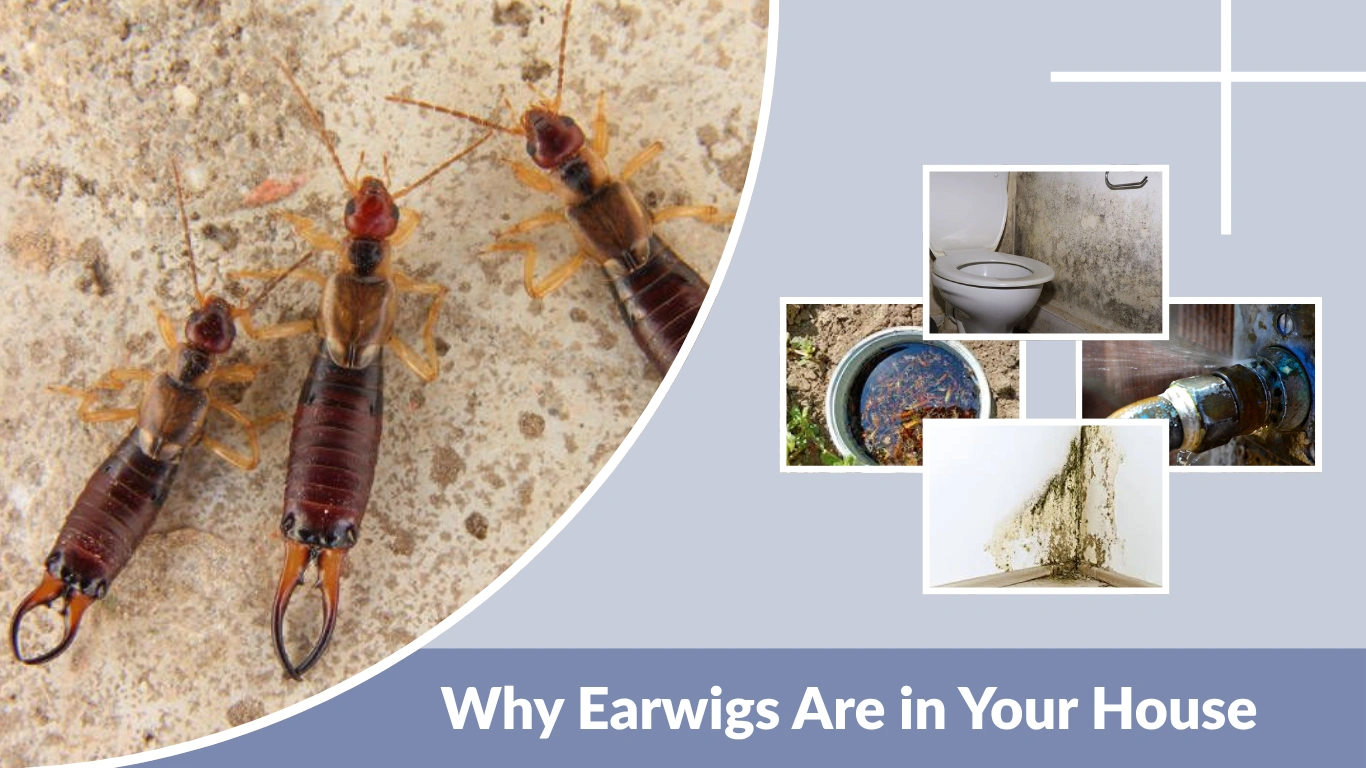
Earwigs are one of the most commonly misunderstood household pests. Although they look intimidating with their long bodies and pincer-like forceps, they’re usually harmless to people—but they can quickly become a nuisance when they begin appearing indoors in large numbers. If you’re suddenly seeing earwigs in your house, or you’re wondering why you keep finding them in certain rooms, you’re not alone. Earwig activity inside homes is especially common during periods of extreme weather, high moisture, or seasonal changes.
What Are Earwigs?
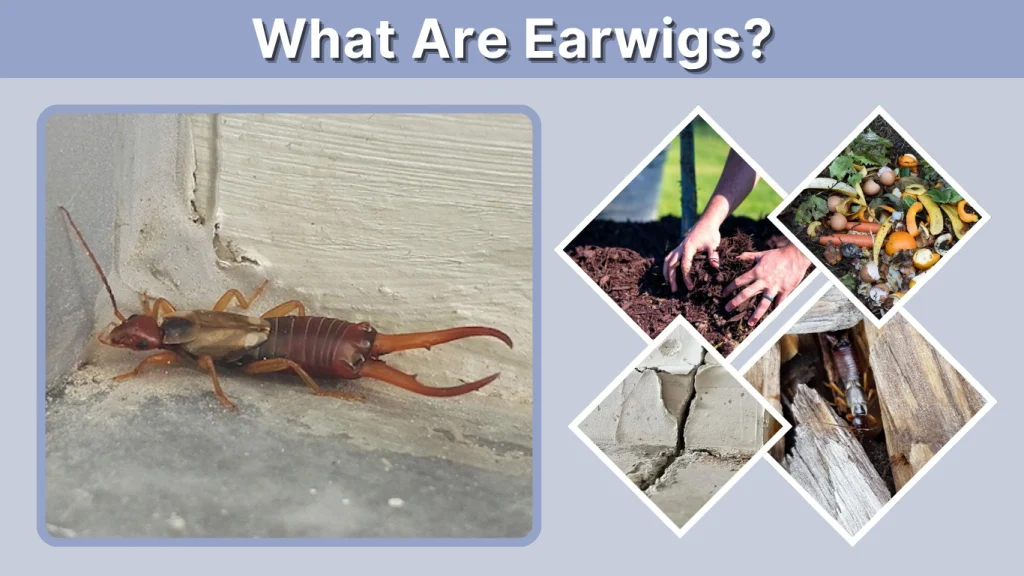
Earwigs are small, elongated insects with a pair of curved pincers at the end of their abdomen. These forceps look intimidating, but they are mainly used for capturing prey, defense against other insects, and courtship rituals. The most common species found indoors are the European earwig and the ring-legged earwig.
Despite their alarming appearance, earwigs do not crawl inside people’s ears, nor do they lay eggs in human bodies. This is a myth. In reality, earwigs prefer dark, moist environments and organic debris—not humans.
Earwigs are often confused with other insects such as centipedes or silverfish. If you’ve spotted a small, brownish, fast-moving insect with pincers, it’s almost certainly an earwig.
Why Are Earwigs in Your House?

Earwigs come indoors for three main reasons: moisture, food, and shelter.
1. Moisture and Humidity
Earwigs thrive in damp environments. If your home has:
- Moist bathrooms
- Leaky pipes
- Damp basements
- Humid laundry rooms
- Overwatered indoor plants
…you’re more likely to see them wandering in.
High humidity is the #1 cause of indoor earwig problems. When outdoor conditions become too dry or too wet, earwigs naturally migrate toward stable moisture sources—often inside homes.
2. Food Sources
Earwigs feed on:
- Decaying plant material
- Fungi
- Small insects
- Mold
- Damp cardboard or paper
Your home may unintentionally provide food if you have indoor plants, pet food spills, or moisture-damaged materials.
3. Shelter From Weather
Weather extremes drive earwigs inside. They enter homes when:
- Temperatures suddenly drop
- Heavy rain floods their outdoor habitats
- Heat waves dry out the soil
If you see earwigs in your house all of a sudden, it’s usually a sign of a seasonal shift or weather disturbance.
Why Is There an Earwig Infestation All of a Sudden?
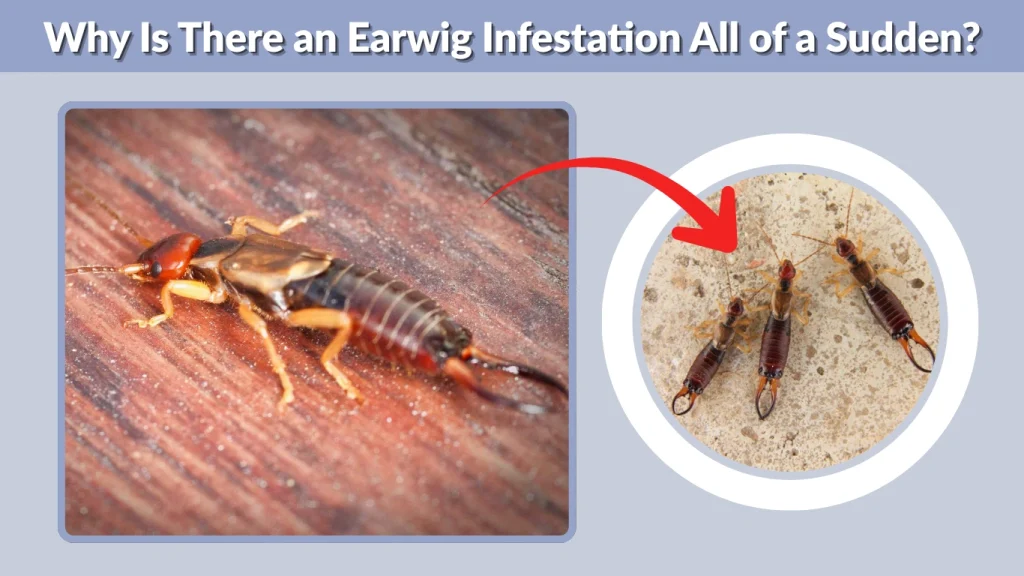
A sudden surge of earwigs inside the home typically points to:
- A large outdoor population
- Nearby mulch, leaf piles, or wood piles
- Recent heavy rain
- High humidity indoors
- Gaps in the home’s foundation or doors
Earwigs reproduce quickly during warm months. When their outdoor habitat becomes unsuitable, they start exploring indoor spaces—sometimes in large numbers. This doesn’t mean your house is dirty; it simply means environmental conditions are driving them inside.
How Earwigs Get Into Your House
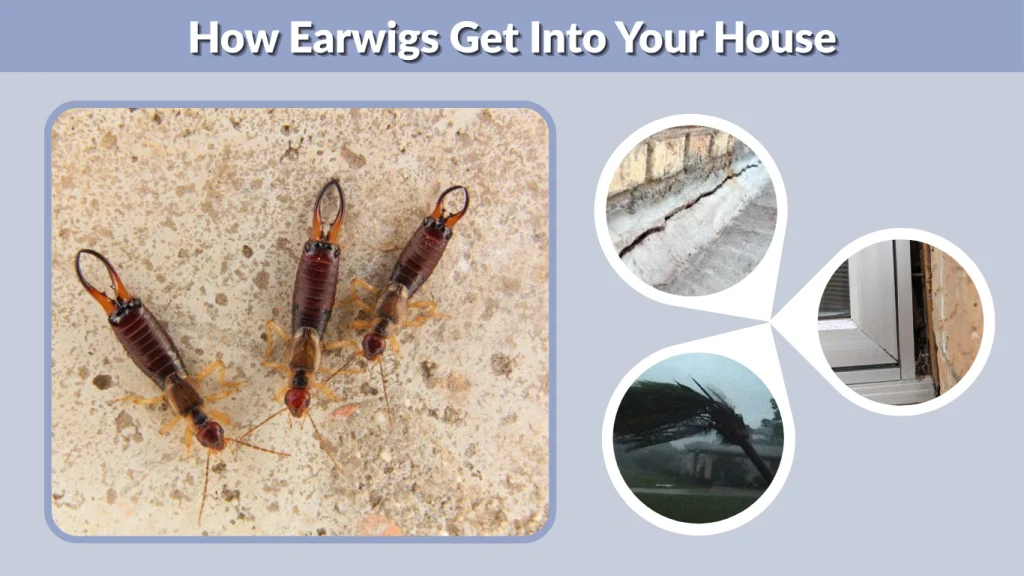
Earwigs are small, flexible, and excellent at squeezing through tight spaces. Common entry points include:
Cracks and Gaps
They often enter through:
- Foundation cracks
- Gaps around windows
- Damaged weatherstripping
- Spaces under exterior doors
Utility Openings
Earwigs can crawl through:
- Dryer vents
- Plumbing entrances
- Air gaps around pipes
- Openings around electrical wiring
Doors and Windows Left Open
Since earwigs are attracted to lights, they may wander inside at night if doors or windows are frequently opened.
Where Earwigs Hide Inside the House
Once inside, earwigs look for dark, damp hiding places. They are nocturnal, so you rarely see them during the day. Instead, they tuck themselves into crevices, under objects, and in moisture-rich areas. Bathrooms, basements, and kitchens are the most common hotspots. Earwigs also hide beneath appliances, stacks of newspapers, cardboard boxes, and even potted plants. Any spot that combines darkness, humidity, and a food source can attract them.
Earwigs may also gather around drains, under sinks, or in wall voids where condensation forms. They do not build traditional nests, but they sometimes cluster together in sheltered spaces, especially near moisture.
What Earwigs Eat in the House
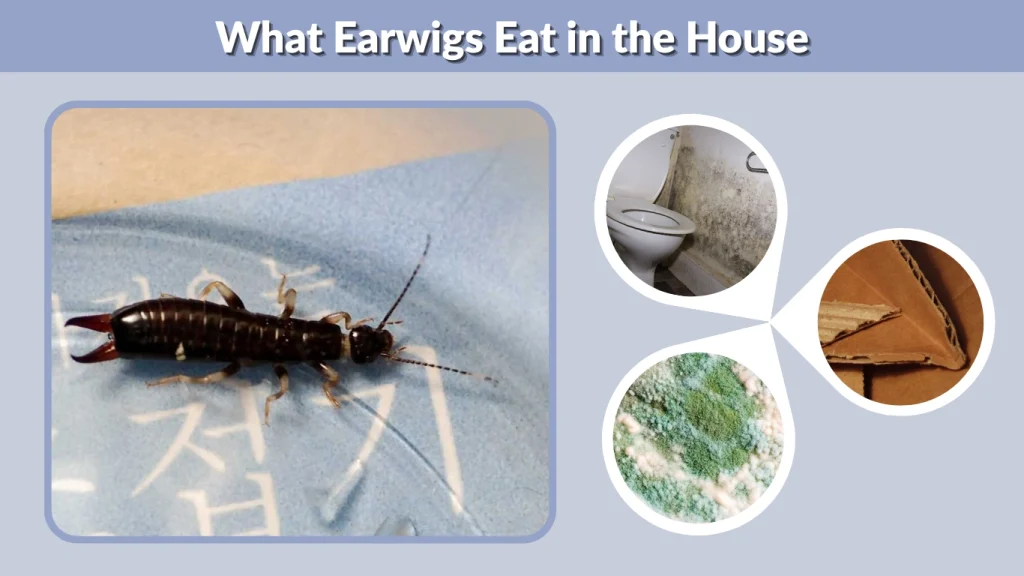
Earwigs are opportunistic feeders. Indoors, they consume whatever organic matter they can find, including damp paper, cardboard, mold, and bits of food left on the floor. They also prey on smaller insects like mites or larvae. Earwigs generally do not target clean, dry homes for food, but if moisture softens materials or attracts mold, they will take advantage of it. This is why eliminating dampness is crucial for long-term control.
How to Get Rid of Earwigs in the House
To break an active infestation, use a combination of fast-acting methods and preventive steps:
- Kill visible earwigs immediately using soapy water spray, rubbing alcohol spray, or a vacuum.
- Use indoor-safe insecticides along baseboards, cracks, and moisture-prone areas.
- Set simple traps like rolled-up newspaper, oil-and-soy-sauce dishes, or sticky traps.
- Reduce humidity by fixing leaks, running dehumidifiers, and improving ventilation.
Using multiple strategies at once is the most effective way to stop their activity quickly.
Home Remedies and Natural Ways to Remove Earwigs
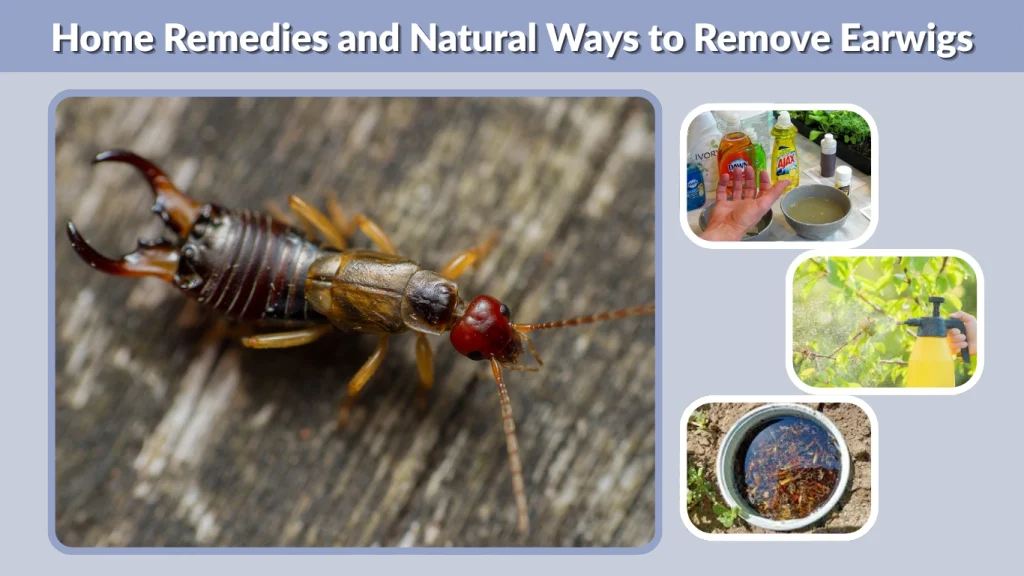
If you prefer non-chemical options, several home remedies work well:
- Soapy water spray instantly kills earwigs on contact.
- Rubbing alcohol and water mix acts as both a killer and repellent.
- Oil traps made with vegetable oil attract and drown earwigs overnight.
- Diatomaceous earth can be sprinkled in entry points to dehydrate insects.
These methods are safe for most households and can be used alongside other control techniques.
How to Prevent Earwigs from Coming Into the House
Long-term prevention focuses on eliminating the conditions that attract earwigs:
- Seal entry points around windows, doors, pipes, and the foundation.
- Control moisture using dehumidifiers and by repairing leaks.
- Reduce outdoor hiding spots by cleaning gutters, trimming plants, and keeping mulch away from the foundation.
- Adjust outdoor lighting, since bright lights attract earwigs toward the home.
When prevention is done correctly, indoor sightings drop dramatically.
Earwig Control Outside the House
Managing outdoor populations is essential for stopping indoor invasions. Earwigs gather under mulch, rocks, siding, and wet leaves. Keeping these materials away from the house reduces their numbers. Outdoor insecticide barriers can also be applied around the foundation to stop earwigs before they enter. Maintaining good drainage, removing clutter, and storing firewood away from the home all help keep earwig activity under control.
When to Call a Pest Control Professional
If you are seeing earwigs every day or finding them in multiple rooms, the population may be too large to manage on your own. Pest professionals can apply stronger treatments, identify hidden moisture issues, and create an exterior barrier that keeps earwigs out. Severe or recurring infestations often indicate that moisture or structural entry points are extensive and require expert attention.
FAQs
1. Why am I suddenly seeing earwigs in my house?
A sudden increase in earwigs often happens after heavy rain, drought, or temperature changes. When the outdoor environment becomes too wet or too dry, earwigs move indoors searching for stable moisture and shelter.
2. Where do earwigs usually hide inside a home?
Earwigs hide in dark, damp areas such as bathrooms, basements, kitchens, laundry rooms, and under sinks. They also hide under boxes, appliances, potted plants, and anywhere moisture is present.
3. Do earwigs lay eggs inside the house?
Earwigs rarely lay eggs indoors. They prefer soil or outdoor mulch for egg-laying. If they end up inside, they typically wander rather than reproduce.
4. What is the fastest way to get rid of earwigs in the house?
The quickest methods include spraying them with soapy water or rubbing alcohol, vacuuming them up, and using small oil traps. For larger infestations, an indoor insecticide barrier can eliminate them faster.5. How can I keep earwigs from coming back?
Lower indoor humidity, fix leaks, seal cracks and gaps, and keep mulch, leaf piles, and firewood away from the home’s foundation. These steps remove the moisture and shelter earwigs rely on, preventing their return.
