

Fireflies, once a magical symbol of warm nights, are now disappearing at an alarming rate. Scientists across Asia, Europe, and North America report steady declines driven largely by human activity. As habitats shrink, skies brighten, and chemicals saturate the environment, these glowing insects struggle to survive and reproduce. Understanding why fireflies are going extinct helps us protect them before they vanish completely. This article explores the primary causes behind their decline and what these losses mean for our ecosystems.
What’s Causing the Global Decline of Fireflies?

A combination of environmental pressures is pushing fireflies toward extinction. The major drivers include:
- Habitat destruction from expanding cities and agricultural land
- Heavy pesticide use eliminating both adults and larvae
- Light pollution disrupting mating signals
- Climate change altering life cycles and breeding seasons
- Water and soil pollution damaging larval habitats
Each threat affects fireflies differently, but together they compound into severe population decline.
How Habitat Loss Threatens Fireflies
Fireflies depend on specific, moisture-rich environments—wetlands, forest edges, grassy meadows, rice fields, and marshlands—to complete their life cycle. As urban development expands, many of these habitats are replaced by concrete, roads, and commercial zones. Even agricultural intensification destroys the natural vegetation that fireflies depend on for breeding and feeding.
When surviving habitats become fragmented, firefly populations are isolated from each other. These small, disconnected groups struggle to maintain healthy genetic diversity. In many regions, once-glowing fields have turned into silent patches of land because larvae can no longer thrive in the dry, altered soil. Without intact habitats, even the healthiest adult fireflies cannot reproduce successfully.
The Impact of Light Pollution on Mating Signals
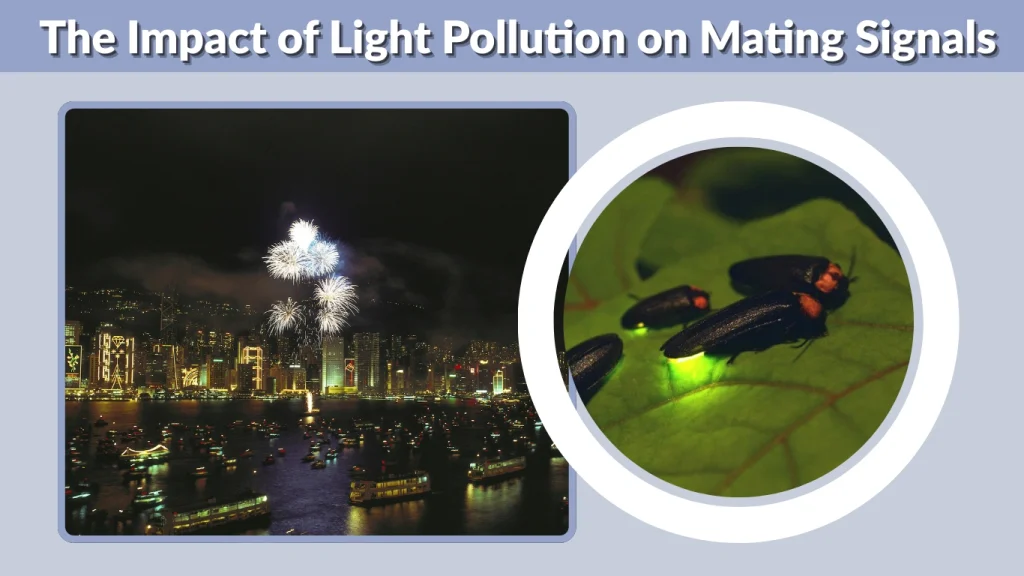
Light pollution is one of the most devastating threats because it directly interferes with firefly reproduction. Fireflies rely on precise bioluminescent signals to attract mates—each species flashes in its own rhythm, pattern, and timing. Artificial light sources such as streetlights, porch lights, LED signs, and car headlights create visual “noise” that overwhelms these delicate signals.
Male fireflies often fail to locate females, while females may stop responding altogether when exposed to bright lights. In urban and suburban areas, mating rates drop so low that entire populations can collapse within a few seasons. Even rural areas are affected, as light from nearby towns travels miles into the sky. Without dark nights, fireflies lose their most essential communication tool.
Chemical Exposure and Pesticide Damage
Pesticides and chemical sprays used in farming, landscaping, and household gardens are deadly to fireflies. Many insecticides do not discriminate between harmful pests and beneficial insects, meaning fireflies are often killed unintentionally. Larvae, which live underground or in moist leaf litter, are especially vulnerable because they spend months or even years developing in soil exposed to chemical runoff.
Herbicides also contribute to the problem by destroying the plants and grasses that shelter firefly larvae. Without protective vegetation, eggs dry out, larvae starve, and adults lose places to rest or hide from predators. Over time, these chemical pressures reduce population size dramatically and prevent recovery, even when other conditions improve.
Climate Change and Environmental Stress
Climate change adds another layer of complexity to the firefly extinction crisis. Warmer winters, long droughts, sudden floods, and shifting rainfall patterns disrupt the seasonal cues fireflies rely on to emerge and mate. Many species time their life cycle around temperature and moisture levels—when these signals change, larvae may develop too early, too late, or not at all.
Extreme weather events can wipe out entire generations. Heavy rains can drown larvae in their burrows, while prolonged heat dries out the moist habitats they need to survive. As climate instability increases, fireflies face an unpredictable environment that threatens their long-term survival.
Firefly Decline Compared to Other Insects

Fireflies are part of a much larger crisis: the global decline of insect populations. However, some threats affect them more severely than others. The table below shows how fireflies compare to bees and butterflies when facing common environmental pressures:
| Threat Factor | Fireflies | Bees | Butterflies |
| Light Pollution Impact | Very high | Low | Moderate |
| Habitat Loss | High | High | Very high |
| Pesticide Sensitivity | High | Very high | High |
| Climate Risk | High | High | High |
Fireflies suffer disproportionately from artificial lights, making them uniquely vulnerable in rapidly urbanizing regions. While all insects face threats, the combination of light interference and habitat fragmentation puts fireflies at an even greater risk of extinction.
What Happens If Fireflies Go Extinct?
The disappearance of fireflies would bring more than the loss of magical glowing nights. These insects play essential ecological roles that help maintain balance within local ecosystems.
First, firefly larvae are natural predators of soft-bodied pests like snails and slugs. Without them, these pests could spread unchecked, causing agricultural damage. Fireflies also serve as bioindicators—meaning their presence reflects healthy soil, water, and biodiversity. Their loss signals deeper environmental problems.
Finally, fireflies have cultural and economic importance. In many countries, glowing firefly fields attract tourists and support local livelihoods. Losing them would erase an enchanting natural spectacle cherished for generations while weakening the ecosystems that depend on them.
How We Can Help Protect Fireflies

Preserving fireflies requires action at both the individual and community levels. Even small lifestyle changes can create safer environments where these insects can recover and thrive.
Start by reducing outdoor lighting. Switching to warm amber bulbs, using motion sensors, or turning lights off during firefly season dramatically improves mating success. Avoiding pesticides is equally important—choosing organic gardening methods protects larval habitats and keeps soil healthy.
Creating firefly-friendly spaces also helps. Allowing small patches of tall grass, keeping moist leaf litter in shaded areas, or adding native plants encourages larvae to develop safely. Communities can protect wetlands, maintain dark-sky zones, and advocate for conservation policies that limit unnecessary light pollution.
With coordinated efforts, it’s possible to slow the decline and rebuild firefly populations before they disappear forever.
FAQs
How does light pollution affect fireflies?
Light pollution disrupts the bioluminescent signals fireflies use for mating. When artificial lights overwhelm these flashes, males and females struggle to find each other. This drastically reduces reproduction rates and can cause populations to collapse within just a few breeding seasons.
Are pesticides the biggest threat to fireflies?
Pesticides are one of the major threats, especially for larvae living in soil exposed to chemical runoff. While habitat loss and light pollution are also significant, pesticides contribute heavily by killing insects directly and degrading the vegetation they depend on for shelter and moisture.
Why are firefly habitats disappearing so quickly?
Rapid urbanization, intensive agriculture, wetland draining, and deforestation are major drivers. Fireflies rely on moist, undisturbed environments. When these areas are converted into housing, roads, or monocrop farms, the insects lose the essential conditions they need to survive and reproduce.
Can fireflies adapt to climate change?
Fireflies have very specific seasonal cues linked to temperature and moisture. Sudden shifts caused by climate change can throw off their life cycles, causing mismatches in emergence and breeding. While some species may adapt over long periods, many cannot cope with rapid environmental changes.
How can ordinary people help save fireflies?
Simple actions like turning off outdoor lights at night, avoiding chemicals in gardens, preserving leaf litter, and planting native vegetation can make a big difference. Supporting conservation organizations and encouraging community-level dark-sky initiatives also helps protect fireflies on a larger scale.
