

Tiny, fragile, and surprisingly independent, spider babies—also known as spiderlings—are born into a world where survival begins the moment they hatch. These miniature arachnids display incredible behaviors from the start, like ballooning through the air and hunting tiny prey.
Whether you’re a curious observer or just found a bunch in your home, understanding their life cycle can be both fascinating and helpful. Here are 24 facts that reveal how unique spiderlings really are.
24 Interesting Facts
1. Baby spiders are called spiderlings

Spider babies have a special name—spiderlings. Just like “puppy” or “kitten,” “spiderling” refers to the juvenile stage of a spider. Though tiny, they already have many features of adult spiders, including eight legs and multiple eyes. They’re fully independent from the moment they hatch.
2. They hatch from egg sacs

Spiderlings come from egg sacs, which are silk-wrapped bundles laid by the mother spider. Depending on the species, one sac can hold anywhere from a few dozen to several hundred eggs. The sac keeps them safe from predators, temperature changes, and moisture loss until they hatch.
3. A single sac can hold hundreds of eggs

Some spider species lay up to 3,000 eggs in one sac. This high number increases the chances of survival, as many spiderlings don’t make it past their early stages. These egg sacs are often hidden in webs, leaves, or crevices to protect them from predators.
4. Some spider mothers guard their egg sacs

Not all spiders walk away after laying eggs. Species like wolf spiders and nursery web spiders actively guard their sacs. Some even carry them attached to their bodies. This protective behavior helps reduce the risk of eggs being eaten or destroyed by environmental hazards.
5. Spiderlings look like mini versions of adult spiders

Right after hatching, spiderlings already resemble tiny versions of adult spiders, complete with eight legs, fangs, and multiple eyes. However, they are usually paler and more fragile. As they grow and molt, their colors and markings become more defined and easier to identify.
6. They shed their skin to grow (molting)

Spiderlings grow by molting, which means they shed their outer exoskeleton several times as they develop. Each molt reveals a slightly larger body. The process can be risky—if they get stuck in their old skin, they might not survive or could lose a leg.
7. Not all spiderlings survive their first molt

The first molt is a critical stage. Some spiderlings don’t survive it due to weakness, deformities, or difficulty shedding their exoskeleton. Since they’re so fragile, even slight issues can be fatal. That’s why so many eggs are laid—to ensure at least a few make it.
8. Some spider species eat their siblings

In some species, stronger spiderlings cannibalize their siblings shortly after hatching. This behavior, called intraspecific predation, helps reduce competition for food and space. It may sound harsh, but it increases the chances of survival for the fittest in a crowded environment.
9. They disperse by ballooning (using silk to float in air)
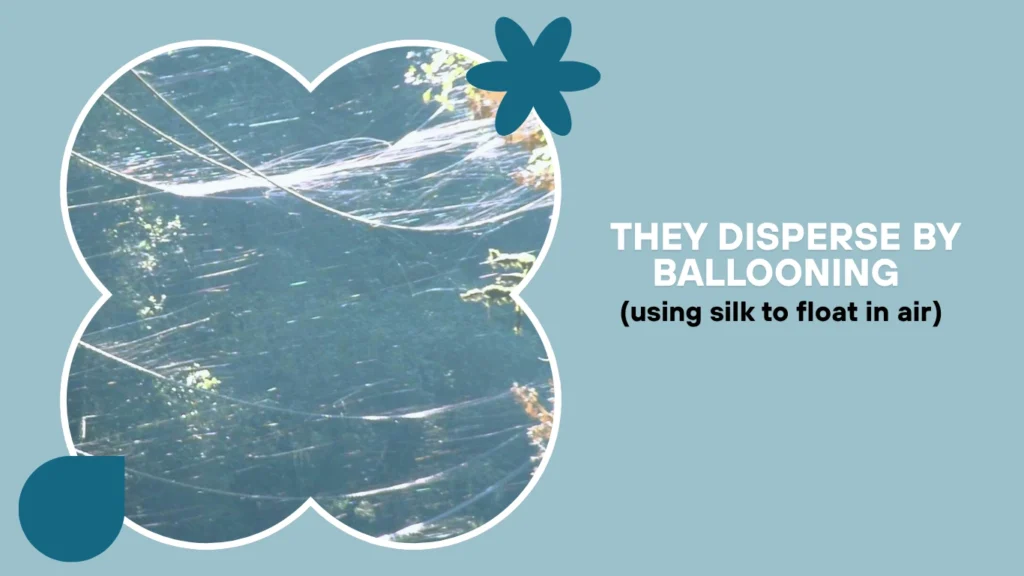
Many spiderlings use a method called ballooning to travel. They release a strand of silk into the air, and the wind lifts them like tiny parachutes. This helps them spread out to new habitats, away from siblings and predators. Some can float for miles!
10. Not all spiderlings balloon—depends on the species
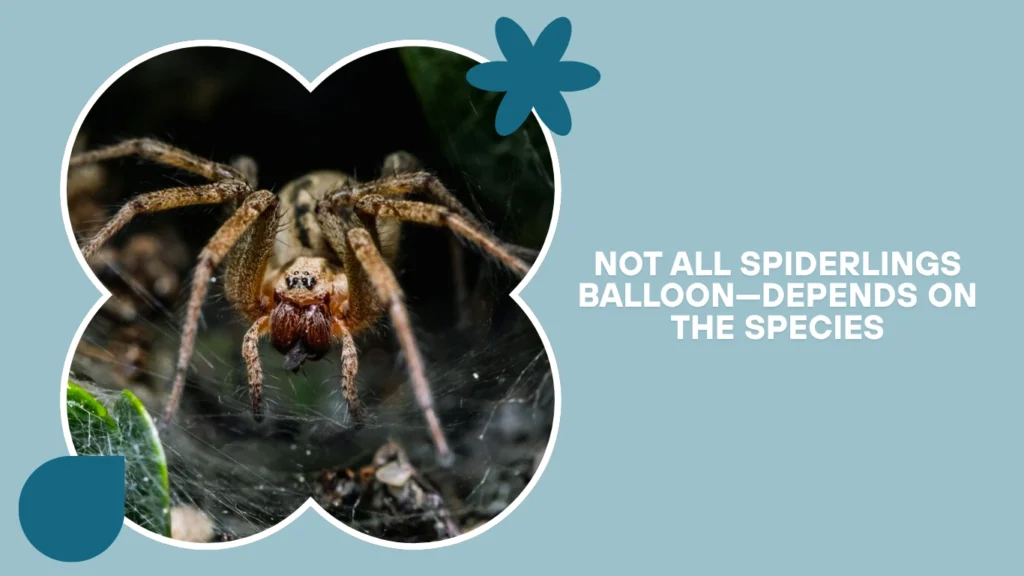
While ballooning is common, not all spider species use it. Ground-dwelling spiders like wolf spiders usually stay close to where they hatch. Their survival strategy relies more on hiding and crawling rather than floating away. The method depends on the spider’s biology and habitat.
11. Jumping spider babies have excellent vision early

Even as spiderlings, jumping spiders have surprisingly sharp eyesight. Their big front eyes help them see detail and detect movement. This makes them skilled hunters from a young age. Instead of building webs, they stalk and pounce on tiny prey with precision.
12. Wolf spider moms carry their babies on their backs

After hatching, wolf spider spiderlings climb onto their mother’s back, where they stay for several days. The mother carries them around until they’re ready to survive on their own. It’s a rare form of spider parenting and offers the babies protection during their most vulnerable stage.
13. Baby tarantulas take longer to grow than most spiders

Tarantula spiderlings, also known as slings, grow much more slowly than common house spiders. It can take months—or even years—for them to reach maturity, depending on the species. Their slow development is balanced by their longer lifespan, especially in captivity.
14. Many baby spiders don’t build webs right away

Although most people associate spiders with webs, not all spiderlings spin them right away. Some wait until they’re older or bigger. Hunting spiders like jumping and wolf spiders may never spin capture webs at all, relying instead on agility and stealth to catch prey.
15. They start hunting small prey shortly after birth

Once they leave the egg sac, many spiderlings begin hunting tiny insects or mites almost immediately. Their hunting method depends on the species—some trap prey in webs, while others actively stalk and pounce. Despite their size, they’re surprisingly capable hunters from the start.
16. Some species care for their babies after birth

Though rare in the spider world, some species show post-hatching care. For example, certain velvet spiders feed their young with regurgitated food or even allow the babies to consume their body in a process called matriphagy—a form of extreme parental sacrifice.
17. Spiderlings can be born with venom (non-lethal to humans)

Most spiderlings are born with tiny venom glands, allowing them to paralyze small prey right away. However, their venom is extremely mild and harmless to humans due to their small size and weak bite force. It helps them survive in their miniature world.
18. Their bite can’t usually puncture human skin

Even though baby spiders have fangs, they’re too small and weak to break human skin in most cases. Their bites are rare and almost always harmless. Most people never feel a thing if they’re bitten—if it happens at all.
19. They are often more vulnerable to predators
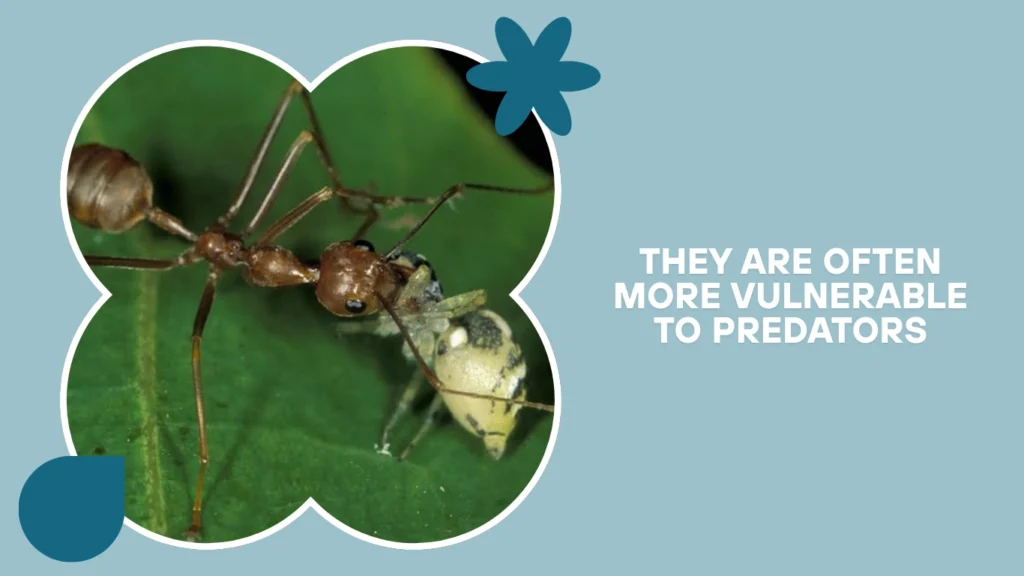
Spiderlings face danger from the moment they hatch. Ants, birds, lizards, and even other spiders prey on them. Their small size and soft bodies make them easy targets. That’s why quick dispersal and hiding instincts are crucial for their survival.
20. Their color can change as they grow

Many spiderlings hatch with pale or translucent bodies, but their colors darken or change after each molt. This gradual transformation helps them blend into their surroundings better and often reveals the unique patterns seen in adult spiders.
21. Baby spiders are prey to ants, birds, and lizards
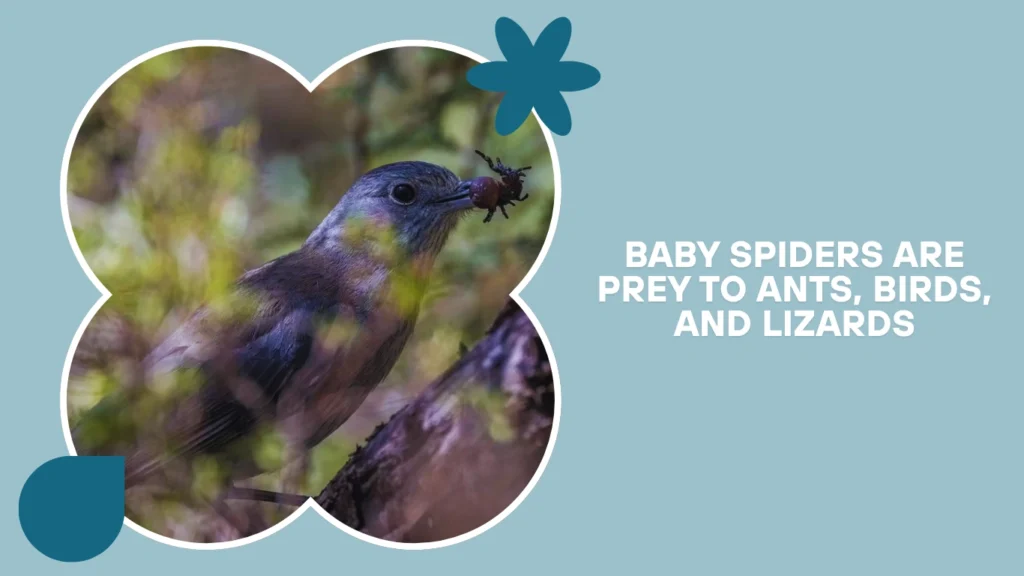
Spiderlings are a favorite snack for many predators, including ants, birds, frogs, and lizards. Some even fall victim to larger spiders. Their only defense is hiding, running, or using silk to escape. That’s why many spiderlings stay hidden in the early stages of life.
22. Environmental factors affect how fast they grow
The temperature, humidity, and food availability in a spiderling’s environment play a huge role in how quickly it grows. In warm, food-rich environments, they molt more frequently. But in poor conditions, growth slows, and survival becomes more difficult.
23. Some spiderlings can survive for days without food
Even if food is scarce, many spiderlings can go several days without eating. They rely on stored energy from the egg yolk and slow down their activity to conserve energy. This helps them survive during their early dispersal or when prey is hard to find.
24. They play a big role in garden pest control
Despite their tiny size, spiderlings help reduce pests in gardens and homes. As they grow, they feed on small insects like aphids, gnats, and mites. A single batch of spiderlings can eat hundreds of pests over time, making them nature’s mini pest control agents.