


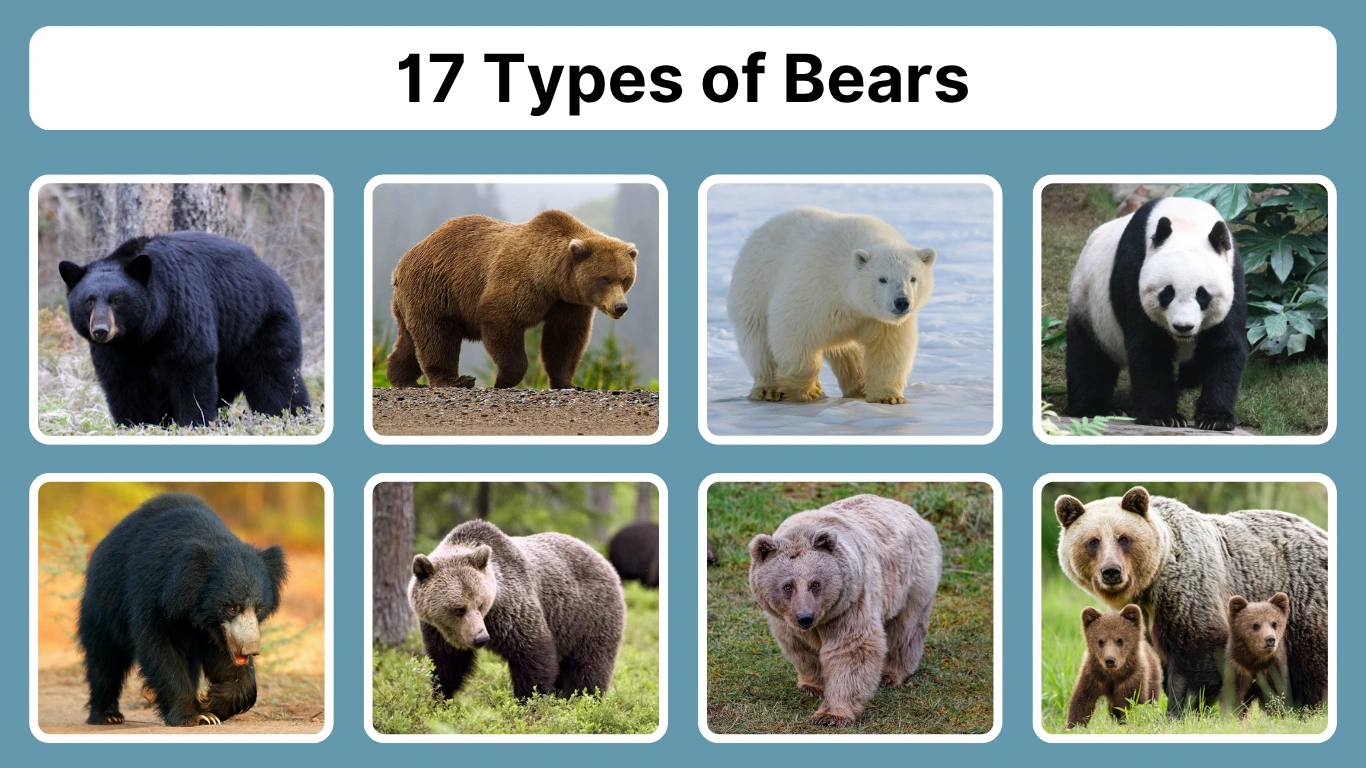
Bears are powerful, intelligent mammals found across the globe—from the icy coasts of the Arctic to the dense forests of Asia and the deserts of Mongolia. While the world recognizes eight primary bear species, numerous subspecies display distinct features shaped by their unique environments.
This guide explores 17 types of bears, including well-known species like the Polar Bear and Giant Panda, as well as rare subspecies such as the Gobi Bear and the now-extinct Atlas Bear. Each type is defined by its size, habitat, behavior, and survival strategies—offering a fascinating look into one of the most iconic animal families in the wild.
1. American Black Bear (Ursus americanus)
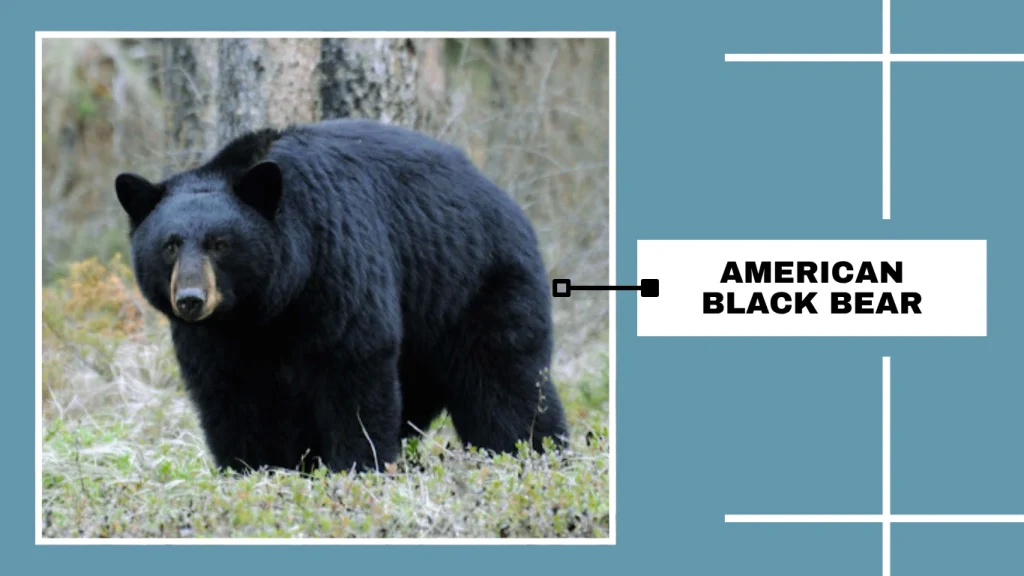
The American Black Bear is the most widespread bear species in North America and is known for its adaptability to different environments, from dense forests to mountain ranges and even suburban areas.
Identification
- Size: 4–7 feet long
- Weight: 90–600 pounds depending on sex and region
- Color: Typically black, but can range from cinnamon brown to blonde or even white (Kermode bears)
- Ears: Prominent and rounded
- Tail: Short and inconspicuous
Habitat and Range
Found throughout much of the United States, Canada, and parts of northern Mexico. Prefers forests, swamps, and mountainous regions but can adapt to a variety of habitats, including areas near human settlements.
Diet and Feeding Habits
Omnivorous and opportunistic feeders. Their diet includes berries, nuts, roots, insects, fish, carrion, and occasionally small mammals or garbage. They are excellent climbers and swimmers, which helps them access diverse food sources.
Behavior and Traits
Solitary animals, except during mating season or when females are raising cubs. They hibernate during winter in colder regions. Generally non-aggressive toward humans unless threatened or habituated to human food. Curious and intelligent, they use their sense of smell to navigate and find food.
2. Asiatic Black Bear (Ursus thibetanus)
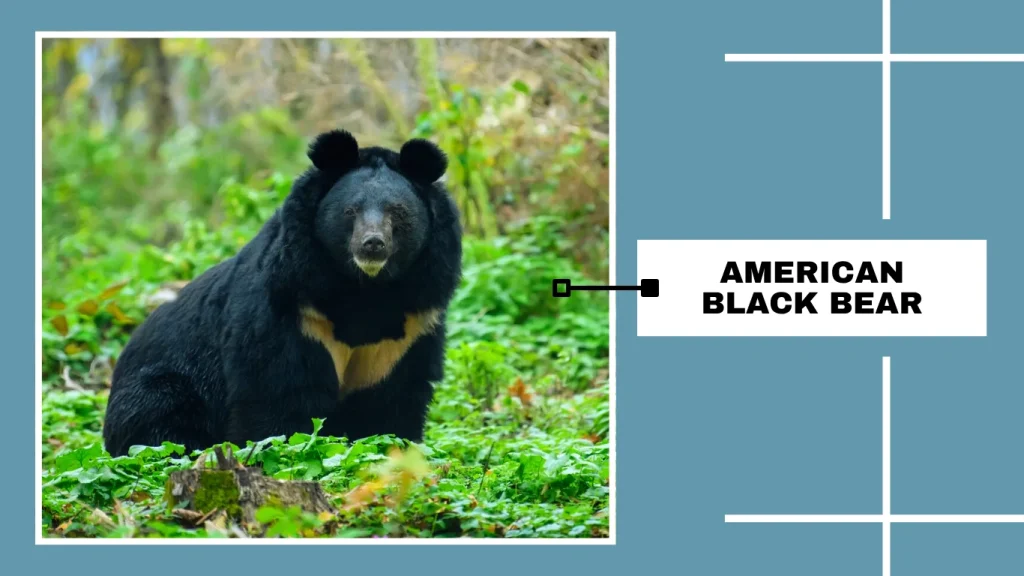
Also known as the moon bear due to the distinct white crescent-shaped marking on its chest, the Asiatic Black Bear is a medium-sized species found across Asia.
Identification
- Size: 4.5–6 feet long
- Weight: 100–440 pounds
- Color: Black fur with a prominent white or cream “moon” patch on the chest
- Ears: Large and rounded
- Build: Stocky with long claws for climbing
Habitat and Range
Native to forested and mountainous regions of southern and eastern Asia, including the Himalayas, China, Korea, Russia, and Japan.
Diet and Feeding Habits
Omnivorous—eats fruit, berries, nuts, insects, small animals, and sometimes carrion. Will also raid farms for crops and livestock.
Behavior and Traits
Excellent climbers and often build nests in trees. Primarily nocturnal in human-dense areas. Known to hibernate in colder climates, though populations in warmer areas may remain active year-round. Faces threats from habitat loss and illegal wildlife trade.
3. Brown Bear (Ursus arctos)
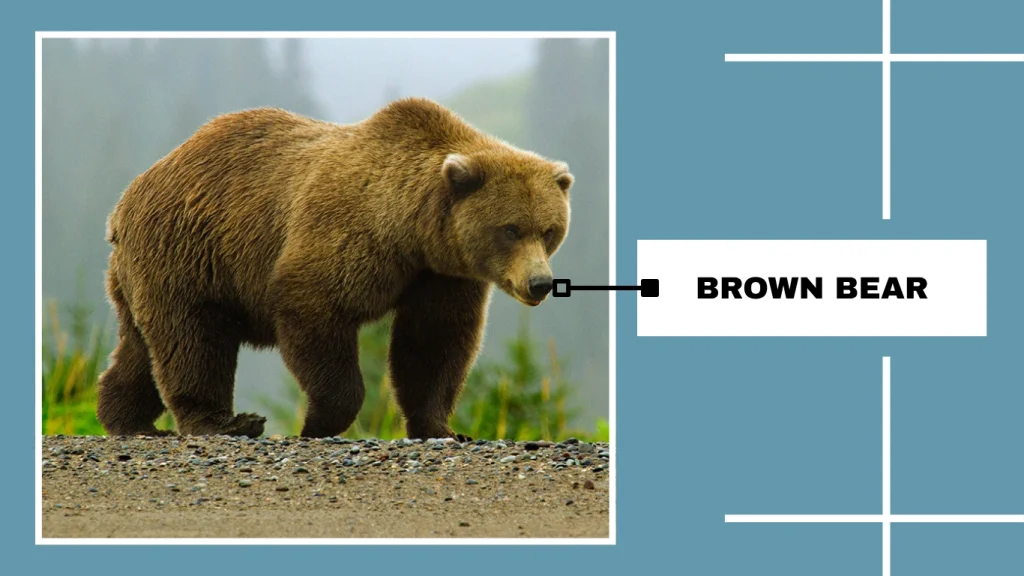
The Brown Bear is one of the most widespread and diverse bear species, with populations across North America, Europe, and Asia. It includes many subspecies, such as the Grizzly and Kodiak bear.
Identification
- Size: 5–10 feet long
- Weight: 300–1,500 pounds depending on subspecies
- Color: Varies from light brown to almost black
- Hump: Prominent muscle hump on shoulders
- Claws: Long and curved for digging
Habitat and Range
Found in forests, tundra, and mountains across North America (especially Alaska and Canada), Europe (Scandinavia and Eastern Europe), and Asia (Russia, Himalayas).
Diet and Feeding Habits
Omnivorous—eats berries, roots, fish (especially salmon), small and large mammals, insects, and carrion. Known for powerful digging and fishing abilities.
Behavior and Traits
Solitary and territorial. Hibernates in dens during winter months. Known for their intelligence and memory. Some subspecies, like the Grizzly, are more aggressive, especially when protecting cubs or food sources.
4. Polar Bear (Ursus maritimus)

The Polar Bear is the largest land carnivore and is uniquely adapted to life in the Arctic, relying heavily on sea ice for hunting and survival.
Identification
- Size: 7.5–10 feet long
- Weight: 900–1,600 pounds (males); females about half the size
- Color: Creamy white fur with black skin underneath
- Build: Long neck, small head, large paws adapted for swimming
Habitat and Range
Inhabits Arctic regions including northern Canada, Alaska, Greenland, Russia, and Norway (Svalbard). Dependent on sea ice for hunting seals and migration.
Diet and Feeding Habits
Carnivorous—primarily eats ringed and bearded seals. Hunts by waiting near breathing holes or breaking through ice. May also scavenge whale carcasses.
Behavior and Traits
Solitary except during mating and when females raise cubs. Excellent swimmers—can travel miles between ice floes. Faces significant threats from climate change due to melting ice habitat.
5. Giant Panda (Ailuropoda melanoleuca)

The Giant Panda is a unique bear species known for its striking black-and-white fur and almost exclusive bamboo diet.
Identification
- Size: 4–6 feet long
- Weight: 150–300 pounds
- Color: Distinct black patches around eyes, ears, and limbs; white body
- Head: Large and round with strong jaw muscles
Habitat and Range
Native to mountainous bamboo forests in central China, especially Sichuan, Shaanxi, and Gansu provinces.
Diet and Feeding Habits
Mostly herbivorous—99% of diet is bamboo. Occasionally eats small mammals, birds, or carrion. Consumes large amounts of bamboo daily (up to 40 pounds).
Behavior and Traits
Solitary and shy. Spend most of their day eating and resting. Poor breeders in the wild but have seen conservation success in captivity. Considered a national treasure in China and a symbol of wildlife conservation.
6. Sloth Bear (Melursus ursinus)
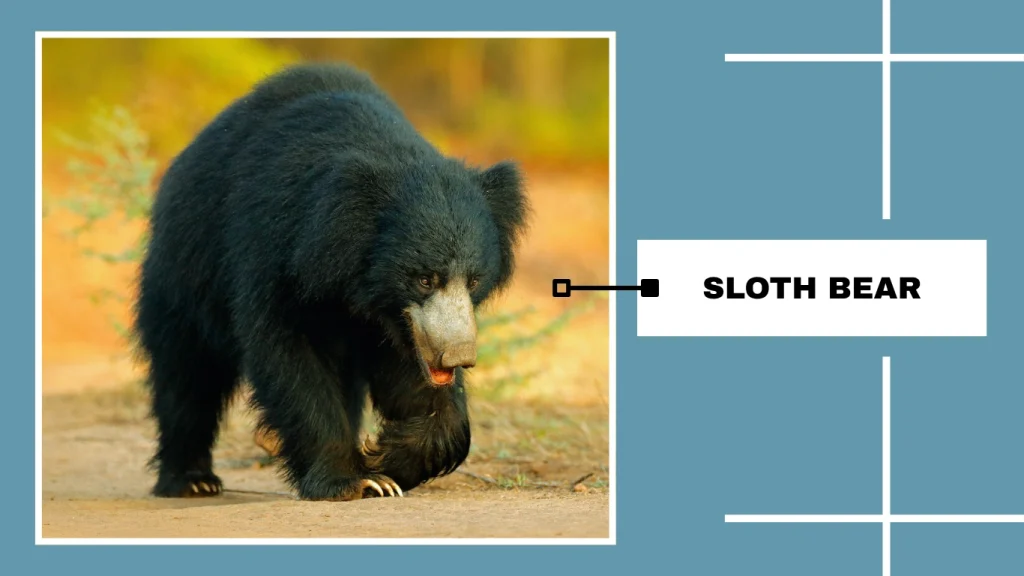
The Sloth Bear is a shaggy-furred bear native to the Indian subcontinent, known for its insectivorous diet and unique snout adapted for sucking up termites and ants.
Identification
- Size: 5–6 feet long
- Weight: 120–320 pounds
- Color: Black shaggy coat with a white or cream “V” or “Y” shaped chest patch
- Nose: Long, flexible snout with large nostrils and missing upper incisors
Habitat and Range
Found in forests, grasslands, and scrublands across India, Sri Lanka, and Nepal. Prefers areas with termite mounds and fruit-bearing trees.
Diet and Feeding Habits
Primarily eats termites, ants, honey, fruits, and flowers. Uses long claws to break into termite nests and a powerful vacuum-like tongue to suck them out.
Behavior and Traits
Nocturnal and solitary. Known for loud snorting and sucking sounds while feeding. Carries cubs on its back—a rare behavior in bears. Can be aggressive when startled or with cubs.
7. Spectacled Bear (Tremarctos ornatus)

Also known as the Andean Bear, the Spectacled Bear is the only bear species native to South America and is named for the unique markings around its eyes.
Identification
- Size: 5–6 feet long
- Weight: 140–440 pounds
- Color: Black or dark brown fur with white or cream facial markings
- Head: Rounded with a short snout and prominent eyes
Habitat and Range
Lives in the Andes Mountains, from Venezuela to northern Argentina. Prefers cloud forests but can also be found in dry forests and grasslands.
Diet and Feeding Habits
Omnivorous but largely herbivorous—feeds on bromeliads, fruits, palm nuts, bamboo, and cacti. Occasionally eats small animals or carrion.
Behavior and Traits
Elusive and solitary. Climbs trees with ease and may build platforms to rest or feed. Plays a crucial ecological role by dispersing seeds. Threatened by habitat loss and poaching.
8. Kodiak Bear (Ursus arctos middendorffi)
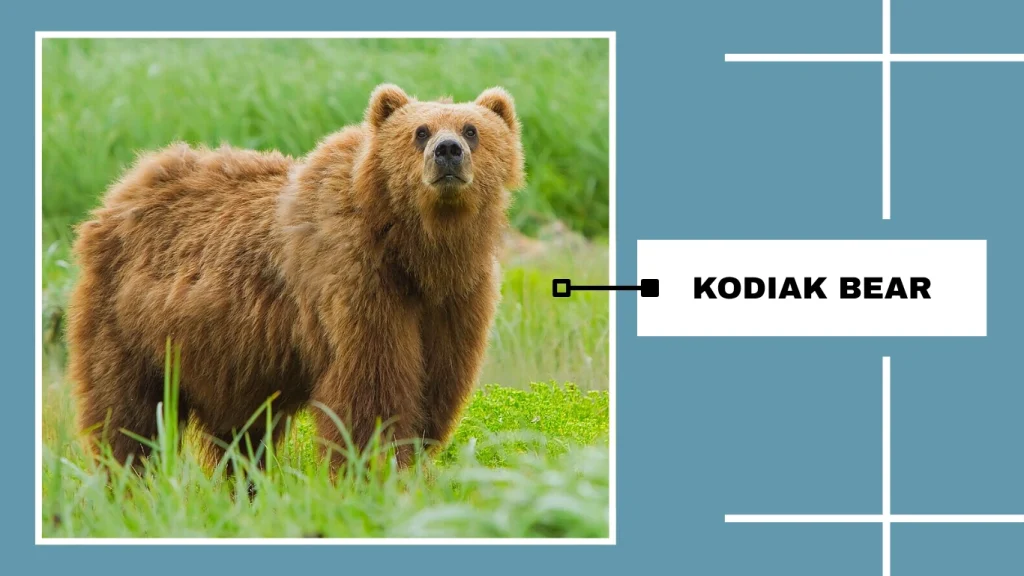
The Kodiak Bear is one of the largest subspecies of the Brown Bear, rivaling the Polar Bear in size. It is native only to Alaska’s Kodiak Archipelago.
Identification
- Size: 8–10 feet long
- Weight: Up to 1,500 pounds (males), some exceeding 1,800 pounds
- Color: Ranges from blonde to dark brown
- Hump: Prominent shoulder hump
- Head: Broad face with small ears
Habitat and Range
Restricted to the Kodiak Islands of southern Alaska. Prefers coastal areas, river valleys, and alpine meadows.
Diet and Feeding Habits
Omnivorous—feeds on salmon, berries, grasses, roots, carrion, and occasionally small mammals. Consumes huge quantities of food in summer to build fat for hibernation.
Behavior and Traits
Solitary except during salmon runs or mating season. Less aggressive than grizzlies due to plentiful food. Known for their immense size and calm temperament around humans when unprovoked.
9. Grizzly Bear (Ursus arctos horribilis)

The Grizzly Bear is a powerful North American subspecies of the Brown Bear, known for its muscular build and reputation for being assertive in the wild.
Identification
- Size: 6.5–8 feet long
- Weight: 400–800 pounds
- Color: Brown with lighter tips giving a “grizzled” appearance
- Hump: Distinct shoulder hump
- Claws: Long and curved, suited for digging
Habitat and Range
Found across western North America—Alaska, Canada, and parts of the U.S. Rockies, including Wyoming, Montana, and Idaho.
Diet and Feeding Habits
Omnivorous—feeds on roots, berries, fish (especially salmon), carrion, and small to large mammals. Also known to dig for rodents and insects.
Behavior and Traits
Generally solitary and territorial. More aggressive and protective than black bears. Hibernates in dens during winter. Plays a key ecological role as a top predator and seed disperser.
10. Eurasian Brown Bear (Ursus arctos arctos)

The Eurasian Brown Bear is the most widespread subspecies of brown bear across Europe and Asia, known for its adaptability to diverse habitats.
Identification
- Size: 6–9 feet long
- Weight: 300–800 pounds
- Color: Varies from pale brown to dark chocolate
- Hump: Present but less pronounced than in grizzlies
- Snout: Broad and straight
Habitat and Range
Found throughout northern and eastern Europe, Russia, and parts of the Middle East. Inhabits forests, tundra, and mountainous regions.
Diet and Feeding Habits
Omnivorous—eats berries, roots, insects, fish, small mammals, and carrion. May also scavenge from human settlements.
Behavior and Traits
Solitary and mostly nocturnal. Hibernates during cold months in dens. Culturally significant across many European and Asian traditions. Some populations are stable; others are threatened due to habitat loss and human conflict.
11. Tibetan Blue Bear (Ursus arctos pruinosus)

One of the rarest bear subspecies, the Tibetan Blue Bear is a mysterious and elusive brown bear variant native to the Tibetan Plateau.
Identification
- Size: 6–7.5 feet long
- Weight: Estimated 300–700 pounds
- Color: Pale gray or bluish-gray tinged fur with a dark face and legs
- Shoulders: Less prominent hump than North American grizzlies
Habitat and Range
Lives in high-altitude regions of the eastern Tibetan Plateau and western China, possibly extending into Nepal and Bhutan.
Diet and Feeding Habits
Omnivorous—feeds on roots, tubers, small mammals, berries, and carrion. May also prey on livestock where wild prey is scarce.
Behavior and Traits
Very elusive, with few documented sightings. Believed to be solitary and shy. Sometimes linked to the myth of the Yeti due to its remote habitat and rarity. Faces threats from habitat encroachment and illegal trade.
12. Ussuri Brown Bear (Ursus arctos lasiotus)

The Ussuri Brown Bear, also called the Amur or Black Grizzly, is a large and robust subspecies of brown bear found in northeastern Asia.
Identification
- Size: 6.5–9 feet long
- Weight: 550–1,200 pounds
- Color: Dark brown to nearly black, with dense, shaggy fur
- Build: Heavily built with strong limbs and a broad head
Habitat and Range
Native to the Russian Far East (including the Ussuri and Amur regions), northeastern China, and possibly North Korea. Inhabits dense forests and river valleys.
Diet and Feeding Habits
Omnivorous—feeds on berries, acorns, roots, fish (especially salmon), and small to medium-sized mammals. Occasionally preys on livestock or scavenges.
Behavior and Traits
Generally solitary. Known to coexist with Siberian tigers in some regions, where they may compete for food. Hibernates during the harsh winters.
13. Syrian Brown Bear (Ursus arctos syriacus)

The Syrian Brown Bear is the smallest subspecies of brown bear and is distinguished by its pale coloration and geographic isolation.
Identification
- Size: 5–6.5 feet long
- Weight: 300–500 pounds
- Color: Light brown to blonde with a slightly humped shoulder
- Fur: Shorter and lighter than other brown bear subspecies
Habitat and Range
Native to parts of the Middle East including Iran, Iraq, Turkey, Armenia, and Syria. Prefers mountainous forests and arid landscapes.
Diet and Feeding Habits
Omnivorous—consumes fruits, nuts, insects, roots, and carrion. May raid farms or be attracted to food near human settlements.
Behavior and Traits
Rare and secretive due to habitat loss and human persecution. Faces severe threats from poaching and fragmentation of its natural habitat. It does not always hibernate depending on climate and food availability.
14. Kamchatka Brown Bear (Ursus arctos beringianus)

The Kamchatka Brown Bear is one of the largest Eurasian brown bear subspecies, known for its impressive size and strength, particularly in salmon-rich areas.
Identification
- Size: 7–10 feet long
- Weight: 900–1,400 pounds (males)
- Color: Dark brown to reddish with thick, dense fur
- Head: Broad skull with a heavy build
Habitat and Range
Found primarily on the Kamchatka Peninsula in far eastern Russia and northern parts of the Kuril Islands. Inhabits coastal river valleys and forested mountain slopes.
Diet and Feeding Habits
Omnivorous—feeds on berries, roots, fish (especially spawning salmon), and occasionally large mammals like moose. Builds massive fat reserves before hibernation.
Behavior and Traits
Generally peaceful around humans unless threatened. Bears congregate near rivers during salmon runs. Hibernates in dens during the cold winter months.
15. Himalayan Brown Bear (Ursus arctos isabellinus)
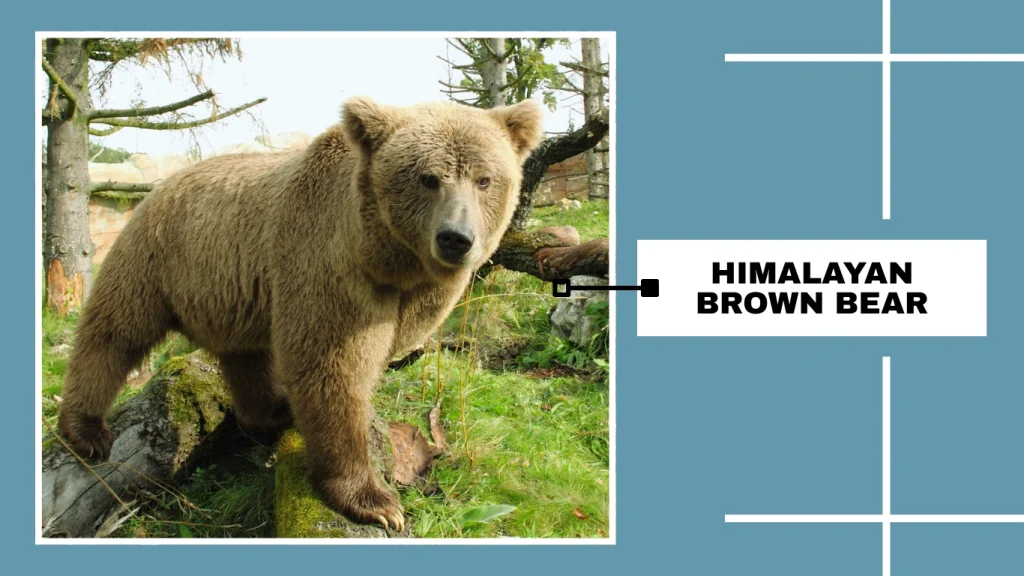
The Himalayan Brown Bear, also called the Isabelline Bear, is a rare and threatened subspecies found in the high-altitude regions of the Himalayas.
Identification
- Size: 5–7 feet long
- Weight: 200–400 pounds
- Color: Sandy or reddish-brown (isabelline hue), lighter than most brown bears
- Build: Medium-sized with a long face and powerful limbs
Habitat and Range
Found in the alpine meadows and subalpine forests of northern India, Pakistan, Nepal, and Tibet. Typically occurs at elevations between 10,000 and 16,000 feet.
Diet and Feeding Habits
Omnivorous—feeds on roots, berries, grasses, insects, and occasionally small mammals. Scavenges carrion when available.
Behavior and Traits
Solitary and highly elusive. Hibernates in mountain dens. Faces threats from habitat loss, poaching, and conflicts with livestock herders. Sometimes associated with local folklore and myths, including Yeti legends.
16. Atlas Bear (Ursus arctos crowtheri) – Extinct
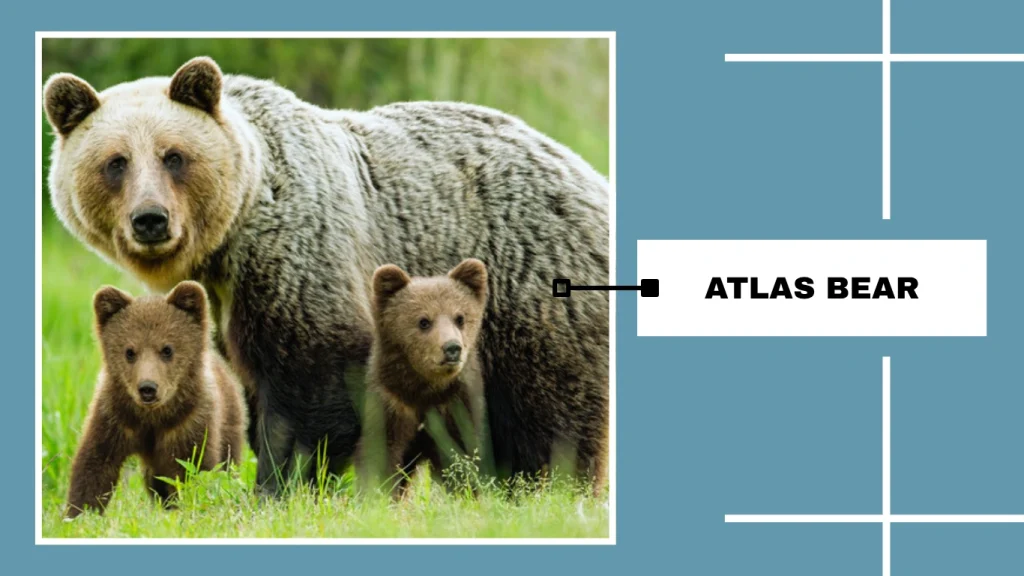
The Atlas Bear was the only bear species known to be native to Africa in historical times. It is now extinct due to hunting and habitat destruction.
Identification
- Size: Estimated 5–7 feet long
- Weight: Unknown, likely 400–700 pounds
- Color: Dark brown to black with reddish or orange patches
- Fur: Shorter and coarser than northern brown bears
Habitat and Range
Historically lived in the Atlas Mountains of North Africa (modern-day Morocco, Algeria, and Tunisia). Inhabited mountainous forests and scrublands.
Diet and Feeding Habits
Believed to be omnivorous, feeding on roots, acorns, fruits, and small animals.
Behavior and Traits
Described as shy and solitary. It was hunted to extinction by the late 1800s due to sport hunting and Roman-era animal games.
17. Gobi Bear (Ursus arctos gobiensis)
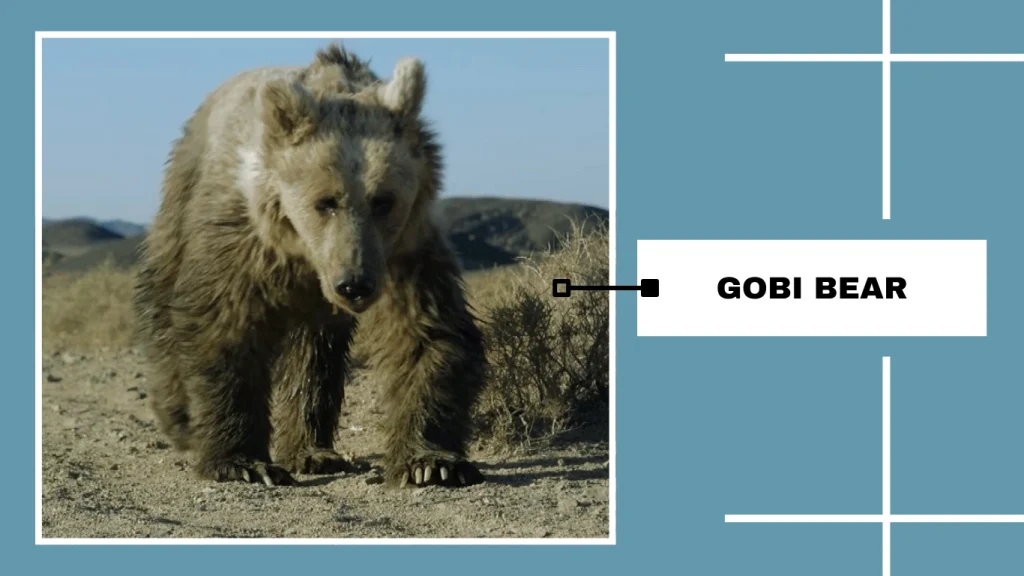
The Gobi Bear is a critically endangered and isolated population of brown bear found only in the Gobi Desert of Mongolia.
Identification
- Size: 5–6 feet long
- Weight: 200–300 pounds
- Color: Light brown with sparse fur due to the arid environment
- Build: Leaner than other brown bears due to limited food
Habitat and Range
Lives exclusively in the Gobi Desert’s desert-steppe regions. Survives in one of the harshest bear habitats on Earth.
Diet and Feeding Habits
Omnivorous—feeds on wild rhubarb, roots, berries, insects, and occasionally small rodents. Very limited access to meat.
Behavior and Traits
Extremely rare, with fewer than 50 individuals remaining. Solitary and highly adapted to desert life. Conservation efforts are ongoing to prevent extinction.