




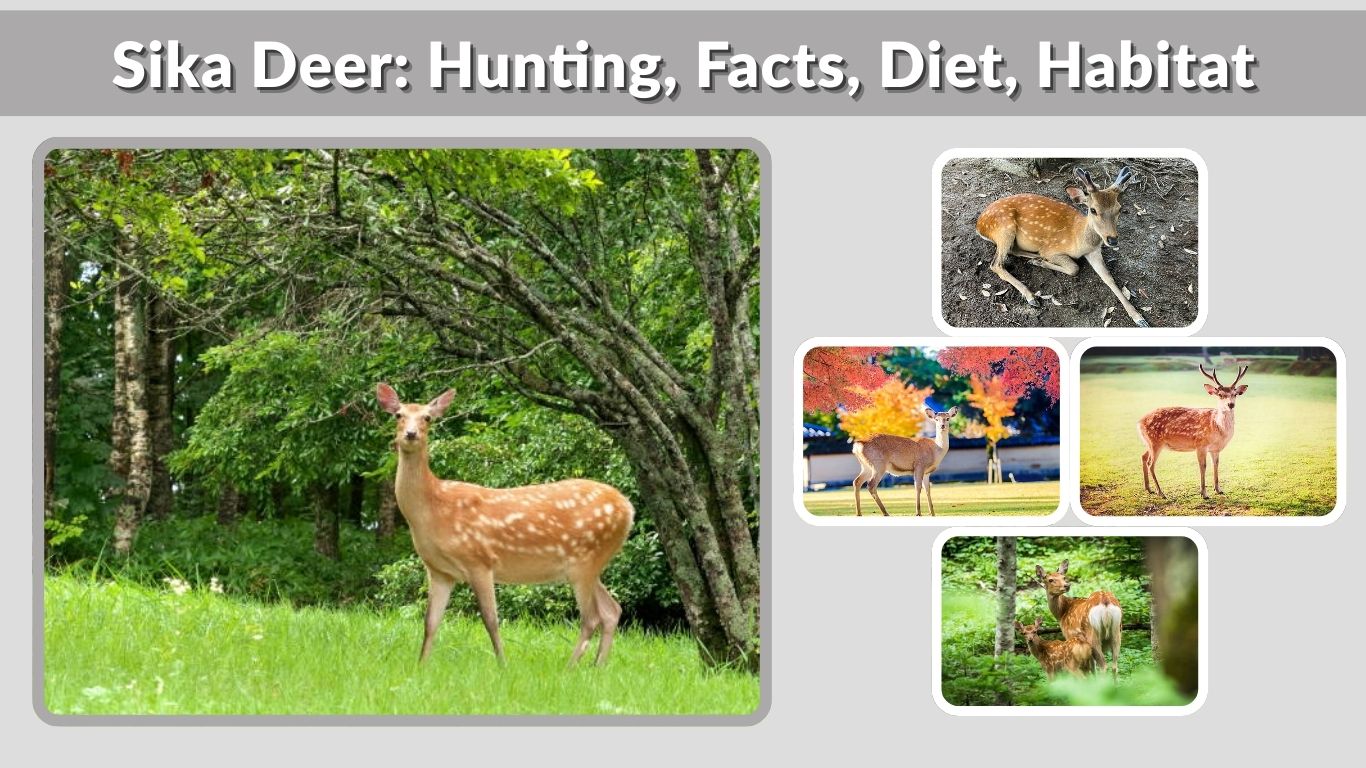
The sika deer (Cervus nippon) is a distinctive and adaptable deer species known for its spotted coat, slender build, and wide global distribution. Originally native to East Asia, sika deer have been introduced to many other regions, where they have successfully established populations. Their unique appearance, vocal behavior, and flexible diet make them one of the most recognizable deer species in the world. Learning about sika deer facts, habitat, diet, and identification features helps provide a complete understanding of this remarkable animal.
What Is a Sika Deer?
A sika deer is a medium-sized deer species named after the Japanese word shika, meaning “deer.” It is easily recognized by the white spots that remain visible on its coat year-round, unlike many other deer species whose spots disappear in adulthood. Sika deer are alert, agile animals and are known for their distinctive whistling or barking calls.
These deer can be solitary or live in small groups, depending on the season. They are highly adaptable and thrive in a variety of environments, including forests, wetlands, and open grasslands.
Sika Deer Scientific Name and Classification
The sika deer scientific name is Cervus nippon. This species belongs to the deer family Cervidae and is closely related to red deer and elk. Several subspecies of sika deer exist, each adapted to specific regions and climates.
Taxonomic classification:
- Kingdom: Animalia
- Phylum: Chordata
- Class: Mammalia
- Order: Artiodactyla
- Family: Cervidae
- Genus: Cervus
- Species: Cervus nippon
Differences among subspecies may include body size, coat color, and antler shape.
Sika Deer Facts
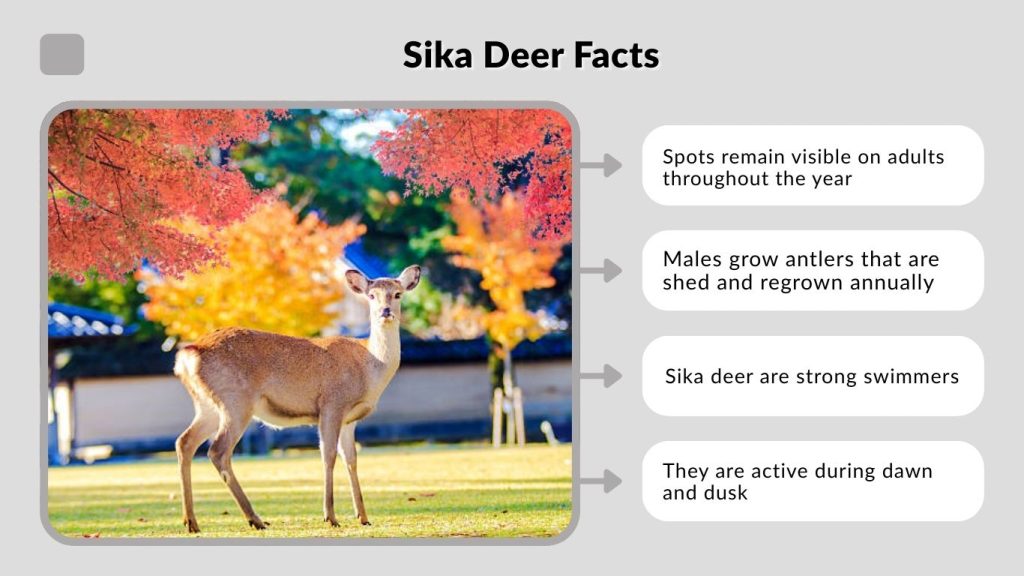
There are many interesting sika deer facts that set this species apart from other deer. One of the most notable is their vocal behavior. Sika deer produce a wide range of sounds, including whistles, screams, and barks, especially during the breeding season.
Additional key facts include:
- Spots remain visible on adults throughout the year
- Males grow antlers that are shed and regrown annually
- Sika deer are strong swimmers
- They are active during dawn and dusk
These traits contribute to their survival in diverse environments.
Sika Deer Physical Characteristics
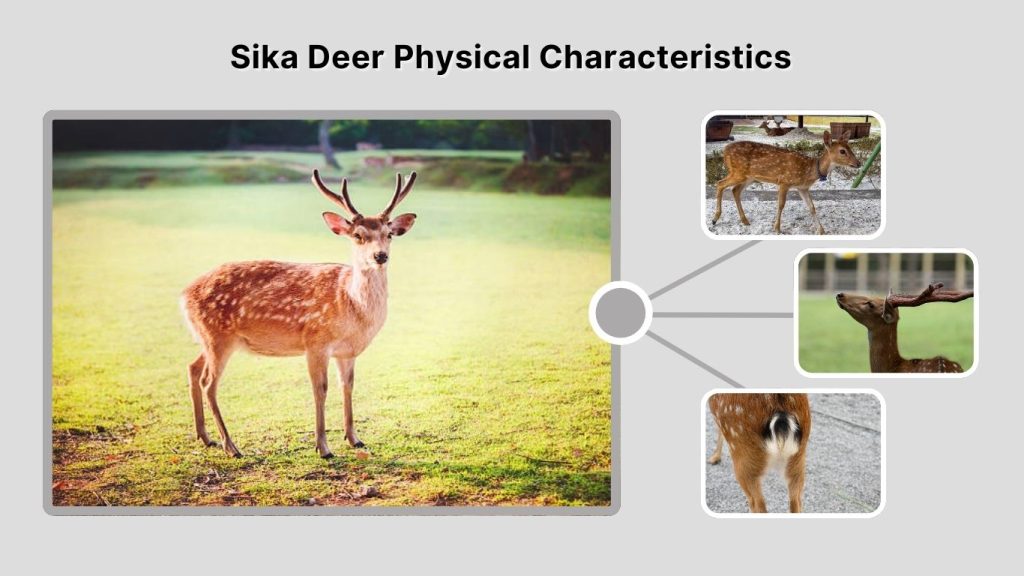
Sika deer have a sleek, athletic build that allows them to move quickly through dense vegetation. Their coat color varies from reddish-brown in summer to darker brown or gray in winter, while the white spots usually remain visible.
Males, called stags, have antlers that typically feature multiple points and curve forward. Females, known as hinds, do not grow antlers. A distinct white rump patch bordered by black is another important identifying feature.
Other physical traits include:
- Long, slender legs
- A narrow head with alert facial expression
- A short tail with a dark stripe
Sika Deer Size and Weight
Sika deer size varies by subspecies and region. Overall, they are smaller than red deer but larger than roe deer.
On average:
- Sika deer stand about 2.5 to 3.5 feet tall at the shoulder
- Body length ranges from 4 to 6 feet
In terms of weight:
- Females typically weigh between 70 and 150 pounds
- Males usually weigh 100 to 220 pounds
This moderate size allows sika deer to exploit habitats that may not support larger deer species.
Sika Deer Habitat
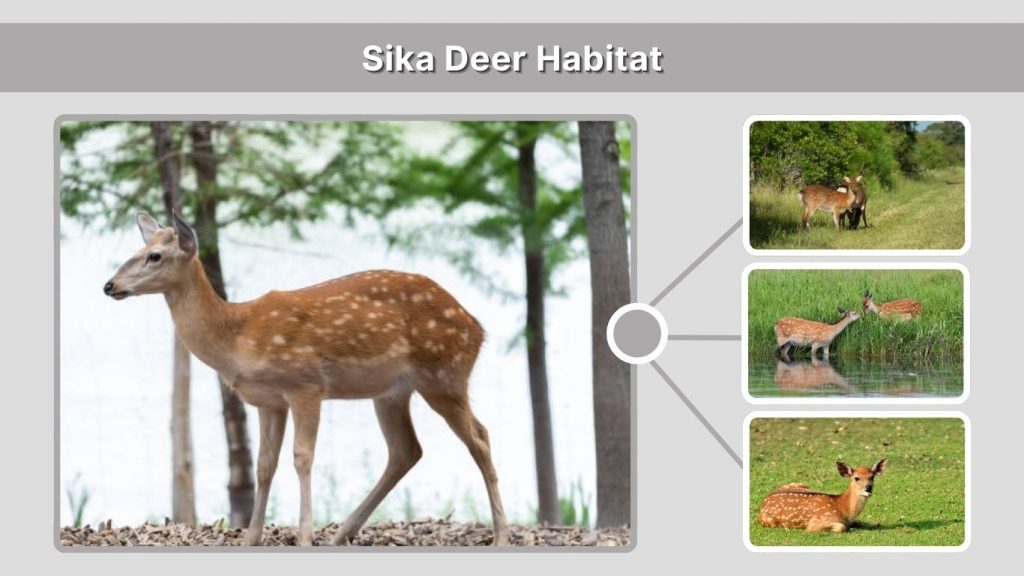
The sika deer habitat includes a wide range of environments. In their native range, sika deer commonly inhabit forests, woodland edges, and marshy areas. They are particularly well adapted to environments with dense cover and nearby water sources.
Sika deer can live in:
- Deciduous and mixed forests
- Wetlands and river valleys
- Grasslands and coastal areas
Their adaptability has allowed them to thrive even in regions where they are not native.
Sika Deer Range and Distribution
The sika deer range originally included parts of East Asia, such as Japan, China, Korea, and eastern Russia. Over time, sika deer were introduced to regions including Europe and North America.
Introduced populations have become established in:
- The United Kingdom
- Parts of continental Europe
- The eastern United States
In some areas, sika deer are considered invasive due to their impact on native ecosystems and their ability to hybridize with other deer species.
Sika Deer Diet and Feeding Behavior
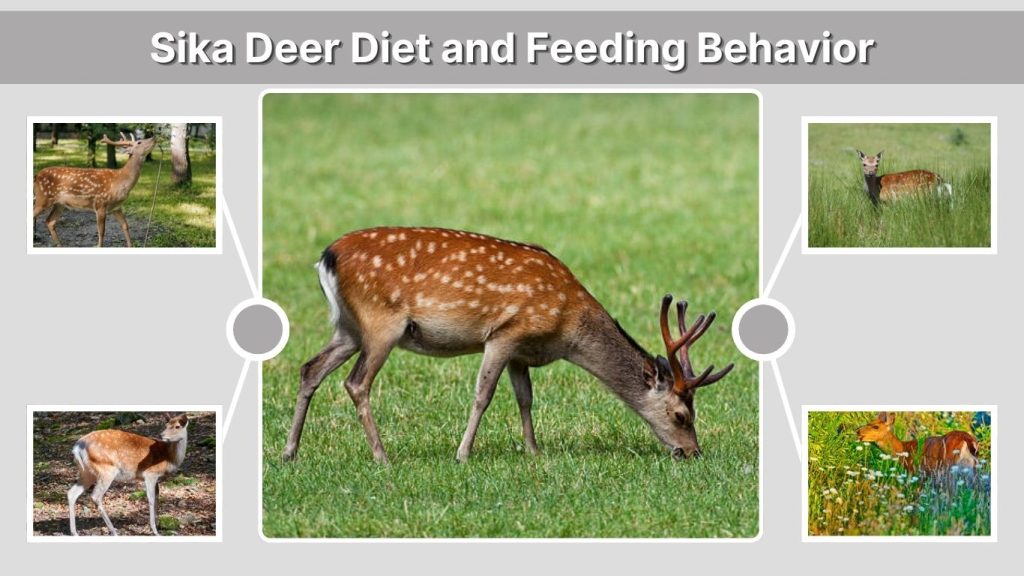
Sika deer are herbivores with a highly adaptable feeding strategy. Their ability to both graze and browse allows them to survive in a wide variety of habitats, including forests, wetlands, and open grasslands.
The typical sika deer diet includes:
- Grasses and sedges
- Leaves, buds, and young shoots
- Bark and twigs, especially in winter
- Agricultural crops when available
Seasonal changes strongly influence feeding behavior. In spring and summer, sika deer rely on fresh vegetation rich in nutrients. During autumn, they consume higher-energy foods to build fat reserves. In winter, when food is limited, they turn to woody plants and bark.
Sika Deer Life Cycle and Reproduction
The sika deer life cycle is closely tied to seasonal conditions. The breeding season, known as the rut, usually occurs in autumn. During this period, males become more vocal and aggressive as they compete for mates.
After mating, females carry their young for a gestation period of about 210 to 230 days. Most females give birth to one fawn, though twins are possible. Fawns are born in late spring or early summer when food availability is high.
Young sika deer are born with spotted coats that help camouflage them from predators. They grow quickly and begin feeding on vegetation within a few weeks while still nursing from their mothers.
Sika Deer Pictures and Identification Tips
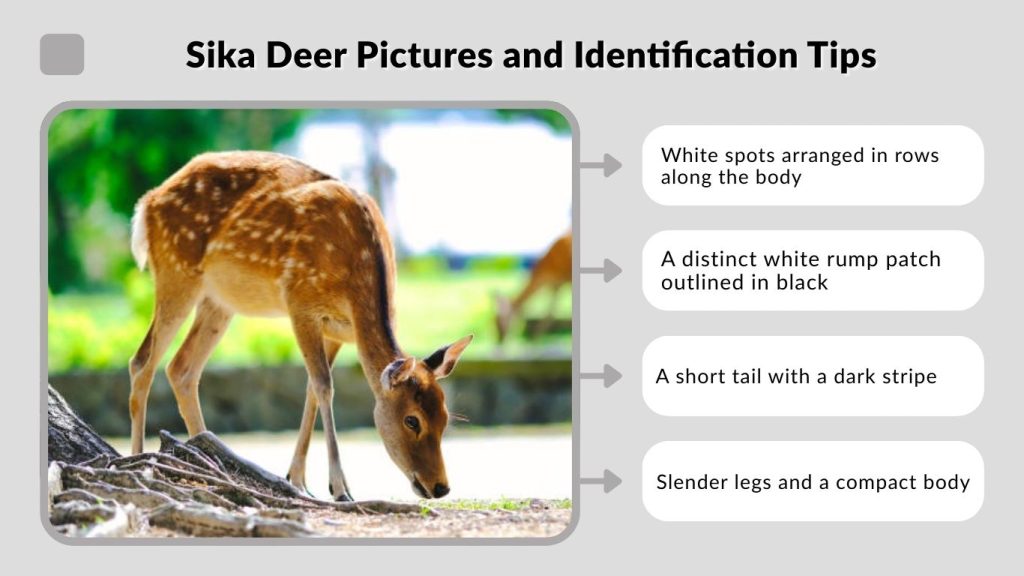
Sika deer pictures are especially useful for identification because of their unique markings. Unlike many other deer species, sika deer retain their white spots into adulthood.
When identifying sika deer in pictures, look for:
- White spots arranged in rows along the body
- A distinct white rump patch outlined in black
- A short tail with a dark stripe
- Slender legs and a compact body
These visual traits help distinguish sika deer from similar species such as red deer or roe deer.
Sika Deer vs Other Deer Species
Comparing sika deer to other deer species helps clarify their unique characteristics. When looking at sika deer vs red deer, sika deer are smaller, more lightly built, and retain spots year-round. Red deer are larger and lose their spots as adults.
In comparison to roe deer, sika deer are generally larger and more vocal. Roe deer are more solitary and have shorter antlers, while sika deer form small groups and display a wider range of behaviors.
These differences make sika deer easier to identify in mixed-species environments.
Sika Deer and Humans
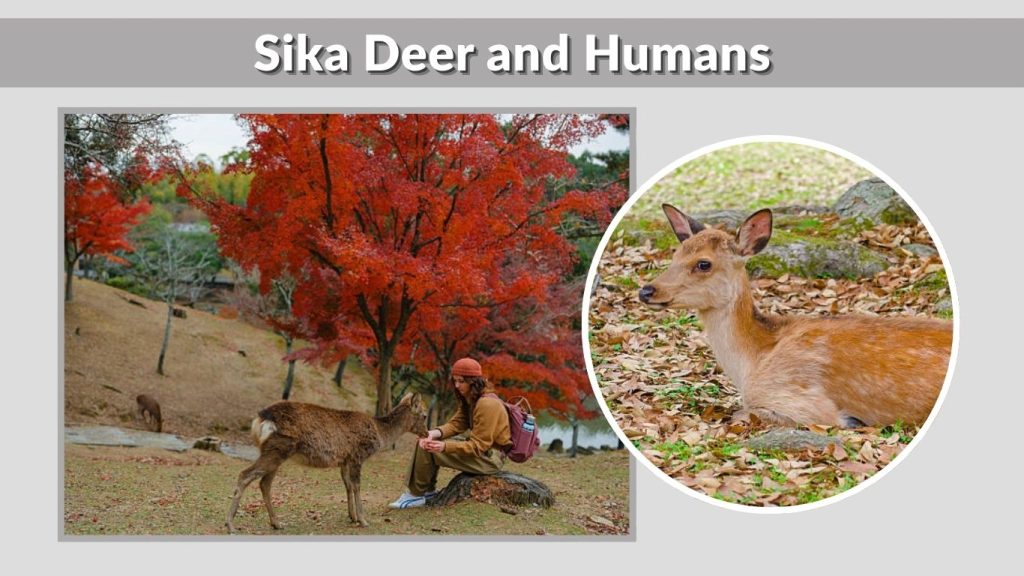
Sika deer have a long history of interaction with humans. In their native range, they hold cultural significance and are sometimes featured in art and folklore. In regions where they have been introduced, sika deer can cause ecological challenges.
In some areas, sika deer are considered invasive due to:
- Competition with native deer species
- Overgrazing of vegetation
- Hybridization with red deer
As a result, regulated hunting and population control programs are often used to manage their numbers.
Conservation and Management
Sika deer conservation status varies by region. While some native populations face habitat loss, many introduced populations are stable or increasing. Wildlife agencies focus on monitoring populations and minimizing ecological impacts.
Key management strategies include:
- Habitat protection
- Population monitoring
- Controlled hunting
- Preventing hybridization with native species
These efforts aim to balance ecological health with sustainable deer populations.
FAQs
What is a sika deer?
A sika deer is a medium-sized deer species native to East Asia and known for its spotted coat that remains visible throughout adulthood. It belongs to the deer family Cervidae and is recognized for its vocal behavior, adaptability, and ability to thrive in both natural and introduced environments.
What do sika deer eat?
Sika deer are herbivores that eat grasses, leaves, shoots, bark, and agricultural crops. Their diet changes with the seasons, focusing on fresh vegetation in spring and summer and shifting to woody plants and bark during winter when food is limited.
Where do sika deer live?
Sika deer live in forests, wetlands, grasslands, and woodland edges. They are native to East Asia, including Japan, China, and Korea, and have been introduced to parts of Europe and North America, where some populations are considered invasive.
How can you identify a sika deer?
Sika deer can be identified by their white spots that remain visible year-round, a distinct white rump patch outlined in black, a short tail with a dark stripe, and a slender body. These features are especially helpful when identifying sika deer in pictures.
Are sika deer endangered?
Sika deer are not globally endangered, but their conservation status varies by region. Some native populations face habitat loss, while introduced populations are stable or expanding. In certain areas, population control measures are used to reduce ecological impact.