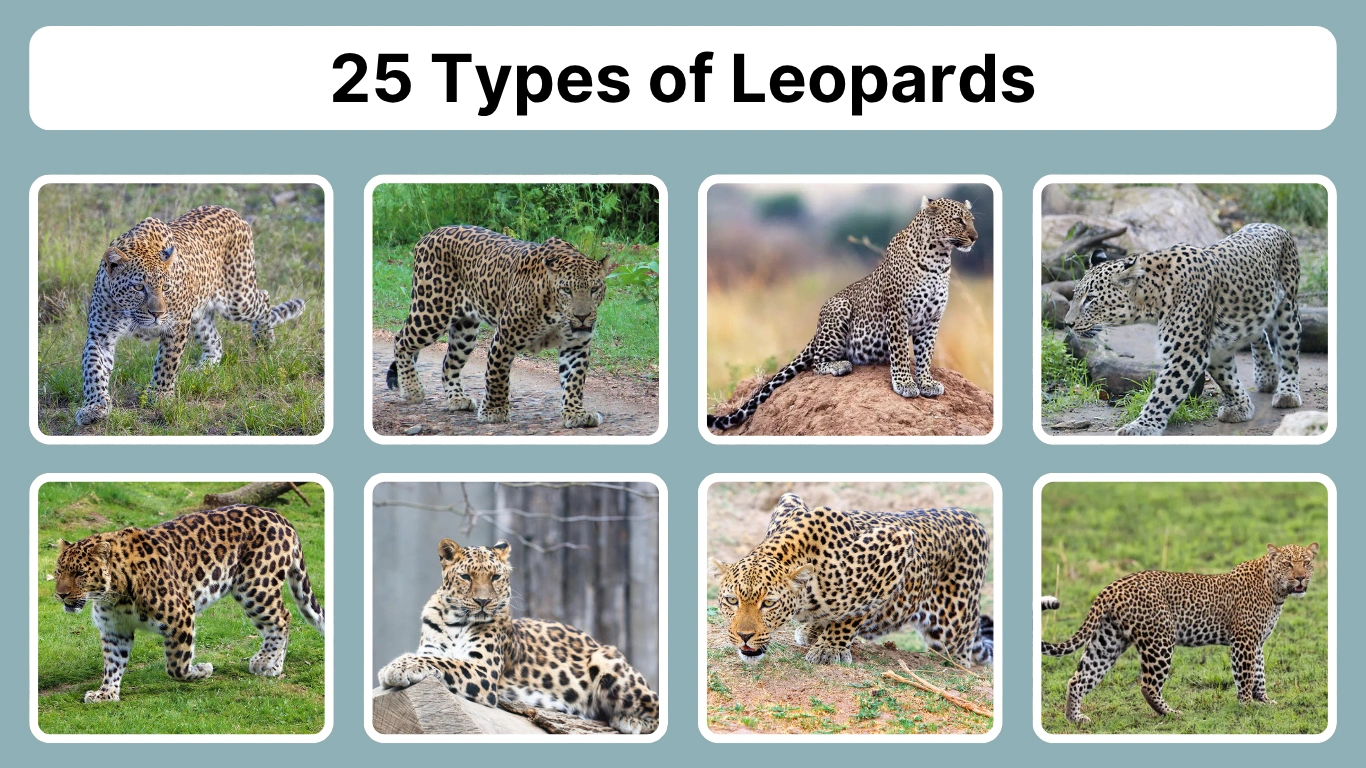





The Arabian leopard (Panthera pardus nimr) is one of the rarest and most endangered big cats in the world. Native to the Arabian Peninsula, this elusive predator has adapted to survive in harsh, mountainous desert environments. Known for its smaller size and pale coat, the Arabian leopard is a symbol of resilience and survival. However, due to habitat loss, poaching, and declining prey populations, its numbers have drastically decreased, making conservation efforts critical for its future.
Arabian Leopard Identification

Physical Appearance
The Arabian leopard has a pale yellow to golden coat covered with black rosettes. These rosettes are smaller and more widely spaced compared to other leopard subspecies. Its lighter coloration helps it blend into rocky and arid landscapes. The fur is relatively thick, providing protection against temperature extremes in desert environments.
Arabian Leopard Size
The Arabian leopard is smaller than most other leopard subspecies. Males typically weigh between 30–40 kg, while females are lighter, averaging 20–30 kg. Their body length ranges from about 1 to 1.3 meters, excluding the tail. This smaller size is an adaptation to limited food availability in its habitat.
Unique Features
Arabian leopards have strong limbs and sharp claws that allow them to climb steep rocky terrains with ease. Their long tails help maintain balance on cliffs and narrow ledges. Their keen eyesight and hearing make them highly effective hunters, especially in low-light conditions.
Arabian Leopard Facts
Quick Facts
- Scientific name: Panthera pardus nimr
- Average weight: 20–40 kg
- Lifespan: 10–15 years in the wild
- Conservation status: Critically Endangered
- Habitat: Mountains and arid regions of the Arabian Peninsula
Interesting Facts About Arabian Leopards
Arabian leopards are among the most elusive big cats, rarely seen in the wild. They are mostly nocturnal and avoid human contact. Due to scarce prey, they can travel long distances in search of food. Their ability to survive in harsh desert conditions makes them unique among leopard subspecies.
Arabian Leopard Habitat

Where Do Arabian Leopards Live?
Arabian leopards are found in a few isolated regions of the Arabian Peninsula, mainly in Oman, Yemen, and parts of Saudi Arabia. Their population is highly fragmented, with only small groups surviving in remote mountainous areas.
Types of Habitat
They primarily inhabit:
- Rugged mountain ranges
- Rocky cliffs and escarpments
- Dry valleys and desert edges
These areas provide shelter, elevation, and hiding spots necessary for hunting and survival.
Habitat Adaptations
Arabian leopards are well adapted to extreme environments. They can survive with limited water by obtaining moisture from their prey. Their pale coat helps them blend into rocky surroundings, while their agility allows them to navigate steep terrain efficiently.
Arabian Leopard Diet

What Do Arabian Leopards Eat?
Arabian leopards are carnivores and feed on a variety of small to medium-sized animals, including:
- Nubian ibex
- Rock hyrax
- Hares
- Rodents
- Birds
Their diet depends heavily on prey availability in their environment.
Hunting Techniques
They rely on stealth and ambush to catch prey. Using rocky terrain as cover, they move quietly and strike suddenly. Their powerful bite ensures a quick kill, usually targeting the neck or throat.
Feeding Behavior
Arabian leopards are opportunistic feeders and may adjust their diet based on what is available. Due to scarce prey, they may consume smaller animals more frequently. Like other leopards, they sometimes drag their prey to hidden or elevated areas to avoid scavengers.
Arabian Leopard Endangered Status
Conservation Status
The Arabian leopard is classified as Critically Endangered, meaning it faces an extremely high risk of extinction in the wild. Its population has declined significantly over the past decades.
Population Decline
It is estimated that fewer than 200 Arabian leopards remain in the wild. Their populations are scattered and isolated, making breeding and survival even more difficult.
Major Threats
The main threats to Arabian leopards include habitat destruction due to human development, illegal hunting, and a decline in natural prey species. Human-wildlife conflict also arises when leopards attack livestock.
Conservation Efforts

Protected Areas and Reserves
Several protected areas have been established to safeguard the Arabian leopard’s habitat. Countries like Oman and Saudi Arabia have created wildlife reserves where hunting is restricted and conservation activities are actively monitored to support leopard populations.
Breeding Programs
Captive breeding programs play a crucial role in increasing the population of Arabian leopards. These programs aim to breed leopards in controlled environments and eventually reintroduce them into the wild to strengthen declining populations.
Community Awareness
Educating local communities is essential for conservation success. Programs focus on reducing human-wildlife conflict, encouraging livestock protection methods, and promoting coexistence between humans and leopards.
Behavior and Characteristics
Social Behavior
Arabian leopards are solitary animals and prefer to live alone except during mating or when females are raising cubs. Each leopard occupies a territory, which it marks using scent and scratches to warn others.
Activity Patterns
They are primarily nocturnal, meaning they are most active at night. This behavior helps them avoid extreme daytime heat and reduces encounters with humans.
Communication
Arabian leopards communicate through vocal sounds such as growls and roars, as well as scent marking and claw marks on trees or rocks. These signals help establish territory and attract mates.
Arabian Leopard Life Cycle
Reproduction
Arabian leopards can breed throughout the year. After mating, the female undergoes a gestation period of about 90–105 days before giving birth.
Cubs and Development
A female usually gives birth to 1–3 cubs in a hidden den. Cubs are born blind and depend entirely on their mother for survival. Their eyes open after about a week, and they begin exploring their surroundings within a few weeks.
Growth to Adulthood
Cubs start eating meat at around 2–3 months old and gradually learn hunting skills from their mother. By 12–18 months, they become independent and leave to establish their own territories.
Arabian Leopard vs African Leopard

Key Differences
The Arabian leopard is smaller and lighter than the African leopard. It also has a paler coat suited to desert environments, while African leopards typically have darker, more vibrant coloring.
Habitat Differences
Arabian leopards live in arid, mountainous regions, whereas African leopards inhabit a wider range of environments including savannas and forests.
Behavior Variations
Due to limited prey, Arabian leopards travel longer distances and rely on smaller animals, while African leopards have access to more abundant prey and diverse hunting opportunities.
FAQs
What is the size of an Arabian leopard?
Arabian leopards are smaller than most leopard subspecies. Males typically weigh between 30–40 kg, while females weigh around 20–30 kg. Their body length ranges from about 1 to 1.3 meters, making them well adapted to environments with limited food resources.
What do Arabian leopards eat?
Arabian leopards are carnivores that feed on small to medium-sized animals such as Nubian ibex, rock hyrax, hares, rodents, and birds. Their diet varies depending on prey availability in their habitat.
Why is the Arabian leopard endangered?
The Arabian leopard is endangered mainly due to habitat loss, poaching, and a decline in prey species. Human expansion into natural habitats and conflicts with livestock owners have also contributed to its population decline.
Where do Arabian leopards live?
Arabian leopards live in the mountainous and rocky regions of the Arabian Peninsula, mainly in Oman, Yemen, and Saudi Arabia. These areas provide the shelter and terrain needed for hunting and survival.
How many Arabian leopards are left?
It is estimated that fewer than 200 Arabian leopards remain in the wild. Their populations are highly fragmented, making conservation efforts critical to prevent extinction.
Conclusion
The Arabian leopard is a rare and remarkable big cat that has adapted to survive in some of the harshest environments on Earth. Despite its resilience, it faces serious threats that have pushed it to the brink of extinction. Protecting its habitat, increasing awareness, and supporting conservation programs are essential steps to ensure the survival of this critically endangered species for future generations.