



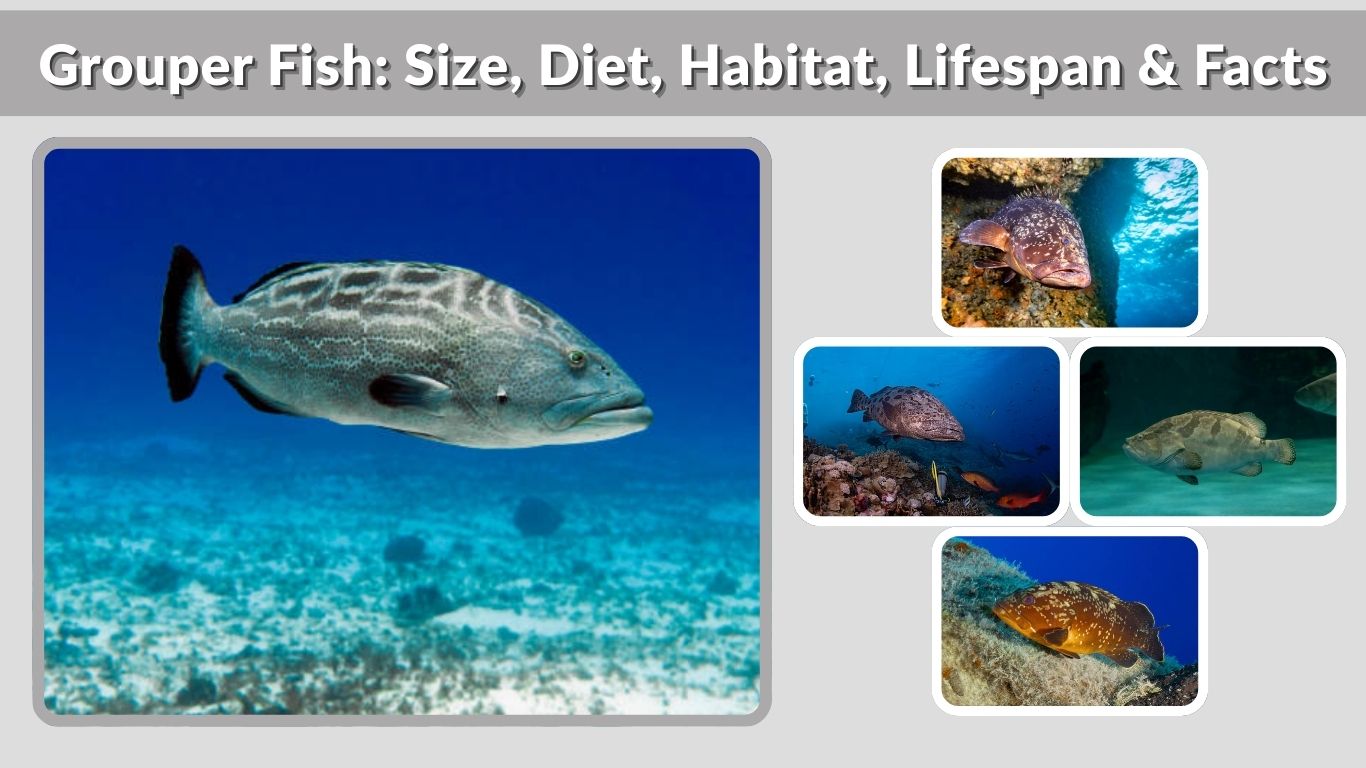
Grouper are powerful reef predators known for their massive mouths, stocky bodies, and impressive size. Found in warm coastal waters around the world, these fish play an important role in maintaining balance within marine ecosystems. Some species grow to extraordinary sizes, while others are popular targets for commercial and recreational fishing. In this guide, you’ll learn how to identify grouper, where they live, what they eat, and how they grow throughout their long lifespan.
What Is a Grouper?
Grouper are large marine fish belonging to the family Serranidae, which also includes sea bass. There are more than 160 species of grouper worldwide, ranging from moderate-sized reef dwellers to massive giants weighing hundreds of pounds.
The name “grouper” is believed to come from the Portuguese word garoupa, used to describe similar fish species. Over time, the term evolved into the common English name.
Groupers are considered apex or near-apex predators in many reef systems. Their presence helps regulate populations of smaller fish and crustaceans, keeping marine food webs balanced. Because of their size and firm white meat, grouper are also highly valued in commercial seafood markets and recreational fishing industries.
Grouper Identification Guide
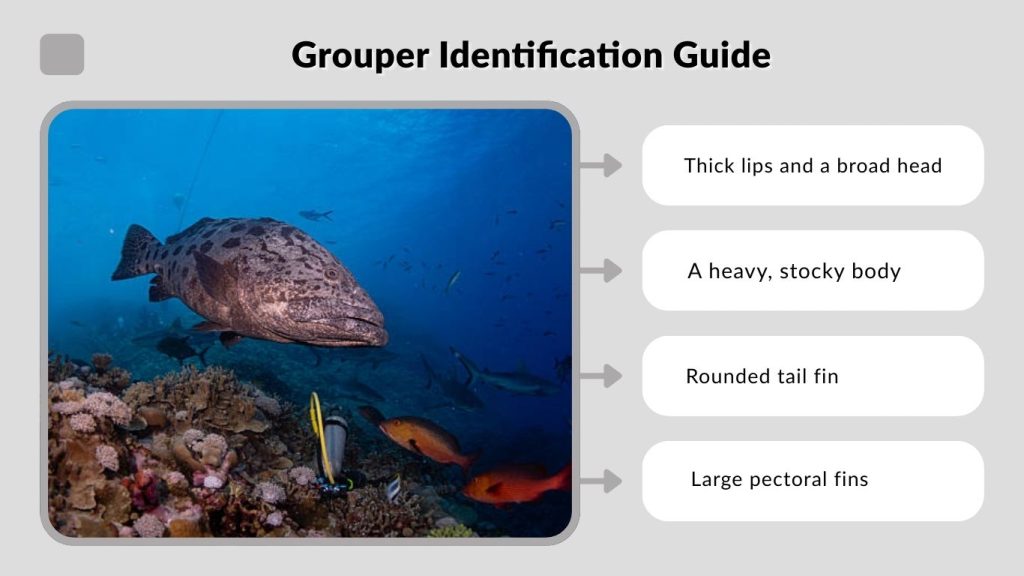
Groupers have a distinct appearance that makes them relatively easy to recognize compared to other reef fish.
Physical Characteristics
One of the most noticeable features of a grouper is its large mouth. Their mouths are wide and powerful, allowing them to swallow prey whole. Unlike fish that tear apart their food, groupers rely on suction feeding to quickly engulf their prey.
Other identifying characteristics include:
- Thick lips and a broad head
- A heavy, stocky body
- Rounded tail fin
- Large pectoral fins
- Camouflage coloring with spots or blotches
Their coloration often helps them blend into reef structures or rocky environments. Browns, grays, olive tones, and speckled patterns are common, although coloration varies by species.
Size and Weight Range
Grouper size varies dramatically depending on the species. Most common reef species grow between 1 and 3 feet long and weigh anywhere from 5 to 50 pounds.
However, some species grow much larger. The Goliath grouper is one of the biggest, reaching lengths of up to 8 feet and weights exceeding 800 pounds. These giants are among the largest bony fish found in reef environments.
Because of their slow growth rate, many large groupers take years to reach full size, which makes them especially vulnerable to overfishing.
Color Variations by Species
Different grouper species can be identified by their patterns and markings:
- Black grouper – Dark body with rectangular blotches and brassy highlights
- Red grouper – Reddish-brown coloration with white spots
- Nassau grouper – Light tan body with dark vertical bars
- Goliath grouper – Mottled brown body with faint darker spots
While patterns help with identification, habitat and geographic location are also useful clues when distinguishing between species.
Where Do Groupers Live?
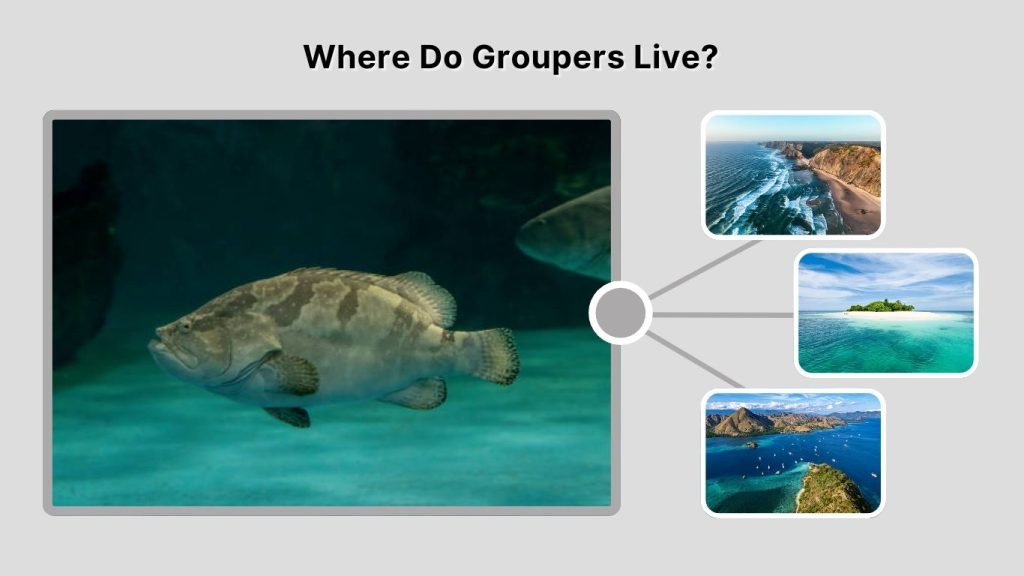
Groupers are widely distributed in tropical and subtropical oceans. They prefer warm water environments and are most commonly associated with reef systems.
Geographic Distribution
You can find grouper in:
- The Atlantic Ocean
- The Gulf of Mexico
- The Caribbean Sea
- The Indo-Pacific region
- Coastal waters of Southeast Asia
- Parts of the Mediterranean Sea
Different species are adapted to specific regions, but most thrive in areas with stable water temperatures and abundant structure.
Preferred Habitat
Groupers are structure-oriented fish. They depend heavily on underwater formations for shelter and hunting opportunities.
Common habitats include:
- Coral reefs
- Rocky ledges
- Underwater caves
- Shipwrecks
- Artificial reefs
- Offshore oil platforms
They often hide within crevices during the day, waiting for prey to pass nearby.
Depth Range
Some grouper species live in shallow waters as little as 10–30 feet deep, especially during their juvenile stage. Others inhabit deeper offshore waters ranging from 100 to 1,000 feet.
Larger individuals are typically found in deeper habitats, while juveniles may remain in estuaries, mangroves, or nearshore reefs for protection.
Grouper Diet Explained
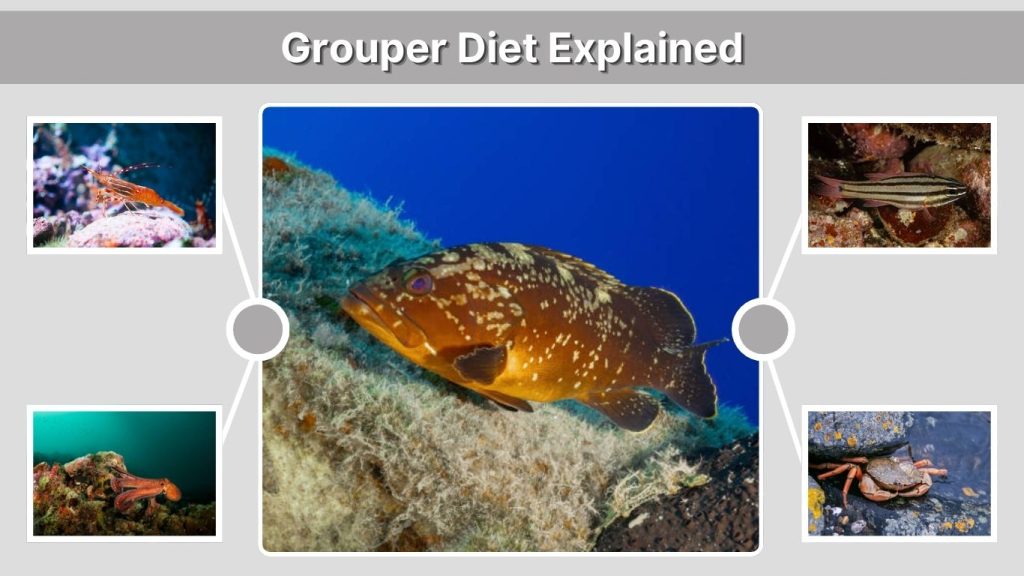
Grouper are carnivorous predators with a diet that reflects their powerful build and hunting style.
What Does a Grouper Eat?
Groupers primarily feed on:
- Smaller fish
- Crabs and lobsters
- Shrimp
- Octopus
- Squid
Their diet depends largely on size and habitat. Larger groupers are capable of consuming much bigger prey, while smaller species target crustaceans and reef fish.
Hunting Strategy
Unlike fast-swimming predators that chase prey, groupers rely on stealth and ambush tactics. They remain still near reef edges, ledges, or rocky structures, blending into their surroundings.
When prey comes close, the grouper rapidly opens its mouth, creating powerful suction that pulls the victim inside almost instantly. This feeding technique allows them to capture prey without extended pursuit.
Because of this strategy, groupers conserve energy while remaining highly effective hunters.
Grouper Lifespan and Growth
Groupers are known for their relatively long lifespans compared to many other reef fish. Their slow growth and late maturity make them particularly vulnerable to environmental pressures and overfishing.
Average Lifespan
Depending on the species, groupers can live anywhere from 10 to over 50 years. Smaller reef species tend to have shorter lifespans, while large species like the Goliath grouper may live several decades.
Because they grow slowly and take years to reach reproductive age, overharvesting can significantly reduce local populations. In well-managed marine reserves, however, grouper populations often recover and thrive.
Growth Stages
Grouper development typically follows a gradual progression:
- Juvenile stage – Often found in shallow waters such as mangroves or estuaries
- Subadult stage – Move toward reefs or rocky structures
- Adult stage – Occupy deeper waters and establish territories
Juveniles use coastal habitats as nurseries, which offer protection from predators. As they grow larger and stronger, they transition to deeper reef environments.
Gender Change in Groupers
Many grouper species are protogynous hermaphrodites, meaning they begin life as females and may later change into males. This change often occurs when dominant males disappear from a group.
This reproductive strategy helps maintain breeding stability in reef populations. However, heavy fishing that removes large males can disrupt this natural balance, affecting reproduction rates.
Popular Types of Grouper
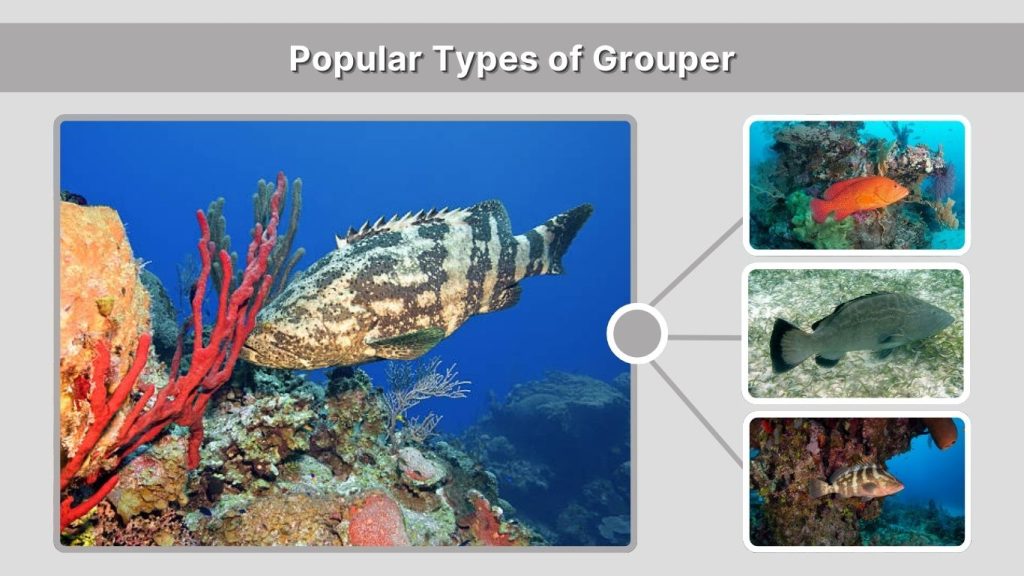
There are more than 160 species of grouper, but a few are especially well-known due to their size, commercial importance, or conservation status.
Goliath Grouper
The Goliath grouper is one of the largest reef fish in the Atlantic Ocean. It can grow up to 8 feet long and weigh over 800 pounds. Once heavily overfished, this species is now protected in many areas to allow populations to recover.
Red Grouper
Common in the Gulf of Mexico and western Atlantic, red grouper are important both ecologically and commercially. They are known for their reddish-brown coloration and white spotting.
Black Grouper
Black grouper are popular among sport fishers. They have dark, rectangular blotches and can grow quite large. They prefer rocky reefs and offshore ledges.
Nassau Grouper
Recognizable by its vertical dark bars and lighter body color, the Nassau grouper is native to the Caribbean. It is known for forming large spawning aggregations, which unfortunately makes it vulnerable to overfishing.
Are Groupers Dangerous to Humans?
Groupers are generally not dangerous to humans. They are not aggressive toward divers and usually avoid confrontation.
However, very large individuals may act territorial if provoked. Most reported incidents involve accidental bites when fishers attempt to handle them improperly.
Because of their size and strength, it’s best to observe large groupers respectfully from a safe distance while diving.
Is Grouper Good to Eat?
Grouper is widely considered one of the best-tasting reef fish.
Taste and Texture
Grouper has a mild, slightly sweet flavor with a firm, flaky texture. Its meat holds together well during cooking, making it versatile for many recipes.
Nutritional Value
Grouper is a healthy protein source. It typically contains:
- High-quality lean protein
- Omega-3 fatty acids
- Vitamins B6 and B12
- Selenium and potassium
It is relatively low in fat compared to many red meats.
Popular Cooking Methods
Grouper can be prepared in several ways:
- Grilled
- Fried
- Blackened
- Baked
- Broiled
Because of its firm texture, it works well in fish tacos, sandwiches, and seafood stews.
Conservation and Threats
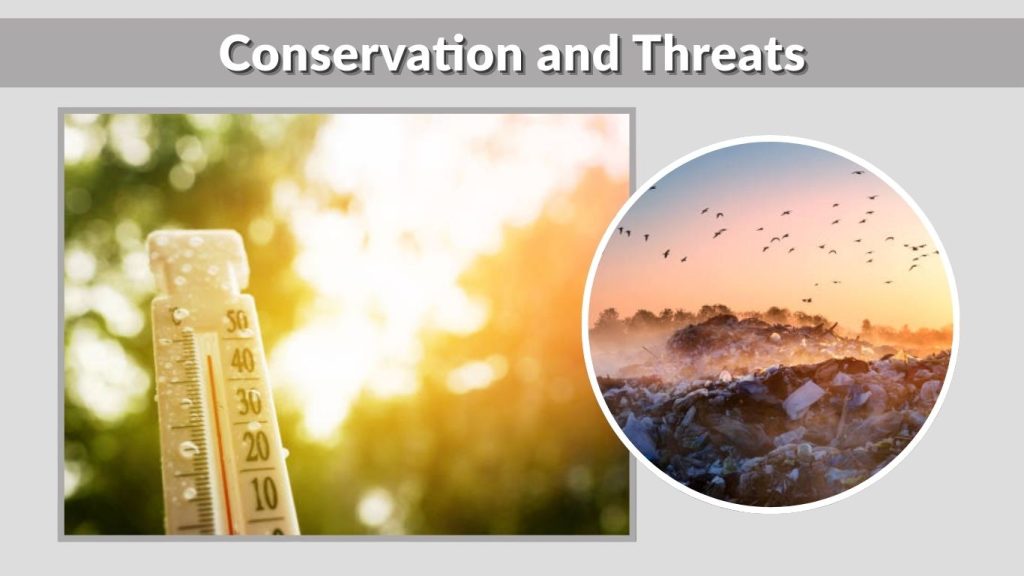
Despite their importance, grouper populations face several serious threats.
Overfishing remains one of the biggest concerns. Since many species grow slowly and reproduce later in life, heavy fishing pressure can quickly deplete stocks.
Other major threats include:
- Habitat destruction from coastal development
- Coral reef degradation
- Climate change
- Targeted fishing during spawning aggregations
Many regions have introduced size limits, seasonal closures, and marine protected areas to safeguard grouper populations. Responsible fishing practices and habitat protection are essential to ensuring these fish remain part of reef ecosystems for generations to come.
FAQs
What does a grouper eat?
Grouper are carnivorous predators that eat smaller fish, crabs, lobsters, shrimp, squid, and octopus. They rely on ambush tactics and suction feeding to swallow prey whole rather than chasing it over long distances.
How big do groupers get?
Most grouper species grow between 1 and 3 feet long, but some can grow much larger. The Goliath grouper can reach up to 8 feet in length and weigh over 800 pounds, making it one of the largest reef fish.
Where do groupers live?
Groupers live in tropical and subtropical oceans worldwide. They are commonly found around coral reefs, rocky ledges, shipwrecks, and offshore structures in the Atlantic, Gulf of Mexico, Caribbean, and Indo-Pacific regions.
How long do groupers live?
Depending on the species, groupers can live from 10 to more than 50 years. Larger species generally have longer lifespans, especially in protected marine environments.
Is grouper a healthy fish to eat?
Yes, grouper is considered a healthy seafood option. It is high in lean protein, contains beneficial omega-3 fatty acids, and provides essential vitamins and minerals while remaining relatively low in fat.