



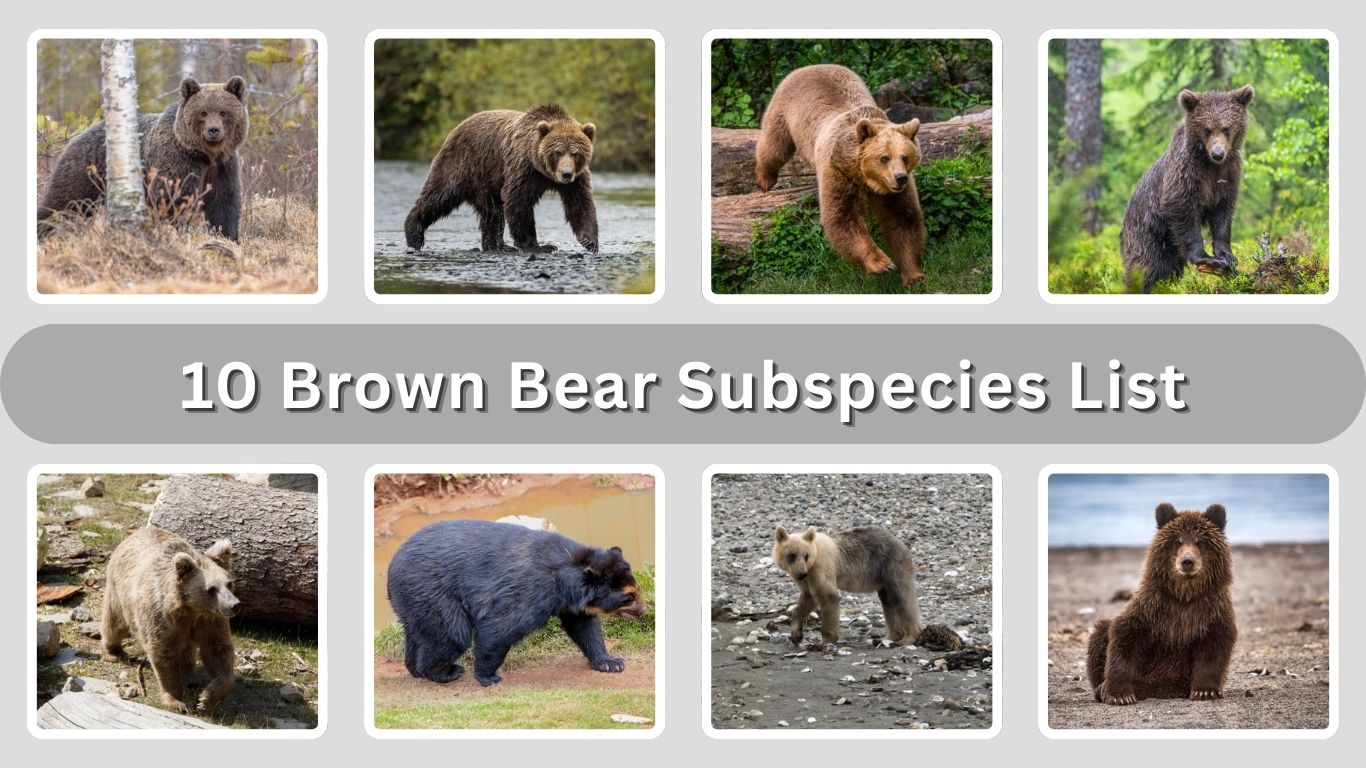
The brown bear is one of the most widespread and powerful mammals in the world. Found across North America, Europe, and Asia, each brown bear subspecies has adapted to its unique environment — from Arctic tundra to high mountain ranges. In this guide, you’ll explore the main brown bear subspecies, their identification features, habitat, diet, and distribution across different regions.
1. Eurasian Brown Bear (Ursus arctos arctos)
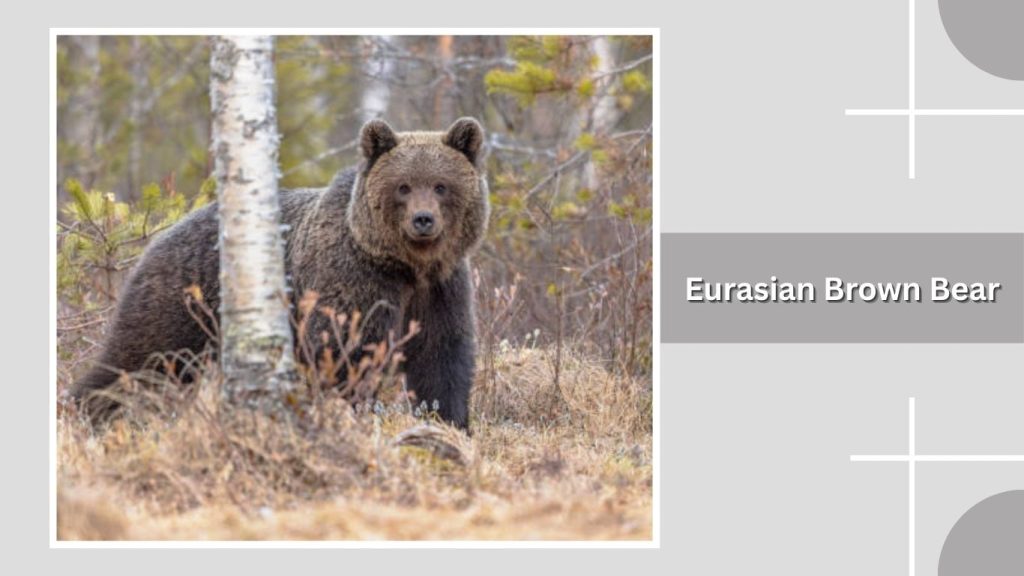
The Eurasian brown bear is one of the most widespread brown bear subspecies, found across Europe and parts of northern Asia. This brown bear adapts well to forests, mountains, and remote wilderness areas. It is considered the nominate subspecies of the brown bear and represents the classic population from which other subspecies are compared.
Identification
- Medium to large-sized brown bear
- Thick fur ranging from light brown to dark brown
- Prominent shoulder hump made of muscle
- Large head with small rounded ears
- Long, powerful claws suited for digging
- Males significantly larger than females
Habitat
The Eurasian brown bear lives in dense forests, mountain regions, and tundra areas. It prefers remote locations with minimal human disturbance.
Diet
This brown bear is omnivorous. Its diet includes berries, roots, insects, fish, small mammals, and occasionally larger animals such as deer.
Distribution
The Eurasian brown bear is found in countries such as Russia, Romania, Finland, Sweden, and parts of Eastern Europe and Central Asia.
2. Grizzly Bear (Ursus arctos horribilis)
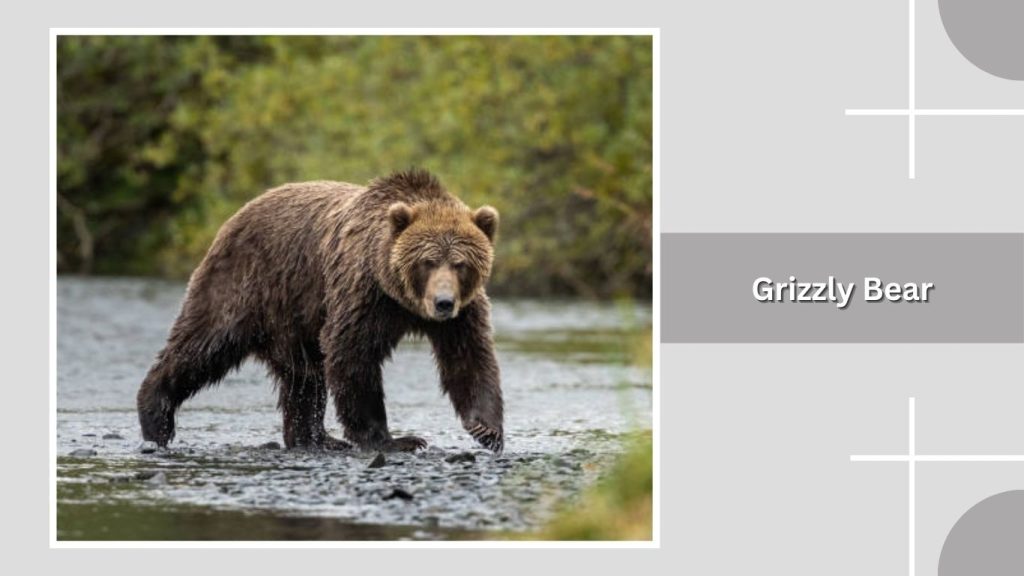
The Grizzly bear is a well-known North American brown bear subspecies, famous for its strength and distinctive appearance. This brown bear primarily inhabits Alaska, western Canada, and parts of the northwestern United States. Grizzlies are often associated with rugged wilderness landscapes and are considered one of the most iconic large mammals of North America.
Identification
- Large and powerful brown bear
- Distinctive muscular shoulder hump
- Fur color ranges from blonde to dark brown
- “Grizzled” silver-tipped hairs give a frosted look
- Concave facial profile
- Long front claws (up to 4 inches) for digging
- Adult males weigh between 180–360 kg (400–800 lbs)
Habitat
The Grizzly brown bear lives in forests, alpine meadows, tundra, and coastal regions. Inland populations are commonly found in mountainous areas, while coastal grizzlies often grow larger due to richer food sources.
Diet
This brown bear is omnivorous and highly adaptable. Its diet includes berries, roots, nuts, insects, fish (especially salmon), rodents, and large mammals such as elk or moose. Coastal grizzlies consume significant amounts of salmon, which contributes to their larger size.
Behavior
Grizzly bears are generally solitary except during mating season or when mothers are raising cubs. Although powerful, this brown bear typically avoids humans unless threatened or protecting cubs or food sources.
Distribution
Grizzly brown bear populations are strongest in Alaska and western Canada, with smaller populations in Montana, Wyoming, Idaho, and Washington.
3. Kodiak Bear (Ursus arctos middendorffi)
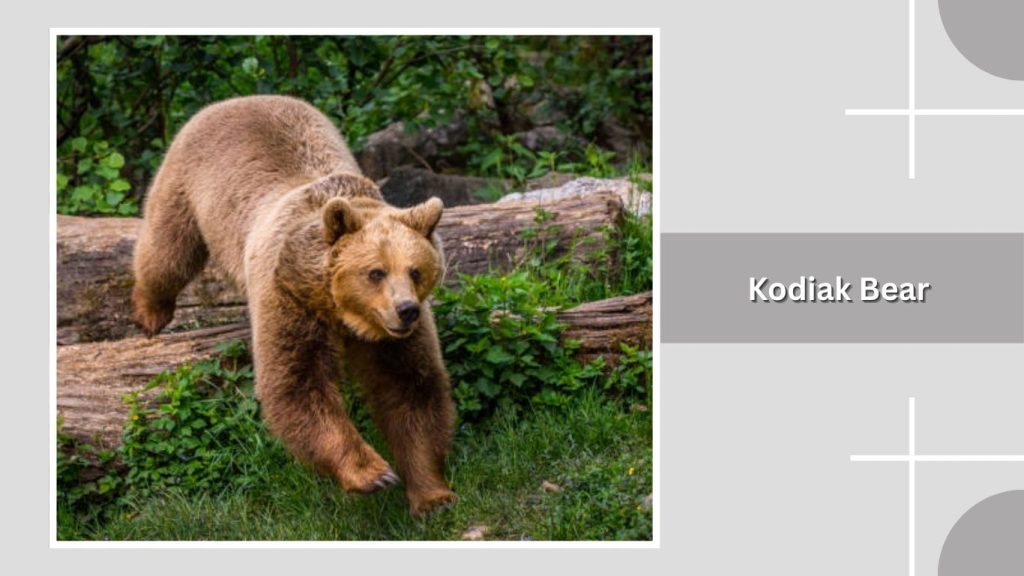
The Kodiak bear is one of the largest brown bear subspecies in the world. This massive brown bear is found exclusively on the Kodiak Archipelago in Alaska. Due to geographic isolation, the Kodiak brown bear has developed unique characteristics and a stable population compared to some other brown bear groups.
Identification
- One of the largest brown bear subspecies
- Males can weigh 300–680 kg (660–1,500 lbs)
- Thick, dense fur ranging from light brown to dark chocolate
- Prominent shoulder hump
- Broad head and powerful jaws
- Large, curved claws for digging and catching prey
Habitat
The Kodiak brown bear inhabits coastal forests, alpine tundra, and mountainous regions. The island environment provides abundant food resources, especially along rivers and coastal areas.
Diet
This brown bear is omnivorous. Its diet includes salmon, berries, grasses, roots, and occasionally deer or carrion. Access to rich salmon runs allows the Kodiak brown bear to grow exceptionally large.
Behavior
Kodiak brown bears are generally solitary but tolerate each other more during salmon season. Because they live on islands with limited predators and stable food supplies, their social interactions can differ slightly from mainland brown bear populations.
Distribution
This brown bear is found only on the Kodiak Islands in southwestern Alaska.
4. Siberian Brown Bear (Ursus arctos collaris)
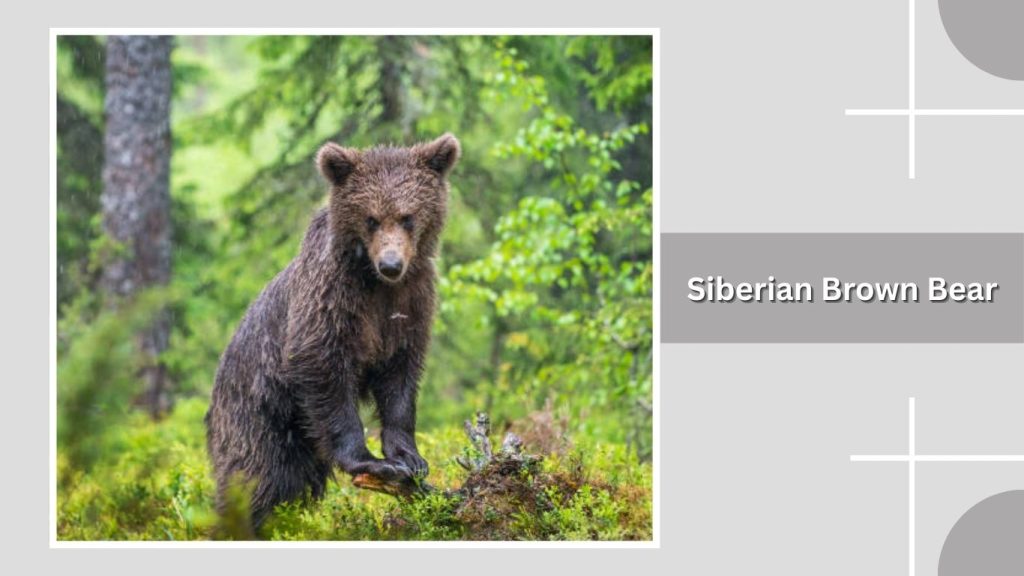
The Siberian brown bear is a large and powerful brown bear subspecies native to northern Asia. This brown bear is known for its impressive size and thick fur, which helps it survive in extremely cold climates. It is one of the dominant predators across its vast range.
Identification
- Large-bodied brown bear
- Thick, long fur adapted to cold climates
- Fur color varies from dark brown to nearly black
- Prominent shoulder hump
- Strong limbs and large paws
- Adult males can weigh 250–600 kg (550–1,300 lbs)
Habitat
The Siberian brown bear lives in taiga forests, mountain regions, and remote wilderness areas. It thrives in cold, snowy environments with minimal human presence.
Diet
This brown bear is omnivorous and opportunistic. It feeds on berries, nuts, roots, fish, small mammals, and occasionally large ungulates such as elk or wild boar.
Behavior
The Siberian brown bear is mostly solitary and highly territorial. It hibernates during harsh winters, relying on stored body fat for survival.
Distribution
This brown bear is widely distributed across eastern Russia and parts of northeastern Asia.
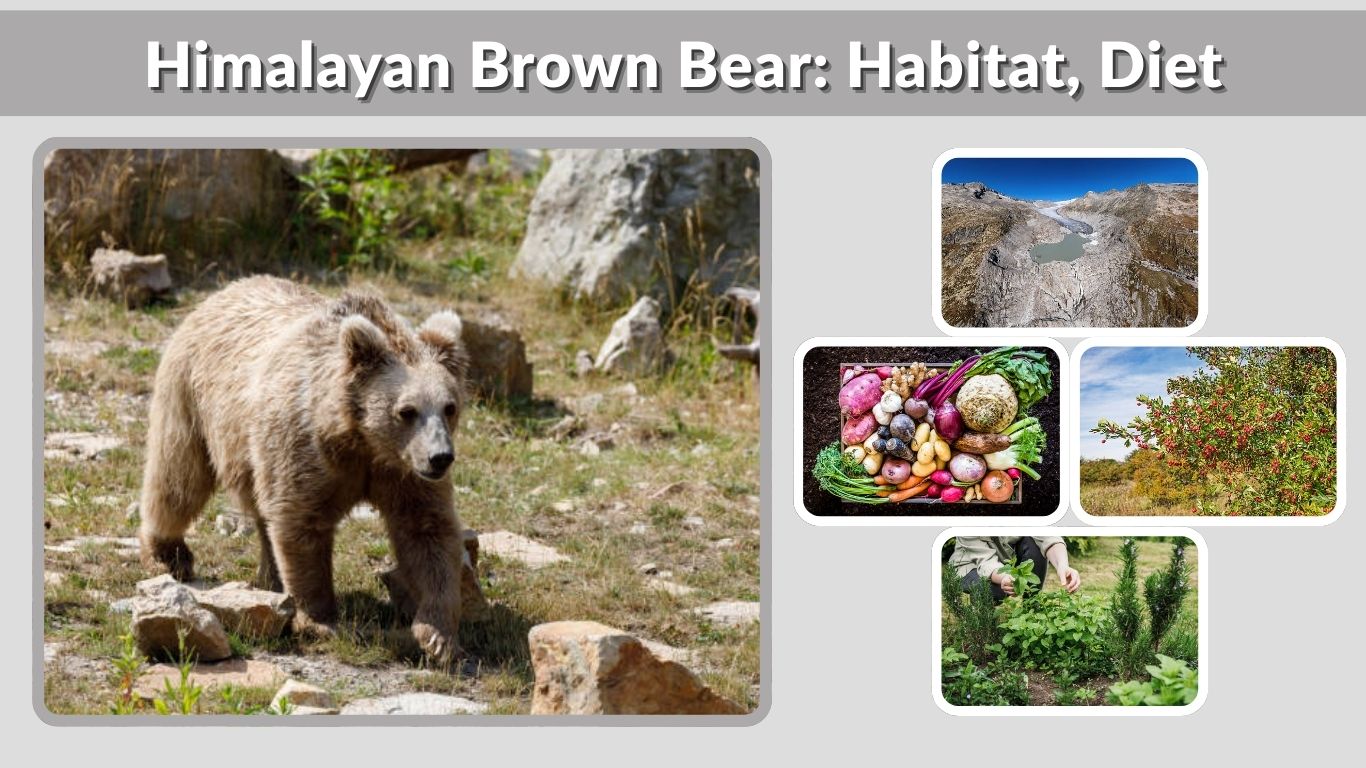
5. Himalayan Brown Bear (Ursus arctos isabellinus)
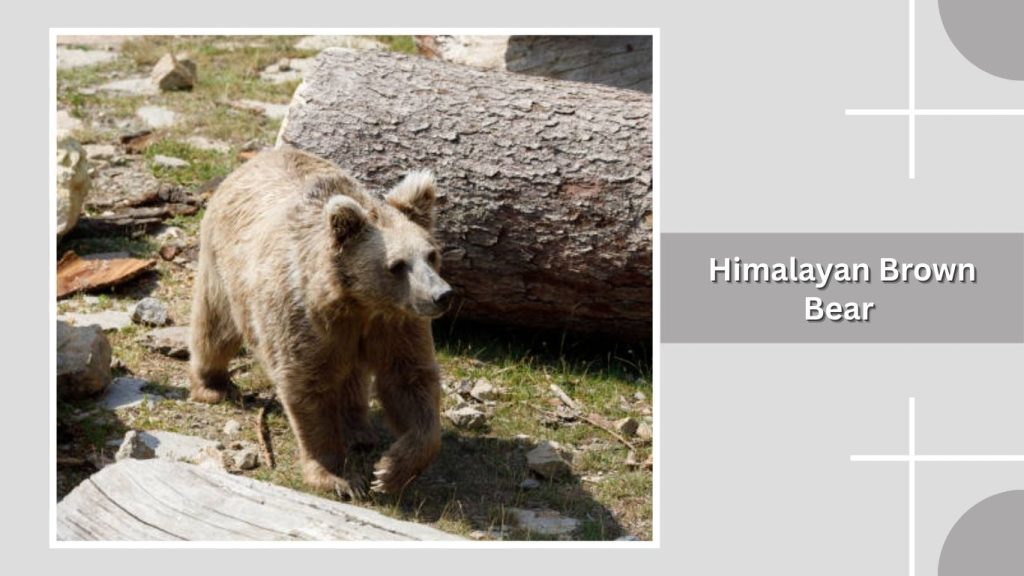
The Himalayan brown bear is a rare and high-altitude brown bear subspecies found in the mountainous regions of South Asia. This brown bear is specially adapted to cold, dry alpine environments and is sometimes called the “Isabelline brown bear” due to its lighter fur color. It is considered one of the more threatened brown bear populations because of habitat loss and human conflict.
Identification
- Medium to large-sized brown bear
- Light sandy or reddish-brown fur
- Thick coat adapted to cold climates
- Prominent shoulder hump
- Smaller build compared to Kodiak brown bear
- Males weigh around 135–250 kg (300–550 lbs)
Habitat
The Himalayan brown bear inhabits alpine meadows, subalpine forests, and cold desert mountain regions. It is commonly found at elevations between 3,000 and 5,000 meters.
Diet
This brown bear is omnivorous, feeding on grasses, roots, berries, insects, marmots, and occasionally livestock. Food availability changes with the seasons in mountainous habitats.
Distribution
The Himalayan brown bear is found in northern India, Pakistan, Nepal, and parts of the Tibetan Plateau.
6. Tibetan Blue Bear (Ursus arctos pruinosus)
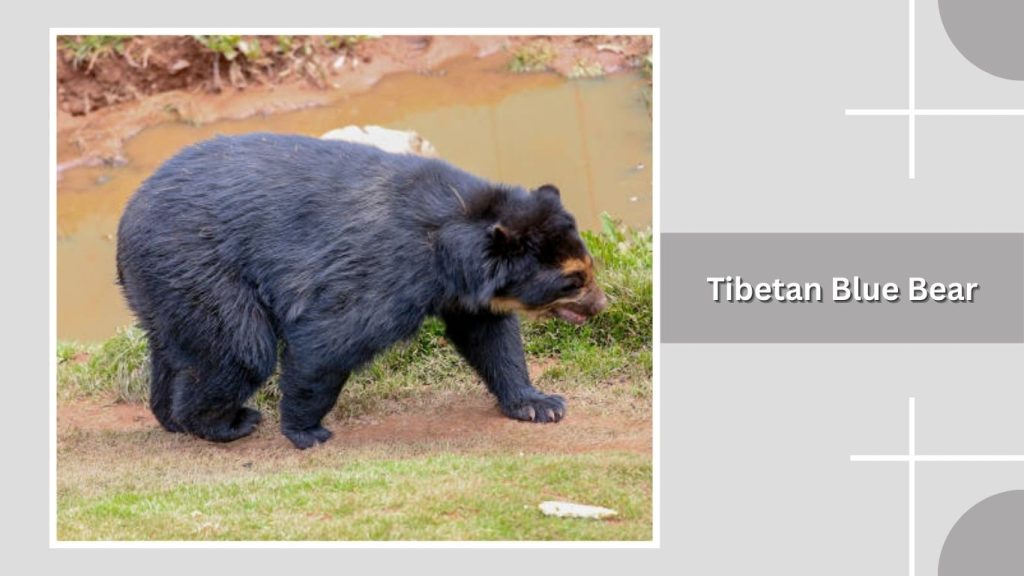
The Tibetan blue bear is one of the least known brown bear subspecies. This rare brown bear lives in remote high-altitude regions of the Tibetan Plateau. Its unusual coloration gives it the name “blue bear,” although it is actually a variation of the brown bear species.
Identification
- Medium-sized brown bear
- Dark brown fur with a bluish or frosted sheen
- Pale or whitish collar around the neck in some individuals
- Prominent shoulder hump
- Strong limbs suited for rugged terrain
- Smaller population compared to other brown bear groups
Habitat
The Tibetan blue brown bear lives in high mountain plateaus, rocky slopes, and alpine grasslands. It survives in harsh climates with extreme temperatures.
Diet
This brown bear feeds on pikas, marmots, grasses, roots, and occasionally livestock. Its diet reflects the limited vegetation and prey available in high-altitude ecosystems.
Distribution
The Tibetan blue brown bear is primarily found on the Tibetan Plateau in China.
7. Ussuri Brown Bear (Ursus arctos lasiotus)
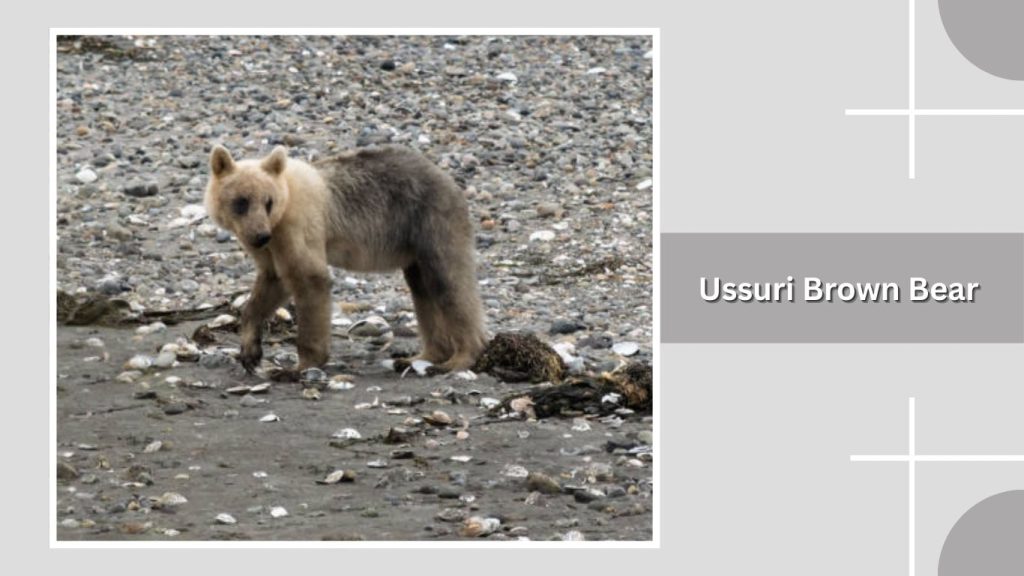
The Ussuri brown bear is one of the largest brown bear subspecies found in Asia. This powerful brown bear inhabits forested and mountainous regions of the Russian Far East, northeastern China, and parts of the Korean Peninsula. It is sometimes referred to as the Amur brown bear and is known for its strength and adaptability in cold environments.
Identification
- Large and muscular brown bear
- Thick, dense fur ranging from dark brown to blackish brown
- Prominent shoulder hump
- Broad skull and powerful jaws
- Large paws with strong claws
- Adult males can weigh 300–600 kg (660–1,300 lbs)
Habitat
The Ussuri brown bear lives in mixed forests, taiga, and mountainous areas. It prefers remote wilderness regions with abundant food and limited human activity.
Diet
This brown bear is omnivorous and opportunistic. It feeds on berries, nuts, roots, fish, insects, and mammals such as deer or wild boar.
Distribution
The Ussuri brown bear is mainly found in eastern Russia, northeastern China, and occasionally North Korea.
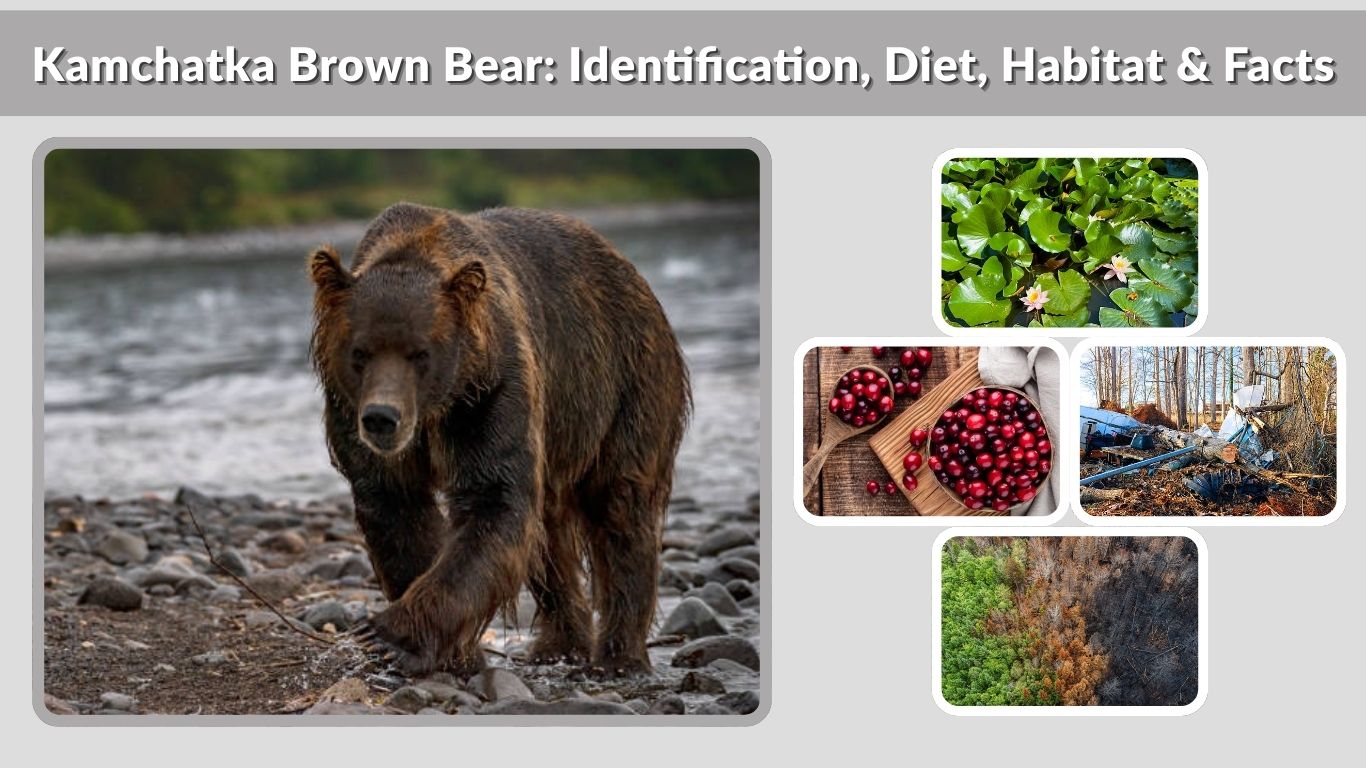
8. Kamchatka Brown Bear (Ursus arctos beringianus)
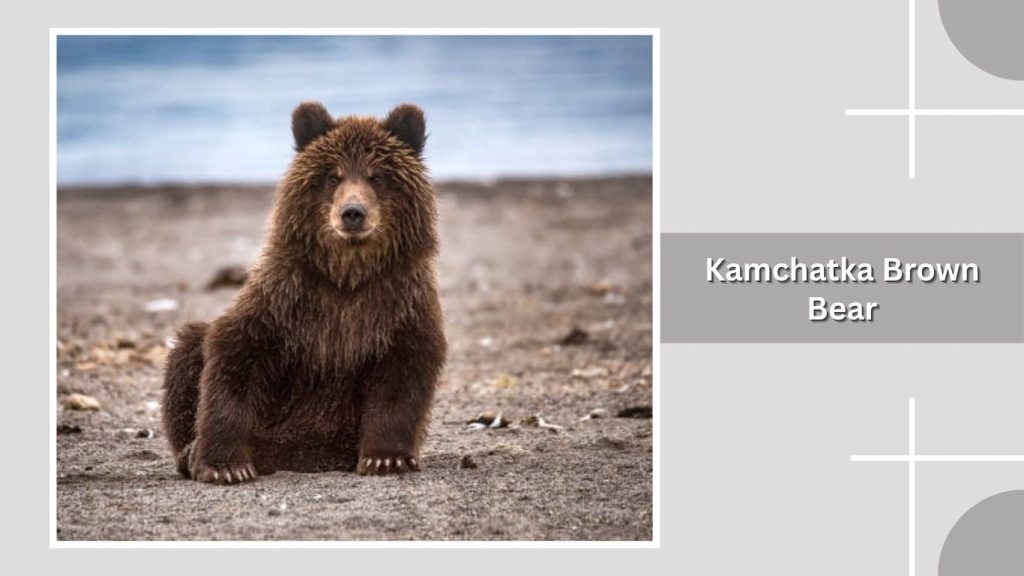
The Kamchatka brown bear is a large coastal brown bear subspecies native to the Kamchatka Peninsula in eastern Russia. This brown bear is closely related to the Kodiak brown bear and is among the largest brown bear populations in Eurasia.
Identification
- Very large brown bear
- Thick fur, usually dark brown
- Prominent shoulder hump
- Massive head and strong build
- Long claws adapted for fishing and digging
- Adult males can weigh 400–650 kg (880–1,430 lbs)
Habitat
The Kamchatka brown bear inhabits coastal forests, river valleys, tundra, and mountainous terrain. The region’s rich salmon rivers support large brown bear populations.
Diet
This brown bear relies heavily on salmon during spawning season. It also eats berries, grasses, roots, small mammals, and carrion.
Distribution
The Kamchatka brown bear is found primarily on the Kamchatka Peninsula and nearby coastal regions of eastern Russia.
9. East Siberian Brown Bear (Ursus arctos collaris)
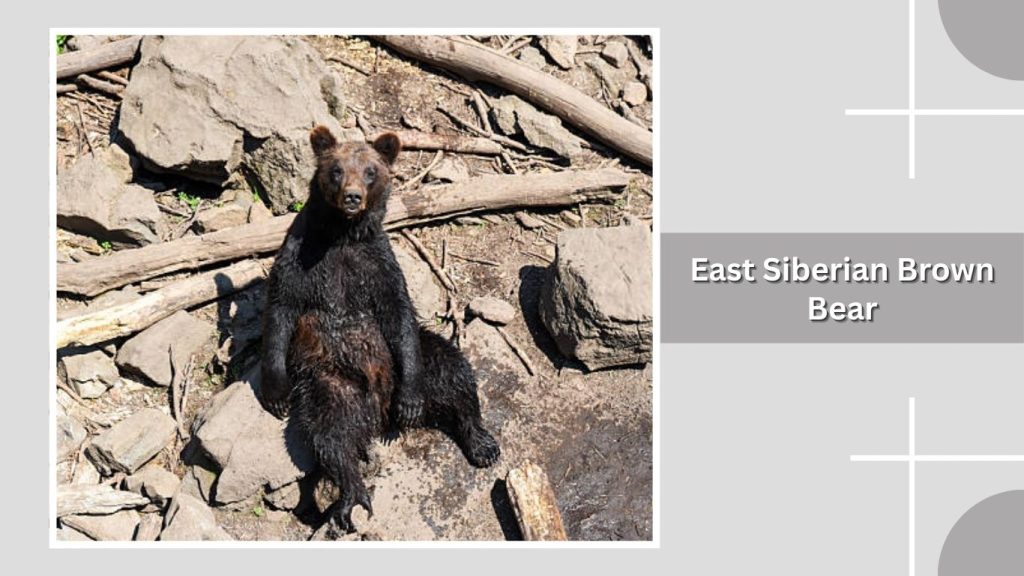
The East Siberian brown bear is a large and hardy brown bear subspecies native to eastern Siberia. This brown bear is well adapted to extremely cold climates and vast wilderness areas. It shares similarities with other northern brown bear populations but is recognized for its size and thick fur suited to harsh environments.
Identification
- Large-bodied brown bear
- Thick, long fur for cold protection
- Fur color ranges from dark brown to nearly black
- Prominent muscular shoulder hump
- Large head with strong jaws
- Adult males can weigh 250–600 kg (550–1,300 lbs)
Habitat
The East Siberian brown bear lives in taiga forests, tundra regions, and mountainous landscapes. It prefers remote, sparsely populated areas with abundant natural food sources.
Diet
This brown bear is omnivorous, feeding on berries, roots, nuts, fish, insects, and mammals such as deer and wild boar. Seasonal food availability strongly influences its diet.
Distribution
The East Siberian brown bear is found across eastern Siberia, particularly in forested and mountainous parts of Russia.
10. Marsican Brown Bear (Ursus arctos marsicanus)
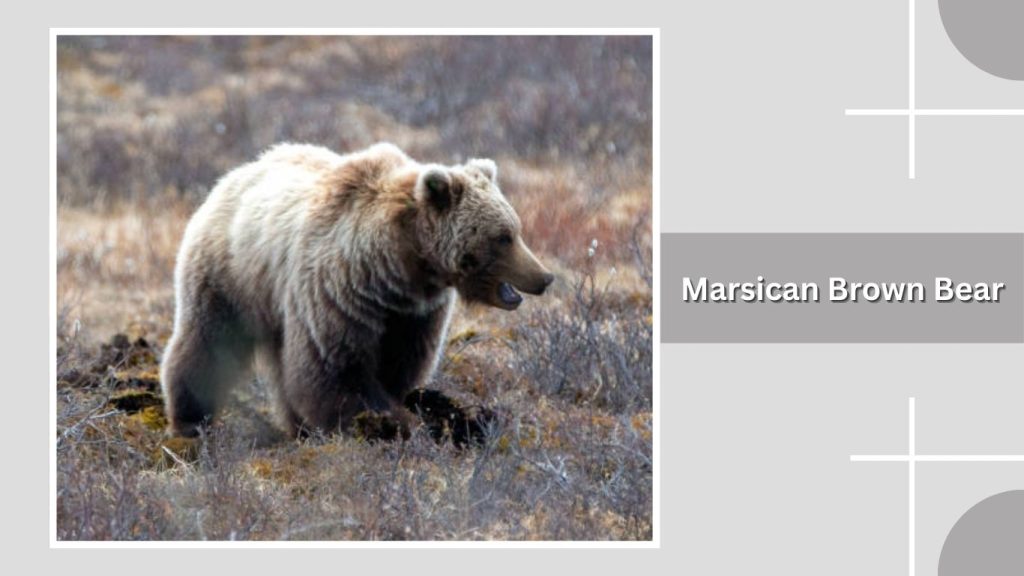
The Marsican brown bear is a rare and critically endangered brown bear subspecies found only in central Italy. This small and isolated brown bear population is genetically distinct and protected under strict conservation measures.
Identification
- Medium-sized brown bear
- Thick brown fur with lighter shades
- Rounded ears and strong limbs
- Prominent shoulder hump
- Smaller overall size compared to many other brown bear subspecies
- Adult males typically weigh 100–230 kg (220–500 lbs)
Habitat
The Marsican brown bear inhabits mountainous forests and national parks, particularly in the Apennine Mountains. It depends on protected habitats to survive.
Diet
This brown bear is mostly plant-based in diet, feeding on berries, fruits, nuts, roots, and insects. It occasionally consumes small mammals or carrion.
Distribution
The Marsican brown bear is restricted to central Italy, mainly within the Abruzzo, Lazio, and Molise National Park region.