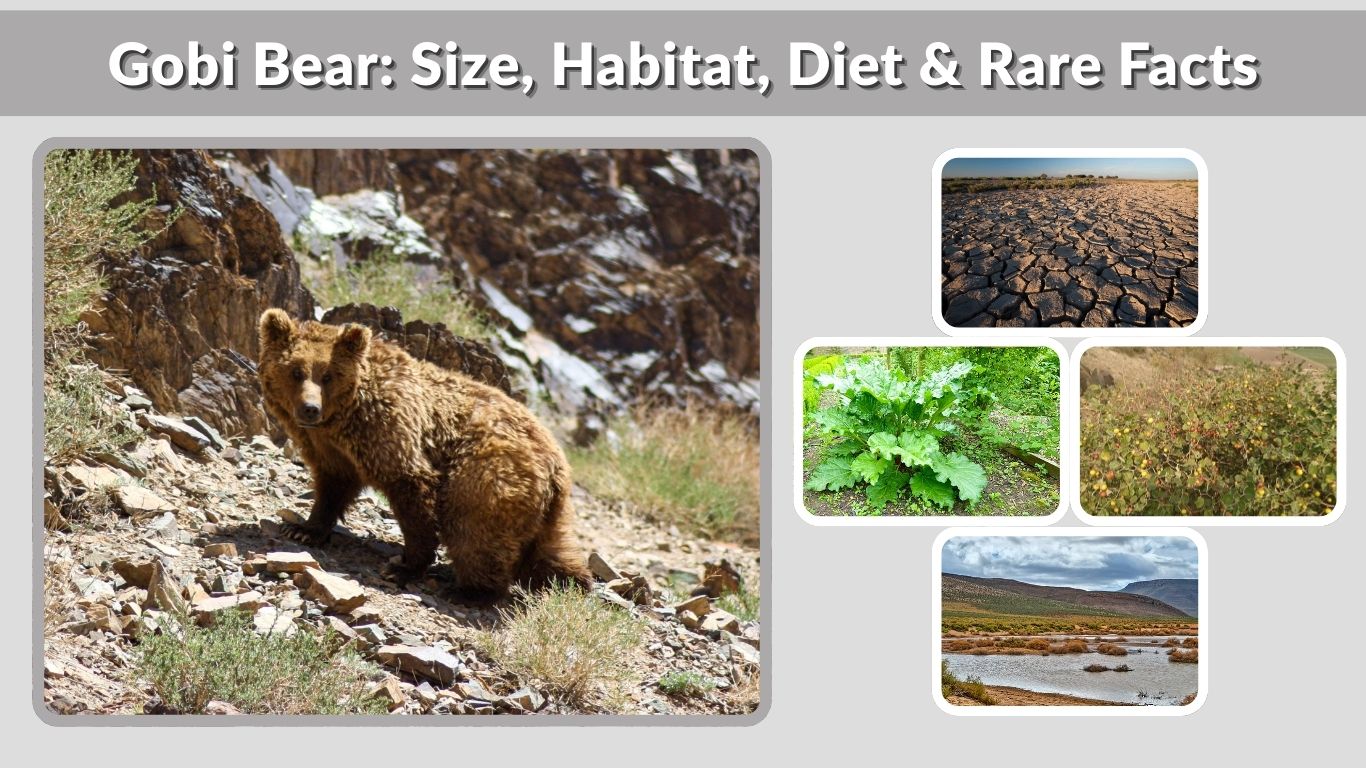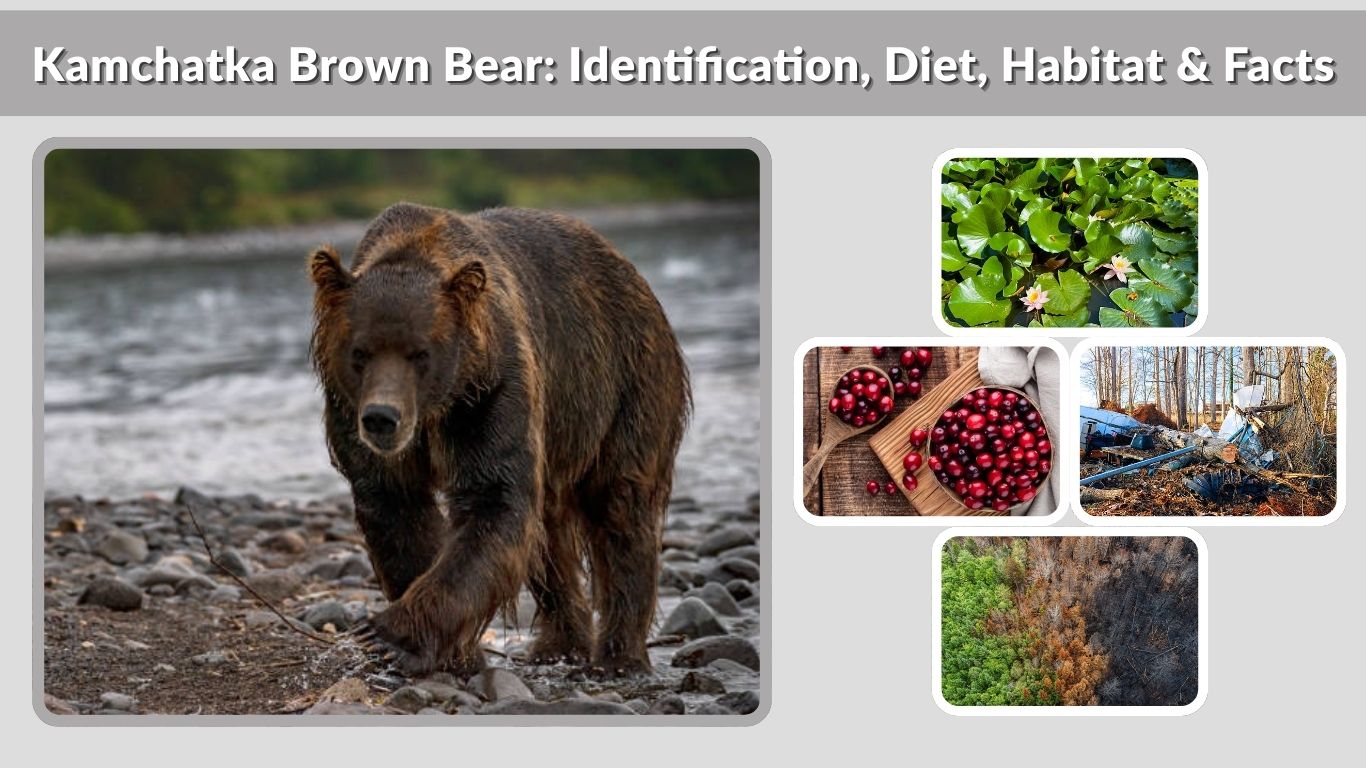






The Eurasian brown bear (Ursus arctos arctos) is one of the largest and most powerful land predators found across Europe and Asia. As a subspecies of the brown bear, it occupies an enormous geographic range stretching from the forests of Scandinavia to the remote mountains of the Himalayas. Known for its strength, intelligence, and adaptability, this bear has survived for thousands of years in diverse and often harsh environments. Beyond its impressive size, the Eurasian brown bear plays a vital ecological role in maintaining balanced ecosystems.
Scientific Classification and Subspecies
The Eurasian brown bear belongs to the family Ursidae and is classified under the species Ursus arctos, which includes several brown bear populations across the Northern Hemisphere. The Eurasian brown bear is one of the most widespread subspecies, adapted to various climates and landscapes.
Major Eurasian Subspecies
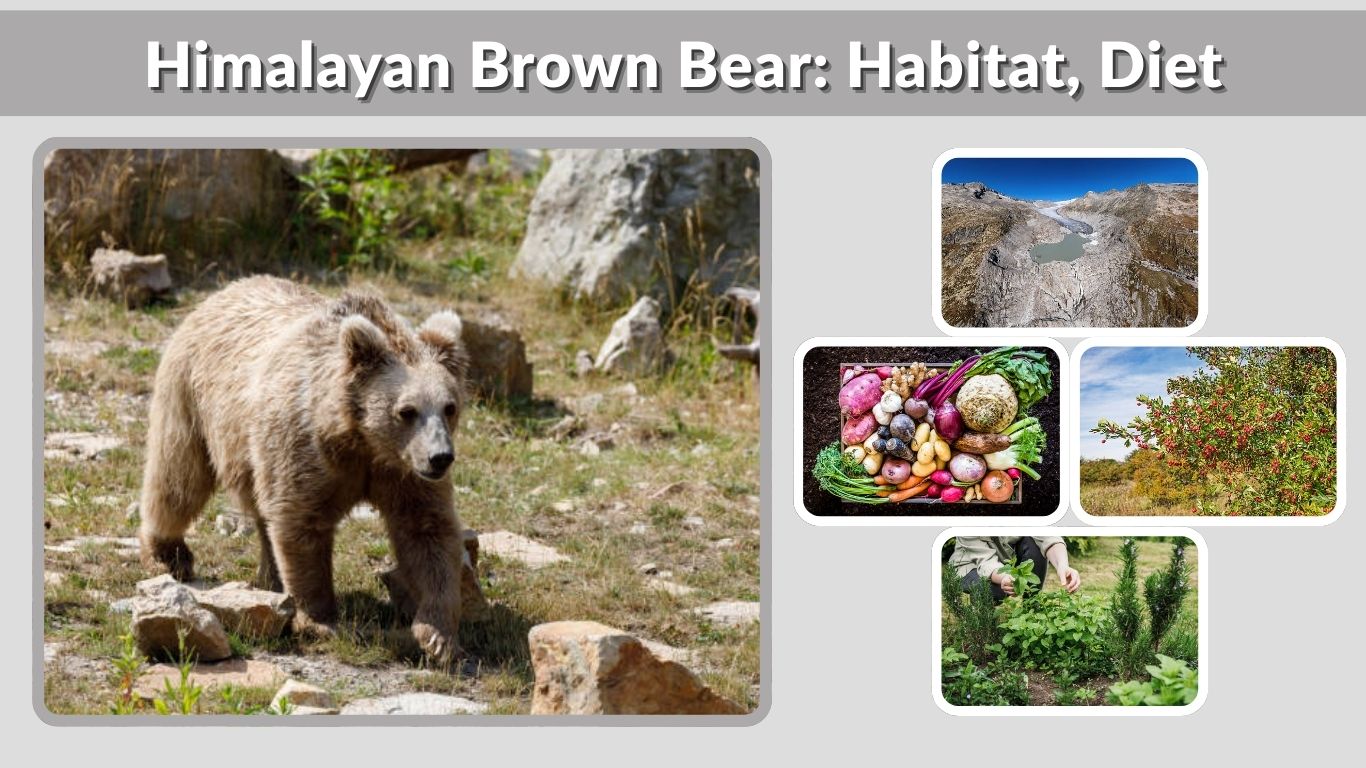
Several regional populations are often recognized within Eurasia. The Siberian brown bear is among the largest, thriving in Russia’s vast taiga forests. The Scandinavian brown bear inhabits Norway and Sweden and is slightly smaller but well adapted to colder climates. The Himalayan brown bear lives in high-altitude mountainous regions and tends to have lighter-colored fur. The Ural brown bear occupies parts of the Ural Mountains, bridging Europe and Asia.
Although these populations vary slightly in size and appearance, they share core physical and behavioral traits that define the Eurasian brown bear.
Physical Characteristics
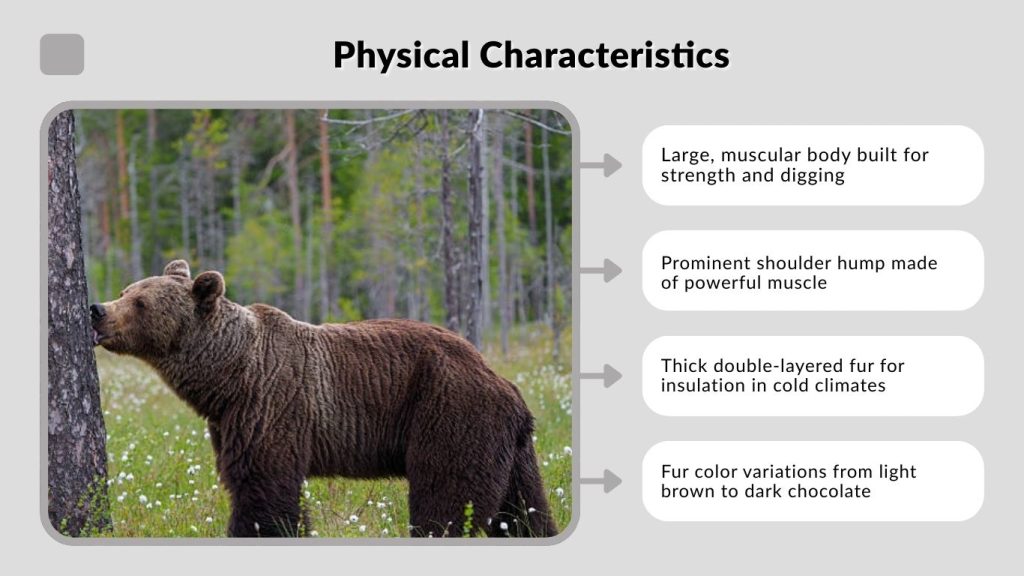
The Eurasian brown bear is a massive and powerfully built mammal adapted to survive in some of the harshest climates across Europe and Asia. Its body structure reflects strength, endurance, and seasonal survival. From its muscular shoulders to its dense fur, every feature plays a role in hunting, foraging, and enduring long winters. While size and coloration vary slightly by region, the core physical traits remain consistent throughout its range.
Key Physical Features:
- Large, muscular body built for strength and digging
- Prominent shoulder hump made of powerful muscle
- Thick double-layered fur for insulation in cold climates
- Fur color variations from light brown to dark chocolate
- Long, curved claws ideal for digging and tearing logs
- Strong jaws and large teeth suited for an omnivorous diet
- Excellent sense of smell for detecting food and danger
- Dense fat layer stored before winter hibernation
- Short, powerful legs enabling bursts of speed
- Small rounded ears that reduce heat loss in cold regions
These physical adaptations allow the Eurasian brown bear to thrive in forests, mountains, and tundra environments while maintaining its status as one of the most formidable predators in its ecosystem.
Habitat and Geographic Distribution
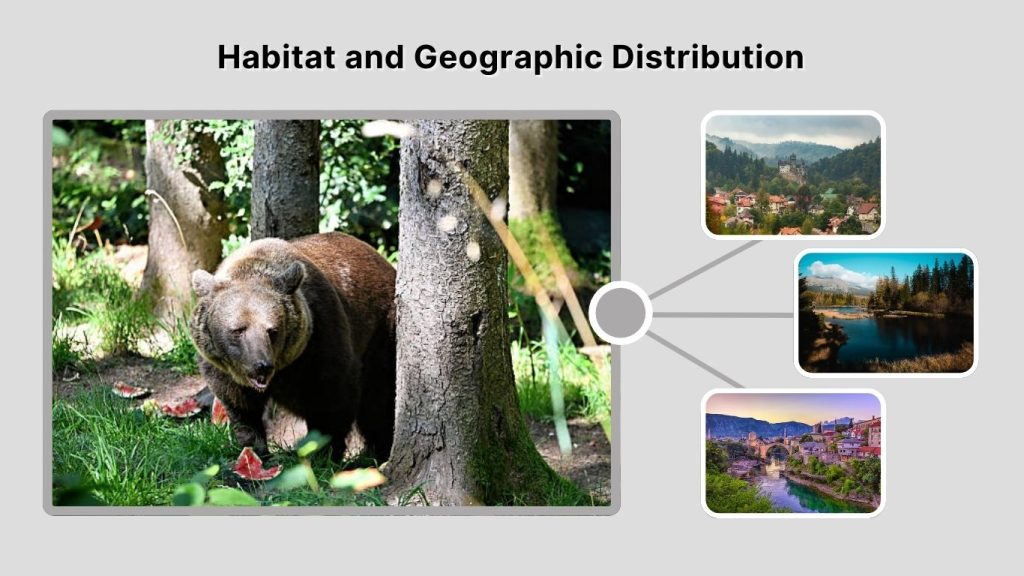
The Eurasian brown bear has one of the widest distributions of any bear subspecies. Its adaptability allows it to survive in a variety of environments across two continents.
Geographic Range
Russia holds the largest population, particularly in Siberia’s expansive forests. Significant populations also exist in Scandinavia, including Sweden and Finland. Smaller groups inhabit parts of Eastern and Central Europe, such as Romania, Slovakia, and the Balkans. In Asia, they are found in the Caucasus region, parts of Central Asia, and mountainous areas of the Himalayas.
Although once more widespread across Western Europe, habitat loss and human expansion have reduced their historical range.
Preferred Habitat Types
Eurasian brown bears prefer dense forests that offer both food and shelter. They are commonly found in taiga forests, mountainous terrain, and remote wilderness areas. In northern regions, they may inhabit tundra landscapes during warmer months.
These bears require large territories, sometimes covering hundreds of square kilometers, to meet their food and breeding needs. Areas with minimal human disturbance are especially important for maintaining stable populations.
Diet and Feeding Behavior
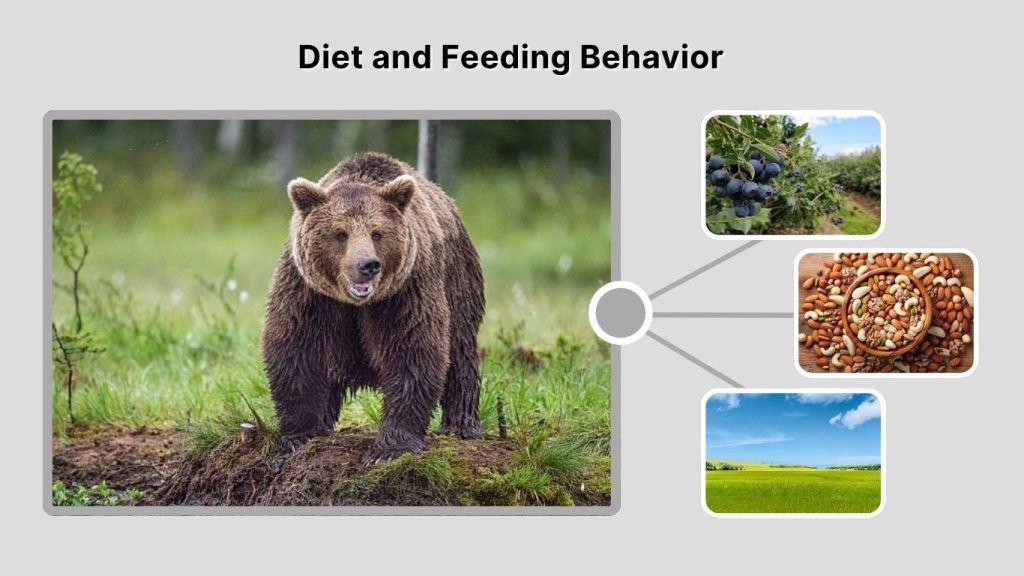
The Eurasian brown bear is an omnivore, meaning it consumes both plant and animal matter. In fact, the majority of its diet is plant-based. Berries, nuts, grasses, roots, and shrubs form a substantial portion of its food intake, particularly during summer and autumn.
They also eat insects, fish, and small mammals when available. In some regions, they prey on deer or wild boar, though large prey is less common. In river systems, especially in parts of Russia, they may catch fish during spawning seasons.
Seasonal changes strongly influence feeding behavior. During late summer and autumn, bears enter a phase known as hyperphagia, dramatically increasing food consumption to build fat reserves for winter hibernation. This feeding strategy is crucial for survival in colder climates.
Behavior and Lifestyle
The Eurasian brown bear is generally a solitary animal, except during mating season or when a mother is raising cubs. Each bear maintains a large home range, which may overlap with others but is typically used alone. Males tend to occupy larger territories than females, especially in regions with lower population density.
Daily Activity Patterns
These bears are most active during dawn and dusk, a pattern known as crepuscular behavior. However, in areas with minimal human disturbance, they may also be active during the day. In regions where human activity is high, they often become more nocturnal to avoid contact.
Eurasian brown bears rely heavily on their keen sense of smell, which is far stronger than that of humans. This powerful sense helps them locate food from long distances and detect potential threats. Despite their size, they can move surprisingly quietly through forests and rugged terrain.
Hibernation
In colder climates, Eurasian brown bears enter hibernation during winter. They dig dens in hillsides, under tree roots, or in sheltered rocky areas. Before winter begins, they consume large amounts of food to accumulate fat reserves.
Hibernation can last from several months to half the year, depending on regional climate conditions. During this time, their heart rate and metabolism slow significantly, allowing them to conserve energy. Interestingly, pregnant females give birth while in the den, usually to one to three cubs, which remain with their mother until spring arrives.
Reproduction and Life Cycle
The mating season typically occurs between May and July. After mating, females experience delayed implantation, meaning the fertilized egg does not immediately attach to the uterus. This biological adaptation ensures that cubs are born during winter hibernation when the mother is protected in her den.
Cubs are born blind and weigh less than one kilogram (about 2 pounds). They rely entirely on their mother’s milk and warmth. By spring, they begin exploring outside the den but remain dependent on their mother for up to two or three years.
In the wild, Eurasian brown bears generally live between 20 and 30 years, though many do not reach this age due to environmental pressures and human-related threats.
Eurasian Brown Bear vs. Grizzly Bear
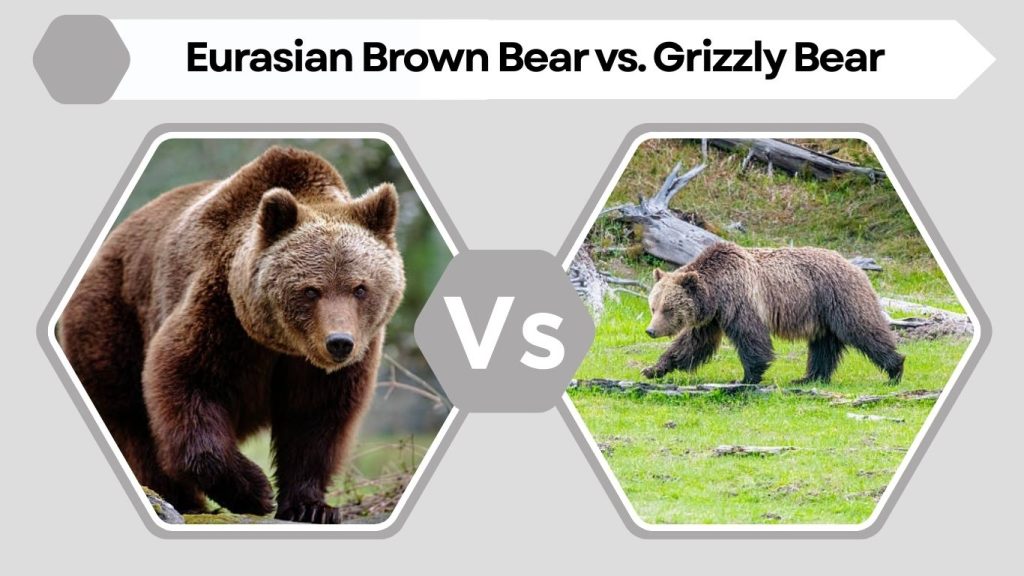
The Eurasian brown bear and the grizzly bear are closely related, as both belong to the species Ursus arctos. The grizzly bear is typically considered a North American subspecies, while the Eurasian brown bear occupies Europe and Asia.
Physically, they share many similarities, including the prominent shoulder hump and powerful build. However, grizzly bears often inhabit open plains and mountainous areas in North America, while Eurasian brown bears are more commonly associated with dense forests and taiga regions. Genetic studies show they share a common ancestry, highlighting their close evolutionary connection.
Threats and Conservation Status
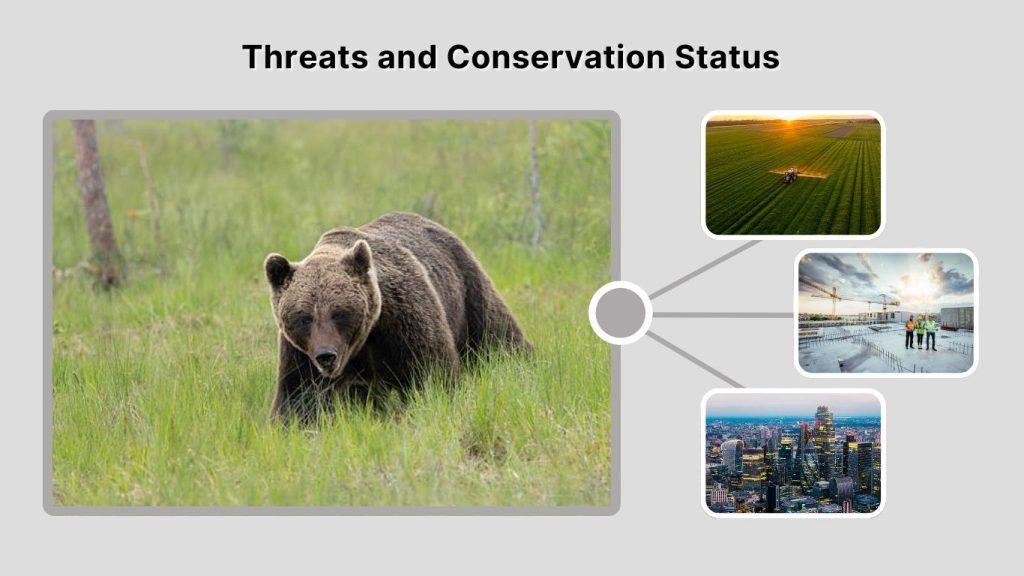
Globally, the brown bear species is classified as “Least Concern” by the International Union for Conservation of Nature (IUCN). However, regional populations of the Eurasian brown bear face varying levels of risk.
Habitat fragmentation is one of the greatest threats. Expanding agriculture, infrastructure development, and urban growth reduce and divide suitable habitats. Human-wildlife conflict is another major issue, particularly in rural areas where bears may prey on livestock or access crops.
Poaching and illegal hunting have historically reduced populations in some regions. Today, many European countries enforce protective laws and implement conservation programs to stabilize and increase bear numbers. Rewilding initiatives and wildlife corridors also play important roles in reconnecting fragmented habitats.
Interesting Facts About the Eurasian Brown Bear
The Eurasian brown bear is the largest land predator currently living in Europe. Despite its heavy build, it can run at speeds of up to 50 kilometers per hour (31 miles per hour) over short distances. It is also an excellent swimmer and capable climber, particularly when young.
Its sense of smell is extraordinarily powerful—far superior to that of humans—allowing it to detect food buried underground or carcasses from far away. Throughout history, the Eurasian brown bear has appeared in folklore, national symbols, and cultural traditions across Europe and Asia.
FAQs
Where do Eurasian brown bears live?
Eurasian brown bears live across large parts of Europe and Asia. Their strongest populations are found in Russia, especially Siberia, as well as in Scandinavia and parts of Eastern Europe. Smaller populations inhabit mountainous regions such as the Caucasus and the Himalayas. They prefer remote forests and wilderness areas.
What do Eurasian brown bears eat?
They are omnivores and eat a wide variety of foods. Most of their diet consists of berries, grasses, nuts, and roots. They also consume insects, fish, and occasionally large mammals such as deer or wild boar. Their diet changes seasonally depending on food availability.
How big is a Eurasian brown bear?
Adult males typically weigh between 180 and 350 kilograms (400–770 pounds), while females are smaller. When standing upright, they can exceed 2 meters (6.5 feet) in height. Size varies depending on region and food supply, with northern populations often larger.
Are Eurasian brown bears dangerous to humans?
Eurasian brown bears generally avoid humans and attacks are rare. However, they can become defensive if surprised, injured, or protecting cubs. Most conflicts occur due to habitat encroachment or food-related encounters. Maintaining distance and respecting wildlife guidelines greatly reduces risk.
How long do Eurasian brown bears live?
In the wild, Eurasian brown bears typically live between 20 and 30 years. Lifespan depends on factors such as habitat quality, food availability, and human impact. In protected environments or captivity, they may live slightly longer under consistent care.