
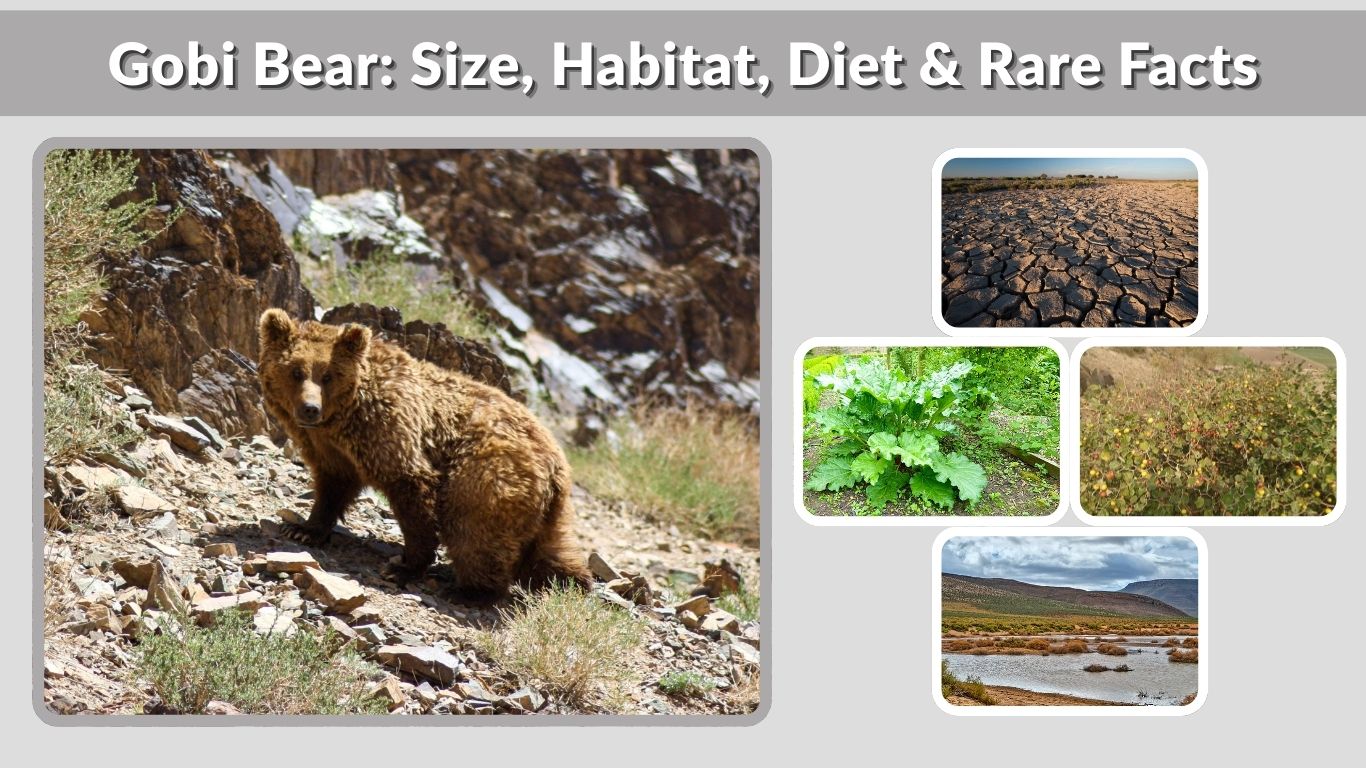
The Gobi bear is one of the rarest and most endangered bears in the world. Scientifically known as Ursus arctos gobiensis, this unique subspecies of brown bear survives in the harsh and arid environment of the Gobi Desert in Mongolia. Locally called the Mazaalai, the Gobi bear has adapted to extreme temperatures, scarce water sources, and limited vegetation. With a very small population remaining, it is considered critically endangered. Understanding the Gobi bear habitat, Gobi bear size, and Gobi bear diet reveals how this remarkable animal manages to survive in one of the toughest ecosystems on Earth.
What Is the Gobi Bear?
The Gobi bear is a desert-adapted subspecies of the brown bear (Ursus arctos). Unlike other brown bears that live in forests, mountains, or coastal regions, the Gobi bear inhabits one of the driest deserts in the world.
Scientific Classification
The scientific name of the Gobi bear is Ursus arctos gobiensis. It belongs to the same species as grizzly bears, Kodiak bears, and Eurasian brown bears. However, geographic isolation in the Gobi Desert has led to distinct physical and behavioral adaptations.
Genetic studies suggest that the Gobi bear has been isolated for thousands of years. This isolation has limited gene flow with other brown bear populations, contributing to its unique characteristics. Because of its extremely small population size, conservationists consider it one of the most vulnerable bear subspecies globally.
Why the Gobi Bear Is So Rare
The Gobi bear is rare primarily due to its restricted range and harsh habitat conditions. It is found only in the Great Gobi Strictly Protected Area in southwestern Mongolia. Estimates suggest that fewer than 50 individuals remain in the wild, though exact numbers vary.
Its isolation in a desert ecosystem limits reproduction opportunities and access to resources. Low population density also reduces genetic diversity, which can make survival even more difficult over time.
Unlike other bear species that occupy large forested areas, the Gobi bear’s entire population exists within a limited desert region, making conservation efforts especially critical.
Gobi Bear Habitat
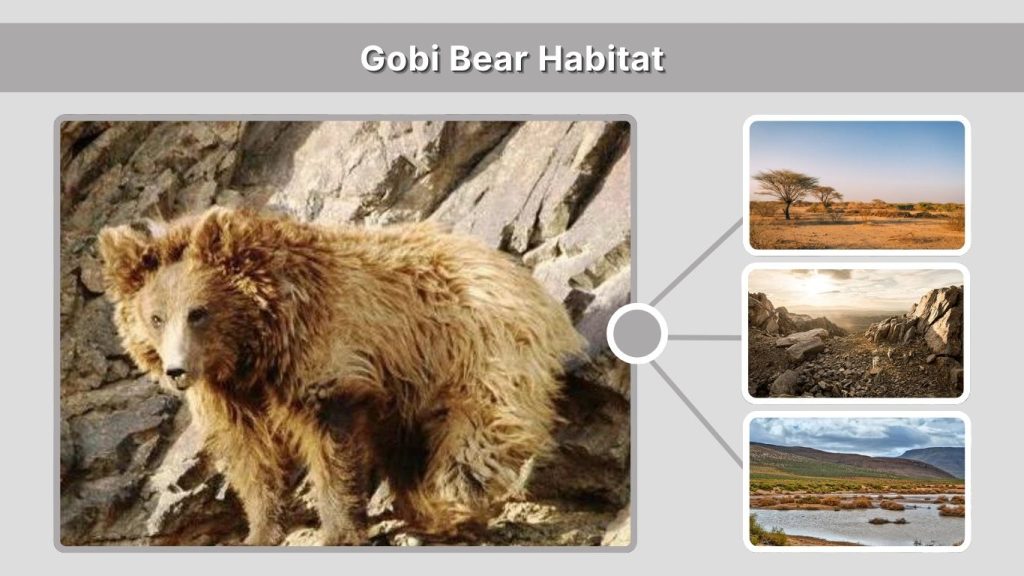
The Gobi bear habitat is one of the most extreme environments inhabited by any bear species. The Gobi Desert is known for its arid climate, rocky mountains, sparse vegetation, and dramatic temperature fluctuations.
Geographic Range
The Gobi bear lives exclusively in Mongolia’s Great Gobi A Strictly Protected Area. This remote region consists of desert plains, rugged mountains, and scattered oases. The isolation of this habitat has played a significant role in shaping the bear’s survival strategies.
Unlike forest-dwelling bears, Gobi bears rely on scattered water sources such as springs and desert oases. These areas become central gathering points for feeding and survival.
Desert Environment Conditions
The Gobi Desert presents severe environmental challenges. Summers can be extremely hot, while winters are cold and harsh. Rainfall is minimal, and vegetation is sparse compared to forest ecosystems.
Food availability fluctuates significantly throughout the year. Water sources may dry up during prolonged drought periods, forcing bears to travel long distances in search of resources.
The desert terrain consists of rocky hills, gravel plains, and isolated valleys. Vegetation includes shrubs, desert grasses, and hardy plants that can survive low rainfall conditions.
Survival Adaptations
To survive in such an unforgiving habitat, the Gobi bear has developed several adaptations:
- Ability to travel long distances between water sources
- Efficient metabolism suited for limited food supply
- Use of mountain areas for shelter and denning
- Strong endurance for navigating rocky terrain
During extremely dry periods, some bears rely on supplemental feeding stations established by conservation programs. However, natural foraging remains essential for long-term survival.
Gobi Bear Size
The Gobi bear size is generally smaller than most other brown bear subspecies. This smaller build may be an adaptation to limited food resources in the desert.
Average Weight and Height
Adult Gobi bears are typically lighter and more compact than northern brown bears. Males generally weigh between 200 and 300 pounds (90–135 kg), while females are smaller, often weighing between 150 and 220 pounds (68–100 kg).
When standing upright, a Gobi bear may reach about 5 to 6 feet (1.5–1.8 meters) tall. Compared to massive Kodiak or Kamchatka bears, the Gobi bear appears relatively lean and less bulky.
Their lighter body weight may help reduce energy demands in a region where food is not consistently abundant.
Physical Characteristics
The Gobi bear has light brown or pale sandy fur, which helps it blend into desert landscapes. Its coat is typically shorter and less dense than that of bears living in colder forest climates.
The body structure is lean but muscular. Strong legs allow it to travel across rocky and uneven terrain. Its claws are well adapted for digging up roots and uncovering underground food sources.
Despite its smaller size, the Gobi bear remains a powerful animal capable of surviving in one of the harshest ecosystems inhabited by any bear species.
What Do Gobi Bears Eat?
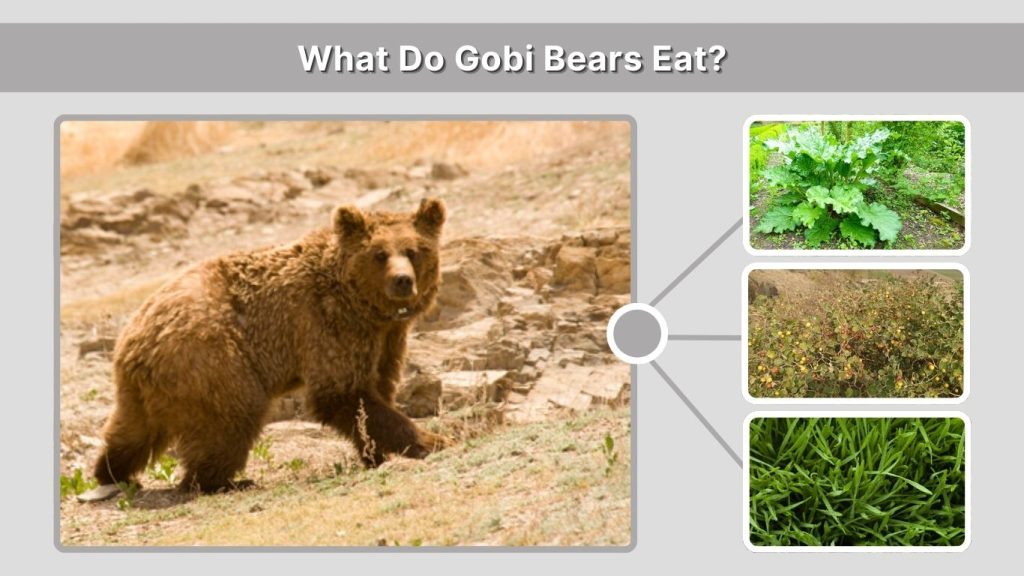
The Gobi bear diet is one of the most unique among brown bear subspecies. Unlike coastal or forest-dwelling bears that rely heavily on fish or large mammals, the Gobi bear survives primarily on plant-based foods due to the limited availability of prey in the desert.
Gobi Bear Diet Overview
Gobi bears are mostly herbivorous, although they are technically omnivores like all brown bears. The desert environment does not support large populations of animals for hunting, so plant material makes up the majority of their diet.
Because food resources are scarce and seasonal, Gobi bears must travel long distances to find enough nourishment. Their survival depends heavily on the availability of desert vegetation and access to water.
Main Food Sources
The main components of the Gobi bear diet include:
- Wild rhubarb – One of the most important food sources
- Roots and tubers – Dug from the ground using strong claws
- Desert berries and shrubs
- Grasses and hardy plants
- Insects, including ants and beetles
Wild rhubarb is especially critical during certain seasons. Bears often gather near areas where this plant grows in greater abundance. Insects provide additional protein, particularly when plant food is limited.
Unlike other brown bears, Gobi bears rarely hunt large mammals. Occasionally, they may scavenge carcasses, but meat forms only a small portion of their diet.
Seasonal Diet Changes
Food availability changes throughout the year in the Gobi Desert.
- Spring: Emerging vegetation and roots
- Summer: Increased plant growth after rainfall
- Autumn: Continued plant feeding to build fat reserves
- Winter: Reduced activity, relying on stored body fat
Because the desert environment does not offer rich seasonal food surges like salmon runs, Gobi bears cannot accumulate as much fat as other brown bears. This makes them more vulnerable to drought and environmental changes.
Gobi Bear Facts
The Gobi bear holds a unique place in wildlife conservation as one of the rarest bear subspecies on Earth.
Critically Endangered Status
Fewer than 50 Gobi bears are believed to remain in the wild, making them critically endangered. Their small population size increases the risk of genetic problems and reduces long-term survival chances.
The species is protected by the Mongolian government, and international conservation groups actively monitor the population.
The Only Desert Bear
The Gobi bear is one of the only bear populations in the world adapted to true desert conditions. Most bear species live in forests, mountains, or coastal regions, but the Gobi bear survives in arid plains and rocky desert terrain.
This remarkable adaptation makes it a symbol of resilience and ecological specialization.
Cultural Importance
In Mongolia, the Gobi bear is known as the Mazaalai. It is considered an important symbol of national wildlife heritage. Conservation campaigns often highlight the Mazaalai to raise awareness about biodiversity protection in desert ecosystems.
Supplemental Feeding Programs
Due to extreme environmental conditions, conservation authorities have established feeding stations in certain areas. These stations provide additional food during severe droughts or harsh winters to support survival.
However, long-term conservation focuses on protecting natural habitat rather than permanent reliance on human-provided food.
Behavior and Reproduction
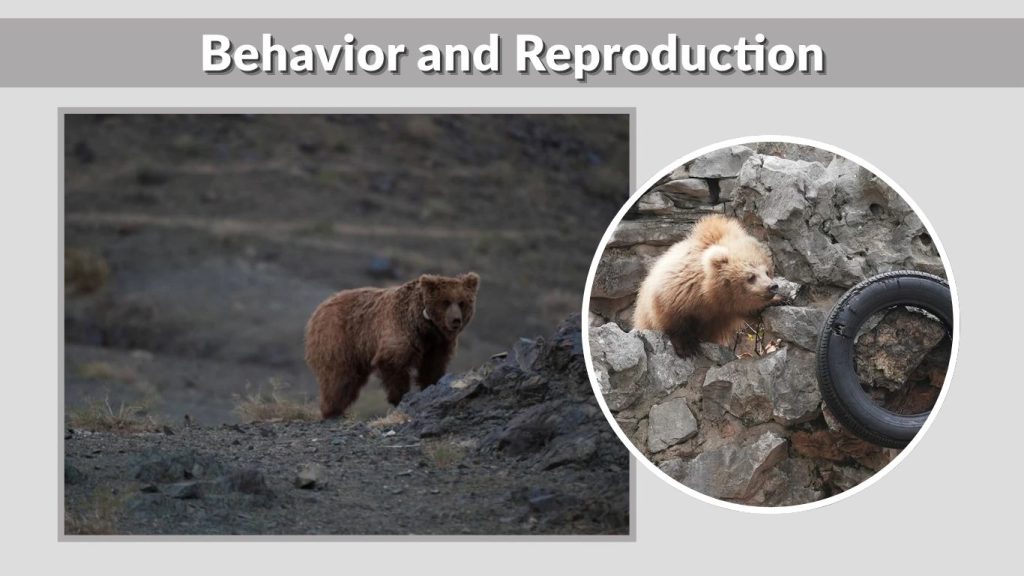
The Gobi bear is solitary, with individuals occupying large territories due to low food density.
Solitary Lifestyle
Each bear may roam across vast desert areas in search of food and water. Because the population is so small, encounters between individuals are relatively rare outside the breeding season.
They are generally shy and avoid human contact whenever possible.
Reproduction and Cubs
Breeding typically occurs in late spring or early summer. Like other brown bears, the Gobi bear experiences delayed implantation, meaning embryo development begins later to ensure cubs are born at an optimal time.
Females usually give birth to one or two cubs during winter denning. Cubs remain with their mother for up to two or three years. With such a small population, cub survival is critical for the species’ future.
Low reproduction rates and harsh environmental conditions make population recovery slow and challenging.
Threats and Conservation Efforts
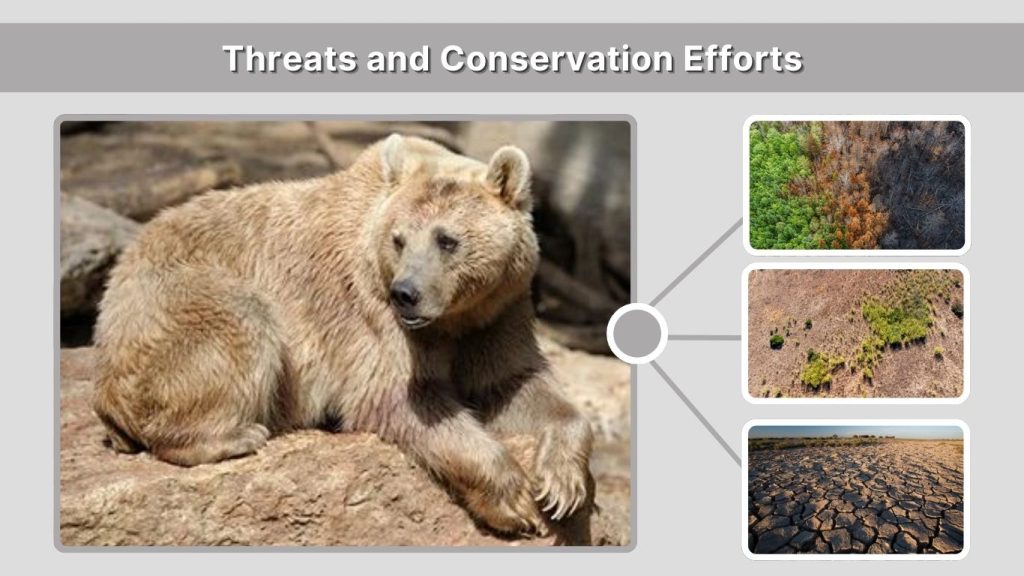
Despite living in a protected area, the Gobi bear still faces serious threats.
Major Threats
Key threats include:
- Habitat degradation
- Climate change reducing vegetation
- Water scarcity
- Competition with livestock
- Limited genetic diversity
Extended drought periods can significantly reduce food availability, directly impacting survival rates.
Conservation Programs
The Mongolian government established the Great Gobi Strictly Protected Area to safeguard the bear’s habitat. Conservation programs include:
- Population monitoring using camera traps
- Genetic studies
- Supplemental feeding during extreme conditions
- Habitat restoration efforts
International cooperation plays a crucial role in funding research and conservation initiatives.
FAQs
How big is a Gobi bear?
The Gobi bear is smaller than most brown bears. Males typically weigh between 200 and 300 pounds, while females are lighter. When standing upright, they can reach about 5 to 6 feet tall.
What do Gobi bears eat?
Gobi bears mainly eat wild rhubarb, roots, grasses, berries, and insects. Meat forms only a small part of their diet due to limited prey availability in the desert.
Where do Gobi bears live?
They live exclusively in the Great Gobi Strictly Protected Area in southwestern Mongolia, inhabiting desert plains and rocky mountain regions.
Why are Gobi bears endangered?
They are endangered due to their extremely small population, limited habitat range, climate change, and reduced genetic diversity.
Conclusion
The Gobi bear is one of the rarest and most remarkable bear subspecies in the world. Adapted to the harsh conditions of the Gobi Desert, it survives on sparse vegetation and limited water sources. Its small size, plant-based diet, and desert habitat set it apart from other brown bears. However, with fewer than 50 individuals remaining, urgent conservation efforts are essential to protect this unique symbol of Mongolia’s wildlife heritage.