





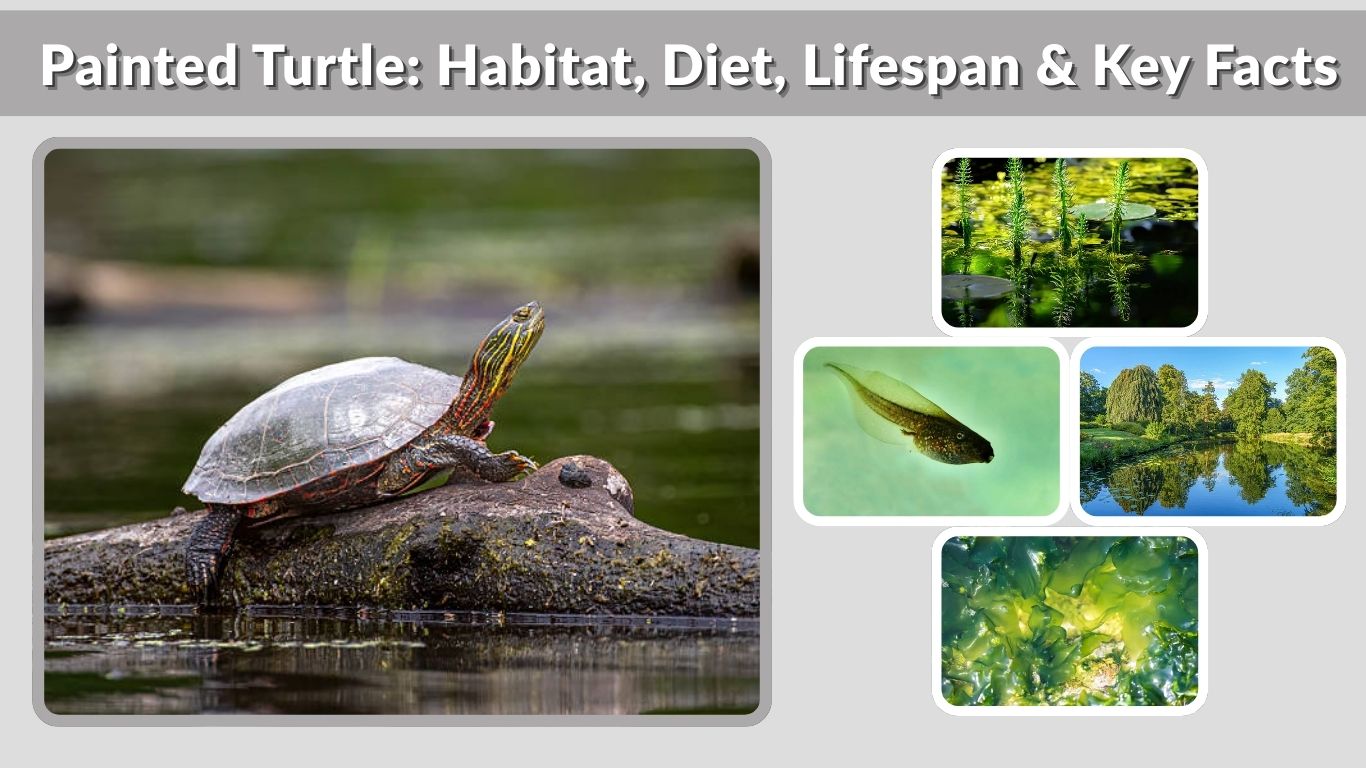
The painted turtle is one of the most recognizable freshwater turtles in North America. Known for its colorful shell markings and calm nature, this species thrives in ponds, lakes, and slow-moving streams. Whether you’re curious about painted turtle habitat, diet, lifespan, or nesting habits, understanding this species helps you appreciate its adaptability and role in aquatic ecosystems. In this guide, we’ll explore painted turtle facts, what they eat, how long they live, and how they compare to red-eared sliders.
What Is a Painted Turtle?
The painted turtle (Chrysemys picta) is a freshwater turtle famous for its smooth, dark shell decorated with red, orange, and yellow markings along the edges. Its skin also features bright stripes, giving it a “painted” appearance — which is how it earned its name.
Painted turtles are medium-sized aquatic turtles that spend much of their time swimming or basking on logs and rocks. They are excellent swimmers and prefer calm waters where food is abundant and predators are easier to avoid.
Painted Turtle Subspecies
There are four recognized subspecies of painted turtles:
- Eastern Painted Turtle – Found along the eastern United States. It has a relatively straight shell edge and lighter markings.
- Midland Painted Turtle – Similar to the eastern subspecies but with a darker central shell pattern.
- Western Painted Turtle – The largest subspecies, often with more intense red coloring on the underside.
- Southern Painted Turtle – The smallest subspecies, identified by a distinctive stripe running down the center of its shell.
Although these subspecies vary slightly in size and coloration, their overall behavior and habitat needs are similar.
Painted Turtle Habitat
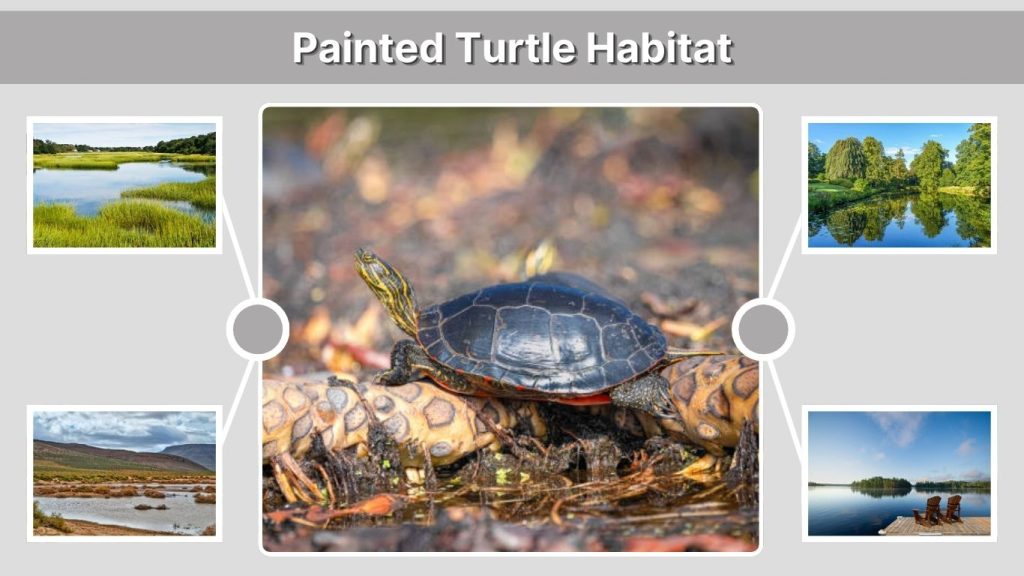
Understanding painted turtle habitat is essential because these turtles rely heavily on freshwater environments for survival.
Natural Habitat in the Wild
Painted turtles live in freshwater ecosystems, including:
- Ponds
- Lakes
- Marshes
- Slow-moving streams
- Wetlands
They prefer shallow water with soft bottoms and plenty of aquatic vegetation. Calm water allows them to swim efficiently and find food easily.
Basking is also crucial. Painted turtles frequently climb onto logs, rocks, or floating debris to warm themselves in the sun. Sunlight helps regulate their body temperature and supports shell health.
Geographically, painted turtles are widespread across North America. They are found from southern Canada to northern Mexico, making them one of the continent’s most common turtle species.
Habitat Requirements in Captivity
If kept as pets, painted turtles need an environment that closely mimics their natural habitat.
A proper setup includes:
- A large tank (at least 40 gallons for adults)
- Clean, filtered water deep enough for swimming
- A basking platform completely out of the water
- UVB lighting for shell and bone health
- A water temperature between 75–80°F
- A basking area temperature around 85–90°F
Without adequate lighting, space, and water quality, painted turtles can develop health problems such as shell rot or metabolic bone disease.
What Do Painted Turtles Eat?
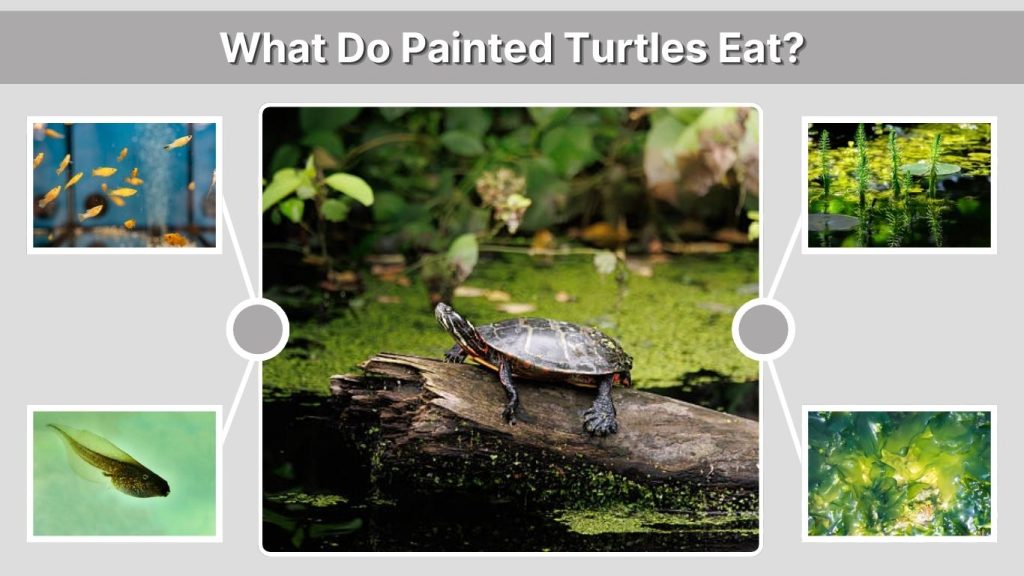
One of the most common questions people ask is: What do painted turtles eat? The answer depends partly on their age.
Painted turtles are omnivores, meaning they eat both plant and animal matter. However, their diet changes as they grow.
Painted Turtle Diet in the Wild
In their natural habitat, painted turtles eat a wide variety of foods, including:
- Aquatic plants
- Algae
- Insects and insect larvae
- Small fish
- Tadpoles
- Snails and crustaceans
Young painted turtles tend to eat more animal-based foods because they need extra protein for growth. As they mature, they gradually consume more plant material.
Their opportunistic feeding behavior helps them adapt to different environments. If food is scarce in one area, they can adjust their diet accordingly.
Painted Turtle Diet in Captivity
In captivity, a balanced painted turtle diet should include:
- High-quality commercial turtle pellets
- Leafy greens like romaine lettuce and dandelion greens
- Aquatic plants
- Occasional protein sources such as mealworms or small feeder fish
Hatchlings should be fed daily, while adult turtles can be fed every other day. Overfeeding should be avoided, as it can lead to obesity and water quality issues.
Providing a varied diet ensures proper growth, strong shells, and long-term health.
How Long Do Painted Turtles Live?
If you’re wondering how long painted turtles live, the answer may surprise you.
In the wild, painted turtles typically live 20 to 30 years. However, many do not reach this age due to predators, habitat destruction, and environmental challenges.
In captivity, with proper care, painted turtles can live 30 years or more. Some individuals have even been known to approach 40 years under excellent conditions.
Several factors influence their lifespan:
- Diet quality
- Clean water and proper habitat
- Protection from predators
- Access to UVB lighting
- Veterinary care
Because of their long lifespan, painted turtles require a serious, long-term commitment when kept as pets.
Painted Turtle Nesting and Reproduction
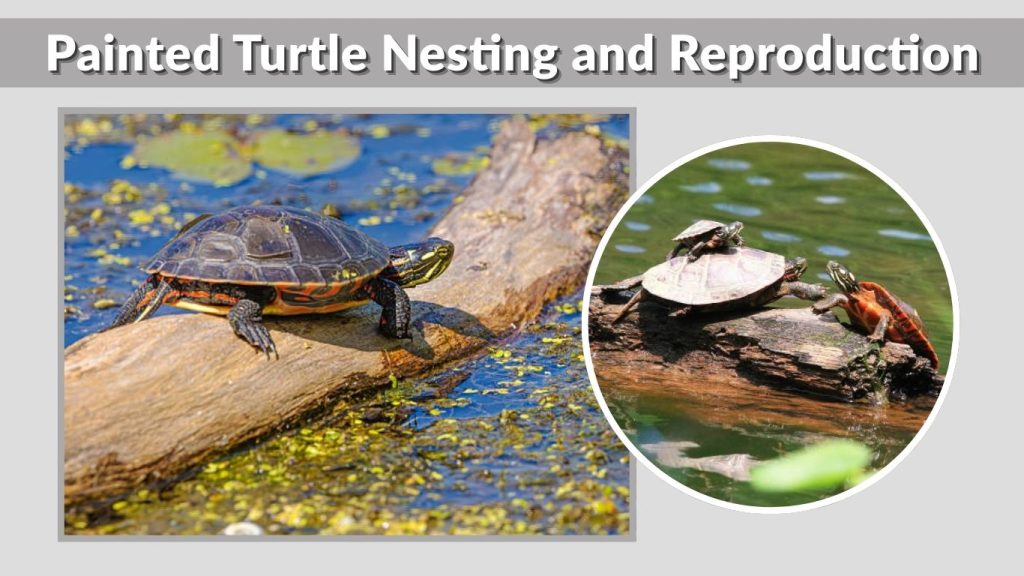
Painted turtles follow a seasonal reproductive cycle that begins in spring. Mating usually occurs in the water, while nesting takes place on land. Female painted turtles may travel surprisingly far from their ponds or lakes to find suitable nesting sites.
Painted Turtle Nesting Behavior
Nesting season typically runs from late spring to early summer, depending on climate and location. During this time, females search for soft, sandy, or loose soil in sunny areas.
Using their hind legs, females dig a flask-shaped nest that is usually about 4–7 inches deep. Once the nest is prepared, they lay between 4 and 20 eggs, depending on their size and subspecies. Larger females tend to lay more eggs.
After laying the eggs, the female carefully covers the nest with soil and leaves it unguarded. Unlike some reptiles, painted turtles do not provide parental care once the eggs are buried.
Incubation and Hatching
The incubation period generally lasts 70 to 90 days, although temperature plays a major role in development speed.
One fascinating painted turtle fact is that the temperature of the nest determines the sex of the hatchlings. Warmer temperatures typically produce females, while cooler temperatures result in males. This process is known as temperature-dependent sex determination.
Hatchlings often emerge in late summer or early fall. In colder regions, however, they may remain inside the nest over winter and emerge the following spring. Baby painted turtles face many dangers, including predators such as raccoons, birds, and large fish. Only a small percentage survive to adulthood.
Painted Turtle vs Red-Eared Slider
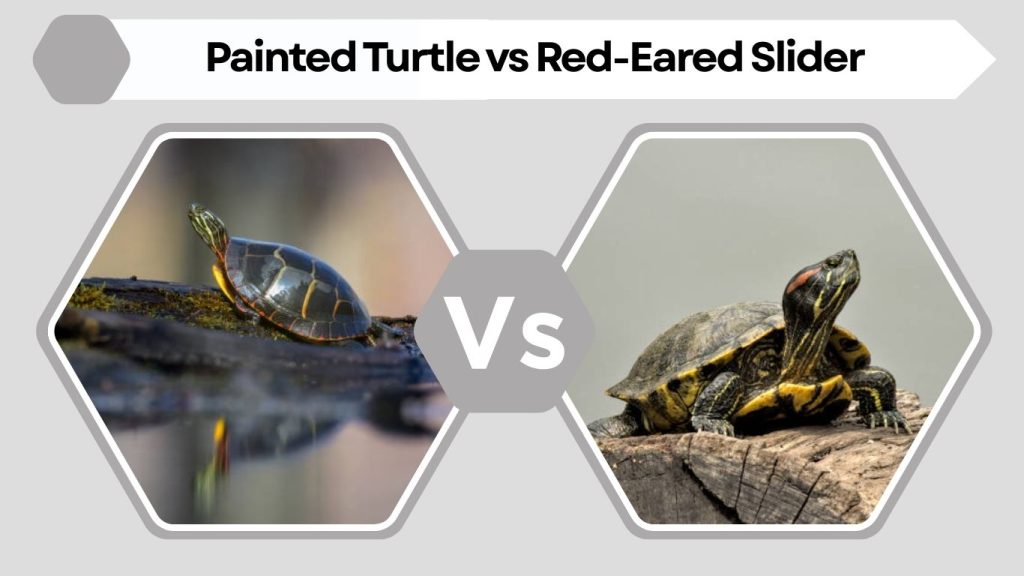
Many people compare the painted turtle vs red-eared slider because both species are common in North America and popular as pets. Although they share similarities, there are several key differences.
Appearance:
Painted turtles have smooth, dark shells with red and yellow markings along the edges. Red-eared sliders are named for the bright red patch located behind each eye.
Size:
Red-eared sliders typically grow larger than painted turtles. Sliders can reach up to 12 inches in length, while most painted turtles stay between 5 and 10 inches depending on subspecies.
Behavior:
Both species enjoy basking and swimming, but red-eared sliders are often more assertive and competitive, especially when housed with other turtles.
Care Needs:
Their habitat and diet requirements are similar. However, red-eared sliders may require slightly larger enclosures due to their size.
Pet Suitability:
Painted turtles are sometimes considered slightly easier to manage because they remain smaller and may be less aggressive. Still, both species require long-term care and proper setups.
Understanding these differences helps potential owners choose the turtle that best fits their experience level and available space.
Interesting Painted Turtle Facts
Painted turtles have several fascinating adaptations that make them unique among freshwater turtles.
One of the most remarkable abilities is their tolerance for cold temperatures. During winter, painted turtles hibernate underwater in mud at the bottom of ponds. They can survive for months with little oxygen by slowing their metabolism dramatically.
In extremely cold water, they can absorb small amounts of oxygen through their skin and specialized tissues near their tail. This adaptation allows them to endure icy conditions that would be fatal to many other reptiles.
Painted turtles are also strong swimmers and can quickly dive to escape predators. Despite their calm appearance, they are alert and cautious animals in the wild.
Because of their wide distribution and adaptability, painted turtles are considered one of the most successful and widespread turtle species in North America.
Are Painted Turtles Good Pets?
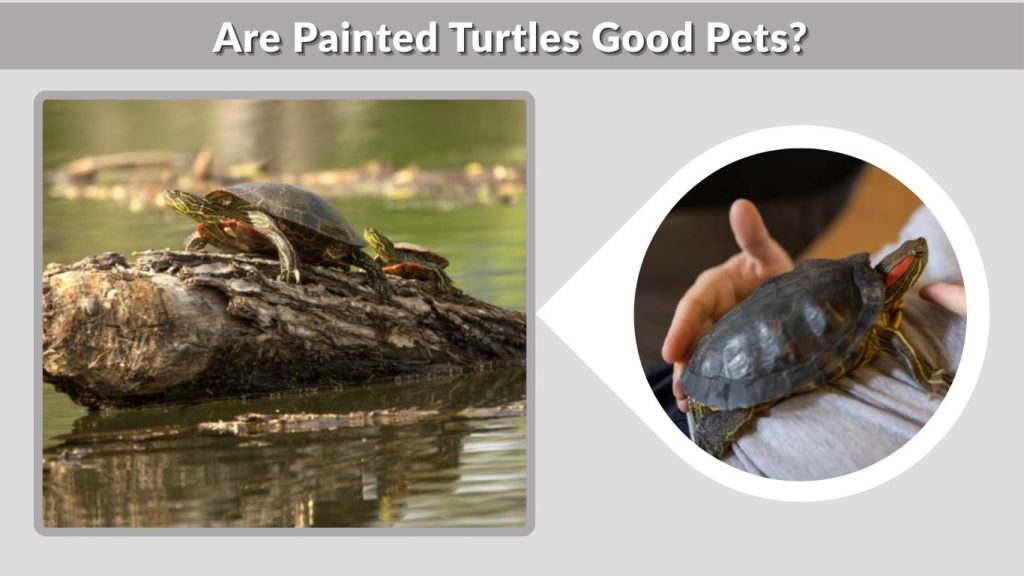
Painted turtles can make interesting pets, but they are not low-maintenance animals. Their long lifespan — often 30 years or more in captivity — means owners must be prepared for a decades-long commitment.
They require:
- A large, properly filtered tank
- UVB lighting
- Regular tank cleaning
- A balanced diet
- Routine health monitoring
Additionally, painted turtles are best observed rather than handled frequently. Excessive handling can cause stress.
In some states or regions, collecting wild painted turtles is restricted or illegal. Prospective owners should always check local wildlife regulations before acquiring one.
For individuals willing to invest time and resources, painted turtles can be rewarding to care for and observe.
FAQs
What do painted turtles eat in the wild?
Painted turtles eat a mix of plant and animal matter in the wild. Their diet includes aquatic plants, algae, insects, larvae, small fish, tadpoles, snails, and crustaceans. Younger turtles consume more protein, while adults gradually shift toward a more plant-based diet.
How big do painted turtles get?
Most painted turtles grow between 5 and 10 inches long, depending on the subspecies and sex. Western painted turtles tend to be the largest, while southern painted turtles are the smallest. Females are generally larger than males.
How long do painted turtles live in captivity?
With proper care, painted turtles can live 30 years or longer in captivity. Clean water, UVB lighting, a balanced diet, and regular monitoring significantly increase their lifespan compared to wild individuals.
Do painted turtles bite?
Painted turtles are generally not aggressive, but they may bite if they feel threatened or are handled improperly. Bites are usually defensive rather than aggressive. It’s best to minimize handling and allow them to feel secure in their environment.
When do painted turtles lay eggs?
Painted turtles typically lay eggs from late spring to early summer. Females leave the water to dig nests in sandy or soft soil. After laying their eggs, they cover the nest and return to the water without guarding it.
Conclusion
The painted turtle is a resilient and colorful freshwater species found throughout North America. From its adaptable habitat preferences and omnivorous diet to its impressive lifespan and cold-weather survival skills, this turtle is both fascinating and ecologically important. Whether comparing the painted turtle vs red-eared slider or considering one as a pet, understanding their needs is essential. With proper care and conservation awareness, painted turtles can continue thriving for generations to come.