




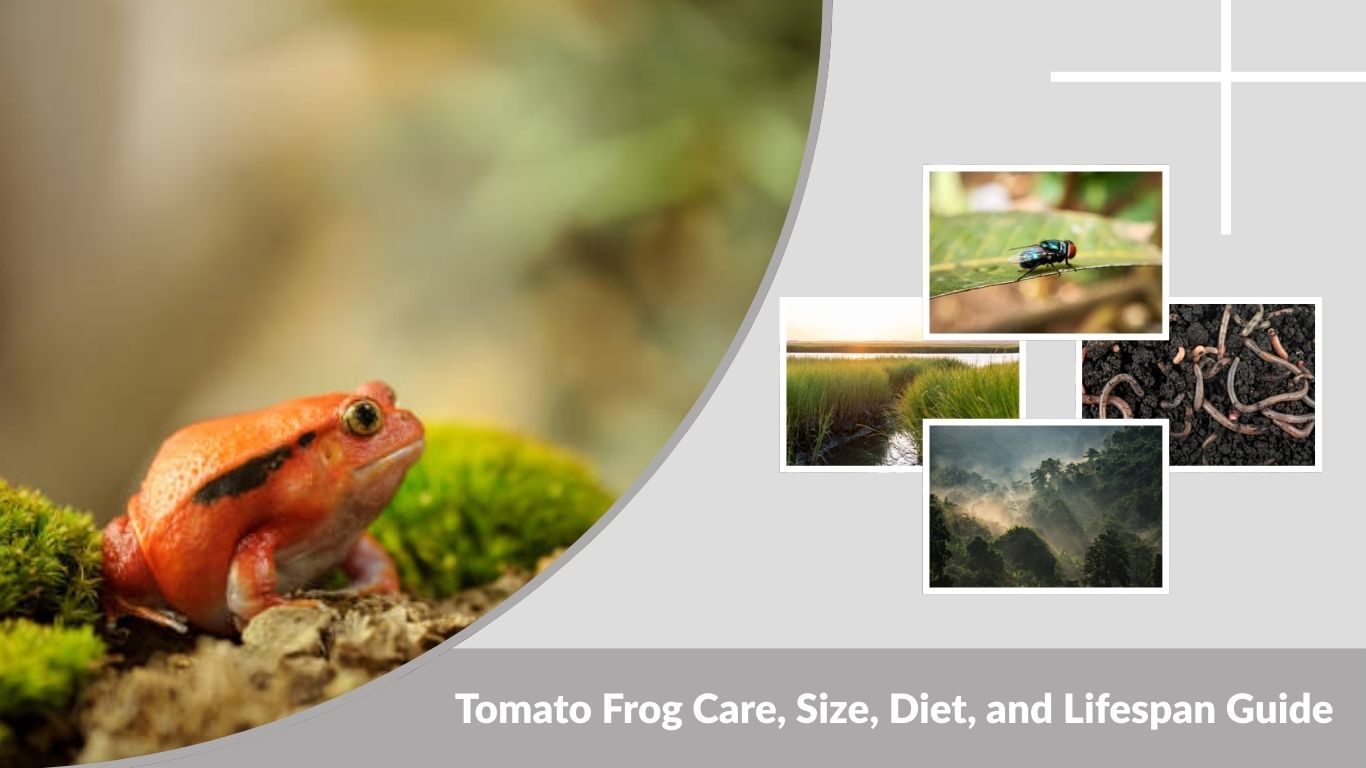
The tomato frog is one of the most eye-catching amphibians in the world thanks to its bright red-orange color and round body shape. Native to Madagascar, this unique species has become popular among reptile and amphibian enthusiasts. Many people wonder: what is a tomato frog, are tomato frogs poisonous, and are they good pets? In this guide, you’ll learn everything about tomato frog care, habitat, size, diet, lifespan, and important facts before considering one as a pet.
What Is a Tomato Frog?
So, what is a tomato frog exactly?
The tomato frog is a ground-dwelling amphibian known for its vibrant red coloration and defensive abilities. Its bright color serves as a warning to predators. When threatened, it inflates its body and secretes a sticky white substance to deter attackers.
The tomato frog scientific name is Dyscophus antongilii. It belongs to the Microhylidae family, commonly known as narrow-mouthed frogs. There are actually three recognized species in the Dyscophus genus, but Dyscophus antongilii is the most commonly referenced “true” tomato frog.
These frogs are mostly terrestrial, meaning they spend most of their time on land rather than in water. They are also nocturnal, becoming active at night when they hunt for food.
Tomato Frog Scientific Name and Classification
The scientific name of the tomato frog is Dyscophus antongilii. It belongs to:
- Order: Anura
- Family: Microhylidae
- Genus: Dyscophus
There is also a species known as the false tomato frog (Dyscophus guineti). Many people search for “false tomato frog vs tomato frog” because the two look similar. While they share similar care requirements, the false tomato frog is typically darker in color and slightly smaller.
Understanding the species is important, especially for proper identification when purchasing a tomato frog pet.
Tomato Frog Habitat – Where Does the Tomato Frog Live?
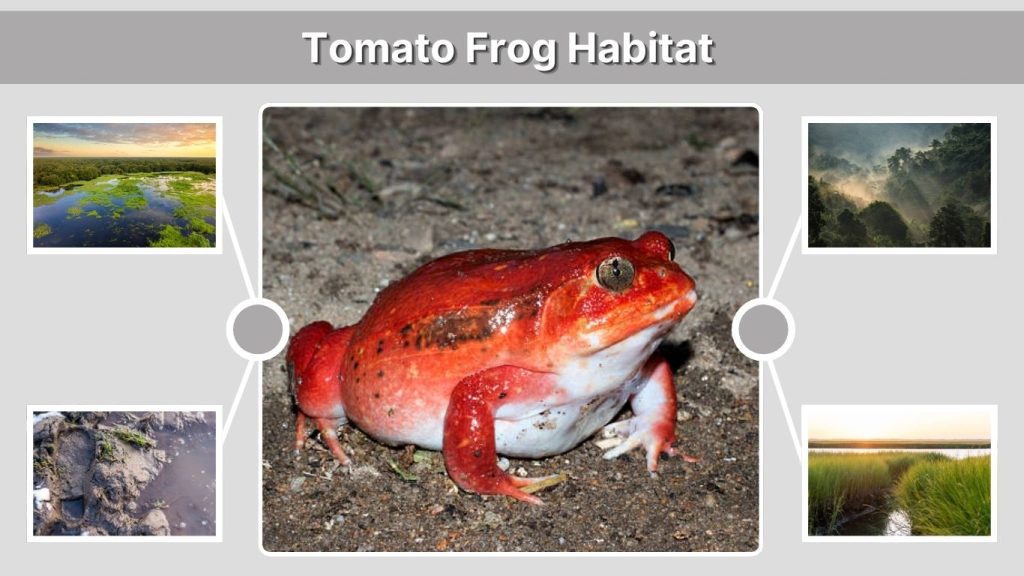
If you’re wondering where does the tomato frog live, the answer is northeastern Madagascar. These frogs are native to coastal rainforest regions and swampy lowlands.
The natural tomato frog habitat includes:
- Rainforests
- Marshes
- Swamps
- Areas with soft, moist soil
They prefer humid environments where they can burrow into loose soil. In the wild, tomato frogs spend much of their time partially buried, waiting for prey.
Tomato frogs are nocturnal, meaning they are most active at night. During the day, they often hide under leaf litter or underground to avoid predators and conserve moisture.
Because Madagascar has a warm, humid climate, captive environments must replicate these conditions for proper tomato frog care.
Tomato Frog Size – How Big Do Tomato Frogs Get?
One of the most common questions is: how big do tomato frogs get?
Tomato frog size varies between males and females. This species shows noticeable sexual dimorphism, meaning males and females differ in size.
- Female tomato frog: 3 to 4 inches long
- Male tomato frog: 2 to 2.5 inches long
Females are significantly larger and rounder than males. Their bright red coloration is also typically more vibrant. Males are smaller, leaner, and sometimes more orange-brown in appearance.
When comparing male tomato frog vs female tomato frog, size is the easiest distinguishing factor. If you are purchasing a pet, sellers can often help identify the sex based on size and body shape.
Despite their round appearance, tomato frogs are not large amphibians. Their compact size makes them manageable in captivity.
Tomato Frog Lifespan
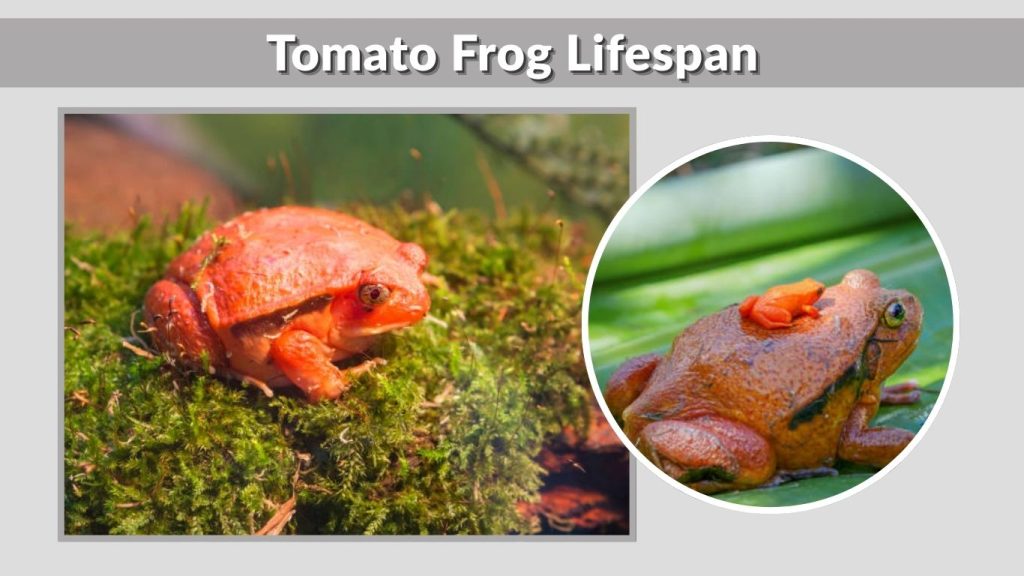
The tomato frog lifespan depends on whether the frog lives in the wild or captivity.
In the wild, tomato frogs typically live around 6 to 8 years. Their lifespan can be shortened by predators, habitat loss, and environmental challenges.
With proper tomato frog care in captivity, they can live up to 10 years, and sometimes longer. Factors that influence lifespan include:
- Proper humidity levels
- Correct temperature
- Balanced tomato frog diet
- Clean terrarium conditions
- Minimal stress
Providing the right habitat and nutrition significantly improves longevity.
Are Tomato Frogs Poisonous?
A common concern is: are tomato frogs poisonous?
Tomato frogs are not deadly poisonous, but they do produce a mild toxin as a defense mechanism. When threatened, they secrete a sticky white substance from their skin known as tomato frog poison.
This secretion can:
- Irritate a predator’s mouth
- Cause mild skin irritation
- Trigger allergic reactions in sensitive individuals
So, are tomato frogs poisonous to humans? Not in a dangerous way. Their toxin is not lethal to humans, but it can cause mild irritation if it contacts skin or eyes. Washing hands after handling is strongly recommended.
Because of this defense system, tomato frogs are best viewed rather than frequently handled. Excessive handling can stress them and cause unnecessary toxin release.
What Do Tomato Frogs Eat? (Diet Guide)

If you’re asking, what do tomato frogs eat, the answer is simple: they are carnivorous insectivores.
In the wild, a tomato frog diet consists mainly of:
- Insects
- Small invertebrates
- Worms
- Beetles
- Ants
They are ambush predators. Instead of actively chasing prey, they sit partially buried in soil and wait for insects to pass by.
In captivity, what does a tomato frog eat?
Common food options include:
- Crickets
- Dubia roaches
- Mealworms (occasionally)
- Waxworms (as treats)
- Earthworms
Adult tomato frogs should be fed 2–3 times per week, while juveniles may need feeding every other day. Food should always be appropriately sized — no larger than the space between the frog’s eyes.
To maintain proper health and extend tomato frog lifespan, insects should be dusted with:
- Calcium supplement (2–3 times per week)
- Multivitamin supplement (once weekly)
Overfeeding can lead to obesity, which is common in captive tomato frog pets due to their naturally round body shape.
Tomato Frog Care Guide
Proper tomato frog care is essential if you plan to keep one as a pet. These frogs are relatively low-maintenance compared to many reptiles, but they still require specific environmental conditions.
Are Tomato Frogs Good Pets?
Many beginners wonder: are tomato frogs good pets?
Yes, they can be excellent pets for the right owner. However, they are best suited for people who prefer observing rather than handling.
Pros:
- Bright, attractive appearance
- Relatively simple care requirements
- Quiet and low-activity
- Long lifespan in captivity
Cons:
- Do not enjoy handling
- Produce defensive toxin when stressed
- Nocturnal (most active at night)
A tomato frog pet is ideal for someone who wants a visually striking amphibian without complex care needs.
Tomato Frog Terrarium Setup

A proper tomato frog terrarium should replicate their natural habitat as closely as possible.
Tank Size
- Minimum 10-gallon tank for one frog
- 20-gallon recommended for extra space
Substrate
- Coconut fiber
- Organic topsoil (fertilizer-free)
- Moist sphagnum moss
The substrate should be deep enough (2–3 inches) for burrowing.
Hiding Spots
- Cork bark
- Leaf litter
- Artificial plants
- Half logs
Water Dish
Provide a shallow water dish with dechlorinated water. Tomato frogs may soak but are not strong swimmers.
Live plants can help maintain humidity, though artificial plants also work well.
Tomato Frog Humidity and Temperature Requirements
Maintaining proper tomato frog humidity is critical.
Humidity Level
- Ideal range: 70–80%
You can maintain this by:
- Daily misting
- Moist substrate
- Using a hygrometer to monitor levels
Temperature Range
- Daytime: 70–78°F (21–25°C)
- Night: Slight drop is acceptable
Avoid high heat. Tomato frogs do not require strong basking lights. In most homes, room temperature is sufficient.
Consistent humidity and moderate temperature are key components of successful tomato frog care.
How to Take Care of a Tomato Frog (Step-by-Step)
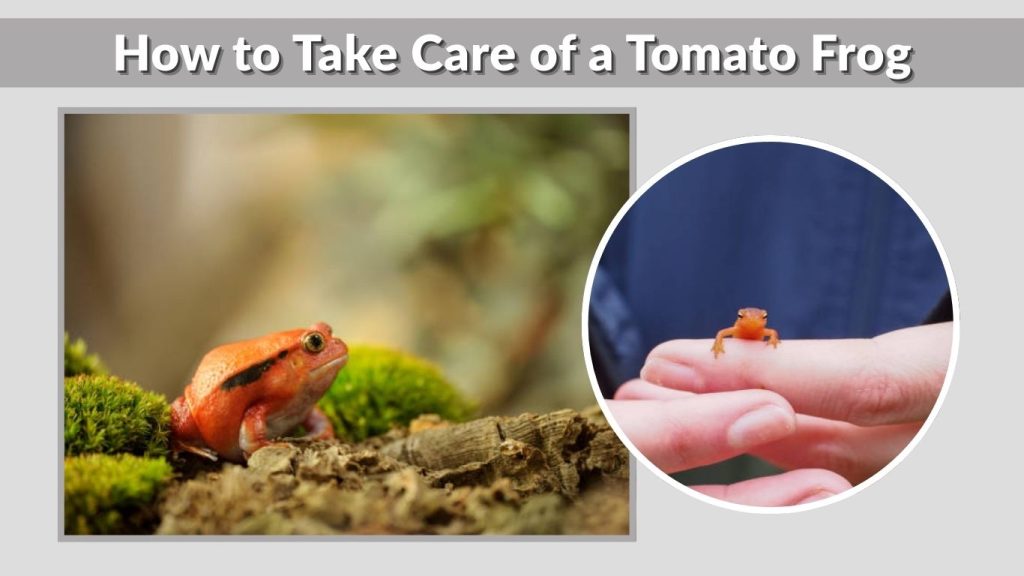
If you’re wondering how to take care of a tomato frog, here’s a simple routine:
Daily Care
- Check temperature and humidity
- Mist enclosure if needed
- Remove uneaten food
Weekly Maintenance
- Spot-clean waste
- Replace dirty substrate sections
- Clean water dish thoroughly
Monthly Maintenance
- Partial substrate replacement
- Disinfect enclosure surfaces safely
Health Monitoring
Watch for:
- Loss of appetite
- Lethargy
- Skin discoloration
- Difficulty shedding
Healthy tomato frogs are alert at night, maintain bright coloration, and eat consistently.
Minimize handling to reduce stress and avoid triggering tomato frog poison secretion.
Tomato Frog Facts (Fun & Unique Traits)
Here are some interesting facts about the tomato frog:
- They inflate their bodies when threatened to appear larger.
- Their bright red color acts as a warning to predators.
- They produce a sticky toxin that can glue a predator’s mouth shut temporarily.
- They are nocturnal hunters.
- They are skilled burrowers.
- Females are significantly larger than males.
These tomato frog facts make them one of the most fascinating amphibians in Madagascar.
False Tomato Frog vs Tomato Frog
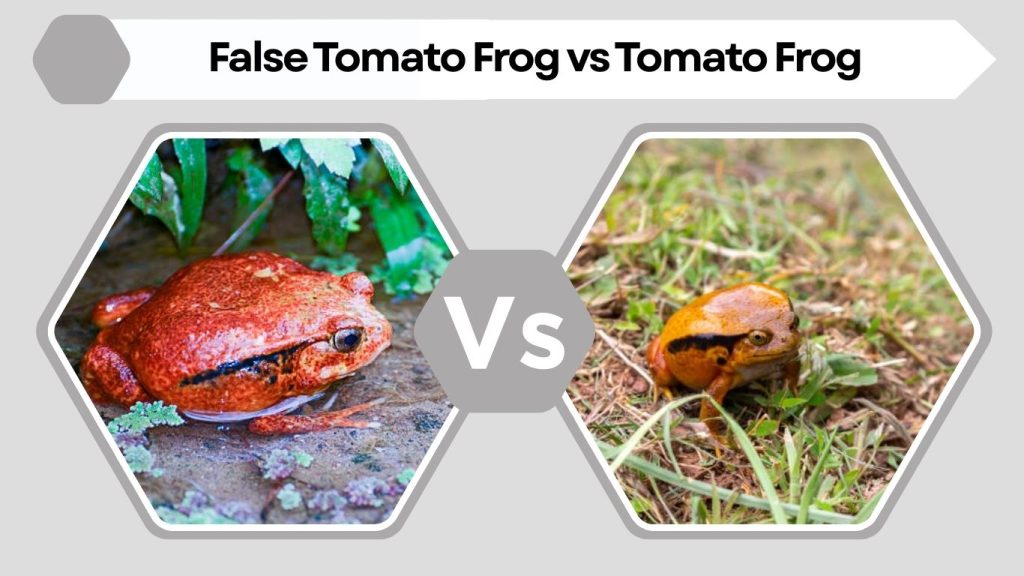
The false tomato frog vs tomato frog comparison is common among new owners.
True Tomato Frog (Dyscophus antongilii)
- Brighter red color
- Larger females
- More commonly referenced species
False Tomato Frog (Dyscophus guineti)
- Darker reddish-brown color
- Slightly smaller
- Similar care requirements
In terms of tomato frog care, both species require nearly identical setups. The difference is mostly visual and taxonomic.
Happy Frog Tomato and Vegetable – Is It Related?
Some people searching for “happy frog tomato and vegetable” may think it relates to the animal.
However, this is actually a brand of gardening soil made by FoxFarm. It has nothing to do with the tomato frog species.
The similarity in name is purely coincidental.