




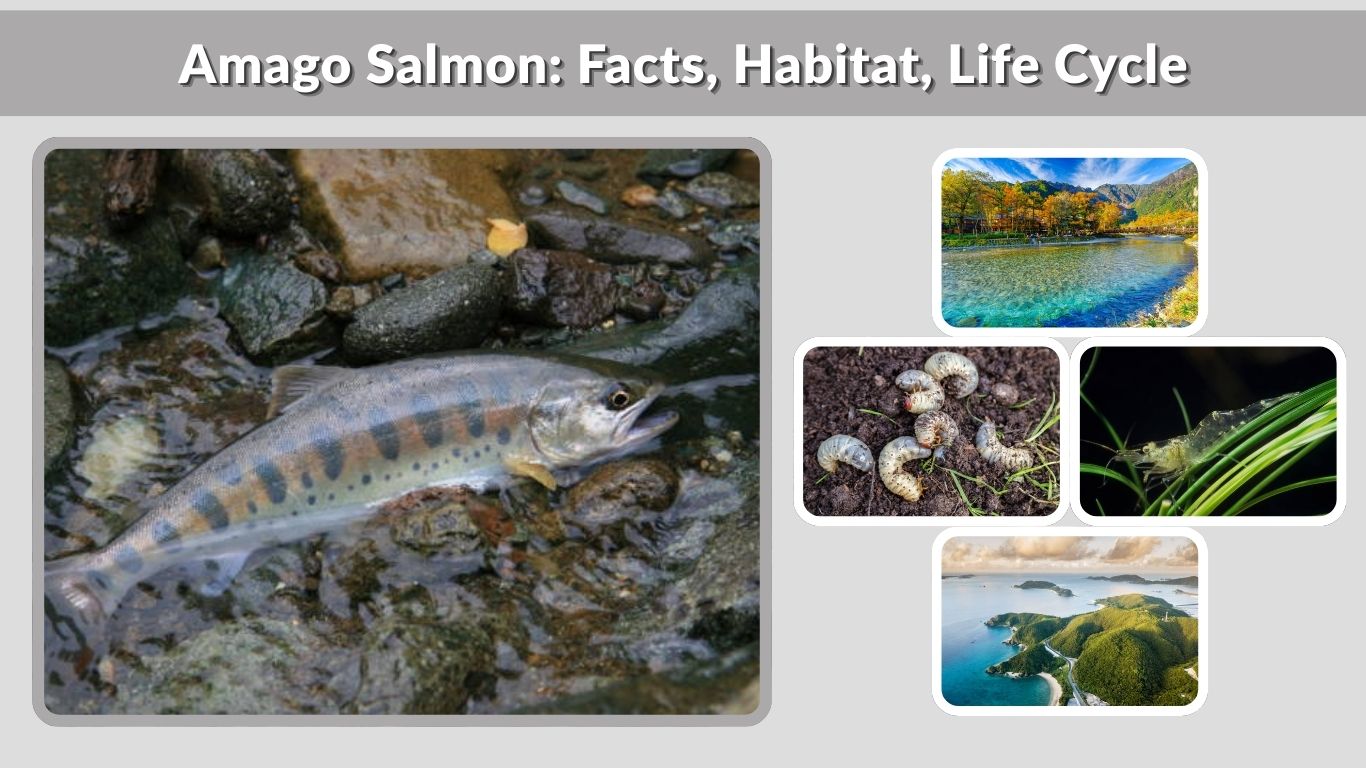
Amago salmon is a fascinating freshwater fish known for its beautiful markings and cultural importance in Japan. Scientifically called Oncorhynchus masou ishikawae, Amago salmon is considered a subspecies of Masu salmon. It is commonly found in clear mountain streams and rivers, particularly in western Japan. This fish is admired for its distinctive red spots along the body and its delicate flavor, making it popular in traditional Japanese cuisine. In addition to its culinary value, Amago salmon is also an important species for recreational fishing and local fisheries.
What Is Amago Salmon?
Amago salmon is a subspecies of the Masu salmon that belongs to the genus Oncorhynchus, the same group that includes several Pacific salmon species. It is primarily a freshwater fish and is well known for inhabiting cool mountain streams.
Unlike many other salmon species that spend a large part of their lives in the ocean, Amago salmon are often freshwater residents. Some populations may migrate to the sea, but many remain in rivers throughout their entire life cycle.
Amago salmon are native to Japan, especially in regions such as Honshu, Shikoku, and Kyushu. They thrive in clean, cold rivers with strong water flow and rocky riverbeds.
This species is closely related to cherry salmon (Masu salmon), but it can be identified by its distinct orange or red spots along the sides of its body. Because of these unique markings, Amago salmon are easily recognized among freshwater fish species in Japan.
In addition to their ecological importance, Amago salmon are highly valued for sport fishing and traditional Japanese cuisine.
Physical Characteristics of Amago Salmon
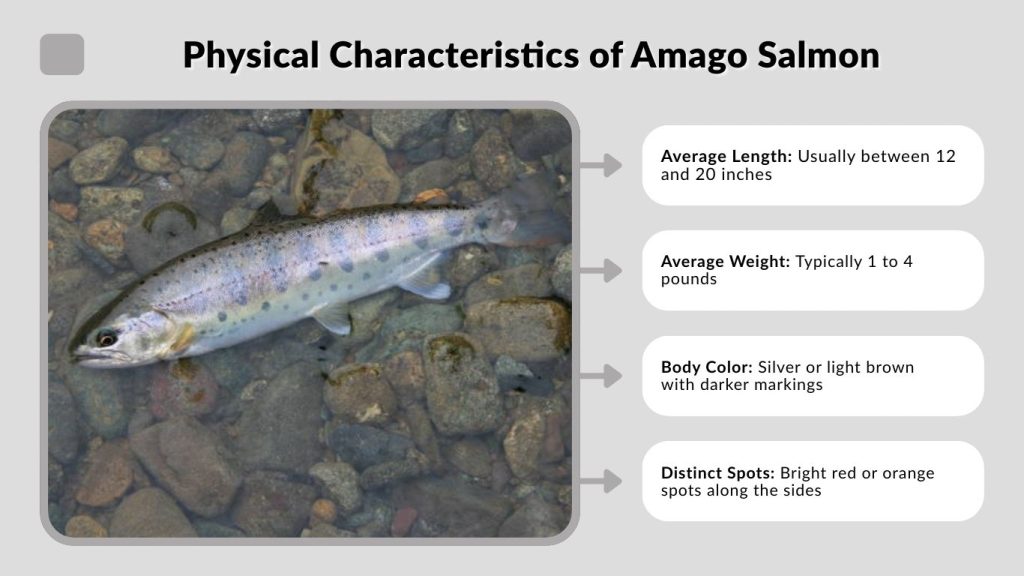
Amago salmon have several distinctive physical features that make them easy to identify. Their streamlined body helps them swim efficiently in fast-moving mountain streams and rivers.
One of the most noticeable features of Amago salmon is the presence of bright red or orange spots along their sides. These spots are one of the key traits that distinguish them from other salmon and trout species.
Like many salmon species, their appearance can change slightly depending on age and environment. Younger fish often have more visible markings, while adult fish develop a smoother and more silvery body.
Some key physical characteristics of Amago salmon include:
- Average Length: Usually between 12 and 20 inches
- Average Weight: Typically 1 to 4 pounds
- Body Color: Silver or light brown with darker markings
- Distinct Spots: Bright red or orange spots along the sides
- Body Shape: Slender and streamlined for strong swimming
- Fins: Well-developed fins that help them navigate fast-flowing water
These features allow Amago salmon to survive in the challenging environments of mountain rivers and streams.
Habitat and Distribution
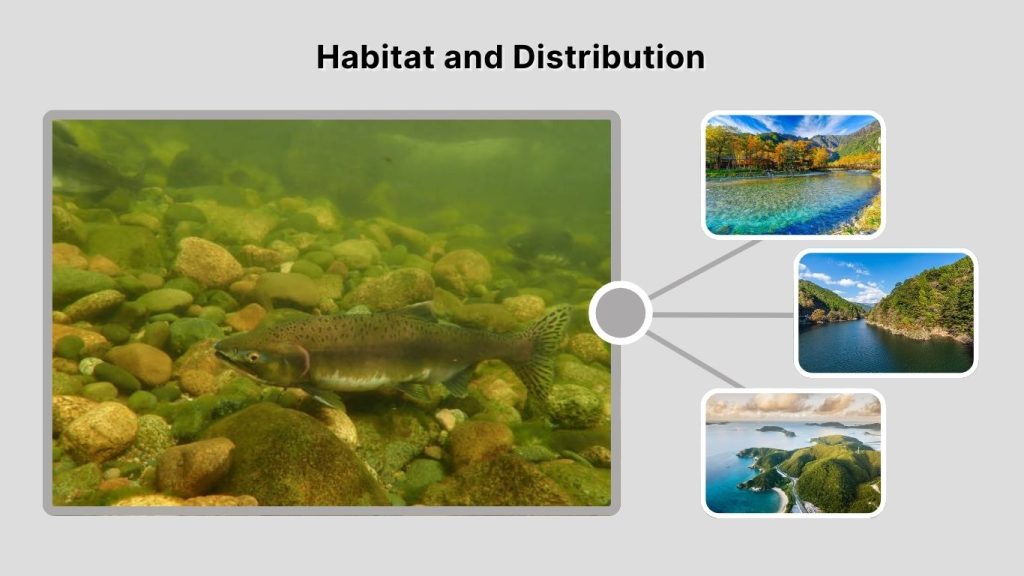
Amago salmon are mainly found in Japan, particularly in the western regions of the country. Their natural range includes rivers and streams across Honshu, Shikoku, and Kyushu.
They prefer cold, clear freshwater environments with strong currents. Mountain streams with rocky bottoms and well-oxygenated water provide the ideal habitat for this species.
Because Amago salmon are sensitive to environmental changes, they depend heavily on clean and healthy river ecosystems. Pollution, habitat destruction, and changes in water temperature can negatively affect their populations.
In some areas, Amago salmon are also introduced into additional rivers for recreational fishing and conservation programs.
These fish are well adapted to freshwater environments and are often found in upper river systems and mountain regions, where water temperatures remain cool throughout the year.
Life Cycle of Amago Salmon
The life cycle of Amago salmon begins in freshwater rivers where adult fish spawn. Like other salmon species, they reproduce by laying eggs in gravel beds along river bottoms.
Female Amago salmon create small nests called redds by digging into the gravel with their tails. They deposit their eggs in these nests, and the eggs are fertilized by males.
After several weeks, the eggs hatch into tiny fish called alevins. These young fish remain hidden in the gravel while feeding on nutrients from their yolk sacs.
As they grow, they emerge from the gravel as fry and begin swimming freely in the river. At this stage, they start feeding on small aquatic insects and other tiny organisms found in freshwater streams.
Most Amago salmon spend their entire lives in freshwater rivers. However, some populations may migrate to the sea for a period of time before returning to rivers to spawn.
This flexible life cycle allows Amago salmon to adapt to different environments within their natural range.
Diet and Feeding Habits
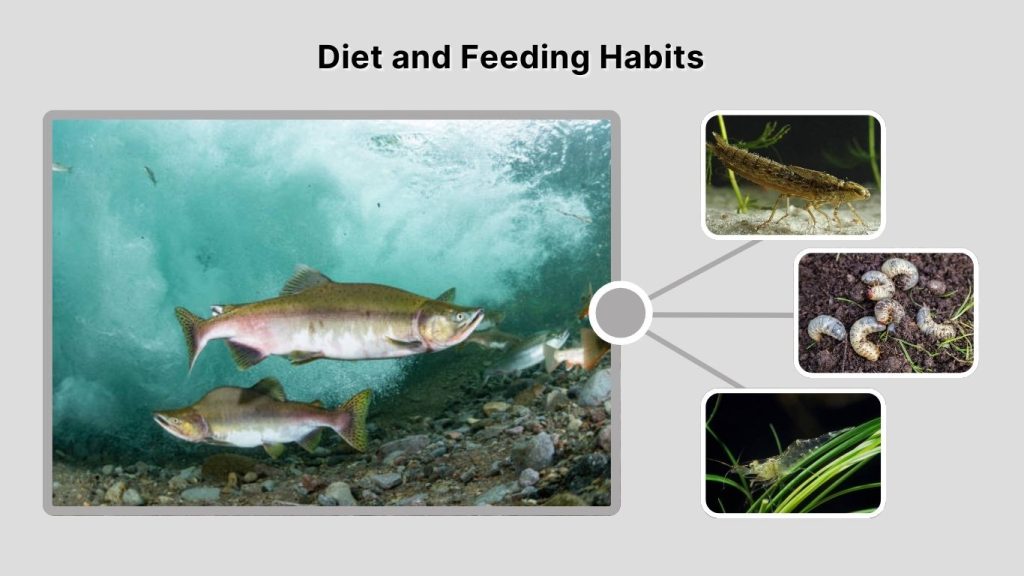
Amago salmon are active predators that feed mainly on small aquatic organisms found in freshwater rivers and streams. Their diet plays an important role in supporting their growth and energy needs.
Juvenile Amago salmon primarily eat aquatic insects, insect larvae, and small crustaceans. These food sources are abundant in mountain streams and provide the nutrients young fish need to grow.
As they grow larger, their diet may expand to include small fish, worms, and other aquatic invertebrates. They usually hunt by waiting in flowing water and quickly capturing prey that drifts by in the current.
Amago salmon are also an important part of the freshwater ecosystem. While they feed on smaller organisms, they are also prey for larger fish, birds, and mammals, helping maintain balance within river habitats.
Nutritional Value of Amago Salmon
Amago salmon is considered a nutritious and healthy fish. Like many salmon species, it provides several important nutrients that support overall health.
One of the key nutritional benefits of Amago salmon is its high protein content, which helps build and repair body tissues. Protein is also essential for maintaining muscle strength and supporting daily body functions.
Amago salmon is also rich in omega-3 fatty acids, which are known for their benefits to heart health and brain function. These healthy fats can help reduce inflammation and support cardiovascular health.
In addition, Amago salmon contains several important vitamins and minerals, including:
- Vitamin B12
- Vitamin D
- Selenium
- Potassium
These nutrients help support immune health, maintain strong bones, and contribute to overall well-being.
Because of its balanced nutritional profile, Amago salmon is often included in healthy seafood diets.
Taste and Culinary Uses
Amago salmon is appreciated for its mild flavor and tender texture, making it a popular fish in Japanese cuisine. Its delicate taste allows it to be prepared using a variety of cooking methods.
One of the most traditional ways to prepare Amago salmon in Japan is grilling the whole fish with salt, a cooking style often seen in regional restaurants and outdoor food stalls.
Other common cooking methods include:
- Grilling
- Pan-frying
- Roasting
- Smoking
In some areas, Amago salmon is also served as sashimi or used in specialty dishes that highlight its fresh and natural flavor.
Because of its appealing taste and soft texture, Amago salmon is valued in both traditional and modern seafood recipes.
Amago Salmon vs Other Salmon Species
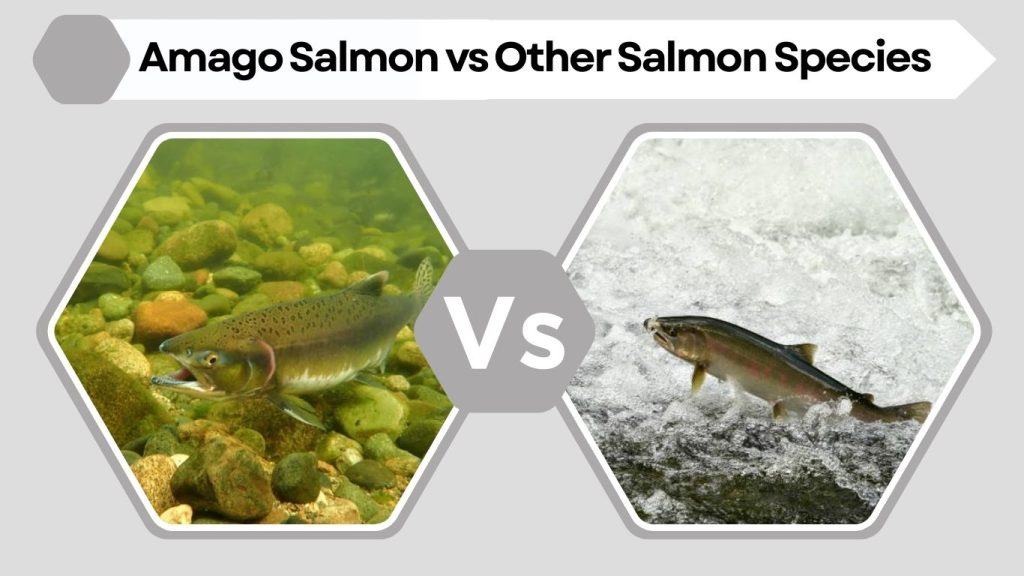
Amago salmon shares similarities with several other salmon species, but it also has unique characteristics.
For example, Masu salmon is the closest relative of Amago salmon, as Amago is considered a subspecies of Masu salmon. Both species are found in Japan and have similar life cycles.
However, Amago salmon can be easily recognized by its distinct orange or red spots along the body, which are less noticeable in Masu salmon.
Compared to larger Pacific salmon species such as chum or sockeye salmon, Amago salmon is generally smaller and spends most of its life in freshwater environments.
These differences in size, habitat, and appearance help distinguish Amago salmon from other salmon species.
Fishing and Aquaculture
Amago salmon is a popular fish for recreational fishing in Japan. Many anglers enjoy fishing for this species in mountain rivers and streams because of its active behavior and beautiful appearance.
Local governments and fishing organizations often manage rivers carefully to maintain healthy populations. Some rivers also use hatchery programs to support Amago salmon populations and promote sustainable fishing.
In addition to recreational fishing, Amago salmon is sometimes raised through aquaculture. Fish farming helps supply restaurants and local markets while reducing pressure on wild fish populations.
Because of its popularity among anglers and consumers, Amago salmon contributes to local tourism and regional seafood markets.
Conservation and Sustainability
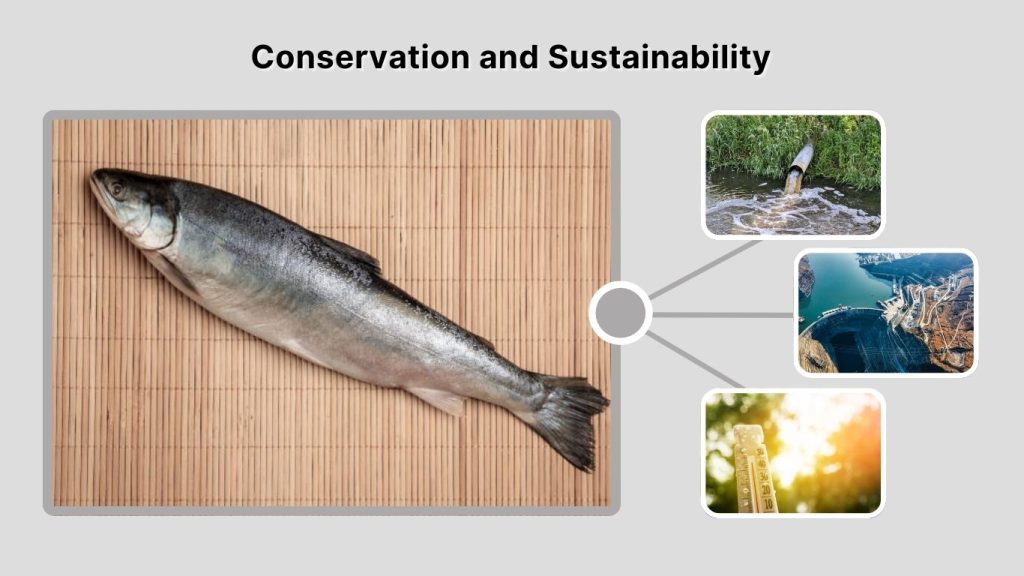
Although Amago salmon populations are still present in many rivers in Japan, they face several environmental challenges.
Factors such as water pollution, habitat destruction, dam construction, and climate change can affect river ecosystems and reduce suitable spawning areas for salmon.
Protecting freshwater habitats is essential for maintaining healthy Amago salmon populations. Conservation efforts often focus on improving river water quality, restoring habitats, and managing fishing activities.
Sustainable fishing practices and habitat protection programs help ensure that Amago salmon can continue to thrive in their natural environments.
Interesting Facts About Amago Salmon
Amago salmon have several interesting features that make them unique among freshwater fish.
One of the most distinctive traits is the bright red or orange spots along their sides, which make them easy to identify.
Amago salmon are also closely connected to Japanese culture and traditional fishing practices, especially in mountain regions.
Another interesting fact is that many Amago salmon spend their entire lives in freshwater rivers rather than migrating to the ocean like many other salmon species.
These unique characteristics make Amago salmon an important and fascinating species in Japan’s freshwater ecosystems.
FAQs
What is Amago salmon?
Amago salmon is a freshwater subspecies of Masu salmon scientifically known as Oncorhynchus masou ishikawae. It is native to Japan and is known for its distinctive red or orange spots along the sides of its body.
Where is Amago salmon found?
Amago salmon is mainly found in Japan, particularly in mountain rivers and streams in regions such as Honshu, Shikoku, and Kyushu. These fish prefer cold, clear freshwater habitats.
Is Amago salmon good to eat?
Yes, Amago salmon is considered very good to eat. It has a mild flavor and tender texture, making it popular in traditional Japanese dishes such as grilled fish and sashimi.
How is Amago salmon different from Masu salmon?
Amago salmon is a subspecies of Masu salmon but is usually identified by its bright red or orange spots along the sides of the body. It also tends to live primarily in freshwater rivers.
What does Amago salmon taste like?
Amago salmon has a mild, slightly sweet flavor with a tender texture. Its delicate taste makes it suitable for grilling, roasting, and other simple cooking methods.