



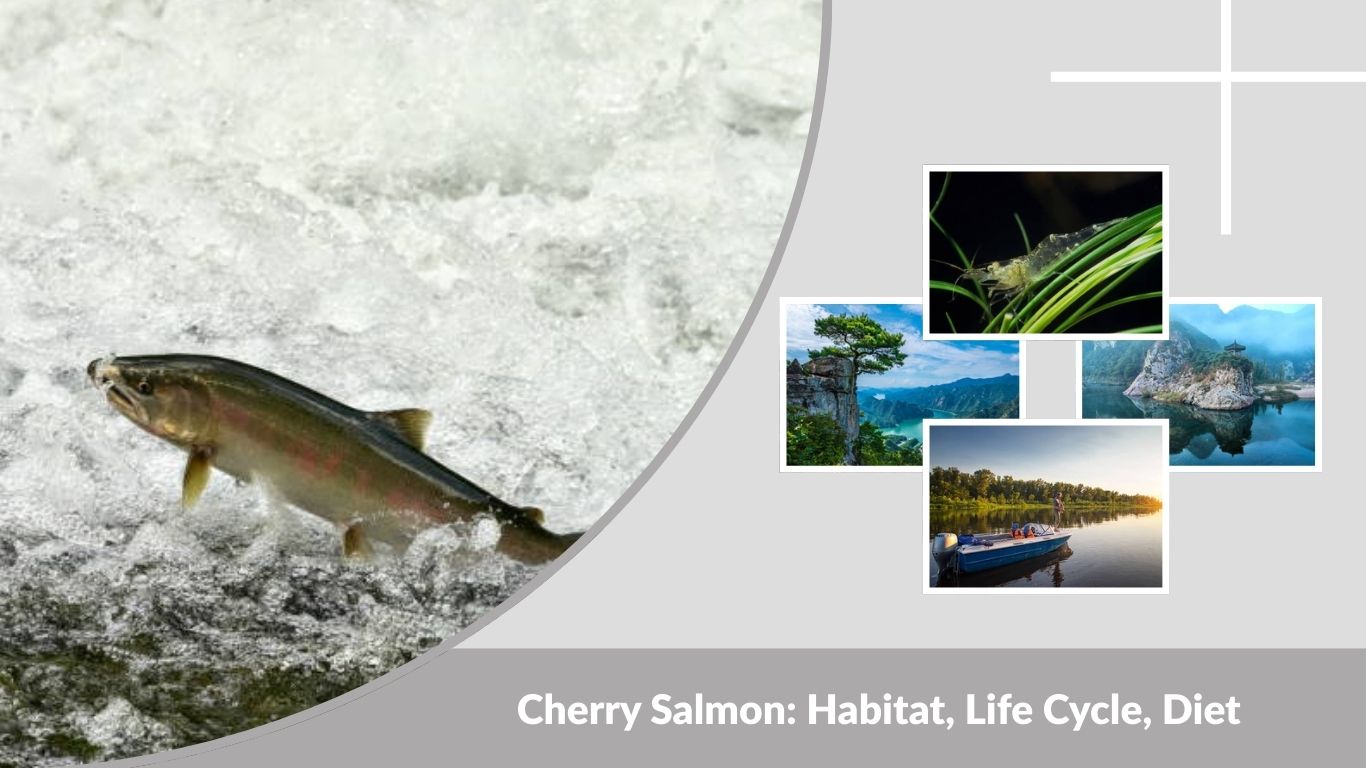
Cherry salmon is a fascinating species of Pacific salmon known for its beautiful coloration and importance in East Asian ecosystems. Scientifically called Oncorhynchus masou, this fish is widely recognized in countries such as Japan, Korea, and Russia. The name “cherry salmon” comes from the bright pink or reddish color that the fish develops during the spawning season, which resembles cherry blossoms. Cherry salmon plays an important role in local fisheries, freshwater ecosystems, and traditional cuisine. Its unique life cycle and cultural significance make it one of the most interesting salmon species in the Pacific region.
What Is Cherry Salmon?
Cherry salmon is a species of Pacific salmon belonging to the genus Oncorhynchus. This group includes several well-known salmon species, such as chum, sockeye, and coho salmon. Cherry salmon is closely related to Masu salmon and is sometimes referred to as Masu salmon or Sakura masu in Japan.
The species is mainly found in East Asia, particularly in Japan, Korea, and parts of Russia. Cherry salmon are known for their ability to live in both freshwater and saltwater environments.
Unlike some salmon species that spend several years in freshwater before migrating, cherry salmon usually migrate to the ocean after their early development in rivers. They spend part of their lives in coastal marine waters before returning to freshwater rivers to reproduce.
One interesting characteristic of cherry salmon is that some populations remain entirely in freshwater while others migrate to the ocean. This flexibility in their life cycle makes them slightly different from many other Pacific salmon species.
Cherry salmon are also valued for their flavorful meat and cultural importance, especially in Japanese cuisine and seasonal traditions.
Physical Characteristics of Cherry Salmon
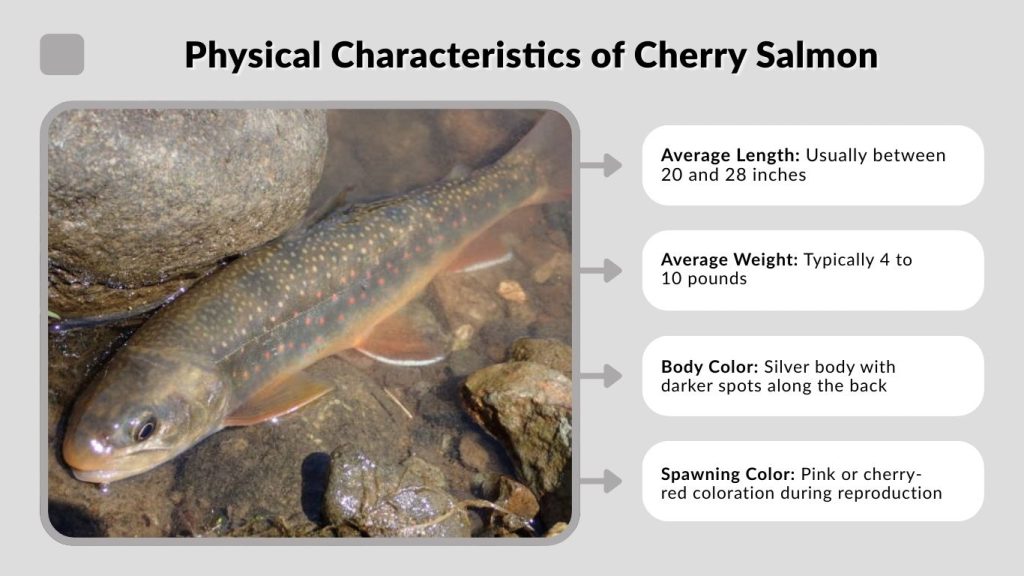
Cherry salmon have several distinctive physical features that help identify them among other salmon species. Their body shape and coloration change depending on their life stage and environment.
While living in the ocean, cherry salmon typically have a bright silver body with dark spots on their back and upper sides. This coloration helps them blend into the ocean environment and avoid predators.
During the spawning season, their appearance changes dramatically. Adult fish develop pink or reddish tones along their sides, which gives them the name “cherry salmon.”
Some key physical characteristics of cherry salmon include:
- Average Length: Usually between 20 and 28 inches
- Average Weight: Typically 4 to 10 pounds
- Body Color: Silver body with darker spots along the back
- Spawning Color: Pink or cherry-red coloration during reproduction
- Body Shape: Streamlined body designed for swimming and migration
- Spots: Small dark spots on the back and dorsal fin
These physical features help cherry salmon survive in both freshwater rivers and coastal marine environments.
Habitat and Distribution
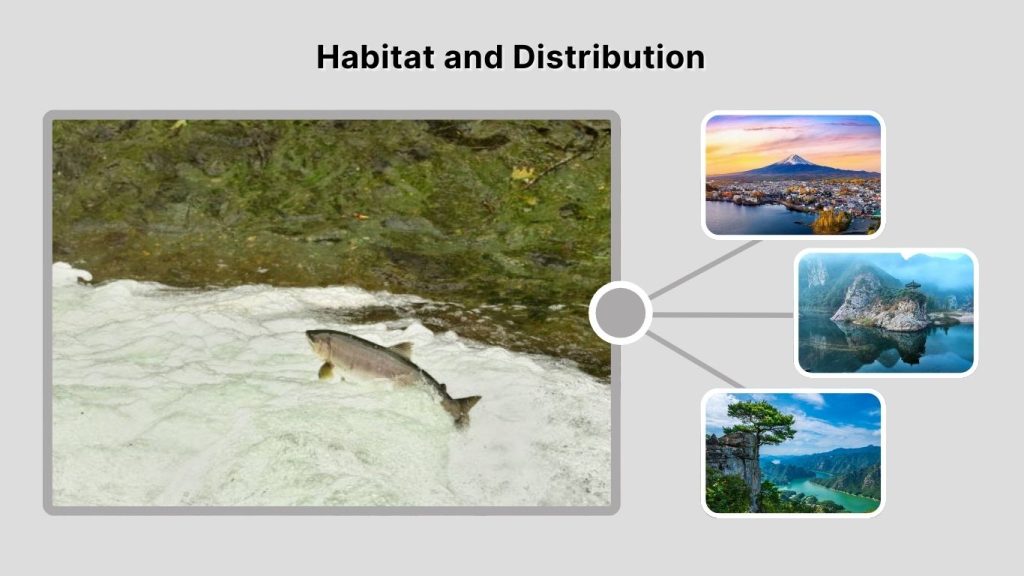
Cherry salmon are mainly found in East Asian regions, including Japan, South Korea, and parts of Russia. They inhabit rivers that flow into the North Pacific Ocean and the Sea of Japan.
The species depends on both freshwater and marine environments throughout its life cycle. Eggs are laid in freshwater rivers and streams, where the young fish hatch and begin their early development.
After growing for some time in freshwater, many cherry salmon migrate to the ocean where they continue to grow and feed. Coastal marine waters provide abundant food resources that support their development into adult fish.
When they reach maturity, cherry salmon return to the same rivers where they were born in order to spawn. This ability to locate their birthplace is a remarkable trait shared by many salmon species.
Cherry salmon prefer cold, clean rivers with gravel riverbeds, which provide ideal conditions for egg development and juvenile growth.
Life Cycle of Cherry Salmon
The life cycle of cherry salmon begins in freshwater rivers where adult fish return to reproduce. Female salmon create small nests in gravel riverbeds called redds, where they lay thousands of eggs.
Male fish then fertilize the eggs, which remain protected within the gravel until they hatch.
After several weeks or months, the eggs hatch into tiny fish known as alevins. These young fish stay within the gravel while feeding on nutrients stored in their yolk sacs.
As they grow, the young fish emerge from the gravel and become fry, beginning to swim freely in the river and feed on small aquatic organisms.
Many cherry salmon migrate to the ocean after this early stage of development. In the ocean, they spend one to three years feeding and growing before reaching adulthood.
When they become mature, cherry salmon begin their long journey back to freshwater rivers to spawn, completing their life cycle.
Diet and Feeding Habits
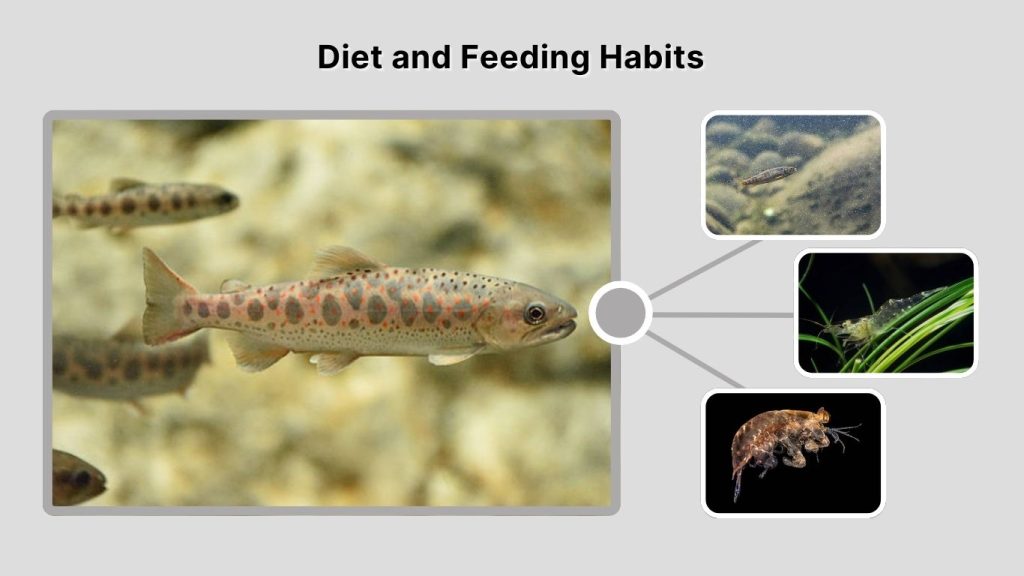
Cherry salmon have feeding habits that change throughout their life cycle. Their diet depends on whether they are living in freshwater rivers or in the ocean.
When cherry salmon are young and living in rivers, they mainly feed on aquatic insects, insect larvae, and small crustaceans. These small organisms provide the nutrients needed for early growth and development.
After migrating to the ocean, their diet becomes more diverse. Adult cherry salmon commonly eat small fish, shrimp, plankton, and marine invertebrates. These food sources help them build energy reserves for their long migration back to freshwater rivers.
Cherry salmon also play an important role in aquatic ecosystems. While they hunt smaller organisms, they are also prey for larger fish, birds, and marine mammals, making them an important part of the food chain.
Nutritional Value of Cherry Salmon
Cherry salmon is considered a nutritious seafood choice. Like many other salmon species, it provides several important nutrients that support overall health.
One of the key nutrients found in cherry salmon is high-quality protein, which helps build and repair body tissues. Protein also supports muscle growth and normal body functions.
Cherry salmon is also rich in omega-3 fatty acids, which are known to support heart health and brain function. These healthy fats may help reduce inflammation and promote cardiovascular wellness.
In addition, cherry salmon contains several essential vitamins and minerals, including:
- Vitamin B12
- Vitamin D
- Selenium
- Potassium
These nutrients help support immune health, strengthen bones, and maintain healthy metabolism.
Because of its nutritional value, cherry salmon is often included in balanced diets and healthy seafood meal plans.
Taste and Culinary Uses
Cherry salmon is known for its mild and slightly sweet flavor. Its meat has a tender texture that makes it suitable for many different cooking styles.
In Japan, cherry salmon is considered a premium seasonal fish and is often associated with springtime when cherry blossoms bloom. The fish is commonly used in traditional dishes that highlight its natural flavor.
Popular cooking methods include:
- Grilling
- Baking
- Pan-searing
- Smoking
Cherry salmon is also sometimes served as sushi or sashimi, especially when the fish is fresh.
Because of its delicate taste and versatility, cherry salmon is enjoyed in both traditional and modern seafood recipes.
Cherry Salmon vs Other Salmon Species
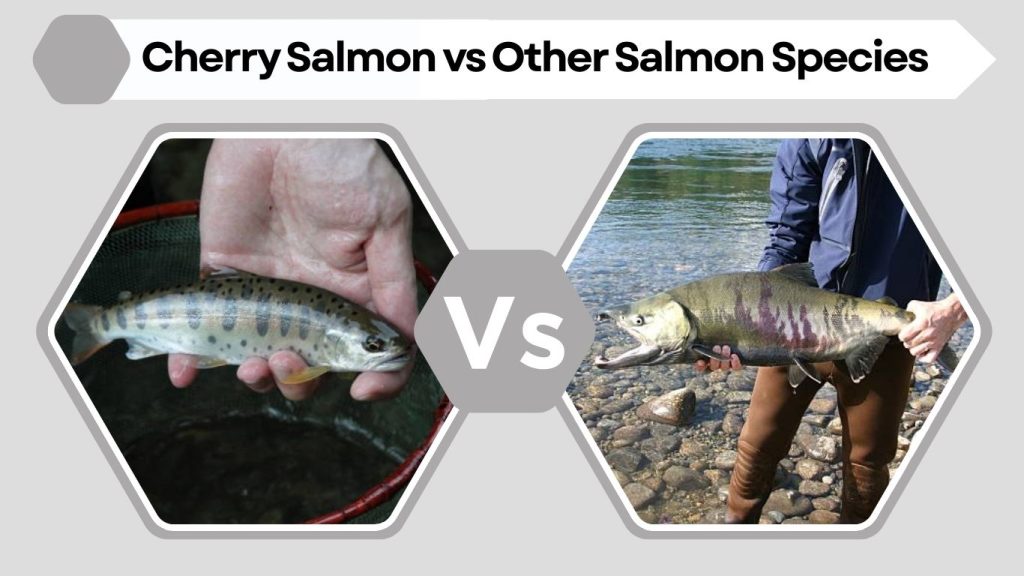
Cherry salmon differs from many other salmon species in several ways, including its habitat, flavor, and life cycle.
For example, chum salmon is widely distributed across the Pacific Ocean and is generally larger. Cherry salmon, on the other hand, is mainly found in East Asia.
Compared to sockeye salmon, which has deep red flesh and a stronger flavor, cherry salmon has a milder taste and lighter color.
Another unique characteristic is that some cherry salmon populations remain entirely in freshwater, while others migrate to the ocean before returning to rivers to spawn.
These differences make cherry salmon a distinctive member of the Pacific salmon family.
Fishing and Aquaculture
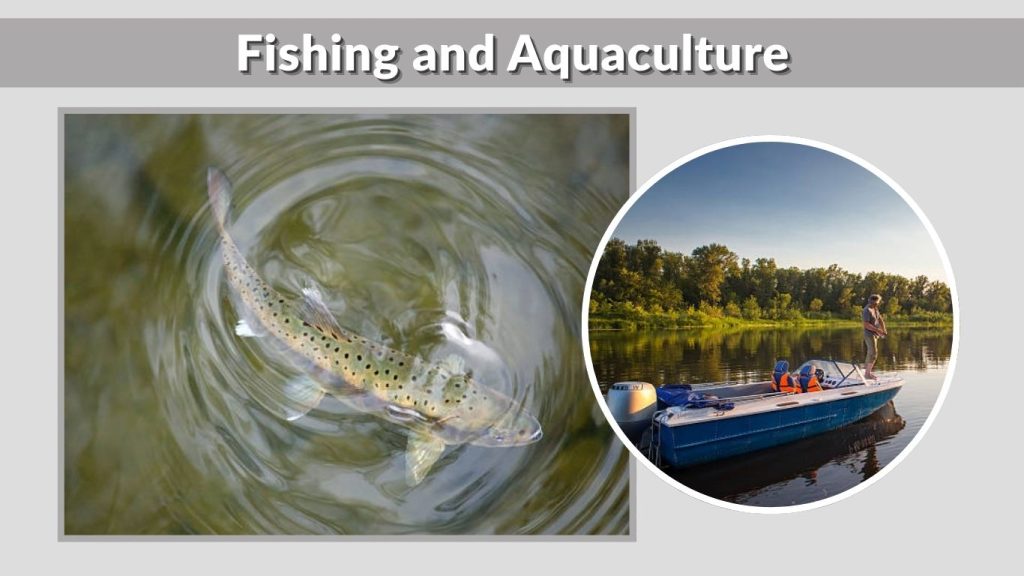
Cherry salmon is an important species for regional fisheries in East Asia, particularly in Japan. It is valued both for commercial fishing and recreational angling.
Many rivers support seasonal fishing activities where cherry salmon are caught during migration periods.
Aquaculture is also used in some regions to raise cherry salmon in controlled environments. Fish farming helps supply seafood markets while reducing pressure on wild populations.
The species contributes to local economies and tourism, especially in areas where fishing traditions and salmon festivals are popular.
Conservation and Sustainability
Although cherry salmon populations remain stable in some regions, they face several environmental challenges.
Habitat loss, water pollution, and climate change can affect the rivers and coastal waters that cherry salmon depend on for survival.
Dams and river modifications can also block migration routes, making it harder for salmon to reach spawning grounds.
To protect the species, many conservation programs focus on river habitat restoration, water quality improvement, and sustainable fishing regulations.
These efforts help maintain healthy cherry salmon populations and protect the ecosystems where they live.
Interesting Facts About Cherry Salmon
Cherry salmon have several unique traits that make them interesting among salmon species.
One notable feature is their bright pink or cherry-red coloration during the spawning season, which inspired their common name.
The species is also closely connected to Japanese culture, where it is associated with the beauty of cherry blossom season.
Another interesting fact is that cherry salmon can live in both freshwater rivers and coastal ocean waters, depending on the population.
These adaptations make cherry salmon an important and fascinating fish in the Pacific region.
FAQs
What is cherry salmon?
Cherry salmon is a Pacific salmon species scientifically known as Oncorhynchus masou. It is commonly found in East Asia and is named for the pink or reddish color it develops during the spawning season.
Where is cherry salmon found?
Cherry salmon is mainly found in Japan, South Korea, and parts of Russia. It lives in freshwater rivers and nearby coastal waters connected to the North Pacific Ocean.
Is cherry salmon good to eat?
Yes, cherry salmon is considered very good to eat. It has a mild flavor, tender texture, and is often used in grilled dishes, sushi, and other seafood recipes.
What does cherry salmon taste like?
Cherry salmon has a delicate and slightly sweet flavor with a tender texture. It is generally milder than some other salmon species, making it suitable for many cooking methods.
How is cherry salmon different from other salmon?
Cherry salmon differs from many other salmon species because some populations remain in freshwater while others migrate to the ocean. It is also mainly found in East Asia and is known for its cherry-like spawning coloration.