




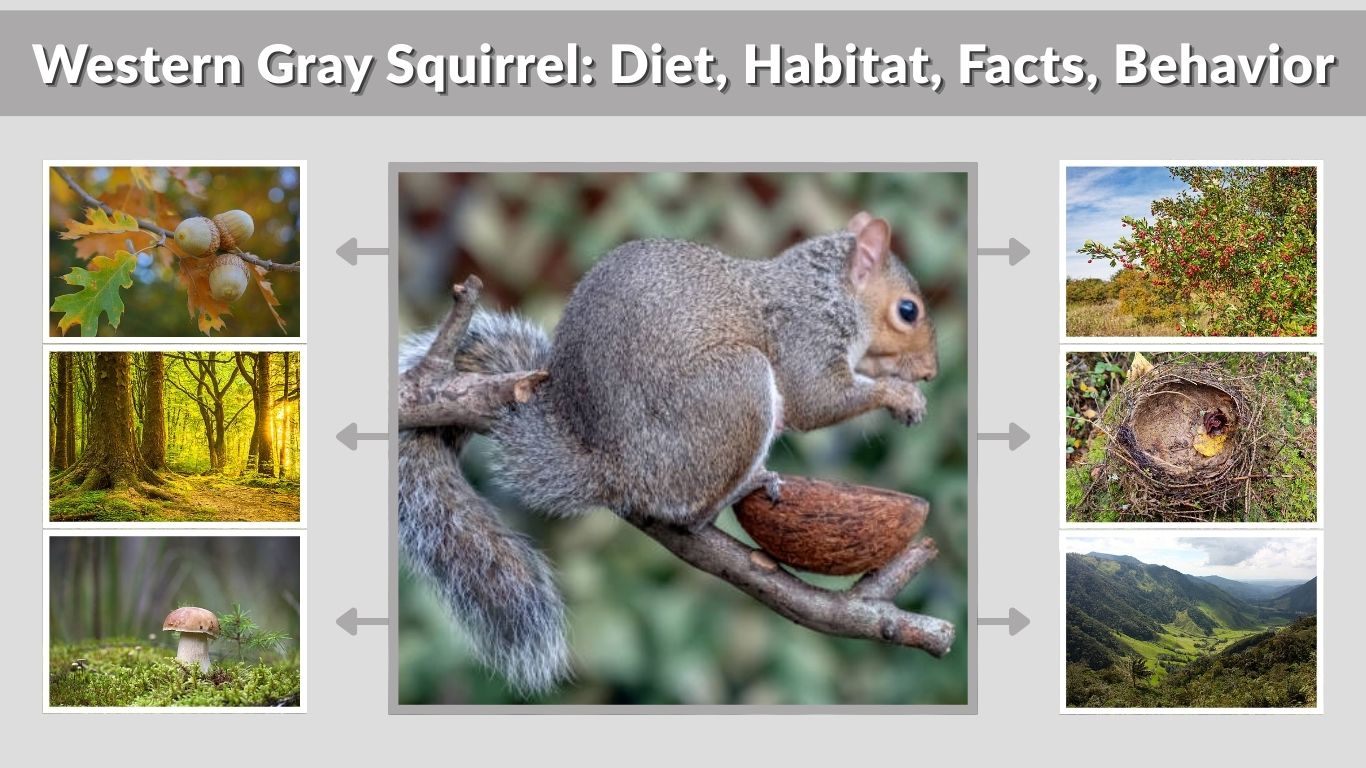
The western gray squirrel is one of the largest native tree squirrels found in western North America. Known for its beautiful silver-gray fur and long bushy tail, this squirrel plays an important role in forest ecosystems. Western gray squirrels are commonly found in oak woodlands and conifer forests where they gather and store food for later use. From their habitat and diet to their behavior and lifespan, these squirrels are fascinating animals that help maintain healthy forests.
What Is a Western Gray Squirrel?
The western gray squirrel (Sciurus griseus) is a large tree squirrel species native to the western United States. It belongs to the squirrel family Sciuridae, which includes tree squirrels, ground squirrels, chipmunks, and marmots.
Western gray squirrels are known for their silver-gray fur, white belly, and large fluffy tail. They are larger than many other squirrel species and can reach 45–60 centimeters (18–24 inches) in total length, including the tail. Adult western gray squirrels usually weigh 500–900 grams (1.1–2 pounds).
These squirrels are excellent climbers and spend most of their lives in trees. Their strong hind legs allow them to leap between branches, while their sharp claws help them grip bark and climb quickly.
Western gray squirrels are especially important in forest ecosystems because they help disperse seeds and nuts, which contributes to forest regeneration.
Western Gray Squirrel Identification
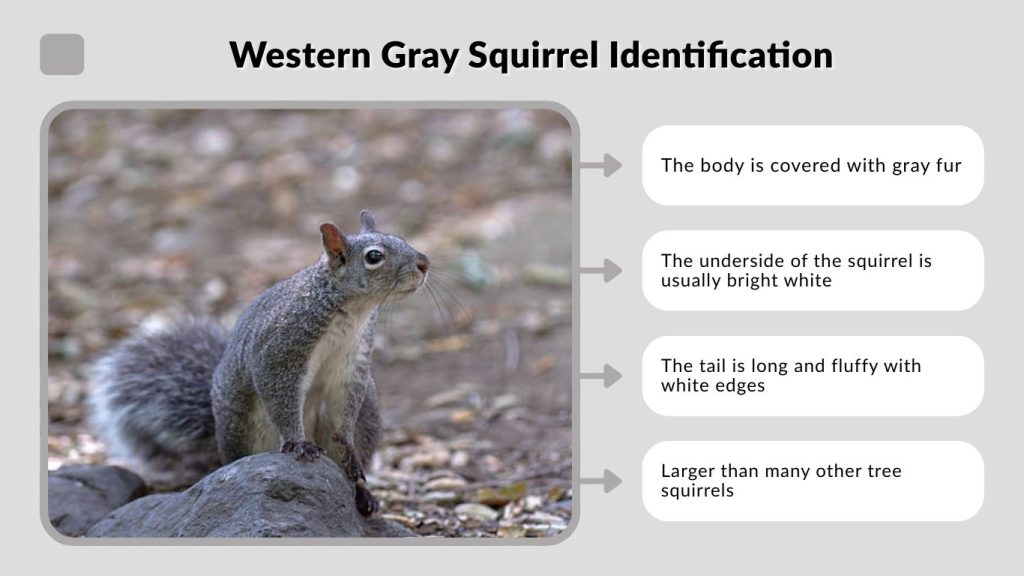
Western gray squirrels have several physical characteristics that make them easy to recognize in forest environments. Their large size and distinctive coloration help distinguish them from other squirrel species.
Key Identification Features
- Silver-gray fur: The body is covered with gray fur that may appear slightly brown or silver in sunlight
- White belly: The underside of the squirrel is usually bright white
- Large bushy tail: The tail is long and fluffy with white edges
- Medium-to-large body size: Larger than many other tree squirrels
- Large ears: Help detect sounds and predators
- Sharp claws: Adapted for climbing tree trunks and branches
These features help wildlife observers identify western gray squirrels in wooded areas.
Western Gray Squirrel Habitat
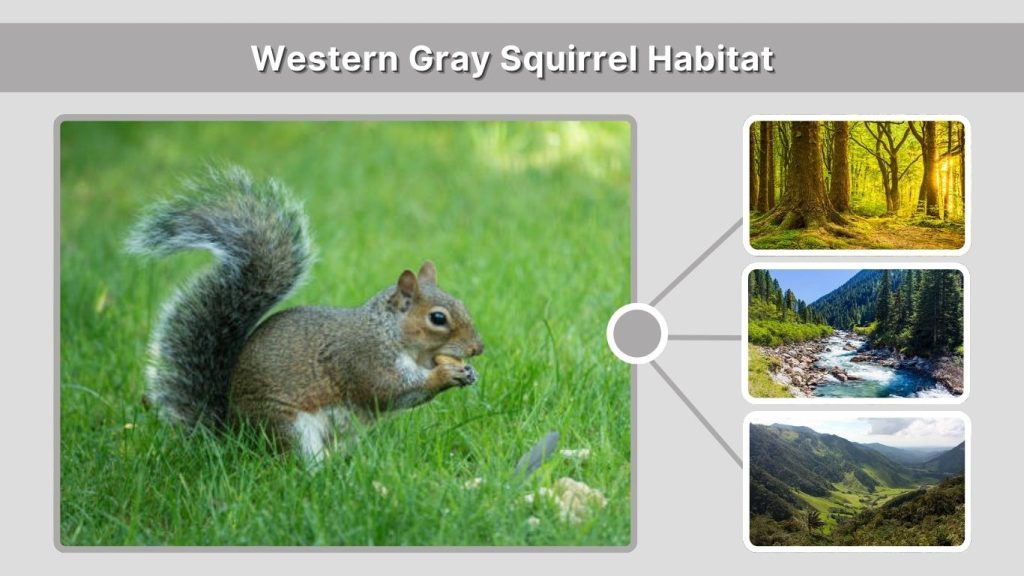
Western gray squirrels prefer forested habitats with plenty of trees that produce nuts and seeds. They are particularly associated with oak woodlands and mixed forests.
Native Range
The western gray squirrel is mainly found in parts of the western United States, including:
- California
- Oregon
- Washington
Within these states, the species is often found in forested regions where oak and pine trees grow.
Preferred Habitat
Western gray squirrels commonly inhabit environments such as:
- Oak woodlands
- Conifer forests
- Mixed oak–pine forests
- Mountain forest regions
- Woodland valleys
These areas provide food sources, nesting sites, and protection from predators.
Environmental Adaptations
Western gray squirrels are well adapted to forest life. Their strong climbing abilities allow them to move easily between trees, while their coloration helps them blend into tree bark and forest shadows.
They also rely heavily on oak trees because acorns are one of their most important food sources.
Western Gray Squirrel Range
The geographic range of the western gray squirrel is limited compared to some other squirrel species. It mainly occupies forest ecosystems along the Pacific Coast of the United States.
Geographic Distribution
Western gray squirrels are most commonly found in:
- California’s coastal and mountain forests
- Western Oregon oak woodlands
- Southern and western regions of Washington
Elevation Range
These squirrels can live at various elevations, from lowland valleys to mountain forests. However, they are most commonly found in regions with abundant oak and pine trees.
Because they rely heavily on specific forest habitats, changes in forest environments can affect their population and distribution.
Western Gray Squirrel Diet
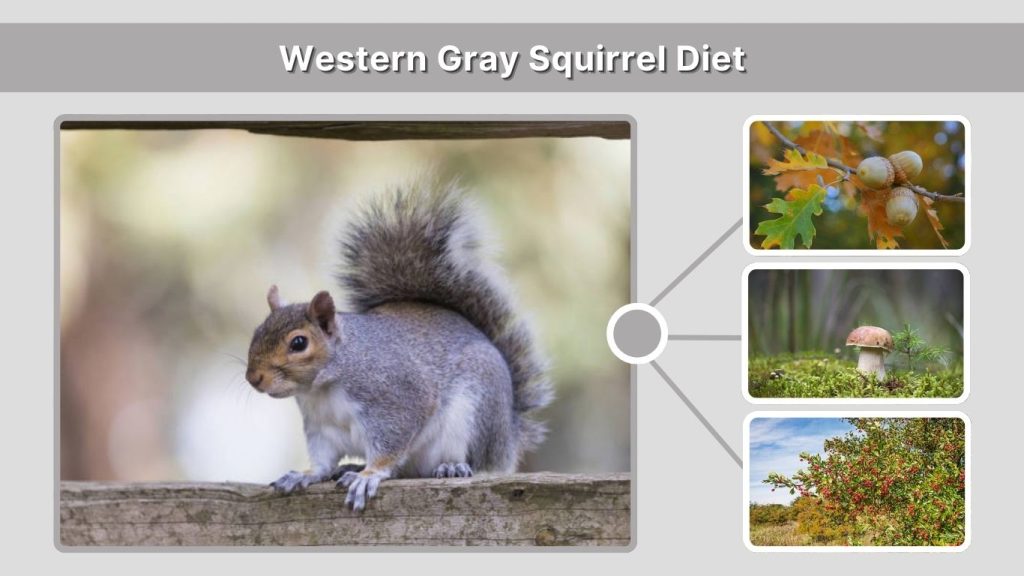
Western gray squirrels are primarily herbivores, although they occasionally eat small insects or animal matter. Their diet mainly consists of plant-based foods found in forest ecosystems.
What Do Western Gray Squirrels Eat?
Western gray squirrels eat a variety of foods depending on what is available in their habitat. Their typical diet includes:
- Acorns from oak trees
- Walnuts and hazelnuts
- Pine seeds
- Mushrooms and fungi
- Fruits and berries
These foods provide the nutrients and energy needed for their active lifestyle.
Feeding Behavior
Western gray squirrels are known for their food caching behavior, where they bury nuts and seeds in the ground to store them for later use. This behavior helps them survive during winter when fresh food may be harder to find.
Their feeding habits also play an important role in forest ecosystems because buried seeds can later grow into new plants and trees.
Western gray squirrels are usually most active during early morning and late afternoon, when they search for food and move through tree branches.
Western Gray Squirrel Behavior
Western gray squirrels show several behaviors that help them survive in forest environments. They are agile climbers, intelligent foragers, and active during the daytime.
Tree-Dwelling Lifestyle
Western gray squirrels spend most of their lives in trees. They travel along branches and trunks in search of food and shelter. Their strong hind legs allow them to jump several feet between branches, while their sharp claws help them grip tree bark.
Territorial Behavior
These squirrels can be territorial and may defend feeding areas from other squirrels. They communicate using chattering sounds, tail flicks, and body movements to warn rivals or signal danger.
Activity Pattern
Western gray squirrels are diurnal animals, meaning they are active during the day. Their activity usually peaks in the morning and late afternoon, when temperatures are cooler and food searching is easier.
Western Gray Squirrel Nest
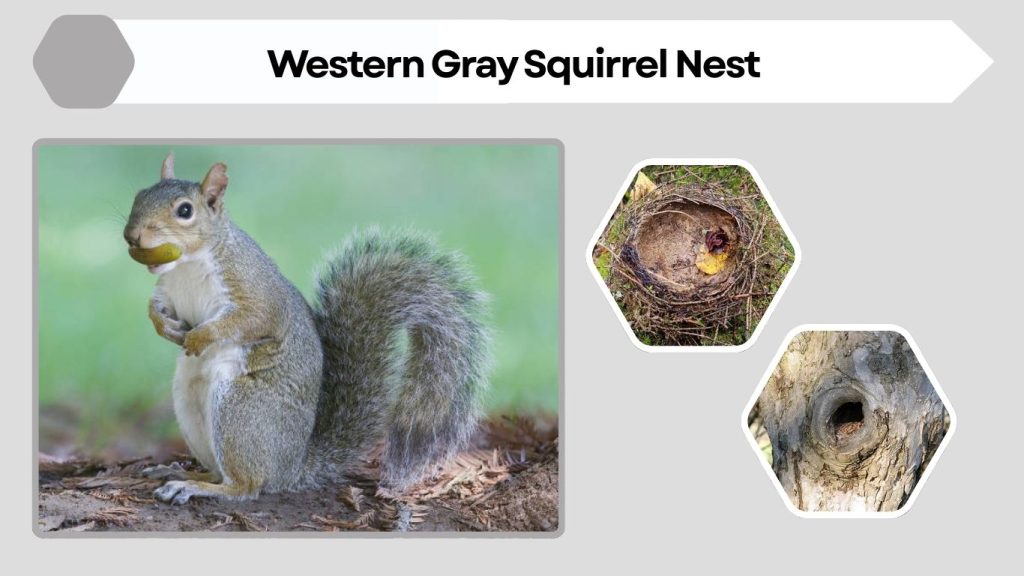
Western gray squirrels build nests high in trees where they can stay safe from predators and harsh weather.
Types of Nests
Western gray squirrels typically build two main types of nests:
Leaf Nests (Dreys)
Dreys are round nests made from twigs and leaves. They are usually built on strong tree branches and lined with soft materials for comfort.
Tree Cavity Nests
Sometimes squirrels use natural holes in tree trunks as nests. These cavity nests provide better protection from wind, rain, and predators.
Nest Construction
To build a nest, squirrels gather materials such as:
- Twigs
- Leaves
- Moss
- Grass
- Bark fibers
The inside of the nest is carefully lined to keep the squirrel warm and comfortable.
Western Gray Squirrel Lifespan
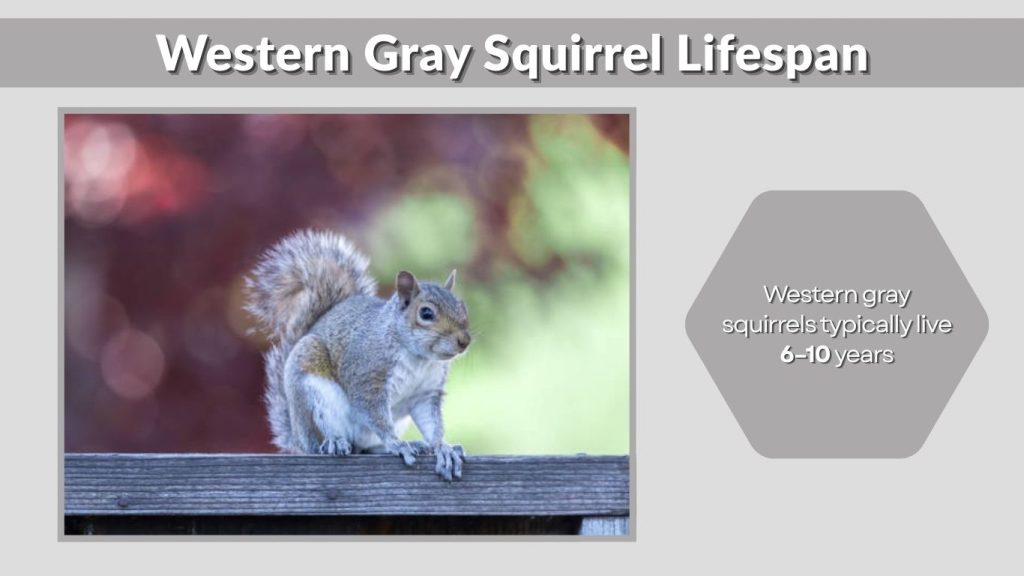
The lifespan of a western gray squirrel depends on environmental conditions and threats in its habitat.
In the wild, western gray squirrels typically live 6–10 years, although many individuals do not reach that age due to predators and accidents. In captivity, they may live up to 15 years or more.
Factors Affecting Lifespan
Several factors influence their survival:
- Predators such as hawks, owls, coyotes, and bobcats
- Habitat loss due to forest changes
- Disease and parasites
- Limited food availability in some seasons
Despite these challenges, western gray squirrels remain an important part of forest ecosystems.
Western Gray Squirrel vs Eastern Gray Squirrel
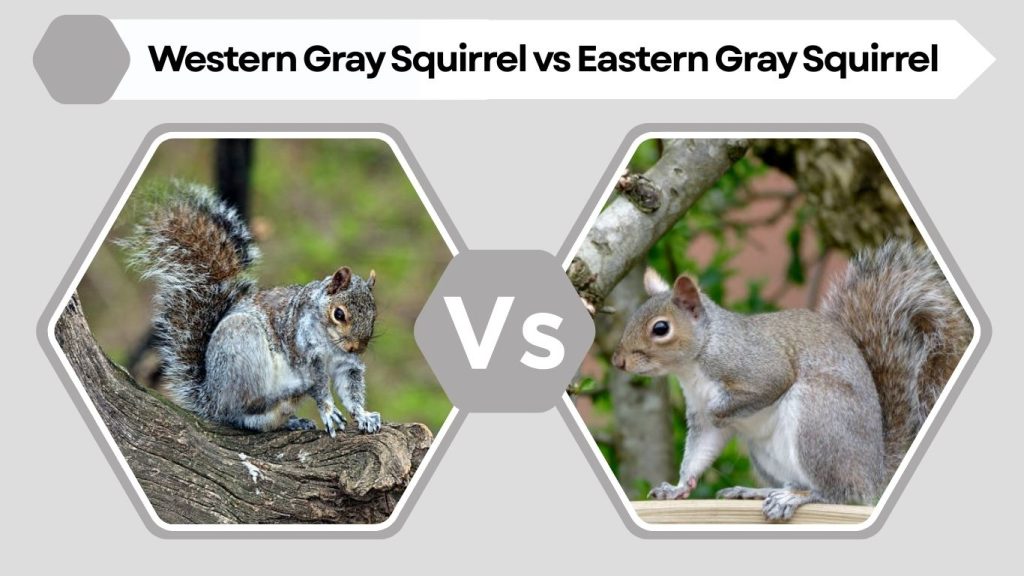
Although western gray squirrels and eastern gray squirrels share similar names, they differ in several ways.
Key Differences
| Feature | Western Gray Squirrel | Eastern Gray Squirrel |
| Size | Generally larger | Slightly smaller |
| Range | Western United States | Eastern North America |
| Habitat | Oak woodlands and mountain forests | Forests, parks, and urban areas |
| Fur Color | Silver-gray with white belly | Gray with brownish tones |
Western gray squirrels tend to prefer more natural forest habitats, while eastern gray squirrels adapt well to urban environments.
Interesting Western Gray Squirrel Facts
Western gray squirrels have several fascinating characteristics that make them unique among squirrel species.
- They are among the largest native tree squirrels in western forests.
- Their long bushy tail helps them balance while jumping between branches.
- Western gray squirrels rely heavily on acorns and oak forests for food.
- They help forests grow by burying seeds that later sprout into trees.
- These squirrels are strong climbers and can move quickly through dense tree canopies.
Conclusion
The western gray squirrel is an important species in the forests of western North America. Known for its silver-gray fur, bushy tail, and excellent climbing abilities, this squirrel plays a key role in forest ecosystems. From gathering and storing acorns to building nests high in trees, western gray squirrels show remarkable adaptability and survival skills. Understanding their habitat, diet, and behavior helps highlight the importance of protecting forest environments where these squirrels live.