




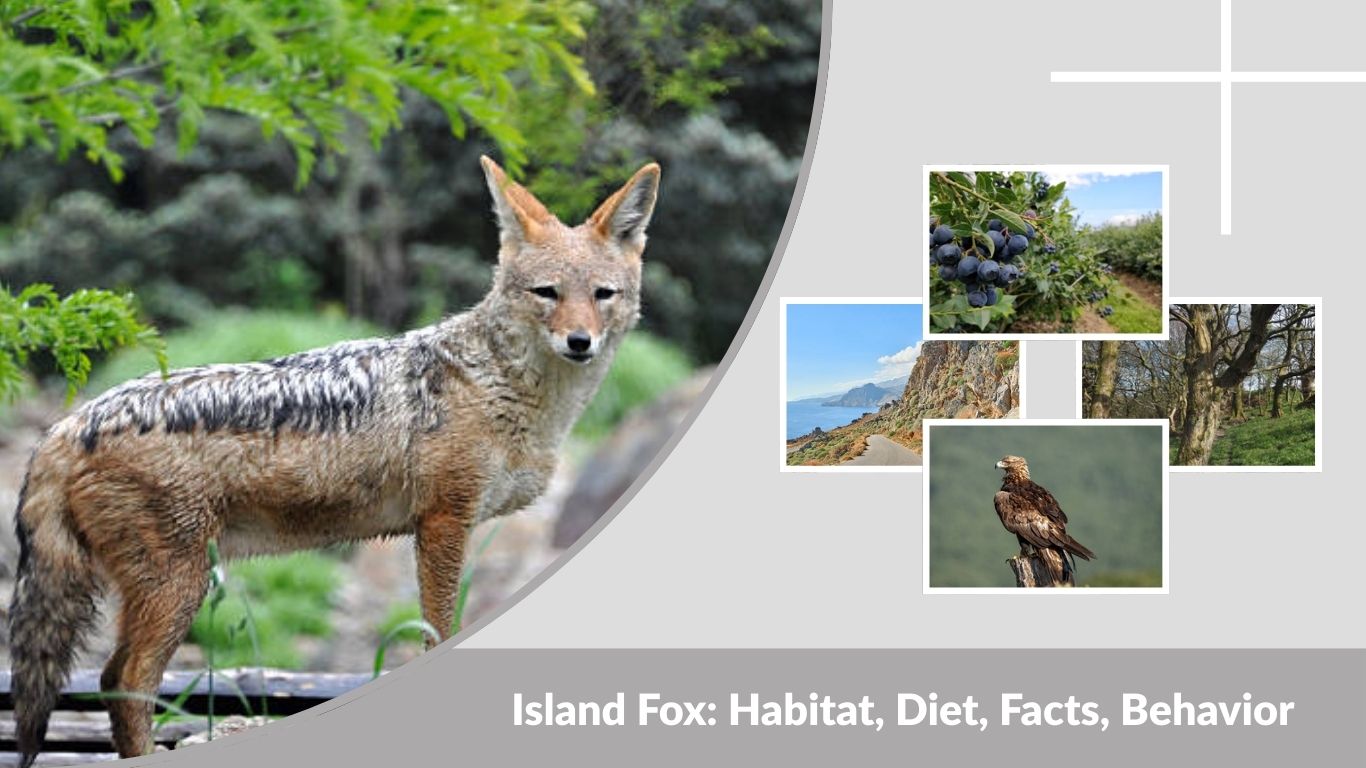
The island fox is a small fox species native to the Channel Islands off the coast of California, United States. Scientifically known as Urocyon littoralis, this fox is one of the smallest fox species in North America. It evolved from the mainland gray fox thousands of years ago and adapted to the unique environment of the islands. Because of its limited range and small population, the island fox has become an important symbol of wildlife conservation. Today, it plays a key role in maintaining balance within the fragile island ecosystems where it lives.
What is an Island Fox?
The island fox is a small carnivorous mammal belonging to the Canidae family, which includes wolves, dogs, and other fox species. It is closely related to the gray fox, but over time it evolved into a smaller species due to its isolated island habitat.
Island foxes are found only on six of the eight Channel Islands in Southern California. These islands include Santa Cruz, Santa Rosa, San Miguel, Santa Catalina, San Nicolas, and San Clemente. Because they live in isolated locations, each island population has developed slightly different characteristics.
Unlike many mainland fox species, island foxes have adapted to environments with fewer predators. This allows them to be active both during the day and night, making them more visible than many other fox species.
Island foxes are important predators within their ecosystems because they help control populations of insects, small animals, and other prey species.
Island Fox Identification
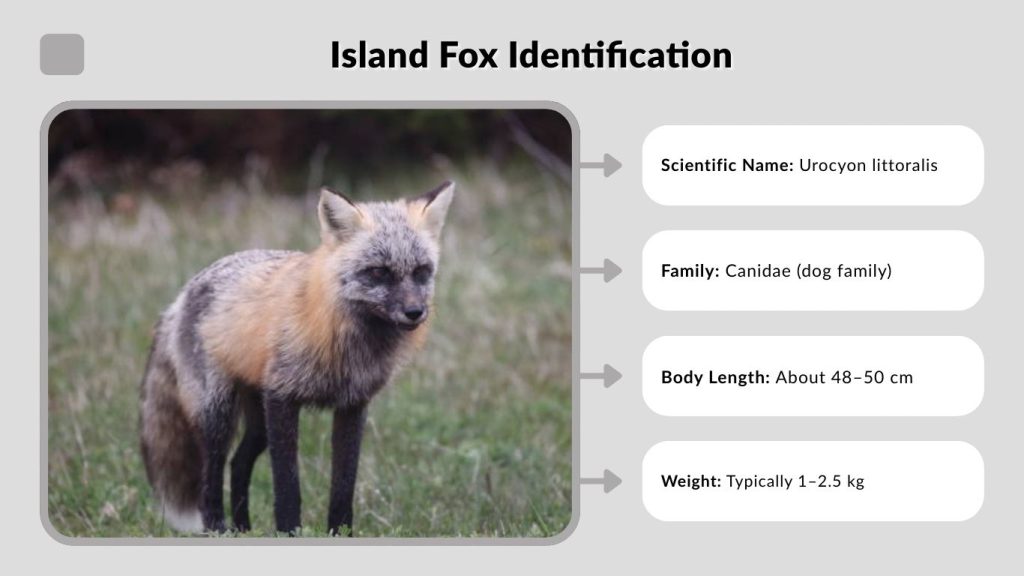
The island fox (Urocyon littoralis) is a small fox species found only on the Channel Islands off the coast of California. It closely resembles the gray fox but is smaller and more compact due to thousands of years of evolution in an isolated island environment. The island fox has grayish-brown fur, a bushy tail, and a slender body, which help it move easily across rocky and coastal habitats. Its small size and distinctive markings make it easy to identify among North American fox species.
Key Identification Features
- Scientific Name: Urocyon littoralis
- Common Name: Island Fox
- Animal Type: Mammal
- Family: Canidae (dog family)
- Body Length: About 48–50 cm (19–20 inches)
- Tail Length: Around 11–29 cm (4–11 inches)
- Weight: Typically 1–2.5 kg (2–5 pounds)
- Fur Color: Grayish-brown coat with a lighter underside
- Ears: Rounded ears similar to the gray fox
- Tail: Bushy tail with dark markings
- Habitat: Channel Islands of California
- Activity Pattern: Active both day and night (cathemeral)
These features help distinguish the island fox from other fox species and reflect its adaptation to life on isolated islands.
Island Fox Habitat
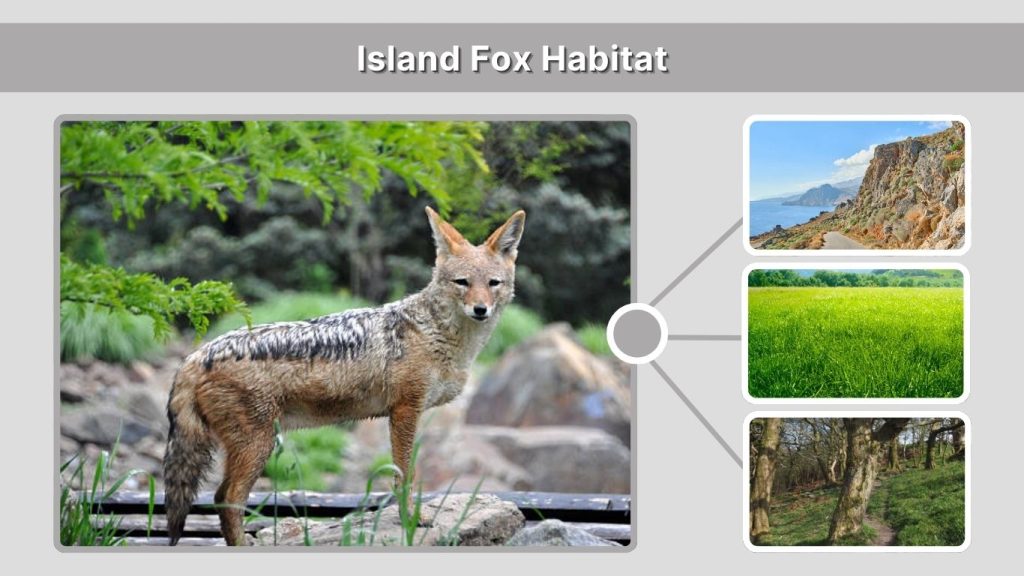
The island fox habitat is limited to the Channel Islands of California, making it one of the most geographically restricted fox species in the world.
Where Do Island Foxes Live?
Island foxes live only on six islands in the Channel Islands archipelago:
- Santa Cruz Island
- Santa Rosa Island
- San Miguel Island
- Santa Catalina Island
- San Nicolas Island
- San Clemente Island
Each island population is considered a separate subspecies, adapted to the specific environment of its island.
Preferred Environments
Island foxes can live in a variety of habitats found on the islands. These environments include:
- Coastal scrublands
- Grasslands
- Oak woodlands
- Chaparral vegetation
These habitats provide both food sources and places for shelter.
Habitat Adaptations
Island foxes have adapted to island life in several ways. Because space and resources are limited, they have smaller territories compared to mainland foxes.
They also use natural shelters such as hollow logs, dense vegetation, and rocky areas instead of digging large burrows.
Their ability to survive in multiple habitats allows them to thrive across the diverse landscapes of the Channel Islands.
Island Fox Diet
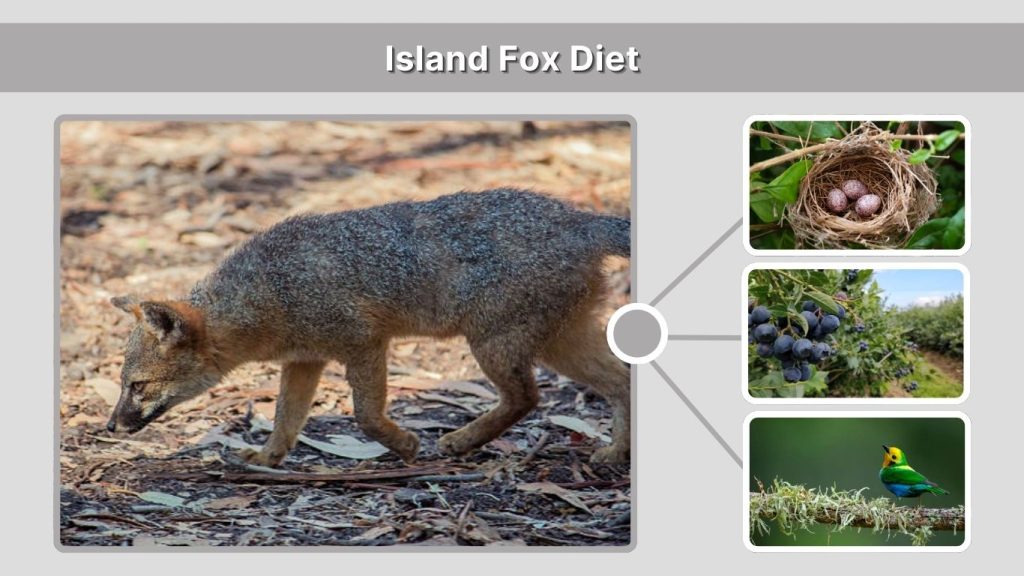
The island fox diet is diverse because these animals are omnivores. Their diet changes depending on seasonal food availability and the environment of each island.
What Do Island Foxes Eat?
Island foxes commonly eat a variety of foods, including:
- Insects such as beetles and grasshoppers
- Small mammals
- Birds and bird eggs
- Fruits and berries
- Plants and vegetation
Insects and fruits often make up a large part of their diet.
Hunting Behavior
Island foxes are opportunistic hunters, meaning they eat whatever food is most available. They rely on their sharp sense of hearing and smell to detect prey.
Unlike many fox species that hunt mostly at night, island foxes can be active during both the day and night.
Seasonal Diet Changes
The diet of island foxes often changes with the seasons. During warmer months, they may eat more insects and fruits, while in other seasons they rely more on small animals and birds.
This flexible feeding behavior helps them survive in island environments where food resources can vary throughout the year.
Island Fox Behavior
Island foxes display several behaviors that help them survive in the unique environments of the Channel Islands. Because these islands have fewer natural predators than mainland areas, island foxes are often less fearful and more active during the day compared to many other fox species.
Activity Patterns
Island foxes are considered cathemeral, meaning they can be active both during the day and at night. This flexible activity pattern allows them to search for food whenever it is available.
They often spend their time exploring their territory, hunting small prey, or searching for fruits and insects among vegetation.
Social Structure
Island foxes are generally solitary animals, but they may live in pairs during the breeding season. A male and female often share the same territory and cooperate when raising their young.
Each fox maintains a defined territory that it marks and defends from other foxes.
Communication
Like other fox species, island foxes communicate using different signals:
- Vocal sounds such as barks and growls
- Scent marking to establish territory boundaries
- Body posture and tail movements
These communication methods help foxes interact with mates and avoid conflicts with other individuals.
Island Fox Life Cycle
The life cycle of the island fox includes several stages from birth to adulthood. Because the species lives in isolated environments, reproduction and survival are important factors in maintaining stable populations.
Breeding Season
Island foxes usually breed once each year. The mating season typically occurs during late winter, often between January and March.
During this time, pairs form and prepare a safe shelter for raising their pups.
Gestation and Birth
After mating, the female island fox carries the pups for about 50–55 days before giving birth.
A typical litter contains 1–5 pups, although the number can vary depending on environmental conditions and food availability.
Pup Development
At birth, the pups are blind and completely dependent on their mother. They stay inside the den during the first weeks of life.
Their eyes usually open after about 10–14 days, and they begin exploring outside the den after several weeks.
Growth to Adulthood
Both parents may help provide food and protection for the pups. As they grow, young foxes gradually learn how to hunt and survive on their own.
By the time they reach about 8–10 months old, they are usually capable of living independently.
Island Fox Lifespan
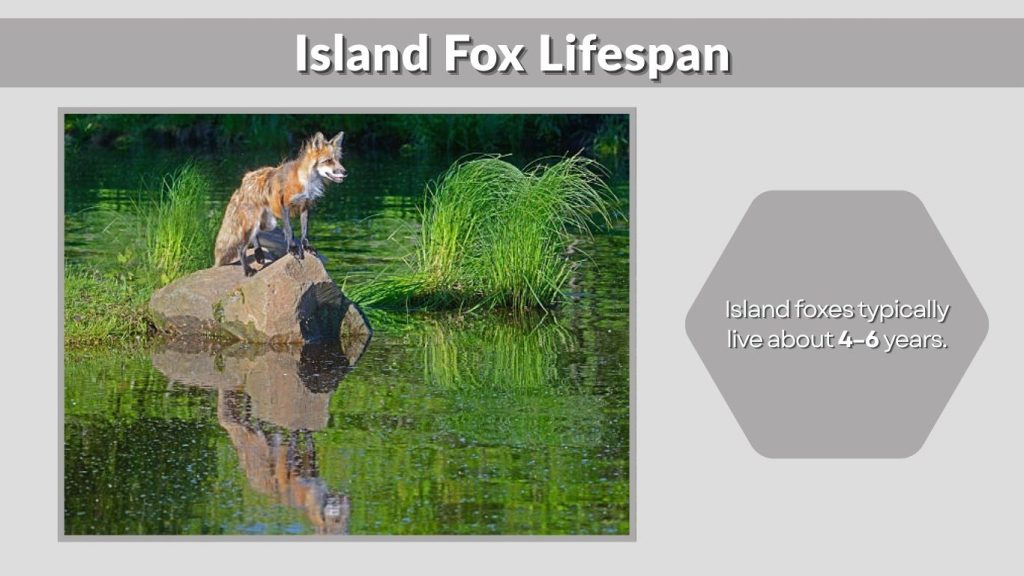
The island fox lifespan can vary depending on environmental conditions, disease, and predator threats.
Lifespan in the Wild
In natural environments, island foxes typically live about 4–6 years. However, some individuals may live longer under favorable conditions.
Lifespan in Captivity
In protected environments such as wildlife centers, island foxes may live up to 8–10 years due to stable food sources and medical care.
Factors Affecting Lifespan
Several factors influence the lifespan of island foxes:
- Disease outbreaks
- Limited food resources
- Environmental changes
- Predator threats
Conservation programs help reduce these threats and support healthy fox populations.
Predators and Threats
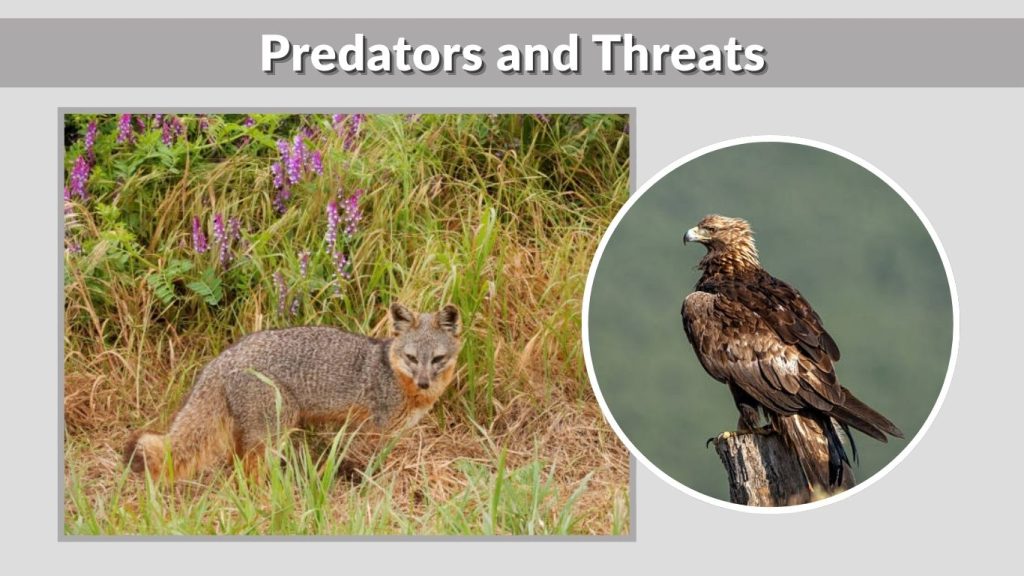
Island fox populations have faced several threats in the past. One of the most significant threats was predation by golden eagles, which were introduced to the islands after environmental changes.
Other threats include:
- Disease outbreaks such as canine distemper
- Habitat changes
- Human activities
Because island foxes evolved in isolated environments with few predators, they were particularly vulnerable when new threats appeared.
Conservation Status of the Island Fox
The island fox once experienced severe population declines in the 1990s. Conservation programs were launched to protect and restore the species.
These efforts included:
- Captive breeding programs
- Removal of golden eagles from the islands
- Vaccination programs to prevent disease
- Habitat protection
Thanks to these efforts, island fox populations have recovered significantly, and the species is now considered one of the most successful wildlife conservation stories in North America.
Interesting Island Fox Facts
Island foxes have several fascinating characteristics:
- They are one of the smallest fox species in North America.
- Each island population is considered a distinct subspecies.
- Island foxes evolved through island dwarfism, becoming smaller than their mainland relatives.
- They are an important part of the Channel Islands ecosystem.
FAQs
Where do island foxes live?
Island foxes live only on the Channel Islands of California, including Santa Cruz, Santa Rosa, San Miguel, Santa Catalina, San Nicolas, and San Clemente islands.
What do island foxes eat?
They eat insects, small mammals, birds, fruits, and plant material.
How big are island foxes?
Island foxes usually measure about 48–50 cm in body length and weigh between 1–2.5 kg.
Are island foxes endangered?
Island fox populations once declined significantly, but successful conservation efforts have helped the species recover in many areas.